10 Stunning Central Coast State Parks To Explore On Your 2026 California Adventure
California’s Central Coast feels like the kind of place people dream about long after they’ve left.
Rugged cliffs plunge into the Pacific, waves crash against rocky coves, and coastal trails stretch toward the horizon with ocean views at every turn.
This stretch of shoreline isn’t just scenic – it’s alive, constantly changing with the seasons, the tides, and the light.
The state parks here capture everything that makes the Central Coast unforgettable, from quiet beaches where tide pools shimmer with color to hillsides that burst into wildflowers after winter rains.
This is the kind of coastline that makes you slow down, pull over, and take it all in. The Central Coast is where California still feels wild.
Towering redwoods, elephant seals lounging on sandy shores, and trails that feel miles away from everyday life make these parks something special.
If you’ve ever wanted a road trip that feels both peaceful and adventurous, this is it. These are the places that turn casual trips into lifelong memories.
Once you see this coastline, it’s impossible not to start planning your next visit. For 2026 travelers, the Central Coast isn’t just an option – it’s the destination everyone will be talking about.
1. Montaña De Oro State Park
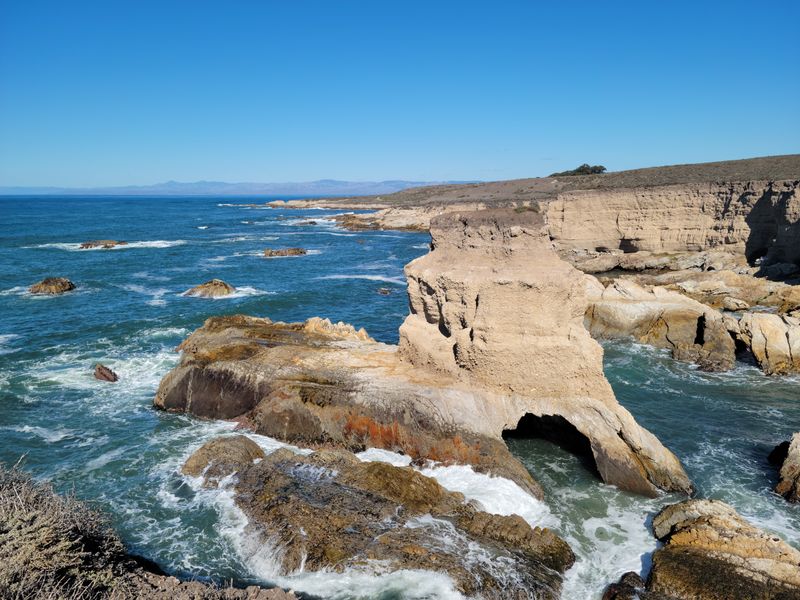
Waves crash against jagged cliffs while sandy coves nestle between rocky outcrops at this coastal gem near Los Osos.
The park’s name translates to “Mountain of Gold,” inspired by the golden wildflowers that blanket the hillsides each spring.
Valencia Peak rises 1,347 feet above sea level and rewards hikers with panoramic views stretching from Morro Bay to Point Sal.
Seven miles of shoreline offer tide pooling opportunities where visitors can spot sea stars, anemones, and hermit crabs during low tide.
Mountain biking trails wind through coastal scrub and eucalyptus groves, providing varied terrain for riders of different skill levels.
Equestrian trails allow horseback riders to explore the backcountry areas away from the coast.
Bluff Trail follows the dramatic coastline for about three miles, passing sea caves and natural rock formations shaped by centuries of wave action.
Spooner’s Cove serves as a popular launching point for kayakers when ocean conditions allow safe paddling.
The park’s remote feel and diverse landscapes make it a favorite among photographers seeking dramatic coastal scenes.
2. Morro Bay State Park
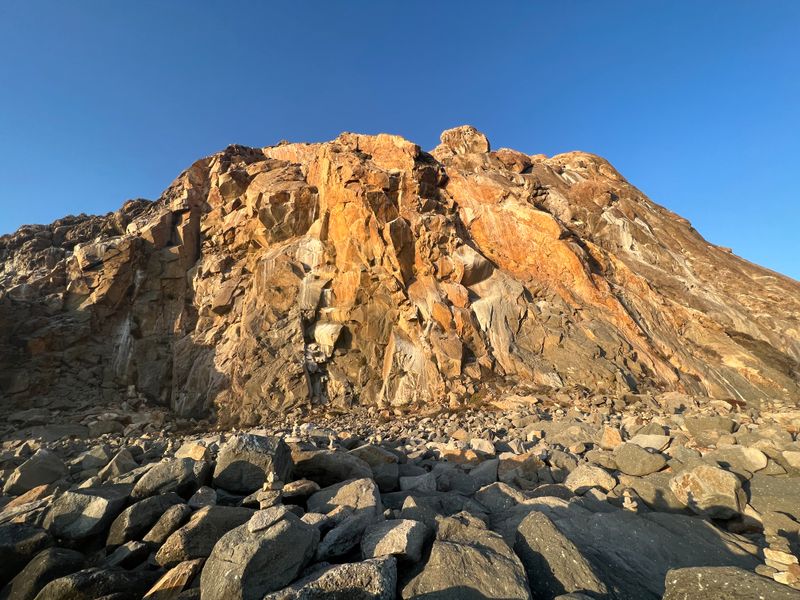
Calm waters reflect the iconic silhouette of Morro Rock, a 576-foot volcanic plug that dominates the bay’s entrance and serves as a protected nesting site for peregrine falcons.
The park wraps around the bay’s southern shore, where eucalyptus trees provide shade for picnic areas and campgrounds. A marina offers boat launch facilities and kayak rentals for exploring the bay’s protected waters.
The Museum of Natural History at 20 State Park Rd, Morro Bay, CA 93442 sits on a hillside overlooking the bay, featuring exhibits about local ecosystems, Native American history, and coastal geology.
Heron rookery viewing platforms allow visitors to observe great blue herons and great egrets nesting in the eucalyptus trees during breeding season.
The park’s 18-hole golf course winds through the natural landscape, offering ocean views from several holes.
Kayaking through the bay’s calm channels provides close encounters with sea otters, harbor seals, and dozens of shorebird species.
Black Hill Trail climbs to an extinct volcanic cone, offering 360-degree views of the bay, town, and surrounding coastline. The park’s relatively flat terrain and paved paths make it accessible for visitors of all mobility levels.
3. Estero Bluffs State Park
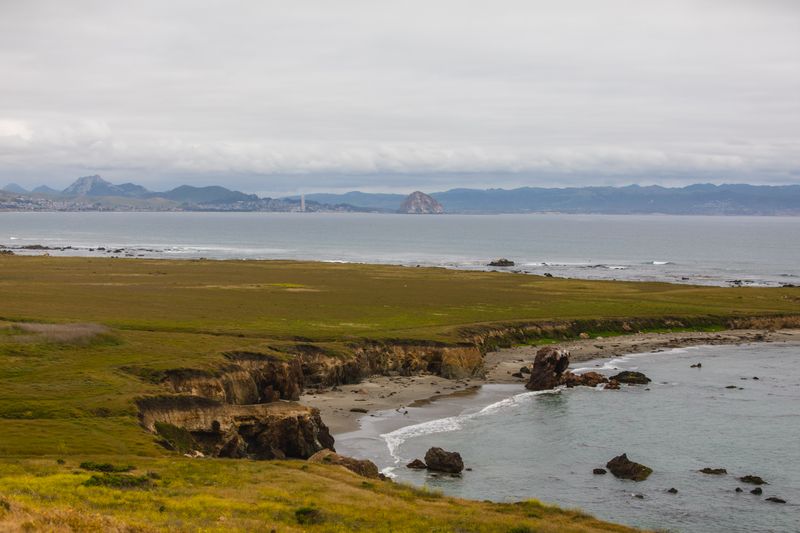
Wide grassy bluffs stretch along the coastline north of Cayucos, offering unobstructed views across Estero Bay toward the distinctive profile of Morro Rock in the distance.
The park’s two-mile bluff-top trail follows the edge of sandstone cliffs that drop to rocky beaches below. Spring wildflowers transform the coastal prairie into a colorful display of lupines, poppies, and sea thrift.
Stairways descend from the bluffs to tide pool areas where low tide reveals sea urchins, crabs, and small fish trapped in rocky depressions.
The relatively undeveloped nature of this park creates a peaceful atmosphere away from more crowded coastal destinations.
Benches along the trail provide rest spots for watching waves break against offshore rocks. Sunset views from the bluffs paint the sky in shades of orange and pink as the sun sinks toward the ocean horizon.
The trail’s easy grade makes it suitable for families with young children and visitors seeking a gentle coastal walk.
Parking areas at both the north and south ends allow hikers to choose their preferred starting point or complete a one-way walk with a car shuttle.
4. Hearst San Simeon State Park
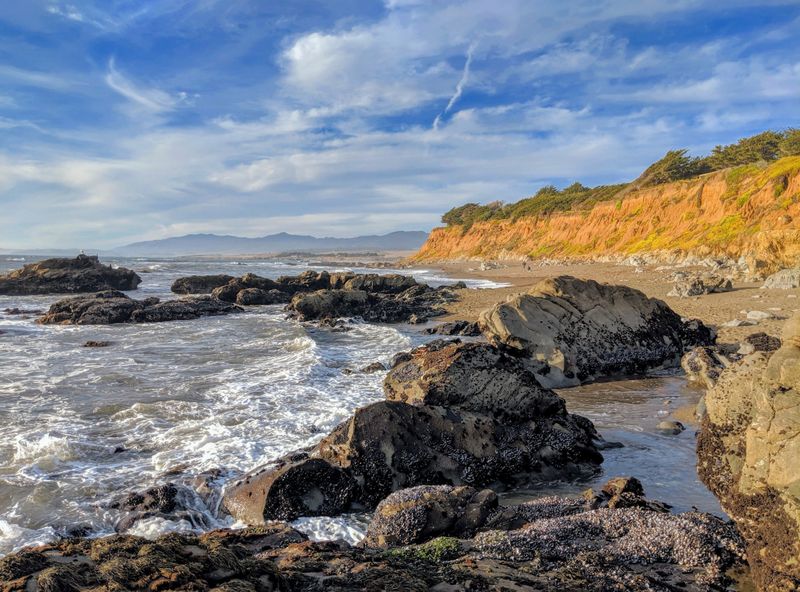
Elephant seals by the hundreds haul out on beaches at Piedras Blancas Rookery, creating one of California’s most remarkable wildlife viewing opportunities year-round.
Bulls weighing up to 5,000 pounds battle for dominance during breeding season while pups nurse and play in the surf.
Viewing platforms with interpretive signs allow visitors to observe these massive marine mammals from a safe distance.
The park stretches along several miles of coastline, encompassing sandy beaches, rocky coves, and coastal bluffs with hiking trails.
Historic Hearst Castle at 750 Hearst Castle Rd, San Simeon, CA 93452 rises on a hillside above the park, though castle tours require separate reservations.
Washburn Day Use Area provides beach access, picnic facilities, and a campground tucked into a protected valley.
Coastal trails wind through native vegetation, offering chances to spot migrating gray whales offshore during winter and spring months.
The park’s beaches collect driftwood and sea glass, making beachcombing a popular activity after winter storms.
San Simeon Creek flows through the park to the ocean, creating a riparian habitat that attracts songbirds and butterflies during migration periods.
5. Andrew Molera State Park
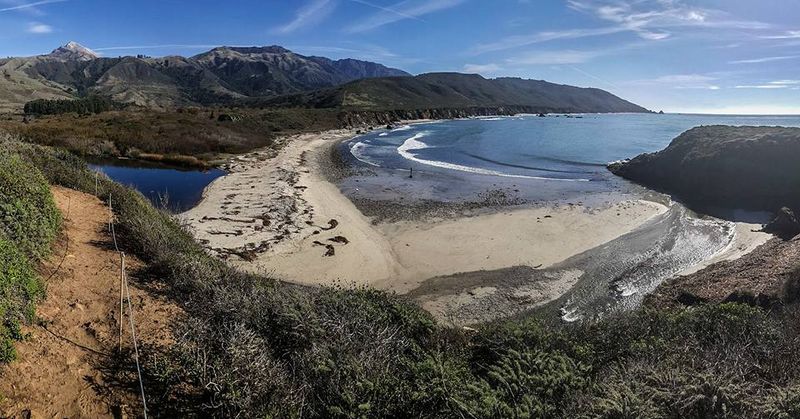
Big Sur’s largest state park spreads across 4,800 acres where meadows meet redwood groves and trails lead to a pristine beach at the mouth of the Big Sur River.
The historic Cooper Cabin in Big Sur stands as one of the oldest structures in Big Sur, built in the 1860s by pioneer rancher John Rogers Cooper.
Sycamore and cottonwood trees shade the walk-in campground, which requires a quarter-mile hike from the parking area.
Beach Trail follows the river through a meadow where deer graze in early morning and evening hours before crossing a seasonal footbridge to reach the sandy shore.
Headlands Trail climbs coastal bluffs for elevated views of the coastline, with spring wildflowers adding color to the grassy slopes.
Bluffs Trail offers a moderate loop that combines ocean vistas with chances to spot California condors soaring overhead.
The Big Sur River lagoon forms behind a sand bar at the beach, creating calm water for wading when ocean waves are too rough for swimming.
More than 15 miles of trails accommodate hikers, mountain bikers, and horseback riders seeking varied terrain and scenery. The park’s undeveloped character preserves the wild beauty that defines the Big Sur coast.
6. Point Lobos State Natural Reserve
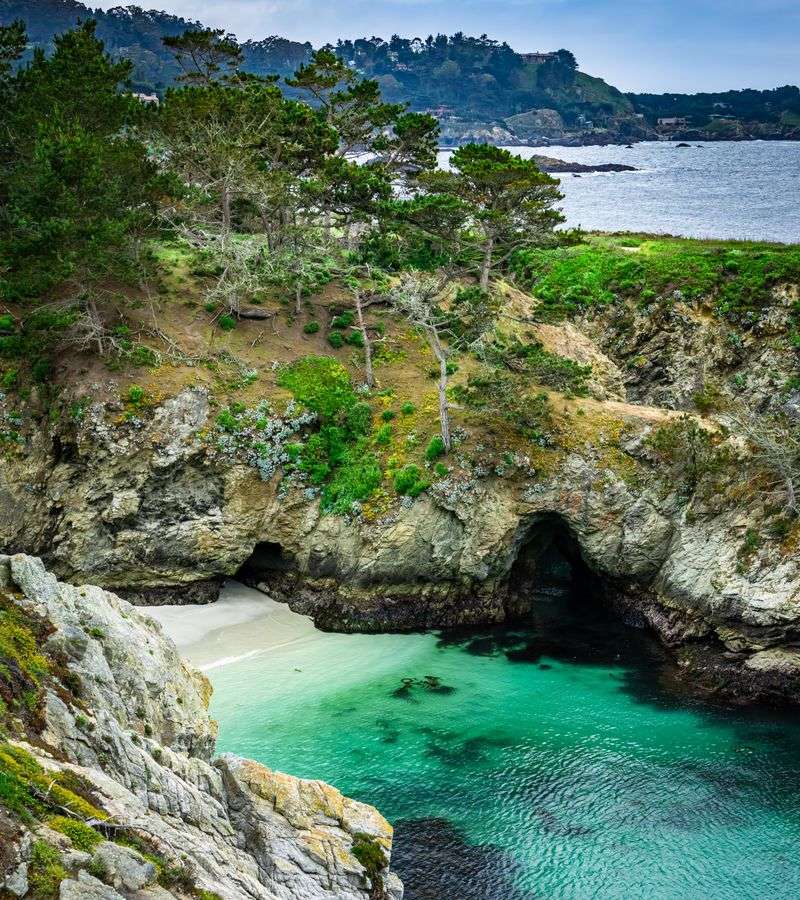
Turquoise coves shimmer between weathered granite headlands where twisted Monterey cypress trees cling to rocky outcrops shaped by constant coastal winds.
Photographers flock to this reserve near Carmel-by-the-Sea to capture the dramatic meeting of land and sea.
China Cove’s protected waters glow an almost tropical blue on sunny days, contrasting sharply with the darker ocean beyond the point.
Sea lions bark from offshore rocks while sea otters float on their backs in kelp beds, cracking open shellfish on their chests.
Hiking trails loop through the reserve, connecting viewpoints, coves, and forested areas within a compact area that can be explored in a few hours.
Cypress Grove Trail winds through one of only two naturally occurring Monterey cypress groves remaining in the world.
Whaler’s Cabin Museum near Carmel-by-the-Sea tells the story of the reserve’s whaling history and the Chinese fishing village that once operated at Whaler’s Cove.
Tidepools along Weston Beach reveal colorful sea stars, anemones, and chitons during low tide periods.
The reserve limits daily visitors to protect its delicate ecosystems, so arriving early, especially on weekends, helps ensure entry before the parking lot fills.
7. Garrapata State Park
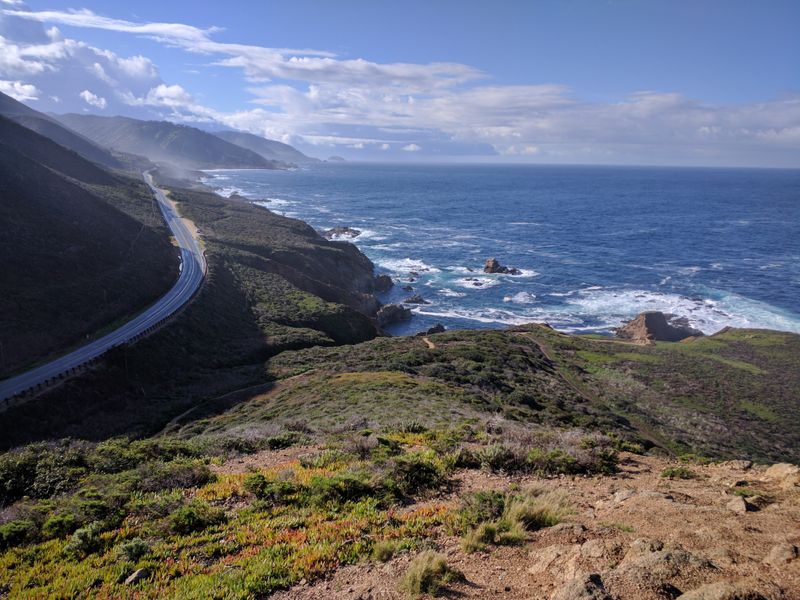
Highway 1 cuts through this park where the Santa Lucia Mountains drop steeply to meet rocky beaches and hidden coves along Big Sur’s northern reaches.
Garrapata Beach spreads out below the highway, accessible via a short trail that descends through coastal scrub. Waves crash against sea stacks while surfers paddle out when swells create rideable breaks.
Soberanes Canyon Trail climbs inland through redwood groves and past seasonal waterfalls, gaining elevation for views back toward the coastline.
Wildflower displays peak in spring when hillsides burst with California poppies, lupines, and Indian paintbrush. The park’s two distinct sections offer both coastal exploration and mountain hiking within the same visit.
Rocky Point overlook provides a popular photo spot where the highway curves along dramatic cliffs above crashing surf.
Parking along Highway 1 requires careful attention to designated pullouts, as the narrow shoulder and traffic make roadside stops potentially hazardous.
The park’s relatively undeveloped nature means visitors should bring water and be prepared for limited facilities.
Coastal fog often blankets the area during summer mornings, burning off by afternoon to reveal sunny conditions.
8. Julia Pfeiffer Burns State Park
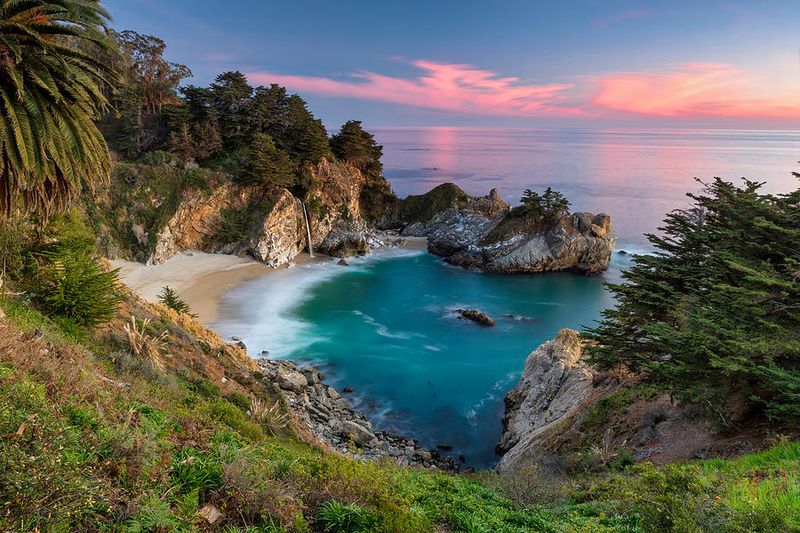
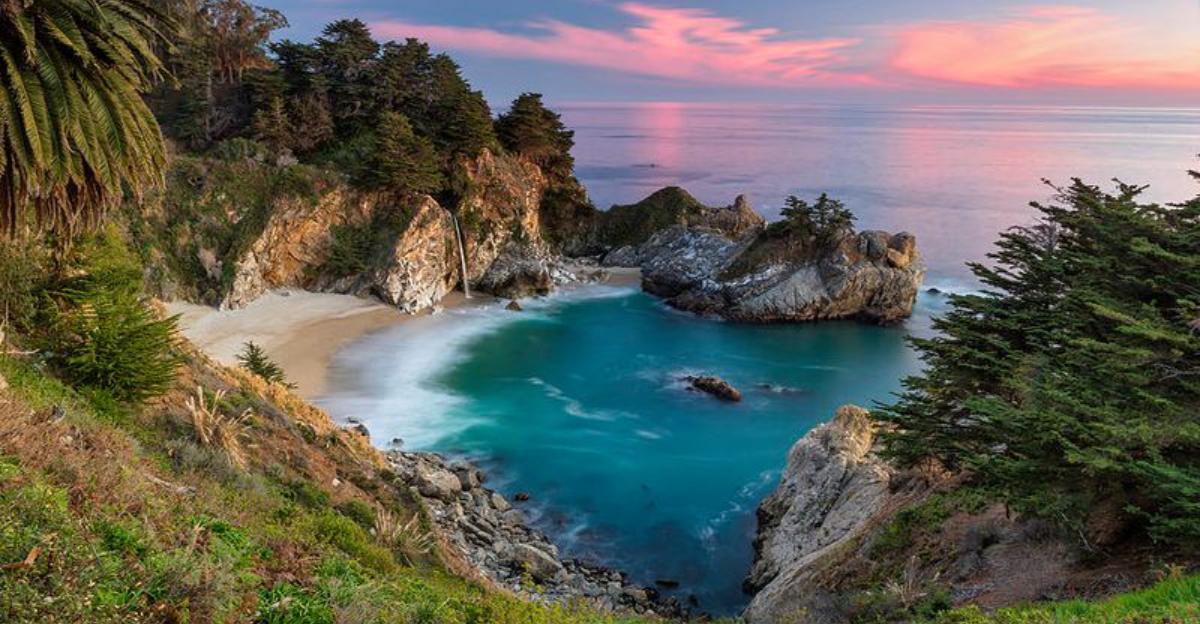
McWay Falls drops 80 feet from a cliff directly onto the sand of a pristine cove, creating one of California’s most photographed coastal scenes.
The waterfall flows year-round, fed by McWay Creek as it makes its final plunge to the beach below.
A short paved trail from the parking area leads to an overlook platform where visitors can photograph the falls without descending to the beach, which remains closed to public access to protect its fragile ecosystem.
Underwater Park offshore protects kelp forests and marine life, though diving requires special permits and advanced skills due to challenging conditions.
Ewoldsen Trail climbs through redwood and tanoak forest, crossing McWay Creek before ascending to canyon overlooks with filtered ocean views through the trees.
The trail’s moderate difficulty and shaded route make it a pleasant option when coastal areas feel windy or foggy.
Partington Cove Trail descends through a tunnel blasted through rock by early settlers, leading to a small cove where lumber was once loaded onto ships.
The park’s compact size concentrates its dramatic features into easily accessible areas. Limited parking fills quickly during peak season, making early morning visits the best strategy for avoiding crowds and securing a spot.
9. Fort Ord Dunes State Park
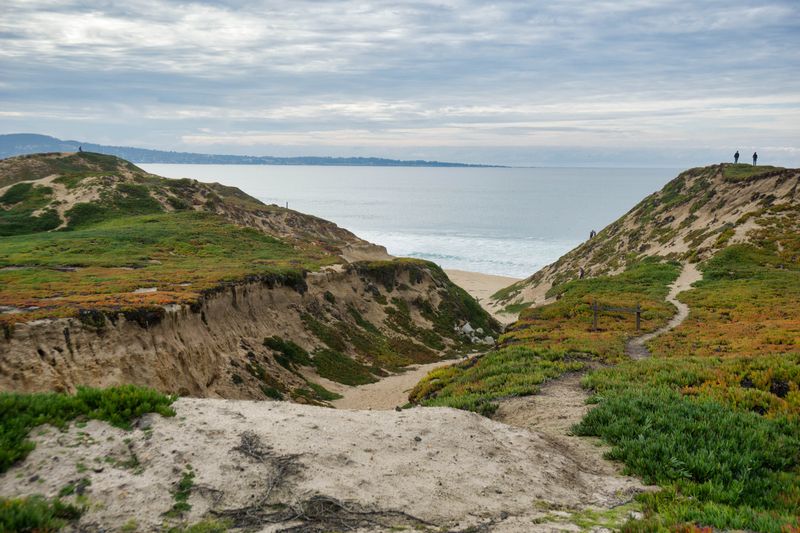
Former military training grounds have been transformed into a coastal park where sandy beaches stretch for miles and dunes rise and fall in wind-sculpted patterns.
Boardwalks cross sensitive dune habitat, protecting native vegetation while providing access to the beach below.
The park’s location near Monterey makes it a convenient coastal destination for visitors staying in the area. Wide sandy beaches offer ample space for walking, kite flying, and beach games even on busy weekend days.
Western snowy plovers nest in roped-off dune areas during breeding season, and interpretive signs explain efforts to protect these threatened shorebirds.
Velodrome Trail loops through the dunes, offering views of Monterey Bay and the surrounding coastline from elevated vantage points.
The beach’s gentle slope creates good conditions for wading and surf play, though the water remains cold year-round as typical for Monterey Bay.
Parking areas provide easy beach access without long walks, making the park suitable for families with small children or visitors carrying beach gear.
Restoration efforts continue to remove non-native plants and reestablish native dune vegetation that once dominated this stretch of coastline before military use altered the landscape.
10. Asilomar State Beach
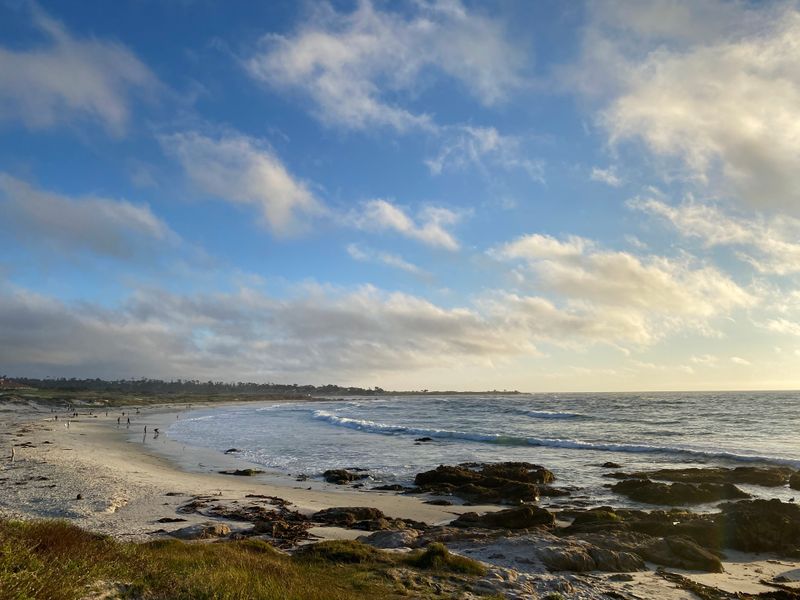
Rocky coves alternate with sandy stretches along this mile-long beach in Pacific Grove, where a paved coastal trail provides easy access to tide pools and ocean viewpoints.
Granite boulders worn smooth by centuries of wave action create natural seating areas for watching sunset colors reflect off the water.
The beach’s protected location within Monterey Bay creates somewhat calmer conditions than more exposed Central Coast beaches.
Spring brings carpets of wildflowers to the dunes behind the beach, adding purple, yellow, and orange blooms to the coastal landscape.
Tide pools between the rocks harbor sea stars, crabs, and small fish visible during low tide periods.
The adjacent Asilomar Conference Grounds at 800 Asilomar Ave, Pacific Grove, CA 93950 feature historic buildings designed by architect Julia Morgan, though access may be limited during private events.
Boardwalks wind through dune habitat, protecting fragile plants while allowing visitors to explore beyond the main beach area.
The beach’s proximity to downtown Pacific Grove and nearby Monterey attractions makes it easy to combine with other activities. Parking along Sunset Drive provides multiple access points to different sections of the beach.
Cooler temperatures and frequent fog during summer months mean bringing layers, while fall often brings the clearest and warmest beach weather.