10 Surprisingly Fun Things To Do In Colorado Beyond The Slopes
Colorado has a branding problem, and I say that as someone who loves this state deeply and visits it as often as my schedule allows.
Mention this state to most people and you get the same response every time, the same images of ski resorts and powder days and chairlifts disappearing into clouds.
All wonderful, genuinely, but also about fifteen percent of what this state actually has to offer.
I went looking for the Colorado that does not show up on resort brochures, and what I found was frankly embarrassing in its quality.
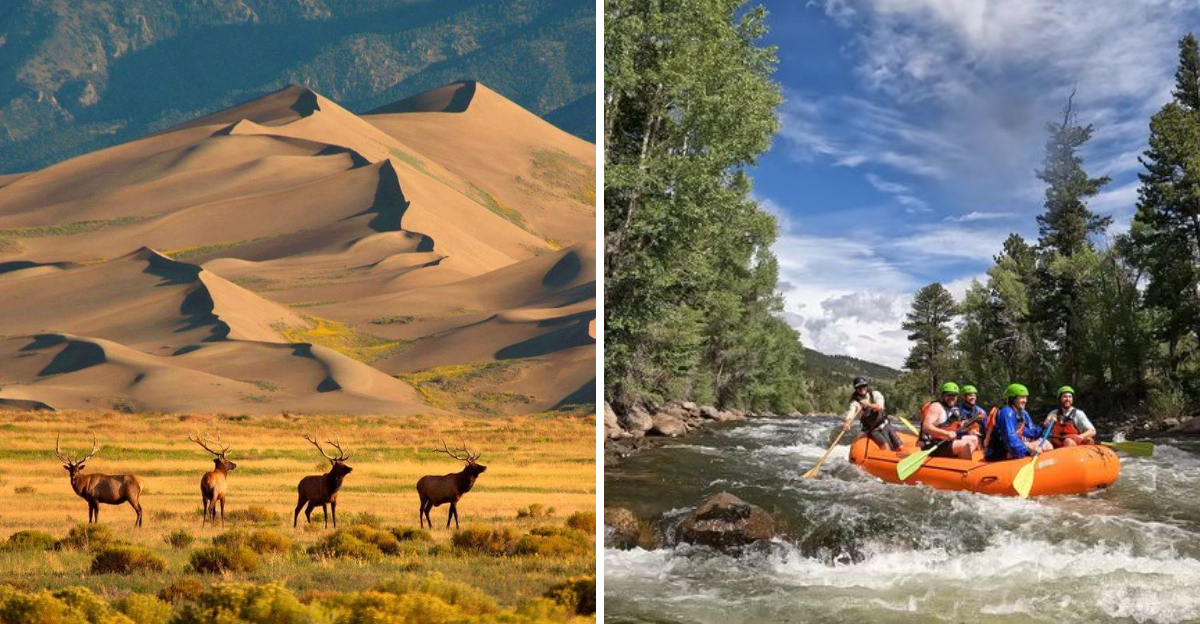
There are sand dunes the size of small mountains that you can actually sled down, hot springs tucked into canyon walls that have been soothing people for centuries, and ancient cliff dwellings that make you stop mid-sentence.
This state has been quietly running one of the most diverse adventure menus in the country, and the slopes are just the opening act.
1. Soaking In Natural Hot Springs In Ouray Or Steamboat Springs
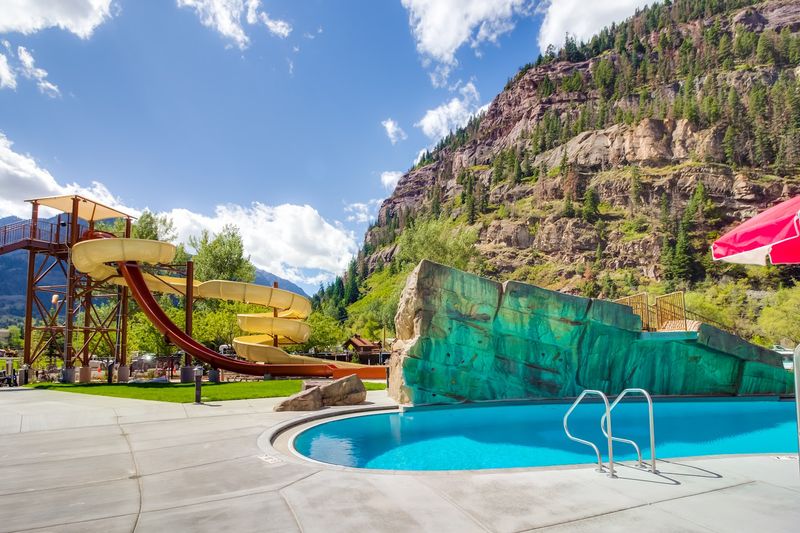
Picture yourself sitting in warm, mineral-rich water while snow-capped peaks loom right above you. That is exactly what soaking in Ouray or Steamboat Springs feels like, and it never gets old.
Ouray Hot Springs Pool sits right in town at 1220 Main Street, Ouray, Colorado.
The water is geothermally heated and the mountain views are completely unreal. Steamboat Springs has its own version called Strawberry Park Hot Springs, which is a bit more rustic and seriously beautiful.
The minerals in the water are said to help sore muscles recover faster, which makes this a perfect stop after a long hike or a day of exploring. I spent two hours in the pools and barely noticed time passing.
Families, solo travelers, and couples all mix comfortably here.
Admission is affordable, usually under twenty dollars for adults. Go at dusk when the sky turns pink and the steam rises in swirling clouds around you.
Bring a towel, flip-flops, and zero expectations, because the experience will exceed all of them on its own.
2. Exploring Mesa Verde Cliff Dwellings
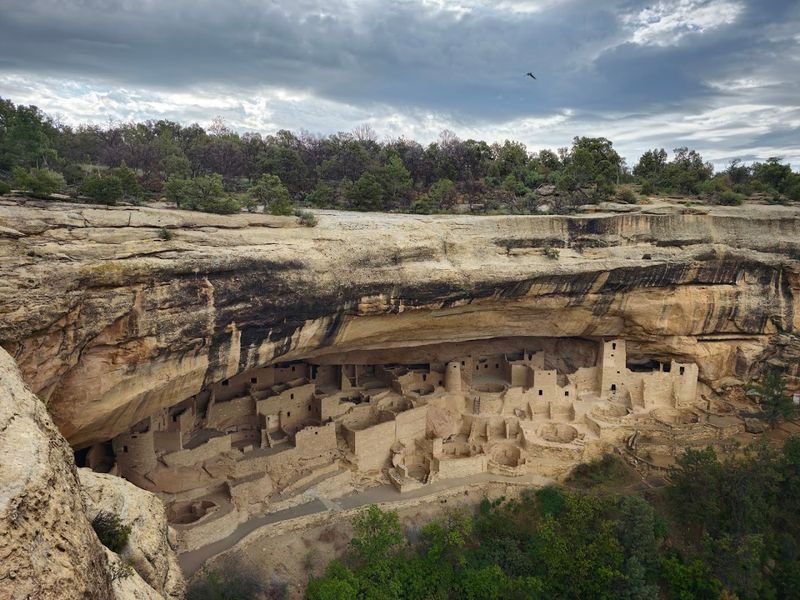
Walking through Cliff Palace at Mesa Verde feels like stepping into a world that existed 800 years ago and somehow survived. These are not replicas or reconstructions.
These are the real homes of the Ancestral Puebloan people, preserved in breathtaking detail.
Mesa Verde National Park near Cortez, Colorado protects over 5,000 archaeological sites. Cliff Palace alone contains 150 rooms and 23 kivas, which were ceremonial chambers dug into the ground.
Rangers lead guided tours that bring the history alive in ways a textbook simply cannot.
The park sits on a high plateau, and the drive up offers sweeping views of the surrounding canyon country. Plan to spend at least half a day here, because rushing through it feels almost disrespectful to what you are seeing.
Tickets for the cliff dwelling tours should be reserved in advance, especially in summer.
One thing that genuinely surprised me was how well the structures have held up.
The natural rock overhang protected them from centuries of rain and snow. Wear sturdy shoes because some tours involve climbing ladders.
This is history you can actually touch, and that makes it unforgettable.
3. Ice Climbing At Ouray Ice Park
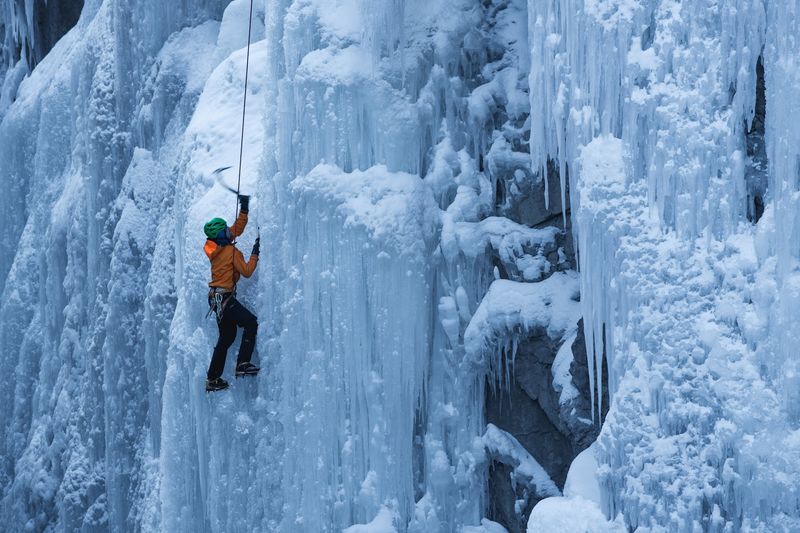
Ouray Ice Park is one of the most unusual free attractions in the entire country. The city of Ouray actually pipes water into the canyon every winter to create massive ice walls that climbers travel from all over the world to scale.
If you have never tried ice climbing, this is genuinely one of the best places on Earth to start.
Local guide services like Ouray Mountain Sports offer beginner lessons where you learn to swing an ice axe, kick your crampons into the ice, and slowly work your way up a frozen wall. It sounds terrifying.
It feels incredible.
The park is free to enter and sits right on the edge of town at the bottom of the Uncompahgre Gorge.
Watching experienced climbers tackle the steeper routes is entertainment on its own, even if you never pick up an axe yourself.
The frozen formations are honestly stunning as pure visual spectacles.
The annual Ouray Ice Festival in January draws elite climbers and curious spectators alike.
Temperatures in the canyon can be sharp, so layer up. Renting gear from a local shop is easy and affordable.
This is one activity that will make you feel genuinely brave by the time you walk away.
4. Riding The Durango And Silverton Narrow Gauge Railroad
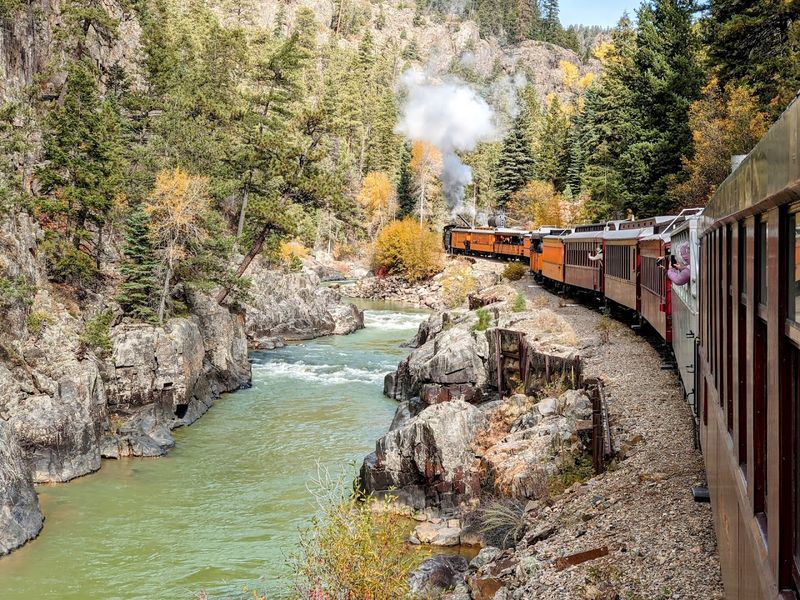
Some trains move you from point A to point B. This one moves you through a century of history while a coal-fired steam engine huffs and clangs through some of the most dramatic canyon scenery in the American Southwest.
The Durango and Silverton Narrow Gauge Railroad has been running continuously since 1882.
The 45-mile route from Durango to Silverton passes through the Animas River Gorge, with cliffs rising hundreds of feet on both sides and the river rushing far below. It is genuinely jaw-dropping.
The round trip takes most of the day, and that is not a complaint. Open-air gondola cars let you lean out and feel the mountain air while the landscape shifts from forest to canyon to high-altitude meadow.
Pack snacks, because the scenery will distract you from everything else.
Silverton itself is worth the stop. The small historic town at the end of the line has charm in every direction.
Tickets can be purchased through the Durango and Silverton Railroad website and range depending on the car class you choose.
This is not just a train ride. It is a moving piece of American railroad history that still smells like coal smoke and adventure.
5. Stargazing In Westcliffe, Colorado’s First Dark Sky Community
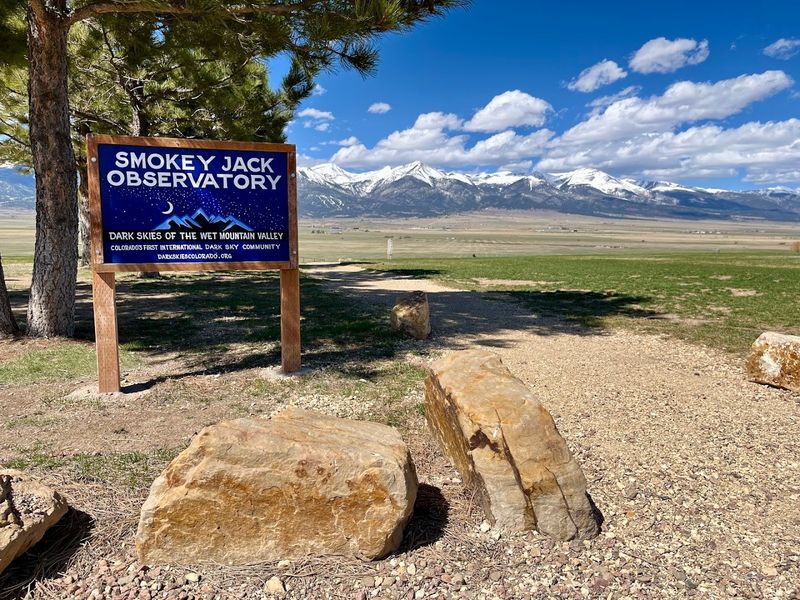
Most of us have forgotten what a truly dark sky looks like.
Light pollution has erased the Milky Way from the view of most Americans, which makes Westcliffe feel almost surreal when you look up and see thousands of stars blazing overhead.
Westcliffe was designated Colorado’s first International Dark Sky Community back in 2015. The town takes its night skies seriously, using shielded outdoor lighting to keep artificial glow to a minimum.
The result is one of the clearest views of the night sky you will find anywhere in the lower 48 states.
The Sangre de Cristo Mountains create a dramatic silhouette along the horizon, framing the star show perfectly. Bring a blanket, a red-light flashlight so you keep your night vision, and a star map app.
The Milky Way core is visible with the naked eye during summer months, and it will stop you cold.
The Rainbow Trail outside of town is a popular spot for serious stargazers. Local events and guided star parties happen throughout the year.
Temperatures drop fast after sunset even in summer, so bring layers. Once you have seen a sky this clear, going back to a light-polluted city feels like a genuine loss.
6. Visiting St. Elmo Ghost Town
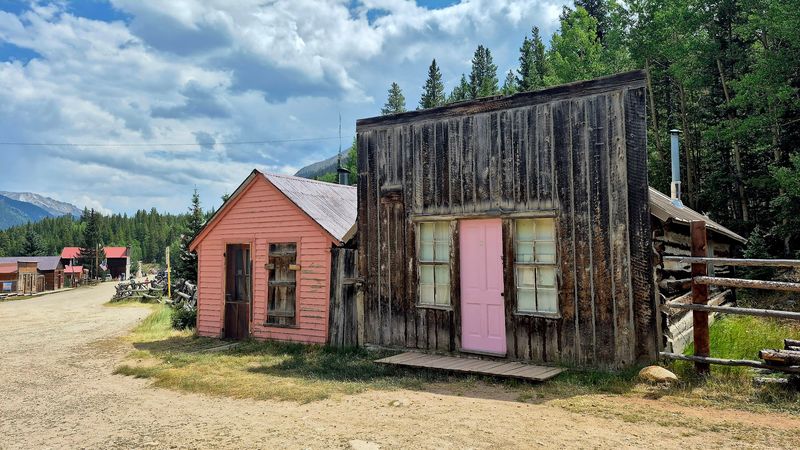
St. Elmo is not a theme park version of a ghost town. It is the real thing, sitting at 10,000 feet in the Chalk Creek Canyon, mostly intact and genuinely eerie in the best possible way.
Founded in 1880 during a silver mining boom, St. Elmo once had a population of around 2,000 people. Today, most of the original buildings still stand, including the general store, the hotel, and several homes.
Walking the main street feels like the town just paused mid-century and never restarted.
The drive up Chalk Creek Canyon Road from Nathrop, Colorado is scenic enough to be worth the trip on its own. The unpaved road is manageable in a regular car during summer and fall.
A small gift shop in the old general store is usually open during warmer months, staffed by the descendants of the last family to stay.
Wild chipmunks have taken over the place with alarming confidence and will approach visitors looking for snacks. Do not feed them, but do enjoy how aggressively friendly they are.
St. Elmo is free to visit and never crowded. It rewards slow walking, quiet observation, and a genuine curiosity about the people who once called this mountain valley home.
7. Driving The Million Dollar Highway Between Ouray And Silverton
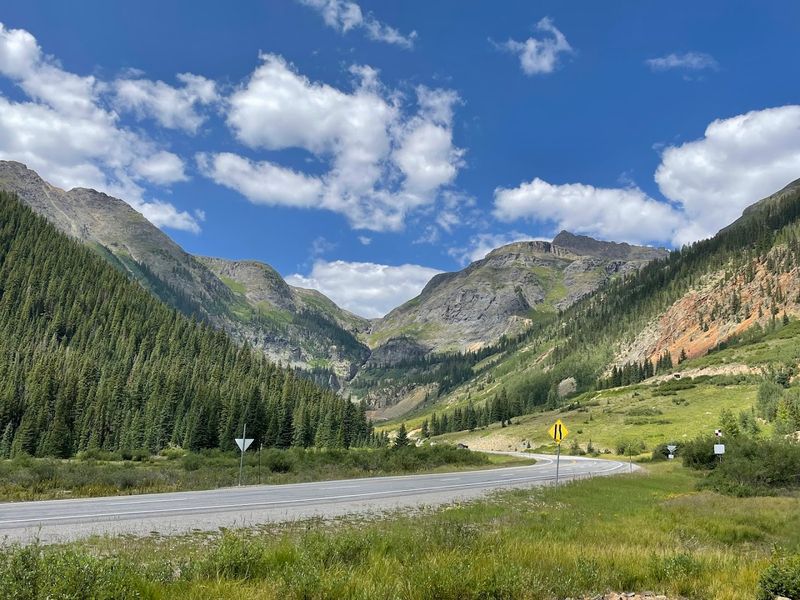
The Million Dollar Highway is one of those roads that makes your palms sweat and your jaw drop at the same time.
The stretch of US Highway 550 between Ouray and Silverton is only about 25 miles long, but it packs in more drama per mile than almost any road in the country.
Carved into the side of the San Juan Mountains, the highway hugs cliff faces with sheer drop-offs on one side and no guardrails in several sections. The engineering alone is remarkable.
The scenery is absolutely staggering, with red rock walls, mountain peaks, and deep canyon views appearing around every curve.
The origin of the name is debated. Some say it refers to the gold ore used in the original road fill.
Others say it cost a million dollars to build. Either way, it earns the title.
Drive it slowly, pull over at the designated overlooks, and keep your eyes on the road when the drop-offs appear.
Going northbound from Silverton to Ouray gives you the inside lane on the scariest sections, which many drivers prefer. Morning light hits the canyon walls beautifully.
This road is best experienced in a clear-headed, focused state with good tires. It is genuinely one of the most spectacular drives in America.
8. Whitewater Rafting On The Arkansas River Near Salida
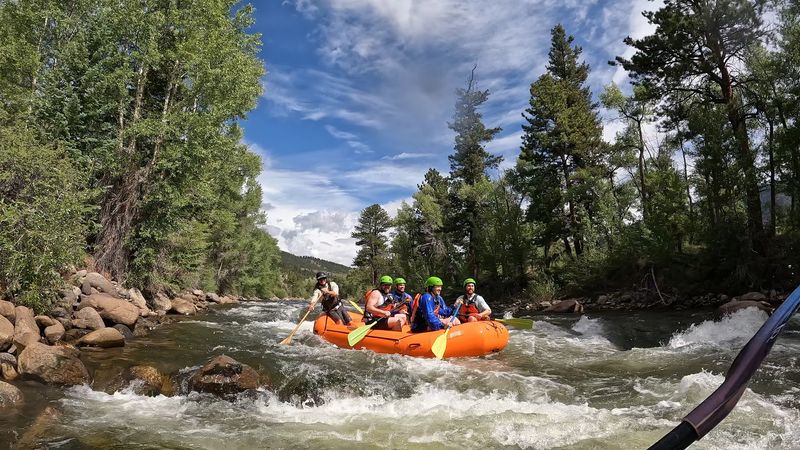
The Arkansas River near Salida runs through Browns Canyon National Monument, and it has been pulling adventure seekers in for decades.
The water is fast, the canyon is gorgeous, and the rapids range from family-friendly floats to genuinely wild rides depending on which section you choose.
Browns Canyon is the most rafted stretch in the entire country, and for good reason. The Class III and IV rapids in that section give you enough action to feel the adrenaline without requiring any prior experience.
Guided trips launch regularly from outfitters based in Salida and Buena Vista, with gear and instruction included.
I went with a group of friends who had never rafted before, and everyone came off the water grinning. The guides are knowledgeable, funny, and excellent at reading the river.
They make the experience feel safe without making it feel boring.
The season runs roughly from May through August, when snowmelt keeps the water levels strong. Wear clothes you do not mind soaking, and leave your phone in the car or in a dry bag.
The canyon walls rise dramatically on both sides of the river, making the whole run feel like you are inside a painting. Book your trip in advance during summer weekends.
9. Exploring The Ancient Ancestral Puebloan Sites Along The San Juan Skyway
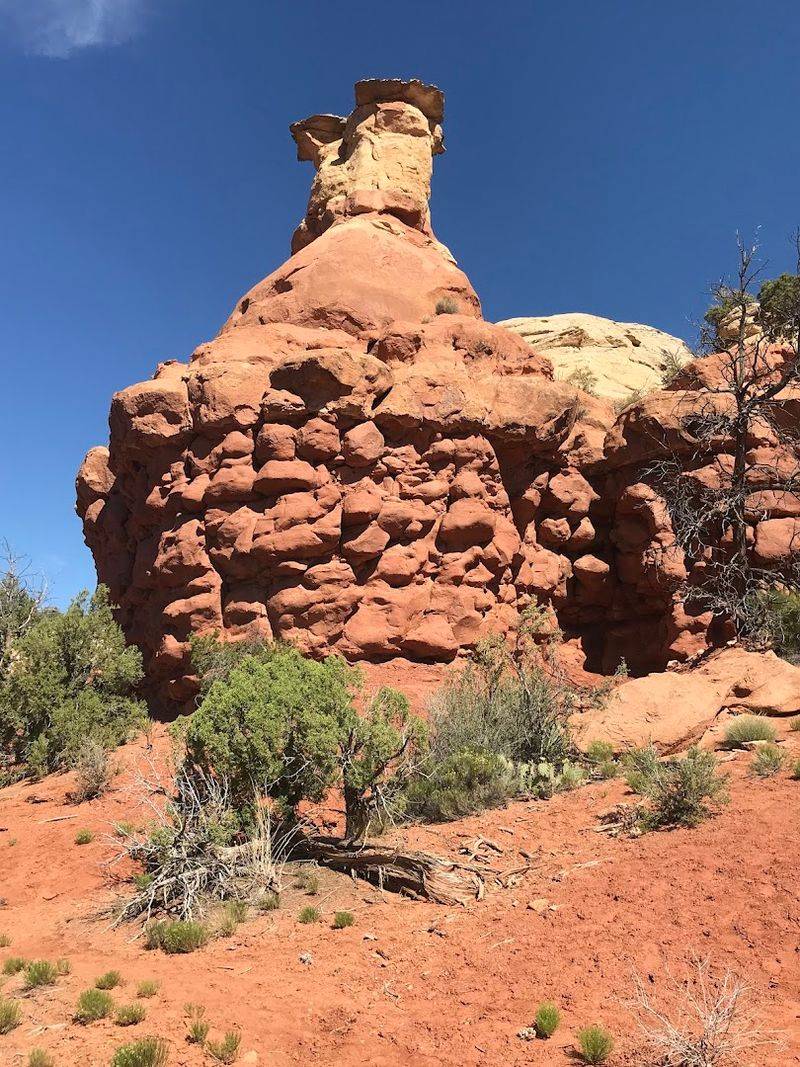
The San Juan Skyway is a 233-mile loop through southwestern Colorado that connects some of the most historically significant land in North America.
Along the way, Ancestral Puebloan sites appear in canyons, on mesa tops, and in alcoves that most drivers never slow down to notice.
Beyond Mesa Verde, the Canyons of the Ancients National Monument near Cortez protects the highest known density of archaeological sites in the United States.
Over 6,000 recorded sites exist within its boundaries. The Anasazi Heritage Center in Dolores, Colorado serves as the official visitor center and museum, with exhibits that give real context to what you are seeing in the landscape.
Chimney Rock National Monument near Pagosa Springs is another standout stop.
The ancient great house there sits between two dramatic rock spires and aligns with lunar cycles in ways that still impress archaeologists today. Ranger-led tours run seasonally and are well worth joining.
The skyway itself passes through Durango, Cortez, Telluride, and Ouray, offering mountain scenery that rivals anything in the state. Plan at least two days to drive it without rushing.
Each site adds another layer to the story of who lived here long before Colorado was Colorado, and that story is endlessly fascinating.
10. Sandboarding At Great Sand Dunes National Park
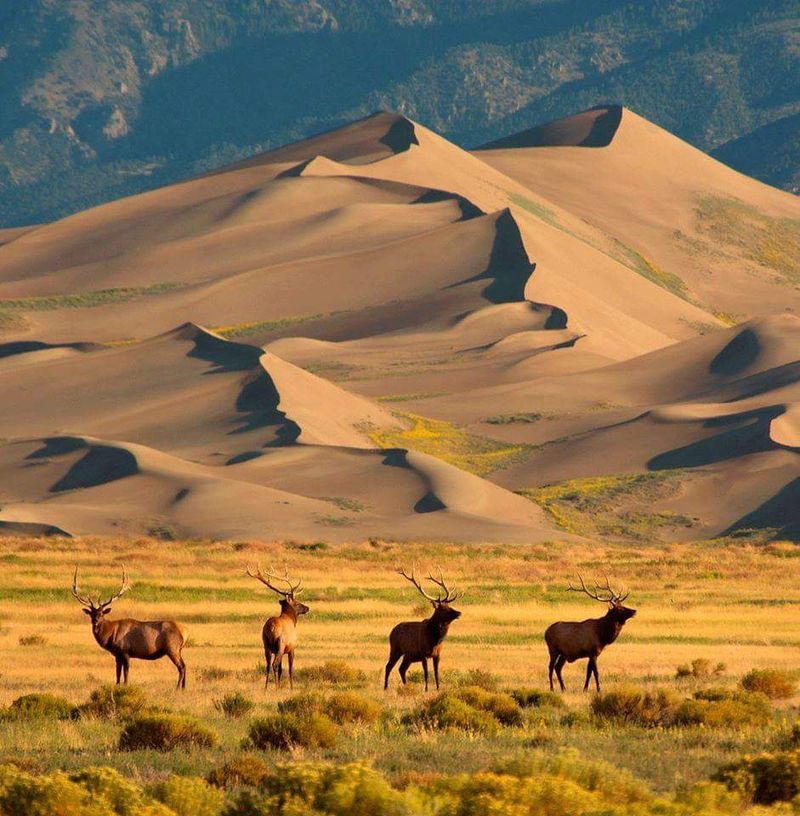
Nobody expects to find the tallest sand dunes in North America sitting right next to a mountain range in Colorado. Yet here they are, rising over 750 feet and just waiting for someone to sled down them.
Sandboarding at Great Sand Dunes National Park is equal parts ridiculous and thrilling.
You rent a sandboard or sled from the nearby Kristi Mountain Sports in Alamosa, hike up the dune face with burning legs, and then fly back down faster than you expect.
The climb is the real workout. The sand shifts under every step, so it takes about twice the effort of hiking a normal trail.
But the view from the top is worth every labored breath, and the ride down lasts just long enough to make you want to do it again immediately.
Early morning is the best time to go before the sand heats up under the Colorado sun. Bring water, sunscreen, and shoes you do not mind filling with sand.
The park entrance fee is around twenty-five dollars per vehicle. Kids absolutely love it, and honestly, so do adults who thought they were too old for this kind of thing.