Swimmers Have Reported A Lake Creature Called Sharlie For Decades In This Idaho Mountain Lake
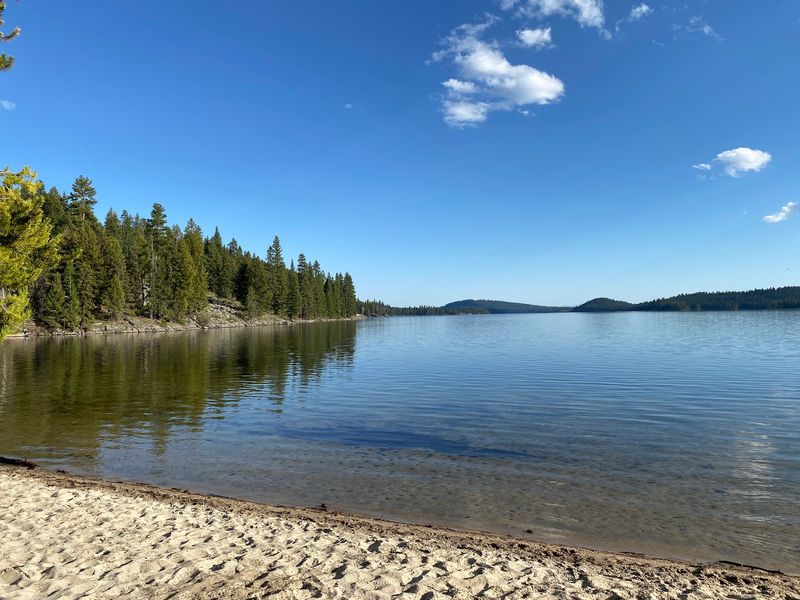
In 1920, railroad workers spotted a floating log that suddenly started moving and left a wake behind it. That log got a nickname, a naming contest, and eventually a burger.
The sightings did not stop there. In 1944, several groups described a creature roughly 30 to 35 feet long with humps like a camel.
The story even reached Time Magazine.
I like how one deep Idaho lake turned a strange ripple into a hometown mascot. The water reaches nearly 400 feet deep, which leaves plenty of room for questions.
Swimmers, boaters, and anglers have shared stories for generations.
I can’t imagine paddling out on a calm morning without glancing down at least once. So what exactly is hiding below that cold, clear surface, and is it worth the drive to find out?
A Glacier-Carved Lake That Keeps Its Secrets Deep
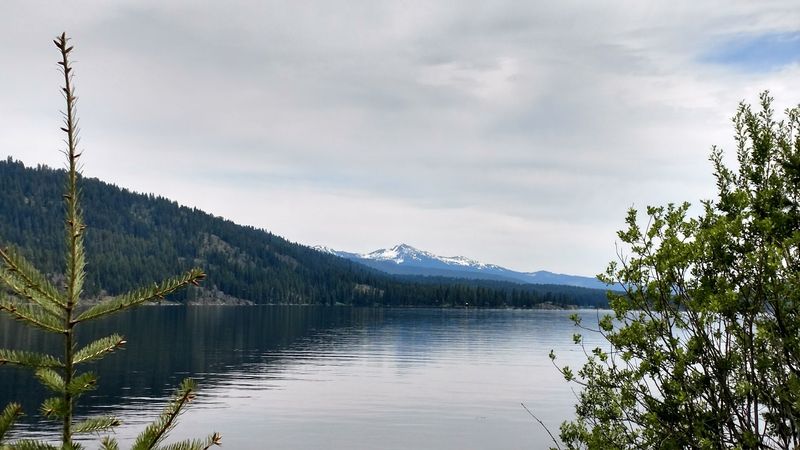
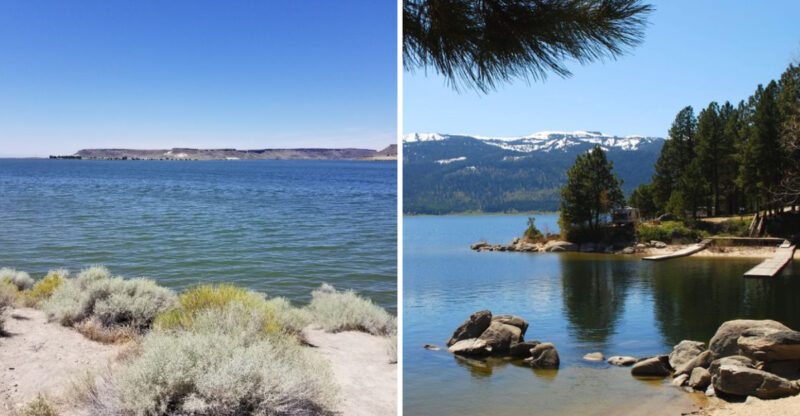
Payette Lake sits in west-central Idaho, right beside the mountain town of McCall in Valley County. Glaciers carved it out, and the results are seriously impressive.
The lake covers more than 5,000 acres and drops to about 392 feet at its deepest point. That depth matters a lot once the monster talk starts.
The water sits at roughly 5,000 feet in elevation. Thick forests of pine and Douglas fir climb the surrounding slopes on nearly every side.
Its shape resembles a stretched-out horseshoe, with a big peninsula poking into the middle. The north end runs deepest, while a boulder-filled stretch called the Narrows splits it from the southern basin.
Several islands dot the water too, including Cougar Island just north of the Narrows. Some islands are private, so admire them from your boat with good manners.
For mapping purposes, the lake falls under the Idaho 83638 area code tied to McCall. The drive from Boise runs about two hours north through river canyon country.
Cold, clear, and mysteriously deep. You can probably see where this is going.
Old Stories That Came Long Before Sharlie Had A Name
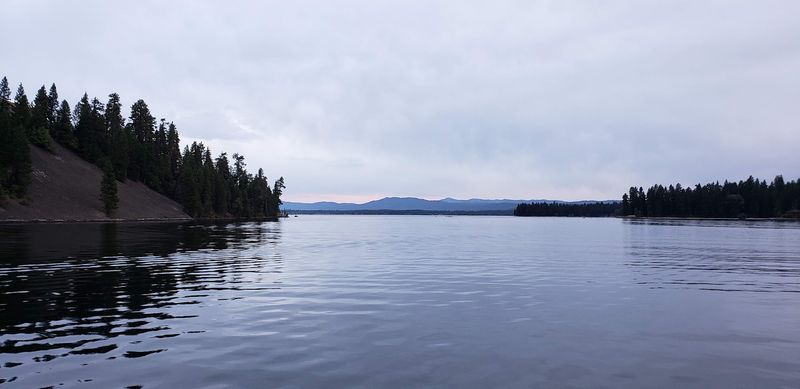
Long before anyone sold a Sharlie souvenir, Native Americans spent summers in the Long Valley area around the lake. Their traditions included beliefs about a spirit living in its calm, deep waters.
Those older stories are often seen as the earliest roots of the Sharlie legend. It gives the modern tale a much longer backstory than most folks expect.
The Nez Perce also hold ties to this land, and the lake is linked to their history in the region. That connection adds weight to every quiet morning on the water.
Think about how the lake looks at dawn. Mist can hang over dark water, and the far shoreline fades into the trees.
It’s easy to understand why people across centuries felt something big might be down there. Deep, cold lakes tend to invite that kind of wonder.
Respect matters here, too. The best way to enjoy these stories is with curiosity and care for the people who told them first.
So the legend didn’t start with a newspaper or a parade float. It started with people paying close attention to an Idaho lake that still feels a little unknowable.
The Floating Log That Suddenly Swam Away
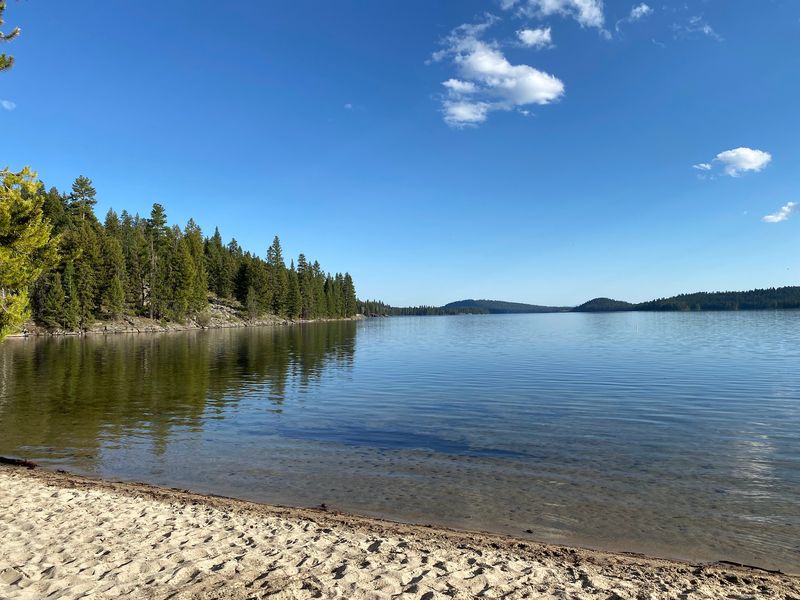
Railroad workers cutting ties at the upper end of the lake in 1920 thought they saw a log. Then the log started moving.
According to the story, it undulated through the water and left a clear wake as it hurried away. Logs, as a rule, don’t do that.
That moment marks the first documented sighting by Western settlers. Word spread quickly around the small community near the lake.
I like how ordinary the setup is. Nobody was out hunting monsters that day, just working a regular job by the shore.
That plain detail makes the account stick. It’s the kind of story you can picture happening to your own grandpa on a slow afternoon.
Of course, the curious part is what came next. The sighting sparked plenty of talk and guessing, and it set the stage for decades of reports.
Every swimmer who later spotted a strange shape had this early tale in the back of their mind. One moving log turned Payette Lake into Idaho’s best-known monster address.
Not bad for a piece of driftwood that apparently had somewhere to be.
Camel Humps, Big Jaws, And A Spot In Time Magazine
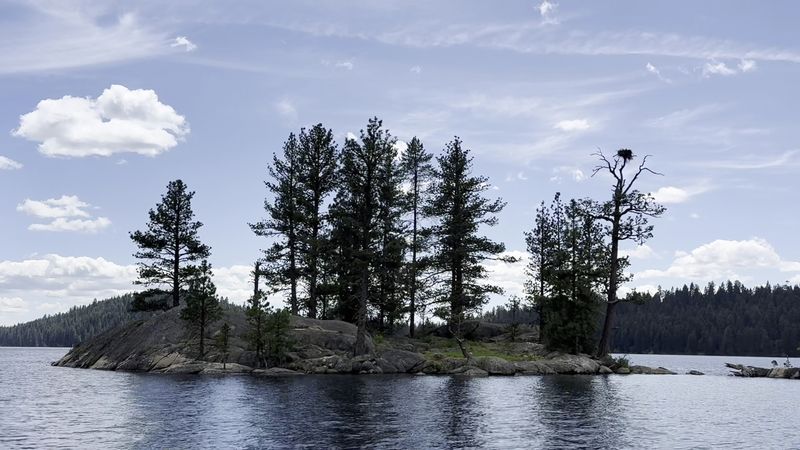
August 1944 brought the wildest round of reports yet. Several groups of witnesses described something they couldn’t easily explain.
Their descriptions lined up in surprising ways. The creature was estimated at 30 to 35 feet long.
People mentioned a dinosaur-like head and strong jaws. Others described humps similar to a camel’s back and skin that looked almost shell-like.
That’s quite a list for a quiet Idaho mountain lake. It reads more like a creature feature than a summer vacation postcard.
The story traveled far beyond Valley County. Time Magazine picked it up, and suddenly the lake had national attention.
Curious travelers began heading north to see for themselves. Imagine packing the car with snacks, a fishing rod, and a hopeful pair of binoculars.
The 1944 sightings gave the legend real shape. Before then, it was a moving log story, but now it had humps, a head, and a size estimate.
Those details still guide how artists, ice sculptors, and kids draw Sharlie today. One busy summer basically created the monster’s official look.
How Slimy Slim Became The Much Friendlier Sharlie
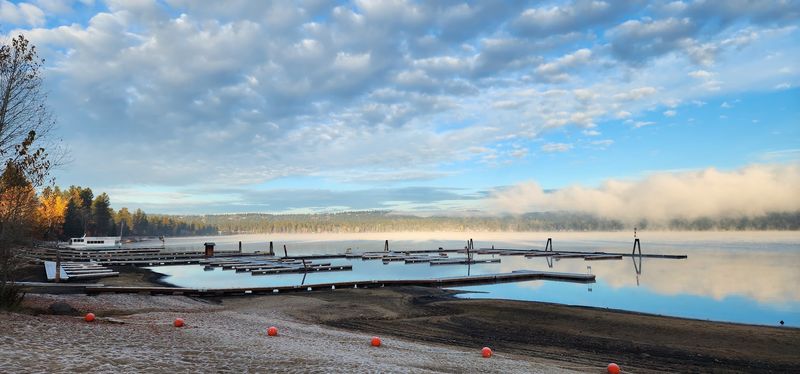
Early on, some people called the creature Slimy Slim. Catchy, sure, but not exactly cuddly.
In 1954, A. Boone McCallum, editor of McCall’s newspaper The Star News, decided it needed a better name.
He launched a contest to settle it.
Entries arrived from local residents and from people across the country. Clearly, plenty of folks had opinions about naming a lake monster.
The winner was LeIsle Hennefer Tury of Springfield, Virginia. She suggested Sharlie, and the name stuck.
Her pick came from a popular radio catchphrase by Jack Pearl. The line went, “Vas you der, Sharlie?”
It’s a playful joke that only makes the legend more lovable. The question basically asks whether you were really there to see it.
Honestly, that fits a monster nobody can quite prove. Every sighting comes with that same friendly doubt.
A gentler name also helped the town embrace the creature. Sharlie sounds like a neighbor, not a menace.
Seventy years later, the nickname is still everywhere around Payette Lake. Slimy Slim never stood a chance.
Sturgeon, Seiches, And Other Sensible Suspects
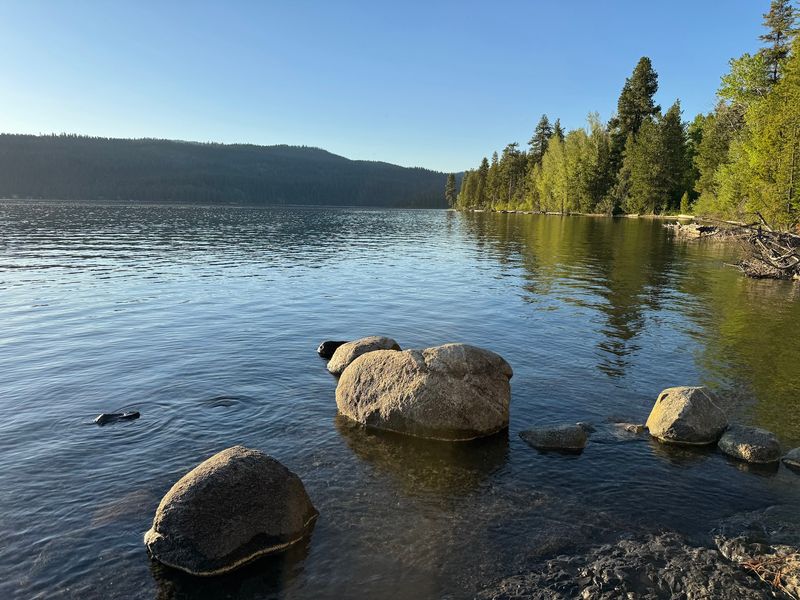
Science has a few theories, and some are pretty convincing. The top suspect is a large sturgeon.
Sturgeon can grow up to about eight feet long and weigh over 300 pounds. A fish that size could definitely surprise a swimmer.
The idea is that sturgeon may have traveled from the Snake River into the Payette River. From there, they could have reached the lake.
That path was more open before dams on the Snake River were built in the late 1970s. It’s a neat, tidy explanation with real biology behind it.
Other possibilities include big logs and schools of fish moving together. Either could create a long, dark shape near the surface.
Then there’s the seiche, a standing wave that sloshes back and forth in an enclosed body of water. It can make the surface look like something is moving underneath.
Still, the descriptions over the years have stayed oddly consistent. That keeps the debate alive around campfires and boat docks.
You can side with the scientists or with the storytellers. Either way, Payette Lake gives you plenty to think about.
A Mountain Town That Puts Sharlie On The Menu
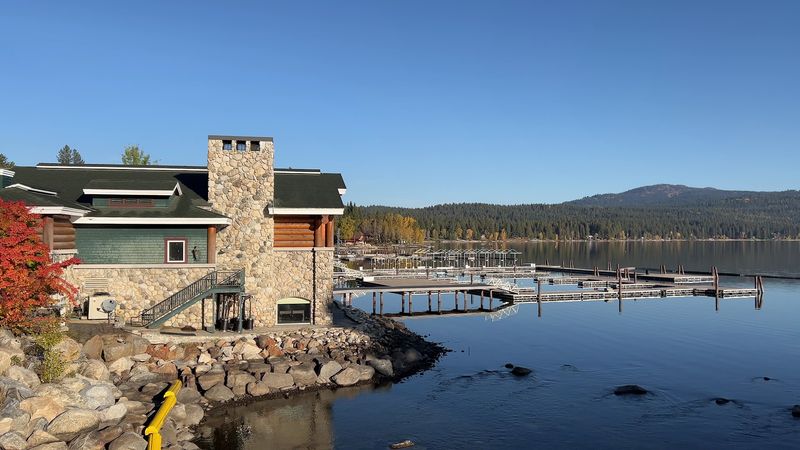
McCall doesn’t hide its lake monster. It celebrates it.
Sharlie works as an unofficial town symbol, and she shows up in all sorts of places. Local business names borrow her, and menus have featured a Sharlie burger.
Shore Lodge, a well-known resort on the lake, even named its summer camp after her. That’s real commitment to a creature with zero confirmed photos.
Books have joined the fun as well. In 2007, Lynda Johnson of Boise published a story titled Sharlie for young readers.
The biggest showcase comes during the McCall Winter Carnival. Ice sculptures often depict the famous serpent, and she can appear in the parade.
I believe this is what makes the legend so lasting. A town that laughs with its mystery keeps it alive for every new generation.
Kids grow up hearing about Sharlie and then tell their own kids. Visitors leave with a story and maybe a T-shirt.
It’s small-town Idaho pride with a scaly twist. Few places can claim a mascot that might actually be swimming nearby.
Paddles, Wakes, And Plenty Of Room To Roam
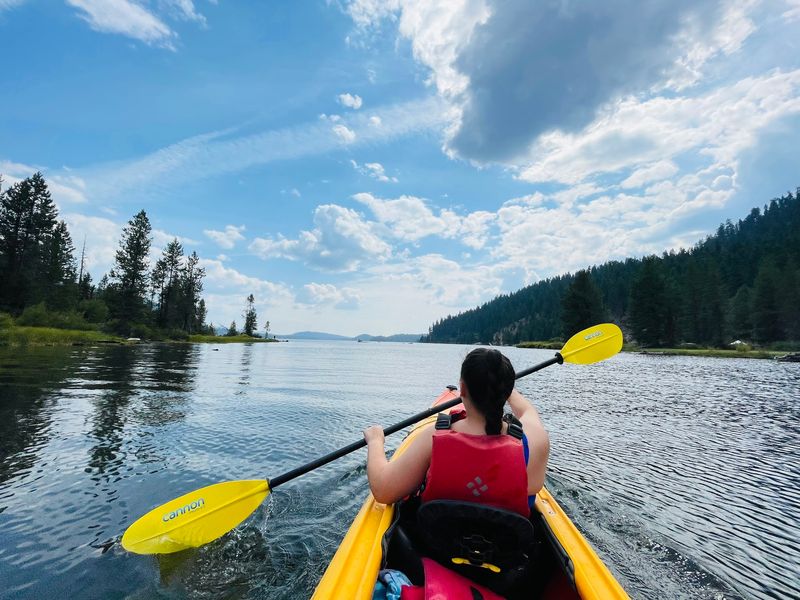
Summer turns Payette Lake into a giant playground. The clear glacial water invites swimming, sailing, and nearly every kind of boating.
Waterskiing and jet skiing bring the speed. Canoes, kayaks, and stand-up paddleboards offer a calmer pace.
Watercraft rentals are available, so you don’t need to haul your own boat from home. That’s a big win for day-trippers from the Treasure Valley.
Sandy beaches ring parts of the shoreline. Soft sand gives kids a spot to dig while grown-ups soak up the mountain air.
Day-use areas make picnicking easy. Pack lunch, grab a shady spot, and stay as long as you like.
A word of caution for boaters, though. Some large rocks sit just below the surface in spots, so nighttime navigation calls for real local knowledge.
Remember, the water stays chilly at this elevation. A quick plunge wakes you up fast.
And yes, every swimmer secretly wonders about the creature below. A long shadow under your paddleboard will test your nerves.
Sharlie fans, consider that part of the entertainment.
Kokanee, Lake Trout, And Quiet Mornings On The Water
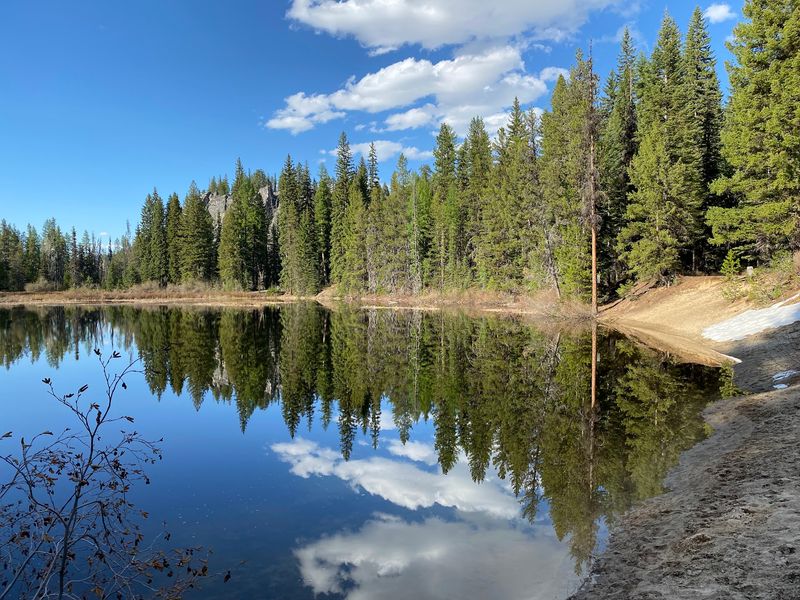
Anglers have plenty of reasons to bring a rod. Fishing works from both the shoreline and small boats.
Kokanee and lake trout swim in these waters. Landing one beats any Sharlie sighting, at least for dinner purposes.
Fishing success changes from year to year, as it does on any lake. Some seasons bring better luck than others, so manage your expectations.
The setting softens any slow day, though. Tall pines line the shore, and mountains frame nearly every view.
Families have extra options nearby. Ponderosa State Park sits right on the lake, giving kids a scenic place to try their first cast.
Early mornings often feel calm here. It’s a good time to enjoy the quiet before boats start crisscrossing the water.
Check current Idaho fishing rules and license requirements before you head out. Regulations can change, so a quick look saves headaches.
Here’s a fun thought while you wait for a bite. If that sturgeon theory is true, the biggest fish story in Payette Lake history might already be taken.
A Wooded Peninsula Right In The Middle Of It All
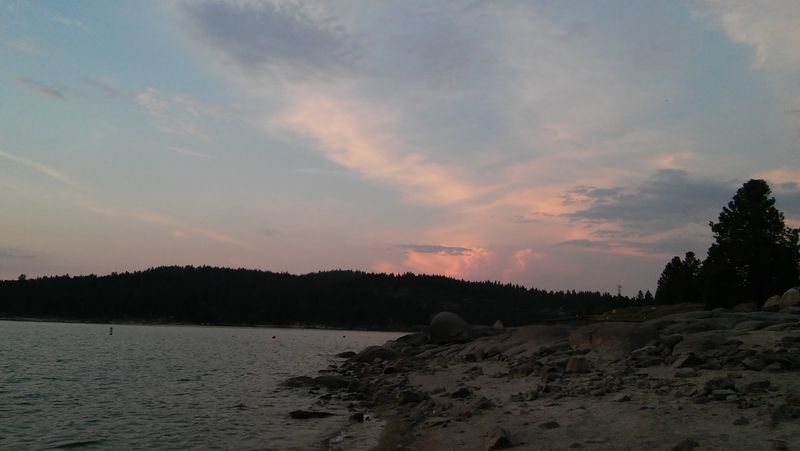
Ponderosa State Park juts straight into the heart of Payette Lake. It covers most of a peninsula of roughly 1,000 acres.
Towering trees, quiet trails, and big lake views make it a favorite stop. It protects a large chunk of shoreline from development.
Hiking trails wind through the woods and lead to spots overlooking the water. You get mountain scenery without straying far from town.
Campsites let you stretch a day trip into a weekend. Falling asleep near a famous monster lake adds a little extra fun to the night.
The peninsula also gives the lake its distinctive horseshoe look. From the water, it rises like a long, green arm.
Kids tend to love the mix of trails, shoreline, and fishing spots. Grown-ups enjoy the calmer pace.
Plan ahead during busy summer months, since camping in Idaho state parks fills up. Day-use areas offer a good backup plan.
Bring layers, too, because mountain weather can shift quickly. The trees provide shade, and the views provide plenty of reasons to linger.
Downtown Beaches And A Frozen Winter Playground
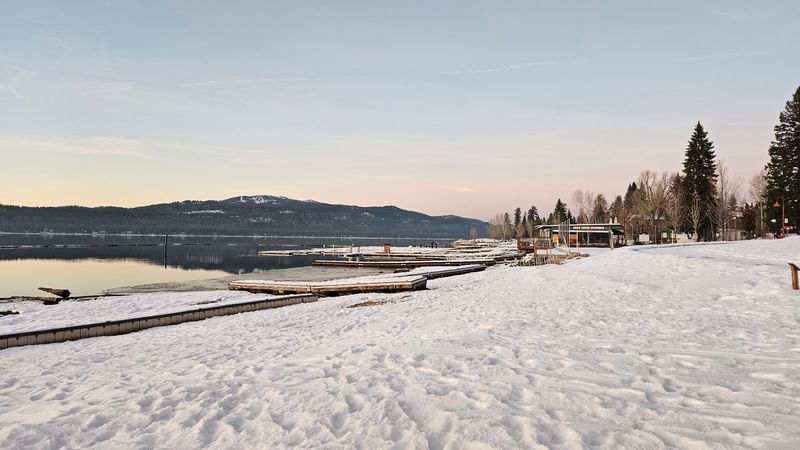
Downtown McCall puts the lake within easy reach. Two public parks make shoreline time simple.
Legacy Park offers a beach, an enclosed swimming area, and a volleyball court. It also has an amphitheater, a splash fountain, walking paths, and a public boat ramp.
Brown Park keeps things relaxed with a shoreline path and picnic tables. Benches and playground equipment make it handy for families.
Winter tells a whole different story. Payette Lake can freeze over, and the scene changes completely.
During the McCall Winter Carnival, crowds have walked, skated, and sledded on the frozen surface. Always follow local safety guidance before stepping onto any ice.
That two-season appeal is a big part of the lake’s charm. Summer brings paddles, and winter brings snow sculptures.
The town also offers shops and places to eat within walking distance of the water. It’s easy to pair a beach afternoon with a stroll downtown.
So whether it’s July or January, the lake has something going on. Sharlie, presumably, enjoys the quiet under the ice.
Worth The Two-Hour Drive Even Without A Sighting
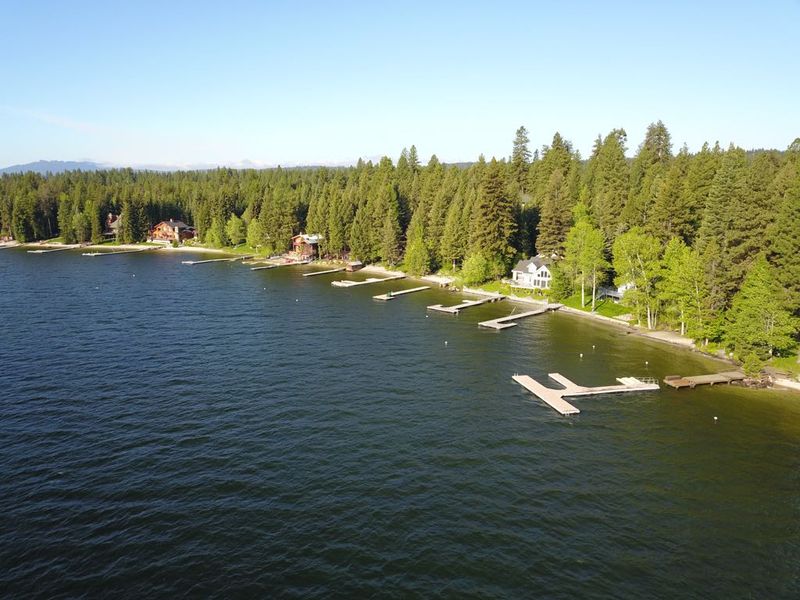
Reported sightings have reportedly dropped off since the early 2000s. No photo or video has ever proven Sharlie exists.
Somehow, that only makes the legend stronger. A mystery without an answer keeps everyone looking.
Getting here is straightforward. Payette Lake sits beside McCall, about a two-hour drive north of Boise along Highway 55.
The lake has no gate or set hours, but parks, rentals, and campgrounds keep their own schedules. Check before driving, especially in shoulder seasons.
Fees vary by activity, so plan for a few dollars at state park entrances. Rentals and camping cost more, depending on what you choose.
Summer suits swimmers and boaters best. Winter rewards anyone who loves snow, ice, and carnival fun.
I believe the real payoff is the setting itself. Deep blue water, tall pines, and a friendly mountain town make the trip easy to love.
Bring a sense of humor and a curious eye. You might leave without seeing Sharlie, but you’ll definitely look for her.
And honestly, that’s half the fun.