Syracuse Is Home To One Of The Most Beautiful Ukrainian Churches In New York
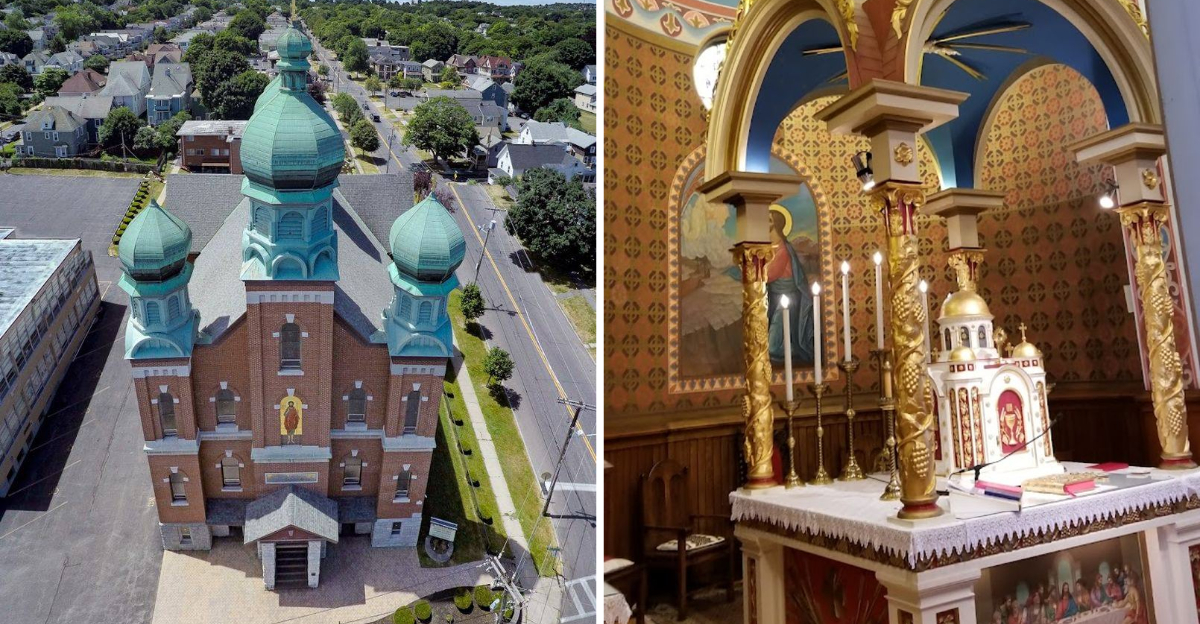
Ornate domes rise where you least expect them. You round a corner and freeze on the sidewalk. Centuries of Ukrainian tradition live inside these walls.
New York holds this Byzantine beauty up in its hills. A thriving cultural community fills it with real life. The architecture alone earns the whole visit.
I lingered far longer than I planned. An annual festival turns the block electric. Most travelers never know it exists. This stop surprises everyone who finds it.
Faith, history, and art meet in one place. Mosaics catch the afternoon light. Candles flicker near quiet icons. You whisper without trying.
Go see something truly different.
A Church With Deep History
Some buildings carry history in their walls, and you can feel it the moment you arrive.
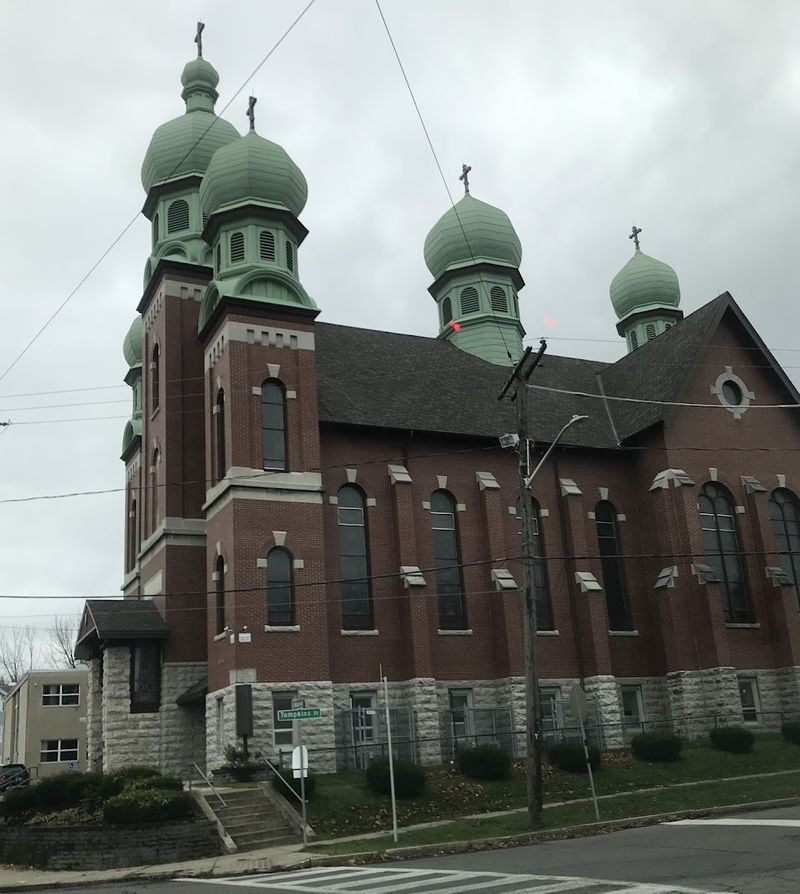
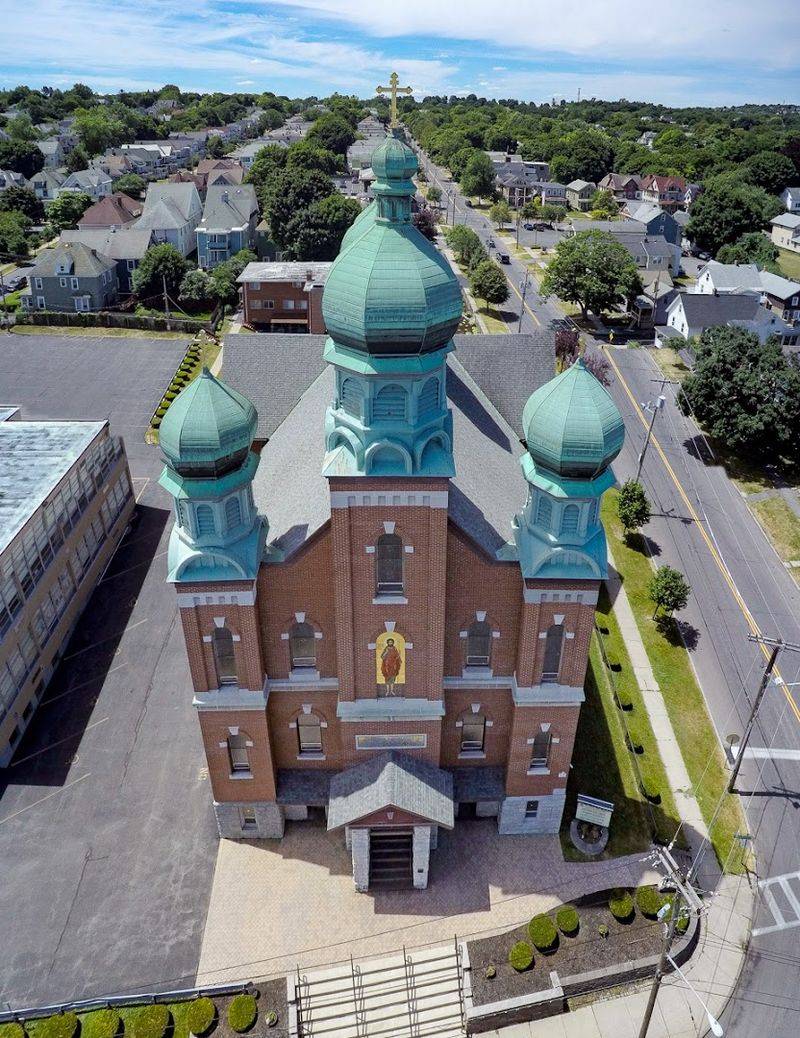
St. John the Baptist Ukrainian Catholic Church, built in 1913, was established to serve the Ukrainian immigrant community that settled in Syracuse in the late nineteenth and early twentieth centuries, the first Eastern Catholic church in the city.
These families brought their faith, their language, and their traditions across the ocean, and this church became the anchor of that identity in a new land.
The congregation grew steadily as more Ukrainian families made their home in New York. Liturgies were conducted in the Byzantine Rite, preserving the Eastern Christian traditions that stretch back over a thousand years.
That continuity is something you feel when you stand inside the building.
Understanding where this community came from makes a visit here far more meaningful. The church is a living monument to the resilience and faith of Ukrainian immigrants who chose New York as their new home.
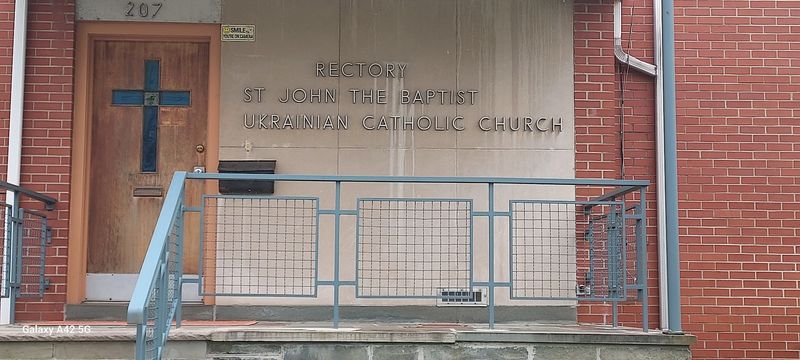
The church at 207 Tompkins St became not just a place of worship but a cultural lifeline.
Byzantine Beauty Worth Every Look
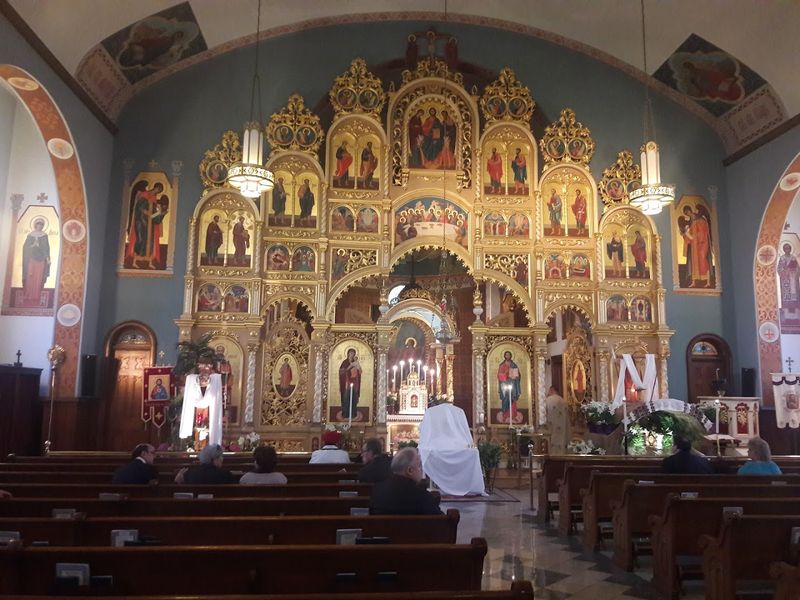
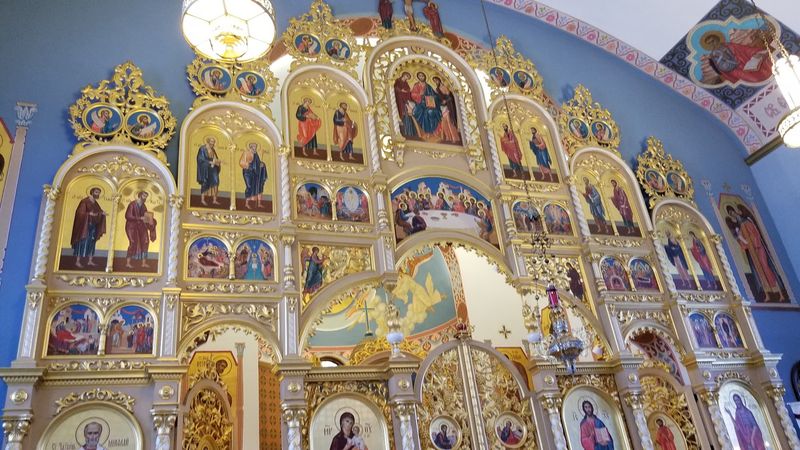
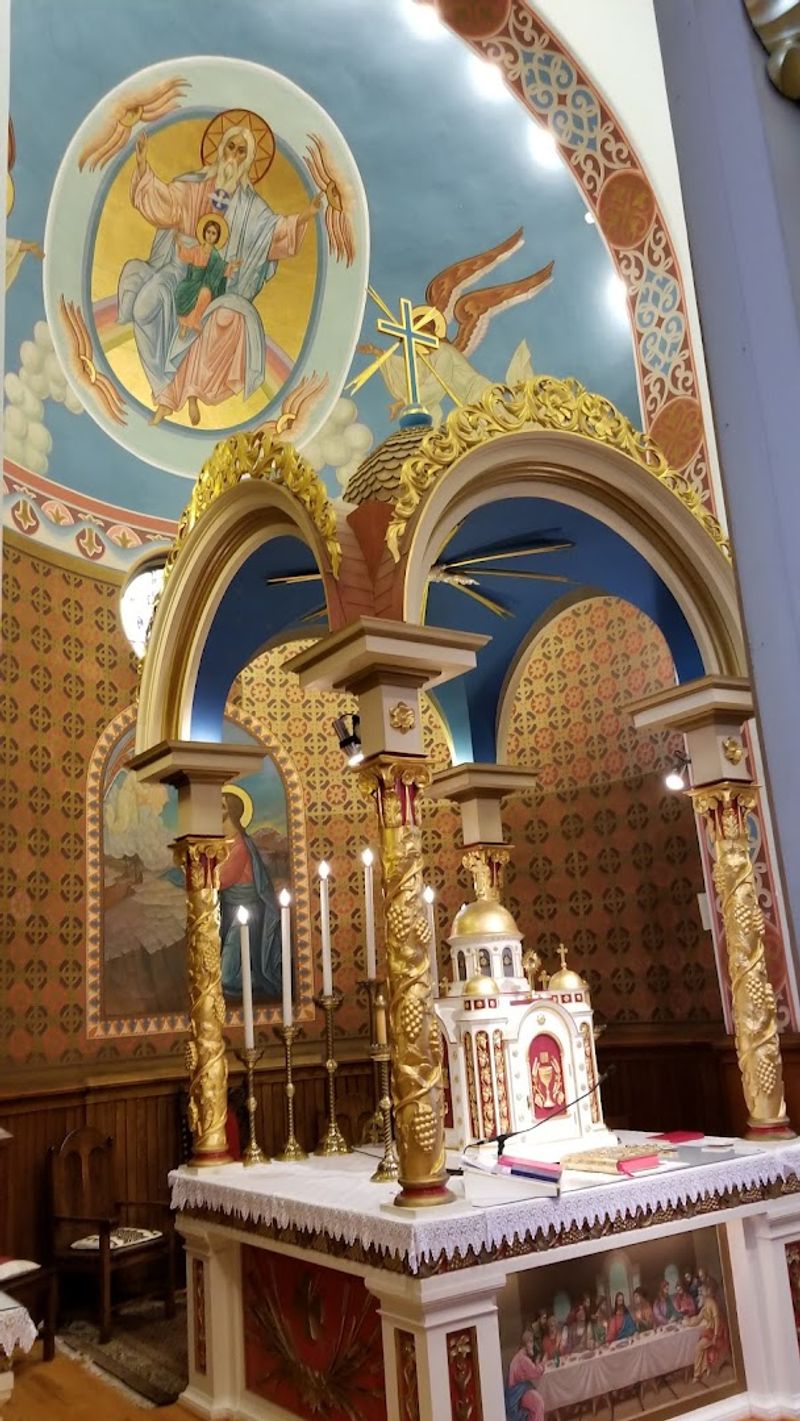
Nothing quite prepares you for the interior of this church. The moment I walked inside, the richly decorated iconostasis drew my eyes forward like a magnet.
An iconostasis is the iconic wall of religious images that separates the nave from the sanctuary in Eastern Christian churches, and the one here is absolutely stunning in its detail and color.
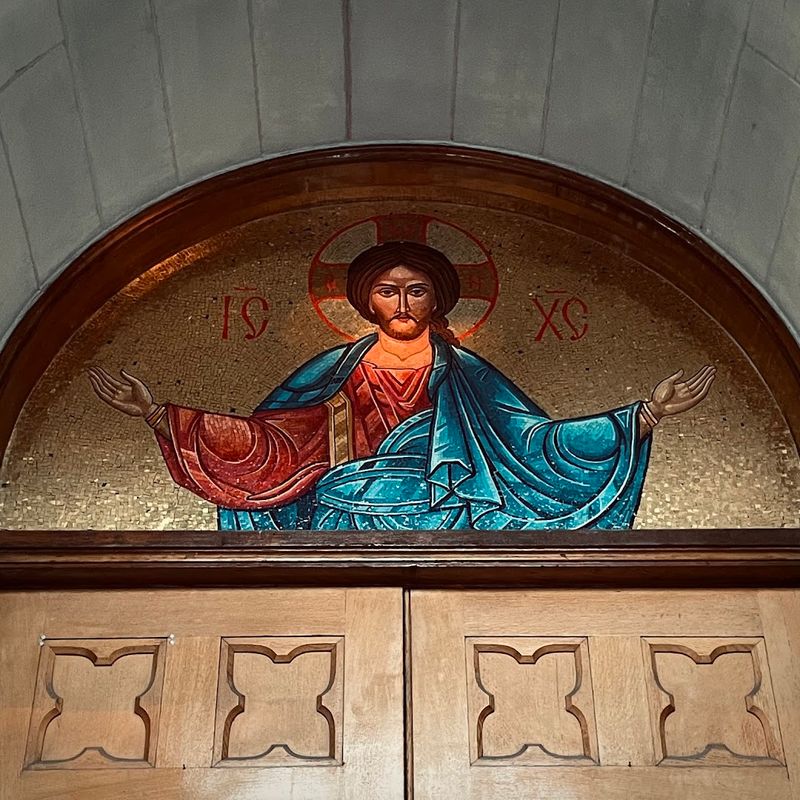
Gold leaf, intricate painted icons, and layered woodwork create a visual experience unlike anything you find in a typical Western Catholic church. Every surface seems to carry meaning.
The ceiling draws your gaze upward, and the stained glass filters light in ways that shift the mood of the entire space throughout the day.
St. John the Baptist Ukrainian Catholic Church follows the Byzantine Rite, which means the liturgical style, the music, and even the layout of the building differ from Roman Catholic traditions.
That distinction is worth understanding before your visit, because it helps you appreciate why everything looks and feels the way it does.
Tipperary Hill Neighborhood Setting
Finding this church requires a short drive into one of Syracuse’s most characterful neighborhoods.
Tipperary Hill has long been known for its strong Irish-American heritage, famously home to the only traffic light in the United States where green sits on top instead of red.
Discovering a Ukrainian Catholic church thriving in this same neighborhood adds a fascinating cultural layer to an already interesting corner of the city.
The streets around 207 Tompkins St are lined with older homes and mature trees that give the area a settled, unhurried quality. Walking from your car to the church entrance, you pass through a neighborhood that clearly values its history.
New York state has many neighborhoods with layered immigrant histories, but Tipperary Hill stands out for how openly it wears that heritage.
The coexistence of Irish and Ukrainian traditions in the same few blocks is a small but genuine reminder of how American cities were actually built.
St. John the Baptist Ukrainian Catholic Church fits into that story perfectly, and the neighborhood itself is worth exploring before or after your visit.
The Annual Ukrainian Festival
Once a year, the grounds around this church transform into one of the most spirited cultural celebrations in all of upstate New York.
The annual Ukrainian festival hosted by St. John the Baptist Ukrainian Catholic Church draws visitors from across the region, and for good reason. It is the kind of event that makes you wish you had found it years earlier.
Traditional dancers perform in embroidered costumes that represent specific regions of Ukraine. Folk musicians fill the air with melodies that feel both ancient and alive at the same time.
The energy of the crowd, the color of the costumes, and the sound of the music combine into something that is genuinely hard to describe without overselling it.
The festival happens once per year, so timing your visit to coincide with it takes some planning.
If you are anywhere in New York state during the festival weekend, making the trip to Syracuse is absolutely worth rearranging your schedule. Few events of this size and quality fly so far under the radar of mainstream travel coverage.
Traditional Food You Cannot Miss
Let me be straightforward about something: the food alone could justify making this trip.
The Ukrainian festival at this Syracuse church serves traditional dishes that are made with real care and real recipes. Pierogies are the star of the show, soft dough pockets stuffed with potato, cheese, or sauerkraut, boiled and then pan-fried to a golden finish.
Kielbasa, the smoky Polish-Ukrainian sausage, is another fixture that draws a crowd. Stuffed cabbage rolls, known in Ukrainian as holubtsi, arrive packed with seasoned meat and rice.
Sauerkraut prepared the traditional way rounds out a menu that feels hearty and honest without trying to be anything trendy.
These are not approximations of Ukrainian food. They are the real thing, prepared by community members who learned these recipes through family tradition.
Eating here feels less like visiting a food stall and more like being welcomed into someone’s kitchen.
New York state has no shortage of food festivals, but finding this level of authenticity tied to a specific cultural and religious community is something that stands apart. Come hungry and bring a container if you want to take leftovers home.
The Taras Shevchenko Statue
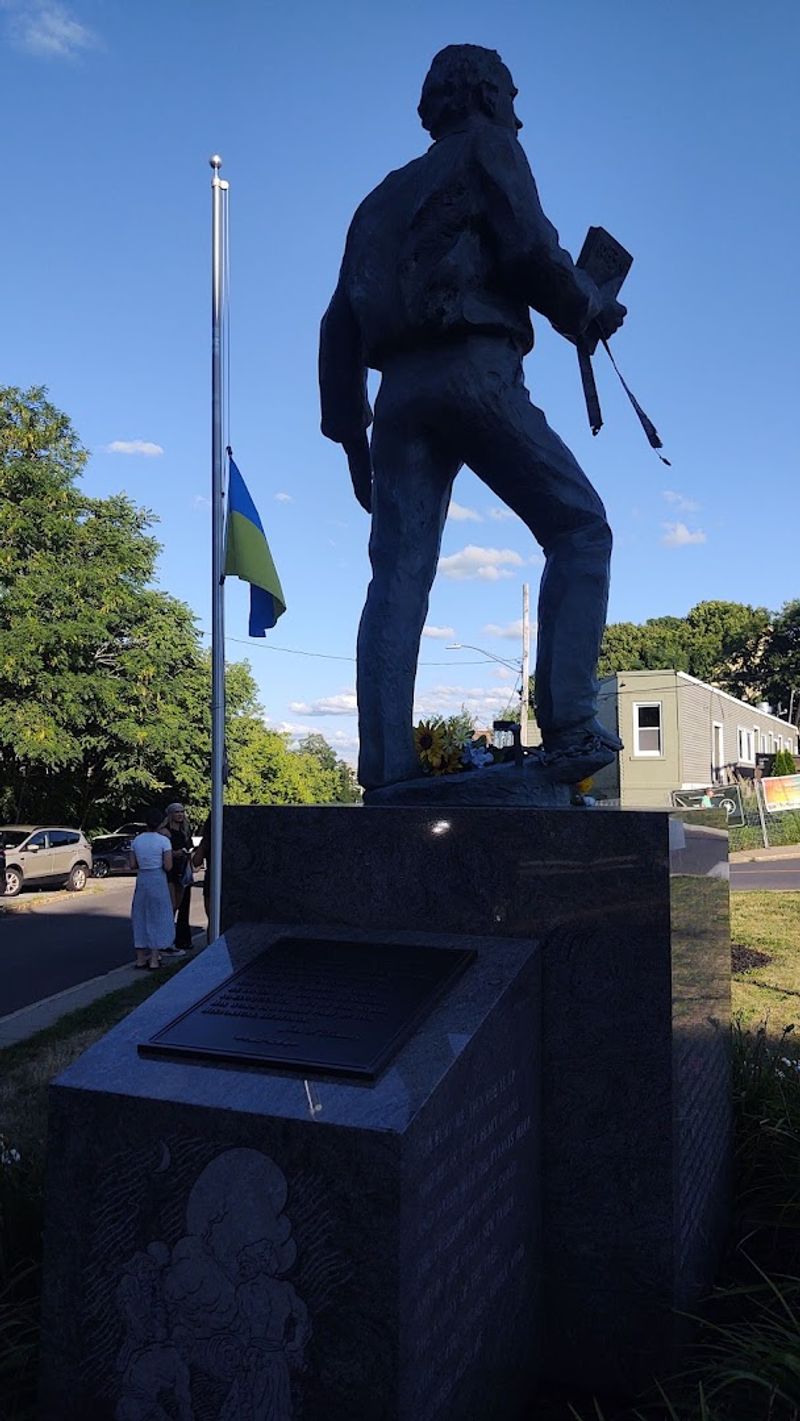
On the church grounds stands something that stopped me in my tracks during my visit.
A statue of Taras Shevchenko, the beloved Ukrainian national poet and cultural icon, is displayed near the church as a symbol of Ukrainian identity and pride.
For anyone unfamiliar with Shevchenko, he is essentially the George Washington and Walt Whitman of Ukraine rolled into one figure.
Born in 1814, Shevchenko used poetry and art to give voice to Ukrainian identity at a time when it was actively suppressed by the Russian Empire. His work inspired generations of Ukrainians to hold onto their language and culture.
Seeing his likeness honored here in a New York neighborhood, far from his homeland, carries a quiet but powerful emotional weight.
Statues of Shevchenko exist in cities around the world wherever Ukrainian communities have settled, and each one tells the same story of cultural survival.
The one at St. John the Baptist Ukrainian Catholic Church is no different. It connects this Syracuse congregation to a much larger global story of identity and endurance.
Byzantine Rite Liturgy Experience
Attending a liturgy at this church is one of the most distinctive worship experiences available anywhere in New York state.
The Byzantine Rite, which this parish follows, differs from the Roman Rite in almost every visible and audible way.
The chanting is modal and haunting, often performed entirely without instrumental accompaniment, which gives the service a meditative, almost otherworldly quality.
Priests wear vestments that are more elaborate and visually layered than those typical in Roman Catholic parishes. The movements, the prayers, and the structure of the liturgy follow patterns that were established in Constantinople centuries ago.
Everything from the incense to the call-and-response prayers feels ancient in a way that is rare to encounter in everyday life.
Visitors who attend respectfully are generally welcomed at Byzantine Rite services, though it is always courteous to arrive a few minutes early and observe the norms of the congregation. Dress modestly and follow the lead of those around you.
For anyone curious about the Eastern Christian tradition, this is an accessible and genuinely moving introduction.
Planning Your Visit Wisely
Getting the most out of a visit here takes a little preparation.
St. John the Baptist Ukrainian Catholic Church is located at 207 Tompkins St, Syracuse, NY 13204, and it is straightforward to reach by car from most parts of the city.
Street parking is available in the surrounding neighborhood, and the walk from your car to the entrance is short and pleasant.
Contacting the parish ahead of time is especially useful if you are planning a visit around the annual Ukrainian festival, since that event draws larger crowds and may require earlier arrival.
New York state weather can vary dramatically by season, so dressing in layers for an outdoor festival visit is practical advice. Inside the church, the atmosphere is cool and quiet year-round.
If you come for the architecture, the liturgy, the festival, or simply out of curiosity, this is a destination that rewards a thoughtful visit. The community here is warm and the experience is one that few travelers in New York ever discover on their own.