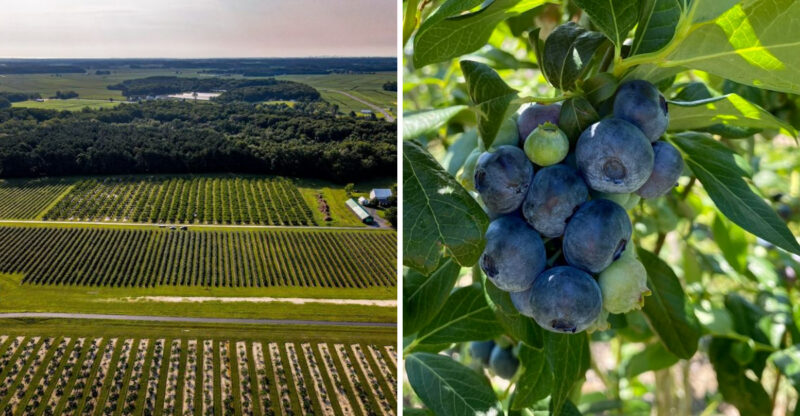
Take A Closer Look At These 10 Delaware’s Scenic And Historic Islands
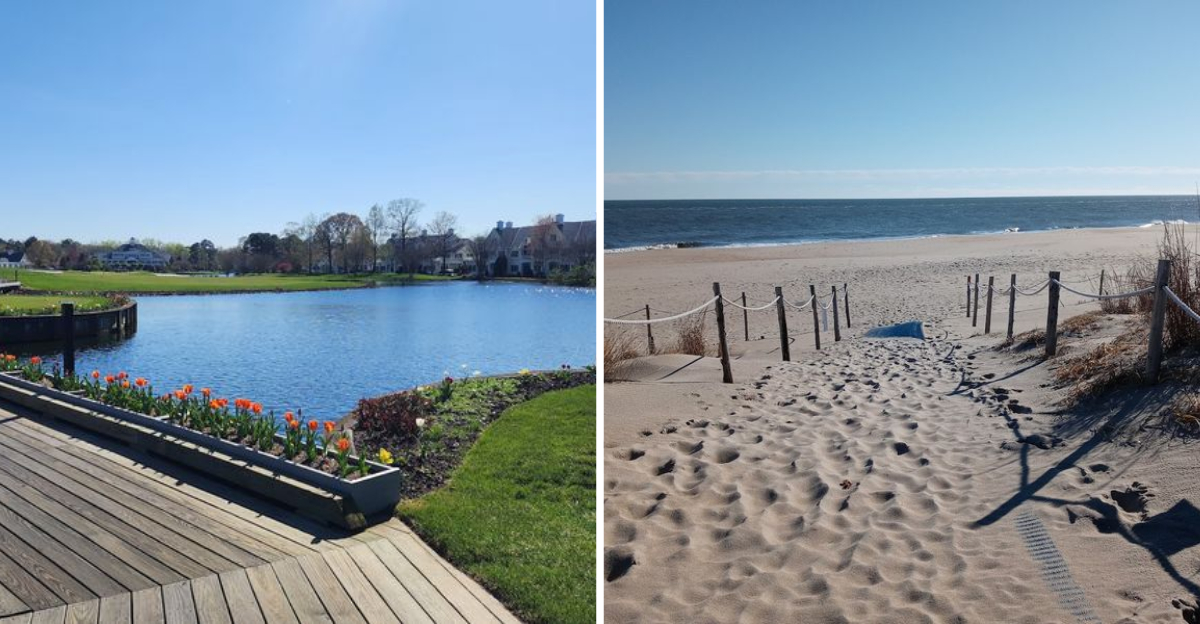
The second smallest state hides real surprises. Do not let the tiny map fool you at all.
Tiny Delaware surprises you along its quiet waterways. Rivers, bays, and marshes cradle forgotten islands. They hold Civil War history and migratory birds.
Quiet beaches and lost landscapes hide out there. Most travelers never even glimpse these spots. I explored a few and found real personality.
Every island tells a story all its own. The variety packed into such a small state stuns. Herons wade through the marsh grass.
Old forts crumble under the sun. Ferries drift between the green banks.
The smallest state hides the biggest surprises.
1. Pea Patch Island
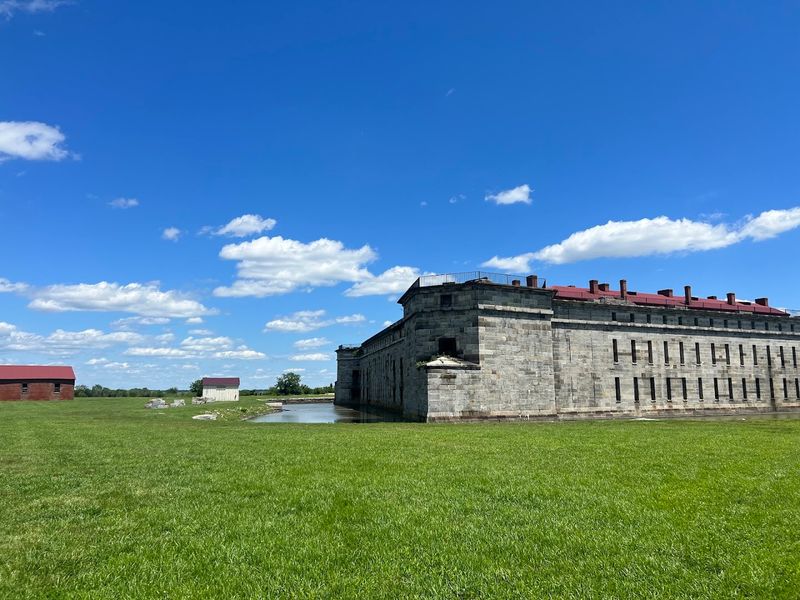
You might not believe me when I say a tiny island in the middle of the Delaware River holds one of the most dramatic Civil War stories in the Northeast.
Pea Patch Island sits near Delaware City, and it is home to Fort Delaware, a massive stone fortress. The fort once held thousands of Confederate prisoners during the Civil War.
Getting there requires a short ferry ride, which adds to the sense of adventure. Once you arrive, the fort’s thick granite walls and dark interior corridors create a genuinely eerie atmosphere.
History fans will find it hard to leave without learning something new.
The island is also a protected nature area managed as a state park. Great blue herons and egrets nest in huge colonies along the tree line.
Birdwatchers often say the nesting colony here is one of the largest on the East Coast.
Spring and early summer are the best times to catch the birds in full nesting activity. The combination of military history and wildlife makes this island unlike anywhere else in Delaware.
Pack a good camera, because both the fort and the birds are truly worth capturing.
2. Fenwick Island
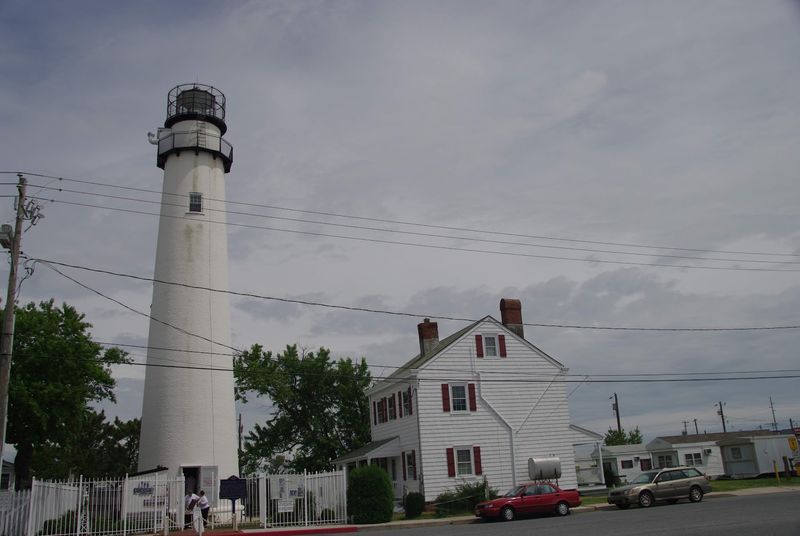
Trust me, not many people realize that Fenwick Island is actually a narrow barrier island tucked along Delaware’s southern coastline.
It sits between the Atlantic Ocean and Little Assawoman Bay, near the Maryland border. The town of Fenwick Island has a relaxed, unhurried energy that feels refreshing compared to busier beach towns.
The beaches here are wide and clean, and the surf is generally calm enough for swimming. Families tend to love the manageable waves and the lack of overwhelming crowds.
Fishing from the shore is also a popular activity, especially in the early morning hours.
One fascinating detail about Fenwick Island is its connection to a historic transpeninsular line survey from the 1700s. A large marker stone near the beach commemorates this boundary between Delaware and Maryland.
It is a quirky little piece of history hiding right next to the sand.
The area also has a charming lighthouse, the Fenwick Island Lighthouse, which dates back to 1859. It still stands in excellent condition and is open for tours during certain seasons.
If you are a history enthusiast or simply looking for a quiet beach escape, Fenwick Island delivers a satisfying mix of both worlds.
3. Beach Plum Island
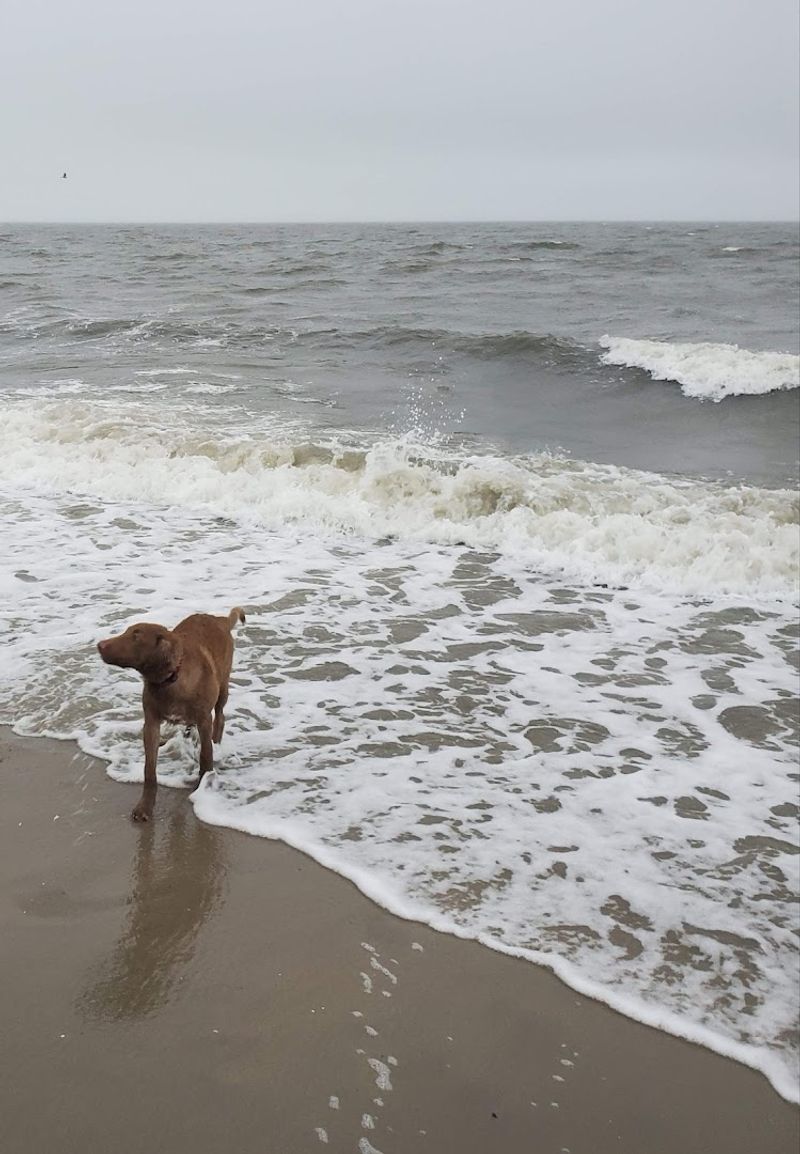
Can you believe that an island named after a wild fruit could be one of the most quietly beautiful natural areas in Delaware?
Beach Plum Island is a small, largely undeveloped island located near Lewes as a two-mile barrier-island nature preserve within Cape Henlopen State Park.
The island gets its name from the beach plum shrubs that grow naturally along its sandy edges. These plants bloom with small white flowers in spring and produce dark purple fruit by late summer.
It is a surprisingly lovely seasonal show that most travelers completely miss.
Access to Beach Plum Island is limited, which keeps it peaceful and largely free from heavy foot traffic. Kayaking and canoeing are popular ways to reach it from nearby launch points.
The surrounding waters are shallow and calm, making paddling accessible even for beginners.
Shorebirds and migratory waterfowl use the island as a resting and feeding area during seasonal migrations. Spotting sandpipers, dunlins, and various duck species here is a real treat for patient observers.
The combination of wild plants, quiet waters, and abundant birdlife gives Beach Plum Island a raw, unpolished beauty that feels genuinely rare along the Delaware coast.
4. Thompson Island
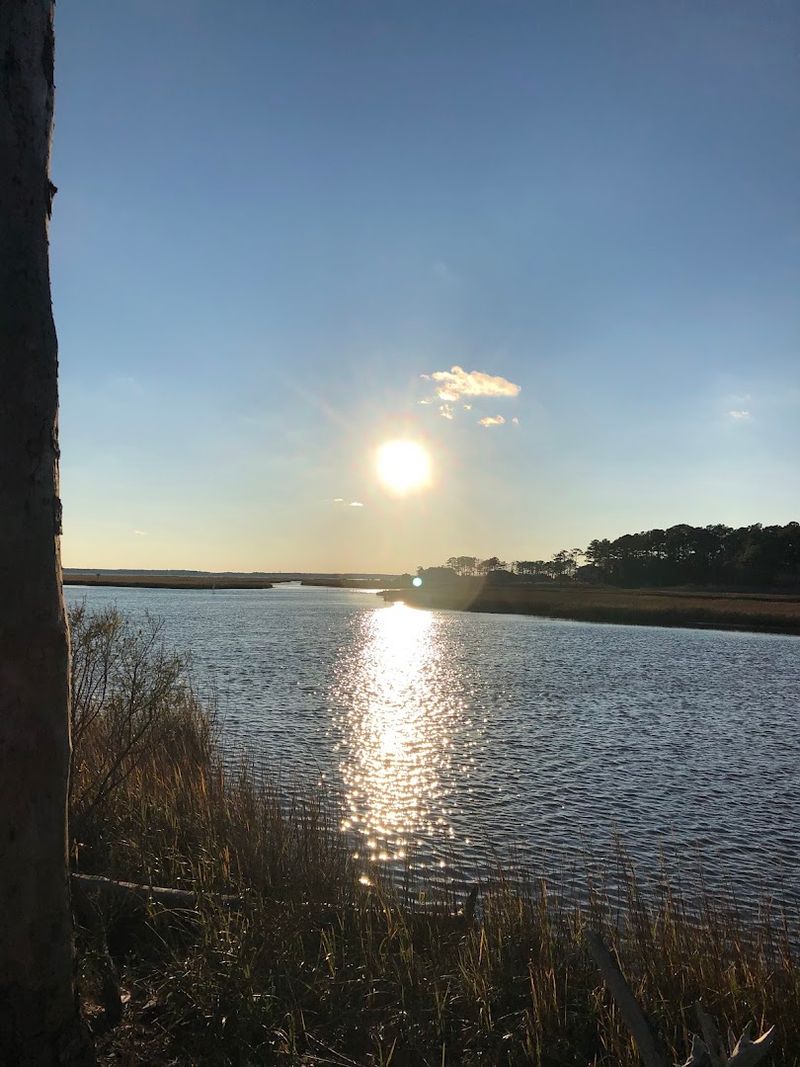
I never would have guessed that a small river island near one of Delaware’s oldest cities could hold so much quiet appeal.
Thompson Island sits in the Delaware River near New Castle, a town already famous for its colonial-era brick streets and historic courthouse. The island adds a natural counterpoint to the town’s rich architectural history.
The surrounding waters attract anglers who cast lines for striped bass and white perch throughout the warmer months.
The river current around the island creates productive fishing conditions that locals have known about for generations. It is the kind of spot that rewards those who take the time to seek it out.
Marshgrasses frame much of the island’s shoreline, providing important habitat for nesting birds and small mammals.
Red-winged blackbirds are almost always present, filling the air with their sharp, distinctive calls. The contrast of reeds and open water gives the landscape a painterly quality that photographers appreciate.
Thompson Island is not a heavily promoted tourist attraction, which is honestly part of its appeal. The quietness here allows you to fully absorb the natural surroundings without distraction.
Pairing a morning on the water near Thompson Island with an afternoon walk through historic New Castle makes for one of Delaware’s most satisfying and well-rounded day trips.
5. Burton Island
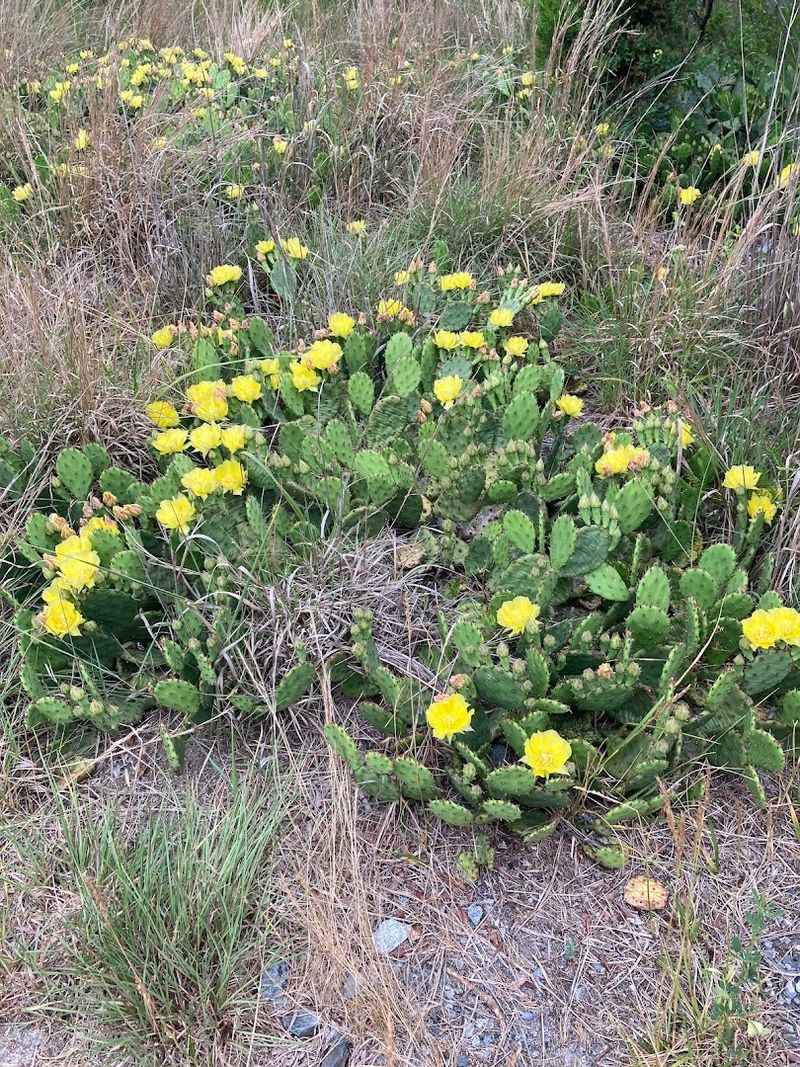
Believe me, Burton Island is the kind of place that makes you feel like you have stumbled onto a secret that the rest of the world has not found yet.
This small island is surrounded by expansive tidal marshes. The landscape here is raw, flat, and wonderfully wild.
Burton Island is primarily known as a critical nesting area for colonial waterbirds. Laughing gulls, black-crowned night herons, and glossy ibis have all been documented nesting in and around the island.
For serious birders, this is the kind of location that earns a permanent spot on the life list.
The tidal flats surrounding the island also support horseshoe crabs during their annual spring spawning.
This natural event draws migratory shorebirds by the thousands, creating a feeding frenzy that is one of the most spectacular wildlife displays on the entire Atlantic coast. The timing usually falls between late April and early June.
Getting close to Burton Island requires a boat, which keeps casual foot traffic to a minimum. The lack of development means the island retains its ecological integrity in a way that protected areas sometimes struggle to maintain.
Paddling through the surrounding marsh channels at sunrise, with birds calling all around, is an experience that simply cannot be replicated anywhere else.
6. Big Cedar Island
Would you ever think that an island named for a tree could be one of the most ecologically significant spots along Delaware’s coastline?
Big Cedar Island is located in Delaware Bay, within the Delaware Bayshore region, and it is part of an important network of barrier islands and tidal wetlands. The island is relatively low-lying and heavily influenced by the tides.
Cedar trees once gave this island its distinct character, though storm activity and erosion over the decades have reshaped much of the landscape.
The island now features a mix of sandy flats, marsh vegetation, and open shoreline. This mosaic of habitats supports a wide range of wildlife throughout the year.
Migratory birds rely on Big Cedar Island as a stopover point during both spring and fall migrations. Raptors, wading birds, and waterfowl all pass through in notable numbers.
Patient observers with binoculars can rack up an impressive list of sightings in just a few hours.
The island is also part of the broader coastal system that plays a role in protecting the Delaware mainland from storm surge and wave energy. Its ecological function goes far beyond what its modest size might suggest.
Reaching the island by kayak from nearby access points along the Delaware Bayshore is a rewarding adventure that connects you directly to one of the East Coast’s most important natural corridors.
7. Little Cedar Island
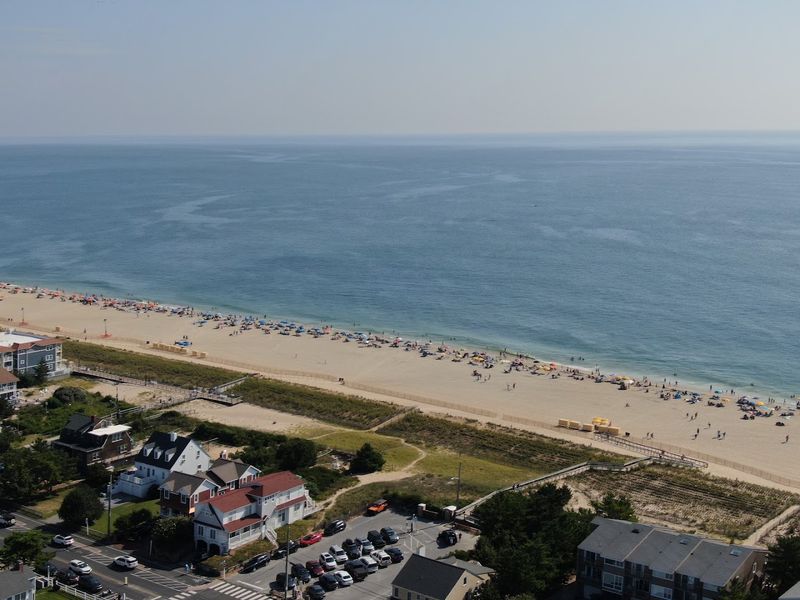
I must admit, Little Cedar Island does not get nearly the attention it deserves given how much natural value it packs into such a compact space.
Sitting close to its larger neighbor in Delaware Bay, Little Cedar Island is part of the Delaware Bayshore region and shares many of the same ecological characteristics. The island is small, low, and almost entirely undeveloped.
Tidal action shapes and reshapes the island constantly, making it a dynamic and ever-changing landscape. The sandy flats exposed at low tide attract feeding shorebirds in impressive numbers.
Dunlins, semipalmated sandpipers, and ruddy turnstones are among the species commonly spotted here during migration season.
Because of its small size, Little Cedar Island is particularly vulnerable to the effects of rising sea levels and coastal erosion. Conservation groups have highlighted it as part of a broader effort to protect Delaware Bay’s barrier island chain.
The urgency of that effort gives the island an added layer of significance for those who care about coastal ecosystems.
Reaching Little Cedar Island by kayak or small boat is the only practical option for most travelers. The paddle through the surrounding bay waters offers its own set of rewards, including close-up views of dolphins that occasionally feed in the shallows.
The whole experience has a quietly profound quality that stays with you long after you return to shore.
8. Reedy Island
Doesn’t it seem remarkable that a small island in the middle of the Delaware River once served as one of the most important quarantine stations on the entire East Coast?
Reedy Island is located in the Delaware River between the towns of Port Penn and Taylors Bridge in Delaware. Its history stretches back centuries and touches on immigration, public health, and river commerce.
The island was home to a federal quarantine station in the late 1800s and early 1900s. Ships arriving from overseas were required to stop here for medical inspections before continuing upriver to Philadelphia.
This made Reedy Island a critical checkpoint in protecting American cities from epidemic diseases.
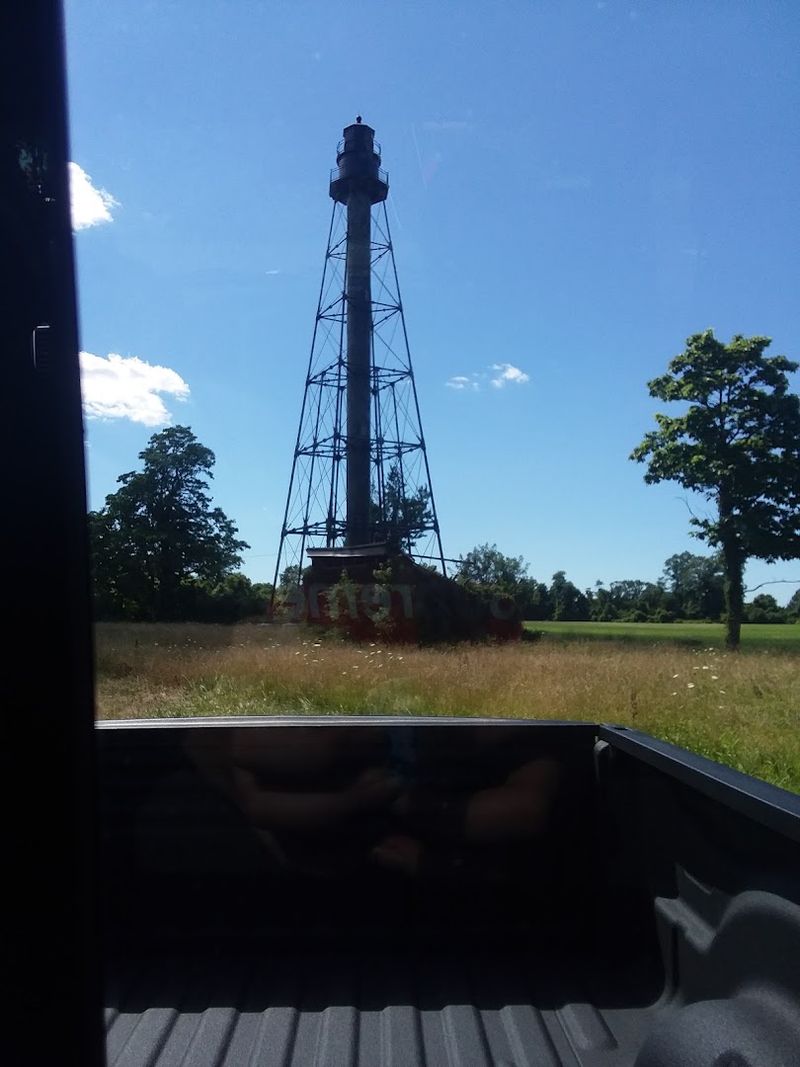
The Reedy Island Range Rear Light is one of the most recognizable structures associated with the area.
This lighthouse, built in 1910, guided ships safely through the river channel for many decades. Its skeletal iron frame is a distinctive silhouette against the flat Delaware River landscape.
Today, the island and its surrounding marshes are managed as part of a wildlife area. Migratory birds, river otters, and various fish species use the habitat throughout the year.
The combination of layered history and active wildlife habitat makes Reedy Island one of the most intellectually satisfying stops on any Delaware waterway exploration. The Delaware River’s quiet current around the island adds to its contemplative atmosphere.
9. Kelly Island
I know it can be hard to get excited about an island with no roads, no buildings, and no visitor facilities, but
Kelly Island earns its place on this list through sheer ecological importance.
Located in Delaware Bay near the town of Smyrna, Kelly Island is a remote tidal island embedded within a network of marshes and open water. Its isolation is precisely what makes it so valuable.
The island supports significant populations of nesting colonial waterbirds, including herons, egrets, and ibis.
Researchers and wildlife managers monitor these nesting colonies carefully as indicators of the overall health of Delaware Bay’s ecosystem. The data collected here feeds into larger conservation strategies for the Atlantic coast.
Horseshoe crab activity in the waters surrounding Kelly Island is also notable during the spring spawning season. The crabs emerge from the bay in remarkable numbers to lay eggs along the sandy edges.
This ancient ritual, unchanged for hundreds of millions of years, is one of nature’s most humbling spectacles.
Kayaking out to Kelly Island from nearby launch points gives you a perspective on Delaware’s coastal landscape that few travelers ever experience.
The wide, open sky reflected in the surrounding tidal flats creates a sense of space that feels almost meditative. Bring a good pair of binoculars and plenty of patience, and Kelly Island will reward you generously.
10. Fenwick Island State Park / Assawoman Bay
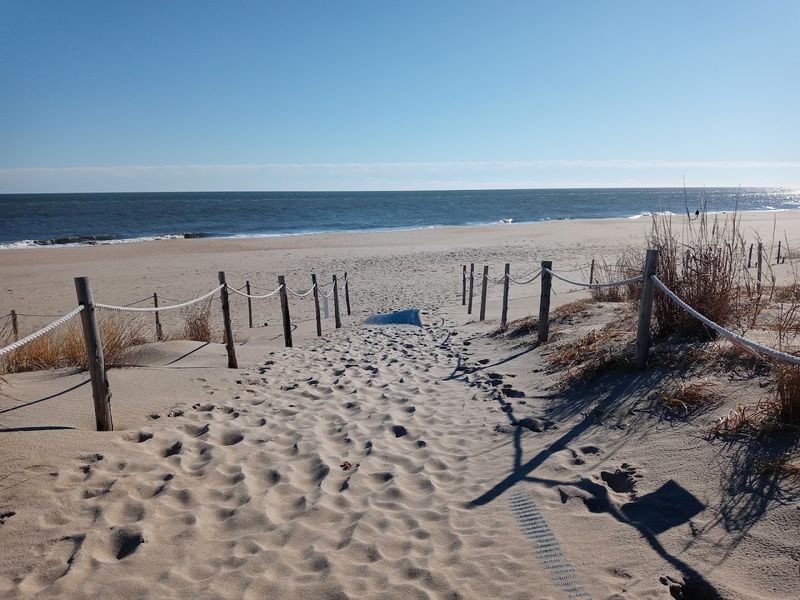
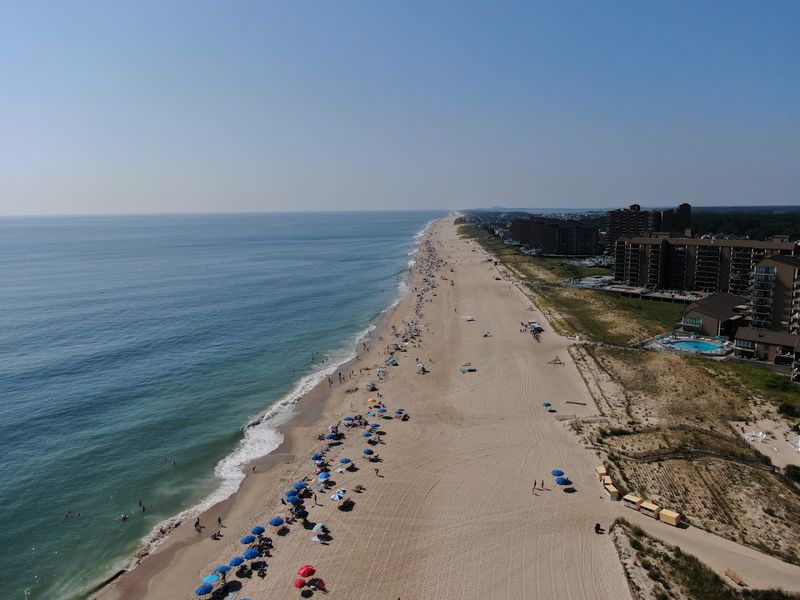
Doesn’t it sound interesting that one narrow strip of land in southern Delaware gives you two completely different water experiences at the same time?
Fenwick Island State Park stretches along a thin barrier spit in Sussex County, with the Atlantic Ocean on one side and Little Assawoman Bay on the other. The contrast between the two shorelines is striking and makes the park genuinely unique.
The ocean-facing beach is wide, sandy, and perfect for swimming, sunbathing, and surf fishing. Lifeguards are present during the summer season, making it a comfortable choice for families.
The beach regularly earns recognition for its cleanliness and the quality of its water.
The bay side of the park offers a completely different mood. Calm, sheltered waters make it ideal for kayaking, paddleboarding, and crabbing.
The salt marsh vegetation along the bay edge provides habitat for fiddler crabs, diamondback terrapins, and a variety of shorebirds.
The park also connects to the broader Fenwick Island area, which includes the historic Fenwick Island Lighthouse nearby. Sunsets viewed from the bay side of the park are genuinely stunning, with the water turning gold and pink as the light fades.
Spending a full day here moving between the ocean and the bay feels like getting two vacations packed into one.