Take A Spine-Chilling Ghost Tour Through One Of Missouri’s Creepiest Historic Spots
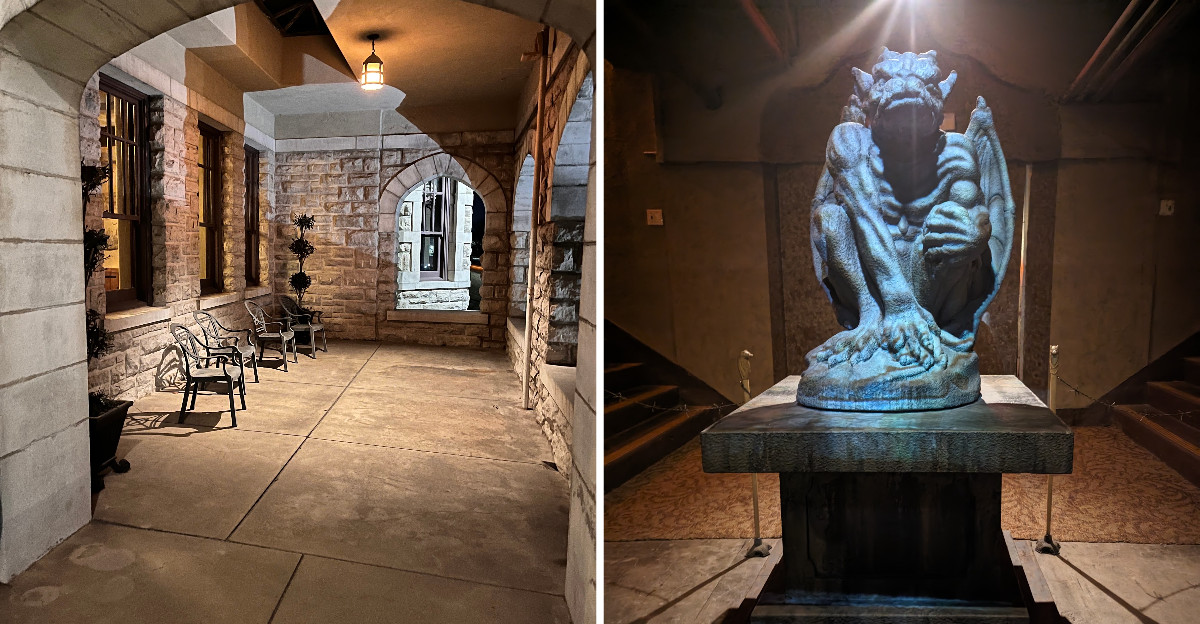
Would you walk into a stone castle after dark if the guide casually mentioned unexplained footsteps?
Missouri has a historic spot where that question becomes very real.
Heavy doors, Gothic details, shadowy rooms, and a basement tunnel already create enough atmosphere before the ghost stories even begin.
Then the history adds another layer. The building served several purposes over the years, which gives every hallway more to think about.
Creepy? Definitely. Interesting? Even more so! You do not have to believe every legend to feel the tension.
Sometimes a good ghost tour works because the building itself already knows how to set the mood.
A Castle Built On Kindness
Long before ghost tours entered the picture, the building had a charitable purpose.
The Knights of Pythias completed the Pythian Home of Missouri in 1913 after choosing Springfield for the project.
The fraternal organization had been founded in 1864 around ideals of friendship, charity, and benevolence. Its Missouri home provided housing and support for older members and families who needed assistance.
Springfield worked hard to bring the project to town. In 1909, local supporters assembled 53 acres and transferred the site to the organization so construction could move forward.
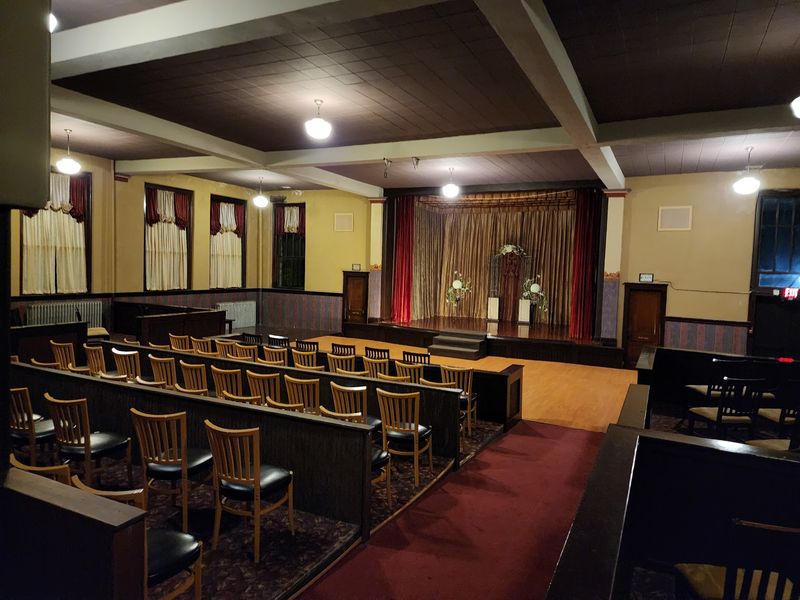
That background gives the castle a different feeling once the tour begins. Dormitory-style rooms, gathering spaces, and broad hallways make more sense when viewed as parts of a communal home.
The building remained connected to the Knights of Pythias until 1942, when its purpose changed dramatically.
Today, Pythian Castle stands at 1451 E Pythian St in Springfield and is open only during scheduled tours and events.
Turrets, Arches, And Local Limestone
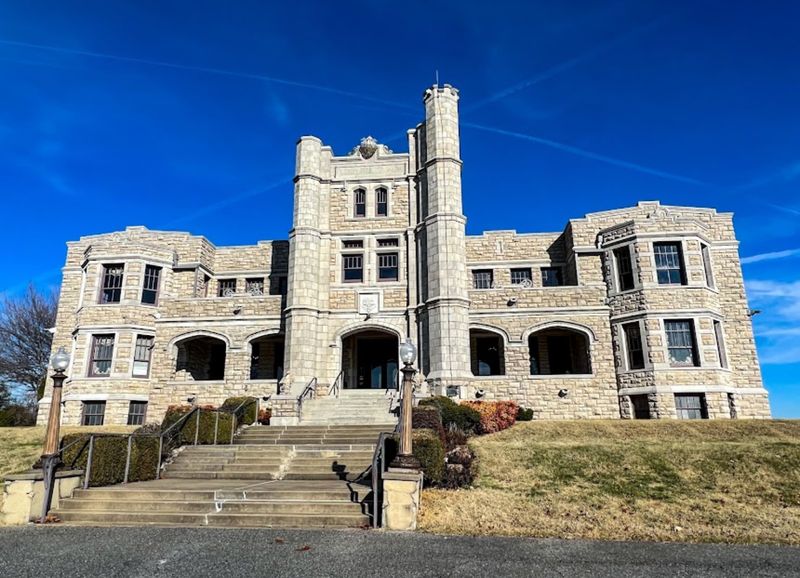
The exterior makes the castle theme obvious before anyone reaches the front door.
Completed in the Late Gothic Revival style, the building uses rough and smooth Carthage limestone quarried in southwest Missouri.
The front facade mixes fortress-like massing with carefully finished details. Decorative turrets rise above the roofline, while deeply recessed windows break up the heavy stone walls.
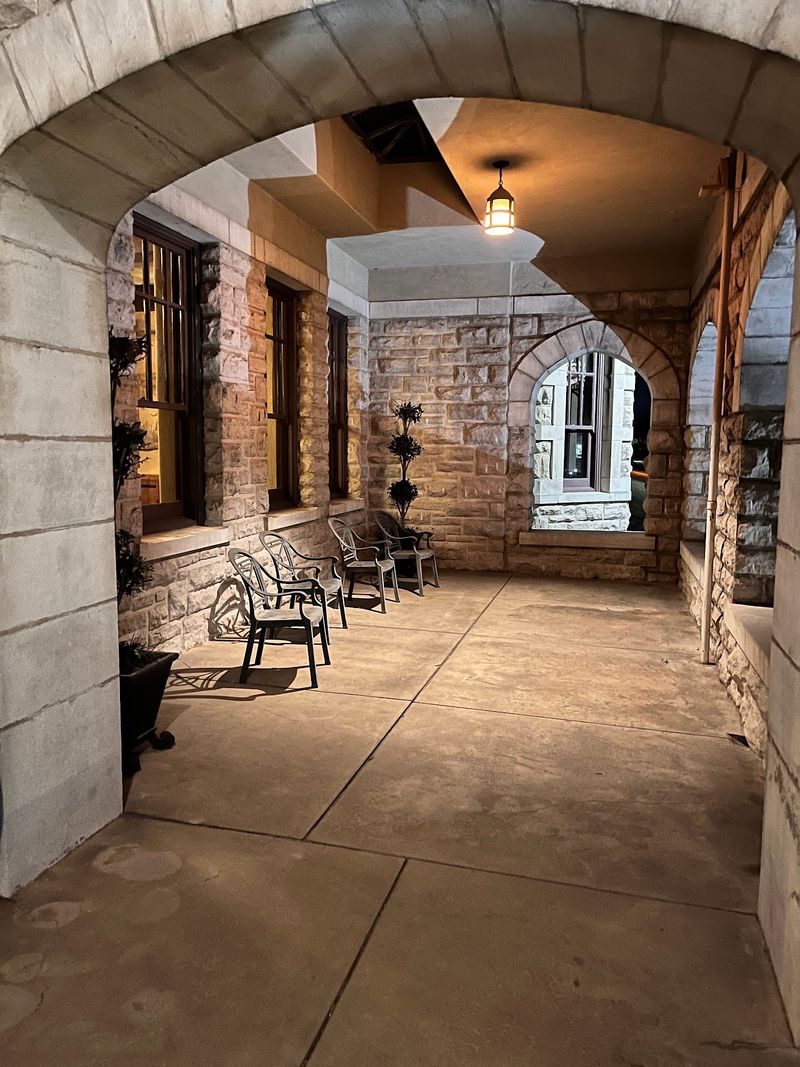
Gothic-style windows appear high on the building, and broad Tudor arches frame sections of the front porch. Smooth limestone moldings add contrast against the rougher wall surfaces.
The original entrance includes wood-and-glass doors, sidelights, and a transom with decorative tracery.
Inside, much of the historic character remains visible. Original millwork, pocket doors, plaster walls, tile floors, tall ceilings, and transom windows still help define the rooms.
The building was engineered with a steel framework, poured-concrete floors, and fire-resistant interior wall construction, giving the decorative shell a surprisingly modern structure for its era.
Architecture fans have plenty to notice before the ghost stories even begin. The castle was listed on the National Register of Historic Places in 2009 for its architecture, social history, and military significance.
Big Bands And Bowling Lanes
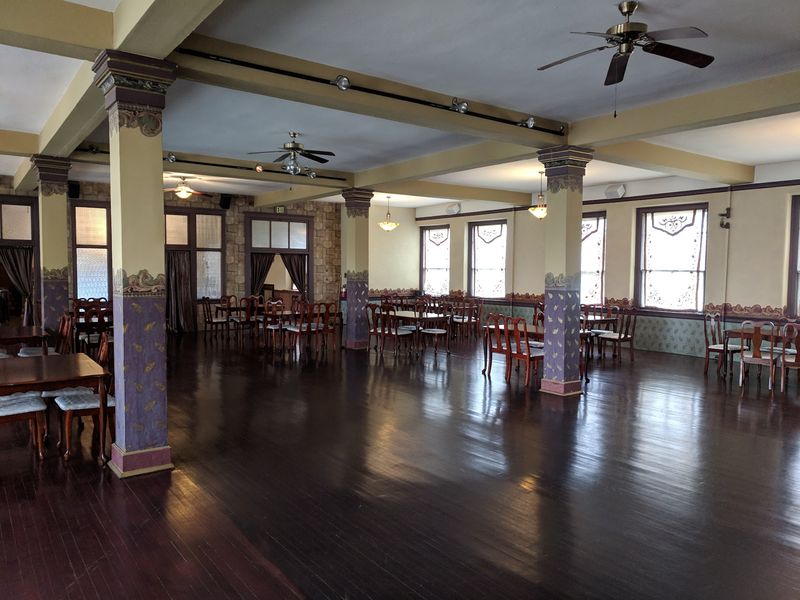
The next major chapter began in 1942, when the U.S. military took control of the property and connected it with nearby O’Reilly General Hospital.
The castle became an enlisted service club, turning former residential spaces into places for recreation, entertainment, and relaxation.
The ballroom became a gathering space where big bands performed. The theater also hosted entertainers, giving service members a place to spend time away from their regular duties.
A library, recreation rooms, a pool hall, and an arts-and-crafts area expanded the options inside. The basement even included a bowling alley, an unusual feature for a stone castle in the Ozarks.
Rooms that served one purpose early on often took on completely different roles during the military years.
The military retained the building after the 1940s and continued using it as a reserve center for decades.
It remained under federal ownership until 1993, when it was sold as surplus property and began moving toward its current life as a historic tour and event venue.
Basement Corridors And A Hidden Tunnel
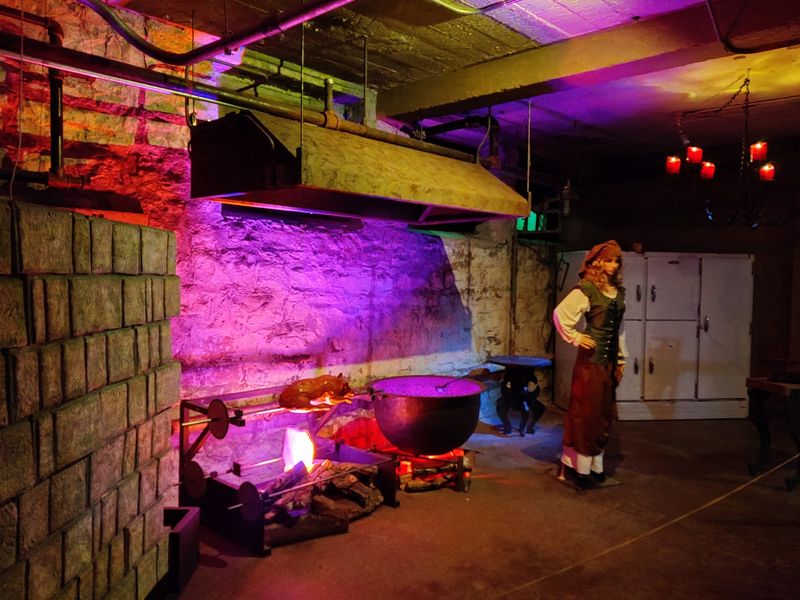
The basement changes the tone of the tour without needing any embellishment. Lower ceilings, utility spaces, thick walls, and dimmer passages feel very different from the ballroom and theater above.
One of the most memorable features is the underground passage connected with the building’s service infrastructure. It adds a maze-like quality to the lower level and naturally became part of later ghost-tour lore.
Historical records distinguish the main castle from the detached power plant and laundry building behind it. That separate service structure originally supported boiler and laundry operations for the home.
That distinction matters because later retellings sometimes blur the history of the castle with nearby military-era structures.
The basement’s tight turns, stone and concrete surfaces, and limited natural light create a strong contrast with the upper floors.
The tour involves stairs, so this part of the building may be difficult for guests with limited mobility.
Nothing needs to jump out from behind a corner for the space to feel mysterious. The architecture already supplies enough tension.
Legends In The Halls
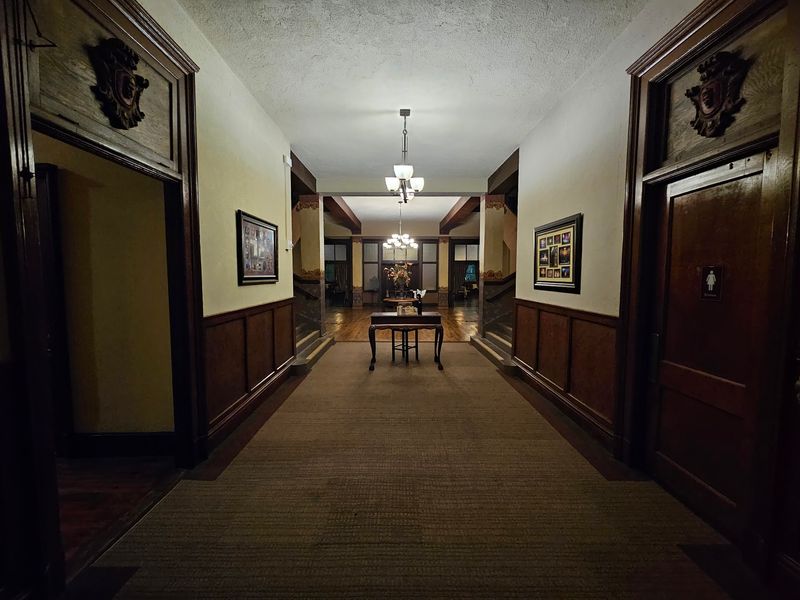
Paranormal stories are part of the castle’s modern identity, but they work best when treated as folklore rather than proven history.
One recurring legend involves a figure in white said to appear in hallways or near windows.
Other stories focus on unexplained footsteps, voices, flickering lights, or movement in otherwise quiet rooms.
The underground passage has its own tale about heavy footsteps echoing along the corridor. That story has become one of the better-known pieces of ghost-tour lore connected with the building.
None of those accounts needs to be taken literally for the tour to work. A century-old stone building with a theater, ballroom, basement, tower spaces, and long corridors already gives a guide plenty of material.
The best approach is to enjoy the stories as part of the experience while keeping the documented history separate from the legends.
That balance makes the castle more interesting, not less. Facts explain why the building matters, while folklore explains why people still talk about it after dark.
Ninety Minutes Of Goosebumps
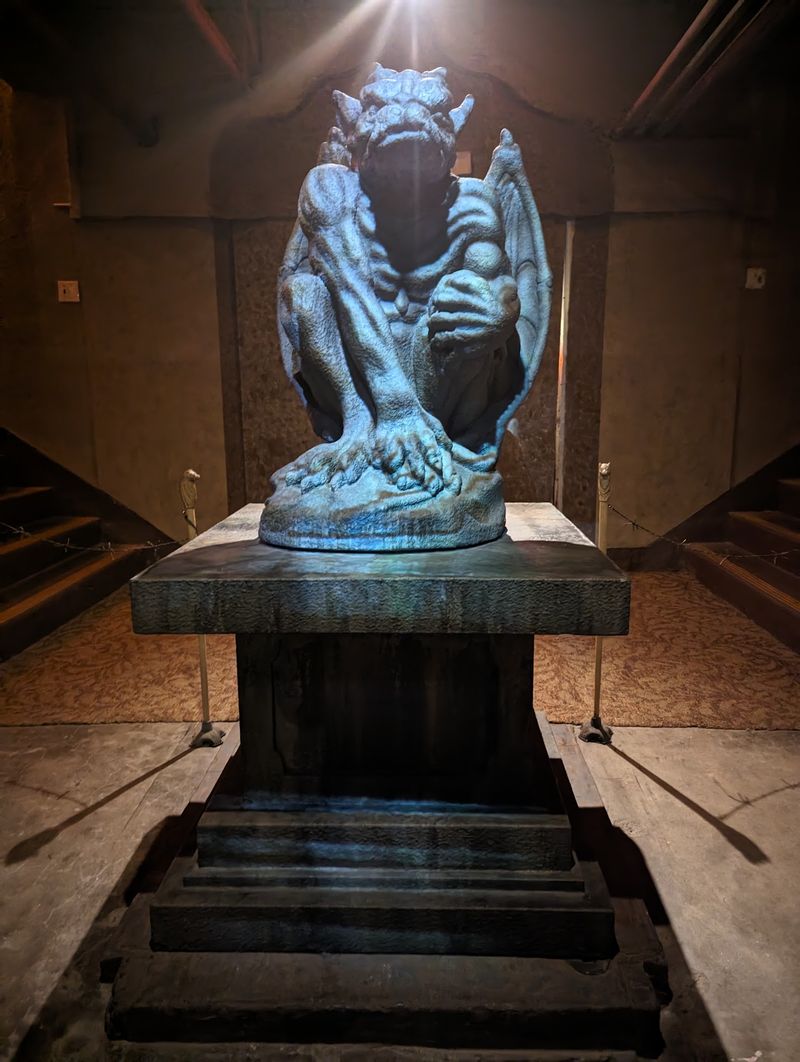
The current ghost tour lasts about an hour and a half and combines documented history with ghostly tales from around the property.
It is a guided experience rather than an independent wander, and the route involves walking and stairs.
The castle recommends the tour for older children and adults who are comfortable with that format.
Photography is allowed during the tour. Short video clips are permitted too, although filming the entire experience is not allowed.
Visitors may pass through grand public spaces before reaching darker lower-level areas, creating a natural shift in mood as the tour unfolds.
Anyone hoping for a deeper paranormal experience can also watch the calendar for selected investigation events. Private investigation sessions are offered separately for groups with their own equipment.
The regular ghost tour is the simpler choice for most visitors because it keeps the history and legends moving at a steady pace.
Reservations are recommended, especially when Springfield is busy or seasonal events are filling the calendar.
Escape Rooms And Mystery Dinners
Ghost tours are only one way to experience the property. Daytime history tours remain a regular option for visitors more interested in architecture and documented history.
The current history tour lasts about an hour and moves through the castle with a guide. A minimum group size applies, and private events can occasionally change the schedule.
Puzzle fans have another option. The castle currently offers a full-length escape room for small groups, along with a shorter add-on puzzle that can follow a history tour.
Larger groups can book a team-based clue adventure built around riddles and problem-solving throughout the property.
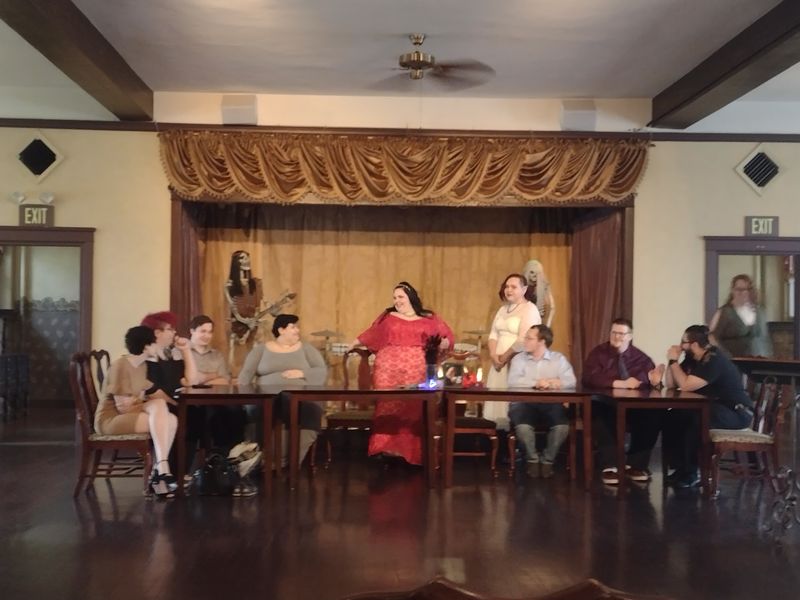
Interactive mystery dinners also remain part of the event calendar. The format combines a meal with a staged story in which guests can take part.
The castle’s rooms feel different during a history tour, an evening ghost tour, and a puzzle event.
Checking the current calendar before traveling is essential because public access is tied to scheduled events.
Smart Tips Before You Go
Pythian Castle is private property, so casual drop-ins are not the way to visit. Guests need to attend a scheduled tour or event to enter the property.
The military kept the building as a reserve center for decades before selling it as surplus in 1993. It later returned to public use as a tour and event venue.
Its National Register listing dates to October 7, 2009, under the historic name Pythian Home of Missouri.
Current daytime history tours are generally offered at scheduled morning and afternoon times, while ghost tours are held later in the day. Event schedules can change, so advance planning is the safest approach.
Expect stairs. The ghost tour specifically notes that walking and stair climbing are part of the experience, making comfortable shoes a practical choice.
Photos are welcome, but commercial use of material gathered during tours or investigations requires permission.
The castle also sits only a short distance from Springfield’s historic Route 66 corridor, making it easy to pair with other city stops.
Pythian Castle works because the documented history and the spooky atmosphere never have to compete. The stone walls, unusual architecture, changing uses, and modern legends already give visitors plenty to think about long after the tour ends.