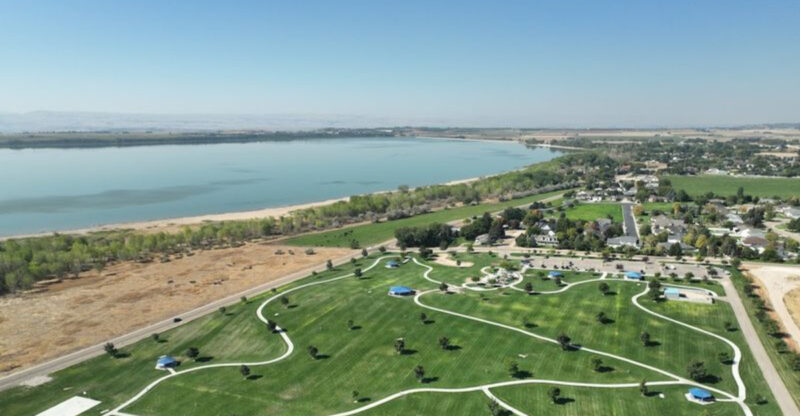
Telescope Nights Open The Dome To The Public Every Month At This Idaho Observatory
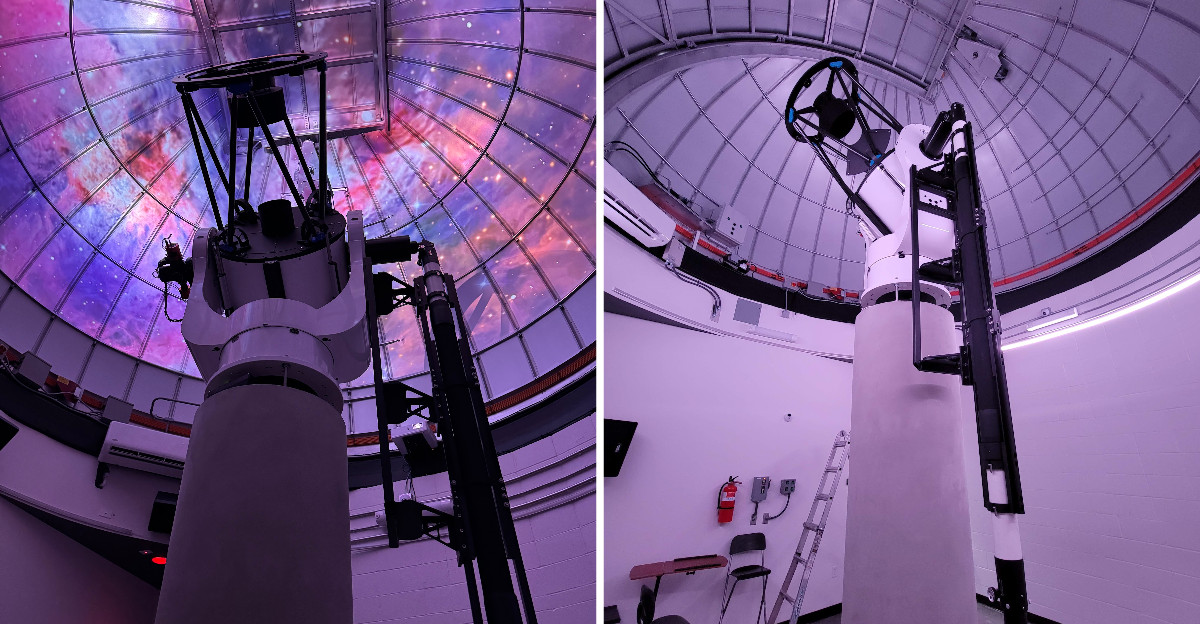
A big public telescope sits next to a giant pile of sand in the Idaho desert.
Folks climb dunes by day, then line up at an eyepiece once the sky goes black.
The skies out there are dark enough to earn a certified dark sky status. That means red lights only after sunset, and the stars do the heavy lifting.
I like how the whole evening feels like a science class nobody wants to leave.
Staff and volunteers give a talk, then the dome opens and the real show starts. You might catch a binary star, a crisp moon, or a faraway galaxy.
I can’t imagine a better way to end a summer day of sand in your shoes.
So what exactly happens when the dome rolls open?
An Observatory That Shares A Park With Giant Sand Dunes
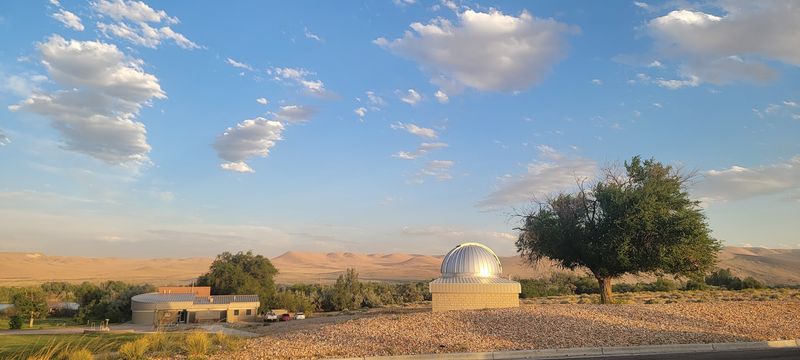
Sand dunes and a public telescope make an unusual pair. Bruneau Dunes State Park Observatory pulls it off in the high desert of southwestern Idaho.
The observatory sits inside Bruneau Dunes State Park, south of Mountain Home and the Snake River. The park itself is famous for its towering dunes, which rank among the tallest single-structured dunes in North America.
So you get two very different adventures in one stop. Daylight belongs to the sand, the lakes, and the wide desert views.
Night belongs to the stars. Once the sun drops, the observatory runs evening programs that let regular folks look through serious telescopes.
That combination is rare in Idaho, or anywhere really. Most stargazing spots ask you to drive somewhere dark and bring your own gear.
Here, the gear is waiting for you under a dome. Knowledgeable staff and volunteers are there to point it at something worth seeing.
The setup works for curious kids, retirees, and anyone who has ever squinted at the Milky Way and wanted more. It’s science without the lab coat.
Just bring a jacket, because desert nights cool off fast.
Skies So Dark They Earned An Official Certification
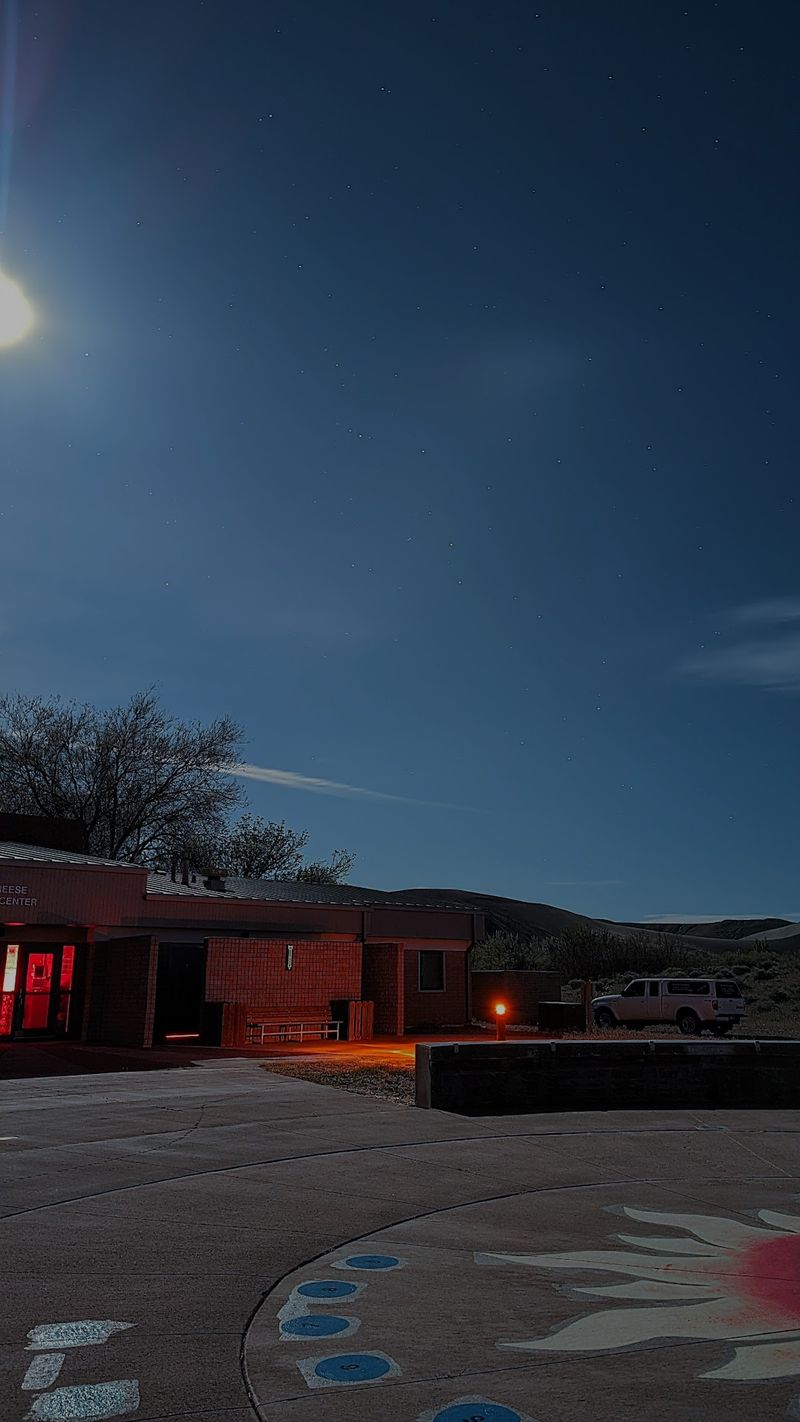
Light pollution is the sworn rival of every stargazer. Out at Bruneau Dunes, it barely shows up for the fight.
The park holds certified dark sky preserve status. That designation recognizes places where the night sky stays naturally dark and protected from bright artificial light.
What does that mean for your evening? More stars, fainter objects, and a sky that looks almost crowded once your eyes adjust.
Towns are far away, and the surrounding desert keeps things quiet and black. The result is a night sky many city dwellers in the Treasure Valley rarely get to see.
Dark sky status also comes with house rules. After dark, the park asks visitors to use red lights or low lights only.
White flashlights and bright phone screens can ruin night vision for everyone nearby. A red flashlight or a red filter on your phone solves the problem easily.
Plan ahead, and you’ll be a welcome guest at the eyepiece line. The payoff is worth the small effort.
On a clear, moonless night, this corner of Idaho shows off a sky that feels almost unreal.
The Big Telescope Everyone Lines Up To Use
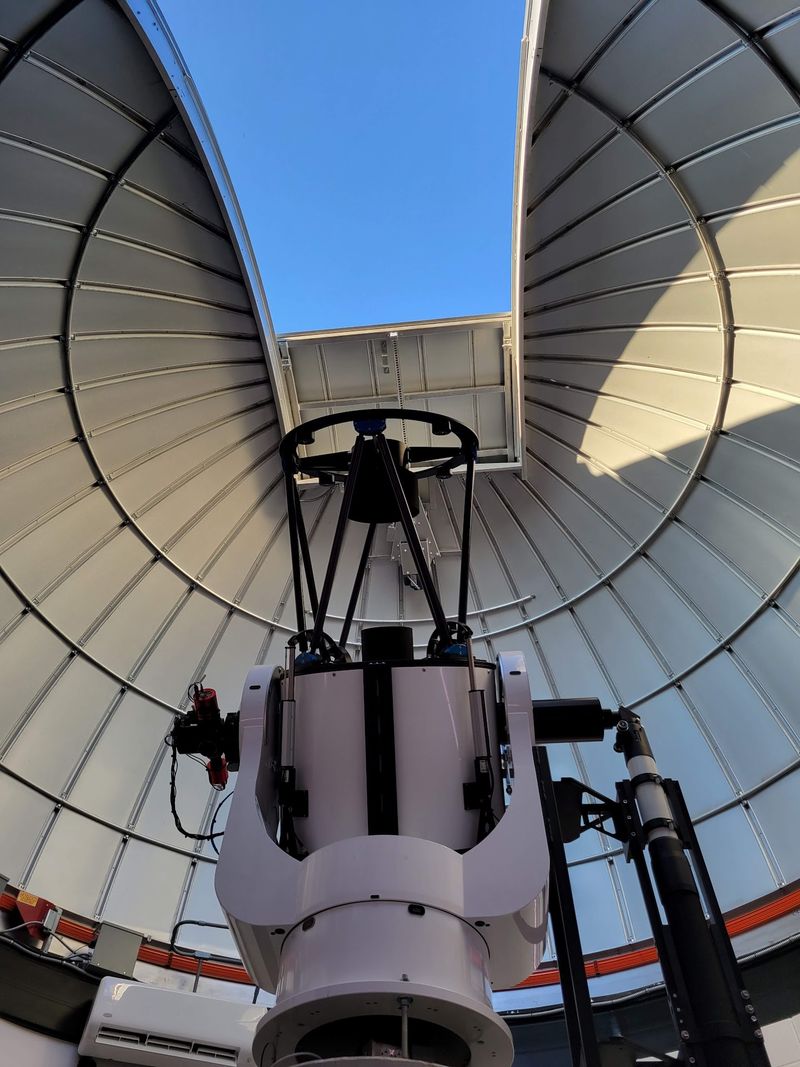
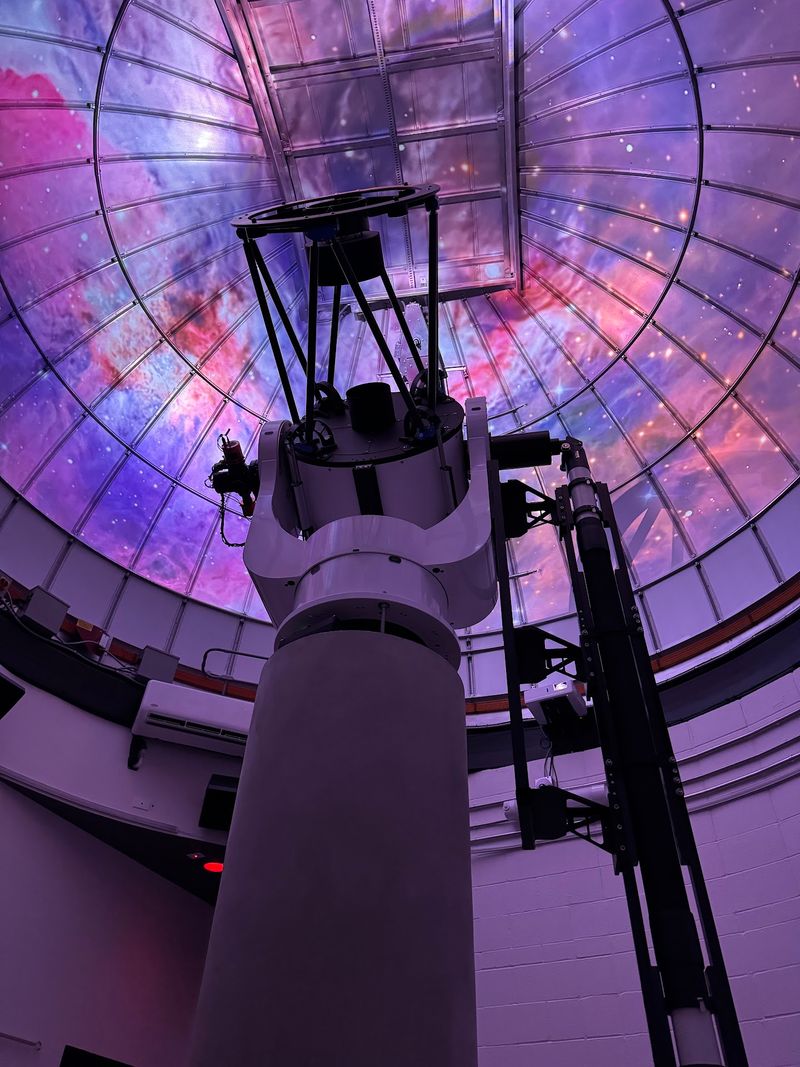
Here’s a fun twist for a state park. The observatory’s main telescope is a large, modern instrument, and the public gets to look through it.
The park’s newer telescope is described as state of the art. Its large aperture gathers far more light than a backyard scope, which reveals details your eyes alone could never catch.
Many people consider it one of the largest publicly accessible telescopes in the region. That’s a big claim for a dome surrounded by sagebrush and sand.
Staff aim the telescope at targets that change with the season and the sky. One night might feature a double star, while another brings a star cluster into focus.
Visitors have spotted binary stars, the bright red star Mu Cephei, and even the glowing remains of an exploded star. Each object comes with an explanation, so you know exactly what you’re seeing.
Patience helps, since the eyepiece is shared. The line moves, though, and the view is worth every minute.
Seeing light that left a distant star centuries ago changes how a summer night feels.
Two Generations Of Telescopes Under One Night Sky
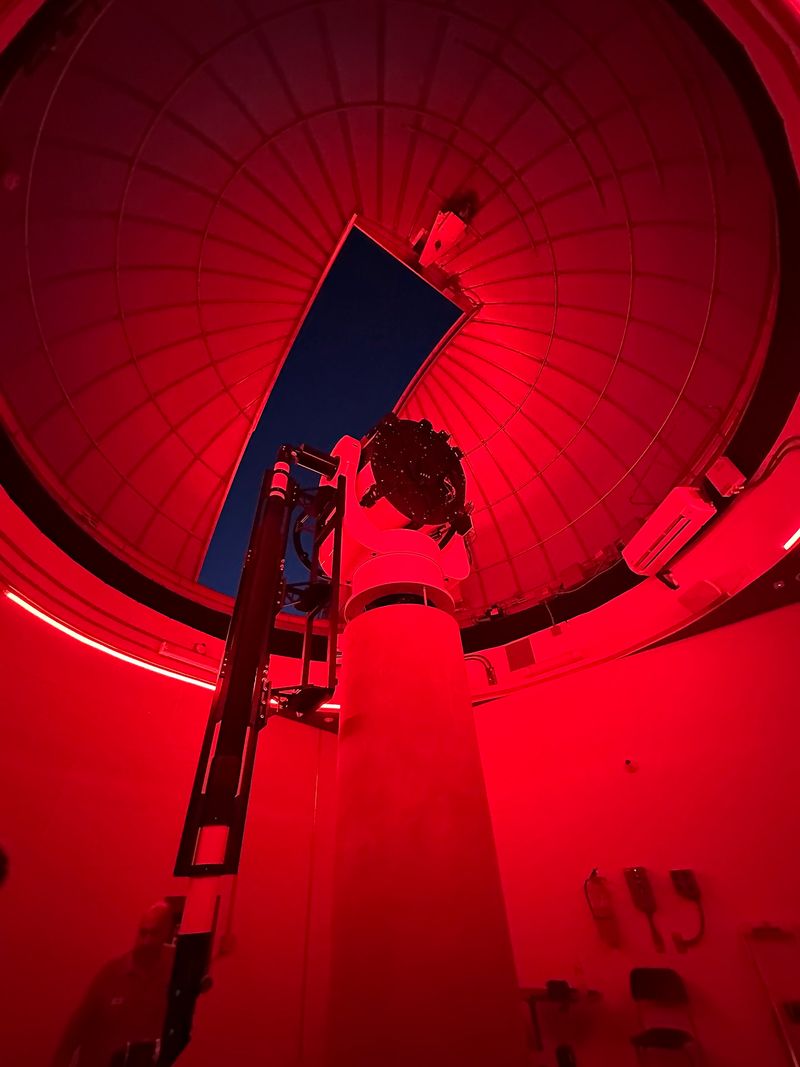
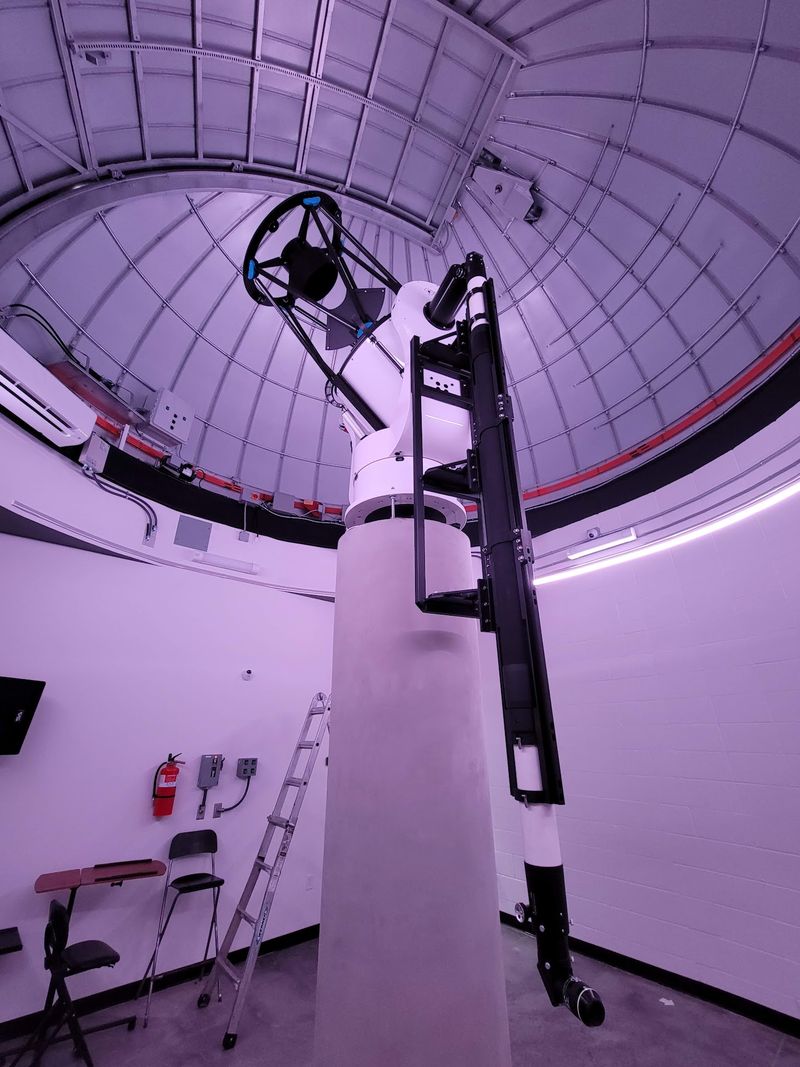
Why look through one telescope when you can try a few? Bruneau Dunes State Park Observatory has both older and newer telescopes in use.
The observatory has grown over the years. A newer, high-end telescope joined the lineup, while the older instruments still get plenty of attention.
Each scope offers a slightly different experience. Smaller telescopes often give wider views, which suit the moon or a spread-out cluster.
The bigger instrument shines on faint, distant targets. Comparing the two is a quick lesson in how telescopes actually work.
Kids especially seem to like hopping between eyepieces. It turns the night into a scavenger hunt across the sky.
Staff and volunteers help adjust focus and explain what each telescope is pointed at. No one expects you to know a nebula from a galaxy before you arrive.
That relaxed approach makes the evening easy for beginners. Seasoned hobbyists still find plenty to admire, too.
The variety means two people can stand side by side and leave with completely different favorite views.
A Night Sky Talk Before The Dome Opens
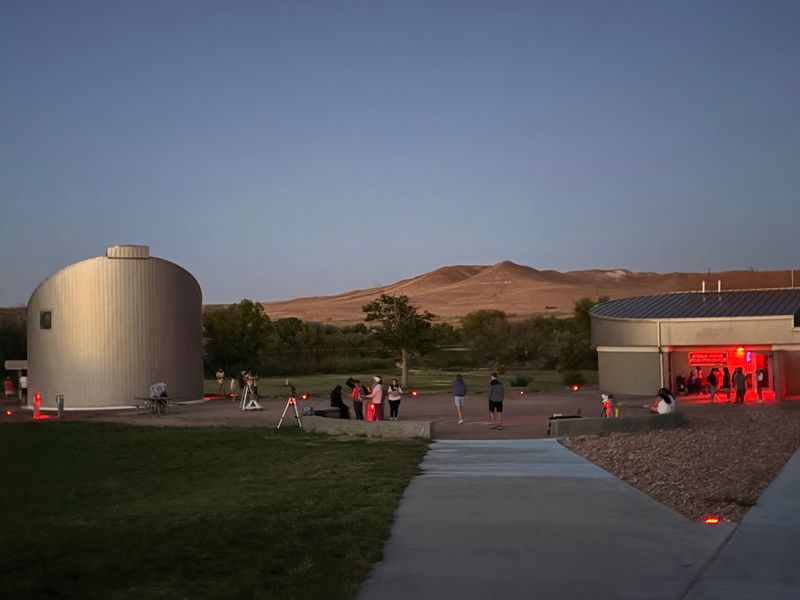
Before anyone touches an eyepiece, the evening usually starts with a presentation. Think of it as a friendly warm-up for your brain.
The talks cover the night sky in a detailed but relaxed way. Topics shift, so one program might focus on constellations while another explains how galaxies form.
Guest speakers sometimes join the lineup. One past program featured a speaker from the University of Wyoming discussing galaxies and how they appear through a telescope.
The goal is simple. When you finally look through the scope, you’ll understand what that faint smudge actually is.
Presentations are pitched for mixed crowds of adults and school kids. Nobody needs a physics degree to follow along.
Staff also stay open to questions, which is half the fun. Ask about black holes, meteor showers, or why Mars looks orange.
The talk sets up the rest of the night nicely. By the time the sky is fully dark, you’ll know where to look and what to hope for.
That context turns a pretty view into a genuine moment of discovery.
Moon Phases Can Make Or Break Your Visit
The moon is gorgeous, but it’s also a bit of a spotlight hog. Its glow can wash out faint stars and galaxies.
That’s why timing matters at Bruneau Dunes. A full moon night delivers jaw-dropping views of craters and lunar mountains through the telescope.
Moonless nights tell a different story. Without that bright glare, the sky opens up for star clusters, nebulae, and the Milky Way.
Neither option is wrong. It just depends on what you hope to see.
Families chasing the moon can aim for a bright phase. Those hoping to spot the Milky Way’s dusty band should look for dates near the new moon.
Special sky events also draw crowds. People have visited hoping to catch planetary alignments and even the northern lights from this dark corner of Idaho.
A quick check of a moon calendar before you drive can shape the whole night. So can a weather app, since clouds don’t care about your plans.
Pick your phase wisely, and the sky will reward the effort.
Sand Sleds And Dune Climbs Fill The Daylight Hours
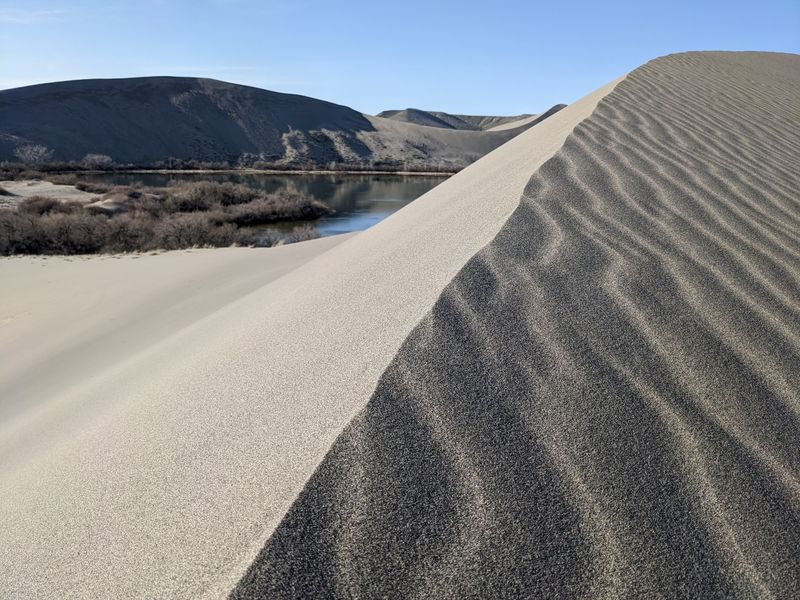
Daylight at Bruneau Dunes is all about sand, and lots of it. The towering dunes invite climbing, running, and sliding.
Climbing them is a real workout. Each step sinks, so reaching the top feels like an accomplishment worth a photo.
Coming down is the fun part. The visitor center rents sand sleds and boards, so you don’t need to haul your own.
Summer sand can get hot, though. Early morning or late afternoon makes the climb more comfortable for bare feet and paws alike.
Dogs seem to love the open space, too. Big stretches of sand give them room to dig and run.
The park also has two lakes near the dunes. They offer fishing and a calm spot to rest between adventures, even if the water runs warm.
Spending the day outdoors sets up the evening perfectly. Tired legs make sitting through a night sky talk feel even better.
By the time the observatory opens, you’ll have earned a front-row seat to the stars.
Smart Planning Tips Before You Make The Drive
A little prep turns a good night into a great one. Start with the schedule, since public programs typically run on weekend evenings.
Hours and dates shift with the seasons, so check before driving. Programs are weather dependent, and cloudy skies can change everything.
The observatory sits inside the park, which lists its address as Bruneau, ID 83604. Expect a bit of a drive from the park entrance to the observatory itself.
Admission is a few dollars per person, which feels like a bargain for this kind of access. Bring cash just in case, since card machines in remote places can be unreliable.
Mosquitoes can be thick after sunset during warmer months. Insect repellent belongs in your bag right next to the red flashlight.
Pack layers, water, and snacks for a comfortable evening. Desert nights cool off quickly even after hot days.
Parking is straightforward once you arrive. Give yourself time to settle before the presentation begins.
A relaxed arrival means more energy for the main event above your head.