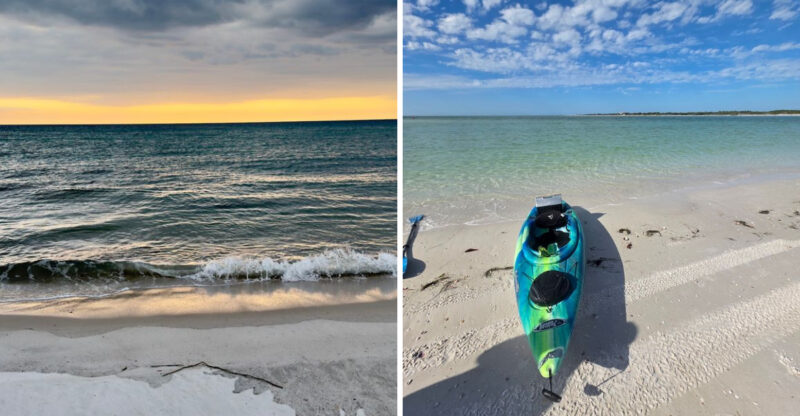
10 Florida Trails Where Easy Walks Lead To Surprisingly Unforgettable Views
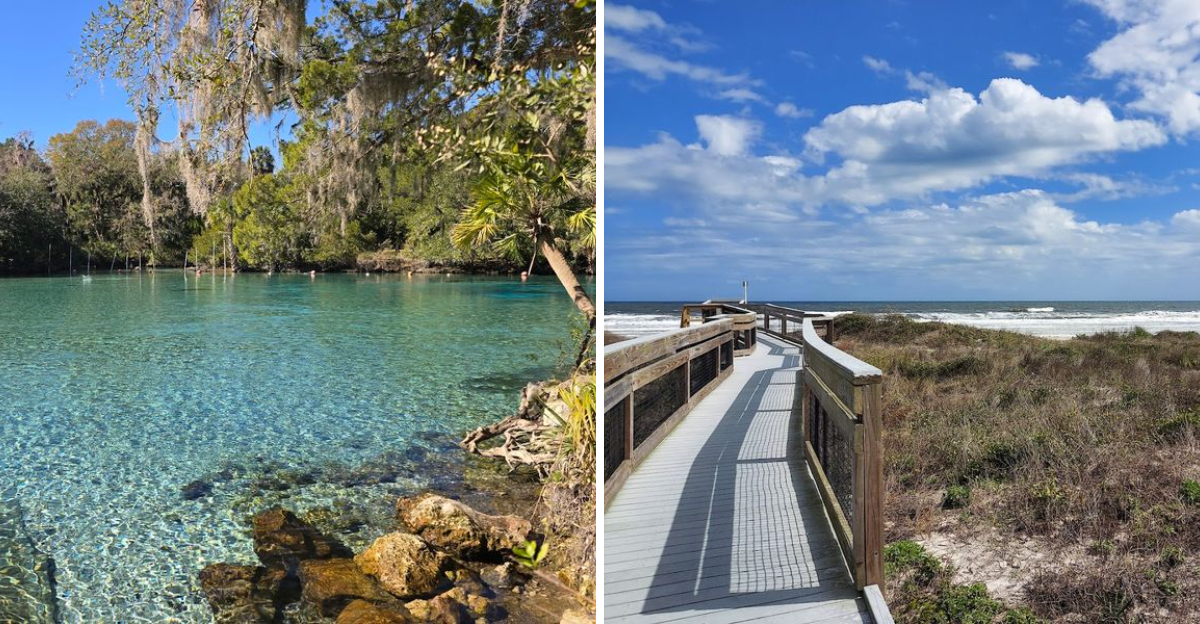
Florida gets absolutely no respect in the hiking community, and honestly, the state has done a terrible job defending itself.
Everyone assumes it is all flat pavement, strip malls, and theme park queues, which is exactly the kind of reputation that keeps the best trails blissfully uncrowded.
I used to think the same thing, right up until the moment I rounded a bend on a trail I almost skipped and found myself standing in front of a view that had no business being in this state.
No mountains required, no gear beyond decent sneakers, just a willingness to walk somewhere without a destination in mind and trust that the state has been holding out on you. It has.
These trails are proof that Florida’s best scenery does not come with a ticket price or a two-hour wait.
It comes with a trailhead sign, maybe a little Spanish moss overhead, and the very satisfying feeling of discovering something most people completely overlook.
1. Anhinga Trail
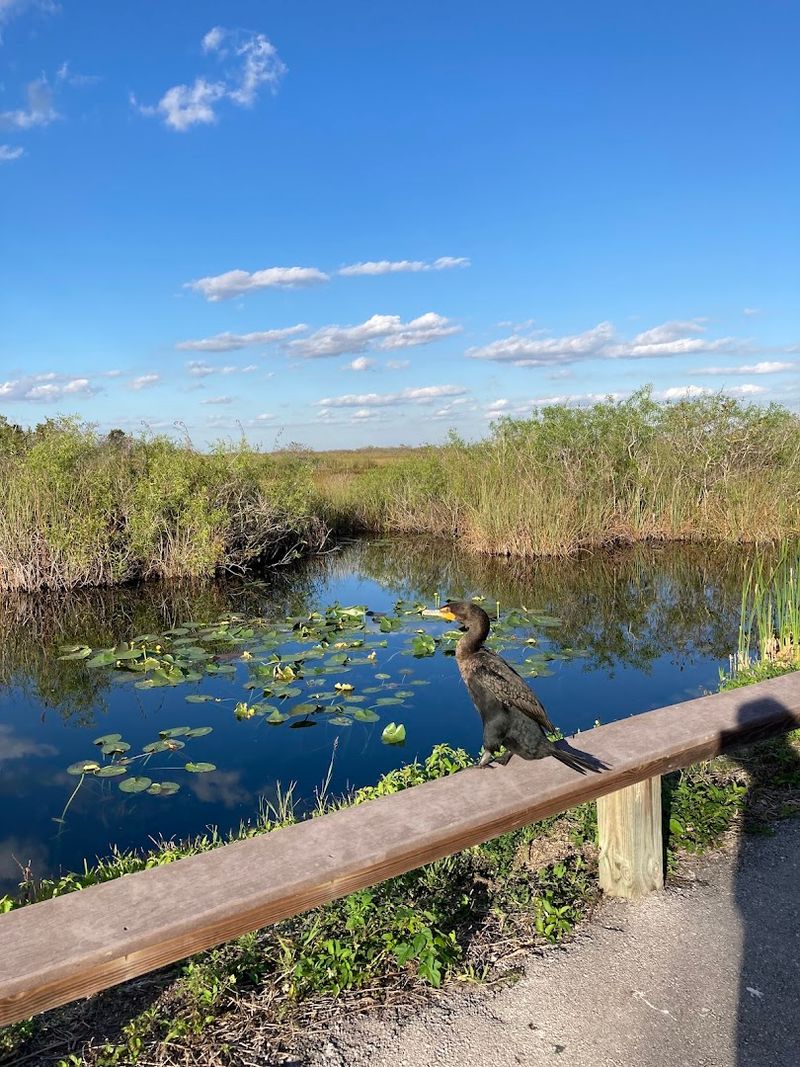
Nobody warned me that I would be inches away from a wild bird with a six-foot wingspan before I even finished my morning coffee.
The Anhinga Trail in Everglades National Park is genuinely one of the most wildlife-packed short walks in the entire country. At just 0.8 miles round trip, it sounds almost too easy to be exciting.
The paved and boardwalk path winds through Taylor Slough, where alligators lounge like they own the place and herons stand perfectly still in shallow water.
Anhingas, those dramatic birds the trail is named for, spread their wings wide to dry in the sun right beside the path. You will be close enough to see every feather.
Spring and winter are the best times to visit, when water levels drop and wildlife concentrates near the trail. The park entrance is at 40001 State Road 9336, Homestead, Florida.
Bring a camera because your phone will run out of storage before you reach the halfway point. This trail consistently surprises people who expect a quiet stroll and instead get a full-on wildlife show.
2. Shark Valley Tram Trail
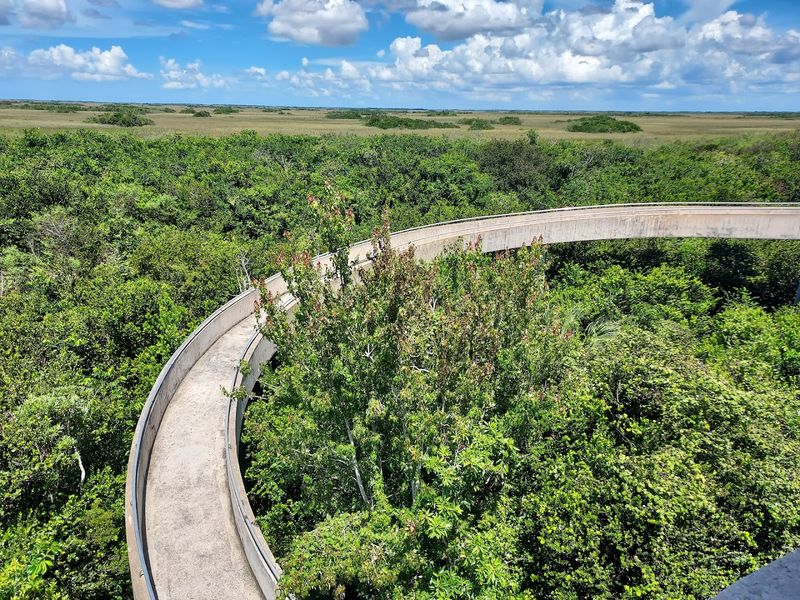
Flat, paved, and fifteen miles long, the Shark Valley Tram Trail sounds like something you would find in a suburban neighborhood. What you actually find is one of the most dramatic open-sky landscapes in North America.
The sawgrass prairie stretches out in every direction like an ocean that forgot to add water.
The highlight of the trail is a two-story concrete observation tower at the halfway point. Climb it and you get a 360-degree view across the entire Everglades that genuinely stops people mid-sentence.
I watched someone up there just stand quietly for five minutes, which says everything.
You can walk, bike, or take the park tram to reach the tower. Alligators are everywhere along this trail, sometimes directly on the path, so you learn to walk with awareness pretty quickly.
The trail is located at 36000 SW 8th Street, Miami, Florida. Go early in the morning when the light is golden and the crowds are thin.
Bring water, sunscreen, and the kind of patience that gets rewarded with roseate spoonbills flying overhead at sunset.
3. Falling Waters Trail
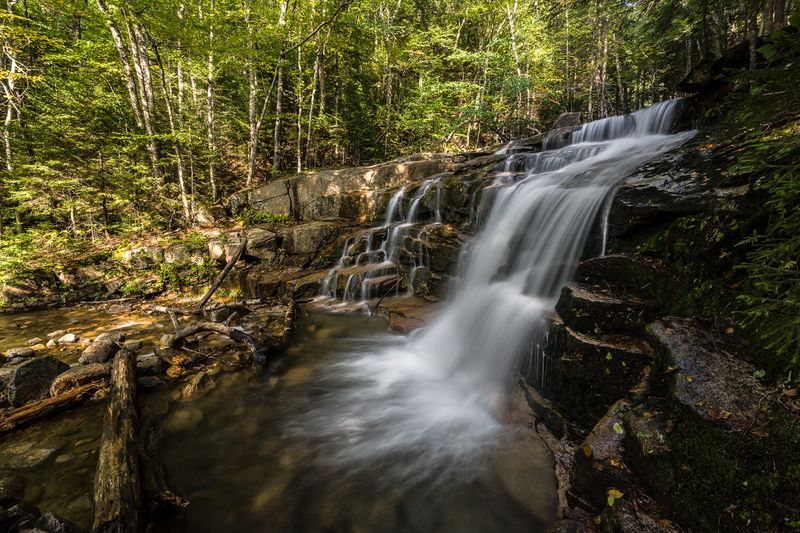
Florida is not exactly known for waterfalls. So when you stumble across a 73-foot waterfall dropping into a dark sinkhole in the Florida Panhandle, it feels almost like a trick.
Falling Waters State Park near Chipley holds this genuinely unexpected surprise, and the trail to reach it is barely a mile long.
The path winds through a shaded forest of magnolias and ferns before arriving at the observation deck above the falls.
Water tumbles down into a cylindrical pit so deep that the bottom disappears into shadow. Scientists have never confirmed exactly where the water goes, which adds a satisfying layer of mystery to the whole experience.
The trail surface is well-maintained and mostly flat, with some gentle slopes near the overlook. It is accessible for most fitness levels and works beautifully as a quick stop on a road trip through the Panhandle.
The park is located at 1130 State Park Road, Chipley, Florida. Visiting after a rainstorm gives you the best waterfall flow.
Bring bug spray in summer and expect the forest to feel noticeably cooler than the surrounding area, which is a welcome bonus on hot Florida days.
4. Island Trail At Gulf Islands National Seashore
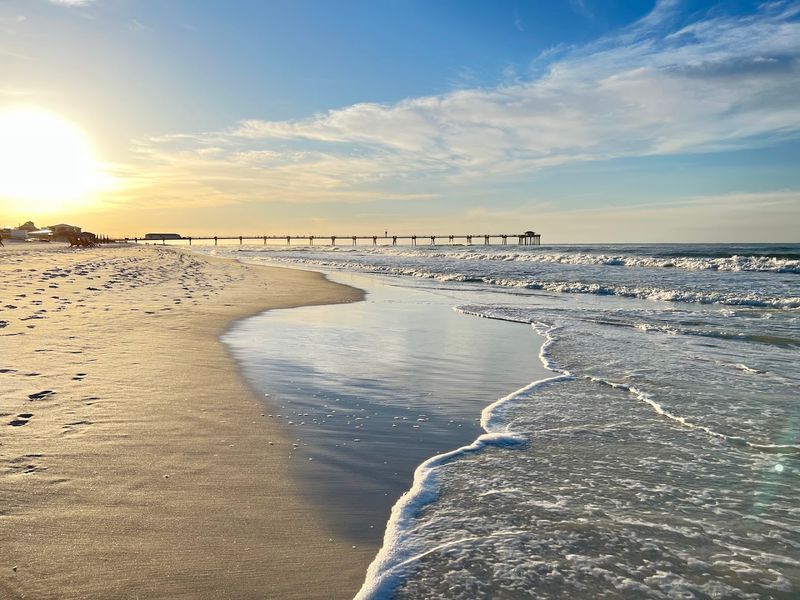
Most people drive to Gulf Islands National Seashore, park near the beach, and never go further than their beach towel. That is completely understandable, because the beach is stunning.
But the Island Trail running behind the dunes is where the real magic hides.
The trail loops through coastal scrub, slash pine forest, and open dune fields with views of the Gulf of Mexico appearing between the trees like a reward for paying attention.
The water out here is that impossible shade of emerald green that makes people question whether they are still in Florida or have accidentally arrived somewhere in the Caribbean.
Wildlife along the trail includes osprey, gopher tortoises, and the occasional deer that looks completely unbothered by humans.
The loop is roughly three miles and mostly flat, with soft sandy sections that slow you down just enough to notice things.
The park’s Florida District is located at 1801 Gulf Breeze Parkway, Gulf Breeze, Florida 32563. Morning visits offer the best light and the quietest experience.
Bring a reusable water bottle because the combination of sun and sand will make you thirstier than you expected, even on a short trail like this one.
5. Little Talbot Island Nature Trail
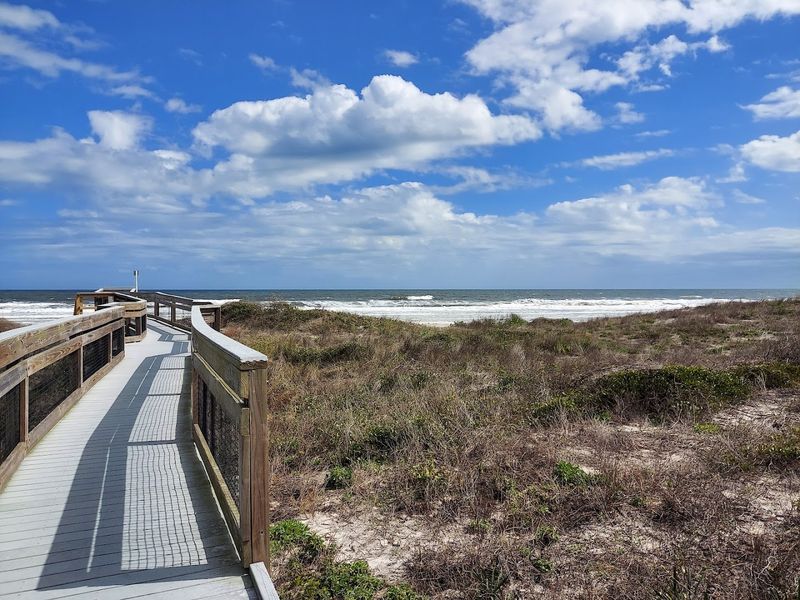
Little Talbot Island is the kind of place that feels like northeast Florida looked before everyone showed up.
The barrier island sits just north of Jacksonville and remains almost entirely undeveloped, which is increasingly rare and worth celebrating out loud.
The nature trail winds through a maritime forest of twisted live oaks draped in Spanish moss, with occasional clearings that open toward the marsh or the ocean.
The contrast between the dense shaded canopy and the bright Atlantic shoreline is genuinely beautiful and changes with every turn. I kept stopping to look at things I had no name for, which is always a good sign.
The trail is about four miles round trip and remains relatively flat throughout. Shorebirds, marsh rabbits, and armadillos are common sightings along the route.
The park is located at 12157 Heckscher Drive, Jacksonville. Fall and winter are ideal for visiting when temperatures drop and the crowds thin considerably.
The beach at the end of the trail is undeveloped and often nearly empty, giving you the rare feeling of having discovered a stretch of Florida coastline that the rest of the world somehow missed entirely.
6. Manatee Springs Boardwalk
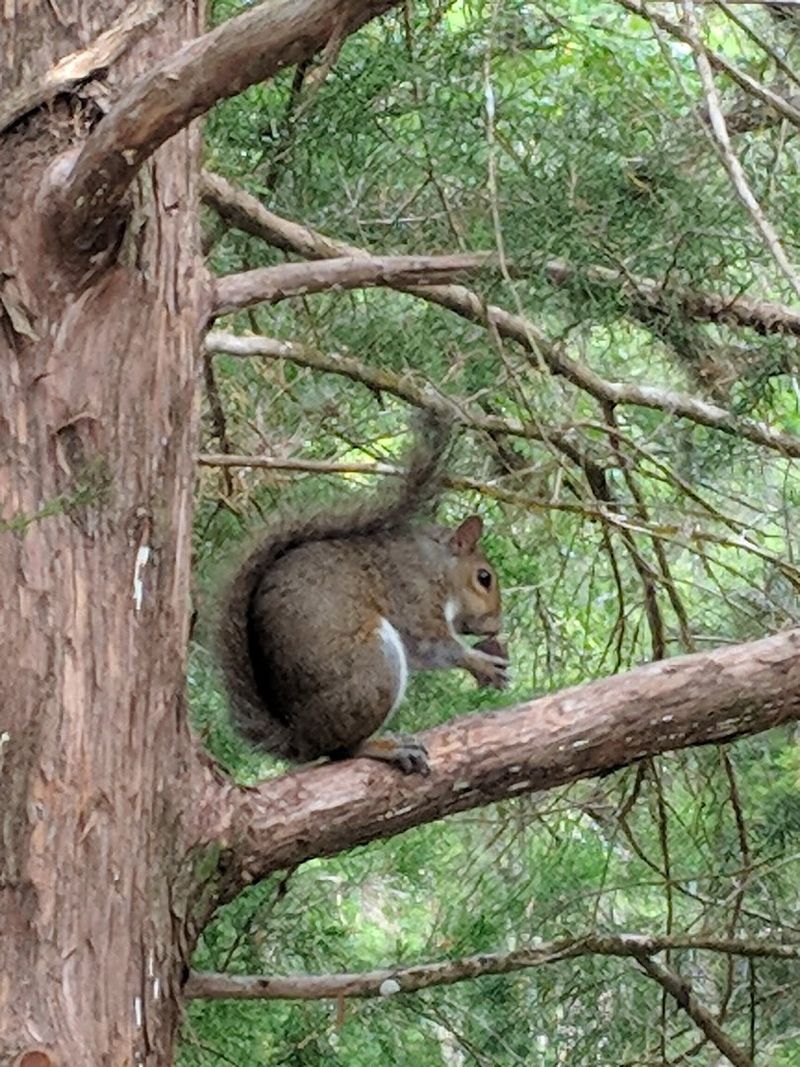
Manatee Springs State Park is proof that Florida’s spring systems are some of the most underrated ecosystems on the planet.
The boardwalk trail here runs through a cathedral-like cypress forest, where the trees grow so tall and close together that the light filters down in long golden shafts.
The water below the boardwalk is so clear that you can see every detail of the sandy spring bottom.
In cooler months, manatees gather near the spring head for warmth, and watching them drift slowly through crystal water from the elevated walkway is a genuinely moving experience.
They are enormous and completely peaceful.
The boardwalk loop is about a mile long and fully accessible, making it one of the most inclusive natural experiences in the state. The full trail system in the park extends further into upland forest if you want more mileage.
The park is located at 11650 NW 115th Street, Chiefland. Plan your visit between November and March for the best manatee sightings.
Even without the manatees, the cypress swamp alone is worth the drive, especially on a quiet weekday morning when you might have the whole boardwalk almost entirely to yourself.
7. Wekiwa Springs Sand Lake Trail
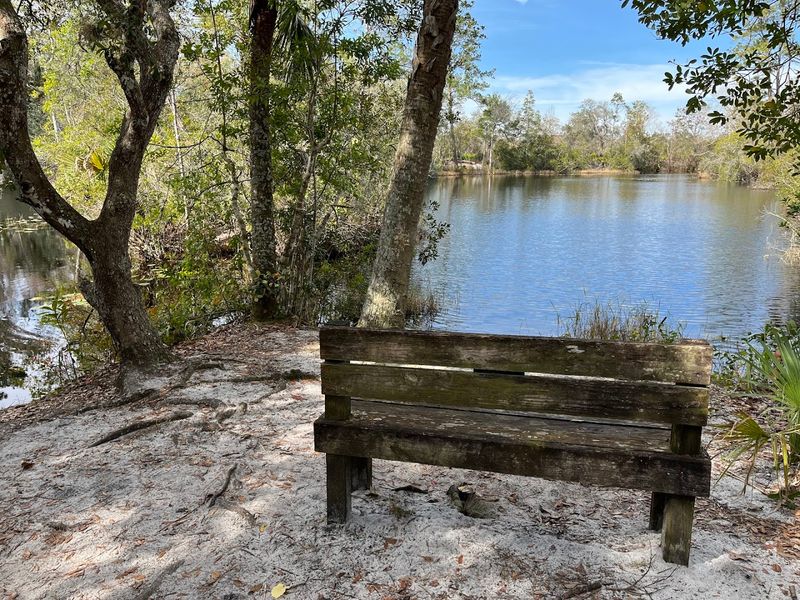
Wekiwa Springs State Park sits just outside Orlando, which makes it one of the most convenient natural escapes from theme park exhaustion in the state.
The Sand Lake Trail loops through pine flatwoods and scrub habitat that feels completely removed from the surrounding suburbs.
The trail covers about eight miles total but can be broken into shorter segments depending on how much energy you have.
Even a short walk into the scrub gives you a strong sense of old Florida, the kind that existed before everything got paved over.
Gopher tortoises are common along the sandy sections, and scrub jays sometimes appear if you are patient and quiet.
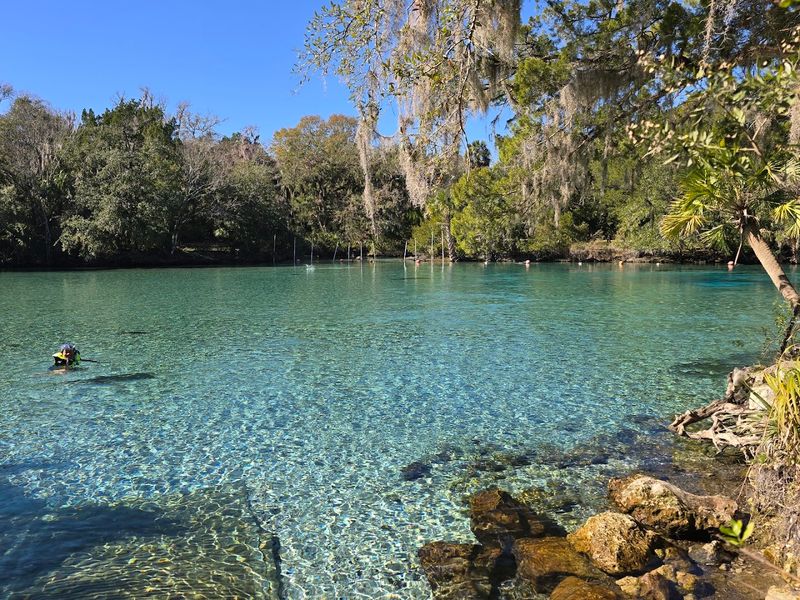
The spring itself is a turquoise pool fed by a first-magnitude spring that stays at 68 degrees year-round.
Swimming is allowed and enormously popular on hot days, but the trail system around the park is just as rewarding as the water.
The park entrance is at 1800 Wekiwa Circle, Apopka. Visiting on a weekday avoids the weekend crowds that flock here during summer.
Bring a trail map because the intersecting paths can get a little confusing, and getting lost in the scrub is less charming than it sounds initially.
8. Ocala National Forest Trail
Ocala National Forest is home to the largest sand pine scrub forest in the world, which is the kind of fact that sounds technical until you are actually standing in the middle of it.
The forest covers nearly 400,000 acres in central Florida and contains dozens of trails ranging from quick nature walks to multi-day backpacking routes.
The Florida National Scenic Trail passes through Ocala, but shorter day hikes around Alexander Springs and Juniper Springs offer equally impressive scenery without requiring an overnight pack.
The spring runs are strikingly clear, and the surrounding forest has a prehistoric quality that makes you feel small in the best possible way.
Wildlife in the forest includes black bears, white-tailed deer, sandhill cranes, and scrub jays. The scrub habitat itself is a globally rare ecosystem that supports dozens of species found nowhere else.
The Ocala National Forest Visitor Center is located at 3199 NE County Road 315, Silver Springs. Fall through spring offers the most comfortable hiking temperatures.
Even a two-hour walk into the scrub delivers a perspective on Florida’s natural history that no museum exhibit could fully replicate or replace.
9. Torreya State Park Trails
Florida has hills. Real ones.
If that surprises you, Torreya State Park in the Panhandle is ready to prove it.
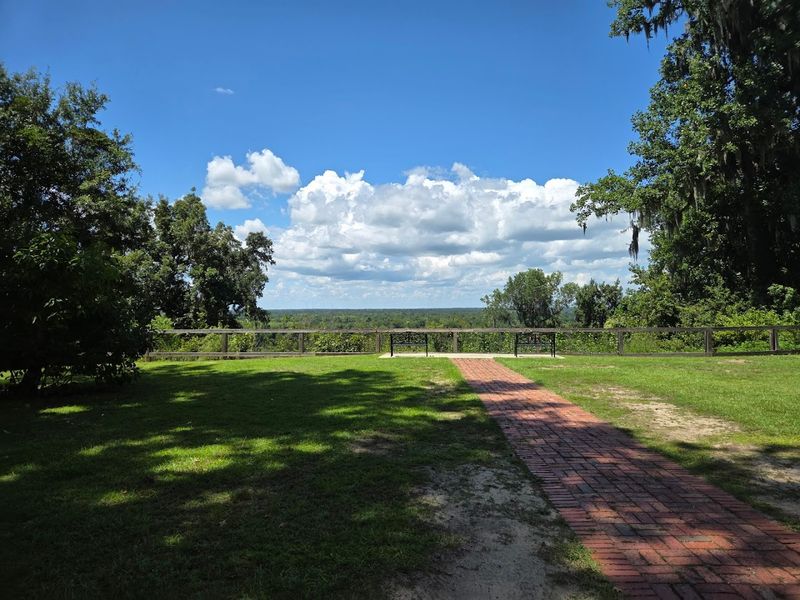
The park sits on steep bluffs above the Apalachicola River, and the trail system here offers elevation changes that feel genuinely dramatic by Florida standards.
The Torreya Challenge Trail loops about seven miles through hardwood ravines, river bluffs, and dense forest that looks nothing like the rest of Florida.
Views from the high bluffs drop down to the river below, and on clear days the scene has a quiet grandeur that feels more like the Appalachian foothills than anything you would expect in the Sunshine State.
The park is also home to the Torreya tree, one of the rarest tree species in North America, found naturally only in this small region of Florida.
A historic antebellum plantation house sits within the park and adds cultural depth to the natural experience.
The park is located at 2576 NW Torreya Park Road, Bristol. Spring wildflower season is spectacular here.
The trails require more effort than most Florida walks, but the payoff in views and ecological uniqueness makes every uphill step feel completely worth it.
10. Big Cypress National Preserve Backcountry Trail
Big Cypress National Preserve is not trying to impress anyone. There are no paved walkways, no gift shops, and no convenient parking lots every quarter mile.
What it offers instead is one of the most raw and immersive natural experiences available anywhere in the eastern United States.
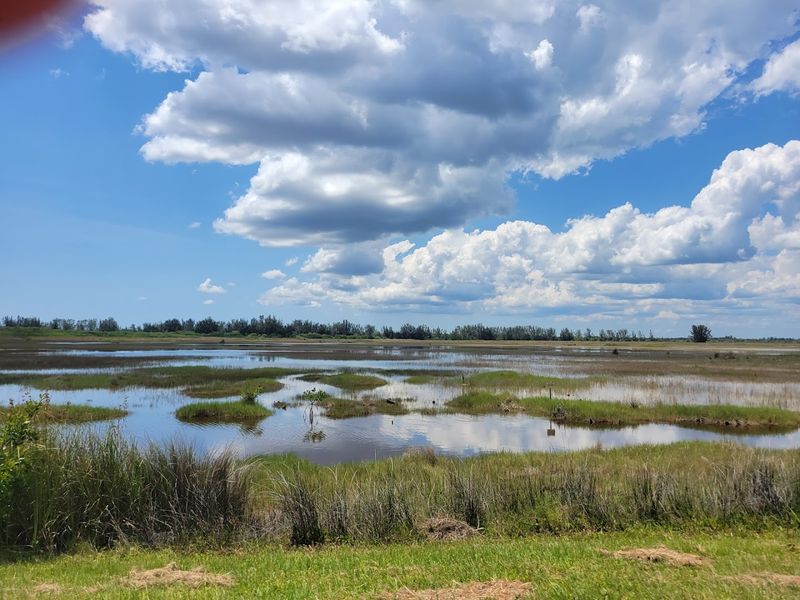
The backcountry trails here cross open cypress prairies, wet sloughs, and hardwood hammocks in a landscape that feels genuinely untouched.
Hiking often involves wet feet, which sounds unpleasant until you realize that wading through shallow water surrounded by dwarf cypress trees is one of the most quietly extraordinary things you can do outdoors.
The sky above the open prairies is enormous and constantly changing.
Wildlife sightings include Florida panthers, wood storks, and river otters, though patience and silence are required. The preserve covers over 720,000 acres, so knowing your route before you start is genuinely important.
The Big Cypress Visitor Center is located at 33000 Tamiami Trail East, Ochopee.
Dry season from December through April is the best time to explore.
This trail rewards people who are comfortable with a little uncertainty and come prepared, because the wilderness here does not soften itself for anyone.