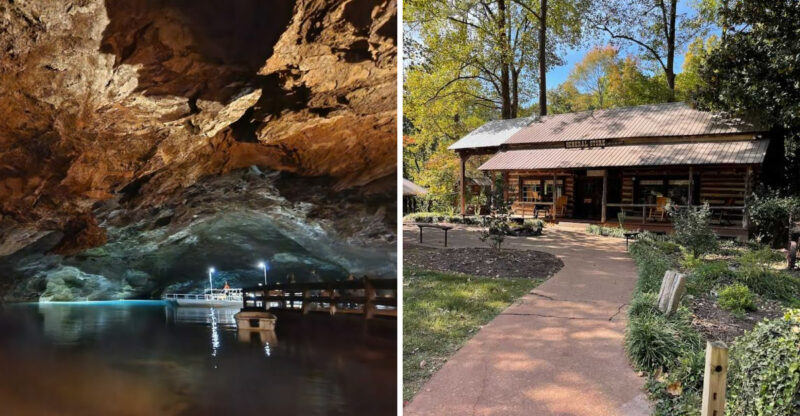
10 Tennessee Day Trips Near Memphis Where You Can Leave The Car And Explore On Foot
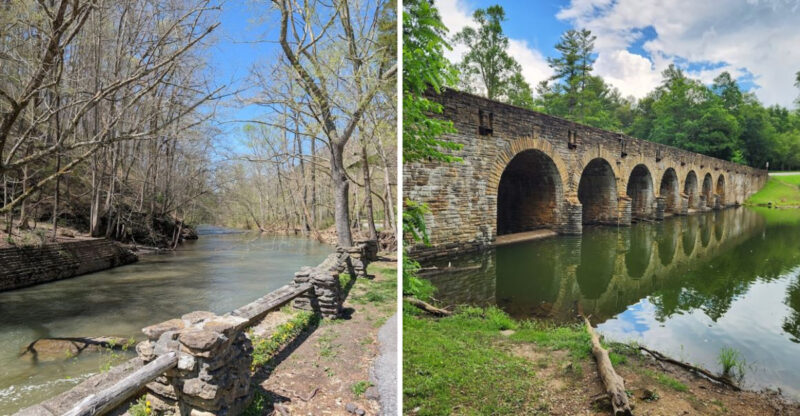
The car door closes, and the real part of the trip begins.
Around Tennessee, several easy escapes reward people who would rather walk than spend another hour behind the wheel.
Paths may lead through wetlands, historic districts, river overlooks, or quiet stretches of nature. None require a complicated plan once you arrive.
That makes them perfect for days when movement matters more than mileage. A pair of comfortable shoes can take you surprisingly far.
Some routes feel peaceful from the first step. Others reveal their best feature slowly. Either way, the windshield stops framing the adventure, and your own pace takes over.
1. Pinson Mounds State Archaeological Park, Pinson
This landscape once served as a major Middle Woodland ceremonial and pilgrimage center.
Current archaeological research has confirmed 13 mounds within the complex.
Archaeological investigations and radiocarbon dating place the site’s main construction and intensive use roughly between A.D. 100 and 350.
The centerpiece is Sauls Mound, rising 72 feet into the sky. It ranks among the tallest Middle Woodland mounds in the country.
The park encompasses 1,256 acres, leaving plenty of room to explore beyond the central mound group.
Paved trails connect the major mounds and keep the route easy underfoot. Climbing Sauls Mound rewards you with wide views over the surrounding land.
Start at the park museum before you head outside.
Artifacts and interpretive displays explain why this served as a gathering ground for rituals and astronomical observation. Context makes the mounds far more meaningful once you see them.
The Nature Trail adds a softer counterpoint to all that history. Forests and wetlands line the path, and wildflowers appear along the edges in spring. Birds are plentiful in the quieter corners, especially early in the day.
Fall and spring bring the most comfortable temperatures for long strolls here. Summer shade is limited on the open mound fields, so bring a hat.
Find it at 460 Ozier Rd, Pinson. Few walks in the state connect you so directly to prehistory.
2. West Tennessee Delta Heritage Center, Brownsville

The West Tennessee Delta Heritage Center brings several museum experiences together on one compact campus.
Music fans usually head straight for the Tina Turner Museum.
It sits inside the restored one-room schoolhouse where Anna Mae Bullock attended class as a child. Desks, memorabilia, and stage costumes fill the small space.
Next door, the West Tennessee Music Museum widens the story considerably. Blues, rock, gospel, and country legends all get their moment in the spotlight. Panels trace how these sounds spread far beyond the Delta.
Outside, the preserved home of blues pioneer Sleepy John Estes stands open for exploring. Stepping through the doorway gives you a real sense of how those songs were born.
The Cotton Museum explains why this crop shaped Haywood County life for generations. Tools, photographs, and displays show the rhythm of farming seasons.
The Hatchie River Museum covers the ecosystem of one of the last unchannelized rivers in the region.
Everything sits close together, so you can wander between buildings without moving the car. Self-guided visits generally take 30 minutes to an hour, while guided tours usually run about 1 to 1.5 hours.
The address is 121 Sunny Hill Cove, Brownsville. Walk out humming something, because that happens to almost everyone here.
3. Big Hill Pond State Park, Pocahontas
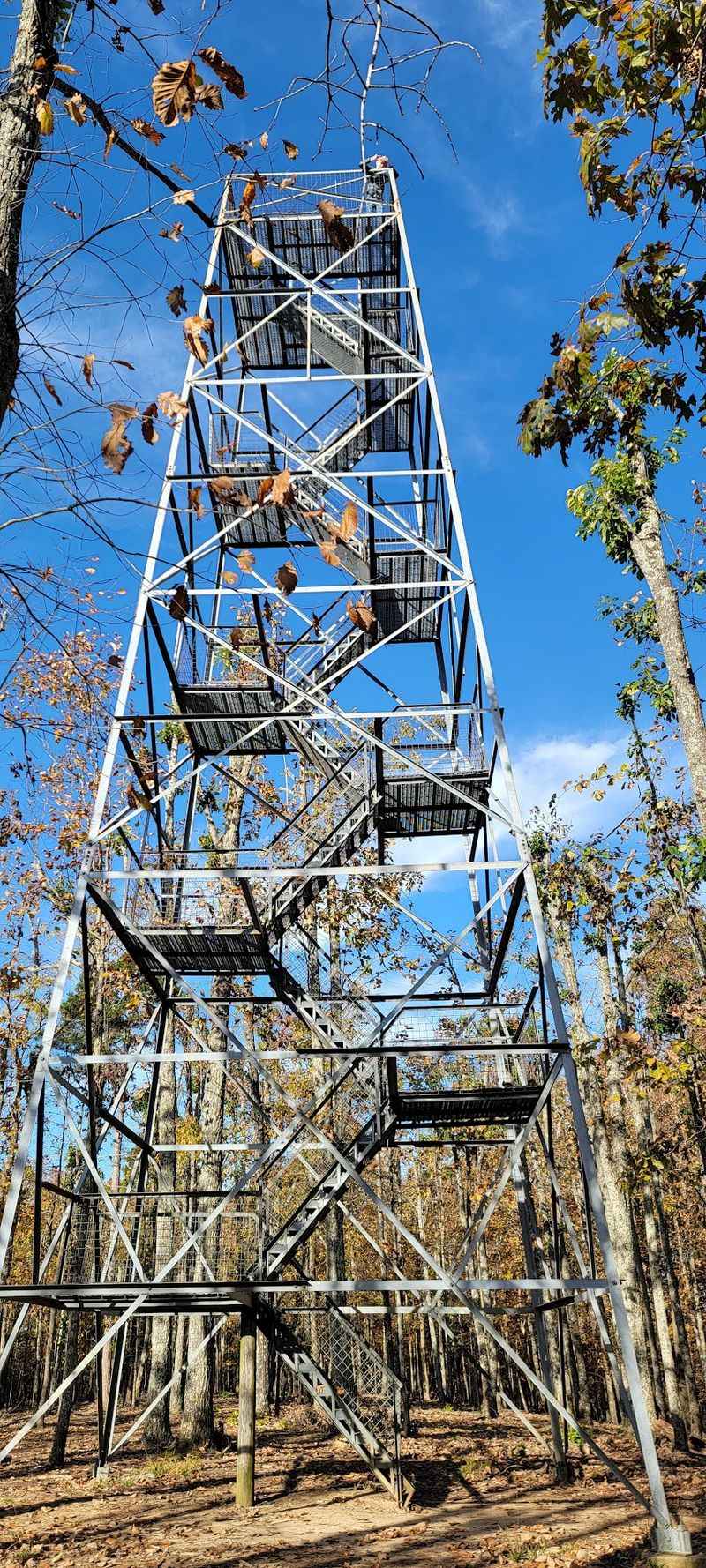
Quiet is the main attraction, and there is plenty of it out here.
Big Hill Pond State Park near Pocahontas covers more than 4,000 acres of timberland and hardwood bottomland.
The landscape mixes bottomland forest, wetlands, and a rare natural pond in southwest Tennessee.
More than 100 springs feed Travis McNatt Lake, while the park’s namesake Big Hill Pond occupies a separate wetland area. Travis McNatt Lake is currently closed for major infrastructure improvements and fishery rebuilding.
Hikers get over 30 miles of trail to work through. Some routes stay flat and friendly, while others climb into rugged ridge country.
The Dismal Swamp Boardwalk is currently closed for replacement, although the observation tower remains reachable by the blue and red trails.
The 70-foot observation tower is the payoff most people remember. From the top, the view takes in Travis McNatt Lake, Dismal Swamp, and the surrounding forest.
Birdwatchers do well here year round. Warblers pass through in spring, and waterfowl gather during cooler months. Bring binoculars and a little patience.
Backcountry campsites let ambitious hikers stretch a day trip into an overnight. For shorter outings, stick to the loops near the lake.
Insect repellent belongs in your bag from late spring onward, especially near the swamp sections.
You will find the entrance at 1435 John Howell Rd, Pocahontas. Solitude seekers, consider this your happy assignment.
4. National Bird Dog Museum, Grand Junction

I had to do a double-take when I heard about this one. The National Bird Dog Museum in Grand Junction devotes 30,000 square feet to sporting dogs.
More than forty breeds get recognition inside, including pointers, flushers, and retrievers. Paintings, photographs, and memorabilia fill gallery after gallery. The collection honors field trial and hunting traditions stretching back generations.
The Field Trial Hall of Fame anchors the experience. Portraits and personal belongings tell the stories of legendary dogs and handlers alike. Display cases hold trophies, collars, and old field equipment.
Separate wings cover specific breeds in satisfying detail. The Sporting Dog Hall of Fame highlights the American Brittany and German Shorthaired Pointer. The Retriever Hall of Fame gives Labradors their well-earned spotlight.
Tucked alongside sits the Wildlife Heritage Center, packed with taxidermy representing North American species. An extensive library supports researchers and curious browsers.
Everything happens indoors, which makes it a reliable rainy day plan. The layout flows easily, and the walking pace is completely yours to set.
Dog lovers who have never hunted still find plenty to enjoy. The artwork alone justifies the drive out here.
The museum sits at 505 Highway 57 W, Grand Junction. Come for the pointers, stay for the stories they left behind.
5. Cypress Grove Nature Park, Jackson
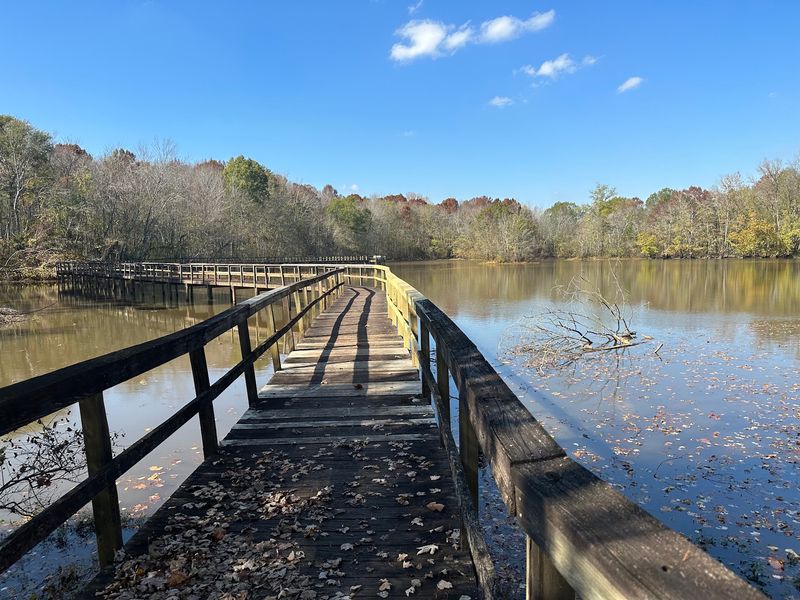
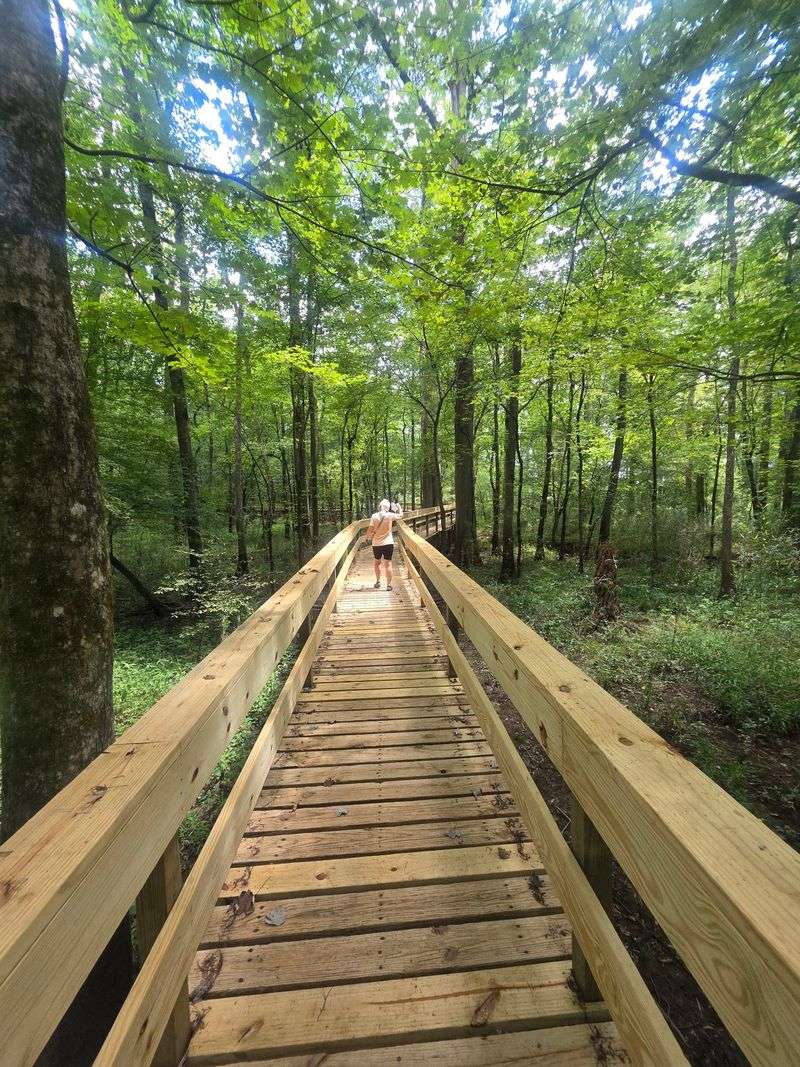
Cypress Grove Nature Park is temporarily closed to the public for major boardwalk repairs.
The closure began September 14, 2026, and officials say construction could keep the park closed into spring 2027.
The city currently lists the preserve at 164.8 acres within the Forked Deer River floodplain. Its boardwalk system extends about 7,136 feet through the wetland landscape. The network connects several of the park’s major nature-viewing areas.
Wildlife sightings come quickly if you move slowly. Raccoons, beavers, frogs, and turtles all make regular appearances. Great Blue Herons stalk the shallows with impressive focus.
Birders arrive early for warblers and thrushes during migration. Spring mornings deliver the busiest soundtrack of the year.
The Aerie Trail Raptor Center houses non-releasable birds of prey, including red-tailed hawks and barred owls. The enclosures give visitors a close look at resident raptors that serve as animal ambassadors.
Climb the Rockwell Observation Tower for a different angle on the landscape. Wood Duck Lake stretches across 25 acres below, catching light in the late afternoon.
Benches appear at good intervals, so resting is never a problem. Photographers should aim for golden hour near the water.
The park welcomes walkers at 866 Airways Blvd, Jackson. Wild scenery, dry shoes, happy day.
6. Fort Pillow State Historic Park, Henning
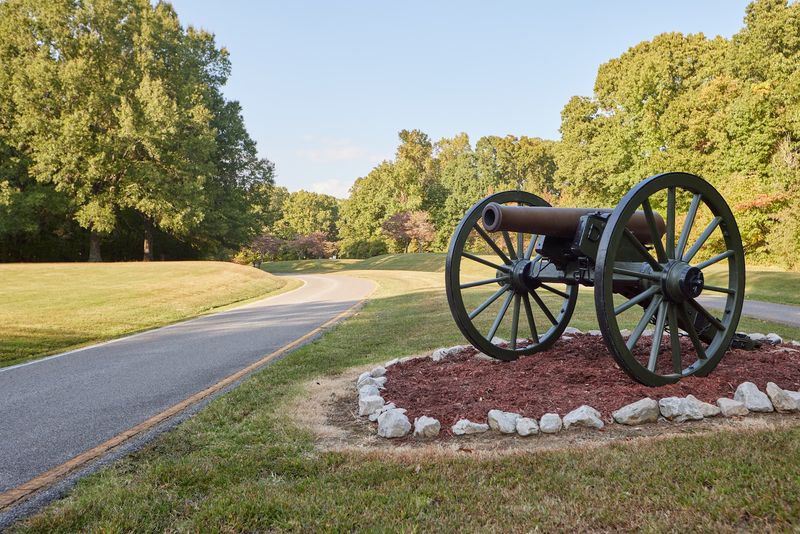
Let me be real for a second, history hits differently when you can walk the ground. Fort Pillow State Historic Park near Henning preserves 1,642 acres of Civil War terrain.
Confederate troops built the fortifications in 1861 on the Chickasaw Bluffs. They named the works after General Gideon J. Pillow.
The high ground commands sweeping views over the Mississippi River.
Breastworks remain remarkably well preserved along the ridgeline. A reconstructed inner fort lets you trace the defensive layout with your own feet. Trails connect the earthworks to overlooks with long river views.
The on-site museum interprets the April 12, 1864 battle and the massacre of Black Union troops that followed the Confederate assault. Artifacts include a cannon along with interpretive panels explaining the fort’s strategic value.
Nature lovers get an unexpected bonus here. The park is a designated Wildlife Observation Area, popular with birdwatchers year round. Deer and turkey move through the woods regularly.
Cooler months make the hikes more pleasant, and bare trees open up the river vistas. Sunset from the bluff overlook is worth timing your day around.
Wear sturdy shoes, because some paths dip and climb along the slopes.
You will find the park at 3122 Park Rd, Henning. History and hiking share the same trail here, and both are memorable.
7. Trenton Teapot Museum, Trenton

My jaw almost dropped over something usually found in a cupboard. The Trenton Teapot Museum keeps more than 500 teapots on display in Trenton.
The collection centers on antique porcelain veilleuses-theieres, especially elaborate nineteenth-century examples.
Many combine sculptural decoration with the practical form of a warming vessel set above a lighted pedestal. Their imaginative designs hide spouts in details such as hats, arms, pitchers, and even a bobbin of yarn.
Walking the display cases takes longer than you would expect. Details reward slow looking, from tiny painted figures to unusual spout shapes. Each piece carries a hint of the era and culture that produced it.
The displays also reveal how European ceramists turned a practical warming device into increasingly decorative household art.
Much of the collection reflects nineteenth-century French craftsmanship. That history gives the cases a decorative-arts story beyond the novelty of their shapes.
The town celebrates this collection with an annual teapot festival that fills the streets. Locals treat the museum as a genuine point of civic pride.
Indoor viewing means weather never ruins the plan. Photography fans will want a steady hand, since reflections off glass can be tricky.
Pair the stop with a short walk around downtown Trenton to stretch your legs afterward.
The museum sits at 309 S College St, Trenton. Odd, charming, and completely unforgettable, it proves small towns keep the best secrets.
8. Chickasaw State Park, Henderson
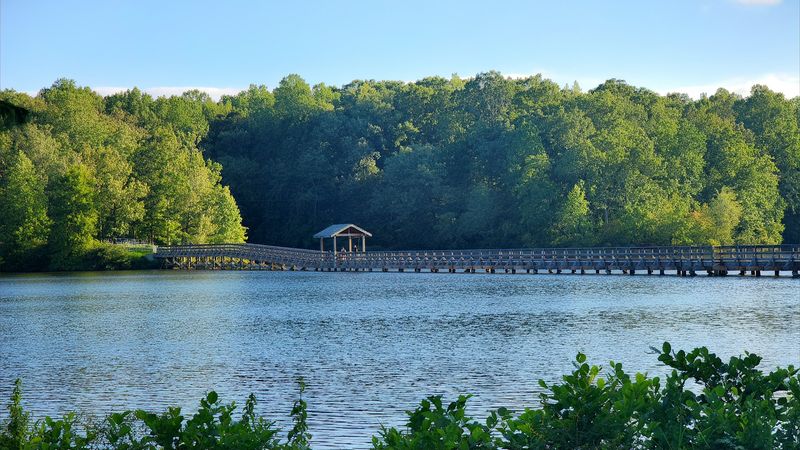
Chickasaw State Park near Henderson spreads across 1,435 acres of hardwood forest and shoreline.
The park takes its name from the Chickasaw people who once lived throughout West Tennessee. Its ridges sit on some of the highest terrain in the region, which surprises first-time hikers.
More than eight miles of easy to moderate trails thread through the woods.
The Lakeshore Trail follows the entire perimeter of Lake Placid. A 640-foot footbridge links the recreation areas and makes a great photo stop.
Paddlers can trade boots for a kayak on Lake Placid. Lake Lajoie offers a quieter setting when the group camp is not reserved, so access should be confirmed with the park office first.
Birding stays strong through the seasons, with cardinals, warblers, and swallows working the treeline. Autumn brings the best color along the water.
Picnic areas sit near the main trailheads, so packing lunch works well. Shade covers much of the route, which helps on warm afternoons.
Several short trails can be combined for a longer outing, while other routes extend farther around the lakes and through the forest. Most of the park’s hiking trails are rated easy to moderate rather than strenuous.
You will find the entrance at 20 Cabin Ln, Henderson. Between the bridge, the lakes, and the forest, a day disappears fast here.
9. Collierville Town Square
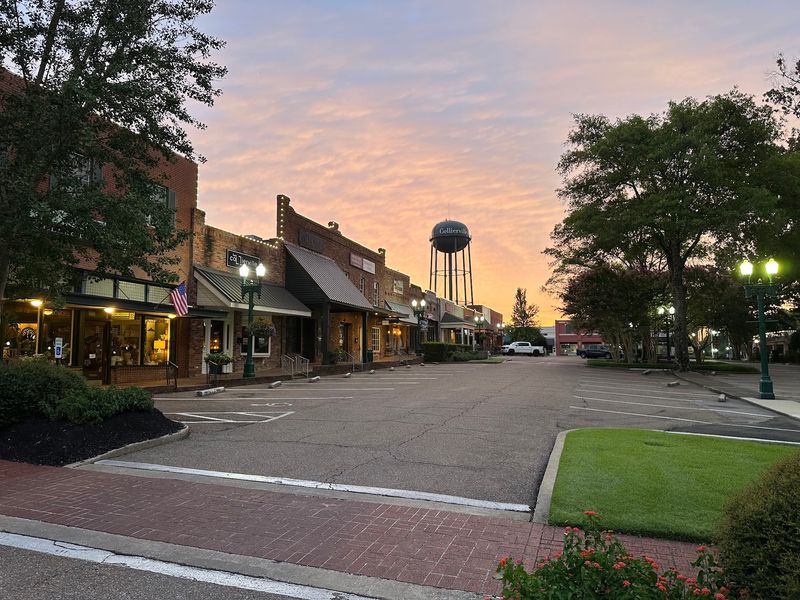
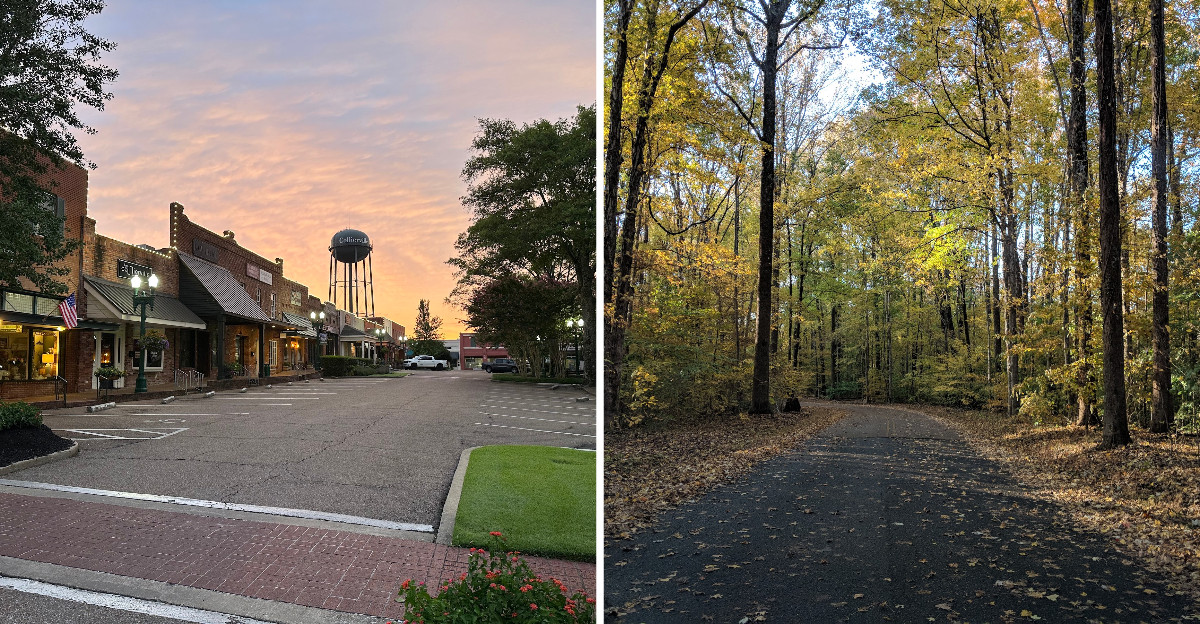
A perfect town square is hard to beat. Collierville Town Square anchors the historic heart of Collierville with shaded green space and brick sidewalks.
The downtown area appears on the National Register of Historic Places. Architectural styles mix comfortably across the preserved storefronts.
A Hallmark movie once used the square as a filming location, which surprises nobody who walks it.
Parade Magazine named it the Best Main Street in America back in 2014. That reputation still holds up on a slow Saturday morning.
Shops line the perimeter with boutiques, specialty goods, and gourmet foods. Eateries put tables where you can watch the square without rushing.
Railroad history sits right beside the green. A Frisco 1351 steam locomotive and vintage train cars are open to explore near the depot. Interpretive signs beside Frisco 1351 explain the locomotive’s history and mechanical changes.
A log cabin that served as a stagecoach stop dating to 1851 still stands nearby. Seeing it up close puts the town’s age in perspective.
Everything is genuinely walkable, which is the real appeal. Park once and forget the car entirely.
The square centers at 96 Center St, Collierville. Bring an appetite, comfortable shoes, and zero schedule pressure for the best results.
10. Meeman-Shelby Forest State Park, Millington
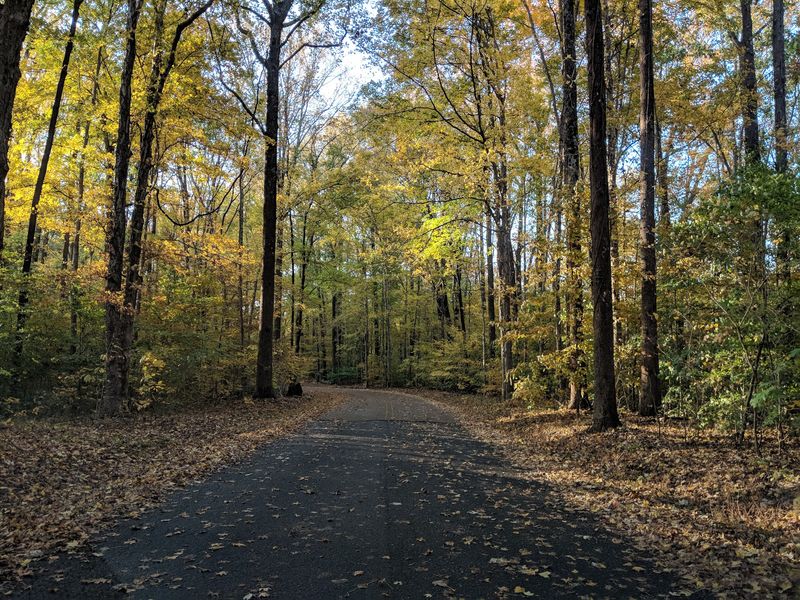
Have you given any thought to twenty miles of trails just outside a major city? Meeman-Shelby Forest State Park in Millington delivers exactly that along the Mississippi River.
Bottomland hardwood forest defines the landscape here. Towering trees shade the paths, and cypress-tupelo wetlands add texture near the creeks.
The Woodland Trail rolls over hilly ground through thick woods. Deer appear often, and early spring blooms carpet the forest floor.
Along the Chickasaw Bluff Trail, the route follows high ground above the river. Views open between the trees, and birdwatching is excellent from the ridge.
For a shorter outing, Pioneer Springs Trail offers another pedestrian-only route through the park. Current trail records list it at about 2.6 miles, making it more compact than the Woodland route.
About 200 bird species have been reported from the Meeman-Shelby Forest area. Bald eagles are among the notable species recorded across its bottomland and bluff habitats.
Trail difficulty ranges considerably, with routes such as the Woodland Trail including several steep climbs and creek crossings. Check the map at the entrance and pick a route that matches your group.
Morning starts beat afternoon heat during summer, and fall colors peak nicely in late October. Water and bug spray are smart companions.
The park sits at 910 Riddick Rd, Millington. Close enough for a quick escape, wild enough to feel a world away.