The Absolute Best Stops To Make On An Unforgettable California Road Trip
Few journeys offer the sense of freedom and variety that comes from traveling along this long, winding coastline.
One moment you’re driving beside crashing waves, the next you’re climbing into misty forests or descending into sunbaked valleys where the horizon seems endless.
It’s a route that invites curiosity, encourages detours, and turns even simple drives into moments worth remembering. California’s Pacific shoreline connects wildly different worlds in a single trip.
Ancient redwoods stand quietly just miles from rugged beaches, while inland roads lead to alpine lakes, desert landscapes, and cities that have shaped culture far beyond their borders.
Each stretch of road tells its own story, whether it’s carved through dramatic cliffs, hugging the edge of a sparkling bay, or winding through small towns that feel frozen in time.
What makes this journey so special isn’t just the scenery – it’s the rhythm of discovery.
You might pull over for a hidden overlook, spend an unplanned afternoon exploring a state park, or find yourself lingering on a pier as the sun dips below the horizon.
Every mile offers a chance to slow down, look closer, and experience a place that feels entirely new. This is the kind of road trip that stays with you long after the drive ends.
Los Angeles & Griffith Observatory
Starting your journey in the entertainment capital brings instant excitement, with sprawling neighborhoods that shift from glitzy Hollywood Boulevard to quiet hillside streets in minutes.
The city hums with energy day and night, offering everything from street tacos to museum galleries. Traffic moves slowly during rush hours, so planning your route around midday or evening can make navigation smoother.
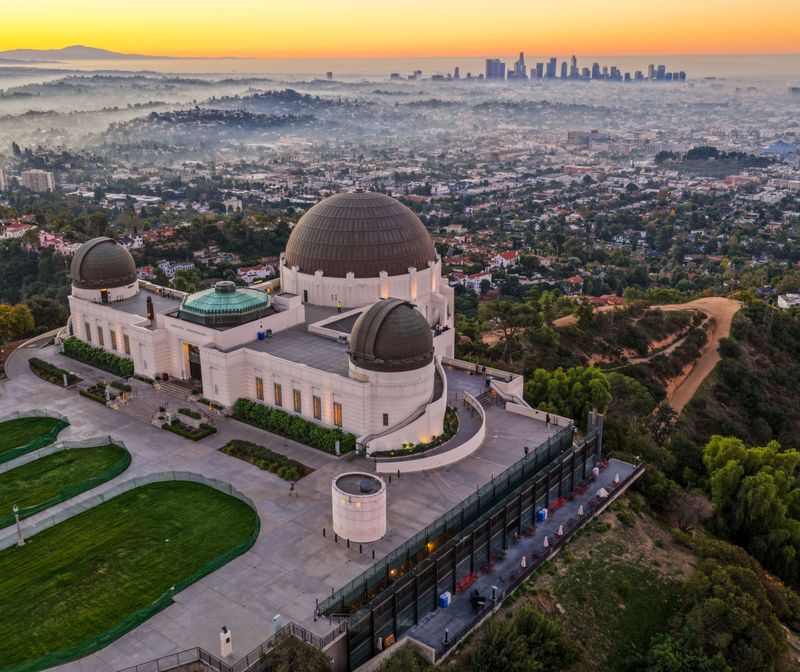
Perched on the southern slope of Mount Hollywood, Griffith Observatory sits at 2800 East Observatory Road, Los Angeles, CA 90027, offering sweeping views of the city skyline and the iconic Hollywood sign.
The building itself is a striking example of Art Deco design, with copper domes that catch the afternoon sun. Inside, exhibits explain astronomy and space science through interactive displays and live demonstrations.
Visiting on weekdays tends to feel less crowded, giving more time to explore the telescopes and planetarium shows without long waits.
Parking fills up quickly on weekends, so arriving early or using public transit can save time.
The surrounding trails wind through chaparral-covered hills, providing quiet spots to take in the view before heading back into the city buzz.
Joshua Tree National Park
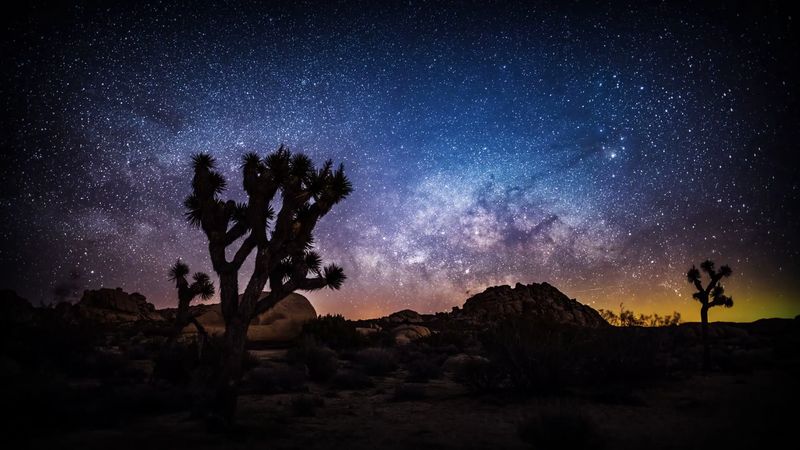
Twisted branches reach toward endless blue skies in this high desert wonderland, where two distinct ecosystems meet and create landscapes that feel almost otherworldly.
The park sprawls across nearly 800,000 acres, blending the higher Mojave Desert with the lower Colorado Desert. Rock formations rise in massive piles, shaped by wind and water over millions of years.
Temperatures swing dramatically between day and night, so layering clothing helps maintain comfort throughout a visit.
Winter and early spring bring mild days perfect for hiking, while summer heat can become intense and requires careful hydration planning.
Trails range from short nature walks to challenging scrambles up boulder fields. Sunrise and sunset paint the rocks in shades of orange and pink, transforming familiar views into something almost magical.
Stargazing after dark reveals the Milky Way in stunning clarity, far from city light pollution. The park entrance lies about two and a half hours east of Los Angeles, making it an accessible escape into a completely different world.
Palm Springs & Aerial Tramway
Mid-century modern architecture lines the streets of this desert oasis, where palm-shaded pools and mountain backdrops create a resort atmosphere year-round.
The downtown area feels walkable and relaxed, with galleries, cafes, and boutiques clustered along a few main blocks.
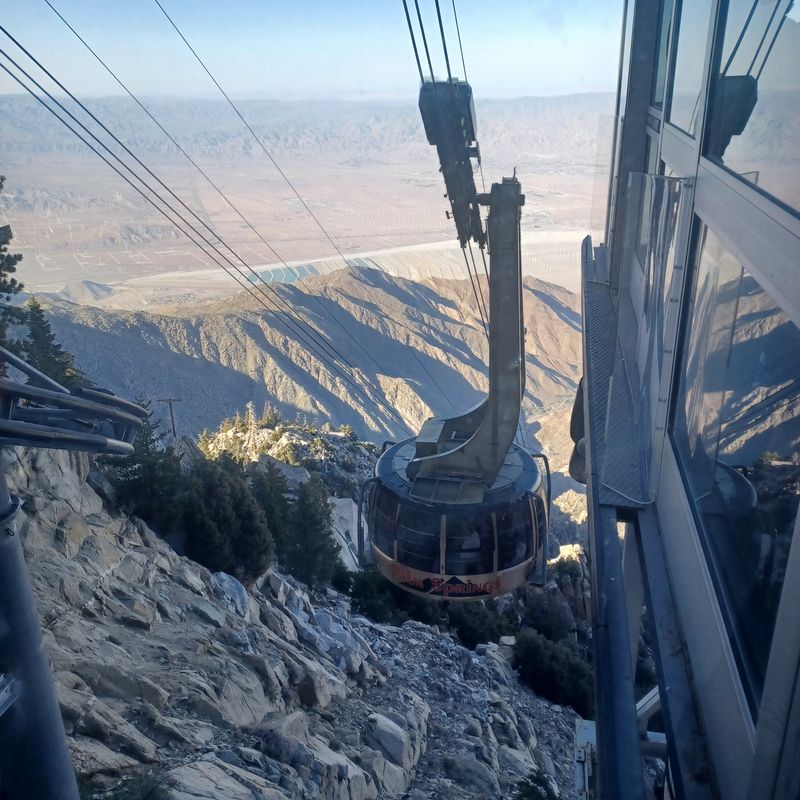
Temperatures soar in summer, but the dry heat makes shade and water features especially refreshing. The Palm Springs Aerial Tramway whisks visitors from the desert floor to the cooler alpine environment of Mount San Jacinto in about ten minutes.
Located at 1 Tram Way, Palm Springs, CA 92262, the tramway rotates slowly as it climbs, offering 360-degree views of the Coachella Valley below.
At the top, the air feels noticeably cooler, and pine forests replace cactus and scrub. Hiking trails at the mountain station range from easy loops to more strenuous backcountry routes, all offering a dramatic contrast to the desert below.
The observation decks provide sweeping vistas, and the mountain station includes a small natural history museum. Visiting in the morning can mean fewer crowds and clearer skies for photography.
Death Valley National Park
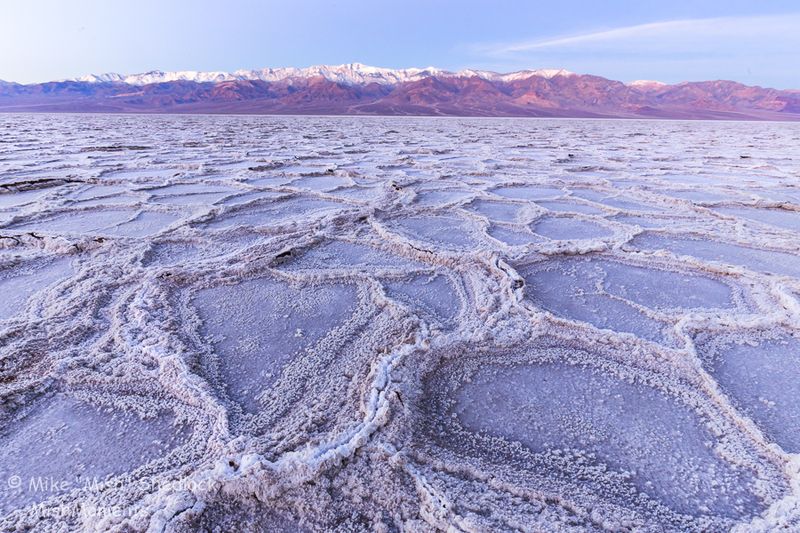
Extreme landscapes define this vast park, where salt flats stretch to the horizon and sand dunes ripple under relentless sun.
It holds the record as the hottest place on Earth, with summer temperatures regularly exceeding 120 degrees Fahrenheit.
Visiting between November and March offers milder weather and a more comfortable experience for exploration.
Badwater Basin sits at 282 feet below sea level, making it the lowest point in North America, and the white salt crust creates a surreal, almost lunar surface.
Dante’s View provides a stunning overlook from high in the Black Mountains, showing the valley floor far below. Zabriskie Point offers another dramatic vista, with eroded badlands in shades of gold and rust.
The park feels immense and empty, with long distances between services, so carrying extra water and snacks is essential. Sunrise and sunset bring out the best colors in the rock formations and sand dunes.
Despite its harsh reputation, the park supports surprising wildlife, including bighorn sheep and desert tortoises adapted to the extreme conditions.
Alabama Hills
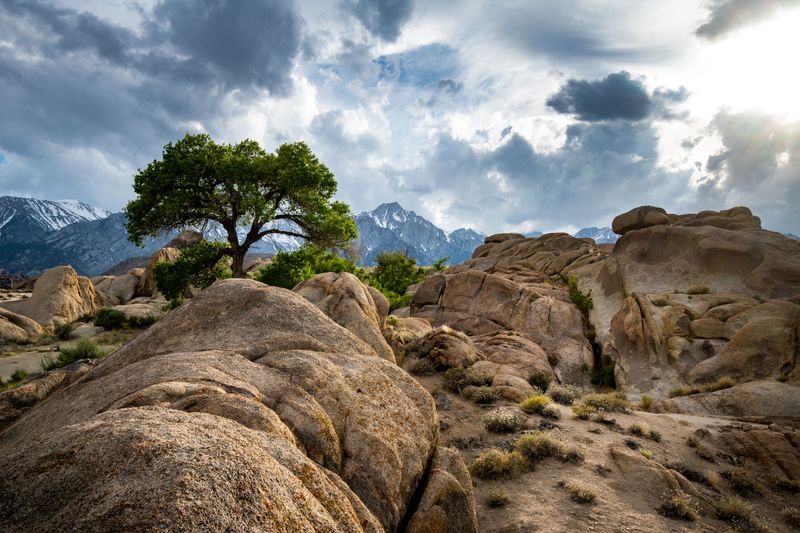
Rounded granite boulders glow orange and gold against the jagged peaks of the Sierra Nevada, creating one of the most photogenic landscapes in the state.
This area has served as a backdrop for countless Western films and commercials, thanks to its dramatic rock formations and wide-open spaces.
The contrast between the smooth, weathered rocks and the sharp mountain skyline feels almost unreal.
Located just outside the town of Lone Pine, the hills offer dozens of natural arches and easy scrambling routes among the boulders.
Dirt roads wind through the area, accessible to most vehicles, with pullouts for parking and short walks. Early morning light brings out the warm tones in the rocks, while evening shadows add depth and texture.
Camping is permitted in designated areas, making it possible to watch the stars emerge over Mount Whitney, the tallest peak in the contiguous United States.
The setting feels peaceful and remote, yet the town of Lone Pine is just minutes away for supplies. Visiting in spring can mean wildflowers blooming among the rocks, adding splashes of color to the desert palette.
Sequoia National Park
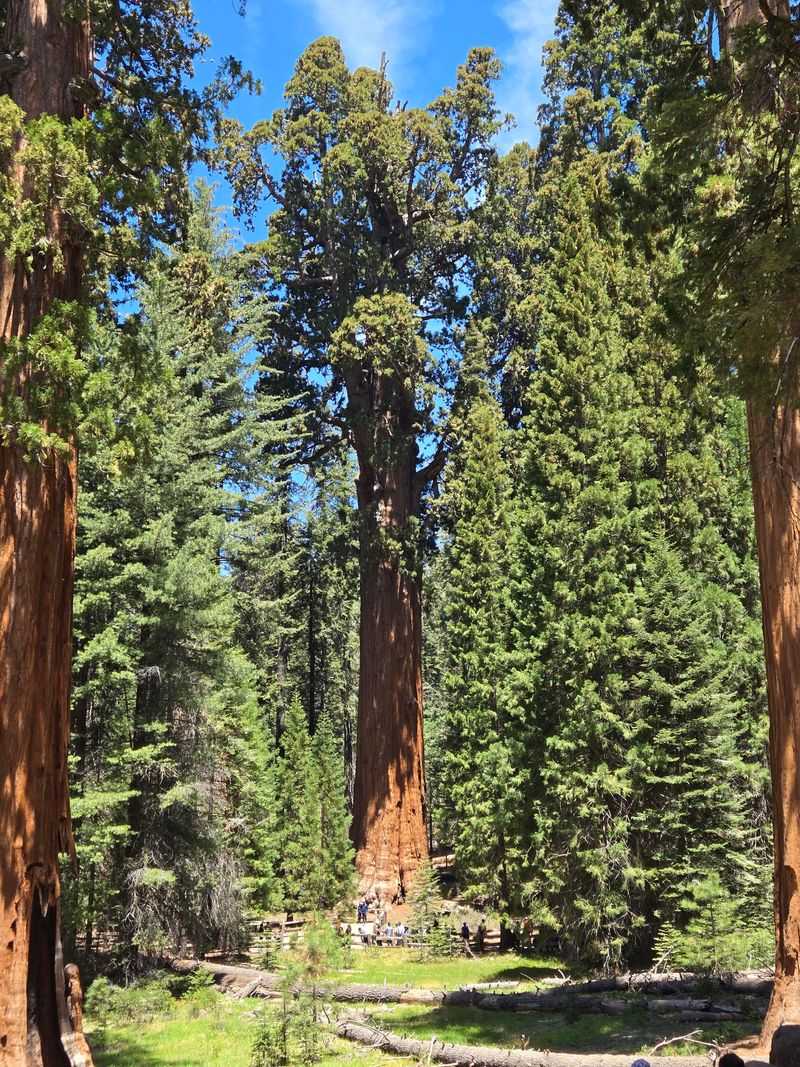
Giant trees tower overhead, their trunks wider than most living rooms and their crowns disappearing into the canopy far above.
The General Sherman Tree, the largest tree by volume on Earth, stands as the park’s most famous resident, with a base circumference of over 100 feet.
Walking among these ancient giants feels humbling, as many have been growing for more than 2,000 years.
The park’s roads wind through mixed conifer forests, with pullouts offering views of deep canyons and distant peaks.
Trails range from paved paths through sequoia groves to challenging backcountry routes into the high country. Summer brings the most visitors, while spring and fall offer quieter trails and cooler temperatures.
Moro Rock, a granite dome near the Giant Forest, features a steep staircase to the summit with panoramic views of the Great Western Divide.
The air smells of pine and earth, and the forest floor is often carpeted with ferns and wildflowers. Snow can close higher elevations from late fall through spring, so checking road conditions before visiting helps with planning.
Yosemite National Park
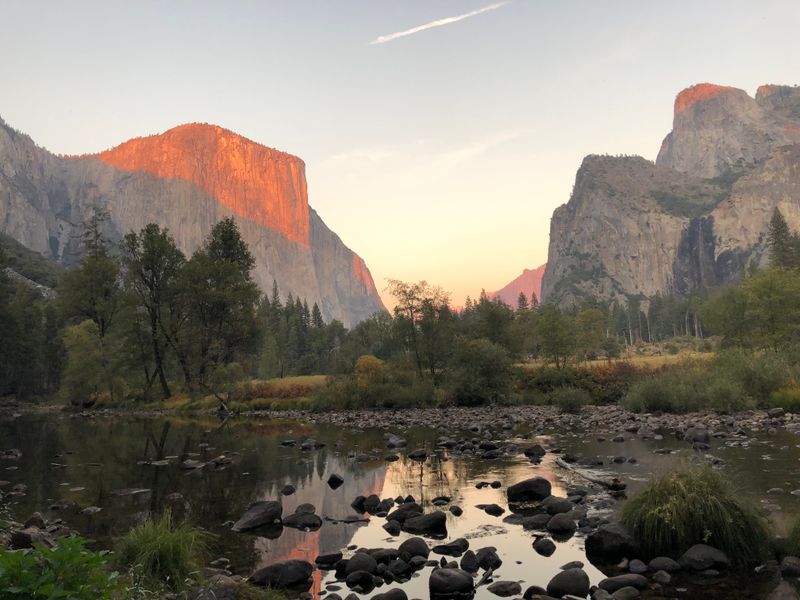
Granite cliffs rise thousands of feet above the valley floor, with waterfalls tumbling down sheer rock faces and meadows spreading across the canyon bottom.
Yosemite Valley serves as the park’s heart, where iconic landmarks like El Capitan and Half Dome draw visitors from around the world.
The Merced River winds through the valley, reflecting the towering walls and creating peaceful spots for rest. Spring runoff brings the waterfalls to life, with Yosemite Falls roaring down nearly 2,500 feet in three stages.
By late summer, many of the seasonal falls may slow to a trickle or dry up completely. Trails lead to viewpoints, alpine lakes, and high-country meadows, offering experiences for every fitness level.
The park feels crowded during summer weekends, so visiting on weekdays or in shoulder seasons can mean more space on trails and easier parking.
Shuttle buses run through the valley, reducing traffic and making it simple to hop between trailheads and viewpoints.
Evening light on Half Dome and El Capitan creates unforgettable photo opportunities, and the valley floor often glows with soft, golden hues.
Lake Tahoe & Emerald Bay
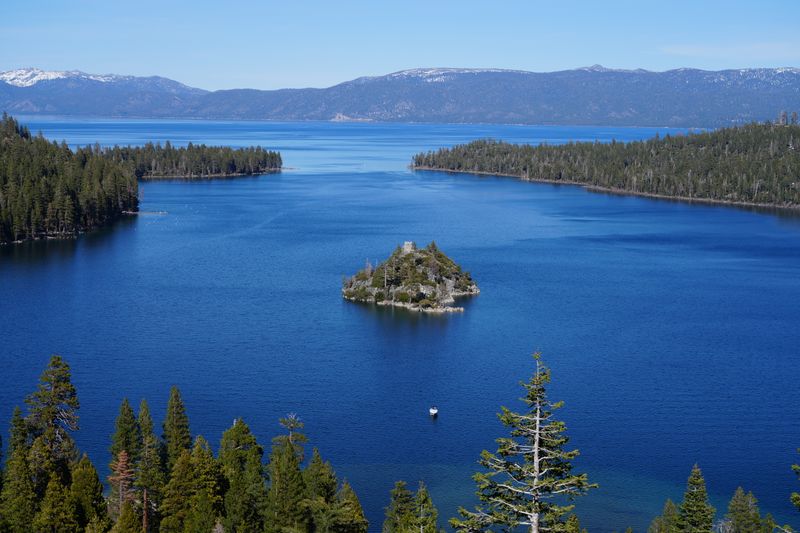
Crystal-clear water reflects the surrounding mountains in shades of deep blue and turquoise, creating a scene that feels almost too perfect to be real.
Lake Tahoe straddles the California-Nevada border, offering year-round recreation from skiing and snowboarding in winter to kayaking and hiking in summer.
The lake’s clarity comes from its depth and the purity of the surrounding watershed. Emerald Bay curves into the southwest shore, forming one of the most photographed spots in the entire region.
Fannette Island, the only island in Lake Tahoe, sits in the middle of the bay, crowned with the stone ruins of a tiny teahouse.
The overlook along Highway 89 provides a stunning vantage point, especially in the morning when the sun illuminates the water’s brilliant colors.
Vikingsholm, a Scandinavian-style castle built in the late 1920s, sits at the head of the bay and can be reached by a steep trail from the parking area.
Summer weekends bring heavy traffic, so arriving early or visiting in the off-season can make the experience more relaxed.
Winter transforms the area into a snowy wonderland, though some roads may close depending on conditions.
San Francisco & Golden Gate Bridge
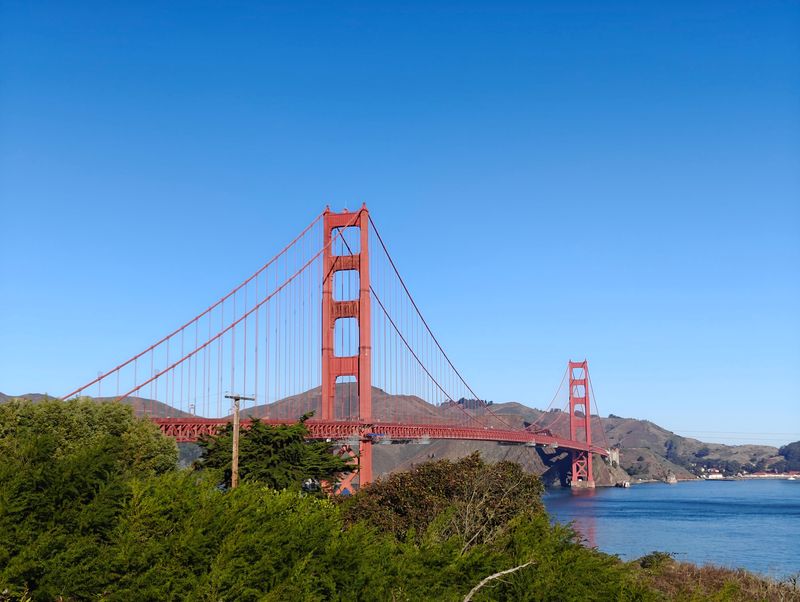
Fog rolls through the bay, wrapping the orange towers of the Golden Gate Bridge in shifting layers of mist that create an ever-changing scene.
The city’s steep hills and Victorian homes give it a distinctive character, while cable cars clang their way up and down the slopes.
Neighborhoods shift quickly from the bustling waterfront to quiet residential streets lined with colorful houses.
The bridge spans the strait connecting San Francisco Bay to the Pacific Ocean, with pedestrian walkways offering close-up views of the cables and towers.
Walking across takes about 30 to 45 minutes one way, depending on pace and how often you stop for photos. Wind can be strong, and temperatures often feel cooler near the water, so bringing a jacket is usually a good idea.
Fisherman’s Wharf, Alcatraz Island, and the Ferry Building Marketplace provide additional stops for exploring the city’s maritime history and food scene.
Public transit makes getting around relatively easy, and parking in the city can be challenging and expensive.
The city’s microclimates mean one neighborhood might be sunny while another is shrouded in fog, adding to its unique charm.
Point Reyes National Seashore
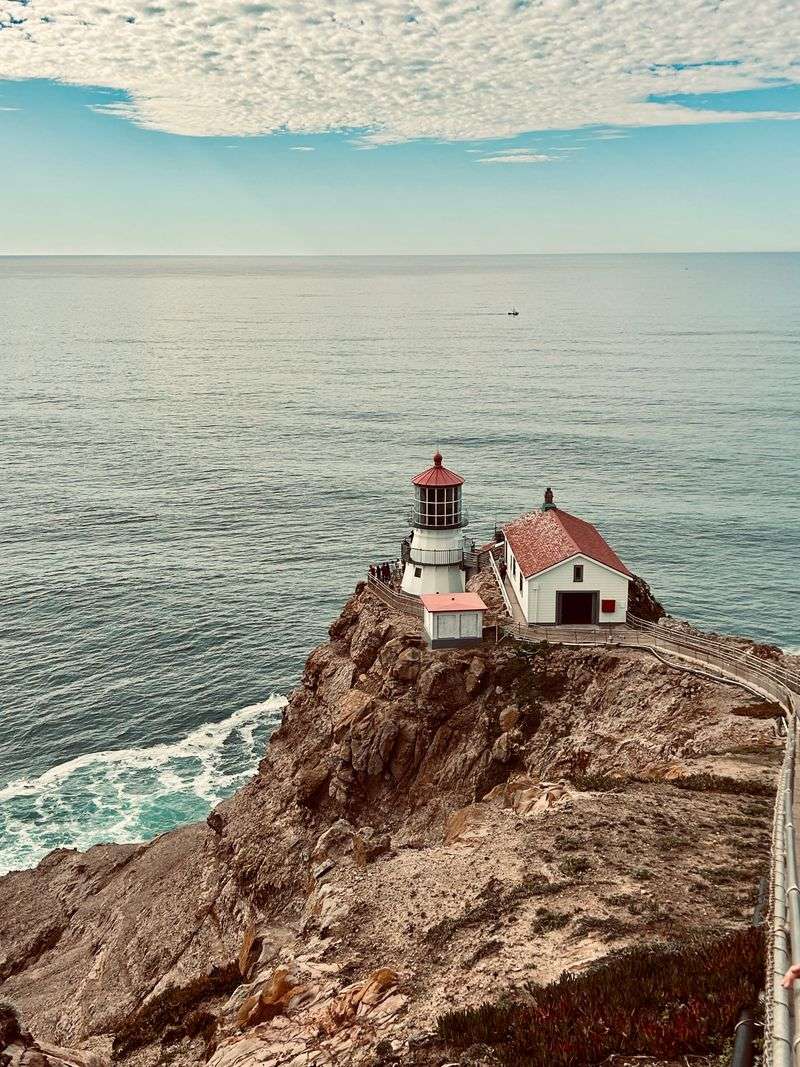
Rugged cliffs drop into the crashing waves of the Pacific, while rolling grasslands and coastal forests create a patchwork of ecosystems within a single park.
Point Reyes feels wild and windswept, with trails leading to lighthouses, secluded beaches, and dramatic overlooks.
Elephant seals haul out on the beaches in winter and spring, adding a unique wildlife spectacle to the coastal scenery.
The historic Point Reyes Lighthouse sits at the tip of the peninsula, reached by descending more than 300 steps down the cliff face.
Whales migrate along the coast from December through April, making the lighthouse a prime viewing spot.
The climb back up can be strenuous, but the views of the ocean and rocky shoreline make the effort worthwhile.
Fog often blankets the coast, especially in summer, creating a moody atmosphere and keeping temperatures cool even when inland areas bake in the sun.
The park offers over 150 miles of trails, ranging from easy beach walks to challenging backcountry routes. Visiting on weekdays tends to mean quieter trails and easier parking at popular trailheads.
Napa Valley & Wineries
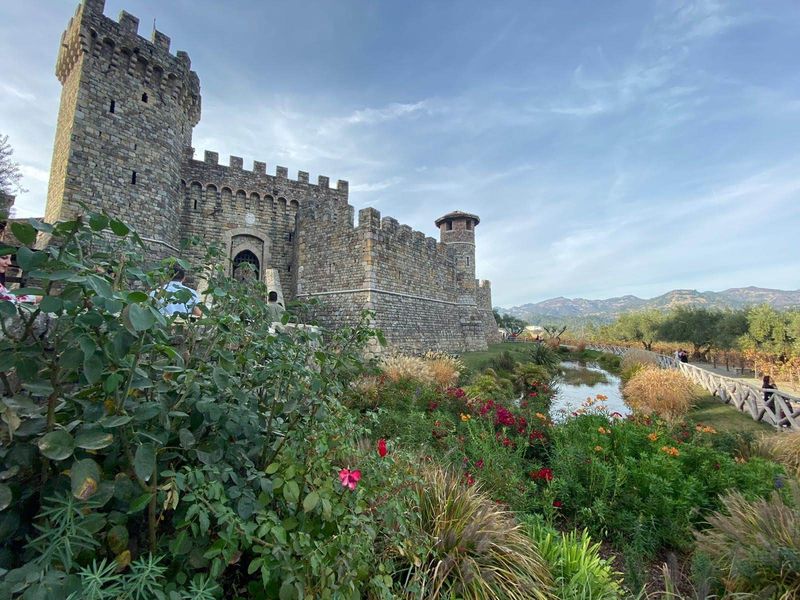
Rolling hills covered in neat rows of grapevines stretch as far as the eye can see, with stone winery buildings and tasting rooms dotting the landscape.
The valley has built a reputation for producing world-class wines, and the region’s Mediterranean climate provides ideal growing conditions.
Visiting during harvest season in late summer and early fall brings the added excitement of watching the grape-picking process.
Many wineries offer tours that explain the winemaking process from vine to bottle, walking visitors through barrel rooms and production facilities.
Tasting rooms range from casual and relaxed to formal and elegant, each reflecting the personality of the winery. Reservations are often required, especially on weekends, so planning ahead helps ensure a smooth visit.
The valley’s small towns, including Yountville and St. Helena, feature farm-to-table restaurants and charming main streets perfect for strolling.
Hot air balloons drift over the vineyards in the early morning, offering a bird’s-eye view of the patchwork landscape. Biking along the quieter backroads provides a leisurely way to take in the scenery and visit multiple wineries in a day.
Monterey & Monterey Bay Aquarium
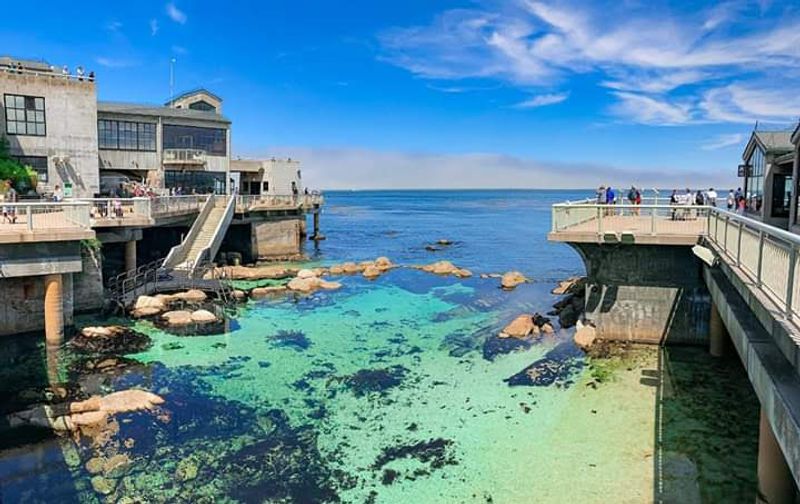
Historic Cannery Row hugs the waterfront, where old sardine-packing warehouses have been transformed into shops, restaurants, and galleries.
The town’s maritime heritage remains visible in the architecture and the working fishing boats still docked in the harbor.
Sea otters float in the kelp beds just offshore, often visible from the coastal path that winds along the water’s edge.
The Monterey Bay Aquarium stands at 886 Cannery Row, Monterey, CA 93940, showcasing the incredible marine life of the bay through massive tanks and interactive exhibits.
The kelp forest exhibit towers three stories high, with leopard sharks, sardines, and rockfish swimming through the swaying kelp.
Touch pools allow visitors to gently interact with sea stars, anemones, and other tide pool creatures.
The aquarium’s jellyfish galleries feature mesmerizing displays with shifting lights and colors, while the open sea exhibit includes tuna, sea turtles, and schools of fish.
Visiting on weekday mornings tends to mean smaller crowds and more time to linger at each exhibit. The building itself sits right on the bay, with outdoor decks offering views of the water and occasional sea otter sightings.
Carmel-By-The-Sea & 17-Mile Drive
Fairytale cottages with whimsical architecture line the streets of this coastal village, where art galleries and boutiques cluster around a charming downtown.
The beach at the foot of Ocean Avenue feels wide and welcoming, with soft white sand and cypress trees framing the view.
The town maintains a quiet, unhurried atmosphere, with no chain stores or streetlights to interrupt the quaint character.
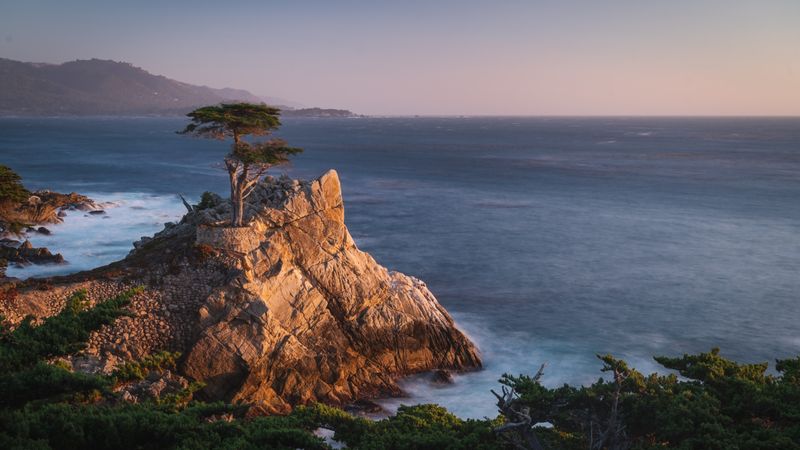
Just north of town, the 17-Mile Drive winds along the coast through Pebble Beach, offering stunning views of rocky shorelines, crashing waves, and windswept cypress trees.
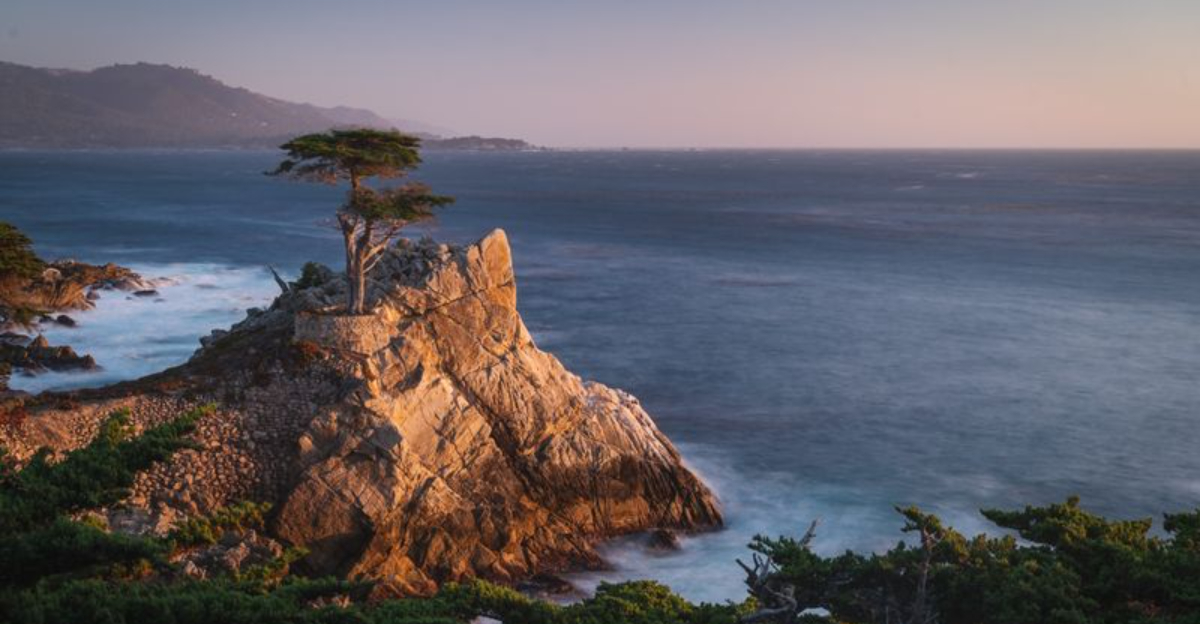
The Lone Cypress, clinging to a rocky outcrop, has become one of the most photographed trees in the world. The drive includes several pullouts for admiring the scenery and walking short trails to viewpoints.
The route passes by some of the world’s most famous golf courses, including Pebble Beach Golf Links, where manicured greens meet dramatic ocean backdrops.
Harbor seals often bask on the rocks at several spots along the drive. A small entrance fee is charged at the gate, and the drive takes about two hours if you stop at most of the marked viewpoints.
Big Sur
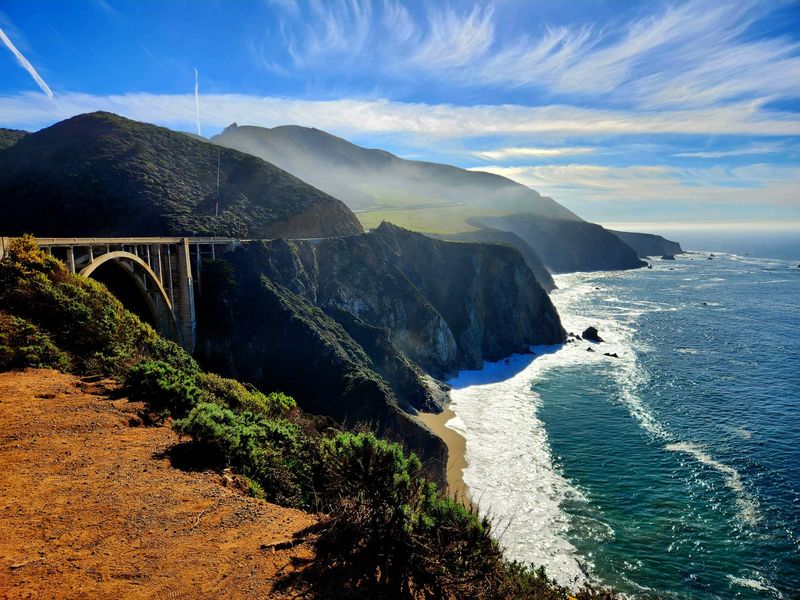
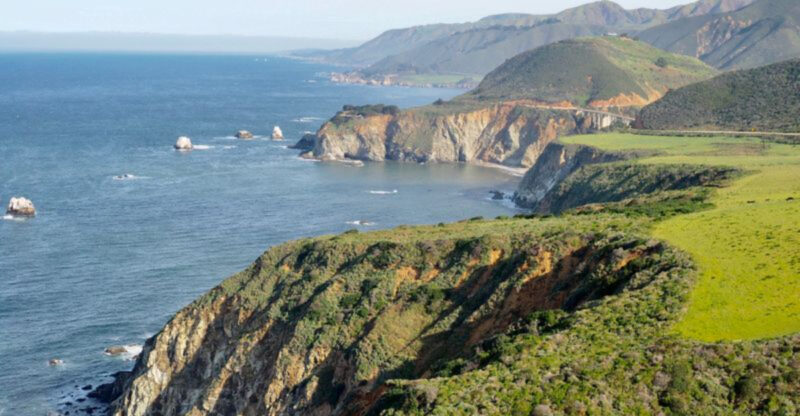
Cliffs plunge hundreds of feet into the foaming Pacific, with Highway 1 clinging to the mountainside in a series of dramatic curves and bridges.
This stretch of coastline feels remote and wild, with state parks and viewpoints offering access to beaches, waterfalls, and redwood groves. The road demands attention, but the views reward every careful mile.
Bixby Creek Bridge arches gracefully over a deep canyon, providing one of the most iconic photo opportunities along the entire California coast.
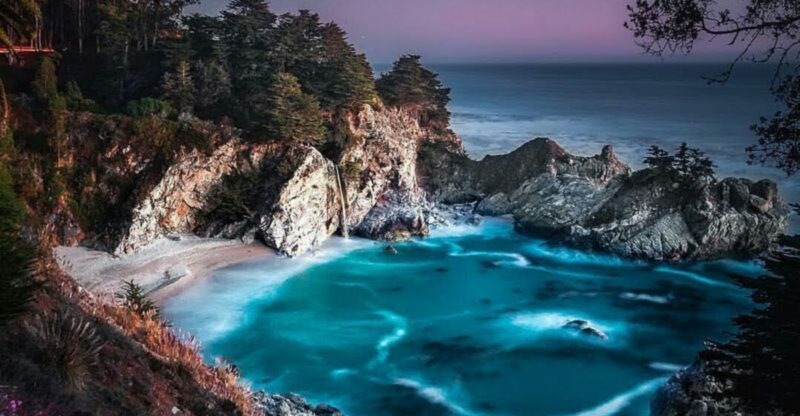
McWay Falls drops 80 feet onto a pristine beach in Julia Pfeiffer Burns State Park, creating a scene that looks like it belongs in a tropical paradise.
Pfeiffer Beach, accessible via a narrow road, features purple sand created by manganese garnet particles washing down from the hillsides.
Fog often hugs the coastline, especially in summer, creating moody, atmospheric conditions that can obscure some views but add to the dramatic feel.
The area offers limited services, so filling up on gas and carrying snacks before entering the region is wise.
Landslides occasionally close sections of Highway 1, so checking road conditions before your trip helps avoid surprises.
San Simeon & Hearst Castle
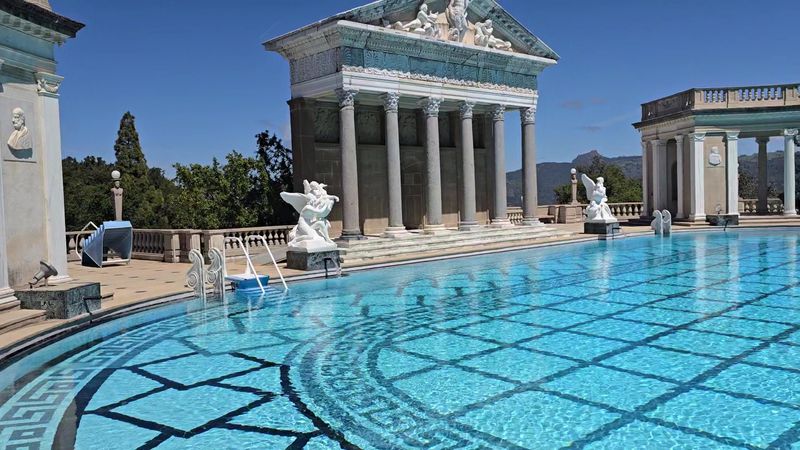
Perched high on a hill overlooking the Pacific, this palatial estate blends Mediterranean Revival architecture with an eclectic art collection gathered from around the world.
Newspaper magnate William Randolph Hearst built the castle over nearly three decades, creating a lavish retreat that hosted Hollywood stars and political figures.
The grounds include elaborate gardens, terraces, and pools decorated with intricate tile work.
Hearst Castle sits at 750 Hearst Castle Road, San Simeon, CA 93452, and guided tours lead visitors through opulent rooms filled with European antiques, tapestries, and sculptures.
The Neptune Pool, with its colonnaded edges and views of the coastline, remains one of the most photographed features. The indoor Roman Pool dazzles with deep blue and gold glass tiles covering every surface.
Tours require advance reservations, especially during peak season, and several different tour options focus on different parts of the estate. The climb to the castle involves steep paths, so comfortable shoes are essential.
Zebras still roam the hills around the estate, descendants of the exotic animals Hearst kept in his private zoo, adding a surprising element to the coastal landscape.
Santa Barbara & Stearns Wharf
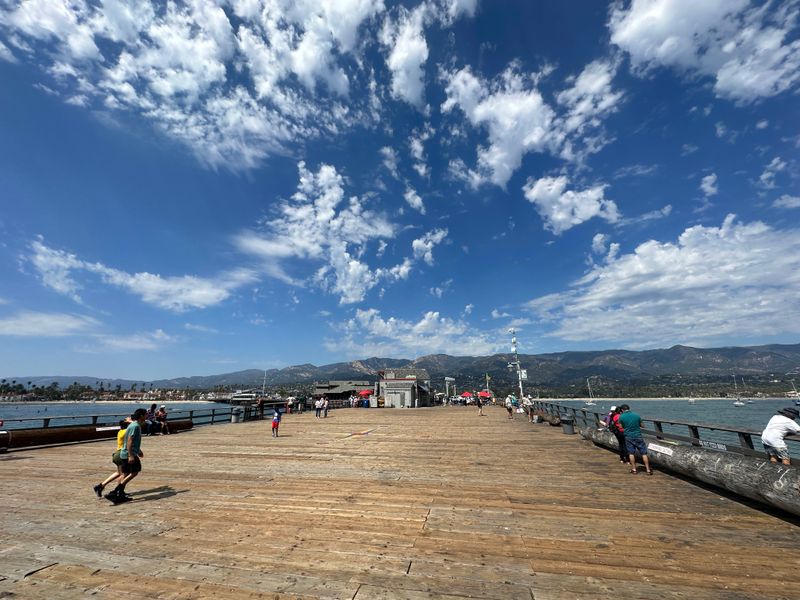
Red-tile roofs and white stucco buildings give this coastal city a distinctly Mediterranean feel, earning it the nickname American Riviera.
Palm-lined State Street runs from the waterfront up through the downtown area, with shops, cafes, and Spanish Colonial Revival architecture creating an inviting atmosphere.
The Santa Ynez Mountains rise just behind the city, providing a dramatic backdrop and hiking opportunities.
Stearns Wharf extends into the harbor at the end of State Street, making it one of the oldest working wooden wharfs on the West Coast.
Visitors can stroll the length of the wharf, browsing small shops and watching sea lions bob in the water below.
The Santa Barbara Museum of Natural History’s Sea Center sits at 217 Stearns Wharf, Santa Barbara, CA 93101, offering touch tanks and exhibits focused on the local marine environment.
The waterfront path stretches for miles along East Beach and West Beach, perfect for walking or biking while enjoying ocean breezes.
The harbor area includes kayak rentals and boat tours, providing opportunities to explore the coastline from the water. Visiting in the late afternoon often means softer light and fewer crowds along the beach and wharf.
San Diego & Balboa Park
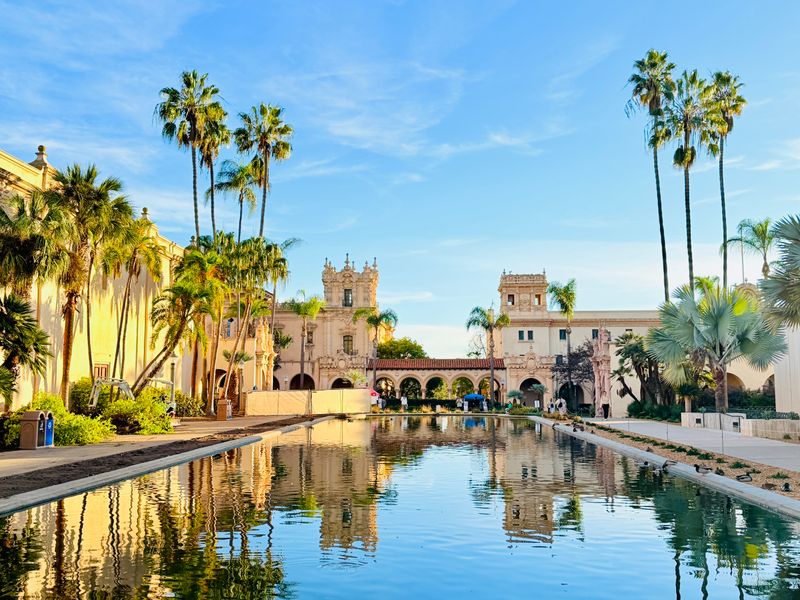
Year-round sunshine and miles of beaches make this southern California city a favorite destination for outdoor enthusiasts and families.
The downtown waterfront buzzes with activity, while neighborhoods like La Jolla and Coronado offer quieter coastal charm.
The city’s proximity to the Mexican border adds a distinct cultural flavor to the food scene and local traditions.
Balboa Park sprawls across 1,200 acres in the heart of the city, combining Spanish Colonial Revival architecture with lush gardens and world-class museums.
The San Diego Zoo, located at 2920 Zoo Drive, San Diego, CA 92101, within the park, houses thousands of animals in naturalistic habitats across 100 acres.
Pandas, polar bears, and elephants draw crowds, while the Skyfari aerial tram offers an overview of the zoo’s layout and a rest for tired legs.
The park’s museums cover topics ranging from natural history to contemporary art, with many clustered around the central plaza.
The Botanical Building, with its curved lattice structure and reflecting pool, provides a peaceful spot for a break.
Visiting on weekday mornings can mean easier parking and shorter lines at popular attractions, while evenings bring cooler temperatures perfect for strolling the grounds.