The All-You-Can-Eat Connecticut Spot That Has Fed Generations Of Locals
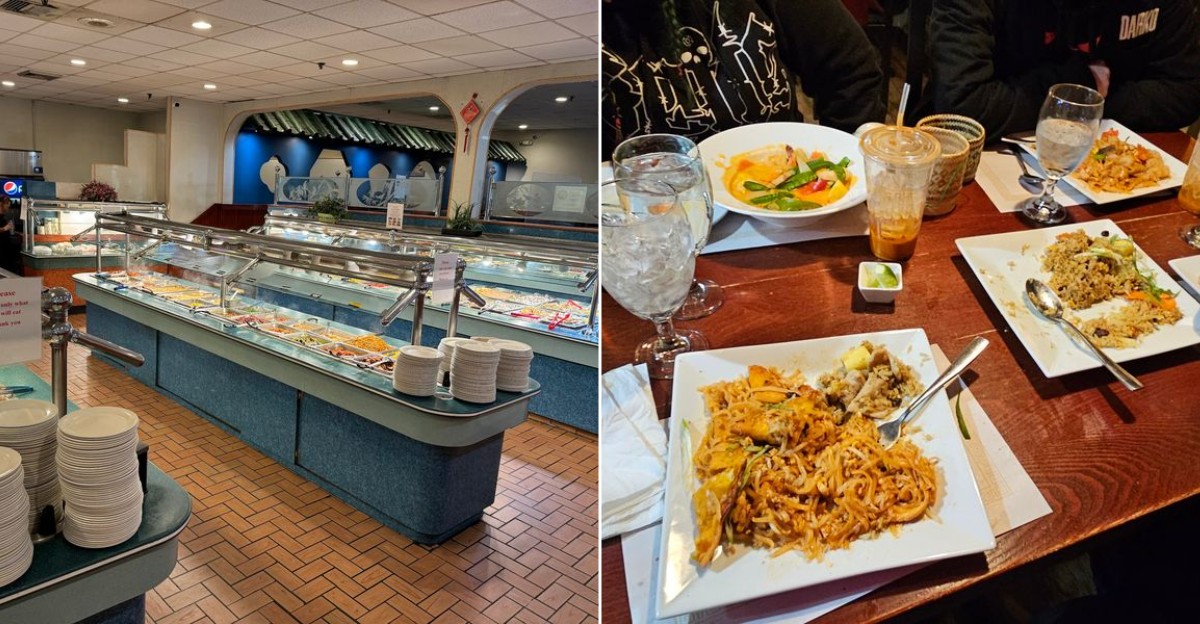
Buffet regulars develop systems.
They know which section deserves attention first, which favorite needs a second visit, and exactly how much room must remain for whatever looked good on the way back.
This longtime all-you-can-eat spot has had years to become part of that routine.
One recent customer even described coming here for more than two decades, which gives you a pretty good idea of the loyalty behind the dining room.
Connecticut families looking for an easy, casual meal can choose from a broad mix of Chinese favorites and Japanese specialties without forcing everyone at the table to agree on one dish.
That freedom is exactly why buffets stick around in people’s memories.
You remember the family dinners, the overflowing plates, and the inevitable trip back for “just a little more.”
After enough years, a restaurant stops being merely somewhere to eat. It becomes part of the local routine.
1. Old-School Buffet Dining Still Has A Loyal Following
Buffets like this are getting harder to find. That makes the old-school setup feel even more satisfying.
Grab a plate, see what looks good, and build dinner exactly the way you want it.
The biggest draw is choice. Everyone at the table can head in a different direction without turning dinner into a debate over what to order.
That freedom is especially handy for families or groups with completely different appetites.
Busy service also keeps the buffet moving. Popular dishes disappear quickly, which means fresh trays regularly take their place.
Guests often point out that the food arrives at the buffet hot and ready rather than lingering too long under the warmers.
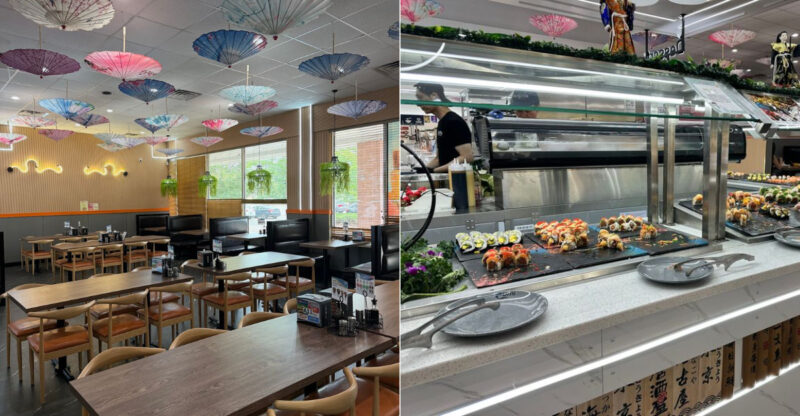
The dining room keeps things relaxed. The atmosphere is casual, making the restaurant an easy fit for a weeknight meal or a relaxed family outing.
You can take your time without feeling rushed through the experience.
Service stays straightforward too. Used plates are cleared away, drinks are topped off, and staff members give diners enough space to enjoy each trip back to the buffet.
That simplicity is a big part of the appeal. You choose what you want, go back when something else catches your eye, and leave feeling like dinner actually worked for everyone.
2. A Busy Inland Shopping Area Keeps It Easy To Reach
This stop fits easily into a busy day. No complicated detour is required.
A quick meal can slide naturally between errands without turning lunch or dinner into a whole production.
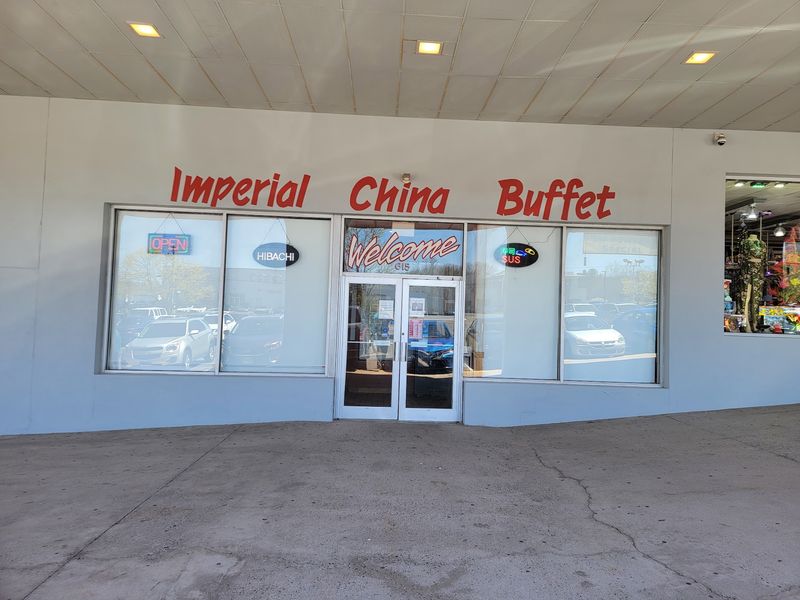
Straits Turnpike is one of Watertown’s busiest commercial stretches, with shops and everyday services nearby. That makes Imperial China Buffet especially convenient when you are already in the area and want somewhere casual to eat before heading home.
Parking is available in the private lot outside, keeping arrival simple for families and larger groups. The setting is straightforward too, so there is no downtown garage or long walk between the car and the dining room.
Hours make planning fairly easy. The restaurant opens at 11:30 a.m. on Monday and again Wednesday through Saturday.
Friday and Saturday stay open until 9:30 p.m., while Monday, Wednesday, and Thursday close at 9 p.m. Sunday service runs from noon until 9 p.m., and Tuesday is the weekly closing day.
Imperial China Buffet is at 615 Straits Turnpike, Watertown, CT 06795. Because the restaurant sits along a busy shopping corridor, pairing a meal with other stops around town takes very little extra planning.
It is the kind of convenient setup that makes an unplanned buffet lunch remarkably easy.
3. The Buffet Has Been Around Since 1992
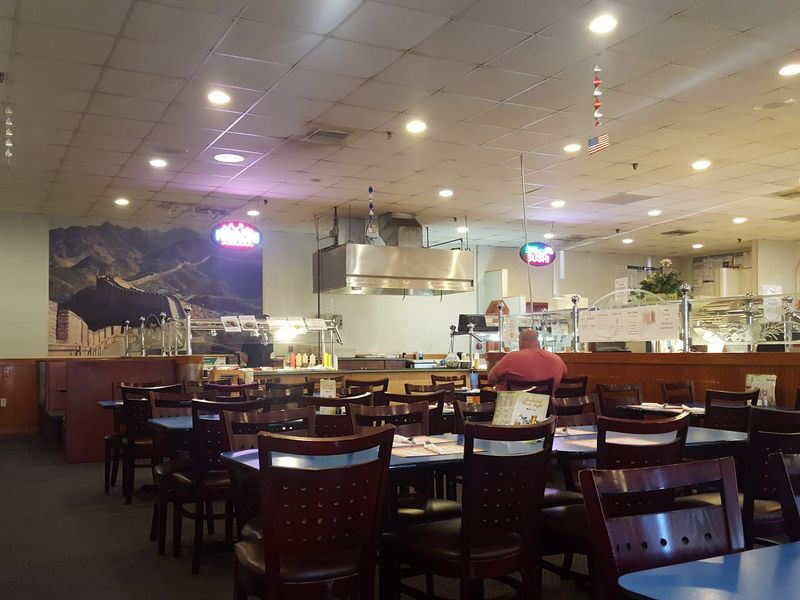
Since 1992, plates have been sliding along these buffet rails, which makes the restaurant older than plenty of its customers. That kind of longevity is unusual in casual dining, where signs and menus tend to change every few years.
Connecticut has lost many buffets over that span, so this one’s endurance stands out even more.
Longtime patrons often mention visits stretching back twenty years or more, and some describe a couple of decades of family dinners in the same room. Kids who came for birthday lunches now walk in with kids of their own.
Staying open that long takes steady work rather than constant reinvention. The offerings have grown over the years, with sushi and a hibachi grill added to what began as a straightforward Chinese buffet, yet the core promise never shifted.
For a town the size of Watertown, having a dependable large-group option for three decades genuinely matters. Graduations, team dinners, holiday get-togethers, and ordinary Thursday nights all land in the same dining room.
Guests who return after years away usually report that the place still feels familiar. A buffet that survives more than thirty years has generally earned it one plate at a time.
4. All-You-Can-Eat Dining Keeps Plates Coming Back
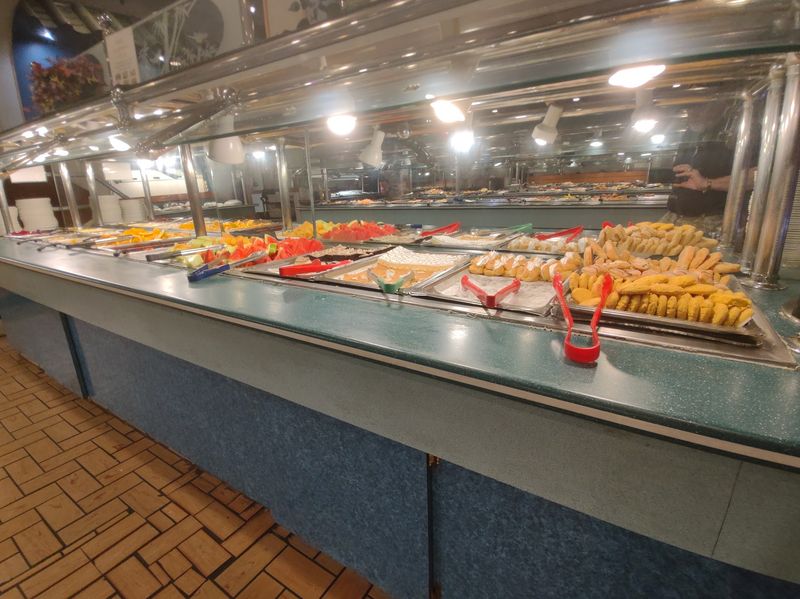
One price, unlimited trips, and no menu decisions to agonize over. The format takes pressure off indecisive eaters and makes group meals painless.
Kids who only want white rice and adults chasing six different things can share the same check happily.
A smart strategy is to walk the full length of the buffet before filling anything. Small tasting portions first, favorites second, dessert last, and suddenly the meal feels like a tasting menu instead of a race.
Staff regularly replenish the trays throughout service, and recent diners often describe the buffet selections as hot and freshly stocked.
During the busiest stretches, especially weekend dinners, dining time limits may be applied so tables can turn over. Arriving a little before the rush, or comfortably after it, usually means a calmer meal and an easier path to the trays.
Beverages are ordered separately at the table and are not included in the buffet price, so factor that in. Plates get cleared often, which keeps your table from becoming a tower of dishes.
Pacing yourself is the whole trick. Three modest plates beat one overloaded one every time.
5. Chinese And Japanese Favorites Share The Spread
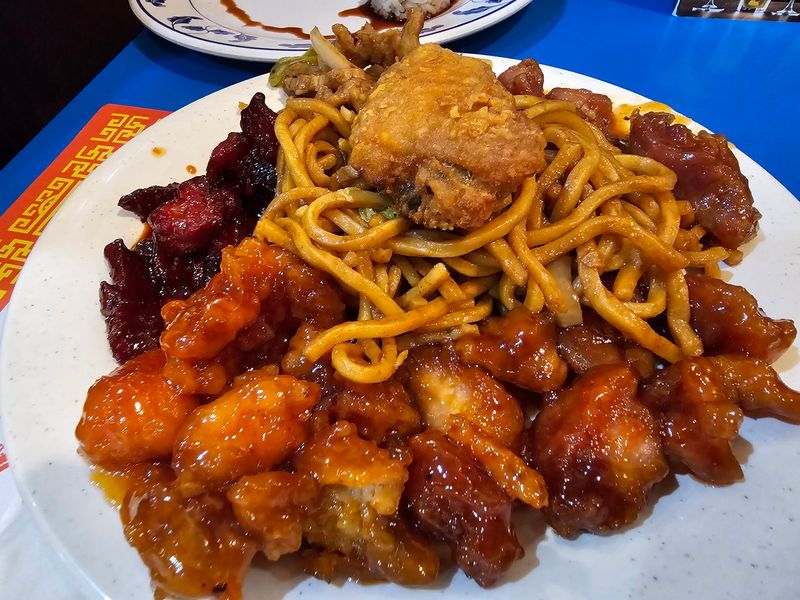
Egg rolls, lo mein, General Tso’s chicken, chow mein: the greatest hits of American Chinese cooking each get their own tray here.
Alongside them sit fried rice, pan-fried dumplings, beef and broccoli, soups, spare ribs, and salt and chili pepper shrimp for anyone after a little heat and crunch. Vegetable dishes such as mushrooms with broccoli give lighter options as well.
Japanese-style dishes share the spread, which widens the appeal considerably. A table can split between someone loading up on saucy chicken and someone building a plate of simpler grilled items.
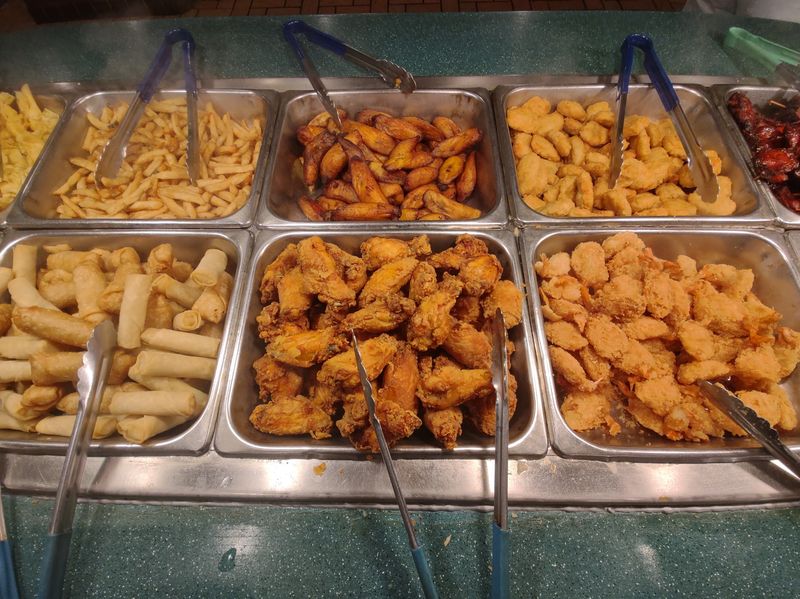
Fried favorites draw plenty of attention from guests, with coconut shrimp, chicken wings, crab rangoon, and spinach puffs among the most frequently mentioned picks. Stuffed mushrooms turn up as another small-bite favorite.
A salad and cold section adds balance, and the dessert area is regularly described as plentiful and better than expected for a buffet.
Because offerings rotate, the exact lineup on any given day varies, and dinner service generally brings out more seafood than lunch. A practical tip: sauces here run sweet, savory, and spicy, so mixing too many categories on one plate can muddy the flavors.
6. Sushi And Hibachi Add Even More Choice
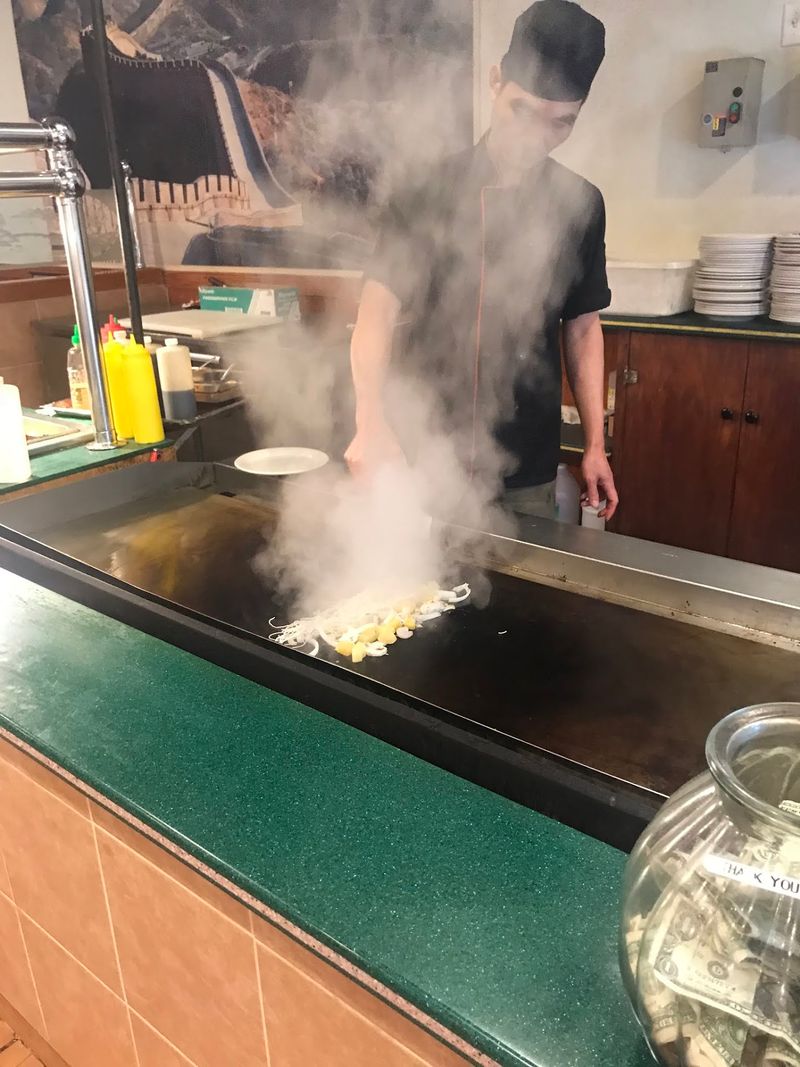
The hibachi station is where this buffet stops feeling like a buffet. You build a raw plate from vegetables, noodles, proteins, and sauces, hand it over, and it gets cooked to order on the flat top.
Watching your own combination sizzle is half the fun, and it means selective eaters get exactly what they want without a single special request. First-timers sometimes miss the grill entirely because it sits apart from the main lines, so take a lap before committing.
Sushi has its own dedicated area, and guests often note how generous the selection is, with new rolls appearing regularly. Rolls are prepared ahead and set out chilled, so grabbing them just after a restock is the move.
Seafood is a genuine strength, particularly at dinner. Snow crab legs, clams, peel-and-eat shrimp, and calamari appear among the options, with some items cooked fresh in view of the dining room.
Crab legs take patience and a cracker, so claim a separate plate and settle in rather than piling them beside your noodles.
Between the grill, the sushi counter, and the seafood, one visit can cover three very different meals.
7. Affordable Prices Keep The Value Strong
The prices are easy to understand here. Better yet, lunch still gives budget-conscious diners a cheaper way to enjoy the full buffet experience.
Imperial China Buffet currently posts separate rates depending on the day and time.
Weekday lunch is listed at $16.95 per adult, with the lunch period running from 11:30 a.m. to 2:45 p.m. Saturday lunch costs $17.95 during the same hours.
The restaurant is closed on Tuesdays, despite the pricing chart grouping weekday lunch under Monday through Friday.
Dinner moves up to $21.95 per adult. That rate applies to the afternoon and evening buffet from Monday through Saturday on days the restaurant is open.
Sunday keeps things simple with an all-day buffet priced at $21.95 per adult from noon until 9 p.m.
Special holiday buffet service is currently posted at $22.95 per adult. The restaurant also notes that special holiday hours may apply, so those dates can follow a different schedule.
For diners mainly interested in value, lunch remains the lowest-priced option. Dinner and Sunday cost more, but all of the posted rates cover the restaurant’s all-you-can-eat format.
Prices are subject to change without notice, and dining time limits may apply during busy periods, so the posted figures are best checked again before a future visit.
8. Decades Of Regulars Keep The Tradition Going
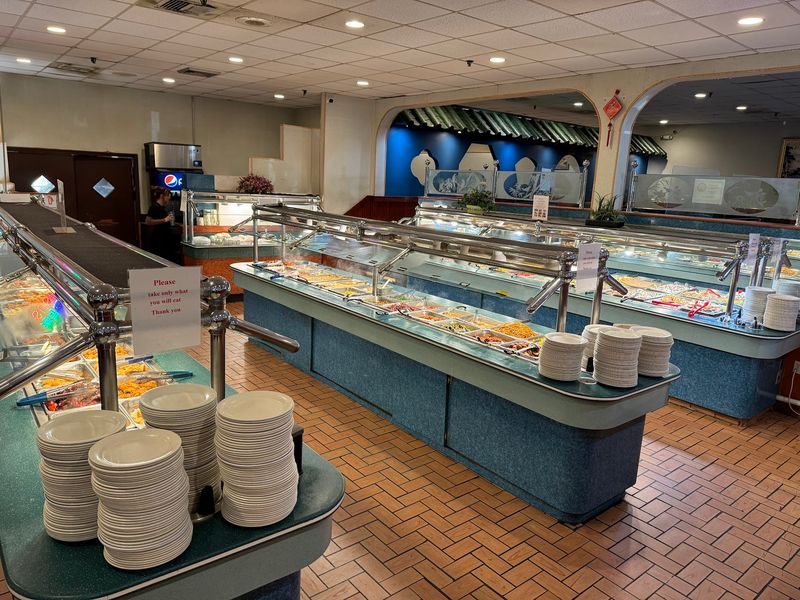
Some restaurants become habits. This one has clearly earned that status.
Imperial China Buffet has customers who say they have been returning for more than 20 years, which says plenty about its staying power.
The appeal is easy to understand. The restaurant keeps things casual and family-friendly, with a buffet built around variety rather than formality.
Recent diners continue to mention friendly service, cleanliness, and a welcoming atmosphere, while longtime customers often point to consistency as the reason they keep coming back.
That relaxed setup also makes the restaurant comfortable for different kinds of visits. A solo lunch works just as naturally as a family meal, and the buffet format lets everyone choose at their own pace without turning dinner into a debate.
Current hours make repeat visits simple to plan. The restaurant opens at 11:30 a.m.
Monday and Wednesday through Saturday, with later closing times on Friday and Saturday. Sunday service begins at noon, while Tuesday remains the weekly day off.
What stands out most is not a flashy gimmick. It is the loyalty.
When diners are still talking about visits that began decades ago, a buffet has clearly become more than a convenient meal stop.