The Antique Trends Pennsylvania Collectors Can’t Get Enough Of This Year
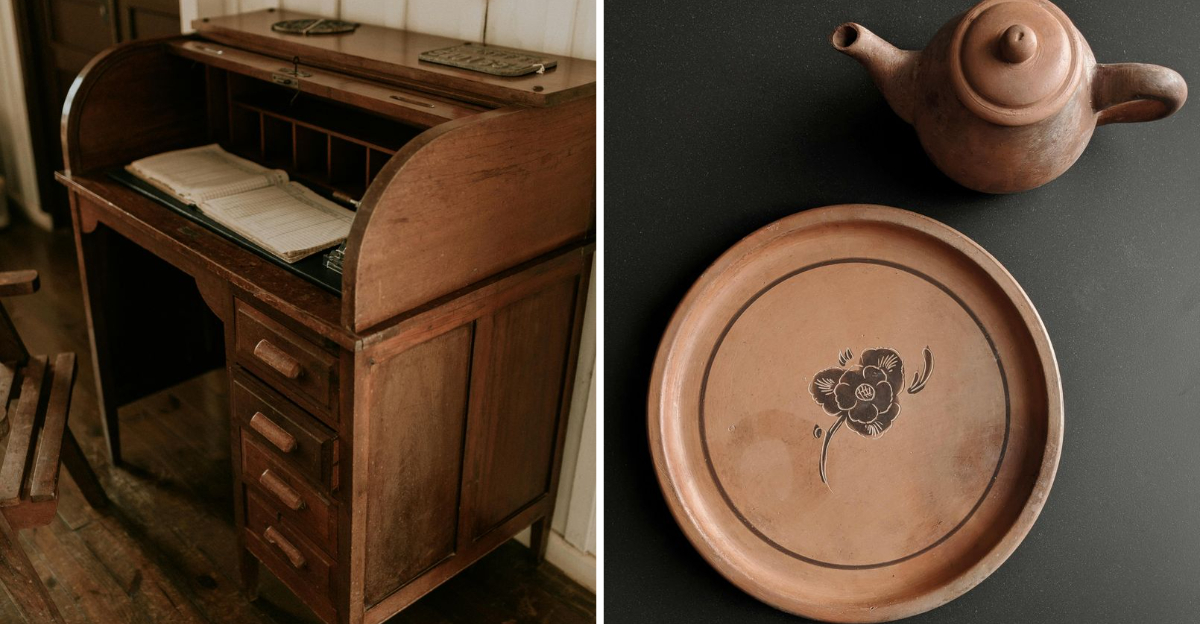
Pennsylvania has always been a treasure trove for antique lovers, and this year brings fresh excitement to the collecting world.
From folk art that tells stories of early settlers to furniture that blends beauty with function, collectors across the state are hunting down pieces that connect them to history.
Whether someone is furnishing a first apartment or adding to a longtime collection, these trends show what’s capturing hearts and filling homes right now.
Pennsylvania Dutch Hex Signs
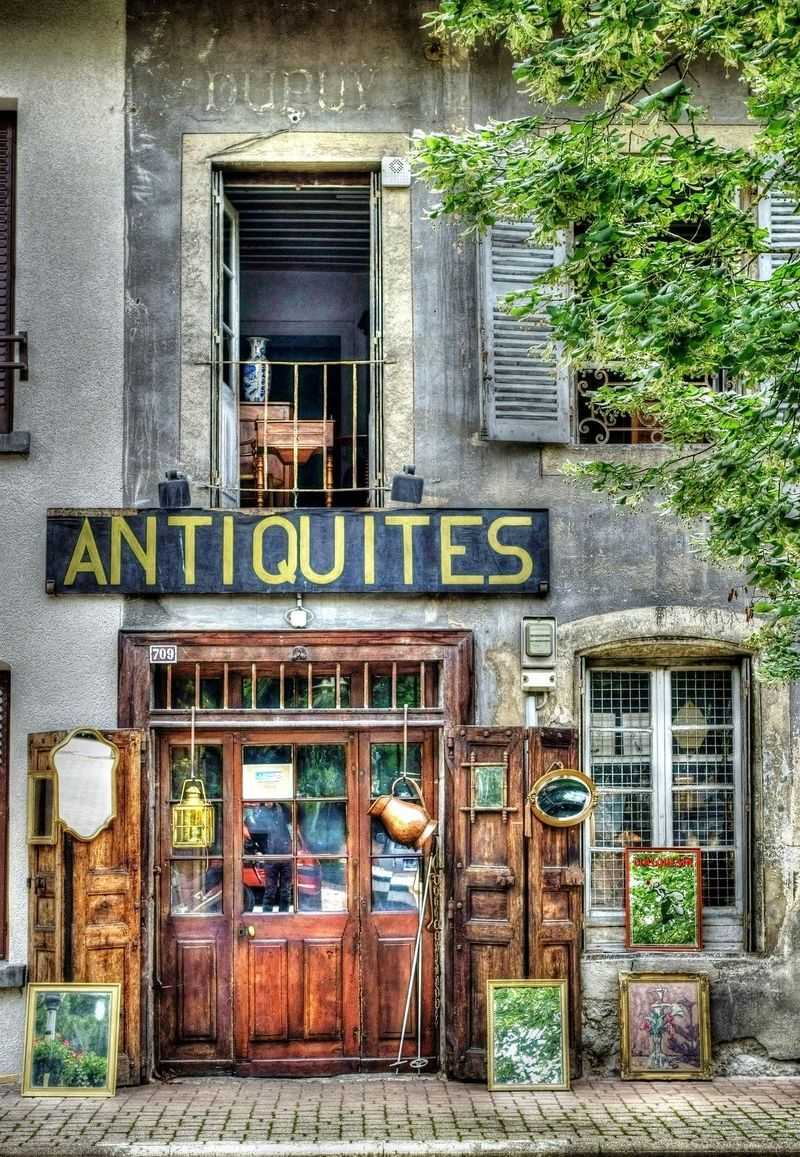
Bright circles of color spinning with birds, flowers, and stars have become must-have pieces for collectors who want folk art with meaning.
Pennsylvania Dutch hex signs were traditionally painted on barns to bring good fortune, and their bold geometric patterns make them stand out on any wall today.
Authentic examples from the 1800s and early 1900s command top prices at auctions, but even mid-century reproductions attract serious buyers.
The symbolism behind each design – hearts for love, tulips for faith, distelfinks for good luck – adds layers of storytelling that modern art sometimes lacks.
Collectors appreciate how these signs bridge rustic charm with graphic punch, fitting equally well in farmhouse kitchens and contemporary lofts.
Condition matters less than authenticity and color vibrancy, so pieces with original paint tend to disappear quickly from estate sales across Lancaster and Berks counties.
Fraktur Drawings And Documents
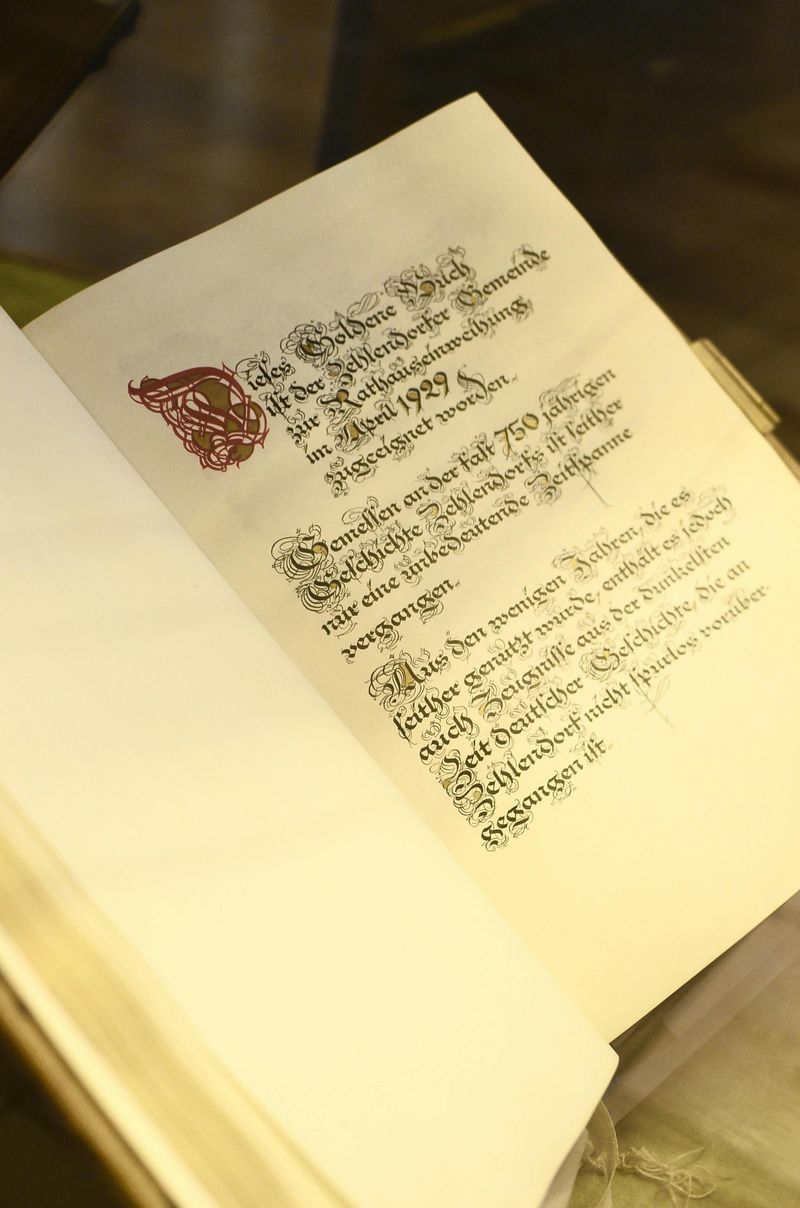
Hand-lettered birth certificates and family records decorated with whimsical birds and blooming vines represent some of Pennsylvania’s most distinctive folk traditions.
Fraktur art combined calligraphy with watercolor illustrations, creating documents that were both functional records and beautiful keepsakes for German immigrant families.
The delicate penmanship and jewel-toned paints used by itinerant schoolmasters and church scribes give each piece one-of-a-kind character.
Collectors study the regional styles – Berks County frakturs often feature different motifs than those from Dauphin County – making provenance research part of the collecting adventure.
Values have climbed steadily as museums and private collectors compete for exceptional examples with vibrant color and intact borders.
Framing these fragile works requires archival materials, but the investment protects pieces that capture Pennsylvania’s multilingual heritage in every carefully formed letter and painted petal.
Shaker Cherry Blanket Chests
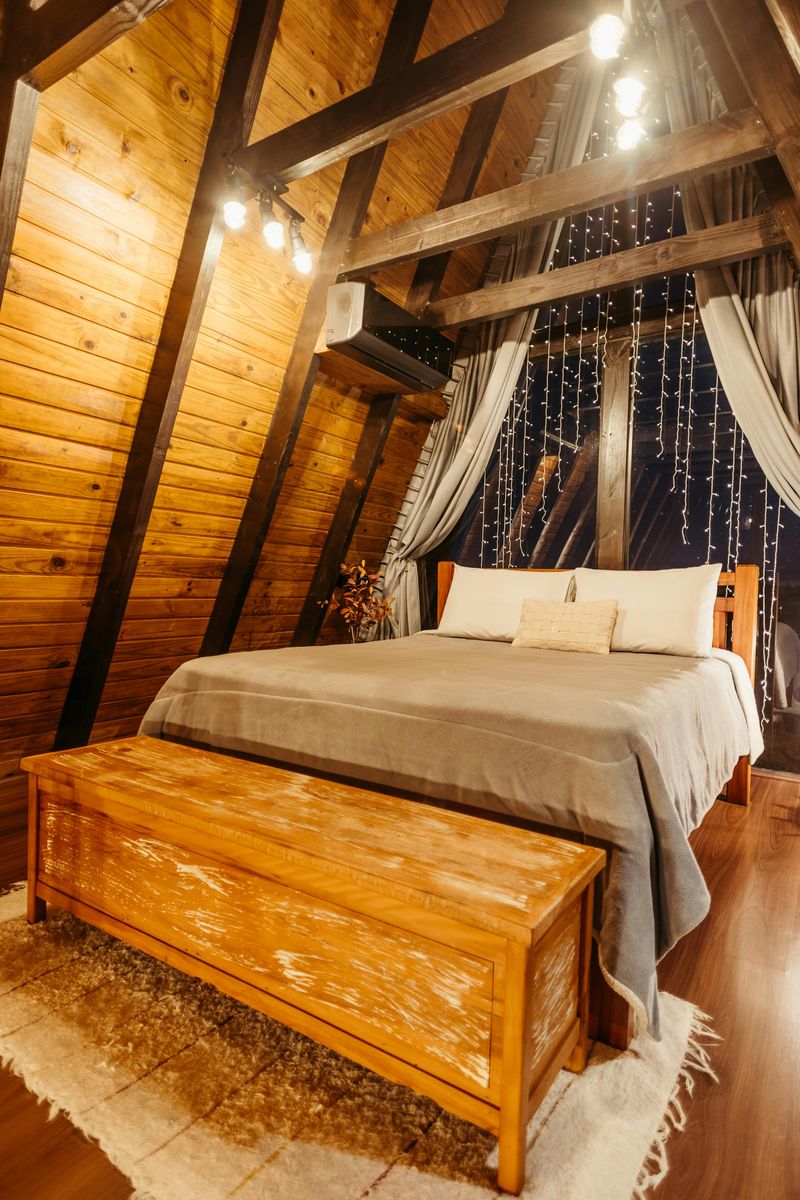
Clean lines and honest construction define these storage treasures that Pennsylvania Shaker communities crafted with devotion to simplicity.
Cherry wood develops a glowing amber patina over decades, and the tight dovetail joints at each corner demonstrate craftsmanship that modern furniture rarely matches.
Collectors run their hands over the silky surfaces, appreciating how form follows function without a single unnecessary detail.
The lift-top design provides generous storage for blankets, quilts, or linens, making these chests as practical today as when they were built in the 1800s.
Figured cherry examples with distinctive grain patterns fetch premium prices, especially when original interior till compartments remain intact.
The Shaker philosophy of “hands to work, hearts to God” shows in every planed surface and hand-cut joint, offering collectors furniture that feels like meditation made solid.
Victorian Walnut Bedroom Sets
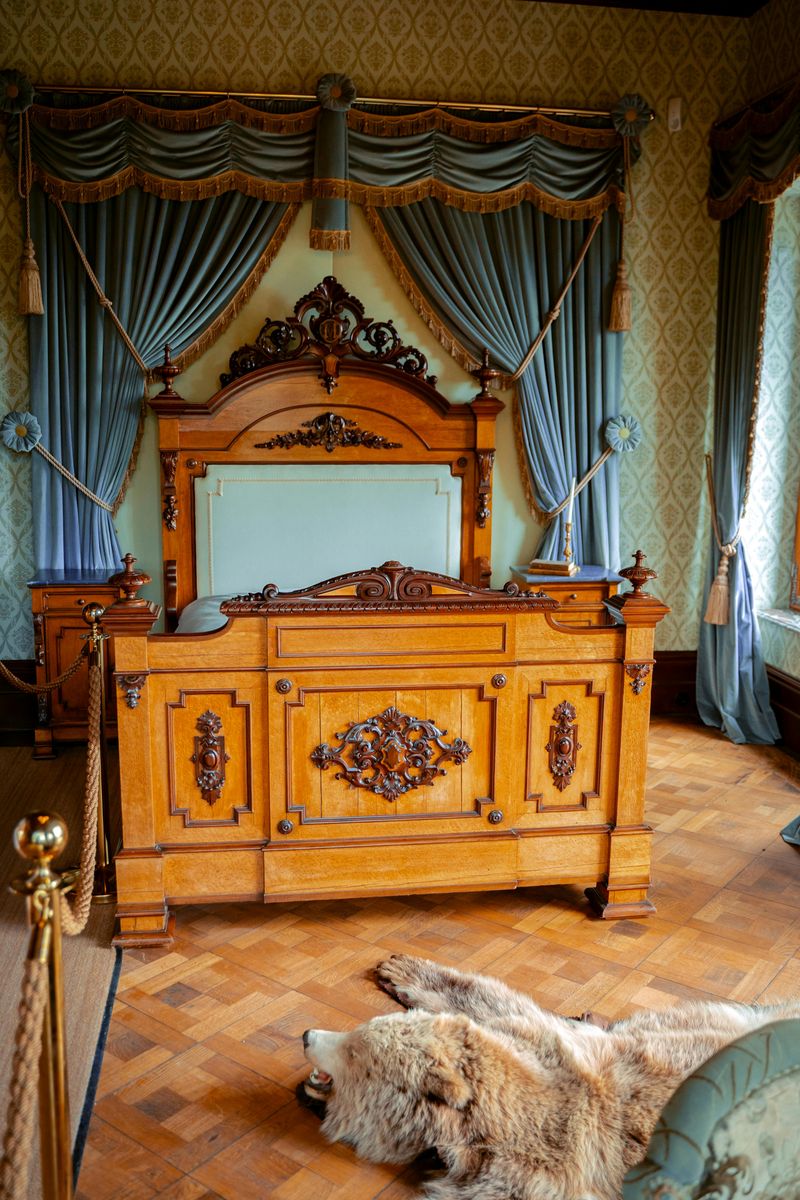
Dramatic carved details and marble accents bring theater-level grandeur to bedrooms, and younger collectors are embracing these statement pieces with fresh enthusiasm.
High-backed beds with carved fruit, flowers, and scrollwork tower over modern mattresses, creating focal points that anchor entire rooms with personality.
Matching dressers topped with white or gray marble slabs offer both beauty and durability, while beveled mirrors in ornate frames reflect light and expand small spaces.
The rich chocolate tones of black walnut contrast beautifully with white linens and colorful quilts, letting collectors play with styling options.
Complete sets including bed, dresser, washstand, and wardrobe are increasingly rare, so collectors often mix and match pieces from different suites.
Restoration can be pricey – regluing joints, refinishing damaged areas – but the investment yields furniture that turns bedrooms into spaces worth lingering in every morning.
Mid-Century Modern Teak Sideboards
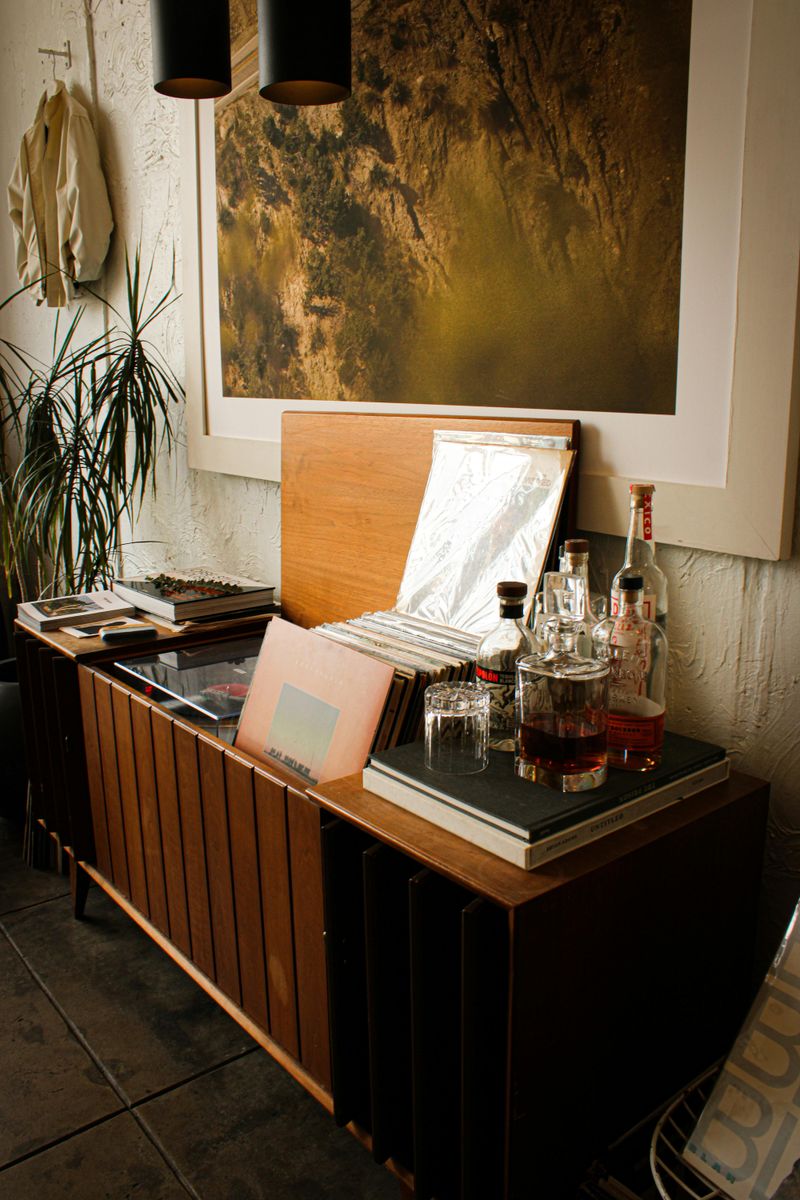
Warm honey tones and sleek silhouettes have made these Danish-inspired pieces the darlings of Pennsylvania’s younger collecting crowd.
Teak sideboards from the 1950s through the 1970s offer generous storage behind sliding doors or tambour fronts, with adjustable shelves perfect for everything from dinnerware to vinyl records.
The grain patterns in quality teak create natural artwork across drawer fronts and door panels, and the wood’s natural oils give it lasting durability.
Tapered legs lift the substantial cases off the floor, creating visual lightness that works beautifully in smaller spaces or open-plan homes.
Collectors seek pieces by Scandinavian designers or American makers like Lane and Bassett who worked in the style, checking for maker’s marks and original hardware.
Condition matters – water rings, veneer damage, and missing pulls hurt value – but pristine examples command impressive prices at Philadelphia and Pittsburgh estate sales.
Redware Pottery And Crocks
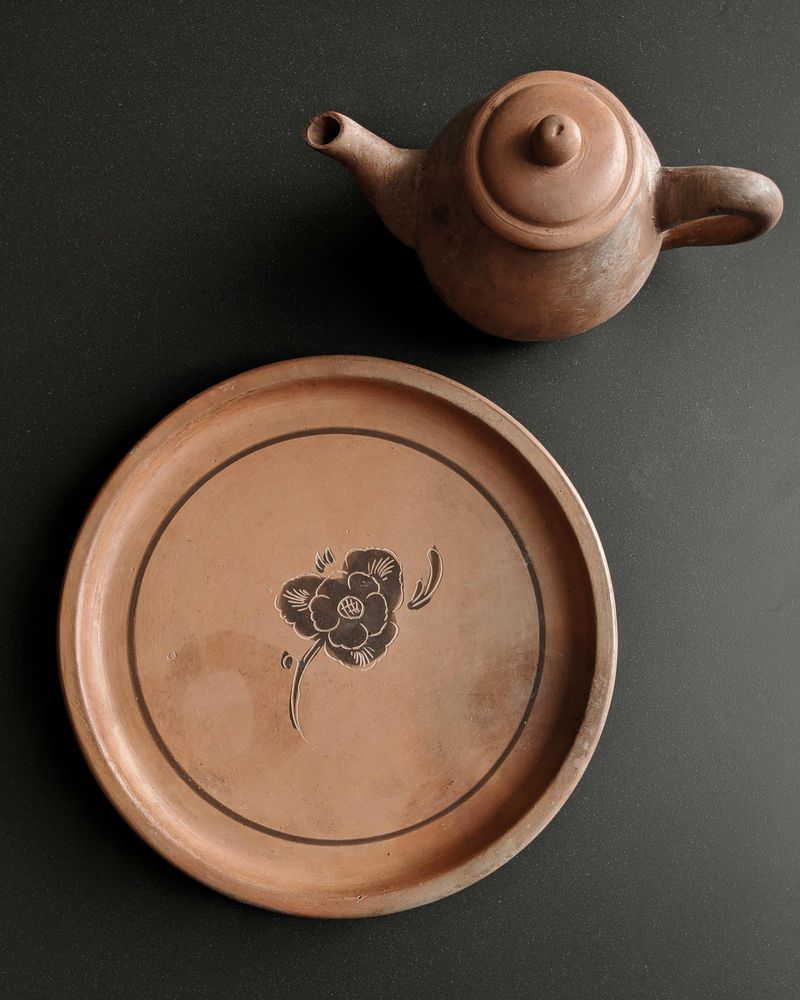
Earthy clay vessels with splashes of green and brown glaze connect collectors to Pennsylvania’s earliest potters who dug clay from local riverbanks.
Redware plates, bowls, crocks, and jugs served everyday needs in colonial and early American households, and their humble origins make them accessible entry points for new collectors.
Sgraffito decoration – designs scratched through slip coating to reveal darker clay beneath – turns simple pie plates into folk art masterpieces.
Birds, tulips, names, and dates appear on special-occasion pieces that potters created for weddings, births, and holidays.
Chips and cracks are common given the soft earthenware body, so collectors learn to accept honest wear as proof of a piece’s working history.
Regional styles vary, with Montgomery County potters favoring different motifs than those working in York or Bucks counties, giving collectors endless variations to study and pursue at antique shows.
Windsor Chairs With Original Paint
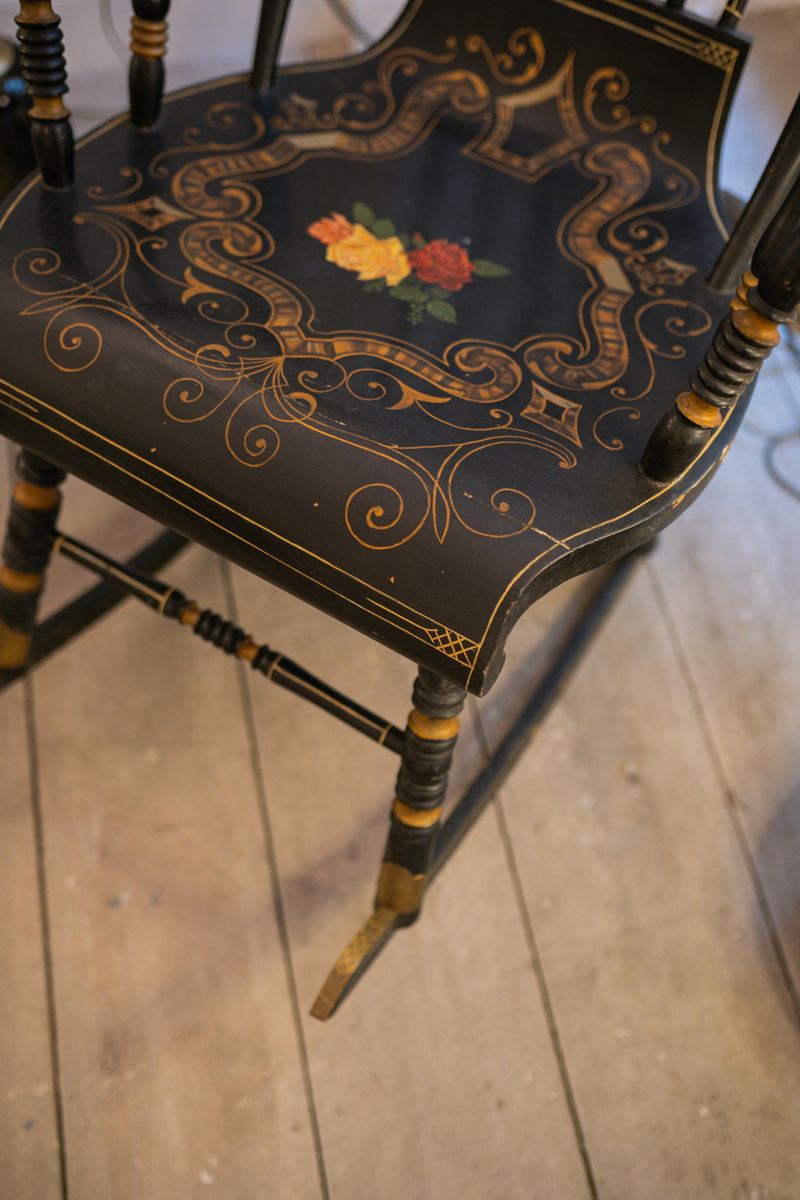
Spindle backs and saddle seats shaped to human bodies have made Windsor chairs comfortable favorites since colonial times, and examples with original paint send collectors into bidding frenzies.
Green, red, black, and mustard paints applied two centuries ago develop crusty surfaces and natural wear patterns that forgers cannot convincingly fake.
The mixed-wood construction – pine seats, hickory spindles, oak legs – allowed chairmakers to choose the best wood for each component’s job.
Bamboo turnings on legs and stretchers add decorative detail to otherwise utilitarian seating, and arm chairs command higher prices than side chairs.
Collectors examine seats for original hand-planing marks and check that spindles fit naturally into drilled holes without modern glues.
Pennsylvania examples often feature heavier proportions than New England chairs, with thicker seats and sturdier legs that reflect regional preferences and available timber.
Stoneware Jugs With Cobalt Decoration
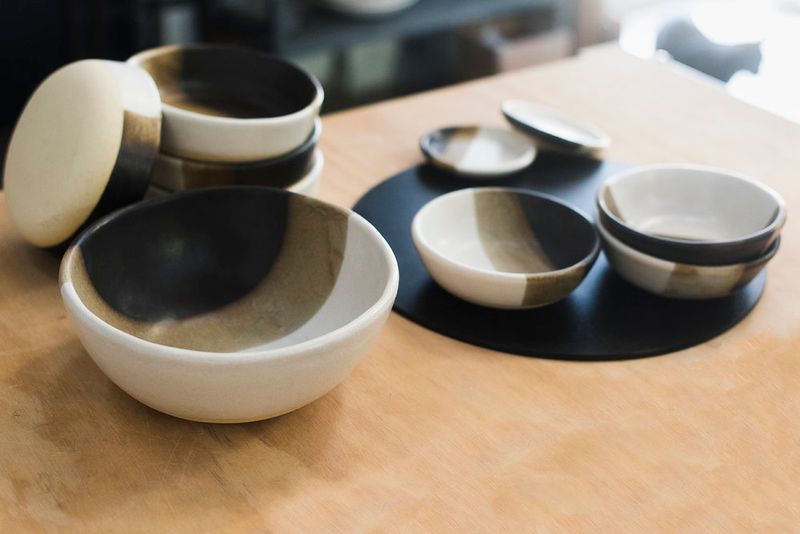
Gray clay bodies splashed with cobalt blue birds, flowers, and swags bring folk charm to kitchen shelves and collector displays alike.
Pennsylvania stoneware potters working in the 1800s created durable vessels for storing everything from whiskey to preserves, decorating their wares with brushed or slip-trailed designs.
The salt-glazing process – throwing salt into hot kilns – created the characteristic orange-peel texture and glassy surface that made these jugs watertight and easy to clean.
Maker’s marks stamped into wet clay help identify pieces from specific potteries in towns like Harrisburg, Pittsburgh, and Phoenixville.
Size matters in collecting, with one-gallon to five-gallon examples being most desirable for display and storage.
Elaborate decoration increases value dramatically, so a simple jug with a maker’s stamp might sell for a few hundred dollars while one featuring a detailed peacock or eagle can command thousands at specialized auctions.
Hoosier Kitchen Cabinets
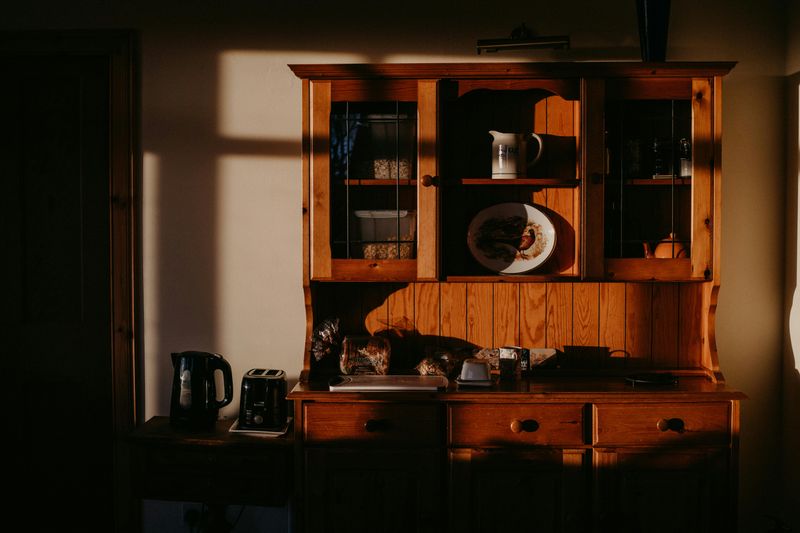
Compact efficiency meets vintage charm in these all-in-one kitchen workstations that grandmother relied on before built-in cabinetry became standard.
Hoosier cabinets pack flour bins, spice racks, pull-out work surfaces, and storage compartments into one freestanding unit that turns any corner into a functional baking center.
The metal or porcelain work surfaces clean easily and provide smooth areas for rolling dough, while glass doors on upper cabinets let cooks spot ingredients at a glance.
Original labels inside flour bins and on spice jars add nostalgic touches that collectors prize, along with porcelain or glass pulls in colors like jade green or white.
Complete examples with all original parts are increasingly scarce, so collectors often restore pieces by sourcing period-appropriate hardware and replacement bins.
The oak or pine construction refinishes beautifully, and the compact footprint fits modern apartments where full pantries don’t exist.
Oak Roll-Top Desks
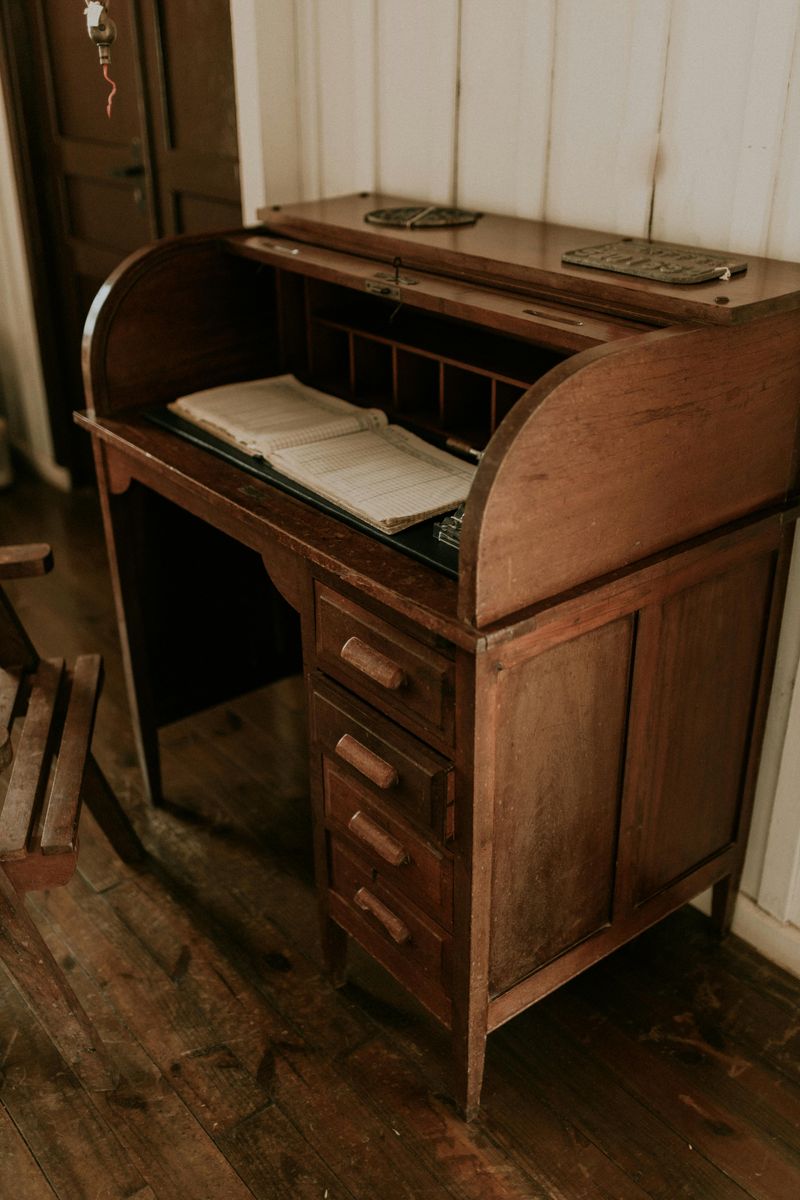
Tambour doors rolling down to hide paperwork and clutter make these desks irresistible to collectors who work from home and crave vintage organization systems.
Quarter-sawn oak construction showcases ray fleck figure across drawer fronts and panels, while dozens of small compartments, cubbies, and drawers organize everything from stamps to charging cables.
The S-curve roll-tops are most coveted, though straight-front versions offer similar functionality with slightly simpler lines.
Interior fittings vary by maker and grade, with better desks featuring carved details, hidden compartments, and intricate gallery tops that display small treasures.
Size can be challenging – these substantial pieces measure four to five feet wide and stand tall enough to dominate small rooms.
Collectors often spend as much on professional moving and placement as on the desk itself, but the investment yields a workspace that makes bill-paying feel like stepping into a period drama.
Carnival Glass Bowls And Vases
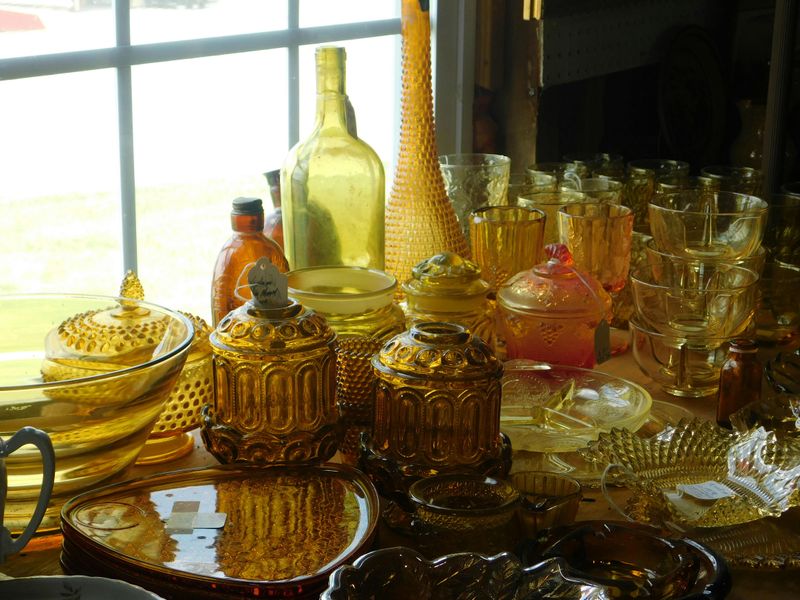
Iridescent surfaces that shift from purple to orange to gold under changing light have made carnival glass a collecting obsession since the pieces were given as fair prizes a century ago.
Pennsylvania glass companies like Fenton and Northwood produced these pressed-glass treasures in dozens of patterns, from grape clusters to peacock feathers.
The metallic luster coating applied to the glass surface creates the signature rainbow effect that collectors call “fire,” with some colors – red, ice blue, aqua – being considerably rarer than common marigold.
Bowls, plates, and water sets in good condition without chips or flakes command steady prices at antique malls and online auctions.
Collectors learn to identify makers through pattern names and base markings, building specialized collections around specific colors or forms.
The affordable entry point – nice pieces start around twenty dollars – makes carnival glass perfect for beginning collectors who want colorful displays without emptying savings accounts.
Coverlets And Woven Textiles
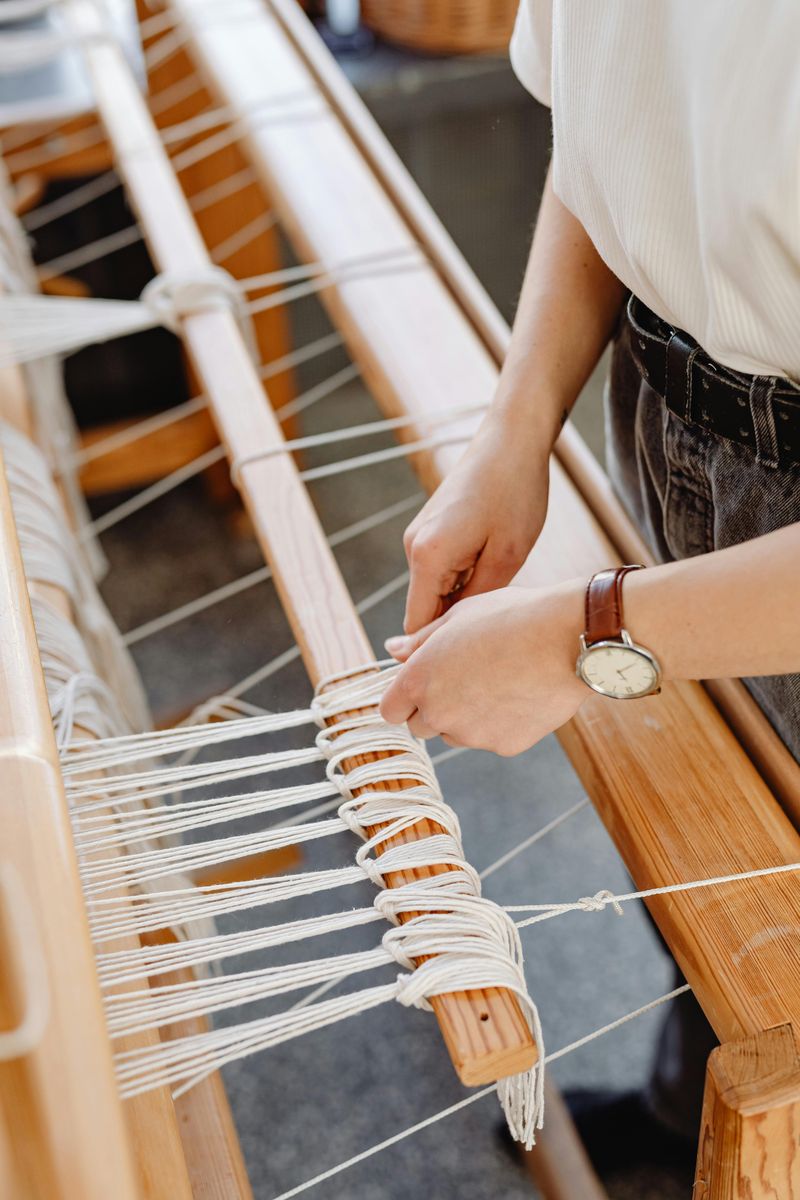
Geometric patterns in indigo, red, and natural cream tell stories of Pennsylvania’s weaving traditions, when itinerant craftsmen traveled with jacquard looms creating custom coverlets for farm families.
Corner blocks often include the weaver’s name, the owner’s name, and the date woven directly into the textile, providing documentation that paper records rarely survive.
Double-weave construction creates reversible designs where colors flip on opposite sides, and the weight of wool or cotton-wool blends provides warmth that synthetic blankets cannot match.
Collectors display these textiles as wall hangings or use them as intended on beds, though sunlight and frequent washing accelerate wear on already-fragile fibers.
Condition challenges include moth damage, stains, and broken warps, so pristine examples command significant premiums over damaged pieces.
The bold graphic quality of coverlet patterns appeals to modern sensibilities, making these textiles surprisingly at home in contemporary interiors that celebrate handcraft and heritage.