The Best Golf Course In Idaho Could Be This Scenic Canyon Favorite In Twin Falls
Most golf courses ask players to stay calm, focused, and respectful.
This one drops them 400 feet into a canyon and expects everyone to keep their Happy Gilmore instincts under control.
Good luck with that.
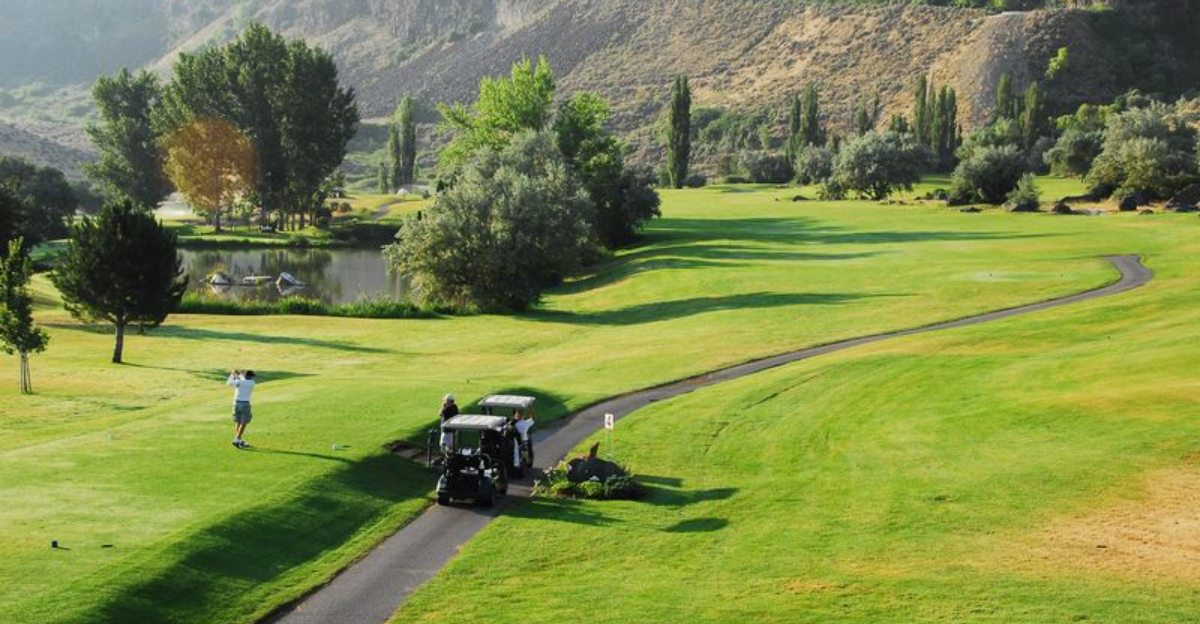
In Twin Falls, Idaho, a round here comes with Snake River Canyon views so dramatic they might make even a missed putt feel cinematic.
The setting does half the trash talk before anyone reaches the first tee.
Cliffs rise around the course, the fairways feel tucked into another world, and every swing comes with scenery that is frankly showing off.
Even golfers who usually blame the wind may need a new excuse here.
The whole place feels welcoming, but not boring.
A beginner can enjoy the views, while a serious player can chase the kind of round that deserves a little victory strut.
Just maybe leave the hockey-style swing at home.
The canyon already brings enough chaos.
The Canyon Setting Makes The First Tee Feel Different
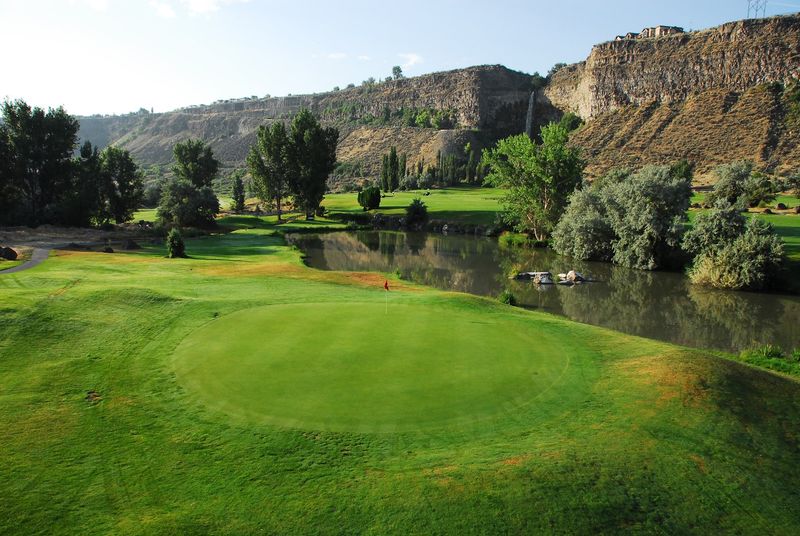
Dropping below the rim changes the mood before the first swing. Canyon Springs Golf Course is at 199 Canyon Springs Road, Twin Falls, ID 83301, and reaching it feels different from pulling into a typical public course beside a subdivision or shopping center.
The road carries visitors into the Snake River Canyon, where the walls rise around the fairways and the setting immediately feels more rugged, protected, and memorable.
The course began as a nine-hole layout in the early 1970s, with Max Mueller associated with the original routing, and later expanded to 18 holes with Bob Baldock connected to the second nine.
That history matters because the layout now feels shaped by decades of working with the canyon instead of fighting it. Opening shots come with rock formations, river air, and a sense that the surroundings are not just decorative.
They are part of the round. Newer golfers can enjoy the beauty without feeling shut out, while experienced players get enough variety to stay engaged.
Twin Falls has plenty of impressive scenery nearby, but starting a golf round below the canyon rim adds a strange thrill. The first tee does not just begin the game. It resets expectations.
Snake River Views Give Every Round Extra Drama
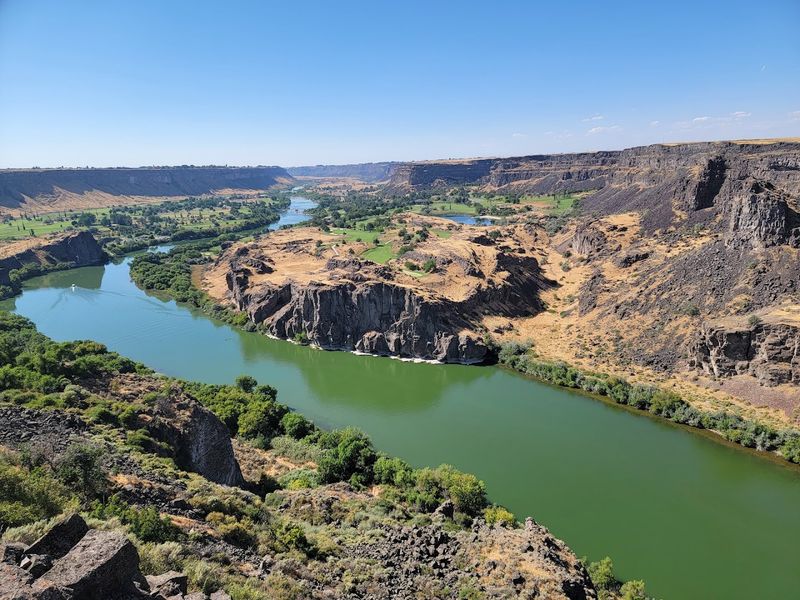
Water changes the way this course feels, especially when the Snake River starts flashing through the canyon light between shots. Several views at Canyon Springs pull the eye toward the river, and that constant presence gives the round a visual rhythm most inland courses cannot match.
A golfer may line up a shot, glance past the fairway, and suddenly remember that the score is not the only reason to be there. The river sits below the canyon rim with a calmness that contrasts beautifully against the hard basalt walls and bright fairways.
Morning rounds can feel cooler and quieter, while late-day light can make the water and cliffs look warmer, deeper, and more dramatic. That changing atmosphere helps repeat visits feel different.
The official course description highlights the Snake River as one of the features that punctuates the experience, along with waterfalls, canyon walls, and the Perrine Bridge. That is not marketing fluff once you are actually on the course.
The setting keeps pulling attention away from pure competition and back toward the landscape. Players still care about the next shot, of course.
They just might pause longer before taking it.
You Feel The Scenery Before The Scorecard Matters
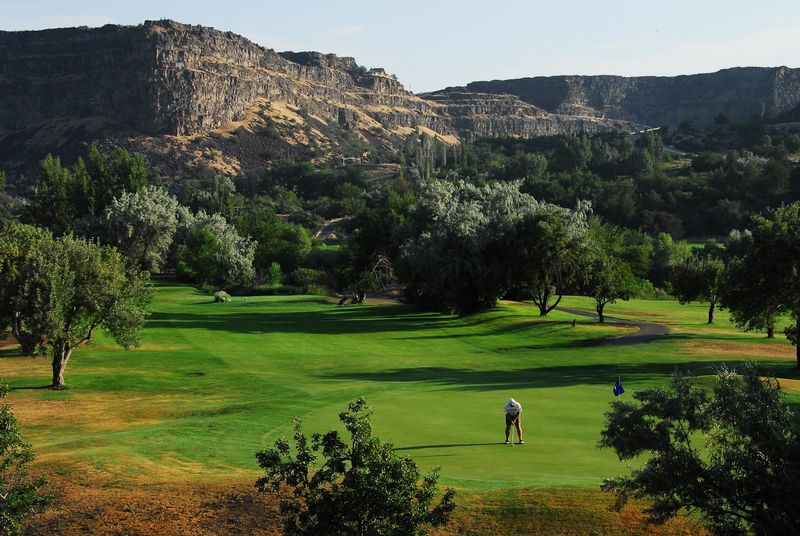
Pressure has a harder time surviving inside a canyon this scenic. Canyon Springs is still golf, which means bad lies, missed putts, and ambitious club choices can absolutely happen, but the setting softens the frustration.
The course challenges players of different skill levels, yet it also gives them enough beauty between shots to keep the day from turning into a personal feud with the scorecard.
Canyon walls, water sounds, wildlife, and open southern Idaho light make the round feel more like an outdoor escape than a strict test of ego.
The official site describes the course as a riverside golf oasis minutes below busy Blue Lakes Boulevard, and that contrast is one of its strongest qualities. Up above, Twin Falls traffic moves through everyday life.
Down here, the round feels tucked into its own pocket of quiet. Early tee times can be especially rewarding because the canyon often feels calmer before the day warms up and traffic picks up near town.
Players who love strategy still get plenty to think about, but casual golfers may enjoy it just as much because the experience never depends entirely on performance. A messy hole fades fast when the next view is waiting.
Perrine Bridge Backdrops Make The Course Hard To Forget
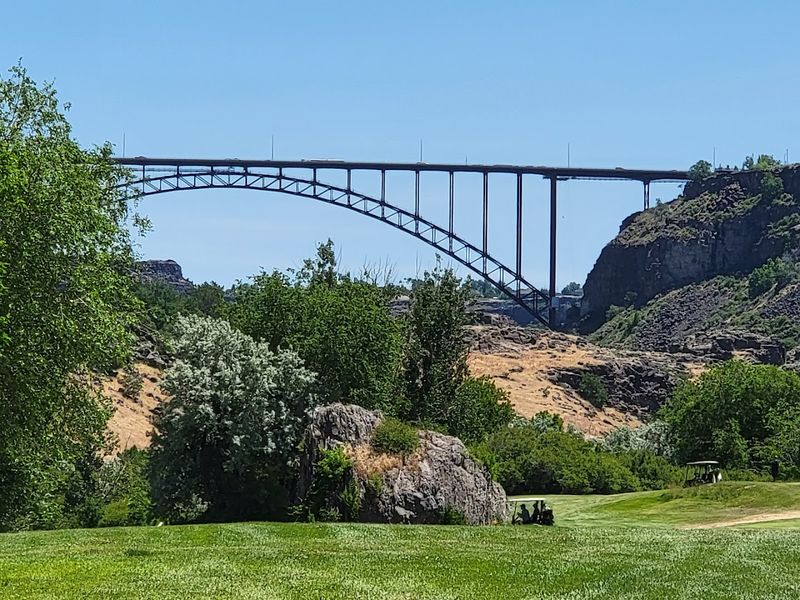
Few public courses get to borrow a landmark as recognizable as the Perrine Bridge. At Canyon Springs, the bridge is not something visitors only see on the drive into Twin Falls.
It becomes part of the visual drama from down inside the Snake River Canyon, carrying U.S. Highway 93 high above the river and fairways.
Looking up at it from the course gives the structure a completely different personality than crossing it by car. The bridge feels massive, suspended, and almost theatrical against the canyon sky.
Its connection to Ira Burton Perrine, the figure credited with founding Twin Falls, adds historical texture to the setting, especially because the course area is tied to land once associated with his estate. That gives a round here a stronger sense of place than a scenic course alone would have.
The Perrine Bridge is also one of the defining symbols of Twin Falls, so seeing it from below while playing golf makes the day feel unmistakably local. Photos rarely capture the full feeling because the scale is hard to explain.
The bridge, the canyon, the river, and the course all stack together in one view, which is exactly why players remember it.
Southern Idaho Gets A Public Course With Serious Views
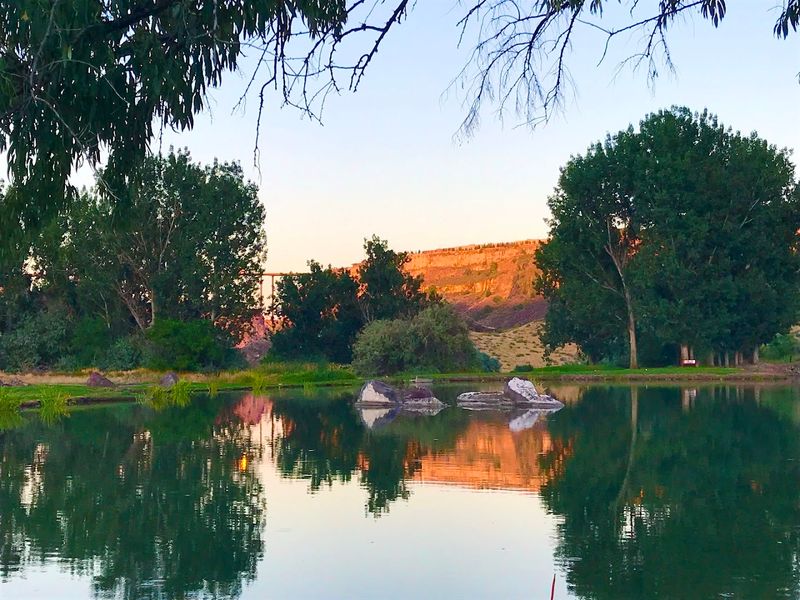
Accessible golf with this much scenery is not always easy to find. Canyon Springs is a public 18-hole course, so the canyon experience is not locked behind a private-club gate or resort-only setting.
That matters for travelers, local players, newer golfers, and families who want a memorable round without needing membership status to get near the first tee.
The course has daily fees, a pro shop, practice areas, lessons, rentals, and tee-time booking information available through its site, giving visitors practical ways to plan ahead.
Green fees can vary by season, day, and number of holes, so checking current rates before going is the safest move. What separates Canyon Springs from many public courses is that the scenery does not feel like a bonus feature sprinkled around the edges.
It is present throughout the round. Canyon walls, the Snake River, waterfalls, and the Perrine Bridge create a setting that would draw visitors even without golf clubs involved.
The fact that golfers can actually play through it makes the experience feel unusually generous. Southern Idaho has scenic overlooks, trails, waterfalls, and canyon viewpoints, but this course lets people spend several hours inside that landscape instead of only stopping for a quick photo.
The Canyon Microclimate Gives Golfers A Longer Season

Location does more than create views here. It also helps stretch the golf calendar.
Canyon Springs notes that the microclimate inside the canyon allows the course to stay open year-round, with only some weather-dependent winter closures. For Idaho golfers used to watching courses shut down under snow, frost, or hard winter conditions, that can feel like a small miracle.
Sitting below the surrounding terrain gives the course a different weather personality from the exposed areas above, though players should still check current conditions before making the drive.
Winter, early spring, and shoulder-season rounds can be especially appealing because crowds may be lighter and the canyon can feel quieter.
Layers are still smart, because temperatures can shift and shady sections may feel cooler than expected. Wind can also move strangely through canyon spaces, adding a little extra strategy to club choice.
The longer season makes Canyon Springs useful for locals who want to keep swinging and travelers who happen to pass through outside peak summer. A course this scenic would be special even with a short season.
The fact that it often remains playable far beyond what visitors expect makes it even more valuable to southern Idaho golfers.
Waterfalls And Canyon Walls Turn The Round Into A Detour
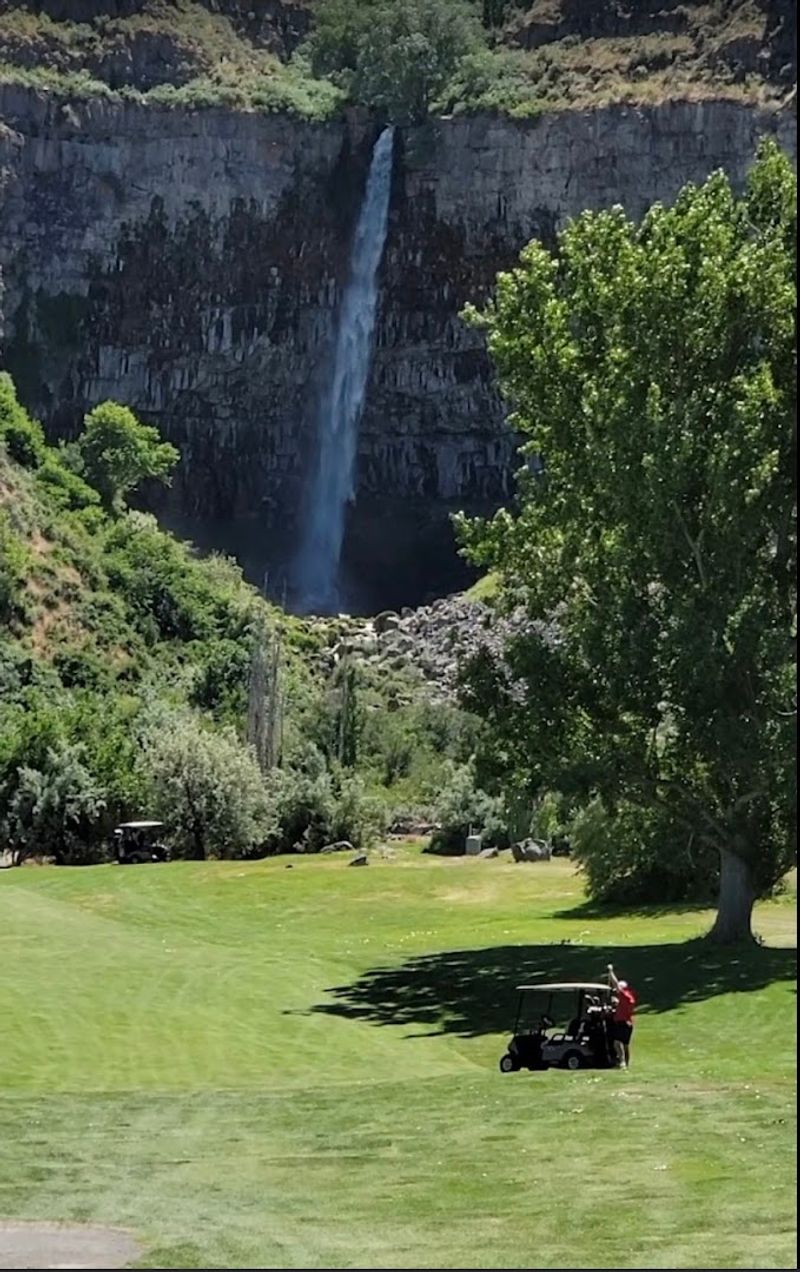
Natural features keep interrupting the game in the best possible way.
Canyon Springs Golf Course features waterfalls, canyon walls, the Snake River, and views of the Perrine Bridge that shape its layout. These natural elements give the course a distinctive feel compared to a standard public design.
A waterfall backdrop can make club selection suddenly seem less urgent. Basalt walls can frame a fairway so dramatically that even a routine approach shot feels staged.
The canyon changes color as the day moves, going from cooler shadows to warmer tones when the sun begins dropping lower. That visual shift gives the course a different feel depending on when a player books a tee time.
Golfers who love photography should keep the phone handy, though not at the expense of pace of play. The scenery is constant enough that it becomes part of the rhythm: hit, ride, pause, look up, repeat.
Canyon Springs works because the design does not need to manufacture drama with gimmicks. The land already has drama built into it.
Water, rock, elevation, and light turn the round into a scenic detour even for people who came mostly to play.
This Twin Falls Favorite Makes Golf Feel Like A Road Trip
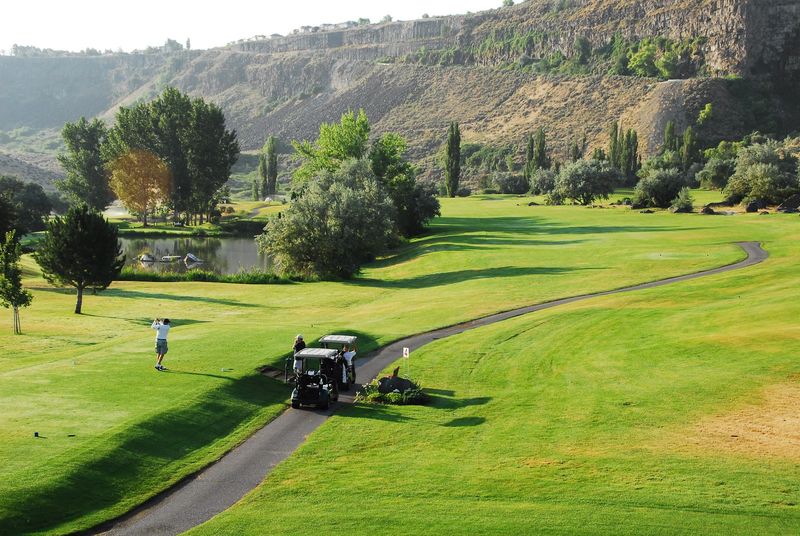
Some courses feel local until you play them, then they start feeling like a destination. Canyon Springs has that quality because it combines easy public access, a memorable Twin Falls setting, and enough natural drama to make out-of-town golfers talk about it afterward.
Travelers already visiting Shoshone Falls, the Snake River Canyon, the Perrine Bridge, or downtown Twin Falls can build a round into the trip without needing to leave the region’s main attractions behind.
The course is only minutes from busy parts of town, yet it feels removed once players drop into the canyon.
That contrast makes it especially appealing for road-trip golfers. A tee time here can become the anchor of a southern Idaho stop rather than just something squeezed between sightseeing plans.
Locals benefit too, because having a public course this distinctive nearby gives everyday rounds a little more personality.
The best visits leave enough time before or after golf to explore the canyon rim, grab food in Twin Falls, or simply revisit the bridge from above after seeing it from below.
Canyon Springs proves that Idaho golf does not need ocean cliffs or desert resorts to feel travel-worthy. A canyon will do just fine.