9 Of The Best Places To Swim In Idaho Before Summer Ends
Warm afternoons are already starting to feel borrowed.
That makes Idaho’s best swimming spots a little harder to ignore.
A cold plunge feels different when summer is clearly packing its bags, especially in places where the water stays clear and the surrounding landscape does half the work. Some swimming holes feel social and lively.
Others are better for stretching out the day and pretending September is not waiting around the corner.
The trick is going before the weather changes its mind.
These Idaho destinations are still worth squeezing into the season, whether the plan is a quick dip or a full afternoon near the water.
Bring the towel.
Summer is on the clock.
9. North Beach At Bear Lake State Park, St. Charles
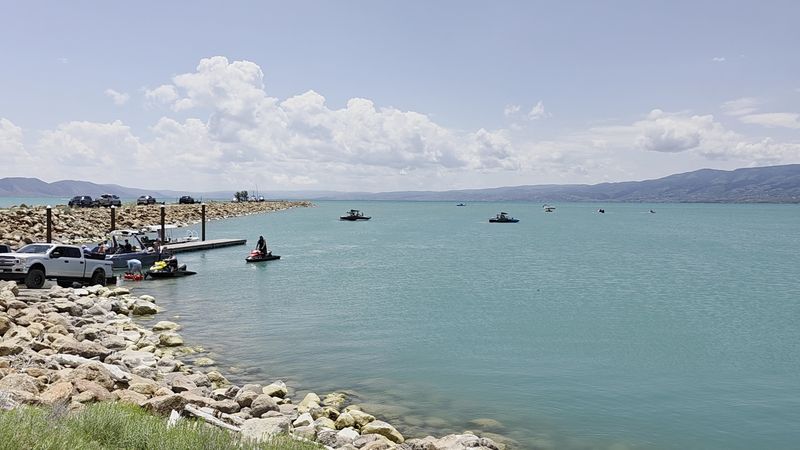
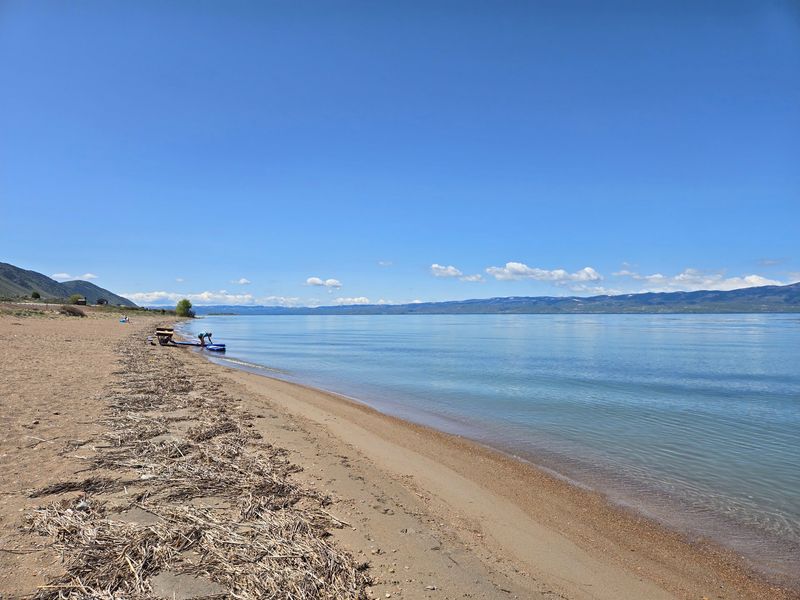
Soft sand stretches for more than a mile here, and the water glows a shade of blue-green that has earned Bear Lake the nickname Caribbean of the Rockies.
North Beach sits at the northern end of Bear Lake near St. Charles, where the lake bottom slopes gradually into a broad shallow swimming area.
Restrooms, shaded picnic tables, and a life jacket loaner station make a full beach day simple to plan. Two boat ramps serve the area, so kayaks, paddleboards, and motorized craft all launch from the same stretch of shore.
The park regularly reaches capacity during warm weather, which tells you plenty about how much people love it. Arriving early in the morning gives you a better parking spot and a quieter patch of sand for your blanket.
Bring shade of your own, since natural cover is limited and the sun bounces hard off both the sand and the water.
Late summer often brings the warmest lake temperatures of the year, making North Beach at Bear Lake State Park a smart final swim before the season closes.
8. Redfish Lake, Stanley
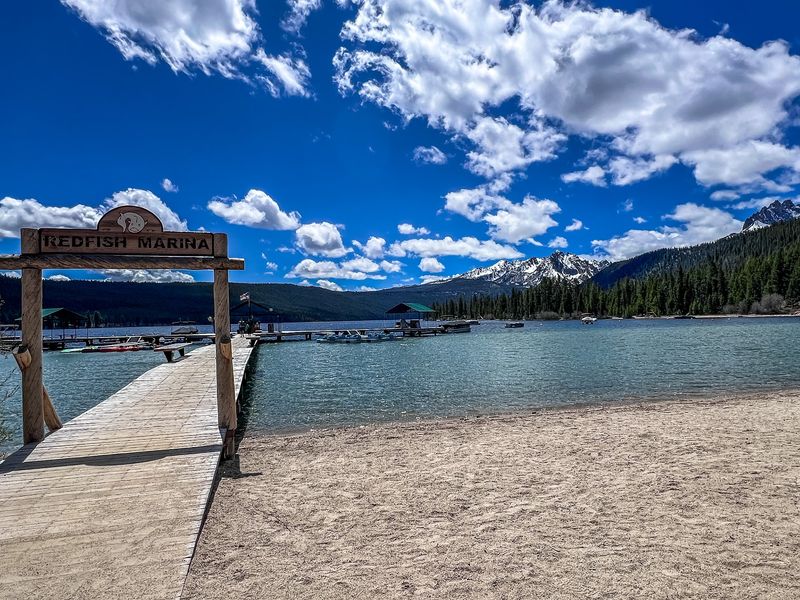
Picture jagged granite spires rising straight out of the water while you float on your back. The Sawtooth Mountains form the backdrop at Redfish Lake near Stanley, and there is a good argument that no swimming hole in the state has a better view.
Several beaches spread around the lake, so you can pick between busy and peaceful. Near Redfish Lake Lodge you will find a marina, sitting areas, and an outdoor grill restaurant serving burgers and other easy lakeside plates.
The North Shore Picnic Area offers a calmer choice, with a sandy beach and picnic tables set under the pines. That corner tends to stay quieter, which makes it a nice pick for reading, napping, or watching osprey circle overhead.
Fair warning about the temperature: this is snowmelt-fed alpine water, so the first few seconds sting. Swimmers usually adjust quickly, and the payoff is water clear enough to see your toes on the bottom.
Rent a kayak or paddleboard, then cool off between paddles. Combining a swim with a boat ride is the classic way to spend an afternoon at Redfish Lake.
7. Beaver Bay Beach At Farragut State Park, Athol
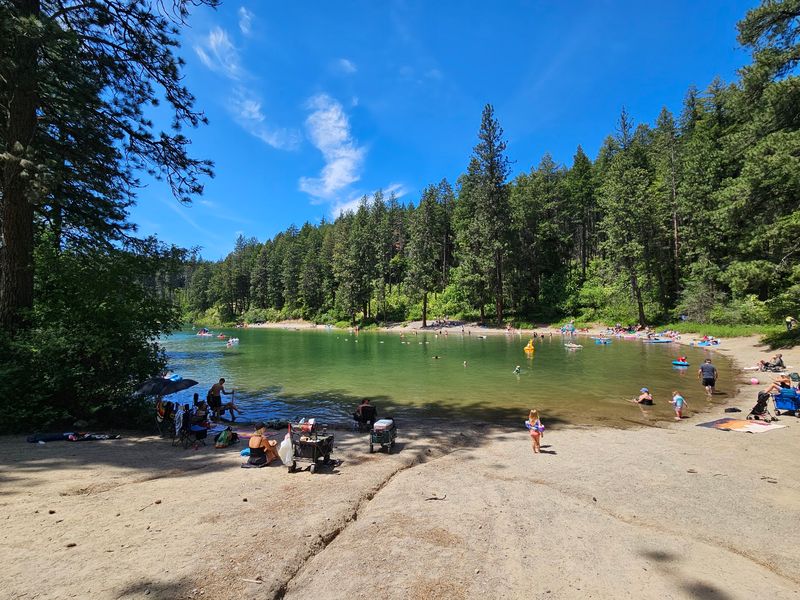
A curved horseshoe of sand hugs the shoreline at Beaver Bay, and the shape of that little cove does something helpful. Because the bay is sheltered, the water warms up noticeably more than the rest of enormous Lake Pend Oreille as summer moves along.
Farragut State Park sits near Athol in the northern part of the state, wrapped in thick forest and rolling hills. Idaho State Parks specifically recommends Beaver Bay when visitors ask where to swim, which is a strong endorsement for a lake this large.
The beach feels tidy and welcoming, with room to set up chairs and watch boats drift past in the distance. Pines grow close enough to the sand to offer patches of shade, a real bonus on bright afternoons.
Plan to explore after you dry off. The park covers thousands of acres with trails, open meadows, and a fascinating history as a former naval training station during World War II.
For late-season swimmers wanting warmer water without leaving the north, Beaver Bay Beach delivers a comfortable, scenic dip.
6. Priest Lake State Park, Coolin
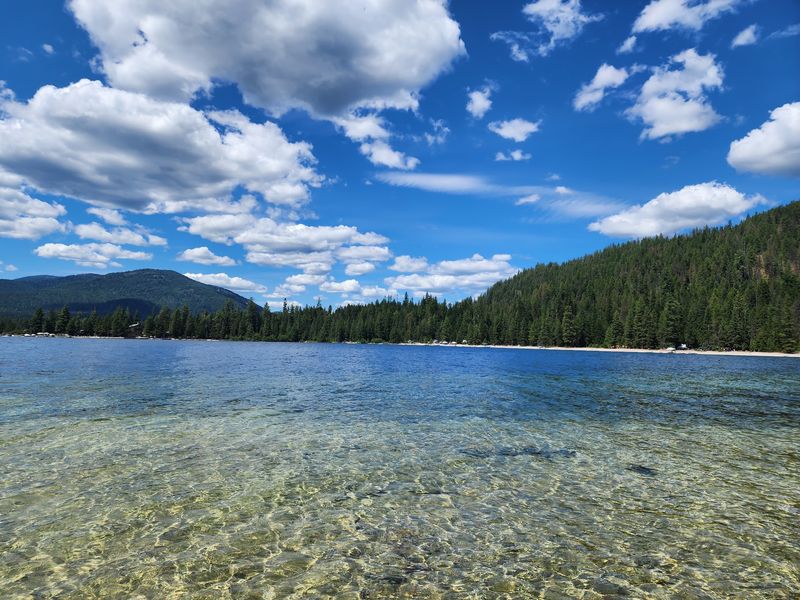
Water clarity is the headline up here. Priest Lake, north of Coolin in the far northern panhandle, runs so clear that the sandy bottom stays visible well past wading depth, with the Selkirk Mountains standing guard in the distance.
The park keeps a designated swimming beach, which takes the guesswork out of finding a safe entry point. Boats stay clear of the marked area, so families can relax while kids paddle around in the shallows.
Indian Creek Unit acts as the park’s main hub, featuring a broad beach plus grills, picnic tables, and organized summer programs. Cedar and pine forest presses close to the water, filling the air with a clean, resinous scent after a warm afternoon.
Hiking trails climb to viewpoints where the lake spreads out below like a sheet of glass. Boating and paddling round out the day for anyone who wants more than shoreline time.
Swimming and day use continue into late summer, when crowds thin and the water holds its heat. Few places reward a spontaneous road trip quite like Priest Lake State Park.
Indian Creek offers picnic areas and swimming access, but current Stage 2 restrictions prohibit campfires and charcoal fires, so visitors should check park rules before planning a cookout.
5. Sandy Point At Lucky Peak State Park, Boise
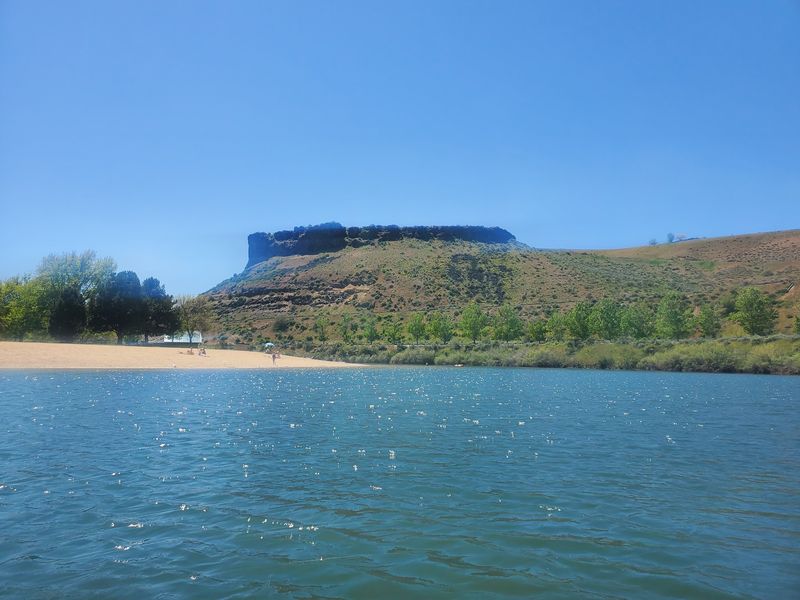
Twenty minutes from downtown Boise, a small beach sits at the base of a tall dam and does the heavy lifting for the whole Treasure Valley. Sandy Point, part of Lucky Peak State Park, pairs a genuine sand beach with a clearly marked swimming area.
Convenience is the main draw. Picnic pavilions, grills, and outdoor showers mean you can arrive after work, cool off, cook dinner, and rinse the sand off before heading home.
Water released from the reservoir keeps things brisk, which feels wonderful when valley temperatures climb into the nineties. The rope line marking the swim zone gives newer swimmers a clear boundary to stay inside.
Foothills the color of wheat rise around the water, a dry landscape that makes the green lawns and lagoon look even more inviting. Bring a blanket and claim your grass early on weekends, because this beach draws steady crowds.
The park units welcome visitors from sunrise to sunset through the warm months. When the calendar says summer is nearly finished, Sandy Point remains the easiest quick swim near the capital.
4. Payette Lake At Ponderosa State Park, McCall
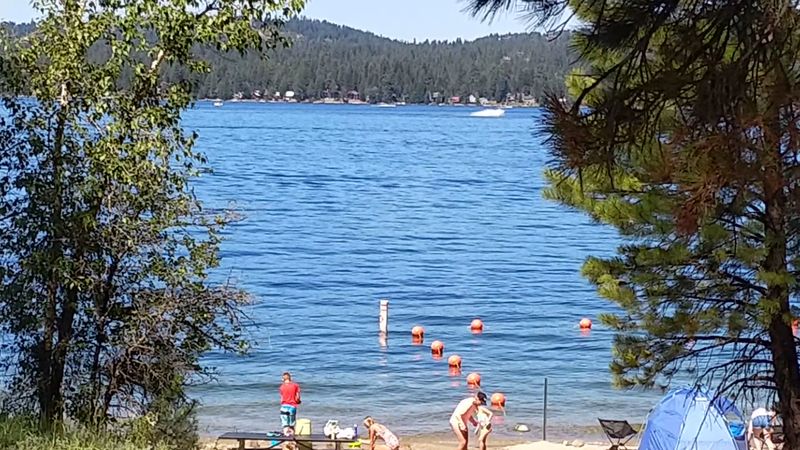
Massive ponderosa pines with bark like puzzle pieces line the peninsula that stretches into Payette Lake. Ponderosa State Park near McCall uses that forested finger of land to give swimmers shoreline access with mountain scenery in every direction.
Swimming sits among the park’s officially listed activities, and the lake water tends to be clean, cold, and wonderfully clear. Shorelines vary from small sandy pockets to smooth rock ledges, so it pays to walk a bit and find a spot that suits your group.
The scent of warm pine needles hangs over the trails, and squirrels chatter overhead while you walk toward the water. Wildlife viewing here is genuinely rewarding, with deer, ospreys, and the occasional bald eagle making appearances.
McCall itself is a short drive away, handy for ice cream cones and lakefront strolls once your towel is damp. Many visitors combine a morning swim with an afternoon hike to Osprey Point for a wide view of the water.
Cool nights arrive early at this elevation, so Payette Lake at Ponderosa State Park deserves a spot on your list soon.
3. Lake Cascade State Park, Cascade
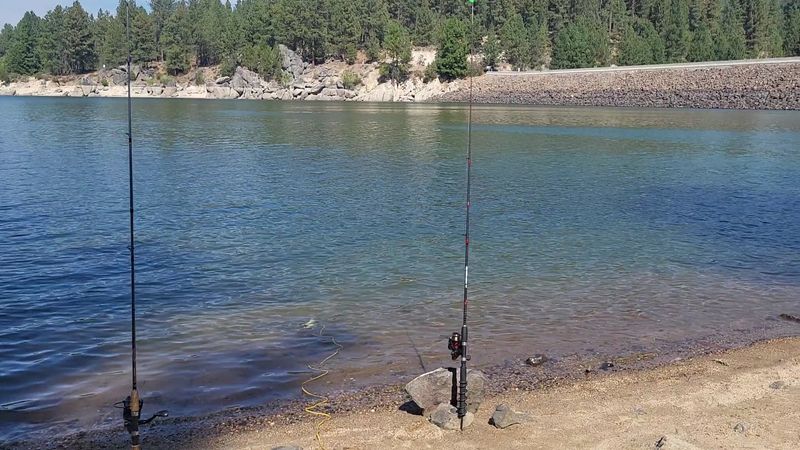
Eighty-six miles of shoreline is a lot of room to spread out. Lake Cascade State Park, along the reservoir at Cascade, gives swimmers so many access points that finding an uncrowded stretch is usually a matter of driving another mile or two.
Swimming counts as an official park activity, and summer 2026 updates confirm the park and most seasonal facilities are running normally. Wide open water means breezes pick up in the afternoon, so morning swims tend to be the calmest.
Paddleboarding, kayaking, and boating all thrive here, with the North Fork Mountain Range framing the horizon. Watching sunset color spill across that skyline from a towel on the shore is a quiet highlight.
Hundreds of campsites range from primitive spots to fully serviced sites, and many look straight out at the water. Booking a night or two turns a swim into a proper weekend.
Pack water shoes, since some shoreline areas are pebbly rather than sandy. With space, scenery, and easy access from Boise or McCall, Lake Cascade State Park suits both quick stops and long, lazy days.
2. Dworshak State Park, Lenore
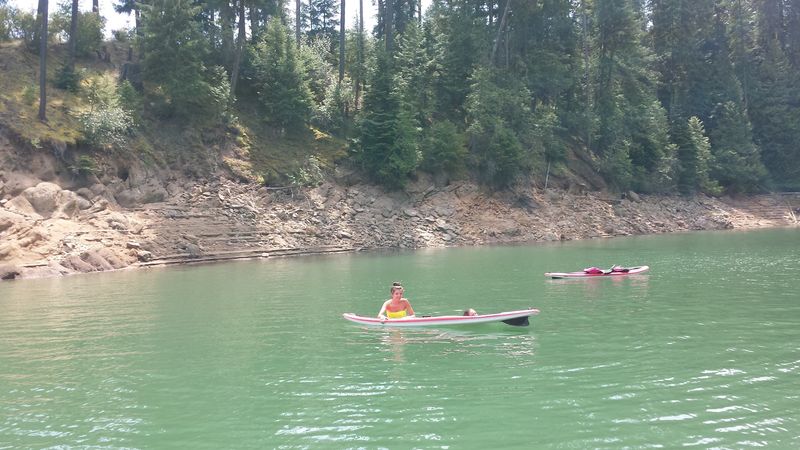
Steep timbered hillsides drop right down to the water in Clearwater County, giving this reservoir a deep, sheltered feel. Dworshak State Park spreads along the shore near Lenore, where wooded slopes meet quiet coves that invite a long, unhurried swim.
Idaho State Parks lists swimming as one of the primary recreation options, and park information was updated in May 2026. Paddling and picnicking round out the offerings, with tables set among the trees for shady lunches.
Because the reservoir sits in a canyon, the water often looks glassy in the morning before boats stir it up. Reflections of dark green forest on the surface make for excellent photos from the shoreline.
The setting rewards patient visitors. Osprey dive for fish, deer wander through campground edges at dusk, and the general pace here feels slower than at the state’s busiest beaches.
Water levels fluctuate on a reservoir, so check conditions before planning your entry point. For travelers exploring the north central region, Dworshak State Park offers a peaceful, forest-framed swim well away from crowds.
1. Bruneau Dunes State Park, Bruneau
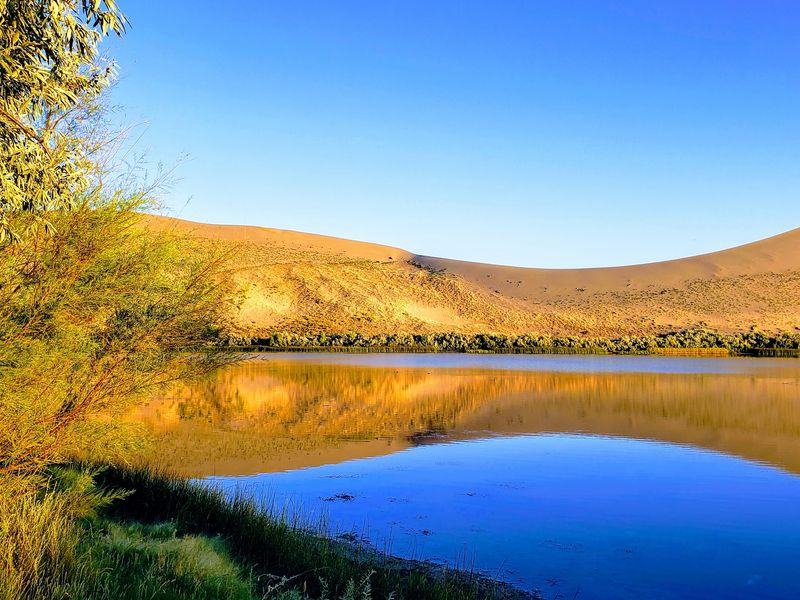
Nowhere else on this list looks quite like it. Bruneau Dunes State Park, in the desert country near Bruneau, holds two lakes resting at the foot of North America’s tallest single-structured sand dune.
Swimming is explicitly allowed in both lakes, which surprises first-time visitors expecting only sand and sagebrush. The water is shallow, warm, and rimmed with reeds, so entering feels more like stepping into a pond than a mountain lake.
There are no lifeguards, meaning this outing calls for extra caution and confident swimmers. Wear water shoes, watch your footing on the soft bottom, and keep a close eye on children.
Climbing the dunes afterward is the traditional reward, though sand gets blazing hot by midday, so early or late attempts work best. Sliding back down beats the climb every time.
After dark, the park’s public observatory opens the sky for stargazing, and the desert air is remarkably clear. Open year-round for day use and camping, Bruneau Dunes State Park turns a simple swim into an adventure you will describe for years.
Disclaimer: Swimming conditions can change quickly, especially near the end of summer. Water levels may rise or fall, and park access can also change without much notice.
Information in this article is intended for general travel inspiration and may not reflect conditions on the exact day you visit. Before leaving home, check the official website for the park or managing agency for current rules and advisories.
Natural swimming areas can present hazards that are not always easy to see from shore. Water may be much colder than expected, and some areas may become deep very quickly.
Rocks or submerged objects may also affect safe entry. Many locations do not have lifeguards, so visitors should judge conditions carefully before swimming.
Always follow posted signs and use designated swimming areas where available. Avoid entering the water when conditions appear unsafe.
Children should remain under close supervision near the water, while less experienced swimmers should use extra caution.
A properly fitted life jacket may be appropriate in deeper water or when using watercraft. Water shoes can also help on rocky shorelines.
Conditions vary by location and by day, so never rely on this article alone when making safety decisions around the water.