The Best San Francisco, California Beach For A Long Walk Through Cold Summer Fog
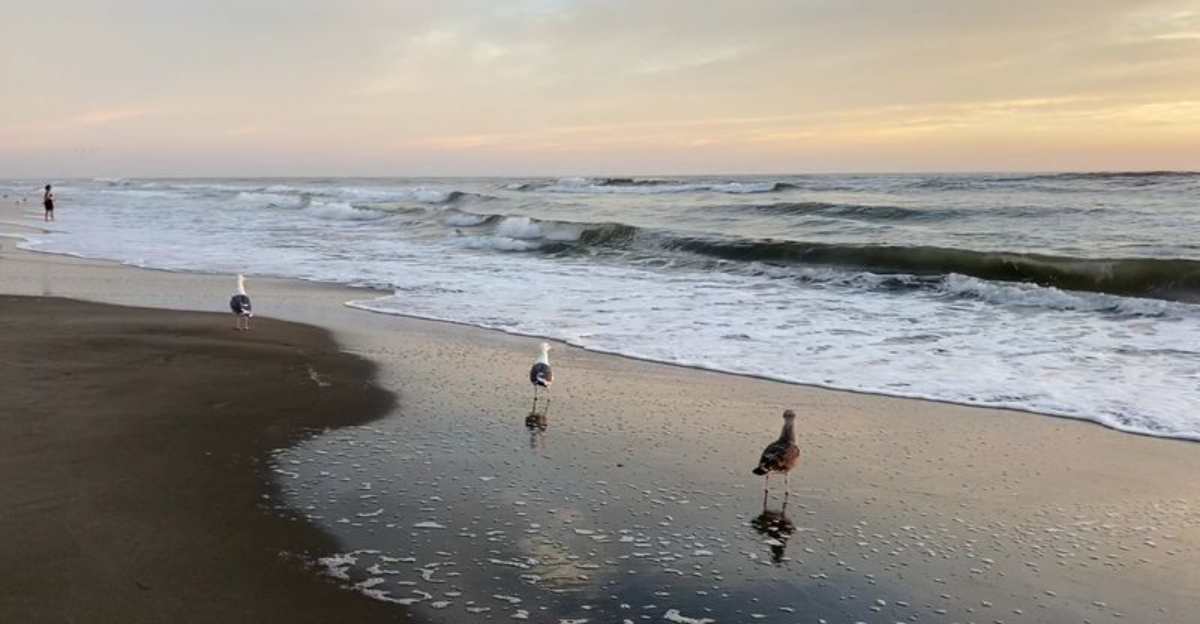
Summer does not always arrive the way people expect.
Instead of blazing sunshine and warm sand, the shoreline can greet visitors with rolling fog and waves that seem to disappear into a soft gray horizon.
It is a different kind of beach day – one made for walking instead of sunbathing.
Few places around California embrace the moody atmosphere quite like this stretch of coast.
The changing weather becomes part of the experience rather than something to escape.
One moment the ocean is barely visible. The next, the clouds begin lifting just enough to reveal crashing surf and a shoreline that seems to stretch forever.
Bring an extra layer, settle into an unhurried pace, and let the cool breeze do what summer rarely gets credit for: turning an ordinary walk into something unexpectedly memorable.
The Beach Stretches For 3.5 Miles
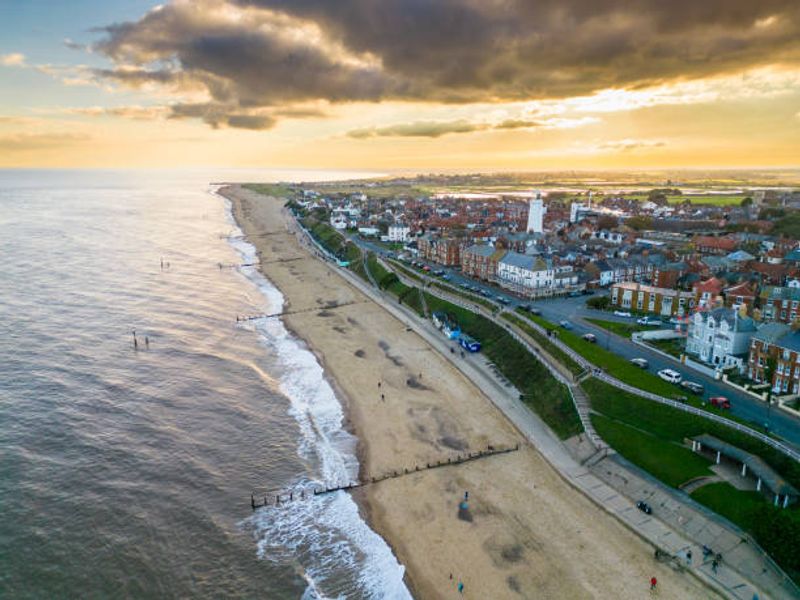
Few urban beaches in the United States can match the sheer length of Ocean Beach in San Francisco, California.
Running approximately 3.5 miles along the city’s western edge, the shoreline offers enough space for a genuine long-distance walk without ever feeling like the same stretch twice.
The scenery shifts gradually as the dunes change height and the surf patterns vary from one section to the next.
Starting from the northern end near the Cliff House area and walking south toward Fort Funston, walkers cover a meaningful distance without leaving the city limits.
The wide, flat expanse of sand stays firm and walkable closer to the waterline, especially after the tide recedes.
Comfortable footwear matters here since the soft, dry sand higher up on the beach can slow a pace considerably.
On quieter weekday mornings, the beach tends to feel almost private despite its urban setting.
The combination of length and relative openness makes it a practical destination for anyone who wants a real outdoor walk rather than a short stroll.
Summer Fog Creates The Perfect Walking Weather
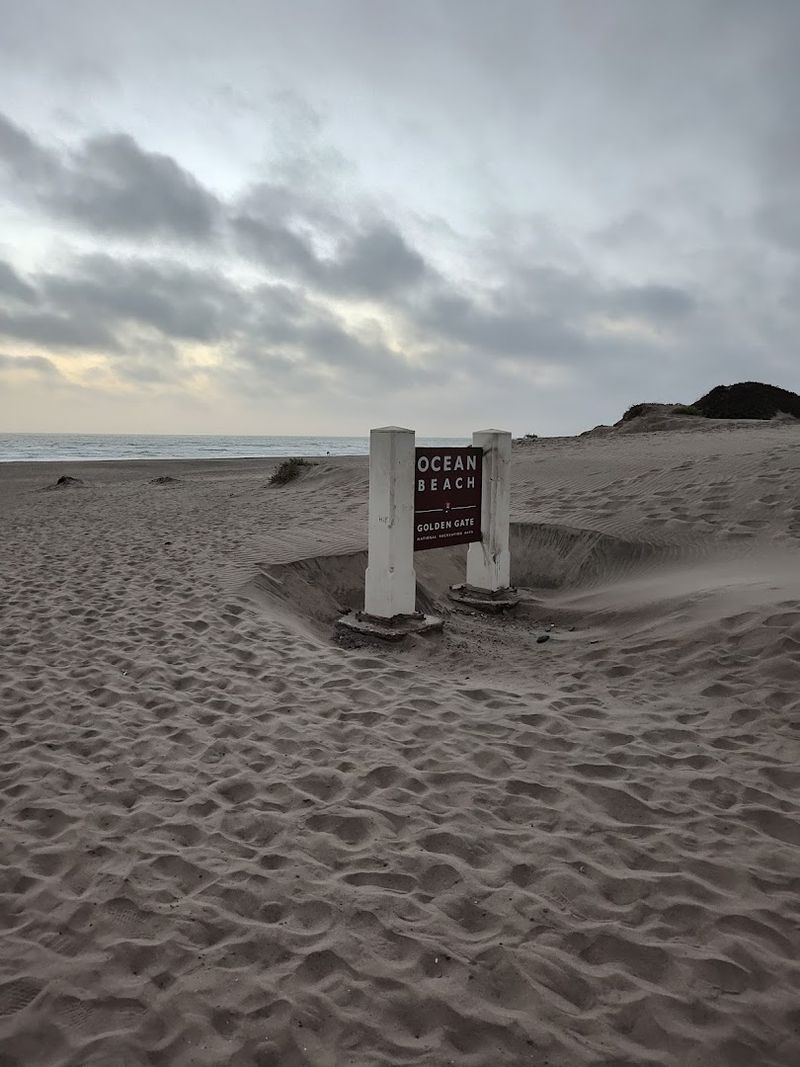
Karl the Fog, as San Francisco locals affectionately call the marine layer, earns its reputation most dramatically along the western waterfront.
Throughout the summer months, a dense coastal fog rolls in from the Pacific and settles over Ocean Beach with remarkable consistency.
Average temperatures hovers in the mid-50s Fahrenheit, making the air feel brisk and refreshing rather than uncomfortable.
For walkers who prefer cooler conditions, this is genuinely ideal weather.
The fog softens the light, muffles distant city noise, and gives the beach a quiet, almost introspective quality that warmer and sunnier beaches rarely achieve.
Layers are essential since the wind that accompanies the fog can cut through lighter clothing quickly.
The marine layer typically burns off in other parts of the city by midday, but the beach often holds onto it longer due to its direct ocean exposure.
Morning walks tend to be the foggiest and most atmospheric. Afternoons can bring slightly clearer conditions depending on the season and wind direction.
The Wide Shoreline Rarely Feels Cramped
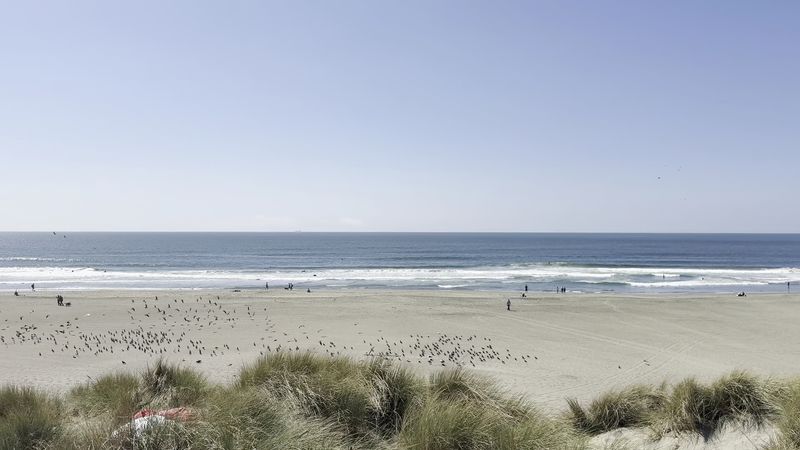
Something about arriving at Ocean Beach and seeing the full width of the shoreline for the first time tends to catch people off guard.
The sand stretches far from the waterline back toward the dunes, creating a generous buffer that rarely feels tight or overcrowded.
Even on weekends when the northern sections attract more visitors, moving a few blocks south usually opens up noticeably more personal space.
The beach’s urban location might suggest crowds, but the combination of cool temperatures, consistent fog, and the absence of typical beach amenities like concession stands keeps casual visitors from overwhelming the space.
People who come here tend to come deliberately, for a walk, for surfing, for kite flying, or simply to sit and listen to the waves. That shared sense of purpose keeps the atmosphere calm and unhurried.
The dune system along the inland edge of the beach also adds visual depth and a natural buffer from the road.
Walking along the base of the dunes gives a sense of being tucked into a more sheltered space without losing sight of the water.
Wet Sand Makes Long Walks Much Easier
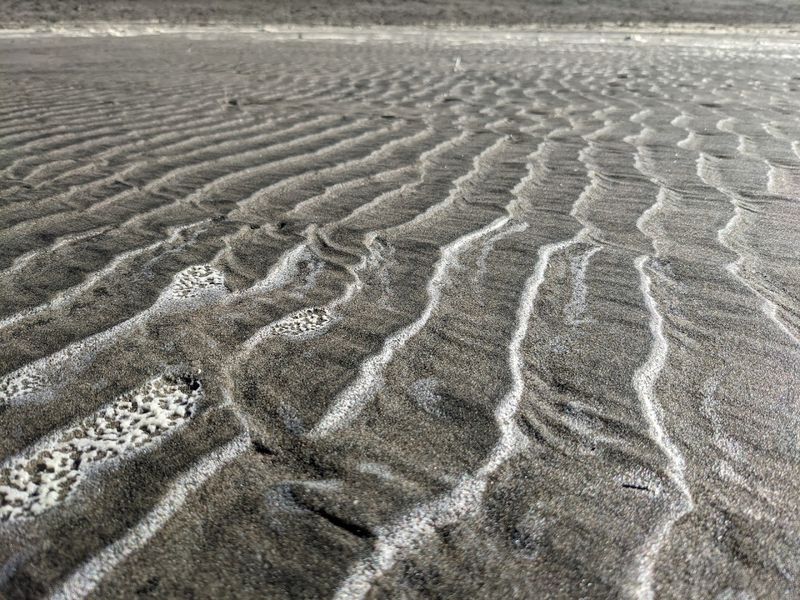
Walking on dry, loose sand is a workout that most people underestimate until their calves start to protest halfway through the first mile.
The wet sand closer to the waterline at Ocean Beach changes that equation significantly.
As the tide recedes, it leaves behind a flat, compact surface that supports a natural walking stride without the sinking sensation that makes dry sand so tiring over long distances.
Timing a walk to coincide with low tide maximizes the amount of firm ground available.
Tide charts for Ocean Beach are easy to find online and are worth checking before heading out, especially for anyone planning to cover the full length of the beach.
The wet zone also tends to be the most active area for seabirds, which adds visual interest to the walk without requiring any detour.
The texture of the wet sand here has a particular quality that regular beachgoers tend to notice. It holds footprints cleanly and has a slight reflective quality when light catches it at a low angle through the fog.
Wearing shoes or sandals with good grip is practical since the surface, while firm, can become slippery in spots where the wave wash is still retreating.
Seabirds Gather Along The Waterline
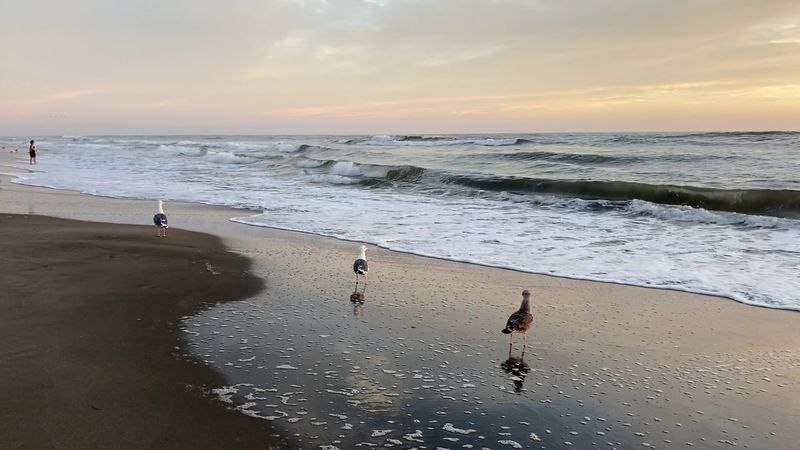
The waterline at Ocean Beach attracts a consistent and varied population of seabirds that give the walk an added layer of natural interest.
Sanderlings are among the most visible, running in tight groups along the surf edge and retreating from each incoming wave with almost comic precision.
Brown pelicans glide low over the water in formation, and gulls of several species patrol the foam line looking for anything edible the surf might deliver.
The Western Snowy Plover, a federally threatened species, uses sections of Ocean Beach as a wintering habitat.
Portions of the beach may have protective fencing in place during certain seasons to allow these small, pale birds to rest undisturbed.
Staying aware of posted signs and keeping dogs leashed in designated areas helps protect these birds without disrupting the walk.
Binoculars are not strictly necessary but add a lot to the experience for anyone with even a passing interest in birds.
The foggy, overcast light that is common at Ocean Beach actually makes it easier to observe birds without harsh glare or squinting.
Cormorants, willets, and marbled godwits also appear regularly depending on the season.
The Water Stays Shockingly Cold
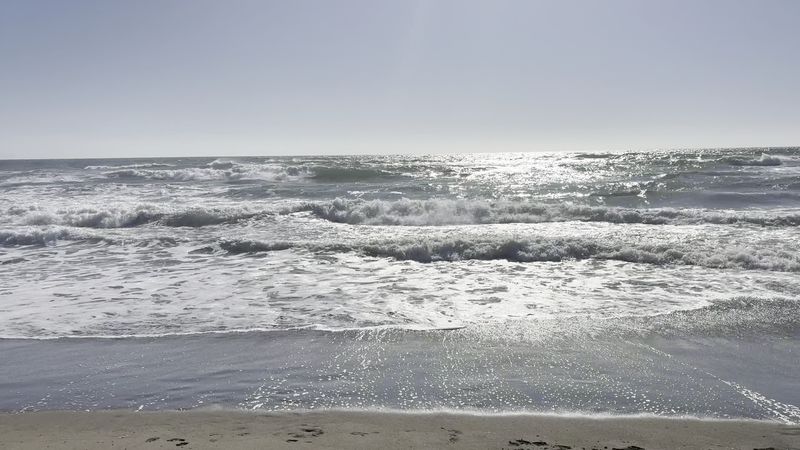
The Pacific Ocean along this stretch of coastline operates on its own thermal schedule, and it has nothing to do with what the calendar says.
Summer water temperatures at Ocean Beach average around 58 to 59 degrees Fahrenheit, a number that surprises most first-time visitors who assume a summer beach should come with warm water.
The cold is not just a mild inconvenience but a genuine physical shock for anyone who steps in unprepared.
The primary reason for the consistently cold temperatures is a process called upwelling.
Cold water from deep in the ocean rises toward the surface along the California coast, replacing warmer surface water that gets pushed offshore by prevailing winds.
This natural process keeps the nearshore water cold year-round regardless of air temperature or season.
Even on the warmest days that Ocean Beach occasionally produces, the water temperature does not change significantly. Wading is possible but requires accepting the cold quickly.
Wetsuit-clad surfers handle the temperature with appropriate gear, but casual swimmers without protection tend to exit the water very quickly.
The cold water does have a genuinely invigorating quality when experienced in small doses, like a cold splash after a long walk along the sand.
The Northern End Leads Toward The Historic Cliff House Area
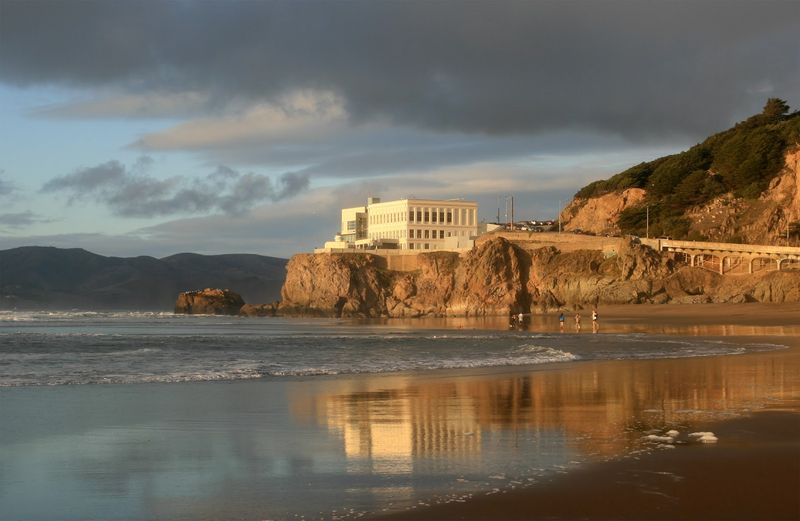
Walking north along Ocean Beach eventually brings visitors to one of San Francisco’s most recognized coastal landmarks.
The Cliff House sits perched above the rocks at the northern end of the beach, overlooking the Pacific Ocean and the offshore formations known as Seal Rocks.
The structure has been rebuilt and reimagined multiple times since the original building appeared on the site in 1863, making it one of the city’s longest-standing coastal destinations.
The building is located at 1090 Point Lobos Avenue, San Francisco, CA 94121, and while the restaurant operation inside has been closed in recent years, the site itself remains a publicly accessible point of interest.
The views from the area around the building are expansive and include long sightlines up and down the coastline as well as out toward the horizon.
Even without the restaurant open, the surrounding area is worth the walk. The coastal trail above the cliffs connects to Lands End, a network of wooded paths with views of the Golden Gate Bridge.
Reaching the Cliff House area from the beach below gives a satisfying sense of having covered real ground.
Remnants Of The Old Sutro Baths Sit Nearby
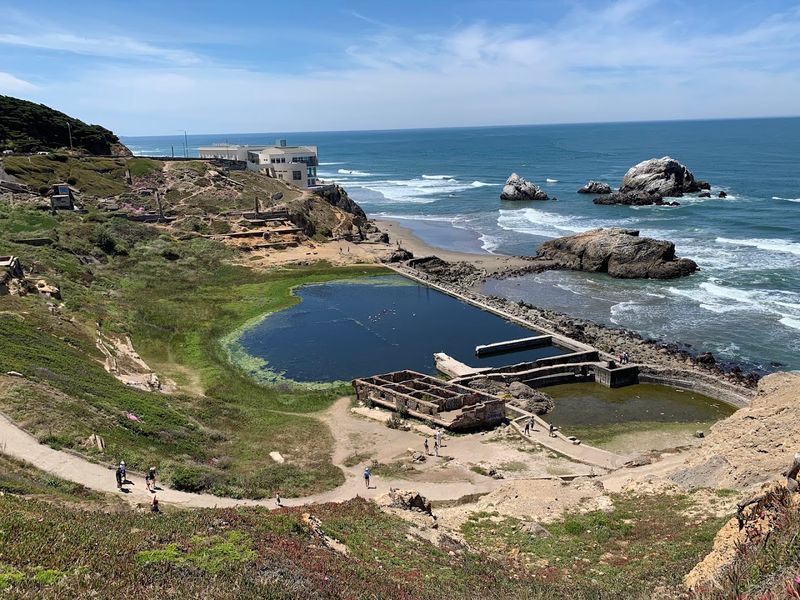
Just steps from the Cliff House area, the ruins of the Sutro Baths offer one of the most historically layered stops along the entire Ocean Beach corridor.
The site was once home to the largest indoor swimming complex in the world when it opened in 1896.
The facility contained multiple large pools, a museum, an ice skating rink, and could accommodate thousands of visitors at a time, all housed under a massive glass roof above the rocky shoreline.
A fire destroyed the complex in 1966 while it was being demolished for a planned development, leaving behind the concrete foundations, retaining walls, and tunnel structures that visitors can explore today.
Tidal pools form in the lower sections of the ruins, and the ocean views from the site are genuinely dramatic.
The combination of crumbling concrete, crashing waves, and coastal fog gives the ruins an atmospheric quality that photographs well and lingers in memory.
The site is managed as part of the Golden Gate National Recreation Area and is open to the public at no cost.
A tunnel at the lower level leads toward the water and is worth exploring during lower tide conditions when it remains passable and dry underfoot.
Sunset Dunes Adds A New Oceanfront Walking Route
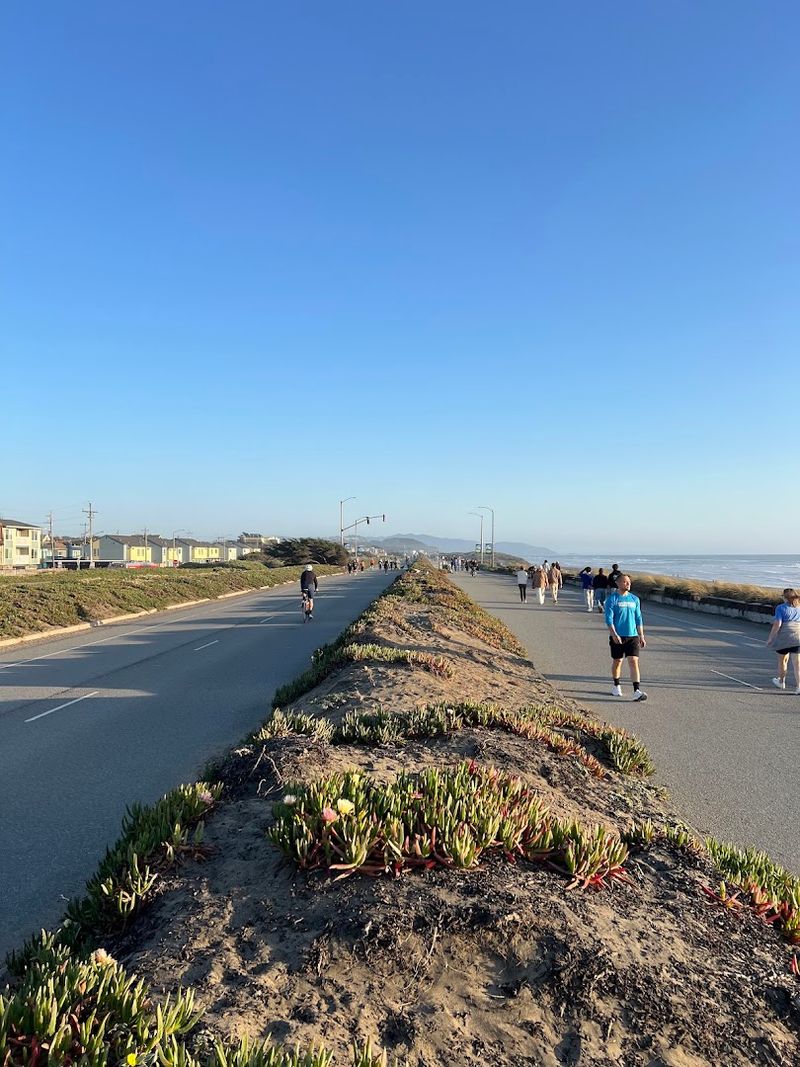
The former Great Highway that once ran alongside Ocean Beach has been repurposed into an oceanfront recreational corridor now commonly referred to as Sunset Dunes.
The transformation created a roughly two-mile stretch of paved pathway running along the southern portion of the beach that is now reserved for pedestrians, cyclists, and skaters rather than motor vehicles.
The change opened up a new way to experience the coastline that had previously been separated from the beach by a busy road.
Sandy dune paths run alongside and above the paved surface in some sections, giving walkers the option to stay on firm ground or venture onto the more natural terrain of the dune system.
The dunes themselves are part of an ongoing restoration effort, and designated paths help protect the native plants that stabilize the sand.
Staying on marked routes is encouraged to avoid disturbing the fragile vegetation that holds the dunes in place.
The atmosphere along Sunset Dunes tends to be active and social, with a mix of fitness walkers, families with strollers, cyclists, and people simply sitting on the low dune edges watching the ocean.
New Skatepark Brings A Fresh Energy To The Beach
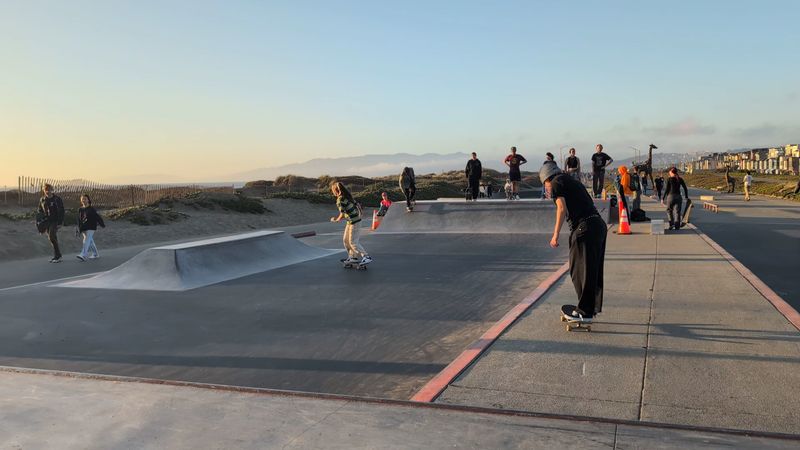
A relatively new addition to the Ocean Beach landscape has quietly become a gathering point for a community that feels very much at home between the waves and the pavement.
The skatepark near Ocean Beach brings together skaters and surfers in a shared space that acknowledges the deep cultural connection between the two activities.
The layout and design reflect an understanding of both disciplines, and the art additions integrated into the space give it a character that feels specific to this stretch of San Francisco coastline.
The park sits close enough to the ocean that the sound of the surf carries across the concrete, giving sessions there an ambient backdrop that indoor or inland skateparks simply cannot offer.
Watching skaters work through lines while surfers paddle out in the background creates an unusual visual layering that feels genuinely unique to this location.
The energy tends to be inclusive and low-pressure, drawing people of varying skill levels throughout the day.
For visitors who are not skating or surfing, the area around the park makes a comfortable stopping point during a longer beach walk.
Benches and open space nearby allow for easy observation without crowding the active zones.