The Best Spots In Washington To Search For Agates, Geodes, Quartz, And More
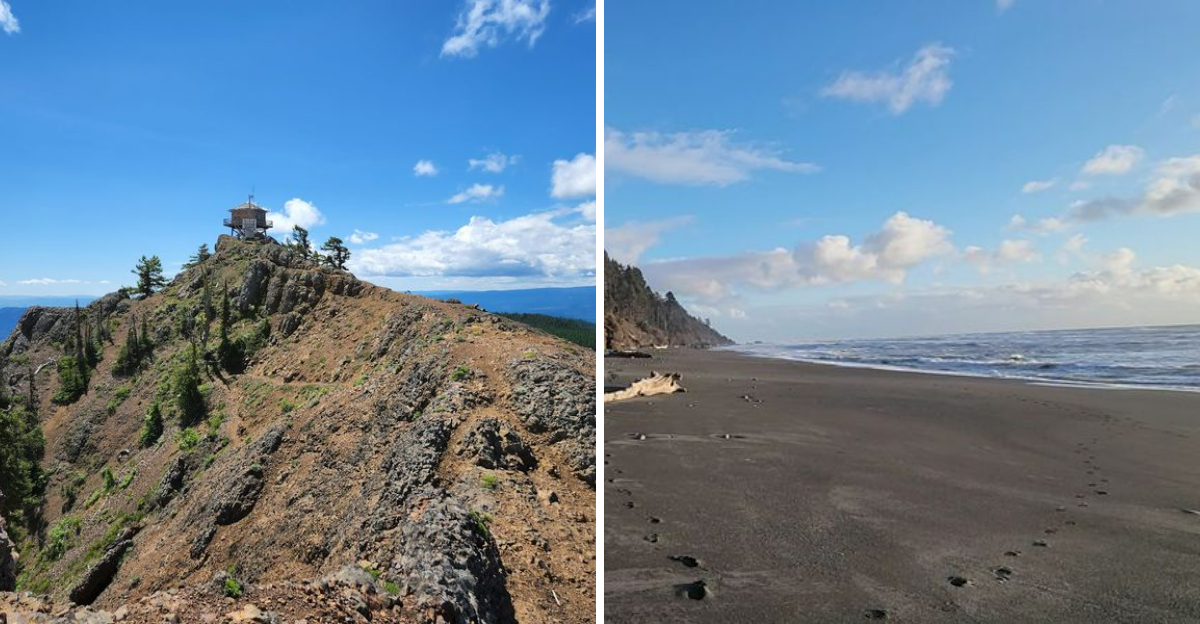
I found my first agate on a cold morning in a riverbed I almost skipped. It was sitting right there in plain sight, catching the light in a way that made everything around it look dull.
I picked it up and that was it. Something switched.
Washington does that to people. The state has a geology that rewards anyone willing to get their boots dirty and their eyes close to the ground.
Riverbeds, coastal shores, old lava flows, desert plains. The variety is almost unfair.
Washington sits on top of one of the most geologically rich landscapes in the country, and most of the best spots are completely free to explore. Agates, geodes, quartz, jasper, petrified wood.
It is all out there. You just have to know where to look, and we are about to tell you exactly that.
1. Walker Valley ORV Area
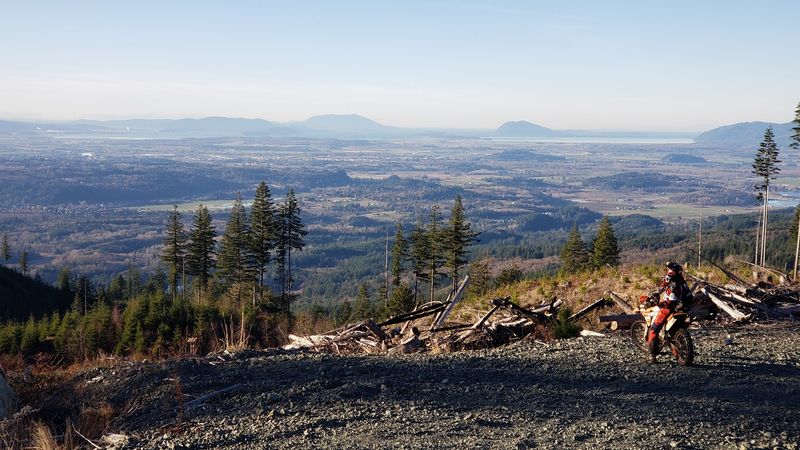
Few places pack this much geological variety into one single site. Walker Valley ORV Area, located near 9RGJ+3F, Mount Vernon, WA 98274, is a well-known favorite among collectors chasing geodes, thundereggs, chalcedony, and jasper.
The geodes found here are genuinely exciting. Many crack open to reveal sparkling quartz or even amethyst crystals inside.
They tend to be small, usually under four inches, but the quality makes up for the size every single time.
The Washington State Mineral Council manages this site, which keeps things organized and accessible. A Discover Pass is required for parking, so plan ahead before you arrive.
The access road is sometimes gated, but you can park roadside and walk around it without any trouble.
Thundereggs are a personal favorite to search for here. They look like boring brown lumps from the outside, but crack one open and the surprise inside never gets old.
Bring a rock hammer, wear sturdy shoes, and expect to spend a full morning exploring. This place rewards patience generously.
2. Ginkgo Petrified Forest State Park
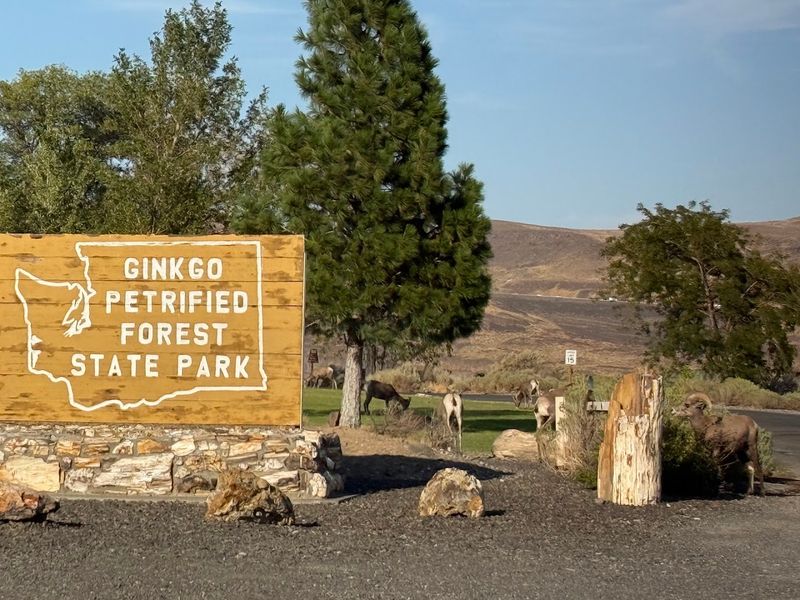
Petrified wood does not get more impressive than what you find in this part of central Washington. Ginkgo Petrified Forest State Park at 630 Ginkgo Ave, Vantage, WA 98950, protects one of the most diverse petrified forests on the entire planet.
More than fifty species of ancient trees have been identified here, making this one of the most diverse petrified forests in North America. The trees were buried by lava flows millions of years ago and slowly replaced by silica over time.
The result is wood that looks like wood but is now solid stone.
Important heads up before you pack your collecting bag. This is a state park, which means collecting specimens is strictly prohibited on the grounds.
The park exists purely for viewing and education, so respect the rules and enjoy the experience.
The interpretive center nearby is absolutely worth visiting. It showcases stunning specimens of agates and jasper pulled from the surrounding region, giving you a real sense of what the area produces.
Think of this stop as the inspiration before your next collecting adventure somewhere nearby. The scenery along the Columbia River here is also jaw-dropping.
3. Stonerose Interpretive Center & Eocene Fossil Site
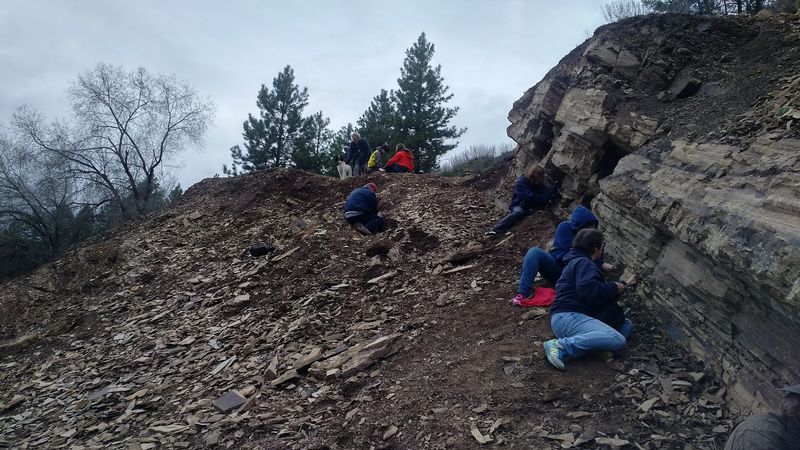
Not every great rockhounding experience is about glittery minerals. Sometimes the best find is a perfectly preserved leaf pressed into shale fifty million years ago.
Stonerose Interpretive Center and Eocene Fossil Site at 15 N Clark Ave, Republic, WA 99166, is unlike anywhere else in the region.
This site lets visitors actually dig for fossils themselves, which is a rare and genuinely thrilling opportunity. You can split shale slabs and find impressions of ancient plants, insects, and fish that lived during the Eocene epoch.
Visitors can keep a limited number of approved fossil specimens after their digging session, following the site’s current collection policies.
Republic is a small town, but this fossil site puts it firmly on the rockhounding map. The staff here are knowledgeable and enthusiastic, which makes the whole experience even better.
First-timers always seem surprised by how quickly they find something remarkable.
Tools are provided on-site, so you do not need to haul your own equipment. A small fee covers your dig session and helps maintain the site.
Families especially love this spot because kids go absolutely wild when they crack open their first fossil-bearing slab. Bring sunscreen and extra water.
4. Westport Light State Park
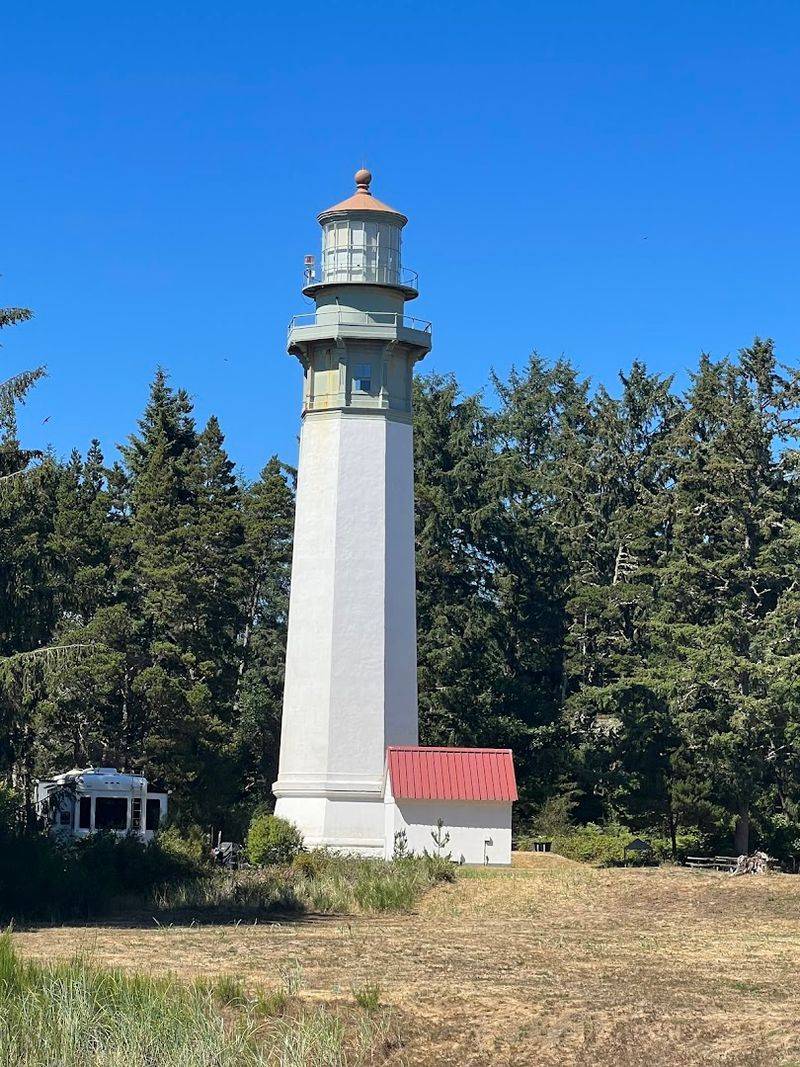
Beach combing with a purpose is a completely different sport. Westport Light State Park at 1595 W Ocean Ave, Westport, WA 98595, offers a long stretch of Pacific coastline where agates and jasper regularly wash ashore with the tide.
The Pacific coast in this region is known for producing high-quality agates, including fiery orange carnelians and clear banded varieties. Low tide is the magic window, especially after a winter storm churns up the gravel beds and refreshes the beach with new material.
Timing your visit around the tides makes a real difference.
The lighthouse nearby adds a scenic backdrop that makes the whole outing feel more like an adventure than a chore. Families find this spot especially enjoyable because the beach is wide and easy to walk.
Even kids who are not interested in rocks tend to get hooked once they spot their first glowing agate.
Bring a small mesh bag or bucket to carry your finds. Wet stones are much easier to identify on the beach, so keep a water bottle handy for rinsing candidates.
The park has restrooms and parking nearby, which makes logistics simple. Check tide charts before you go for best results.
5. North Beach County Park
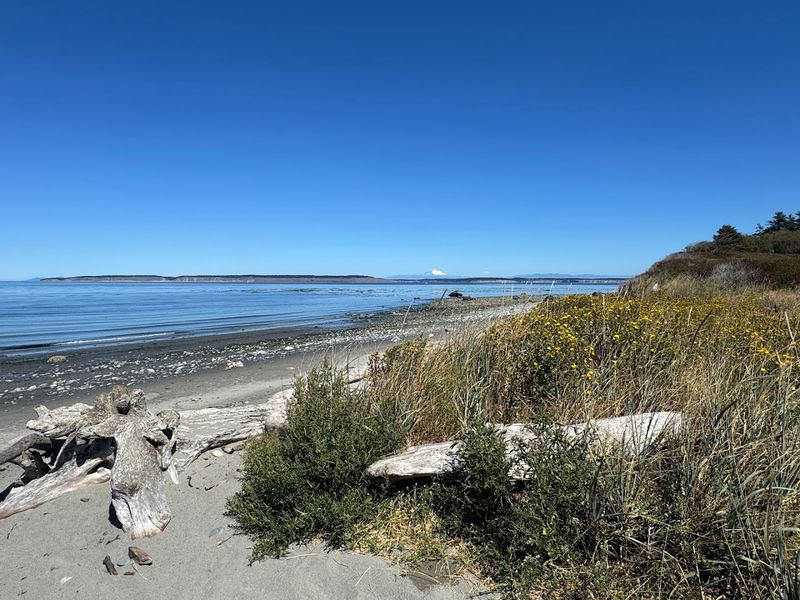
Sea glass and occasionally agates can be found along this beach, making it a fun stop for collectors willing to spend some time searching.
North Beach County Park at 5787 Kuhn St, Port Townsend, WA 98368, sits along the Puget Sound and delivers a surprisingly rich mix of collectible material.
Beach agates here tend to be well-tumbled by wave action, giving them that smooth, polished look that requires no extra work at home. Sea glass shows up in green, brown, and occasionally the rarer white and blue shades.
Interesting rocks of all kinds litter the gravel bars, making every visit feel like a new treasure hunt.
Port Townsend itself is a charming Victorian seaport worth exploring after your beach session. The surrounding area is known for agates and sea glass, which makes it a double win for collectors and sightseers alike.
This spot suits beginners perfectly because the material is easy to spot and identify.
Low tide opens up more beach real estate and exposes gravel that sits underwater at high tide. Morning visits tend to be quieter, which means less competition for the best finds.
Wear waterproof boots because the gravel at the water line is where the best agates always seem to be hiding.
6. Saddle Mountains
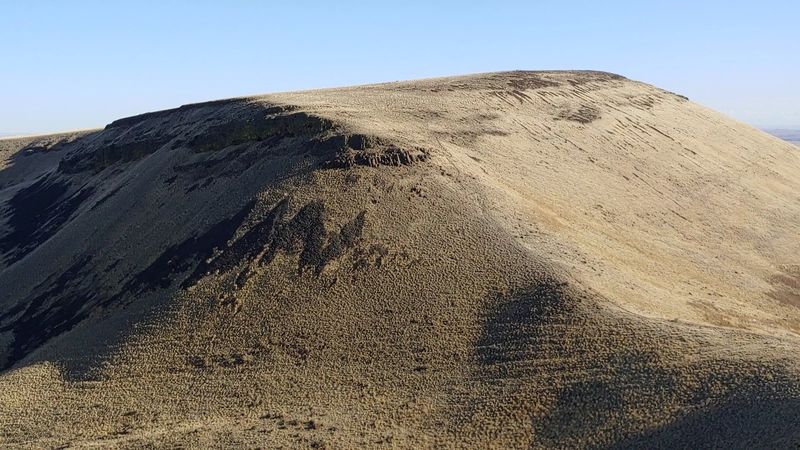
Ancient lava flows left behind a geological treasure chest in central Washington. The Saddle Mountains near Mattawa, Washington 99357, are known among rockhounds for their variety of agates, petrified wood, quartz, and jasper found throughout the area.
Petrified wood is another highlight here, with opalized varieties showing up alongside standard specimens. Quartz and jasper round out the collecting possibilities, giving you multiple targets to hunt across a single outing.
The variety alone makes this location stand out from most other sites in the region.
The Saddle Mountains are formed from ancient basalt flows, which is exactly the geological environment where blue agates tend to form. Collectors have been working this area for decades, yet new material keeps turning up.
The key is knowing where to look along exposed hillsides and eroded gullies.
This is a rugged area, so come prepared with plenty of water, a good map, and solid footwear. Cell service can be spotty out here, so download offline maps before you leave the house.
Always verify current land access regulations before visiting since rules can vary across different sections of the mountains. The scenery is stark and dramatic in the best possible way.
7. Murdock Beach Access
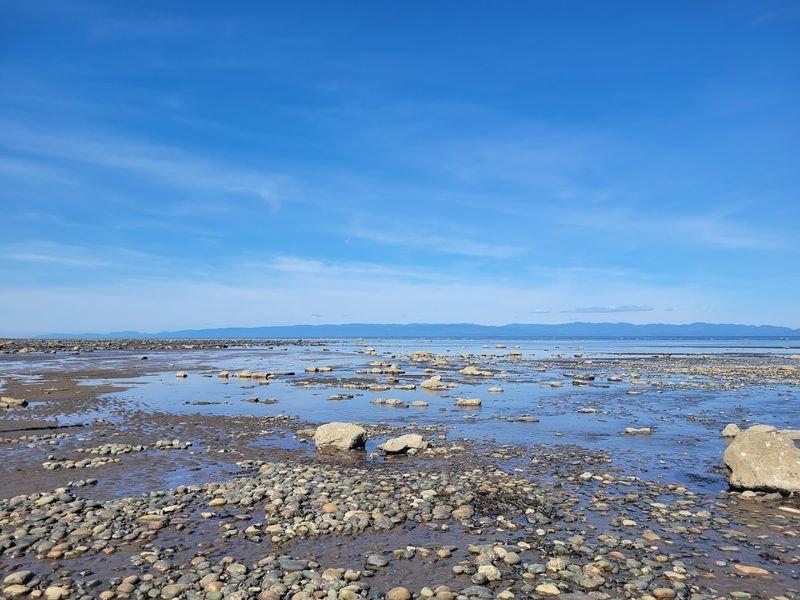
Remote beaches have a way of producing the finds that more popular spots have already been picked over. Murdock Beach Access near Port Angeles, WA 98363, sits along the Olympic Peninsula coast and offers agates and various rocks for those willing to make the trip.
A Discover Pass is required to access this location, so make sure yours is current before heading out. The beach itself is less trafficked than many coastal spots, which means the gravel has not been combed through as aggressively.
That alone gives you a better shot at finding quality material.
Port Angeles is a great base for exploring multiple sites in this corner of the state. The Olympic Peninsula is geologically fascinating, and the beaches here reflect that diversity in the stones they produce.
Agates of various colors and patterns show up regularly along the gravel shoreline.
Low tide is your best friend at any beach collecting site, and Murdock is no exception. Bring a tide chart, a mesh collecting bag, and a spray bottle of water for checking stones.
The coastal scenery here is stunning, with views across the Strait of Juan de Fuca toward Vancouver Island. It is the kind of place that feels like a reward all on its own.
8. Red Top Lookout Trailhead #1364.1
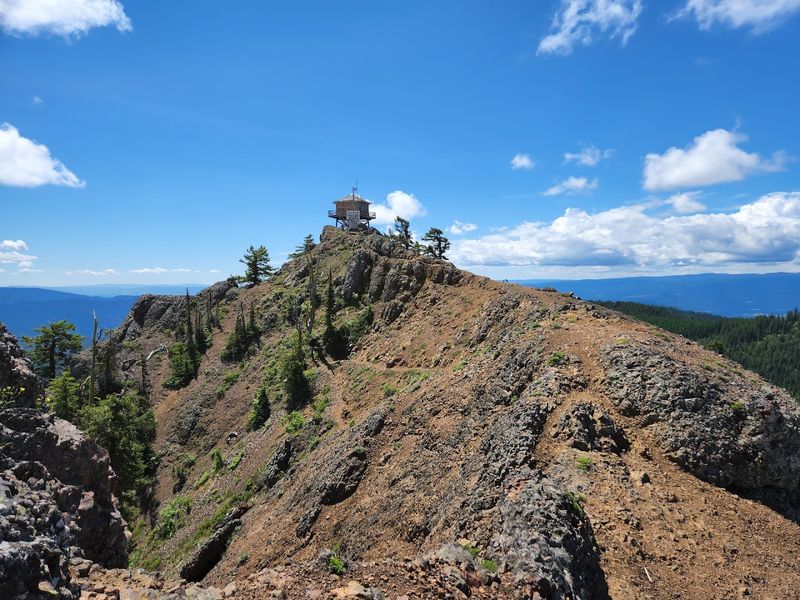
Earning your finds through a good hike makes them feel ten times better. Red Top Lookout Trailhead #1364.1 near Cle Elum, WA 98922, sits at elevation and rewards the effort with some seriously impressive specimens.
Garnets, agates, and the incredibly rare Ellensburg Blue chalcedony are all found in this area. Ellensburg Blue is one of the most sought-after gem materials in the entire country, prized for its soft sky-blue color.
Finding even a small piece here feels like striking gold.
Before visiting, check the current access and parking requirements, as they may change depending on road conditions and land management policies. The terrain is rocky and uneven in places, so proper footwear is not optional here.
The trail itself offers sweeping views of the Kittitas Valley that make the climb worthwhile even on a slow collecting day.
Agate nodules are scattered across the hillside, and jasper shows up regularly too. Occasional smoky quartz has also been reported by collectors working this area.
Go early in the morning when the light hits the rocks at a low angle. That trick alone helps you spot translucent stones that others walk right past.
9. P. Kelly Boss Ocean Walk Landing
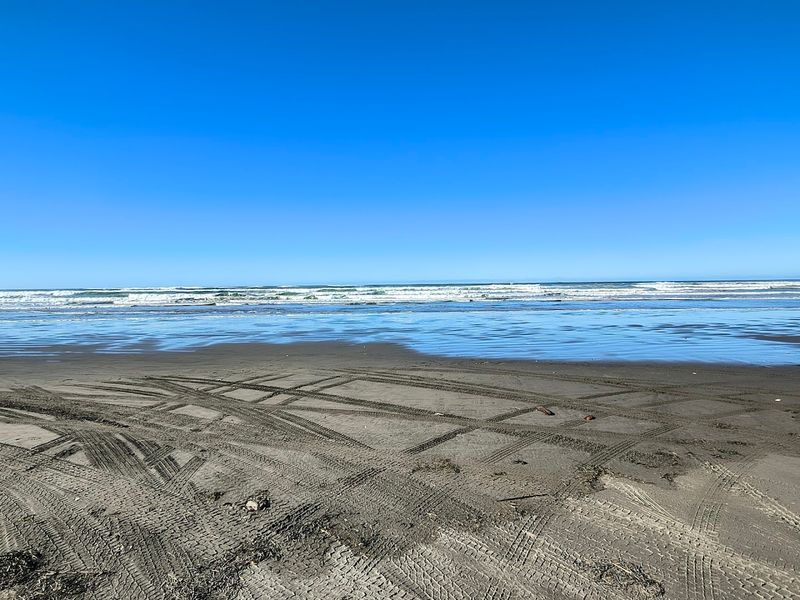
Sometimes the best rockhounding happens right where everyone else is just taking a casual stroll. P.
Kelly Boss Ocean Walk Landing in Westport, WA 98595, provides easy access to a scenic stretch of Pacific coastline where beachcombers sometimes find agates and other interesting stones.
Westport sits in a region of the coast that is consistently productive for agate hunters. The gravel here gets refreshed regularly by tidal action, which means repeat visits often turn up new material.
Carnelian agates and banded varieties are the most exciting finds along this stretch.
The walk itself is pleasant and flat, making this an accessible option for collectors of all fitness levels. Bring the whole family because even non-collectors tend to enjoy the beach environment here.
The ocean views are genuinely impressive on a clear day, stretching out toward the horizon in every direction.
Focus your search on the wet gravel zone right at the tide line. Agates become translucent when wet, which makes them much easier to distinguish from ordinary pebbles.
Carry a small spray bottle if the tide is going out and the surface stones are drying fast. Arriving an hour before low tide gives you the best window for finding freshly exposed material along the shoreline.
10. Kalaloch Beach
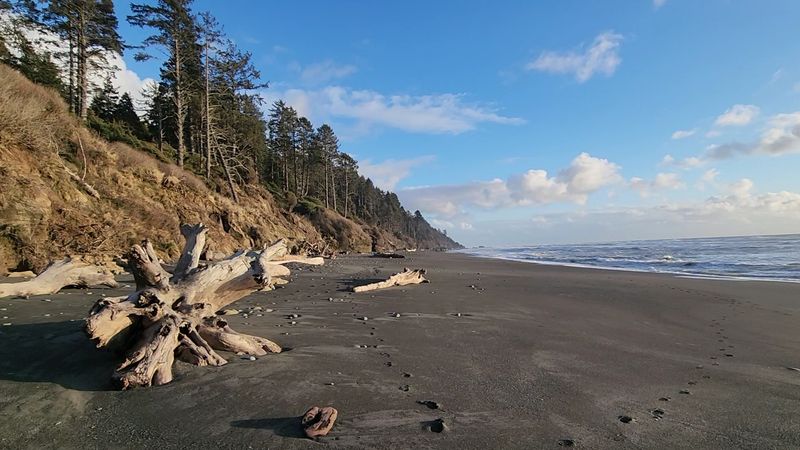
Olympic National Park beaches operate on a different level of wild beauty.
Kalaloch Beach at 167422 US-101, Forks, WA 98331, is one of the most scenic stretches of coastline in the entire Pacific Northwest, and it happens to produce agates, jasper, and beautiful beach stones.
One critical rule applies here before you start filling your pockets. Kalaloch is part of Olympic National Park, and collecting rocks, minerals, or any natural material is strictly prohibited within park boundaries.
Bring your eyes and your camera, but leave the finds where they are.
Even without collecting, this beach is worth every mile of the drive. The massive driftwood logs piled along the shore create a dramatic landscape unlike anything else in the region.
Spotting the agates and jasper in the gravel gives you an appreciation for what the area produces geologically.
The drive along US-101 through this part of the Olympic Peninsula is spectacular on its own. Plan to spend time at the beach simply enjoying the environment before or after a collecting trip to a nearby legal site.
Kalaloch Lodge sits right above the beach and offers a comfortable overnight option for those exploring the area over multiple days. Check park regulations before any visit.