The Best Wildlife Experiences In Maine Are Hiding In These Stunning Locations
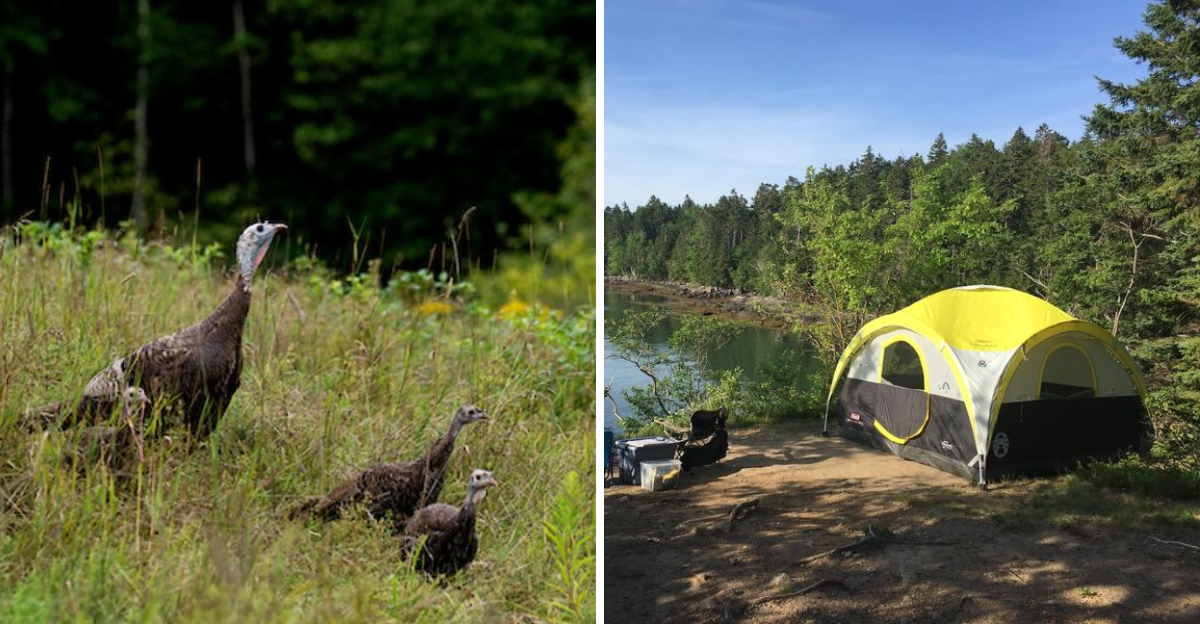
There is a very specific kind of thrill that comes from rounding a bend on a quiet Maine road and suddenly locking eyes with something wild, large, and completely unbothered by your presence.
Maine wildlife does not perform for you.
It simply exists, on its own terms, in its own time, and if you happen to be in the right place with your eyes open, you get to witness something that no nature documentary ever quite captures accurately.
I have stood frozen on a trail in this state while a moose the size of a small car decided whether I was worth acknowledging, and I can confirm that the answer was no.
It was the best moment of that entire trip.
This state is genuinely one of the finest places in the country for wildlife encounters, and the most extraordinary part is that nature here requires no ticket, no reservation, and no advance planning.
1. Acadia National Park
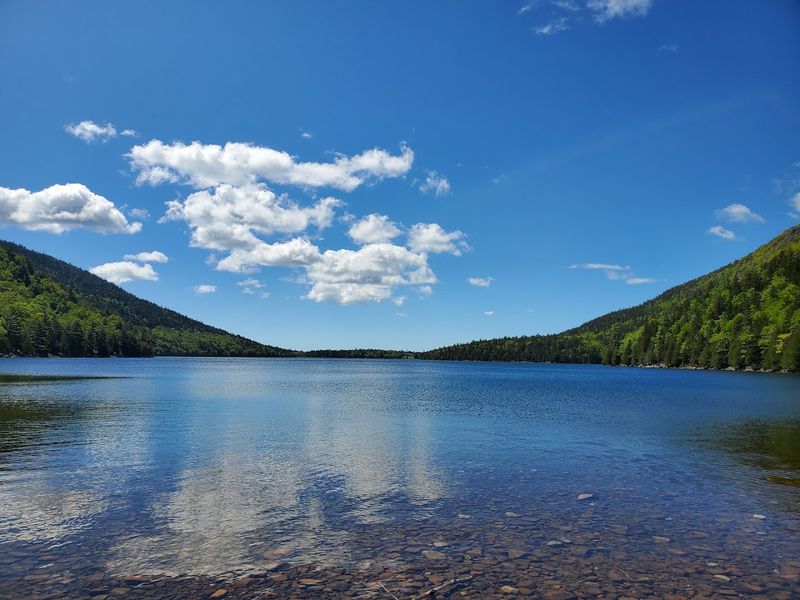
Acadia National Park does not ease you in gently.
It throws a bald eagle overhead on your first morning, a harbor seal lounging on the rocks by afternoon, and a family of white-tailed deer grazing at dusk just to make sure you never want to leave.
Located at 25 Visitor Center Rd, Bar Harbor, Acadia covers over 47,000 acres of mountains, coastline, and forest. That mix of habitats is exactly why the wildlife variety here is so impressive.
Peregrine falcons nest on the Precipice Trail cliffs each spring, and rangers actually monitor the nests so visitors can watch the action safely from below.
The rocky shoreline pools are full of sea stars, crabs, and periwinkles if you slow down long enough to look. Whale watching boats depart from Bar Harbor and regularly spot minke and humpback whales just offshore.
The carriage roads are fantastic for spotting red foxes and porcupines at dawn. Come during the fall migration and the birding alone is worth the entire trip.
2. Baxter State Park
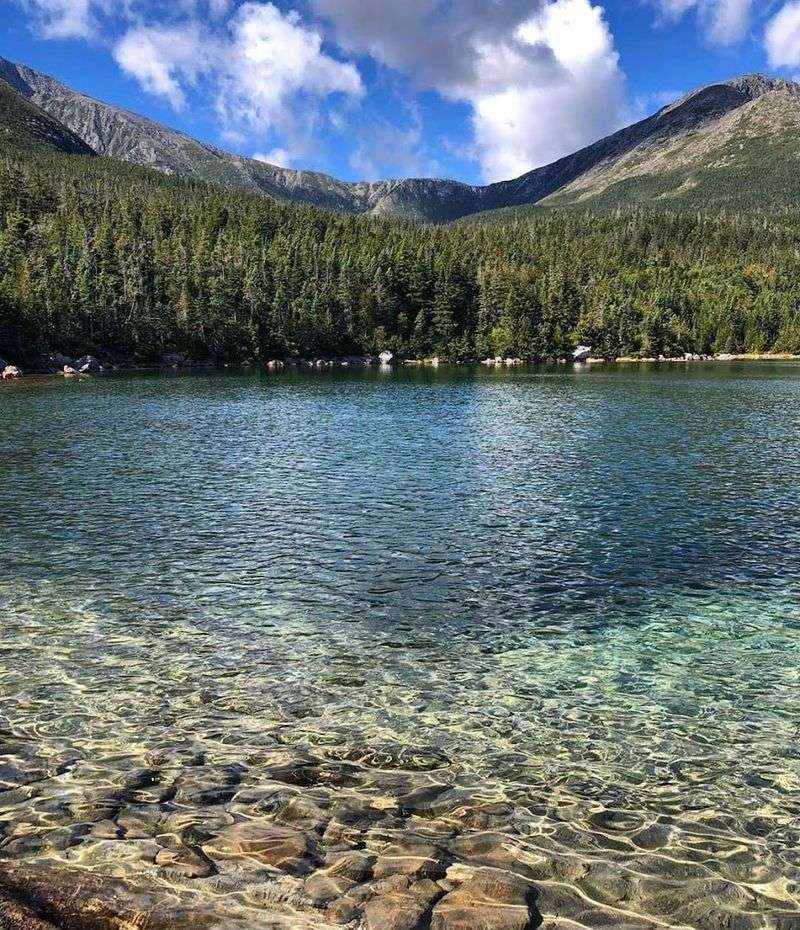
If you have never locked eyes with a bull moose standing chest-deep in a pond at sunrise, Baxter State Park is about to change your life in the best possible way. This place is genuinely wild, and it wears that wildness proudly.
Covering over 209,000 acres of remote wilderness, Baxter operates under strict conservation rules. That means less human noise and more actual wildlife.
Moose sightings are practically routine here, especially around Sandy Stream Pond and Grassy Pond. Black bears are common too, so pack your food properly and stay alert on the trails.
Located at 64 Balsam Dr, Millinocket, the park has limited vehicle reservations, which keeps crowds manageable and the experience authentic.
Loons call across the lakes at night with a sound that will absolutely haunt you in the best possible way. Lynx and marten also inhabit the deeper forest sections, though spotting them takes patience and a little luck.
Birders will find boreal species here that simply do not exist further south. Baxter is not polished or convenient, and that is exactly the point.
3. Rachel Carson National Wildlife Refuge
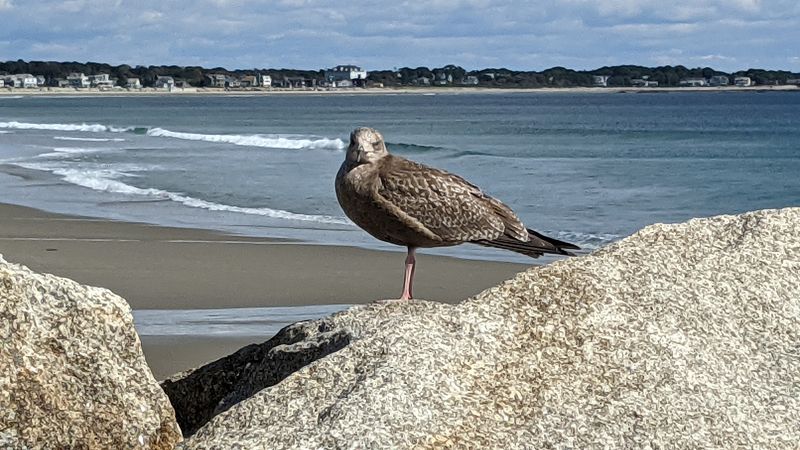
Named after one of the most important environmental writers in American history, this refuge takes its legacy seriously.
Rachel Carson National Wildlife Refuge protects nearly 9,100 acres of coastal habitat across eleven units along the southern Maine coast.
The main visitor area at 321 Port Rd, Wells, features a one-mile loop trail through a stunning Atlantic white cedar forest and salt marsh. It is quiet, easy to walk, and absolutely packed with birds.
Great blue herons stalk the shallows with the patience of seasoned professionals. Osprey dive for fish with zero hesitation, and their success rate is genuinely impressive to watch.
During spring and fall migrations, shorebirds and waterfowl pass through in enormous numbers. Wading birds, including snowy egrets and glossy ibis, feed along the marsh edges throughout summer.
White-tailed deer appear regularly near the treeline at dawn and dusk. The refuge also protects critical habitat for the piping plover, a small and charming shorebird that nests on sandy beaches nearby.
This is a calm, meditative kind of wildlife experience, not a flashy one. But the rewards for the patient observer are genuinely remarkable.
4. Scarborough Marsh Audubon Center
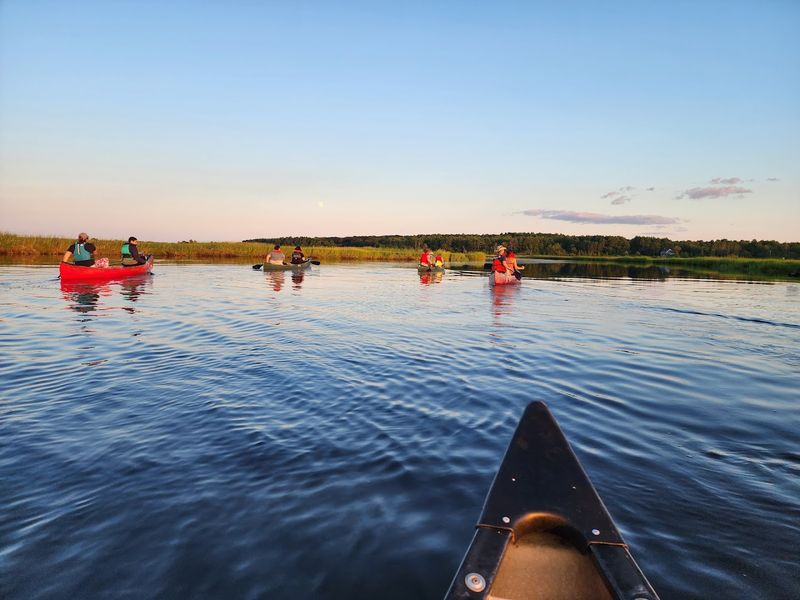
Scarborough Marsh is the largest salt marsh in Maine, and once you paddle a canoe through its winding channels, you will understand why the birds here look so smug about their real estate choices.
The Audubon Center at 92 Pine Point Rd, Scarborough, offers canoe rentals, guided tours, and a nature center with hands-on exhibits.
It is genuinely one of the most accessible wildlife experiences in the state, and the programming is excellent for all ages.
Snowy egrets, great blue herons, and willets are common sights throughout the warm months.
Diamondback terrapins nest in the sandy upland areas nearby, which is a detail that sounds too cool to be real but absolutely is.
The marsh also serves as a critical stopover for migratory birds traveling the Atlantic Flyway. During peak migration, the sheer number of species moving through is staggering.
Guided birding walks happen regularly and the naturalists on staff are enthusiastic in the best possible way. Even a short walk on the nature trail delivers impressive sightings without any real effort.
If you are introducing someone to wildlife watching for the first time, start here.
5. Moosehorn National Wildlife Refuge
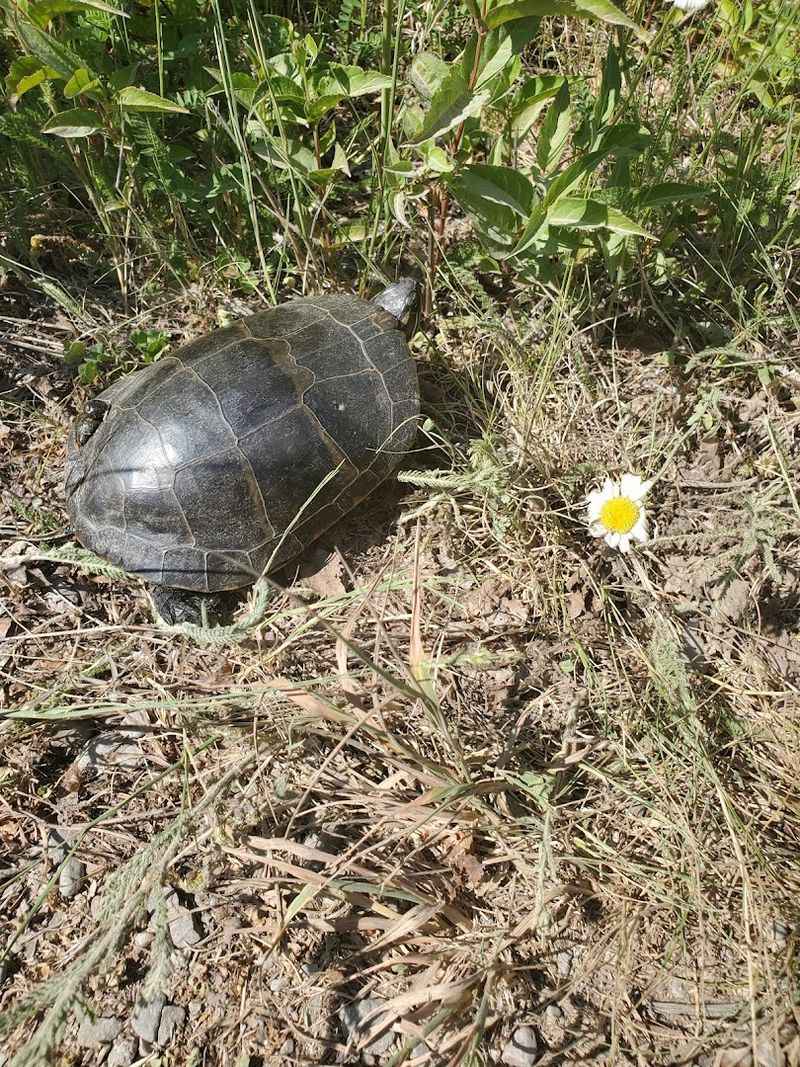
Every spring evening at Moosehorn, a small brown bird called the American woodcock performs one of the most absurd and wonderful courtship displays in the animal kingdom.
It spirals high into the fading sky, makes a series of chirping sounds, and then plummets back down. Watching it feels like a privilege.
Moosehorn National Wildlife Refuge covers about 29,000 acres near the Canadian border and manages habitat specifically for the woodcock, among many other species.
The refuge at 103 Headquarters Rd, Baring, has over 50 miles of trails open for hiking, wildlife observation, and photography. Moose, black bear, bald eagles, and white-tailed deer are all regularly spotted here.
The Baring Unit is particularly good for waterfowl, with numerous ponds and wetlands managed for nesting ducks and geese.
Osprey platforms dot the landscape and are almost always occupied during nesting season. The sheer remoteness of this refuge gives it a genuine wilderness feel that is hard to replicate further south.
Bring good boots because the trails get muddy, and bring your camera because you will absolutely want to document everything you see here.
6. Quoddy Head State Park
Standing at the easternmost point in the continental United States while a harbor porpoise rolls through the surf below you is an experience that earns its bragging rights completely.
Quoddy Head State Park delivers that moment with zero exaggeration.
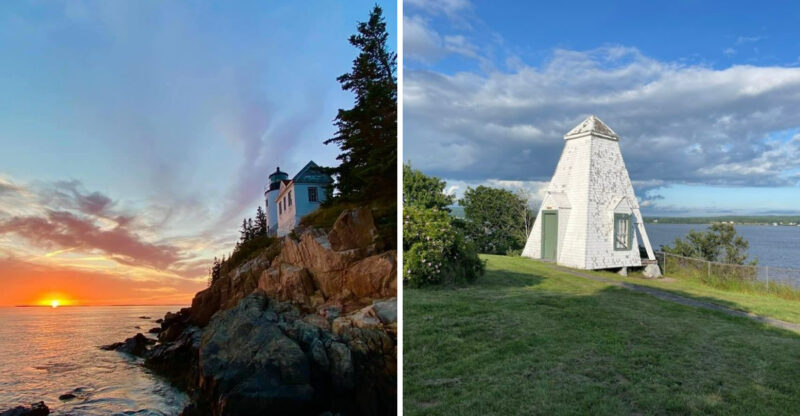
The park at 973 South Lubec Rd, Lubec, sits beside the iconic red-and-white striped West Quoddy Head Lighthouse. The cliffs and headlands here overlook the Bay of Fundy, which has the highest tides in the world.
Those dramatic tidal shifts concentrate marine life in ways that make wildlife watching genuinely spectacular. Minke whales, finback whales, and harbor porpoises are regularly spotted from the coastal trail.
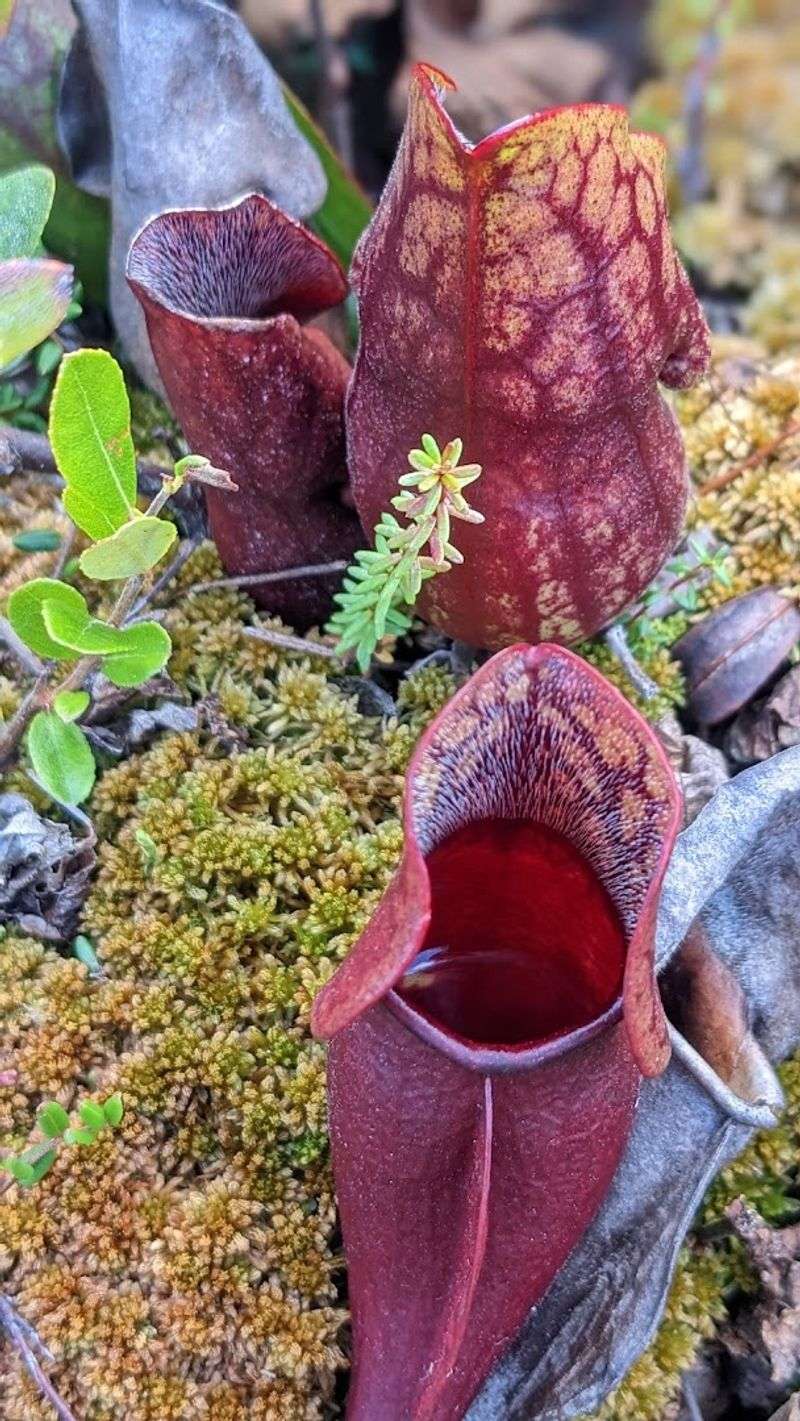
The bog trail behind the headlands is completely different in character, passing through a raised peat bog full of carnivorous plants, including sundews and pitcher plants.
Songbirds and warblers fill the spruce trees during migration. Bald eagles patrol the coastline regularly, and gray seals haul out on the offshore ledges.
The combination of coastal, forest, and bog habitats in one small park is remarkable. This is one of those places where every single trail delivers something genuinely unexpected.
7. Cobscook Bay State Park
Cobscook Bay is one of those places that feels like it belongs in a nature documentary, except you are actually standing in it.
The tidal range here reaches up to 28 feet, which creates a constantly shifting ecosystem that wildlife absolutely thrives in.
Located at 40 South Edmunds Rd, Dennysville, Cobscook Bay State Park sits right along the bay and offers some of the best tidal wildlife watching in New England. Bald eagles are practically everywhere.
The concentration of nesting pairs in this region is one of the highest in the eastern United States, and spotting three or four in a single afternoon is not unusual at all.
Harbor seals and gray seals appear regularly in the coves and along the shoreline. The tidal flats exposed at low tide attract enormous numbers of shorebirds during migration.
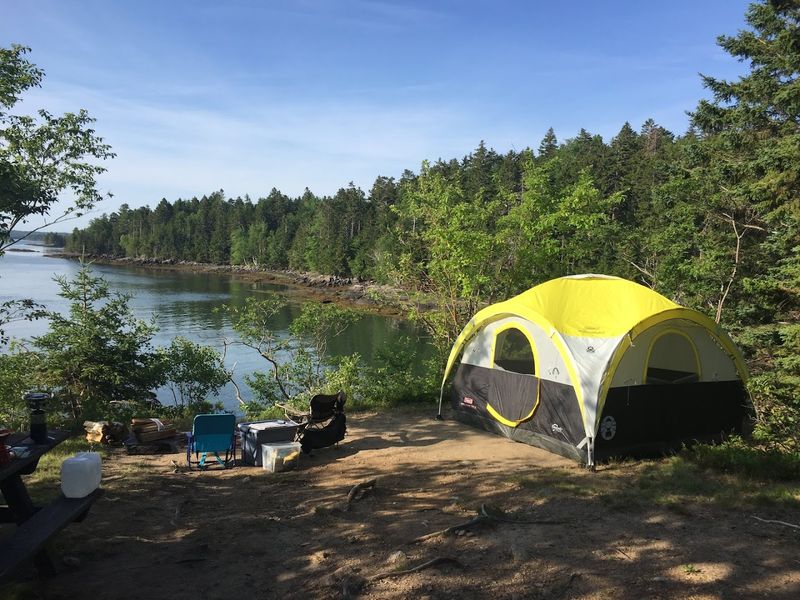
River otters are spotted frequently along the wooded edges of the bay. Camping here puts you right in the middle of it all, and waking up to loons calling across the water before sunrise is a genuinely moving experience.
The park is quiet, uncrowded, and seriously underrated as a wildlife destination in Maine.
8. Sunkhaze Meadows National Wildlife Refuge
Most people drive past Sunkhaze Meadows without a second glance, and those people are missing out on one of the most productive wildlife watching spots in central Maine. This place rewards curiosity in a big way.
The refuge at Stud Mill Rd, Milford, protects over 11,000 acres of peatlands, streams, and forest along Sunkhaze Stream.
It is a major stopover for migratory waterfowl and one of the best places in the state to see wood ducks, black ducks, and ring-necked ducks in large numbers during spring and fall.
The stream corridors also support healthy populations of river otters and muskrats.
Moose are frequently spotted feeding in the shallow wetland areas, particularly in the early morning hours when the mist is still sitting on the water.
American bitterns hide in the marsh grasses and produce their extraordinary booming call that sounds nothing like a bird should.
Woodcock, snipe, and a wide variety of warblers use the shrubby wetland edges during migration. The trails are primitive and the signage is minimal, which honestly adds to the appeal.
Bring a map, wear waterproof boots, and prepare to be genuinely surprised by what shows up.
9. Gilsland Farm Audubon Center
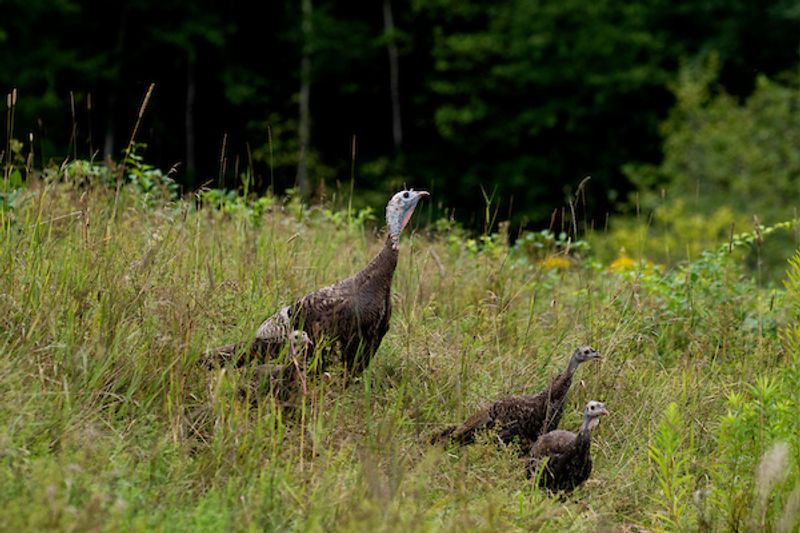
Gilsland Farm is the kind of place that makes you feel like a competent naturalist even on your first visit, and that is a genuinely rare quality in a wildlife destination. It is welcoming, well-organized, and full of surprises.
Serving as the Maine Audubon headquarters at 20 Gilsland Farm Rd, Falmouth, this 65-acre property sits along the Presumpscot River estuary.
The trails wind through meadows, forests, and salt marsh, and the diversity of habitats means the bird list here is impressively long. Over 200 species have been recorded on the property, which is remarkable for a site of this size.
Red foxes are regularly seen in the meadow areas, and their kits appear in late spring with an energy level that is impossible not to enjoy.
Mink patrol the tidal creek edges, and great horned owls nest on the property each year. The nature center has excellent exhibits and knowledgeable staff who genuinely love talking about what is currently active on the trails.
Family programs run throughout the year and are among the best wildlife education offerings in the state. Even a casual one-hour visit here tends to turn into three hours without anyone noticing.
10. Katahdin Woods And Waters National Monument
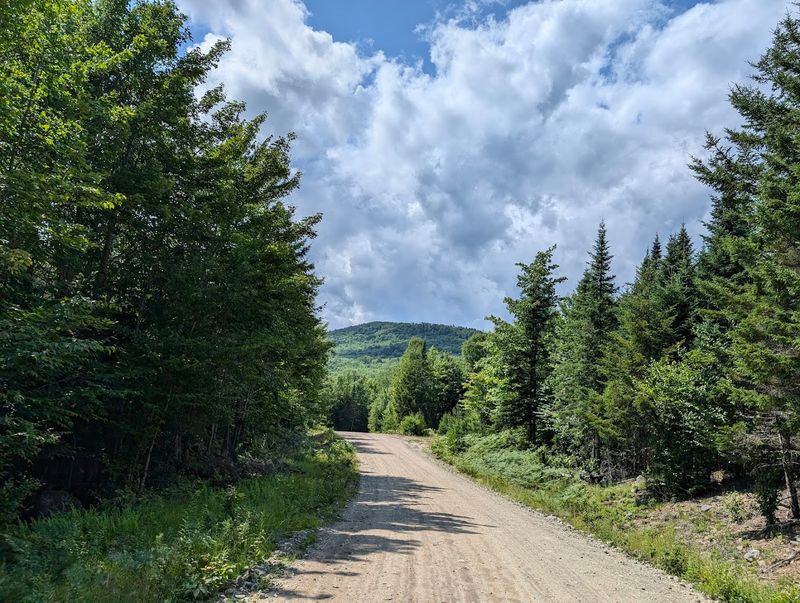
Katahdin Woods and Waters is the newest national monument in the eastern United States, and it arrived with an extraordinary supporting cast.
This place protects over 87,000 acres of remote north woods that most people have never heard of and fewer have actually visited.
Located at 18186 Aroostook Rd, Patten, the monument sits adjacent to Baxter State Park and shares much of the same wild character.
Moose are abundant and seemingly unbothered by the presence of humans, which makes photography here almost unfairly easy. Black bears, white-tailed deer, and snowshoe hares are all common throughout the property.
Canada lynx have been documented here as well, though spotting one requires serious patience and a fair amount of luck.
The East Branch of the Penobscot River runs through the monument and supports excellent populations of brook trout, bald eagles, and osprey.
The logging road network provides access deep into the interior, which is perfect for wildlife drives at dawn and dusk.
Moose seem to treat the roads as their personal commute, and encounters are frequent. The night sky here is extraordinary, and barred owls call back and forth across the forest after dark in a conversation that never gets old.