The California City Where $2,000 A Month Can Cover Rent, Groceries, And Basic Utilities
Let’s be real, $2,000 monthly budget sounds impossible in much of the state. Then one city starts complicating that assumption.
Rent looks more manageable. Groceries feel less alarming. Basic utilities do not instantly wreck the plan. Sounds good?
In one California city, the numbers finally start to feel workable.
That is only part of the story. A place still needs to feel livable after the math works.
Here, the appeal comes through parks, nearby nature, and enough familiar routines to make life feel steady instead of stripped down.
Nobody is calling it luxury. That would miss the point.
The draw is simpler: a city where the budget has breathing room and daily life still offers reasons to stay.
Rent In Hemet Still Sits Below The California Average
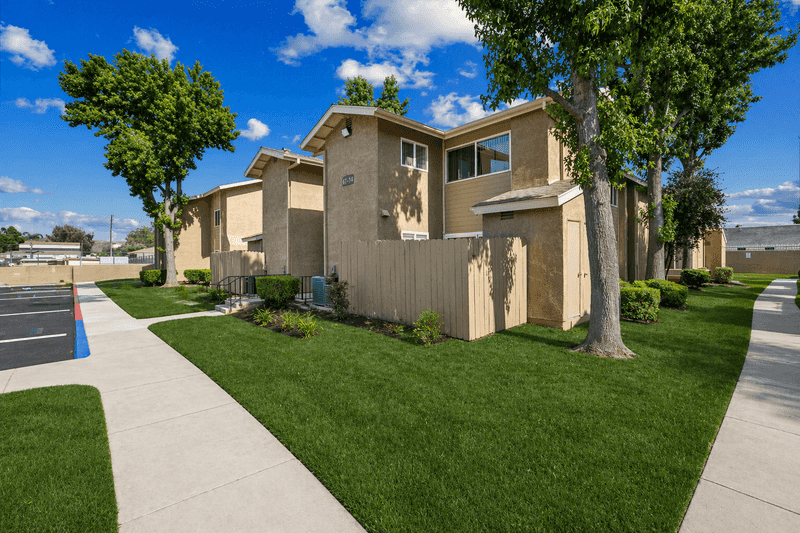
Finding a California apartment under $1,500 per month feels like hunting for something that no longer exists, but Hemet makes that search a lot shorter.
Studio apartments in the city average around $1,094 per month and one-bedroom units come in near $1,409 per month as of mid-2026, according to listings on Apartments.com.
RentCafe places the overall average apartment rent in Hemet closer to $1,695, which still sits well below what most coastal or urban California cities charge.
A significant portion of rentals in Hemet, roughly 54 percent, fall within the $1,501 to $2,000 per month range, which gives renters a realistic band to work within.
One-bedroom apartments outside the city center tend to average around $1,800 per month, while units closer to the center can reach $2,000.
For a single renter keeping costs careful, a studio or modest one-bedroom leaves meaningful room in a $2,000 monthly budget for groceries and utilities.
Two-bedroom apartments average between $1,705 and $1,875 per month, which matters for roommates or small families trying to split costs.
The rental market here is not perfect, but it is one of the few places in California where affordability still has a real foothold.
Grocery Costs Are Manageable For A Single-Person Budget

Feeding yourself in California can quietly drain a budget faster than rent does, which is why it matters that Hemet has accessible grocery options without requiring a long drive.
The city has supermarkets, chain retailers, and neighborhood stores spread across the San Jacinto Valley, so basic errands stay close to home.
Monthly food costs for a single person in Hemet are estimated at approximately $477 per month based on a recommended minimum food budget figure.
That number gives a single renter a workable baseline, especially when combined with a studio or one-bedroom rent in the $1,094 to $1,409 range.
Grocery costs in Hemet are described as slightly less affordable than the national average, so the $2,000 monthly budget works best for someone who shops with some intention rather than spending freely.
Buying staples, cooking at home regularly, and using store sales can keep the grocery line closer to $400 than $600 for a careful shopper.
For families of four, grocery estimates climb to between $1,000 and $1,400 per month, which is where the $2,000 budget gets tighter and requires a roommate or a second income to stay realistic.
Diamond Valley Lake Gives Hemet A Real Outdoor Anchor

Not every affordable city gives residents somewhere genuinely worth going on a free afternoon, but Hemet has Diamond Valley Lake sitting right nearby.
The lake is one of the largest reservoirs in Southern California and offers boating, fishing, hiking, and open views that feel much bigger than the city’s modest rent numbers might suggest.
Getting out to the water does not require a long road trip or a paid resort stay, which makes it a practical part of everyday life for residents.
The surrounding landscape has a wide, open quality with rolling hills and long sightlines that contrast nicely with the more suburban feel of the city itself.
Fishing at the lake draws consistent interest throughout the year, and the trails in the area give walkers and hikers a reason to get outside without spending anything.
For a budget-conscious lifestyle, having a major recreational destination this close to home adds real value that a rent number alone cannot capture.
Diamond Valley Lake works as an everyday escape rather than a special occasion destination, which is exactly what makes it useful for people living in Hemet on a careful budget.
The outdoor access here is one of the strongest arguments for why affordability in this city feels more rewarding than it might look on a spreadsheet.
Western Science Center Adds A Museum Worth Visiting
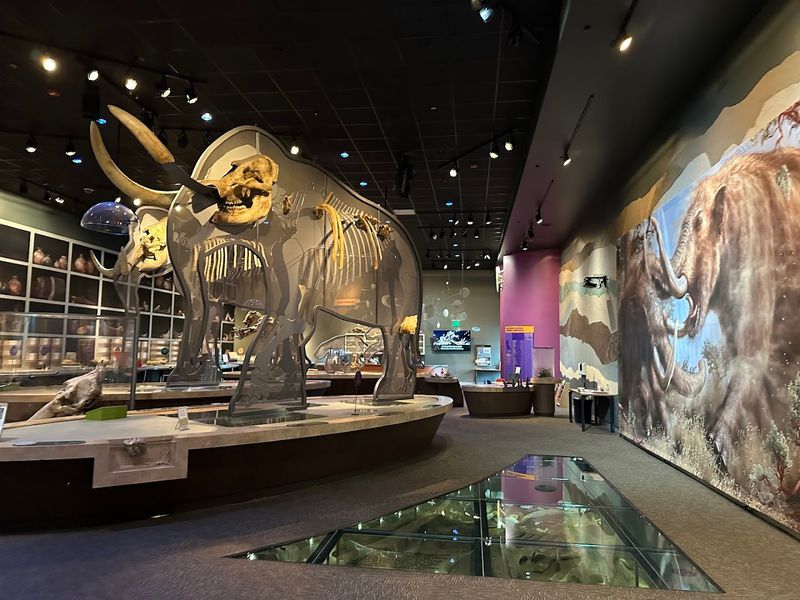
Budget-friendly cities do not always come with cultural institutions worth talking about either, which is part of what makes Western Science Center a genuine surprise for Hemet.
The museum describes itself as the natural history museum of the Inland Empire and one of the largest natural history museums in Riverside County.
The museum is home to the Pacific Mastodon, which gives the space a standout exhibit that goes well beyond what most small-city museums can offer.
Displays cover prehistoric life, local geology, and regional archaeology in a way that feels educational without being dry or overwhelming.
Families, students, and curious adults all tend to find something worth their time here, and the admission cost stays accessible compared to larger metropolitan museums.
Having a real natural history museum within the city limits adds a layer of cultural depth to Hemet that supports the livable-affordability angle.
Residents do not have to drive to Los Angeles or San Diego to access a quality museum experience.
Western Science Center makes the city feel fuller and more grounded as a place to actually live rather than just a place to save money on rent.
Simpson Park Brings A Wilderness Preserve Close To The City
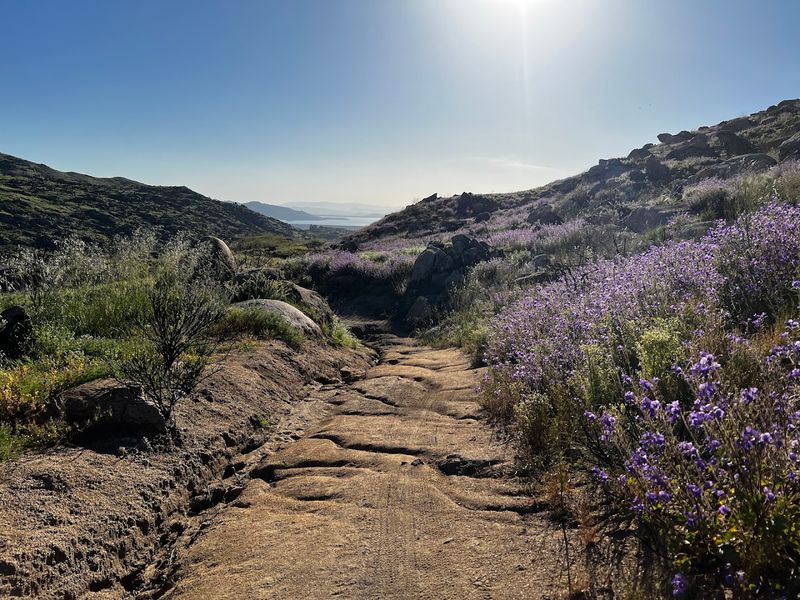
Urban green space in California often means a flat park with a few benches, but Simpson Park operates on a completely different scale.
The City of Hemet describes it as a 438-acre wilderness preserve in the Santa Rosa Hills, with rugged terrain and broad views that stretch across the valley below.
Having that kind of open land within minutes of a residential neighborhood is a quality-of-life feature that many cities with far higher rent cannot match.
Trails through the preserve wind through dry chaparral and rocky hillside terrain, giving hikers a sense of real elevation and space without needing to drive to a national park.
The views from the upper sections of the park look out over the San Jacinto Valley, which adds a scenic payoff to even a modest walk.
Dogs, casual walkers, and more serious hikers all tend to use the trails depending on the day and the season.
For someone living in Hemet on a careful budget, having a free outdoor escape this close to home matters more than it might seem at first.
Recreation does not have to cost money when a 438-acre preserve is a short drive away.
Simpson Park quietly strengthens the case that lower-cost living in Hemet does not mean giving up access to real California scenery.
Ramona Bowl Amphitheatre Gives The City A Historic Identity
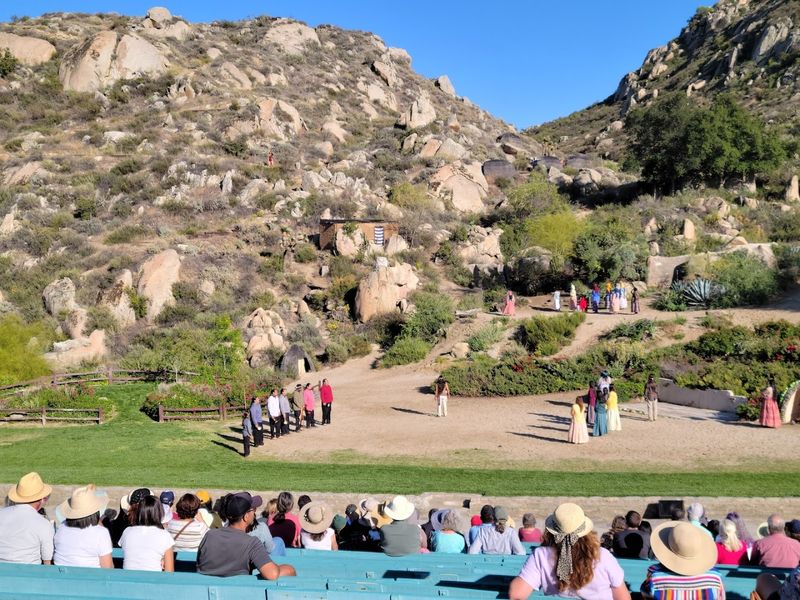
Some cities have landmarks that feel purely decorative, but Ramona Bowl Amphitheatre carries real historical weight for Hemet.
The venue is tied to the long-running outdoor play Ramona, which the amphitheatre identifies as California’s official outdoor play, and its 2026 season marks the production’s 103rd year of continuous performance.
That kind of unbroken local tradition gives the city a cultural anchor that goes well beyond what most budget-friendly destinations can claim.
The amphitheatre is nestled into a natural hillside setting that makes the outdoor performances feel connected to the landscape around them.
Stone seating, open sky, and chaparral-covered slopes create a backdrop that feels genuinely Californian in a way that a conventional indoor theater never could.
Attending a performance here is an experience tied to place in a way that feels earned rather than manufactured.
For residents living in Hemet, having a venue with this much history and personality nearby adds something meaningful to everyday life.
The bowl is not just a performance space but a piece of local identity that makes the city feel more layered and interesting.
Knowing that Ramona has been performed here for over a century gives the whole city a warmer, more storied quality that a rent comparison alone would never reveal.
Everyday Errands Stay Close Without Requiring Long Drives
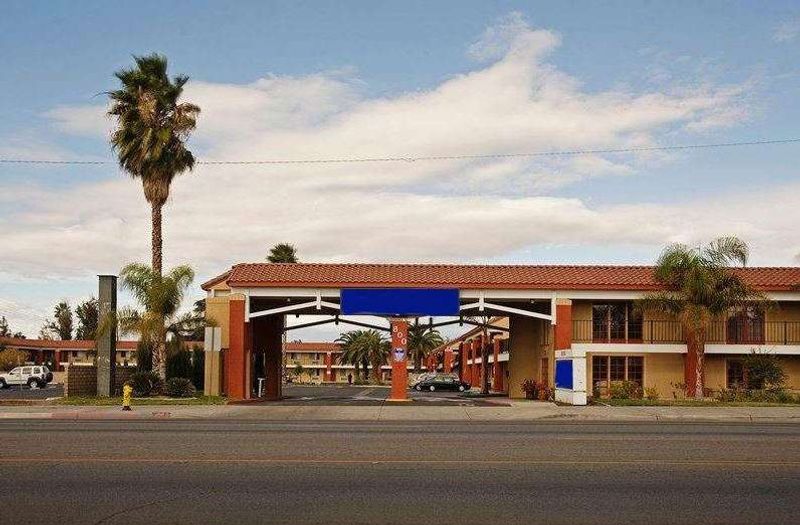
Affordability loses its appeal quickly when residents have to drive 30 or 40 minutes for basic errands, which is why Hemet’s everyday infrastructure matters as much as its rent numbers.
The city has supermarkets, chain retailers, pharmacies, local restaurants, medical offices, and neighborhood shopping centers spread across the San Jacinto Valley.
Getting through a full week of errands without leaving the city is a realistic expectation rather than an optimistic one.
Having that kind of daily convenience close to home reduces transportation costs, which is a meaningful factor in a tight budget.
Fewer long drives means less fuel spending and less wear on a vehicle, both of which add up over the course of a year.
The practical layout of the city supports a lifestyle where most needs are met locally without requiring a car-dependent commute just to buy groceries or pick up a prescription.
For someone relocating from a more expensive California city, the combination of lower rent and accessible daily services can feel like a genuine relief.
Hemet is not a polished or trendy destination, but it is a functional one, and that distinction matters for people who care more about making life work than about the prestige of their zip code.
The city’s everyday usability is one of its most underrated strengths.
Day Trips From Hemet Keep Life From Feeling Landlocked
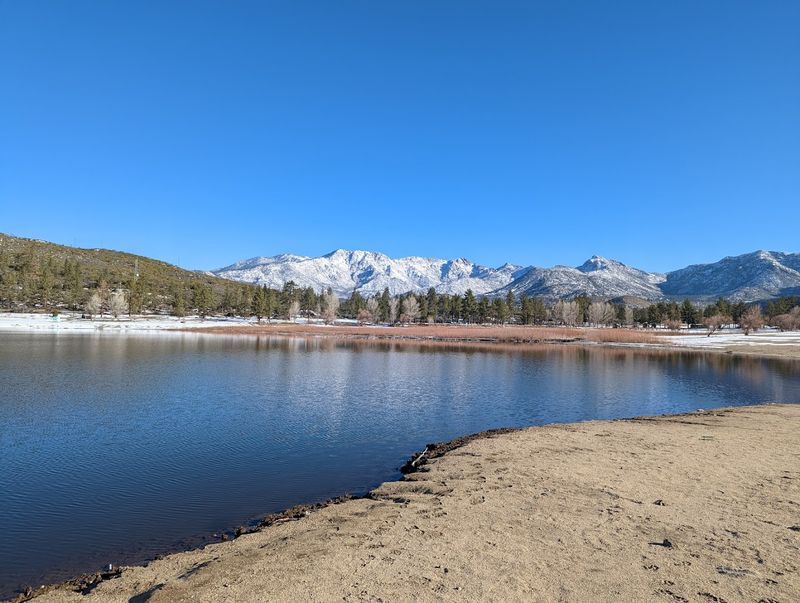
Living affordably does not have to mean staying within a tight radius every weekend, and Hemet’s location in the San Jacinto Valley puts several worthwhile destinations within reasonable driving distance.
Idyllwild, a mountain arts community in the San Jacinto Mountains, sits roughly 25 miles from Hemet and offers a cooler climate, forested trails, and a small-town atmosphere that feels completely different from the valley below.
Lake Hemet, located on the way up the mountain, adds another outdoor option for fishing and camping.
Temecula to the southwest offers wine country scenery, a historic Old Town district, and weekend markets that make for a full day out without requiring an overnight stay.
Palm Springs to the east brings desert architecture, midcentury character, and a distinct visual landscape that contrasts sharply with the valley setting of Hemet.
Menifee and other Inland Southern California communities fill in the gaps for shopping, dining, and entertainment that the city itself may not fully cover.
Having multiple day-trip destinations within an hour or so of home gives Hemet residents a sense of regional connection that prevents the city from feeling isolated.
Lower rent works better as a long-term choice when the surrounding area offers enough variety to keep life interesting.
The city functions well as a home base rather than a destination, and that is exactly the role it plays most naturally.
The $2,000 Budget Works Best With Careful Spending Habits
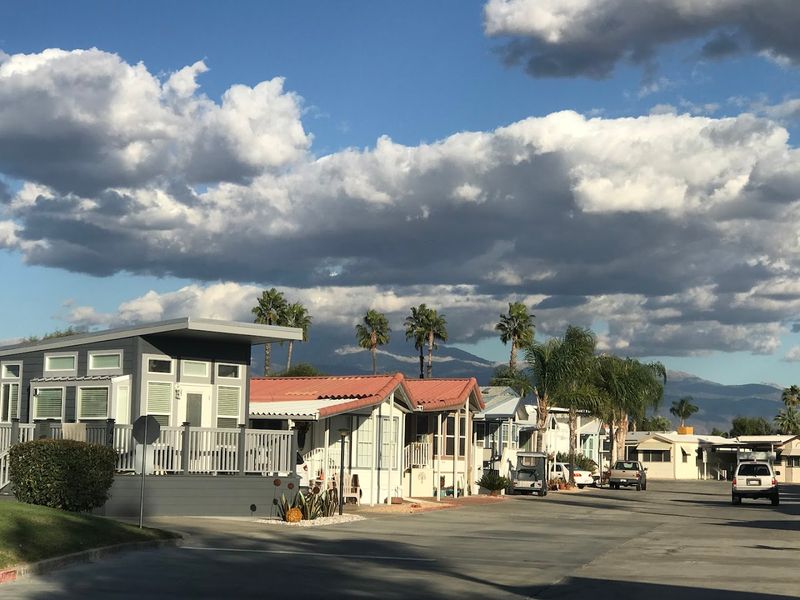
Numbers on a page only tell part of the story when it comes to living on a monthly budget.
A $2,000 monthly budget in Hemet can realistically cover rent, groceries, and basic utilities for a single renter in a studio or modest one-bedroom, but it works best when spending is intentional rather than casual.
Two-bedroom rent, transportation costs, phone bills, health insurance, medical copays, and occasional dining out can all push monthly totals higher without much warning.
A single renter in a studio averaging $1,094 per month in rent, spending around $400 to $477 on groceries, and keeping utilities near $200 to $250 could realistically land under $2,000 for those three categories.
That scenario requires some discipline but is not unrealistic for someone prioritizing stability over convenience.
The budget gets tighter for families, roommate households with higher utility usage, or anyone with significant transportation or medical costs.
Hemet is honest affordability rather than effortless affordability, and understanding that distinction makes the city more useful to the right person.