The Changing Georgia City Where Longtime Locals Say They Barely Recognize Their Hometown
I grew up hearing stories about my grandmother’s neighborhood, the one with the corner store and the porch swings. When I finally visited, none of it looked the way she described.
Georgia has a habit of surprising people who think they already know it. Old maps do not match new streets anymore.
Familiar landmarks disappear overnight, replaced by glass towers and coffee shops nobody asked for. I talked to lifelong residents who stood on their own block and admitted they felt lost.
That reaction stuck with me. This is not really a story about buildings.
It is a story about identity, memory, and what happens when growth moves faster than the people living through it. Georgia is changing, and not everyone recognizes it anymore.
A Population Boom That Filled Every Empty Lot
Numbers rarely make my heart race, but this one did. Between 2010 and 2024, the metro area gained more than 80,000 new residents.
That kind of growth ranks it among the fastest-growing mid-sized metros in the country. Empty lots that sat quiet for years now hold framed houses and fresh driveways.
Job growth is a big part of the pull. Add the coastal lifestyle, and you have a recipe that keeps moving trucks busy year round.
Walking the streets, the change shows up in small ways. New mailboxes, new paint, and traffic patterns that longtime drivers no longer trust.
Growth like this brings real benefits. More restaurants, more jobs, more things to do on a Tuesday night.
It also brings a learning curve. Neighbors who knew every face on the block now meet strangers at the grocery store.
My advice for visitors is simple. Give yourself extra time to get anywhere, because the roads carry more cars than they used to.
If you want to understand how a Southern city grows without losing its soul, start here in Savannah, Georgia.
The Westside Canal District Rising From Quiet Ground
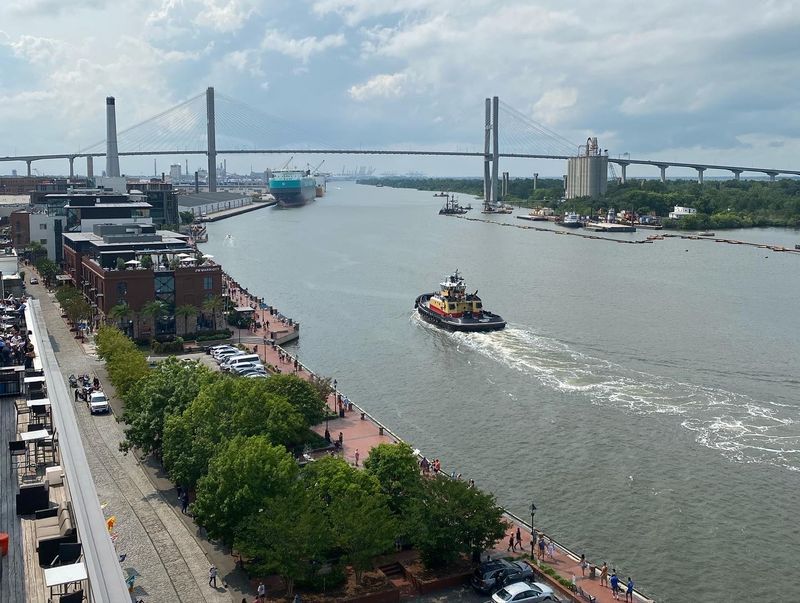
The west side used to be the part of town people drove past. Now it has a name, a plan, and a pulse.
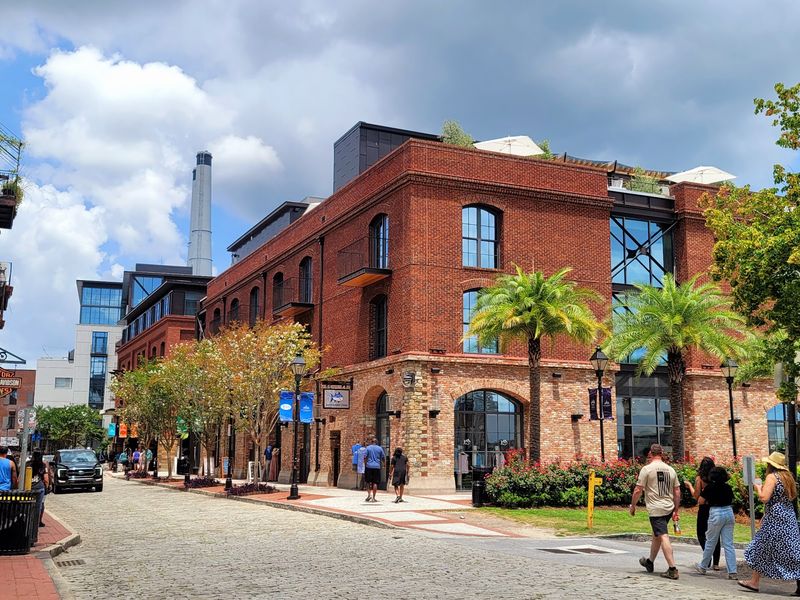
The Canal District has become one of the most talked-about projects in the area. Plans include fresh shopping and dining spaces meant to draw crowds after events.
What makes it interesting is the location. It sits just outside the famous squares, close enough to walk but far enough to feel brand new.
Development here changes how people move through the city. Streets that once carried light traffic now handle event nights and weekend visitors.
For anyone planning a trip, keep an eye on this stretch. New businesses open at a steady pace, and each one shifts the mood a little.
Longtime residents notice the contrast most. Familiar landmarks now share space with sleek facades and freshly poured concrete.
I found the mix oddly satisfying. Old and new sitting side by side, both trying to figure each other out.
Bring comfortable shoes if you explore the area. Sidewalks are wide, but the walk covers more ground than it looks.
Hutchinson Island Turning Into A Neighborhood
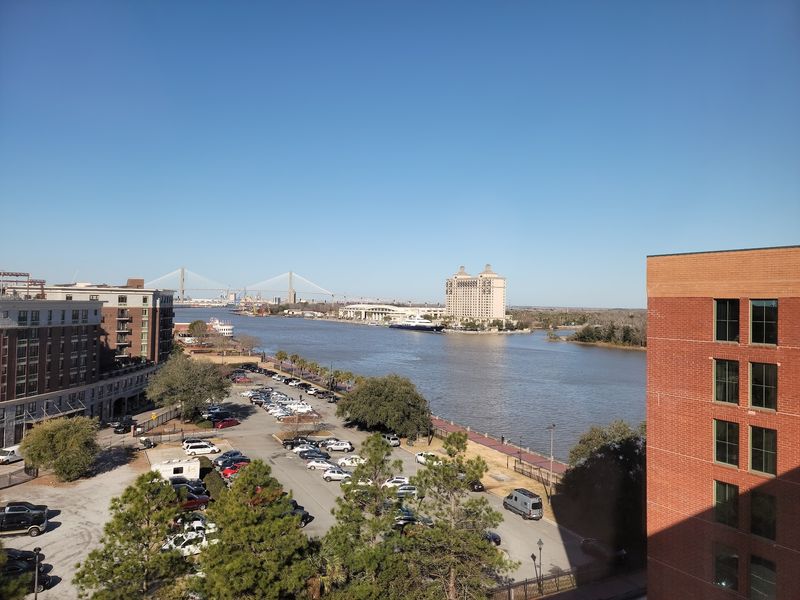
Across the river sits a piece of land that used to feel like an afterthought. These days it looks like a neighborhood in the making.
Hutchinson Island has been growing fast with new residential communities. Homes now rise where open ground once stretched toward the water.
The view is the main event. From there, the downtown skyline looks like a painting, especially when cargo ships glide past.
Getting over is part of the fun. A short ferry ride connects the island to the riverfront, and it costs nothing to hop aboard.
Residents get quiet mornings and a front-row seat to river traffic. Visitors get a different angle on a city they thought they knew.
Growth here raises real questions about infrastructure. More homes mean more cars, more services, and more pressure on limited access points.
I rode the ferry twice in one afternoon, mostly for the breeze. The second trip felt just as good as the first.
If you visit, go near sunset. The light hits the old buildings across the water and turns everything soft gold.
Historic Black Business Corridors Wearing New Faces
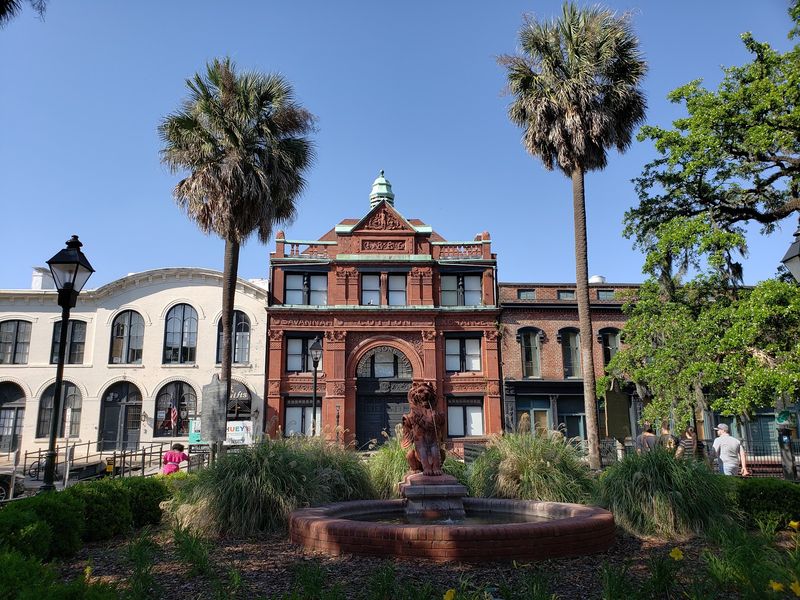
Change is not always gentle, and this part of the story deserves honesty. Streets that once anchored Black-owned commerce now hold trendy boutiques.
Single-family homes that housed Black families for generations have often been divided into apartments. The buildings stayed, but the people inside changed.
Between 2010 and 2020, several historically Black neighborhoods experienced notable demographic changes linked to redevelopment and gentrification. That figure sits behind every renovated storefront and repainted porch.
Understanding this history makes a visit richer. The architecture tells one story, and the community records tell another.
Several museums and cultural centers in the area keep that memory alive. Spending an hour in one adds depth no walking tour can match.
I noticed how quickly a block can shift. Two doors down from a decades-old business sat a shop opened last spring.
Supporting long-standing local businesses matters more than ever. Your dollars help anchor the places that shaped these neighborhoods.
Growth and memory can share the same street. Keeping both alive takes intention from everyone who lives and visits here.
A Landmark District Flagged As Threatened
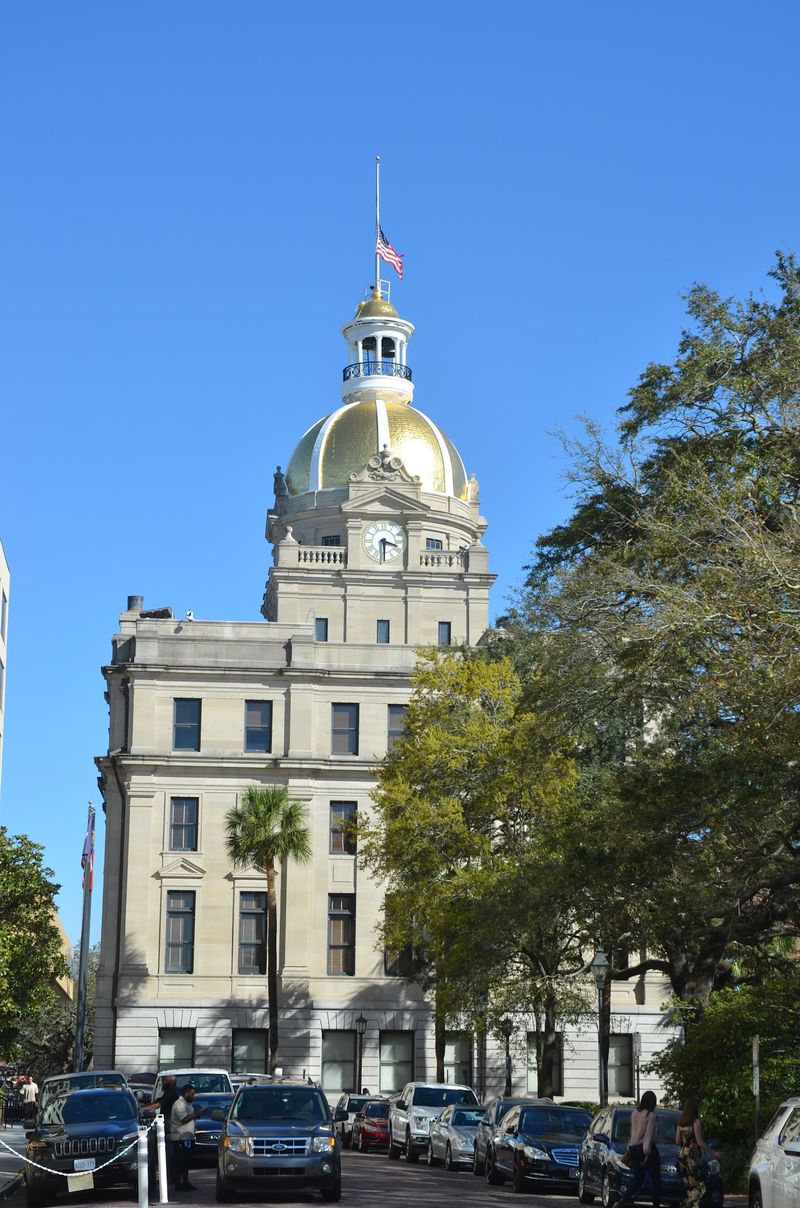
Preservation sounds boring until you see what happens without it. In 2018, a National Park Service study identified multiple threats affecting the Savannah National Historic Landmark District.
Concerns centered on new construction and rising traffic pressing against the original city plan. That plan, with its grid of squares, is the reason people fall in love here.
The squares still work their quiet magic. Live oaks, Spanish moss, and benches that invite you to sit longer than planned.
What changed is the edges. Larger buildings and busier streets now frame spaces designed for a slower pace.
Preservation groups continue pushing for careful, sensitive development. Their argument is simple: the layout itself is the treasure.
For travelers, the takeaway is practical. Walk the squares early in the morning, before delivery trucks and tour buses arrive.
I counted six squares before losing track of time completely. Each one had its own personality and its own crowd of regulars.
Respecting the district costs nothing. Stay on paths, keep noise low, and let the old design do its job.
Tourism Dollars And The Traffic That Comes With Them
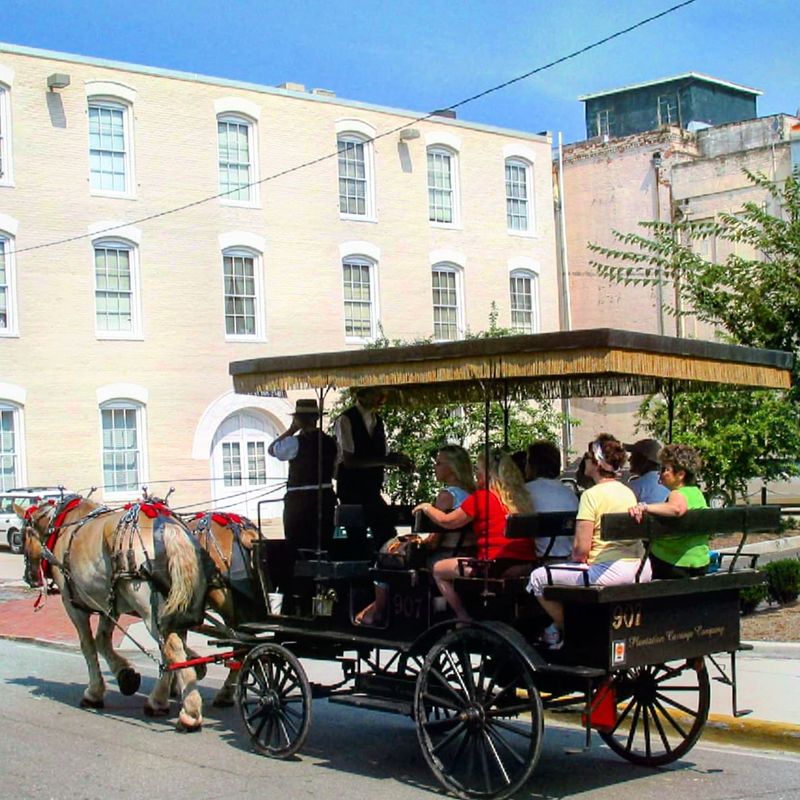
Four billion dollars is hard to picture until you see the crowds. In 2025, visitor spending reached about 4.1 billion dollars.
That money supports tens of thousands of local jobs. Hotels, kitchens, tour companies, and shops all lean on those numbers.
The trade-off shows up in daily life. Heavier traffic, fuller parking lots, and a cost of living that keeps climbing.
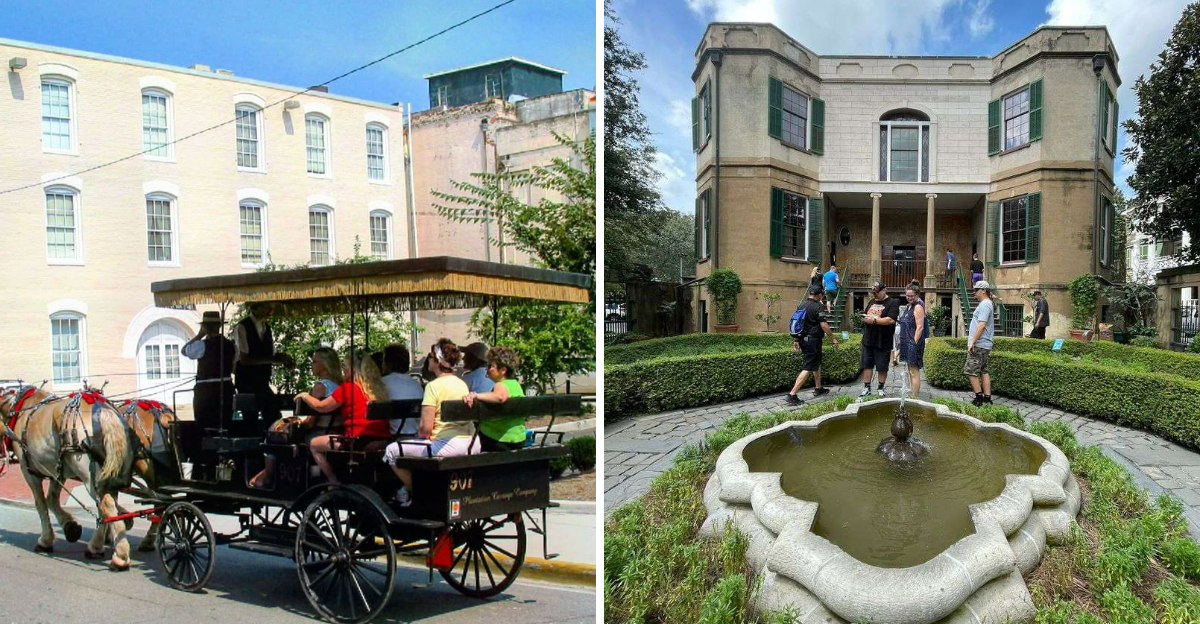
Horse-drawn carriages still clop along the cobblestones. They share the road now with rideshare cars and delivery vans.
Smart timing solves most of the frustration. Weekday mornings feel calm, while weekend afternoons turn into a slow shuffle.
I learned to park once and walk everywhere. The city rewards that choice with shade, benches, and surprises on every block.
Spreading your spending helps too. Small neighborhood spots feel the benefit far more than the biggest names downtown.
Tourism keeps the lights on here, and residents know it. Balancing welcome with livability remains the ongoing conversation.
A Real Estate Market That Finally Caught Its Breath
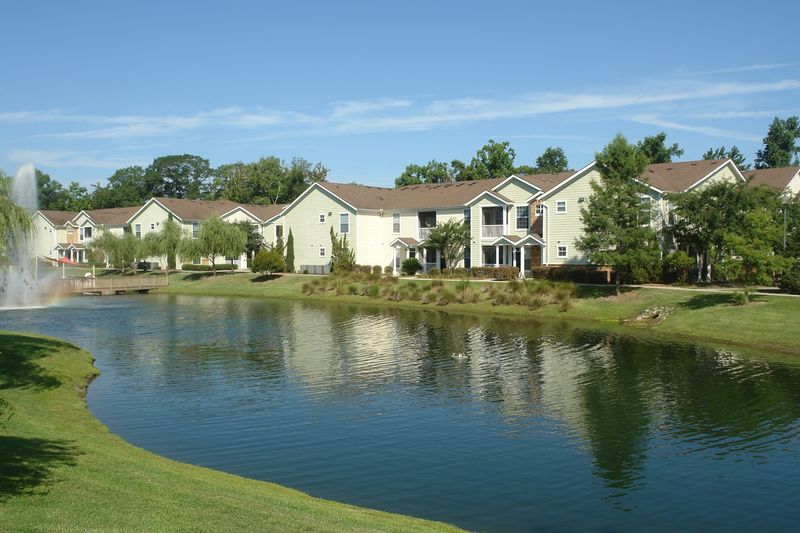
For years, buying a home here felt like a race with no finish line. Sellers held the power, and offers flew within hours.
The market has shifted toward balance. More homes sit available, and buyers finally get time to think before deciding.
Longer decision windows change everything. Inspections, second visits, and honest comparisons are possible again.
New construction adds to the supply. Single-family homes, townhomes, and luxury properties are all going up at once.
Master-planned communities are expanding the map. Areas like New Hampstead have thousands of new homes planned.
For buyers, patience now pays. Comparing three or four options beats grabbing the first listing out of panic.
Sellers still do well with the right preparation. Clean presentation and fair pricing matter more than they did during the frenzy.
I drove through one of the newer developments out of curiosity. Rows of fresh rooftops stretched where pine woods once stood.
Balance is healthier for everyone involved. Fewer bidding wars means fewer regrets, and that helps the whole community settle.
A Young Crowd Setting The New Rhythm
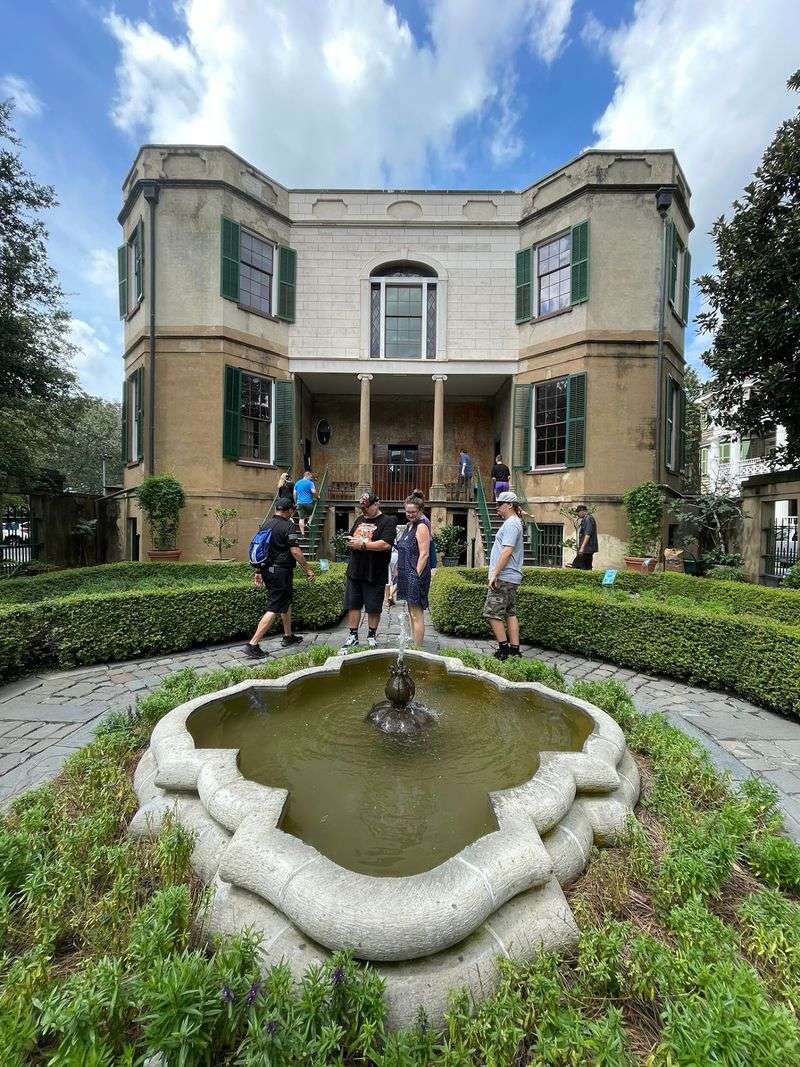
Here is the detail that surprised me most. Despite centuries of history, the median age here stays notably young.
College students and young professionals make up a large share of the population. Their energy shapes everything from menus to music schedules.
Coffee shops fill early with laptops and sketchbooks. Art students carry portfolios through squares older than most American cities.
That youthful mix explains the pace of new openings. Demand for casual, creative, affordable spots keeps rising.
Evenings feel livelier than the historic setting suggests. Live music drifts out of doorways on ordinary weeknights.
Older residents notice the shift in tone. Streets that once went quiet after dinner now hum until later.
For visitors, this is a gift. There is almost always something happening, even outside peak season.
Preserving heritage while welcoming new energy remains the central challenge. Conversations about sensitive development continue at every public meeting.
My honest read after several days here: the place is changing, not fading. It keeps its history while writing fresh chapters.