The Charming Small Town In California That’s Straight Out Of A Hallmark Movie
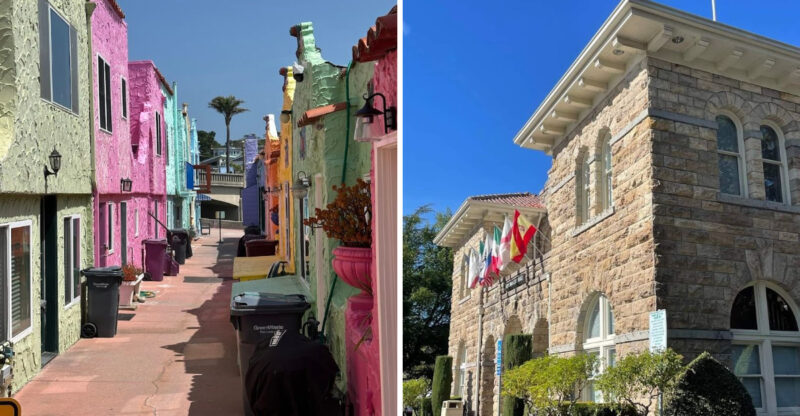
It doesn’t feel staged, but it almost looks like it could be. The kind of place where everything lines up just right, where the storefronts are bright, the beach is steps away, and the whole scene feels a little too perfect to be accidental.
Morning starts quietly here. Coffee in hand, a short walk along the sand, the sun already warm without being overwhelming.
By midday, the shoreline fills just enough to feel alive, but never crowded. People take their time, conversations stretch, and no one seems in a hurry to be anywhere else.
Towns like this still exist along California’s coast, even if they don’t feel entirely real at first.
The details are what make it stick. A pier that pulls you out over the water, small shops that feel locally rooted, and a setting where the hills wrap gently around the bay. Everything feels close, easy, and just a little more intentional than expected.
California has a way of holding onto places that feel untouched by time.
Spending a few hours here turns into something longer without much effort. Plans shift, the pace slows, and it becomes clear why people leave already thinking about when they’ll come back.
A Shipping Port Turned Beloved Beach Town
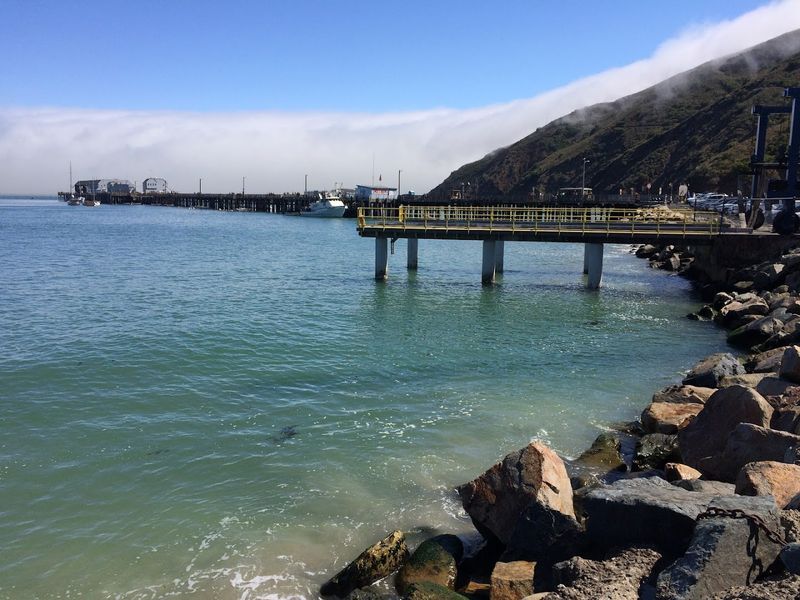
Long before visitors spread out their beach towels on its sandy shores, Avila Beach had a very different identity.
Back in the late 1800s, it served as the primary shipping port for San Luis Obispo, handling goods and cargo along the central California coast.
That working-port history gives the town a grounded, layered character that many purely tourist-driven destinations simply lack.
The old bones of that industrial past are still visible in the layout of the waterfront and the sturdy presence of Harford Pier, which has stood since 1873.
Over the decades, the town gradually shifted from commerce to community, drawing families, artists, and travelers who were drawn to its calm bay and small-town rhythm.
Understanding that transition helps explain why Avila Beach feels so lived-in and genuine rather than manufactured for tourism.
The history here is not just a backdrop but a quiet foundation that shapes everything from the architecture to the relaxed attitude of the people who call it home.
A Microclimate That Keeps Things Warmer And Sunnier
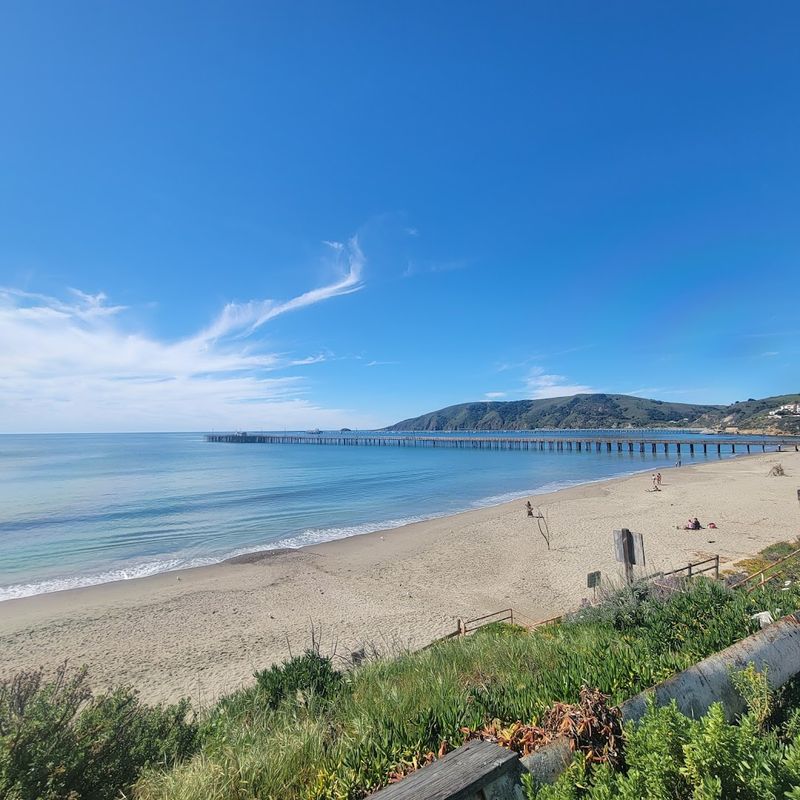
Most people assume that California coastal towns are breezy and cool, and many of them are.
Avila Beach, however, benefits from a microclimate that sets it apart from its neighbors along the Central Coast.
Sheltered by surrounding hills, the town stays warmer and sunnier than places like Morro Bay or Pismo Beach, which sit more exposed to marine layer and coastal fog.
On days when nearby towns are wrapped in gray, Avila Beach can be bathed in clear, comfortable sunshine.
That natural warmth makes it a realistic year-round destination rather than a strictly summer spot.
Visitors who plan trips in the fall or early spring often find the weather surprisingly pleasant and the beaches far less crowded than in peak summer months.
The microclimate is not a marketing claim but a real geographic feature caused by the bay’s orientation and the hills that buffer the area from stronger ocean winds.
For anyone who loves sunshine without the intensity of Southern California heat, this coastal pocket delivers a comfortable middle ground throughout much of the year.
The Harford Pier And Its Whale-Watching Appeal
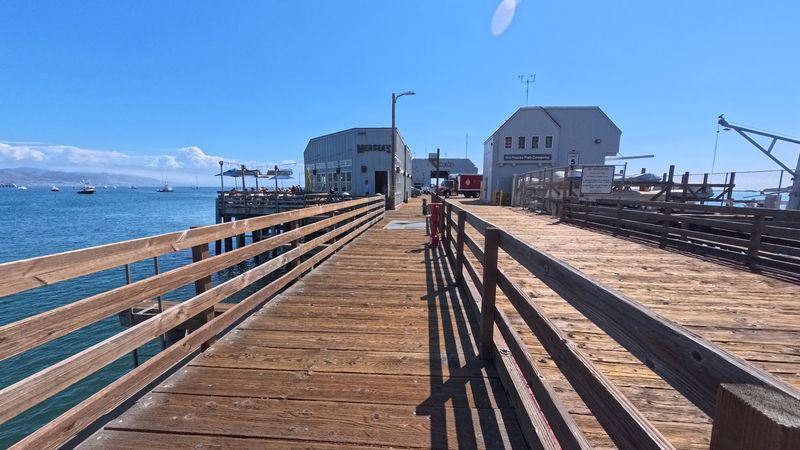
Stretching out over the calm waters of San Luis Obispo Bay, the Harford Pier is one of the most recognizable and beloved features of Avila Beach.
Originally built to support the town’s commercial shipping operations in the 1800s, it now serves a very different and far more leisurely purpose.
During gray whale and humpback whale migration seasons, the pier becomes a popular gathering spot for wildlife watchers hoping to catch a glimpse of these massive marine animals feeding and traveling offshore.
The visibility from the pier can be excellent on clear days, and no boat or special equipment is required to enjoy the experience.
Beyond whale watching, the pier is also used for fishing, casual strolling, and simply taking in the views of the surrounding hills and bay.
Local vendors and a small restaurant operate near the pier area, making it easy to spend a few hours there without needing to venture far.
The pier has a relaxed, unhurried energy that suits the town perfectly, and it remains one of those spots where the simple act of standing over open water feels like more than enough.
The Bob Jones Trail Connects Nature And Town
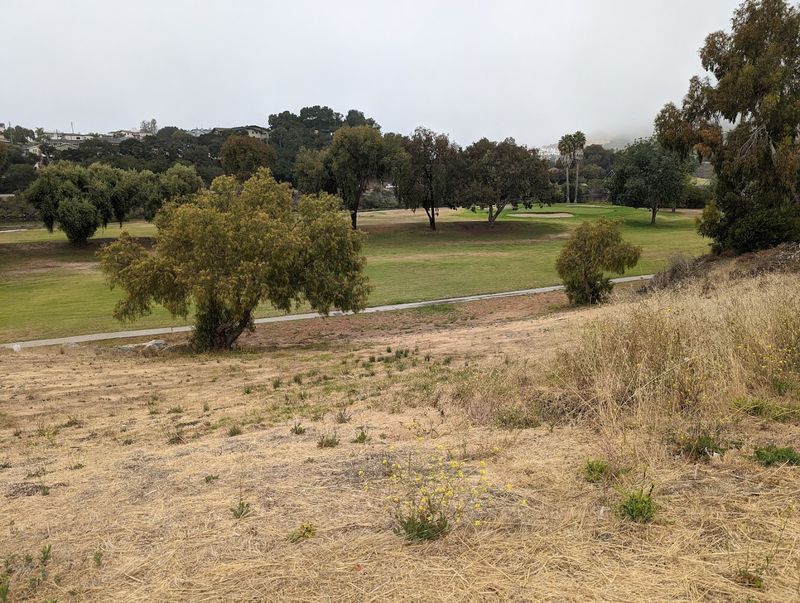
For those who enjoy being outdoors without committing to a strenuous hike, the Bob Jones City to Sea Trail offers a well-developed and accessible route through some lovely scenery.
The trail connects the Avila Beach Golf Resort area to a trailhead near Highway 101, running alongside San Luis Obispo Creek for much of its length.
The path is paved and relatively flat, which makes it suitable for walkers, joggers, cyclists, and families with strollers.
Tall eucalyptus trees and native vegetation line portions of the route, creating a shaded corridor that feels removed from the busier parts of town even though it remains close to the beach.
Wildlife sightings along the trail are not unusual, and the creek adds a pleasant natural soundtrack to the walk.
The full round trip covers several miles, though visitors can turn around at any point without missing out on the best scenery.
Parking near the Avila Beach end of the trail tends to fill up on weekends, so arriving earlier in the morning could make the experience more relaxed.
The trail is a good reminder that some of the most rewarding parts of a beach town visit happen away from the sand itself.
The Point San Luis Lighthouse Stands Since 1890
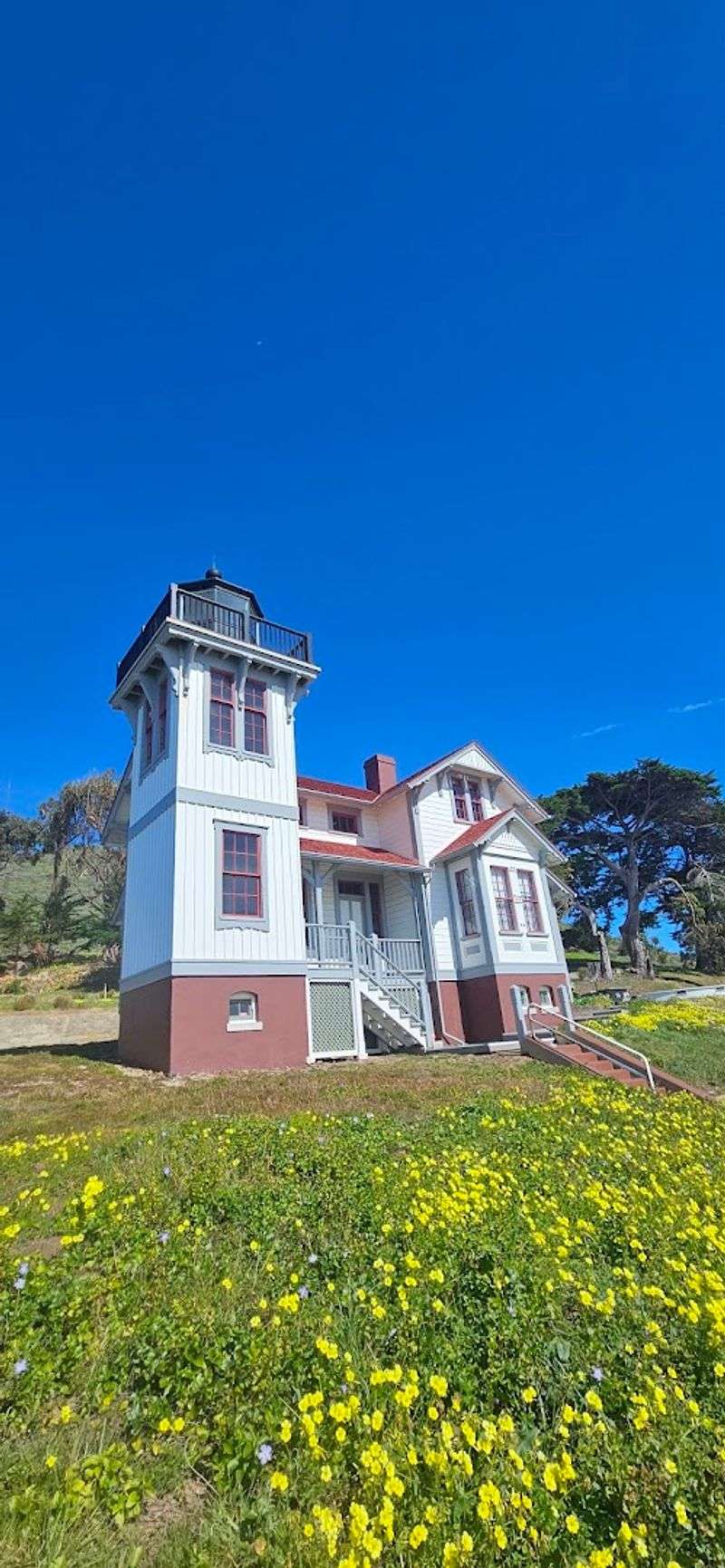
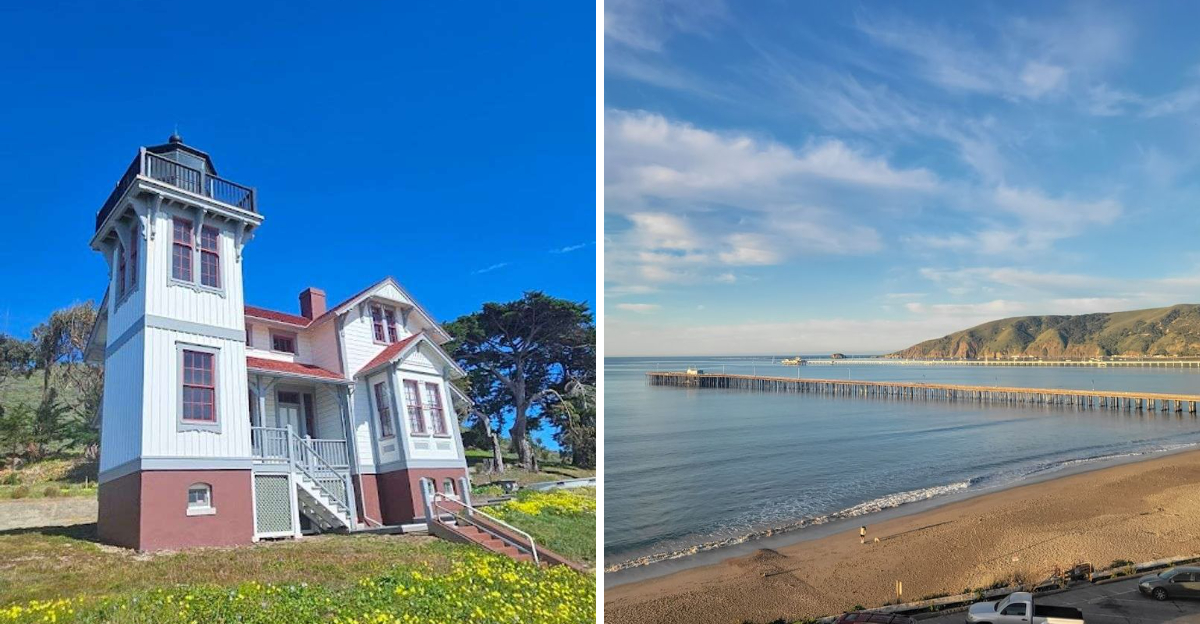
Perched on a dramatic coastal bluff overlooking San Luis Obispo Bay, the Point San Luis Lighthouse has been a fixture of this stretch of California coastline since 1890.
Built to guide ships safely through the waters of the bay, it represents an era when maritime navigation depended entirely on physical structures and human keepers.
Today, the lighthouse is preserved as a historic landmark and managed by the Point San Luis Lighthouse Keepers, a nonprofit organization that offers guided tours to the public.
The lighthouse is located within Port San Luis Harbor and is accessible via docent-led hikes or a small tram that runs on select days.
The surrounding landscape is rugged and scenic, with sweeping views of the ocean and coastline that stretch for miles in both directions.
Tours typically cover the history of the lighthouse, the lives of the keepers who once lived on site, and the mechanics of how the light functioned before automation.
Because access depends on scheduled tours, checking availability in advance is recommended before planning a visit.
The experience tends to feel immersive rather than staged, offering a tangible connection to the maritime history that shaped this entire region.
A Film Location With Quiet Cinematic History
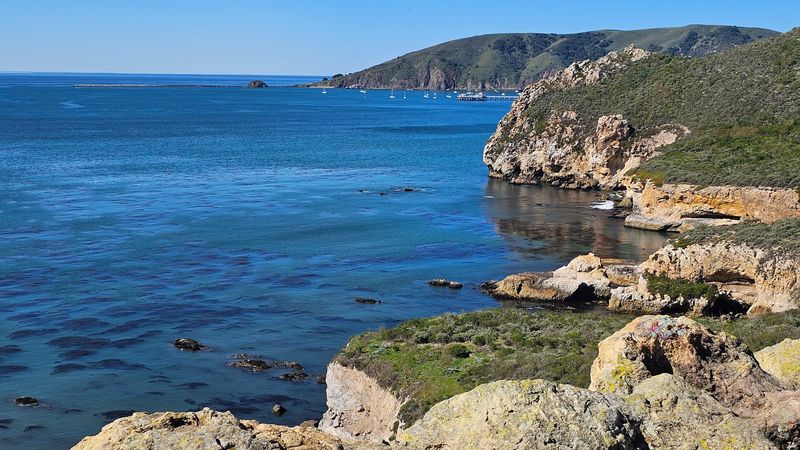
Not every small town can claim a connection to cinema, but Avila Beach holds a quiet and interesting place in film history.
The 1979 movie “California Dreaming” used the town as its primary filming location, drawing on the area’s natural coastal beauty and unhurried small-town atmosphere to set the scene.
The film captured something genuine about the way Avila Beach looks and feels, and that quality has not entirely disappeared in the decades since.
The town’s compact layout, its proximity to the water, and the warmth of its surroundings give it a naturally photogenic quality that does not require much staging or enhancement.
For visitors who enjoy connecting places to their cultural history, knowing that this town once served as a film backdrop adds a small but satisfying layer to the experience of walking its streets.
The cinematic connection also helps explain why so many people describe Avila Beach as feeling like a movie set, even without knowing its actual film history.
There is something about the combination of the bay, the hills, the pier, and the low-key commercial strip that consistently reads as picturesque in a very grounded and unforced way.
Farmers Markets And Community Events Keep Things Lively
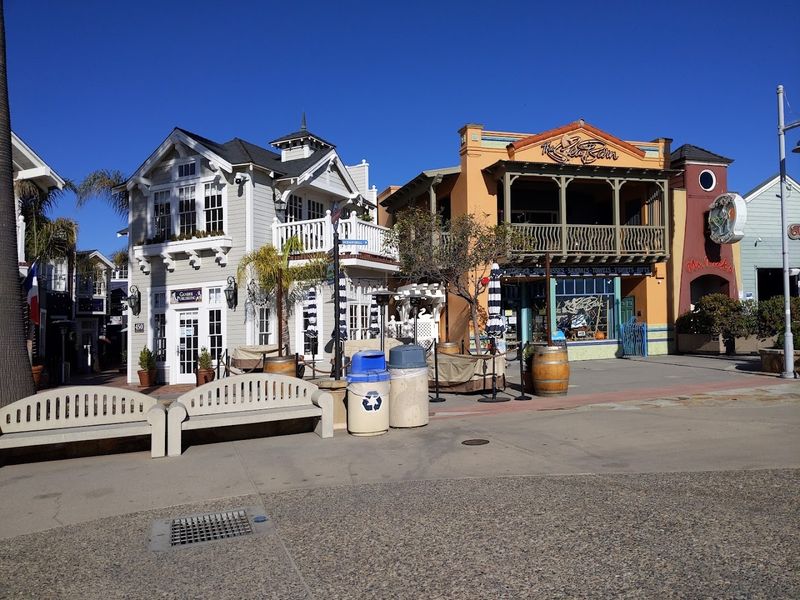
Small towns often reveal their true character through the events they choose to host, and Avila Beach has built a reputation for bringing its community together in enjoyable ways.
Throughout the year, the town holds farmers markets, art shows, music festivals, and seasonal celebrations that draw both locals and visitors.
The farmers market in particular tends to reflect the agricultural richness of San Luis Obispo County, with vendors offering fresh produce, artisan goods, and locally made products.
The atmosphere at these events is relaxed and social, with the kind of easy foot traffic that allows people to linger without feeling rushed.
Music festivals held in the area take advantage of the natural outdoor setting, with the bay and hills providing a backdrop that no indoor venue could replicate.
Art shows bring regional artists into the community space, giving visitors a chance to see and purchase work that reflects the local landscape and culture.
For anyone visiting on a weekend when one of these events is scheduled, the experience of Avila Beach becomes notably richer.
Checking local event calendars before a trip could help time a visit to coincide with something that adds an extra dimension to the stay.
Oceanfront Dining With Fresh Seafood And Bay Views

Eating near the water is one of those simple pleasures that makes food taste better, and Avila Beach offers several options for doing exactly that.
The town’s small commercial strip runs close to the shoreline, with a number of restaurants and cafés positioned to take full advantage of the bay views.
Fresh seafood is a natural focus for many of the local eateries, thanks to the nearby ocean and the working harbor at Port San Luis.
Menus often feature locally caught fish alongside other coastal California staples that reflect the region’s culinary identity.
The dining scene stays modest in scale but reliable in quality, with most spots leaning toward casual and family-friendly rather than formal or high-end.
Outdoor seating is common, and on warm, sunny days, eating outside with a view of the water and surrounding hills creates a restorative experience.
Lines at popular spots grow on weekend afternoons, so visiting slightly earlier or later than typical lunch and dinner hours can make the experience more comfortable.
The combination of fresh food, open air, and bay scenery remains one of the most straightforward pleasures Avila Beach consistently delivers.
Calm Waters Make It Ideal For Families
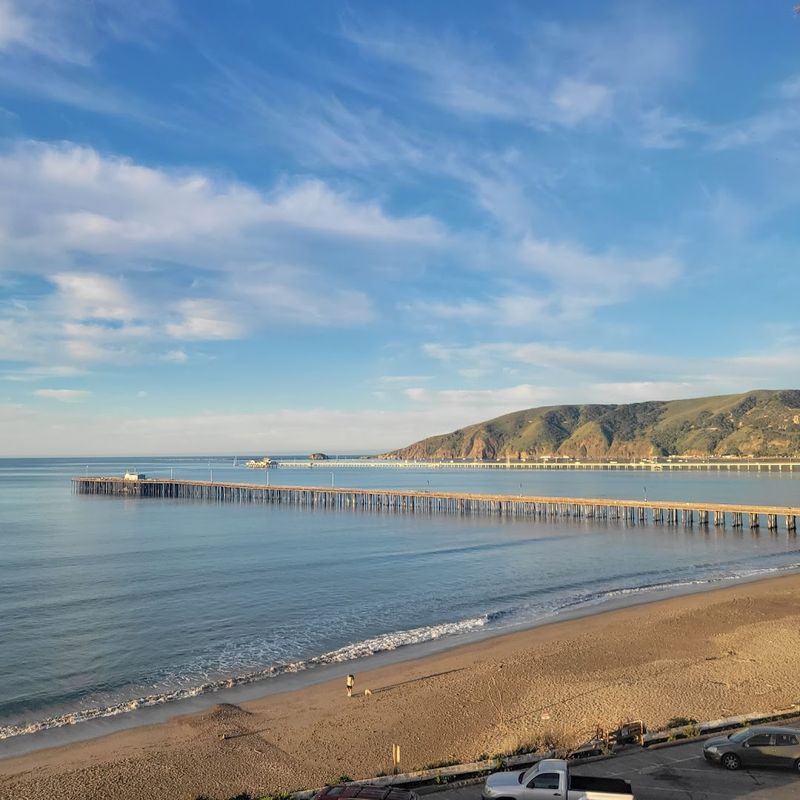
The shape of San Luis Obispo Bay gives Avila Beach a natural advantage that many California beach towns simply cannot offer.
The bay’s protected curve helps calm the surf, creating gentler wave conditions than those found on more exposed stretches of the coast.
That calmer water makes the beach particularly well suited for younger children and for families who prefer a more relaxed swimming environment.
The sand itself is wide and soft, with enough space for games, sandcastles, and the kind of unhurried afternoon that defines a truly good beach day.
The town’s compact size also works in favor of families, since the beach, the pier, restaurants, and basic amenities are all within easy walking distance of one another.
There is no need to shuttle between distant attractions or navigate complicated logistics.
Restroom facilities and public access points along the beach are reasonably maintained, though conditions can vary by season.
The overall atmosphere of the beach is inclusive and low-key, welcoming visitors of all ages without the competitive edge that sometimes appears at more crowded California beaches.
For families looking for a coastal experience that prioritizes comfort and ease over spectacle, Avila Beach delivers that consistently.
Close Proximity To San Luis Obispo Expands The Experience
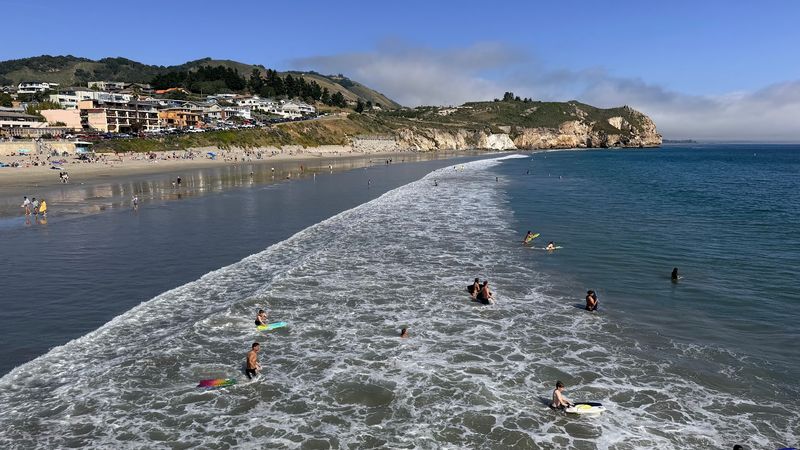
One of the practical advantages of visiting Avila Beach is how easily it connects to the broader attractions of San Luis Obispo County.
The city of San Luis Obispo sits just a short drive away, offering a fuller range of dining, shopping, cultural institutions, and historic sites that complement a beach-focused visit.
The San Luis Obispo Museum of Art and the historic Mission San Luis Obispo de Tolosa are two of the most notable nearby destinations, both offering a deeper look at the region’s cultural and architectural heritage.
The mission, founded in 1772, remains an active parish and one of the most well-preserved examples of California’s mission-era history.
Having San Luis Obispo so close means that a trip centered on Avila Beach does not have to feel limited to the beach alone.
Visitors can spend mornings on the sand or the pier, then head inland in the afternoon to explore the city’s downtown, farmers market, or museum offerings.
The drive between the two places passes through pleasant scenery and takes relatively little time, making it easy to combine both in a single day trip or weekend itinerary without feeling rushed or overextended.
Sustainability Efforts Shape How The Town Cares For Itself
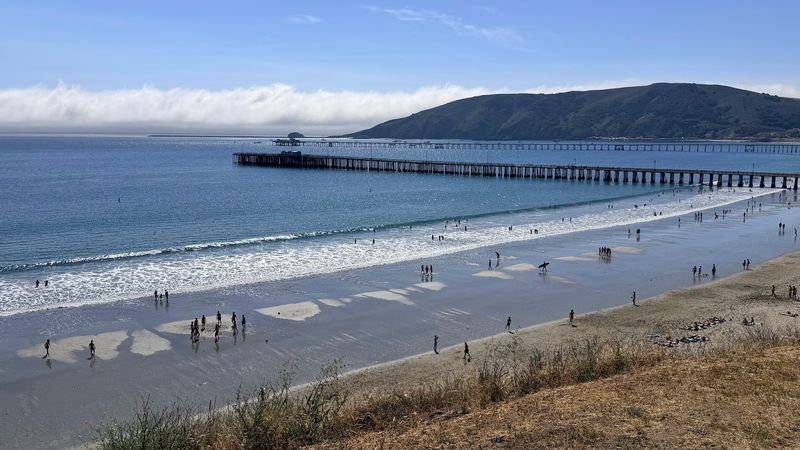
Behind the postcard-perfect appearance of Avila Beach lies a community that takes its environmental responsibilities seriously.
Local initiatives focused on sustainability and eco-friendly tourism have shaped how the town manages its natural resources and approaches growth in a sensitive coastal environment.
Efforts to preserve the beach, protect the bay’s water quality, and minimize the ecological footprint of tourism are ongoing and reflect a broader awareness of how fragile coastal ecosystems can be.
The town’s relatively small scale makes community-driven conservation more feasible here than in larger resort destinations, where the sheer volume of visitors creates more complex challenges.
Visitors who prioritize responsible travel tend to find Avila Beach aligned with those values in meaningful ways.
Keeping the beach clean, respecting local wildlife, and supporting businesses that operate with environmental awareness are all practices that fit naturally into a visit here.
The emphasis on sustainability is not just a policy position but a reflection of how residents relate to the place they live in.
That relationship between community and environment is part of what gives Avila Beach its lasting, unhurried appeal, and it suggests that the town is invested in remaining the kind of place worth visiting for years to come.