The Connecticut Beach Town That Locals Say Doesn’t Feel The Same Anymore Because Of Tourism
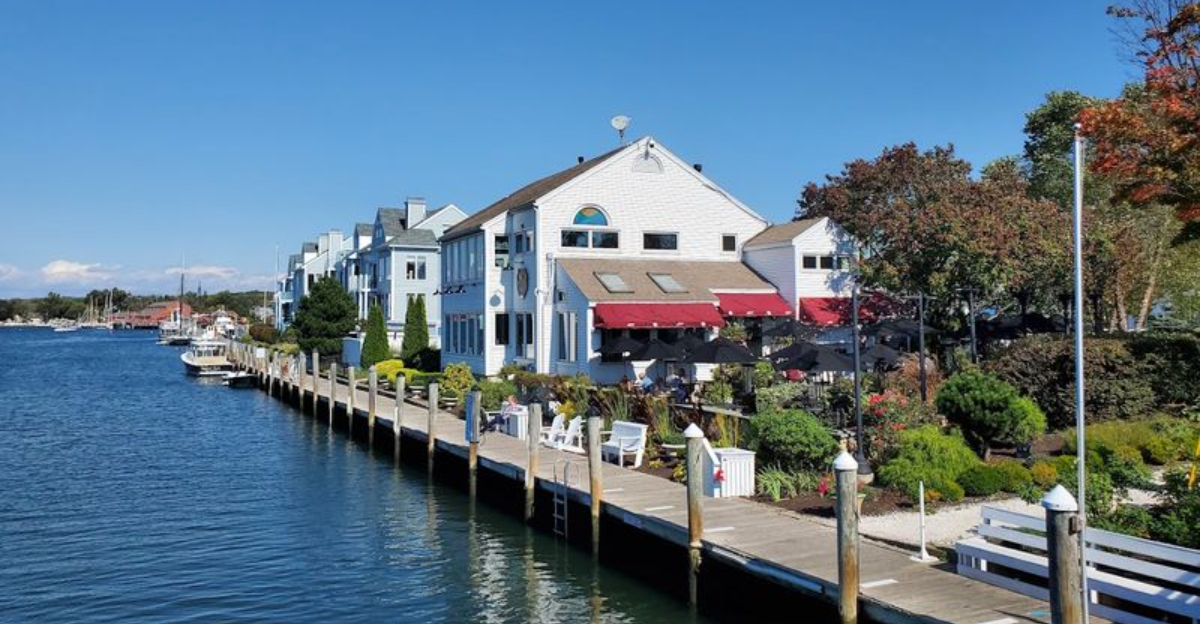
It used to feel like a small river town where daily life moved around the bridge and familiar storefronts. Now, summer weekends can turn a simple drive downtown into a slow crawl.
Visitors come for the maritime history and waterfront charm. Local businesses benefit from the attention, but the crowds have changed how residents experience streets they once treated as their own backyard.
Tourism has reshaped one Connecticut waterfront village, bringing packed sidewalks while leaving longtime residents nostalgic for quieter days.
The shift is most obvious near the bridge, where foot traffic spills across Main Street and parking becomes a daily puzzle. Even nearby residential roads can feel busier when travelers search for shortcuts.
Still, the old character has not completely disappeared. Early mornings reveal working boats on the river, and side streets hold onto a calmer rhythm.
That tension between beloved destination and lived-in hometown is exactly why locals say the place no longer feels quite the same.
1. From Working Seaport To Tourist Destination
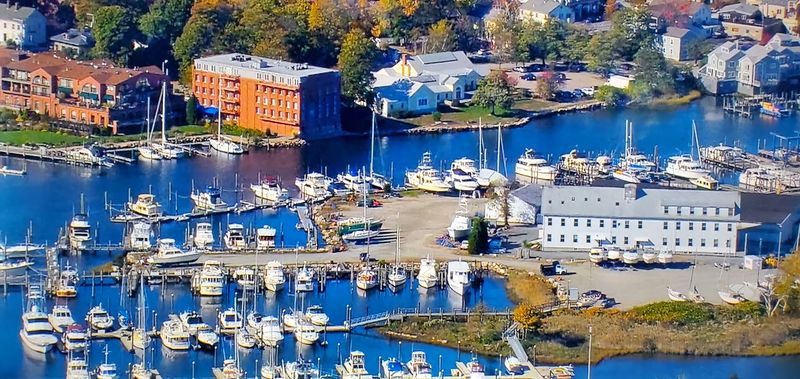
Sea air and shipbuilding shaped Mystic long before its waterfront became a favorite destination for day trips and weekend getaways. From 1784 to 1919, more than 600 vessels were built along the Mystic River, turning the village into one of New England’s busiest maritime communities.
Shipyards, workshops, and skilled trades filled the riverbanks, while generations of local families built their lives around work connected to the water.
That industrial chapter gradually gave way to a different kind of waterfront.
Wooden shipbuilding declined during the nineteenth century, textile manufacturing gained importance, and Mystic later found new energy through historic preservation, museums, shops, restaurants, and riverfront attractions.
The result is a village where the past remains visible without feeling frozen in time.
Today, visitors can spot reminders of that hardworking era in preserved vessels, historic buildings, old shipyard sites, and exhibits that bring maritime skills back into view. The river still anchors the experience, linking the lively downtown with the traditions that first put Mystic on the map.
Exploring the village becomes more interesting once its polished storefronts and scenic views are seen as the newest layer of a story built over centuries and continuing to shape its identity in memorable ways.
2. Maritime History Became Mystic’s Biggest Draw
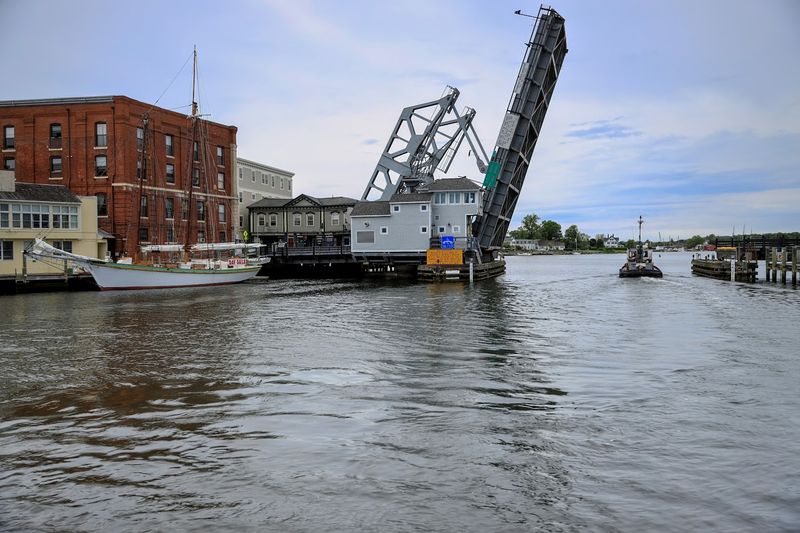
Maritime history feels alive here, where tall ships, busy workshops, and a recreated seaport village turn a museum visit into a day of discovery.
Mystic Seaport Museum covers 19 acres along the Mystic River, with more than 40 historic and reconstructed buildings, working trades, exhibition spaces, gardens, and vessels gathered across the waterfront.
The star attraction is the Charles W. Morgan, launched in 1841 and recognized as the world’s last remaining wooden whaleship.
Visitors can also watch shipwrights and other craftspeople at work, explore maritime galleries, visit the planetarium, and join seasonal on-the-water programs when available.
Because much of the experience unfolds outdoors, every visit feels different. Summer brings lively docks and pathways, while quieter mornings make it easier to linger inside workshops and aboard historic vessels.
Hours, demonstrations, and cruises can shift with the season, so checking the current schedule before heading out is worthwhile.
The museum can be found at 75 Greenmanville Avenue in Mystic. Arriving early in the day leaves more time to explore without rushing.
From restored ships to traditional craftsmanship, this waterfront landmark makes the region’s seafaring past feel vivid, personal, and easy to connect with.
3. Main Street Changed With Rising Visitor Numbers
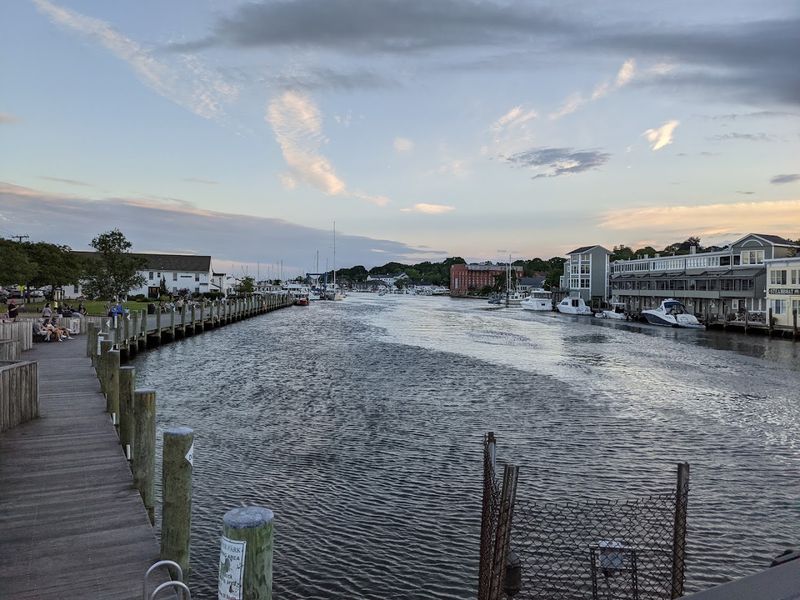
Downtown streets tell Mystic’s newest story through its colorful storefronts, independent shops, inviting cafés, and visitors crossing the drawbridge.
The commercial center has changed considerably over the years, evolving from a neighborhood shopping district into one of the region’s best-known waterfront destinations.
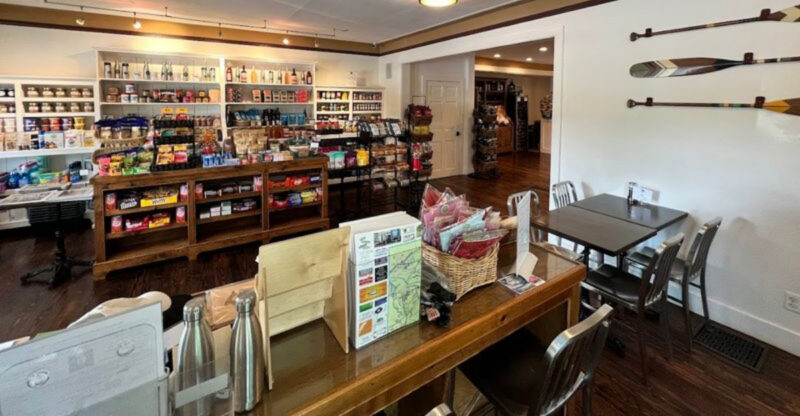
Boutiques now share the blocks with galleries, specialty stores, bakeries, and restaurants serving everything from quick treats to polished meals. That lively mix gives the area plenty of energy, particularly during summer weekends, when sidewalks fill and tables become harder to snag.
Rather than fighting the busiest hours, an early morning visit leaves more room for browsing, photos, and an easy stroll beside the nearby river.
Locally owned businesses still give downtown much of its personality, adding thoughtful details and friendly conversation to the visitor experience. Historic buildings, maritime views, and the working drawbridge keep the district connected to its past even as new businesses arrive.
Fall and early spring reveal a gentler side of the village, with lighter foot traffic and a relaxed pace.
During those quieter seasons, downtown feels less like a checklist of attractions and more like a waterfront neighborhood meant to be explored slowly, one shop, side street, and river view at a time.
4. Popular Attractions Reshaped The Waterfront
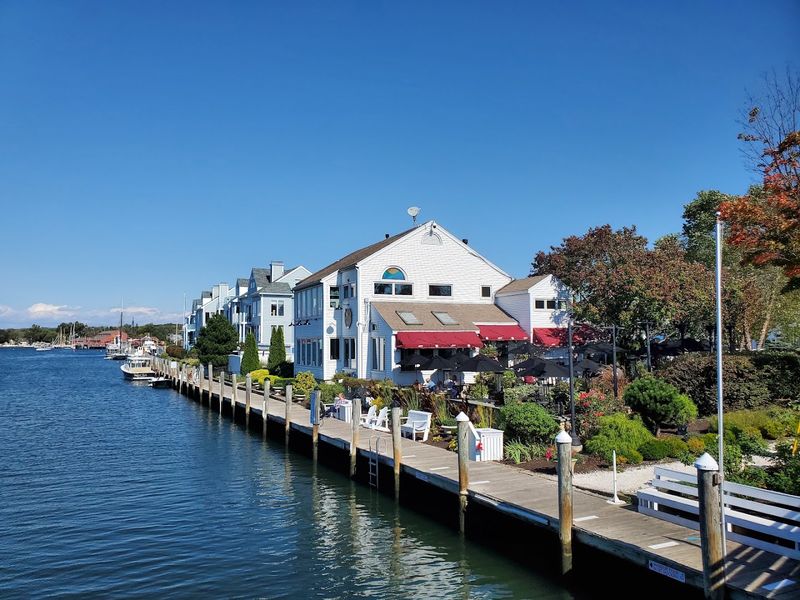
Beyond the seaport museum, the Mystic Aquarium has played a major role in pulling visitor traffic toward the area and reshaping how the surrounding waterfront functions on a daily basis.
Located at 55 Coogan Boulevard, Mystic, CT 06355, the aquarium is home to beluga whales, African penguins, and a wide range of marine species that draw families and school groups throughout the year.
It consistently ranks among the top attractions in the state and contributes significantly to the local tourism economy.
The presence of two major anchor attractions within a short distance of each other means that visitor volume in Mystic is not limited to one part of town. Foot traffic radiates outward from both sites, filling nearby restaurants and shops with guests who extend their visits naturally.
That ripple effect has encouraged further commercial development oriented toward tourism rather than local utility.
For families planning a visit, combining both the aquarium and the seaport museum in a single trip is a common approach that makes logistical sense. Weekday visits outside of school vacation periods tend to offer shorter lines and more breathing room inside the exhibits.
Parking near the aquarium is available on-site, though it fills quickly during busy summer weekends and holiday periods.
5. Summer Weekends Bring Traffic And Packed Sidewalks
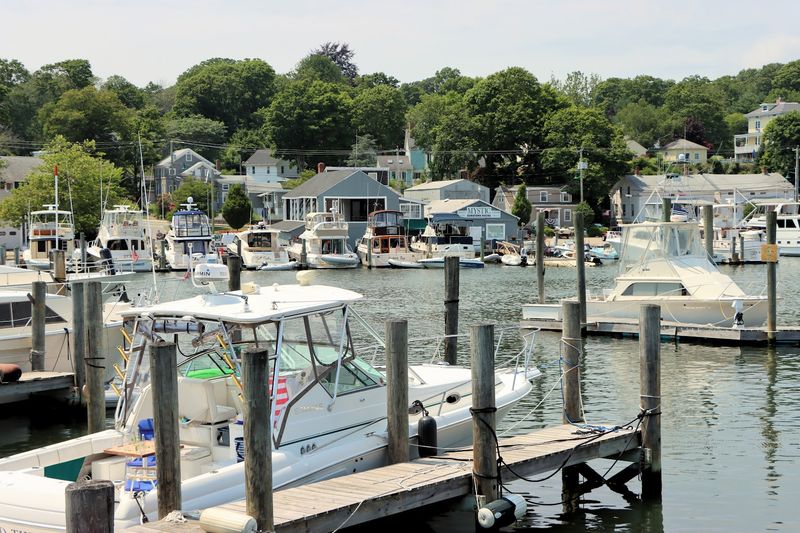
Anyone who has tried to drive through Mystic on a Saturday in July knows that the village was not designed to handle the volume of vehicles it now regularly receives.
The road network is narrow in many places, and the concentration of attractions near the river means that multiple streams of traffic converge in a small geographic area.
What might take five minutes on a quiet Tuesday morning can stretch to thirty or more when summer weekend crowds arrive in full force.
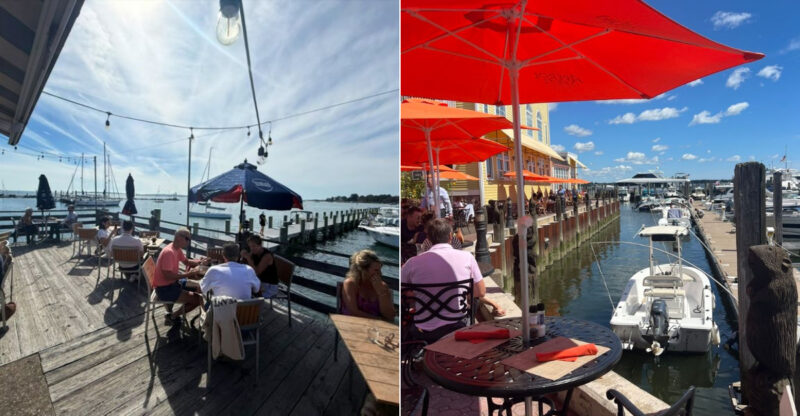
Sidewalks near the bridge and along the main commercial stretch become dense with foot traffic by mid-morning on busy days, making leisurely movement difficult. Outdoor seating at restaurants fills quickly, and lines at popular food spots can form before noon.
The overall sensory experience shifts from peaceful to stimulating in a way that some visitors enjoy but that many residents find exhausting as a daily backdrop.
Planning around peak hours and peak seasons makes a real difference in how the village feels. Arriving before 9 a.m. or visiting after Labor Day gives a noticeably different impression of the place.
Local knowledge generally points toward weekday mornings in late September or October as the most comfortable time to experience Mystic without the pressure of peak tourism volume.
6. Quiet Neighborhoods Offer Glimpses Of Old Mystic
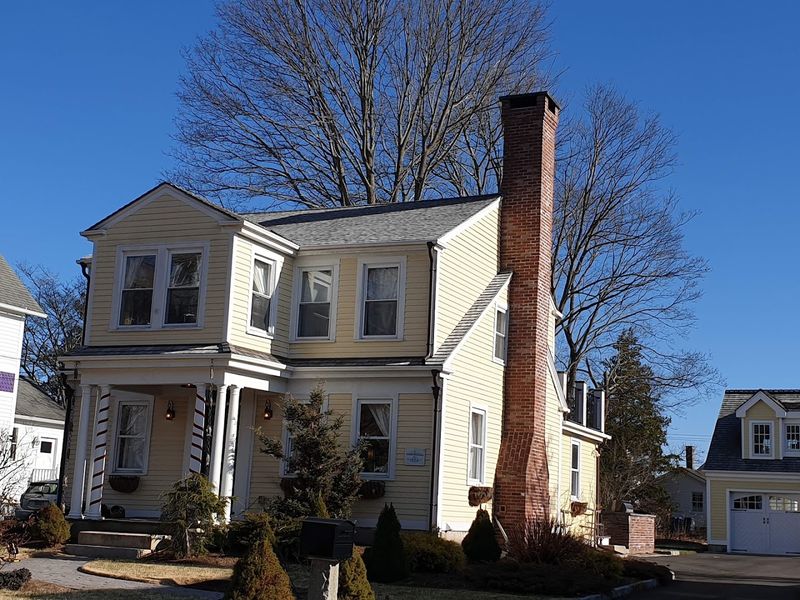
Leave the busy storefronts behind, and Mystic quickly reveals a quieter side filled with historic homes, leafy sidewalks, and glimpses of everyday village life.
Just a few blocks from downtown, the pace softens as riverfront energy gives way to shaded residential streets that invite an unhurried walk.
Many houses date to the nineteenth century, creating an architectural mix shaped by Mystic’s years as a prosperous maritime community.
Greek Revival, Italianate, Queen Anne, and other period styles appear throughout the older neighborhoods, often standing close enough together to make each block feel like an open-air history lesson.
Decorative trim, welcoming porches, mature gardens, and weathered stone walls give walkers plenty of details to notice.
These streets offer more than attractive buildings. They show how Mystic developed beyond its shipyards and commercial center, with homes, churches, schools, and community spaces forming a complete historic village.
Weekday mornings are especially pleasant, when the sidewalks feel peaceful and the details are easier to appreciate.
A slow walk through the residential pockets adds valuable context to a downtown visit. Mystic may be famous for shops, restaurants, and maritime attractions, but its quieter blocks reveal the personal, lived-in character that has carried the village through generations.
7. Local Traditions Compete With Tourist-Focused Businesses
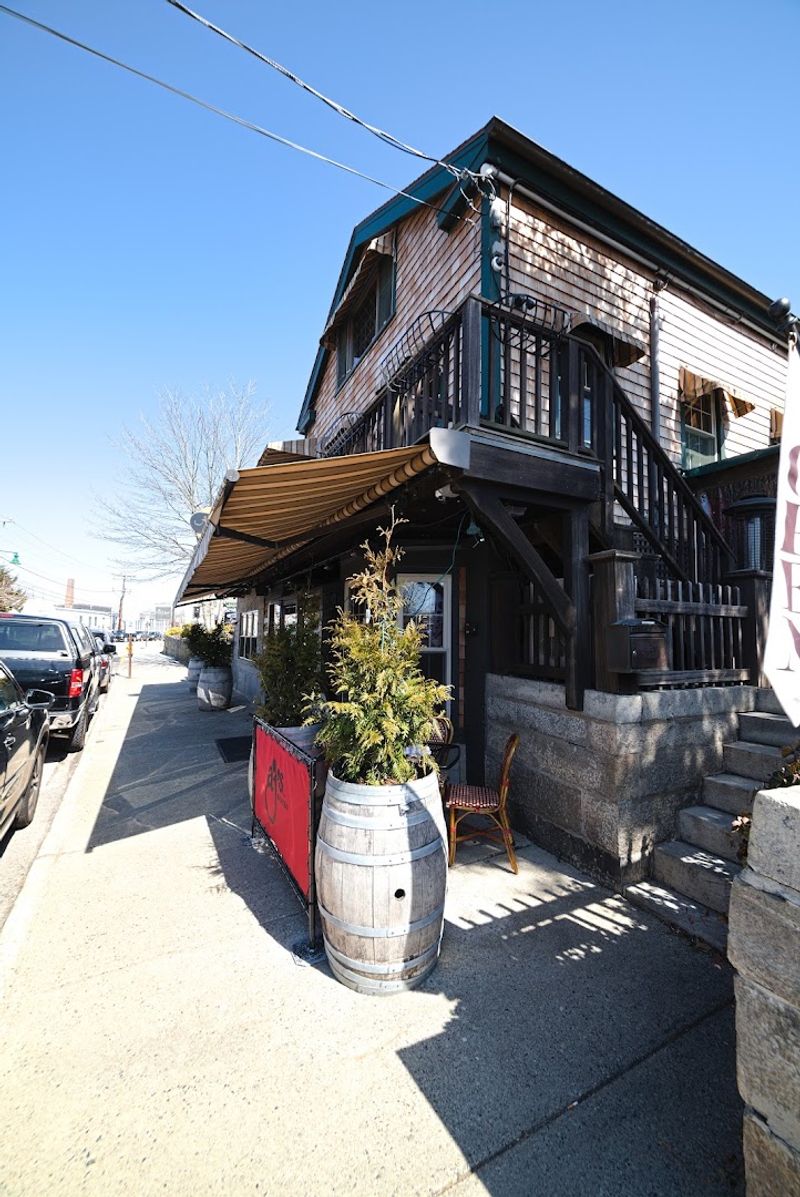
Holding onto local traditions in a town increasingly oriented toward visitors takes real effort, and some Mystic businesses and community events have managed to do exactly that.
Seasonal farmers markets, community gatherings, and locally owned shops that cater to year-round residents rather than passing tourists still exist, though they occupy a smaller share of the commercial landscape than they once did.
Finding them requires a bit more intention than it used to.
The tension between tourism-focused commerce and resident-serving businesses plays out in practical ways across the village. Rents in high-traffic areas have climbed to levels that make it difficult for smaller, locally oriented shops to compete.
Businesses that rely on a stable base of returning neighborhood customers sometimes find themselves priced out or overshadowed by operations with larger margins built on seasonal visitor spending.
Community identity tends to concentrate in spaces that tourists rarely prioritize, including local schools, neighborhood associations, and community events held during the off-season.
Those gatherings carry a social weight that commercial activity cannot replicate and serve as anchors for a sense of place that persists beneath the tourism layer.
Residents who engage actively with those spaces describe feeling more connected to the Mystic they grew up in or chose to settle in deliberately.
8. Residents Remember A Slower Riverside Town
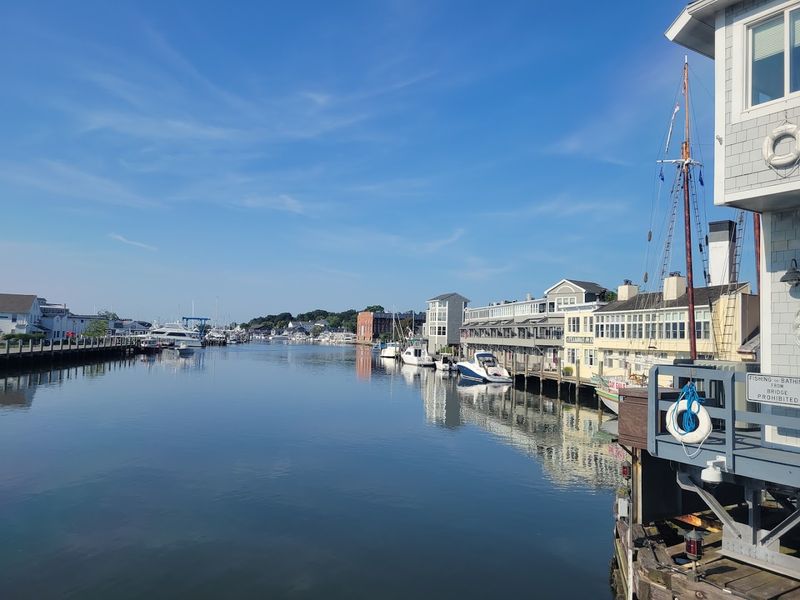
Long-time residents often describe the earlier version of Mystic with a specific kind of warmth that goes beyond simple nostalgia.
The details they return to tend to be practical and sensory: being able to find parking without circling, knowing the person behind the counter at the local shop, or walking across the bridge on a summer evening without navigating a crowd.
Those small daily experiences added up to a particular quality of life that felt distinctly unhurried.
The river itself has not changed. At dawn or dusk when visitor traffic is minimal, the Mystic River still offers the same quiet beauty that drew people to settle here across multiple generations.
The light on the water, the sound of boats moving through, and the low skyline of historic buildings along the bank remain genuinely compelling without any commercial framing around them.
What residents describe missing most is not a frozen moment in time but rather a certain ease of belonging that comes with living somewhere that has not yet been optimized for outside consumption. That feeling is harder to locate in Mystic now but not entirely gone.
It tends to surface in the quieter months and the quieter corners, which is where the older rhythms of this riverside village still manage to breathe.