The Connecticut Lake Town That Locals Say Has Been Ruined By Summer Tourists
Every summer brings a different rhythm to this lakeside spot, and locals have noticed how much the mood has shifted over the years. The quiet corners that once felt easygoing now get packed with visitors chasing a seasonal escape.
Summer crowds can change the Connecticut lake town charm locals remember when the season brings a wave of visitors.
It is easy to see why people are drawn here when warmer months arrive, but the extra attention has created mixed feelings among those who call it home. Some locals miss the slower pace and familiar feel that defined the area before the seasonal rush became so noticeable.
The contrast between its peaceful past and busy summers makes this place a topic of conversation among residents who have watched it evolve.
That change has left the town with a story that feels complicated, since its popularity brings attention while also reshaping the character many residents still remember.
1. A Lake Town That Once Felt Undiscovered
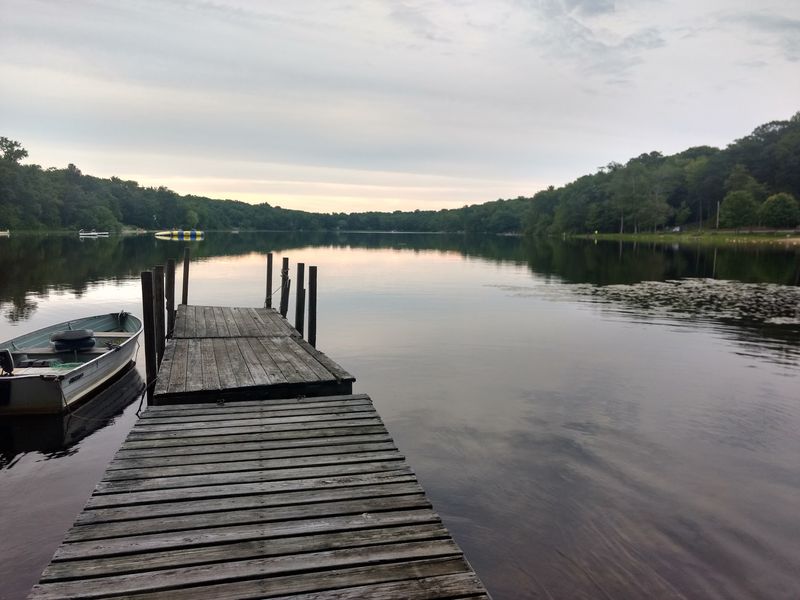
Long before summer traffic found its way through Litchfield County, the area around Lake Waramaug had a reputation for being quietly extraordinary.
Settled in 1734, Washington, grew slowly around its town green, its Congregational church, and the farmland that stretched toward the Berkshire Mountains.
The pace of life here was unhurried in a way that felt genuinely old-fashioned rather than manufactured.
The Shepaug River runs through parts of the town, and before European settlement, Native Americans lived along its banks and relied on its natural resources. Small mills appeared in the 1800s, and one of the earliest summer camps in American history was established in this region.
The arrival of the Shepaug Railroad in 1872 nudged Washington toward becoming a warm-weather retreat, though it remained far from crowded for many decades.
Locals often referred to the broader region as “The Secret Corner” of the state, a nickname that captured something real about its character. The town lacks large industries and sits away from major highways, which helped preserve its unhurried atmosphere for generations.
That sense of being slightly off the map is exactly what made Washington feel special before word truly got out.
2. Scenic Beauty That Drew Growing Crowds
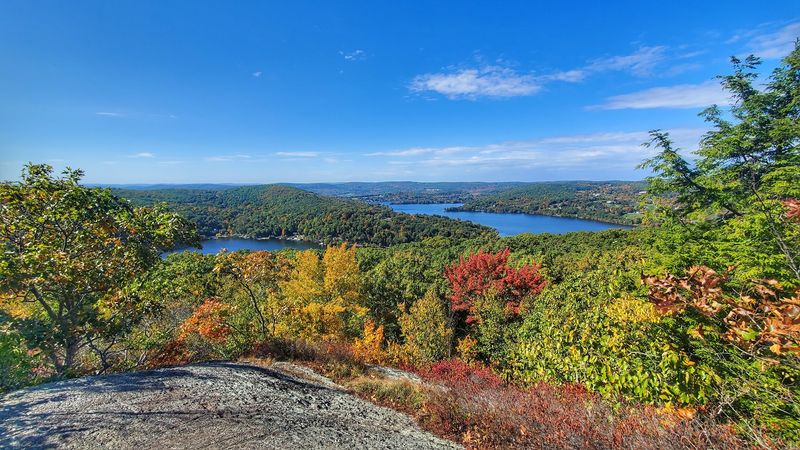
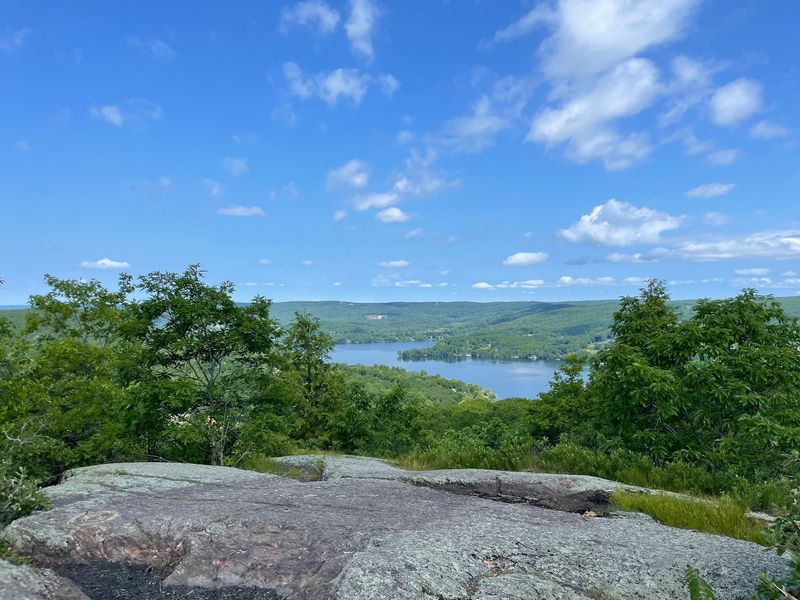
The road circling Lake Waramaug ranks among the most memorable drives in the state, hugging the shoreline while the Berkshire foothills rise behind the water in soft green waves. Every bend shifts the view, trading wide-open lake reflections for shaded tree canopy and back again.
Autumn transforms the whole experience, turning the surrounding hills into scenery that’s almost impossible to look away from.
Reached through the Macricostas Preserve, The Pinnacle rewards hikers with a sweeping elevated view of the lake framed by the Litchfield Hills, all without demanding a grueling climb to get there.
Bliss Road offers another local favorite, delivering year-round views that turn especially vivid come fall.
Compact but genuinely picturesque, Lake Waramaug State Park rounds things out with swimming, camping, and canoeing all in one setting.
Statewide parks draw over 15 million visitors annually, and the scenic pull around Washington has played a real part in that number climbing steadily. Tourism officials have pointed to strong summer interest in inland and agritourism destinations across the region.
That kind of beauty, easy to fall for at first sight, is exactly what started drawing crowds large enough to reshape the feel of the place.
3. Summer Visitors Changed The Quiet Rhythm
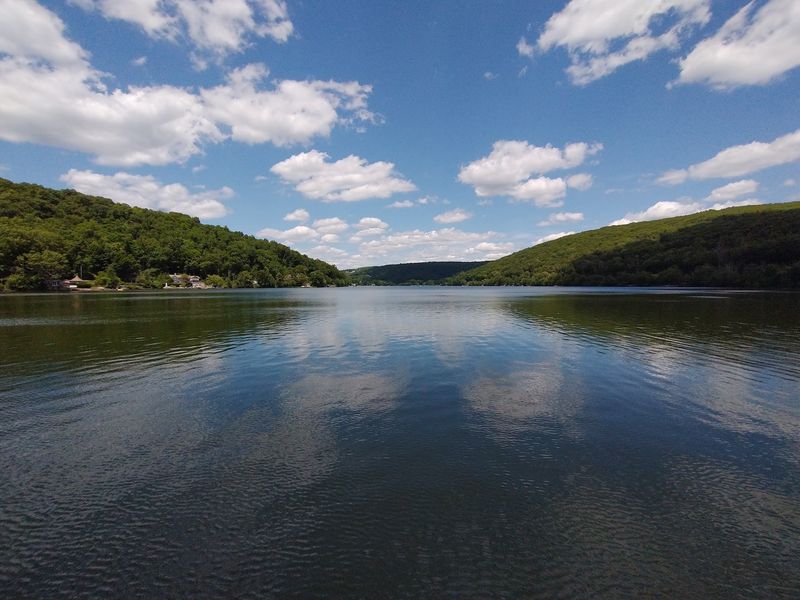
Traffic concerns around Lake Waramaug are not a recent development. Debates about road safety and volume on the narrow, winding lake roads date back to the early twentieth century and have grown louder as the state park attracted more visitors each season.
The roads were simply not built for the kind of use that peak summer weekends now demand.
A 1995 state proposal to add a large boat launch at Lake Waramaug State Park, complete with significant parking and moorings, was met with fierce opposition from residents across Washington, Warren, and Kent.
Locals argued the lake was too small and its surrounding roads too narrow to safely handle large boat trailers in volume.
Environmental concerns about invasive plant species arriving without boat inspections added urgency to the pushback.
More recently, wake surfing has become a flashpoint in the community. A proposed ordinance to ban wake boating on the lake cites safety risks to canoes and paddleboards, along with environmental concerns including sediment disturbance, shoreline erosion, and potential toxic bacteria release.
The Lake Waramaug Conservancy, which has invested heavily in restoring the lake’s water quality over decades, has backed the proposed restrictions. These ongoing disputes reflect how deeply residents feel the pressure that increased summer use has placed on a lake they have spent generations trying to protect.
4. Local Favorites That Became Busy Hotspots
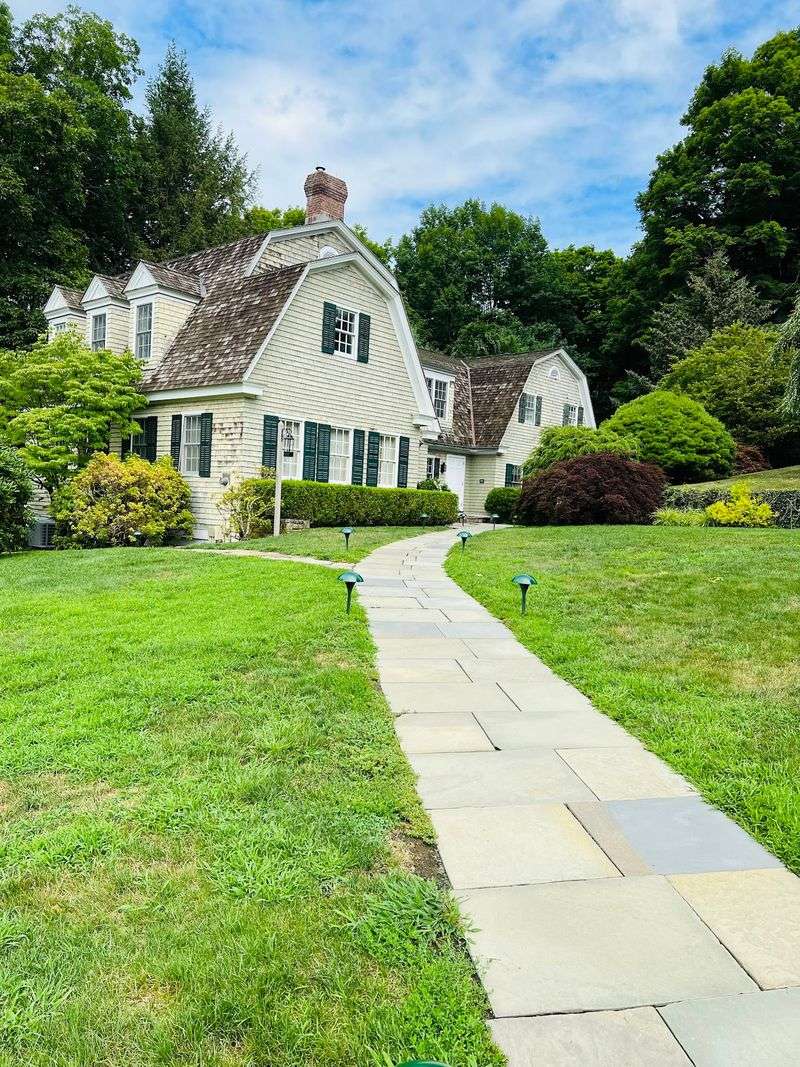
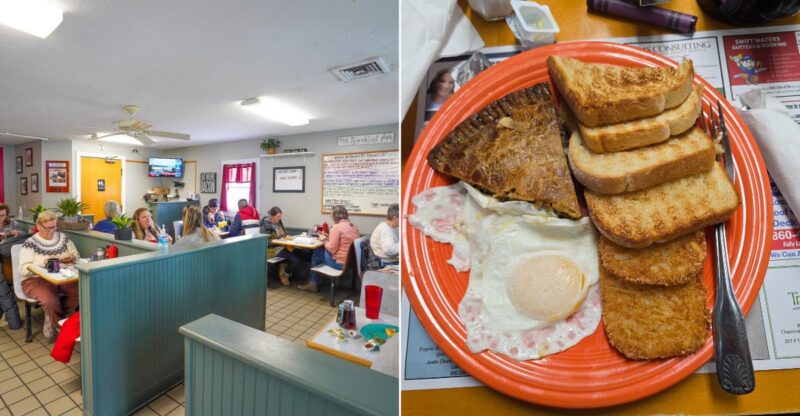
Washington Depot, the commercial heart of town, has a walkable village feel with independent shops and cafes that draw both locals and visitors. Marty’s Cafe is a community favorite known for specialty coffee, breakfast sandwiches, and freshly baked goods in a welcoming, unhurried setting.
The cafe is located at 4 Green Hill Rd, Washington, CT 06794, and operates seven days a week, making it a reliable morning anchor for residents and a discovery for newcomers.
The Pantry, with more than 40 years of history behind it, continues to offer its original foods and bakery items for both dine-in and takeout at 5 Titus Rd, Washington Depot, CT 06794.
The Hickory Stick Bookshop has anchored the community for over 70 years, stocking books, gifts, stationery, and toys in a space that feels genuinely curated rather than commercial.
Judy Black Memorial Park and Gardens at 67 East Shore Road, Washington Depot, CT 06794, offers a peaceful outdoor space with sculptures, plantings, and a calendar of cultural events that bring the community together through the warmer months.
The Po Cafe at 5 Kirby Road, Washington, CT 06793, serves breakfast and lunch near the town green with window seating that overlooks the historic landscape.
These beloved spots now regularly see lines and wait times that once would have seemed unimaginable here.
5. Hidden Corners Away From The Crowds
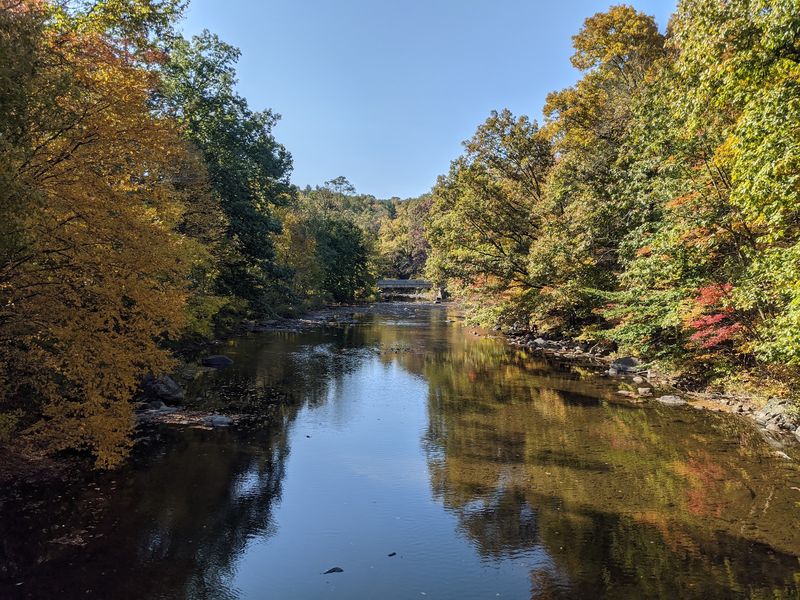
NSummer crowds skip right past certain corners of Washington, and Hidden Valley Preserve is one of them.
Covering 940 acres of mixed forest and meadow northeast of Washington Depot, the preserve is laced with nearly 20 miles of hiking trails that range from flat riverside paths to elevated viewpoints at its Lookout and Pinnacle spots, giving hikers real variety without much of a drive.
Bee Brook Loop ranks among the gentler options within Hidden Valley, tracing flat trails along the Shepaug River and crossing the notable Thoreau Suspension Bridge.
Van Sinderen Loop connects that same bridge to a scenic overlook and quieter riverside stretches where moving water tends to drown out everything else.
Weekday mornings can make certain sections of these trails feel remarkably remote.
Just outside the town center, Steep Rock Preserve adds even more hiking terrain, with river views and distinctive geological formations that reward anyone willing to explore beyond the lake.
Moments of genuine stillness show up along the Shepaug River too, feeling restorative in a way that’s hard to manufacture.
Visitors curious about what Washington felt like before it became a destination will find something close to that original quiet at the preserve on Bee Brook Rd.
6. Historic Character That Still Shines Through
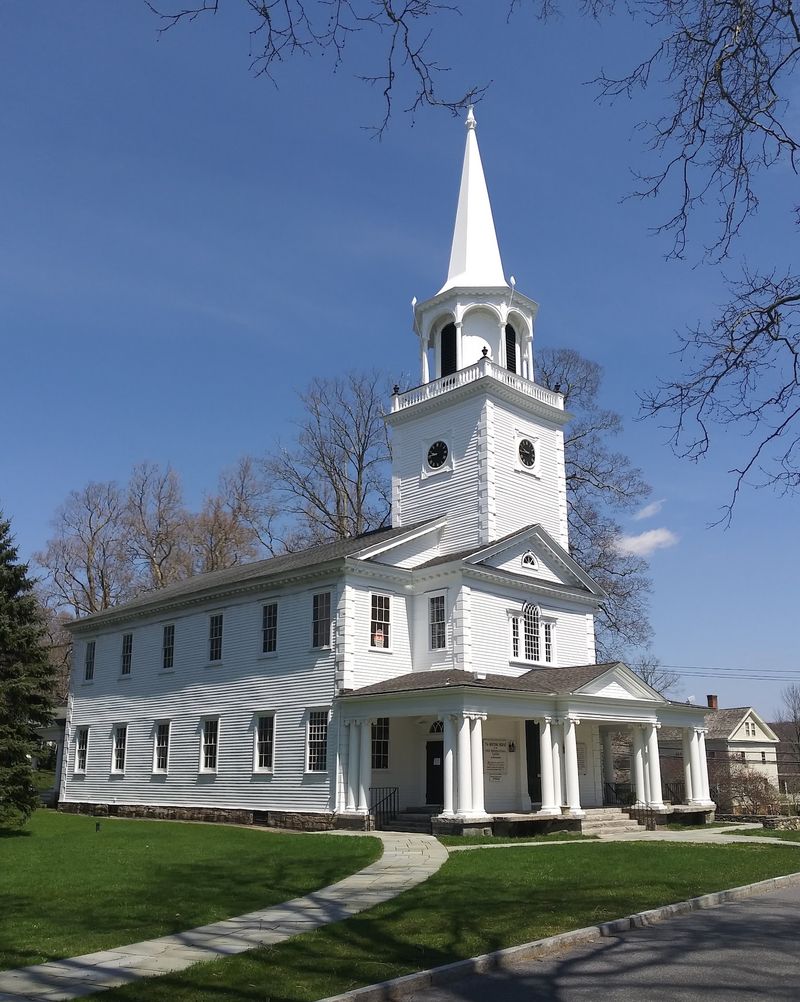
Colonial architecture has a way of anchoring a town to its past, and Washington does this with quiet confidence.
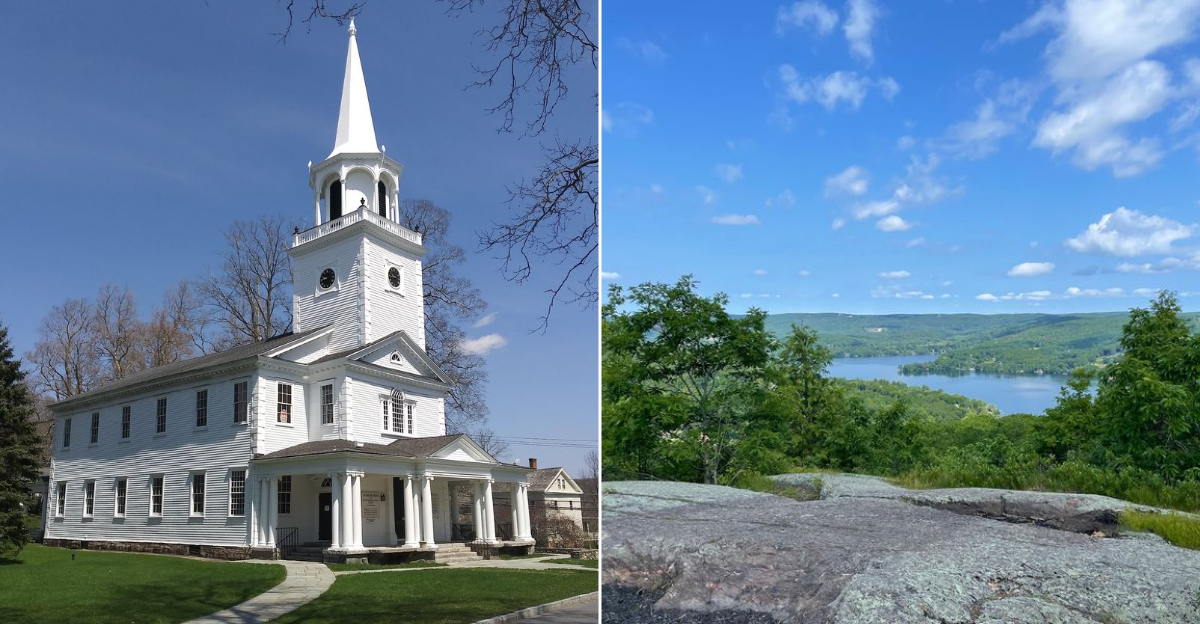
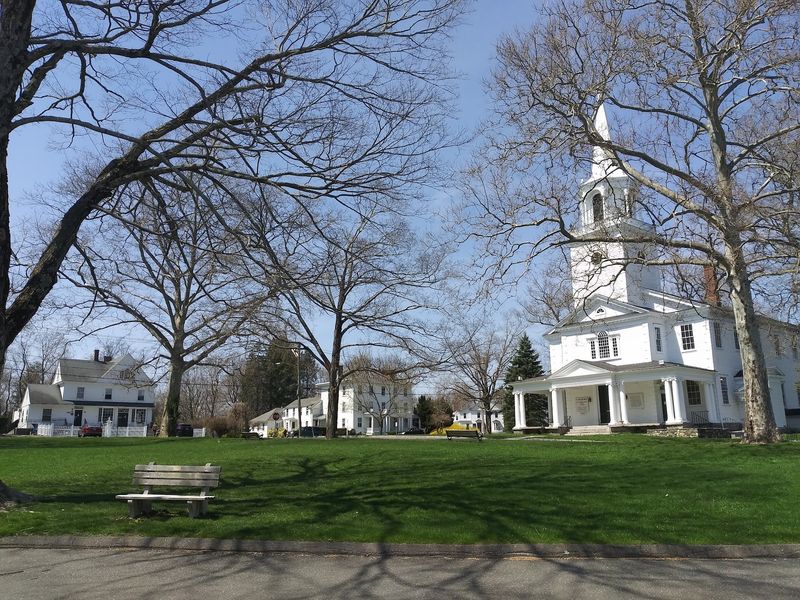
The Washington Green Historic District stretches along Kirby and Woodbury Roads, featuring buildings that span from the 18th to the early 20th centuries, all arranged around a village green that has looked more or less the same for nearly three hundred years.
The district gives the town a cohesive, lived-in historic character that feels earned rather than staged.
The First Congregational Church Meetinghouse at 6 Kirby Road, Washington, CT 06793, is one of the most recognizable landmarks in the area, offering a textbook example of classic New England church architecture in a setting that remains genuinely tranquil.
The Gunn Memorial Library and Historical Museum at 5 Wykeham Rd, Washington, CT 06793, occupies a building dating to 1781 and houses an exhibit called “Washington, Connecticut – An American Story,” which traces the development of the town’s various villages across centuries.
The Gunnery, a private boarding school founded in 1850, helped shape the character of Washington Green, with architect Ehrick Rossiter, an alumnus of the school, credited with giving the green its distinctive colonial neighborhood feel.
Even after a significant flood in 1955 required rebuilding, the town held onto its historic foundations.
That resilience is part of what makes the character here feel so lasting.
7. Why Longtime Residents Feel Nostalgic
For people who have lived in Washington for decades, the changes that arrive each summer are hard to ignore.
Roads that once moved freely slow to a crawl on busy weekends, parking near the Depot becomes a frustrating exercise, and routine errands that used to take minutes can stretch into half an hour.
The town’s infrastructure was built for a small, quiet community, not for the volume of seasonal visitors it now regularly receives.
The debate over wake surfing on Lake Waramaug captures something broader than just boating policy.
Residents who have watched the lake’s water quality improve over decades of careful conservation feel a deep protectiveness toward it, and the prospect of that progress being undone by recreational pressure is genuinely upsetting for many.
The Lake Waramaug Conservancy’s support for boating restrictions reflects how seriously the community takes its role as steward of the lake’s long-term health.
Many longtime residents have quietly adjusted their routines, choosing to visit local spots during early morning hours or on weekday afternoons to sidestep the weekend crowds.
There is a particular kind of nostalgia that comes from remembering a place before it became popular, not bitterness exactly, but a longing for the ease and anonymity that once defined daily life here.
That feeling is something many small New England towns are navigating right now.
8. The Charm That Keeps People Returning
Despite the pressures that summer tourism brings, Washington holds onto something that keeps drawing people back.
The town green retains its colonial proportions and quiet dignity, the bookshop has stayed independent for over seven decades, and the cafes still feel like places where time moves a little slower than it does elsewhere.
That combination is harder to find than it might seem.
Judy Black Memorial Park and Gardens continues to serve as a gathering place for cultural events and community celebrations that welcome both residents and visitors in a way that feels genuinely inclusive.
Events like the Harvest Festival and Holiday in the Depot give the town a seasonal rhythm that reinforces its identity as a living community rather than just a destination.
Artists, musicians, and writers have long been drawn to Washington for the same qualities that attract visitors, the light, the pace, the sense that creative work can happen here without distraction.
Lake Waramaug and the surrounding preserves offer a range of experiences from active hiking to simple stillness beside the water, ensuring that different kinds of visitors can find what they are looking for. The appeal of Washington is not built on novelty or trend.
It rests on something more durable: a genuine place with genuine character, doing its best to remain exactly that even as the world keeps discovering it.