The Coolest Retro Arcade In South Carolina Will Send You Straight Back To Your Childhood
The fastest way to feel 12 again might involve Pac-Man, pinball, and absolutely no self-control.
This South Carolina arcade makes it dangerously easy to lose an entire afternoon.
One wristband keeps the games going, so quarters never get a chance to slow things down.
Galaga starts the competition. Frogger tests friendships. A stubborn claw machine can ruin everybody’s confidence!
When your thumbs finally need a break, pool tables, air hockey, consoles, and ice cream keep the fun moving.
The whole place feels like the eighties refused to leave. A quick game can turn into three hours before anyone checks the clock.
A Brief Chapter in Greer
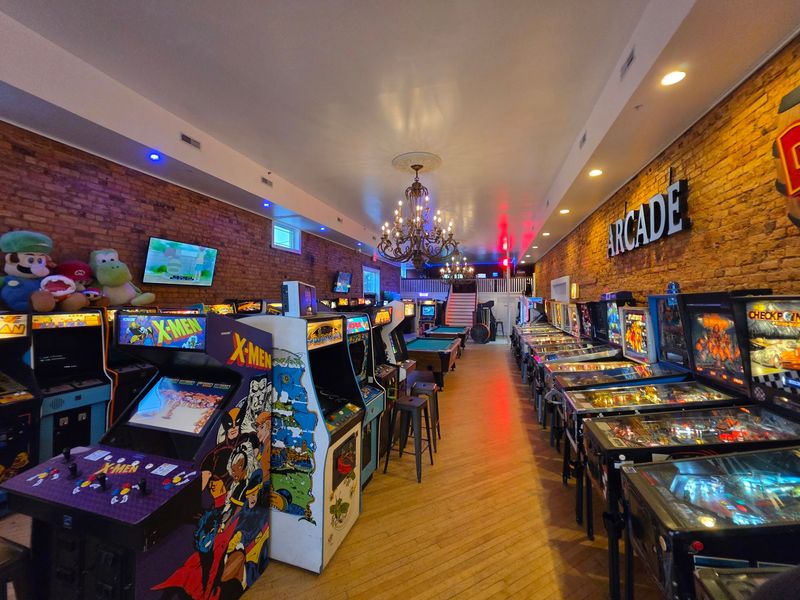
Pinky’s Revenge first built its following at Taylors Mill before moving to downtown Greer in April 2026.
The downtown chapter lasted only a few months. Regular operations ended on September 27, 2026, and the collection of machines, toys, and memorabilia was offered for sale beginning the next day.
That timing matters for anyone finding older listings online. Older pages may still show the Greer address and former hours, but Pinky’s Revenge is no longer a current attraction.
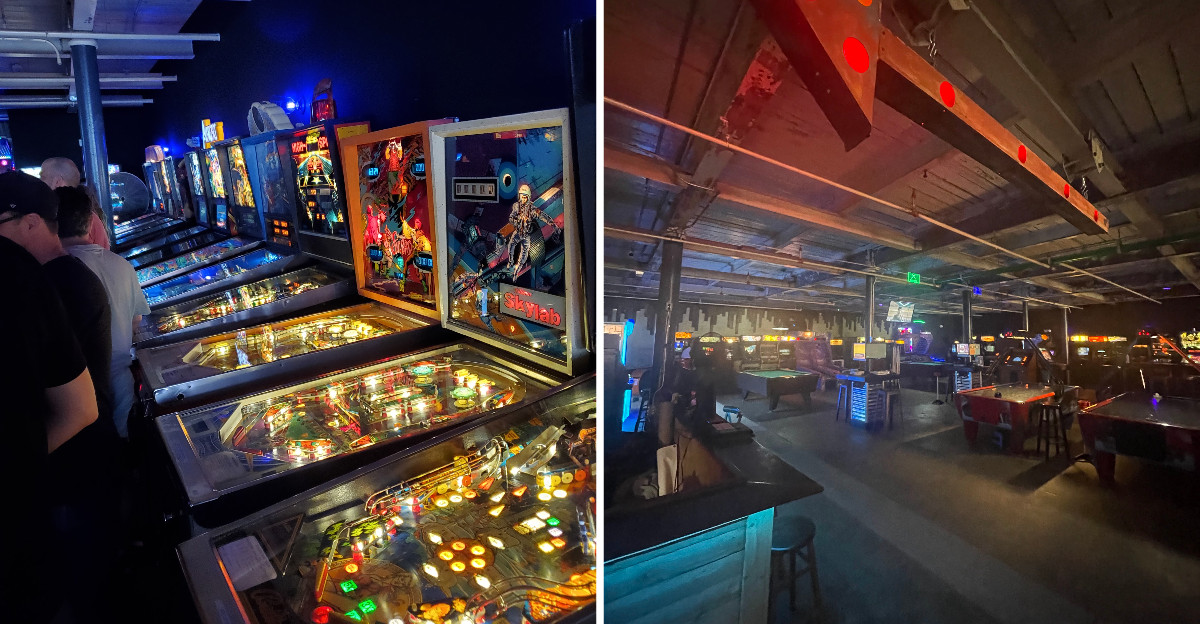
During its run, the smaller downtown room kept the focus on games rather than a sprawling entertainment complex. Cabinets and pinball machines filled most of the floor, with a counter near the front for snacks and frozen treats.
For gamers who visited during that stretch, the appeal was straightforward: pick a machine and keep moving until another screen or pinball table caught your attention.
The new address at 230 Trade Street placed the arcade directly inside Greer Station, the city’s walkable downtown district.
Classic Cabinets Kept The Nostalgia Strong
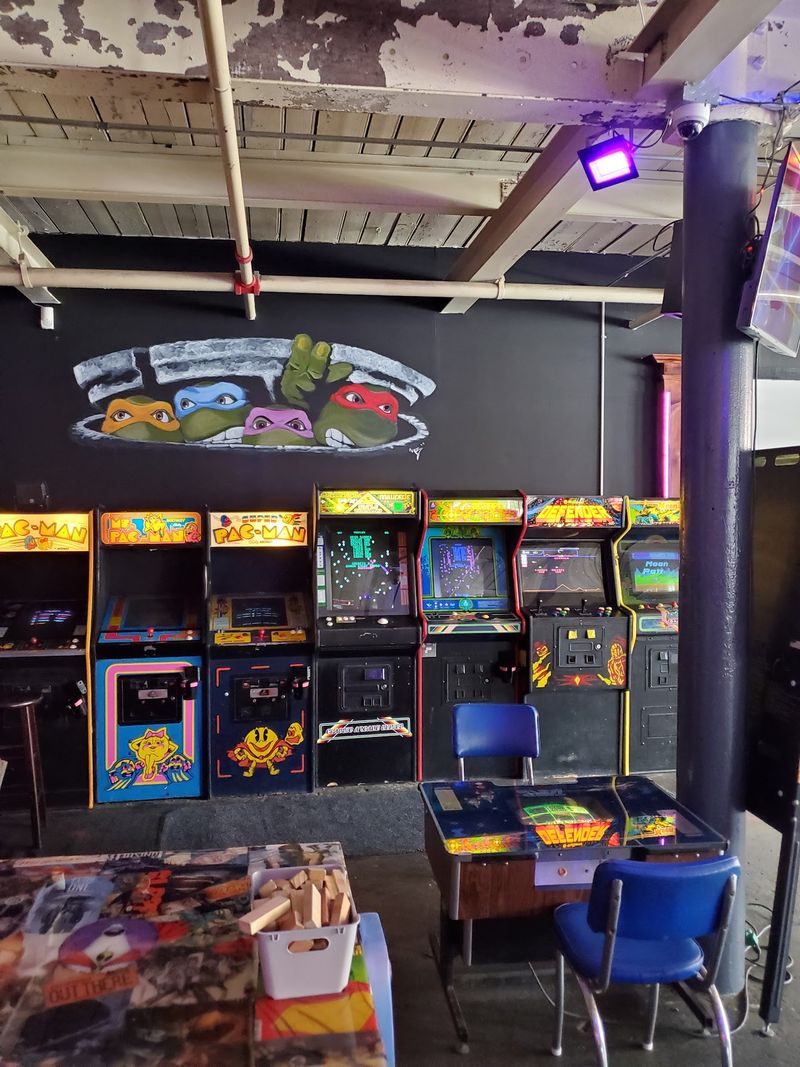
Retro cabinets were a major part of Pinky’s identity long before the Greer move.
Earlier listings documented Ms. Pac-Man and Galaga among the familiar titles, while the business continued promoting classic arcade play after relocating downtown. The exact lineup changed over time as machines came and went.
Galaga still works because its basic idea takes seconds to understand. The challenge comes from timing, patterns, and the urge to squeeze in one cleaner round.
Ms. Pac-Man offers the same kind of instant familiarity. A joystick and one bright maze are enough to make a short attempt turn into several.
That simplicity suited the retro concept. The games were the decoration, the activity, and the reason to keep circling the room.
Classic cabinets also gave different age groups an easy point of connection.
Players who remembered arcade halls could return to familiar controls, while younger visitors could try the same style of hardware without needing a collection of vintage machines at home.
The experience depended less on elaborate technology than on quick rounds, recognizable sounds, and the satisfaction of improving a score one attempt at a time.
Pinball Took Up Serious Floor Space
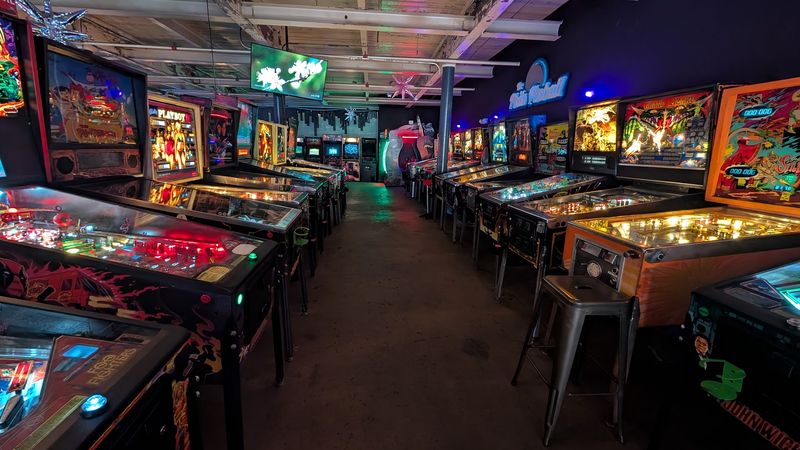
Pinball was not a side attraction here.
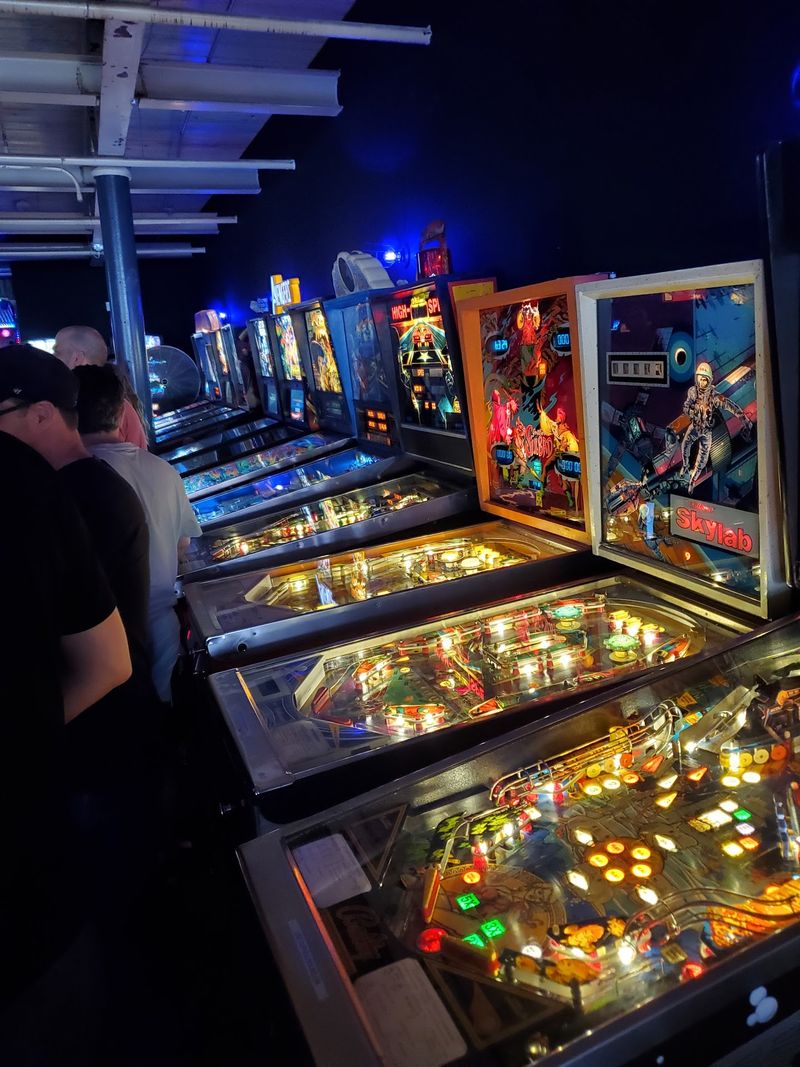
A June 2026 Pinball Map inventory listed 17 machines at the Greer location, mixing older tables with newer releases. Most were grouped along one side of the room, making it easy to move directly from one table to the next.
Modern pinball can feel very different from the simpler machines many people remember. Newer tables often layer ramps, lighting effects, multiple scoring modes, and connected features onto the basic flipper-and-ball format.
Older games rely more heavily on timing and clean shots. Moving between generations shows how much the format changed without losing its basic appeal.
Competitive pinball was also part of Pinky’s history. International Flipper Pinball Association records show recurring tournaments at the earlier Taylors location through March 2026, including weekly events and larger tournament weekends.
A beginner could still enjoy the same tables without knowing the rules in advance. Keeping the ball moving was enough to start.
That mix made the pinball rows approachable without making them feel simplistic. A quick round could stay casual, while repeated attempts gave more experienced players room to learn each table’s patterns.
One Entry Kept The Games Moving
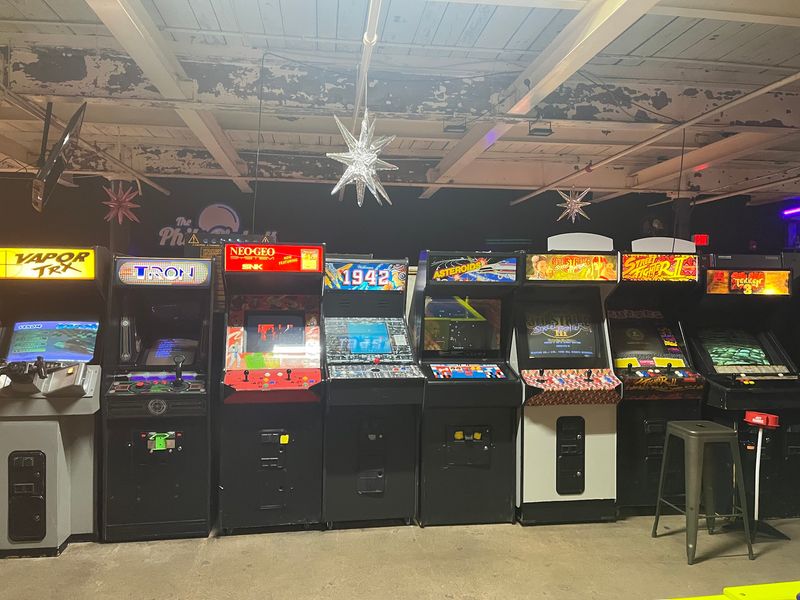
The operating model removed one of the oldest arcade interruptions: running out of change.
At the Greer location, arcade cabinets and pinball machines were set to free play after admission. That meant visitors could switch games without making another purchase at every cabinet.
It also worked well for pinball, where learning a table often takes several rounds. Repeated attempts make it easier to understand ramps, targets, and scoring patterns that are easy to miss on the first try.
Console gaming added another option away from the upright cabinets. Local family-entertainment listings continued to include consoles among the Greer location’s activities after the move.
Birthday gatherings were available as well, giving groups a way to use the arcade for more than an ordinary afternoon visit.
The free-play format was central to the experience. Instead of stretching a pocketful of change, visitors could focus on finding the games they wanted to replay.
For anyone accustomed to modern entertainment centers built around cards and points, the setup felt refreshingly direct. Choose a game, play it, and move on whenever something else looked more interesting.
Ice Cream Added An Old-School Break
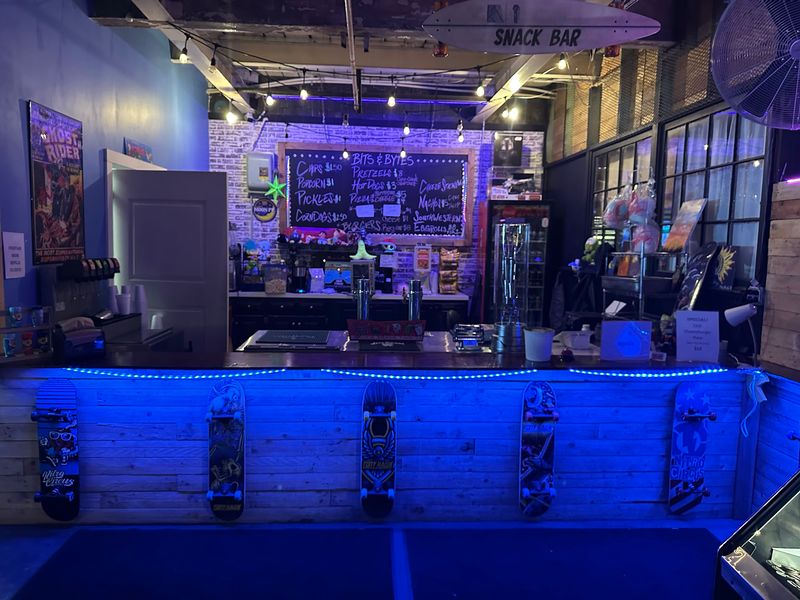
The move to Trade Street added an ice cream counter almost immediately.
Ice cream service began in mid-April 2026, just as the downtown location was getting established. Later game listings also noted frozen treats and canned drinks at the main counter.
That addition fit the retro setting without turning the arcade into a full restaurant. A scoop offered a simple pause between pinball rounds or a reason to sit for a few minutes before returning to the machines.
The counter kept the food side intentionally simple. Visitors looking for a larger meal had multiple downtown restaurants within walking distance instead of needing to build an entire outing around the arcade itself.
That worked especially well on Trade Street. The surrounding district is designed for walking between dining, shopping, and entertainment rather than staying in one building all day.
For a retro arcade, ice cream was an easy match: familiar, uncomplicated, and just as comfortable beside pinball as it is after a walk downtown.
It also reinforced the family-friendly side of the Greer location, where the focus remained on games, easy snacks, and an atmosphere that did not require an elaborate plan.
More Than Upright Arcade Cabinets
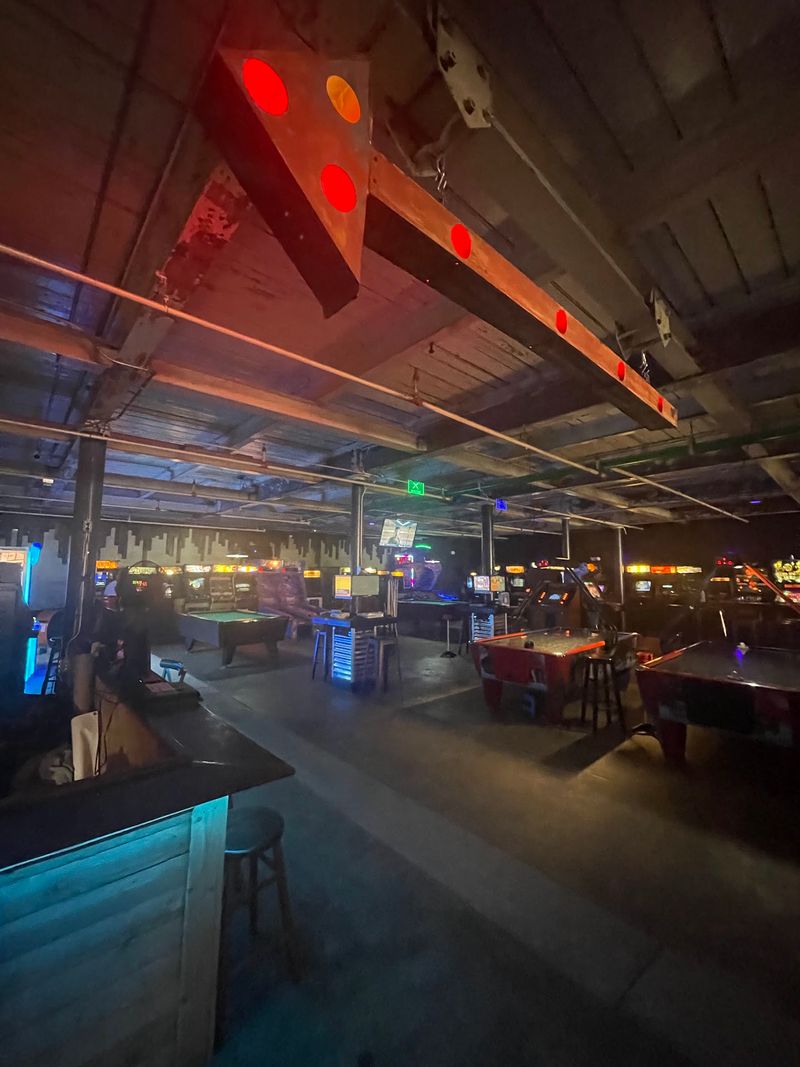
Pinky’s Revenge was never limited to one style of gaming.
Console games broadened the mix beyond upright cabinets and pinball, giving visitors another way to settle into familiar titles.
Earlier versions of the arcade had also experimented with a wider range of games and social activities, so variety had long been part of the concept.
The Greer move put the emphasis most clearly on classic arcade play and pinball. That smaller footprint worked in favor of visitors who came specifically for retro gaming rather than a large collection of unrelated attractions.
That kind of flexibility is one reason flat-entry arcades can feel different from larger entertainment centers. The experience depends less on collecting points or prizes and more on the games themselves.
South Carolina has plenty of newer entertainment venues, but Pinky’s leaned deliberately into older hardware and arcade culture.
The mix made nostalgia useful rather than decorative. The older equipment was there to be played, compared, and revisited instead of simply displayed.
Even after the Greer location ended its run, that focus remains the clearest part of its identity.
Downtown Greer Made The Location Easy To Extend
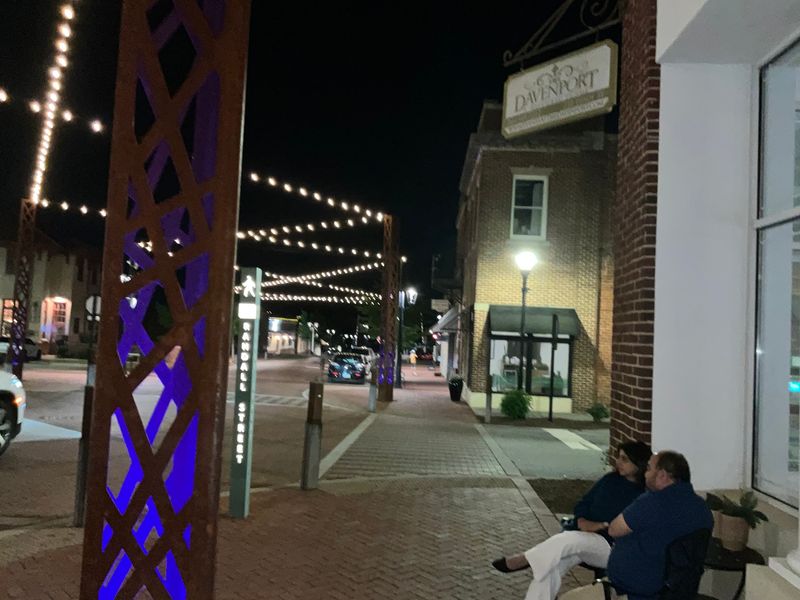
The Trade Street address gave visitors more to do without getting back into the car.
Downtown Greer, also known as Greer Station, covers roughly 12 blocks of restaurants, shops, entertainment, and professional businesses. More than 40 downtown buildings are part of the National Register historic district.
Brick-paved streets and restored storefronts make the area easy to explore on foot. Public parking lots, on-street spaces, and a downtown garage are all within walking distance of the main commercial blocks.
Greer City Park adds open lawns, walking space, and community events a short distance away. Downtown also has a free electric shuttle operating on a regular route during parts of the week.
The setting gave Pinky’s a very different feel from its earlier mill location. Instead of being one destination inside a larger industrial complex, it became part of an active downtown street.
That move placed the arcade in one of South Carolina’s more carefully revitalized small-city centers, where old architecture and newer businesses share the same few blocks.
What Visitors Needed To Know During Its Final Run
During its final stretch, posted hours generally began at noon each day, with later closing times on Friday and Saturday.
The arcade’s flat-entry model covered the free-play video games and pinball machines, while the counter handled ice cream and other simple refreshments.
The downtown address was 230 Trade Street in Greer. Public parking options nearby included street spaces, surface lots, and the Jason Street parking garage.
Pinky’s also remained connected to the local pinball community through its earlier tournament history, and its mix of machines continued to attract players interested in both vintage and modern tables.
The most important detail now is its status. September 27, 2026, was the final day of regular operation, and the equipment began being sold immediately afterward.
That means older online hours, game lists, and visitor guides should be treated as a record of the arcade rather than current trip-planning information.
Pinky’s Revenge in South Carolina left behind the kind of short-lived local story that longtime players are likely to remember whenever a familiar cabinet lights up again.