The Country Antique Mall In Kentucky Worth The Back Road Drive
Antique malls run on a simple bargain. You give up an afternoon, and the building gives up something you did not know existed.
This one in Kentucky sits well off the interstate, which is exactly why it stays good. Convenience ruins prices faster than anything else.
The drive out is farmland and fence posts. You will pass at least one barn that deserves a photograph.
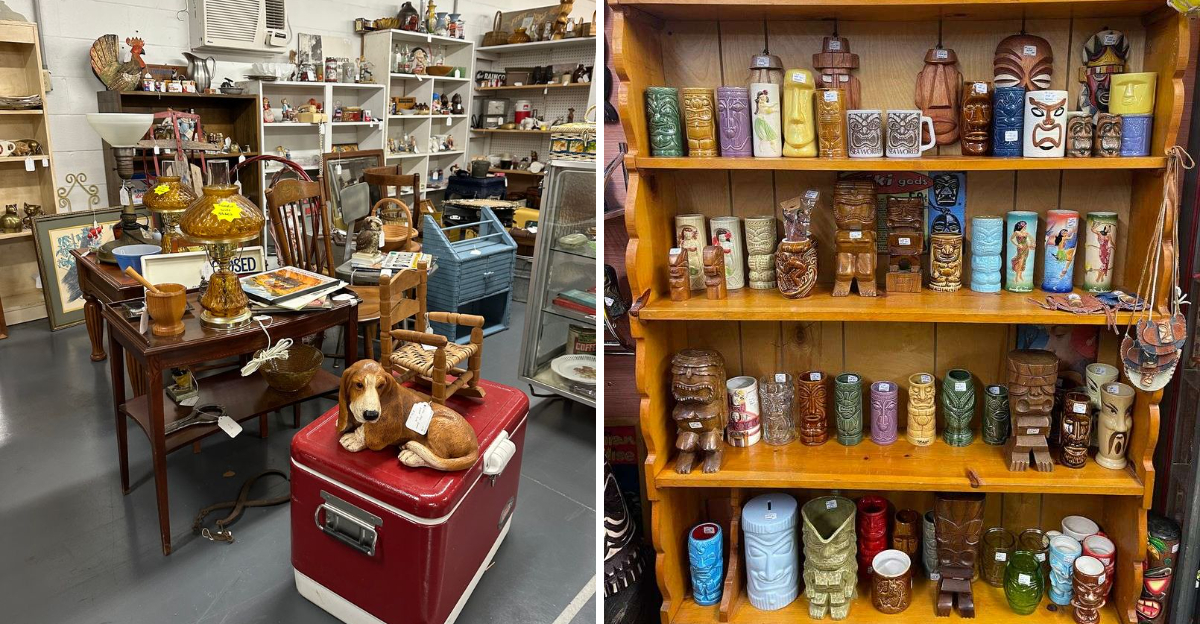
Inside, booths run in every direction and each one belongs to a different person. That means the taste changes every ten feet.
There is furniture, glassware, tools, signs, and a box of postcards somebody’s family clearly did not want.
Prices stay low because rent out here stays low. That math works in your favor.
Bring measurements for any space you are trying to fill. Bring a tape measure too, because you will not trust yourself.
Clear the back seat before you go. Antique malls have a way of filling it.
The Building That Looks Like Nothing And Holds Everything
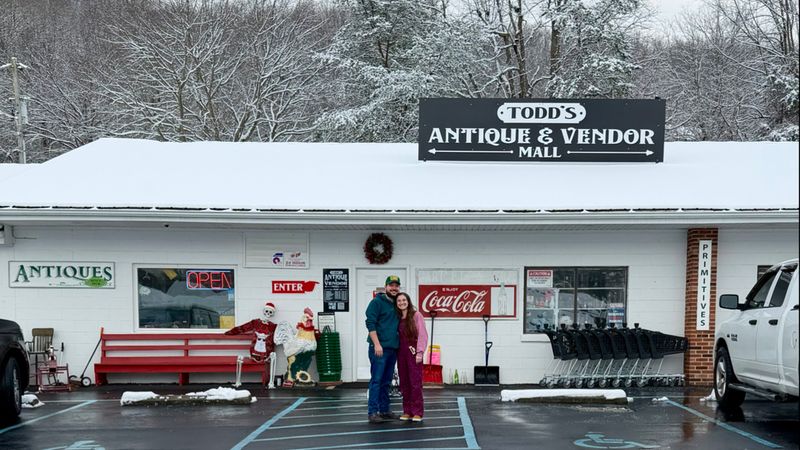
Todds Antique & Vendor Mall does not try to impress you from the road. The building sits plain and wide, with cars angled in front and a door that swings open often.
First impressions can fool you here. What looks like a simple country structure opens into room after room of booths, shelves, and stacked treasures.
The ceiling is high, the aisles are narrow, and every turn shows something new. You start out browsing and end up hunting.
Locals treat it like a regular stop, not a special occasion. That tells you plenty about the quality inside.
Shoppers from Berea, Lancaster, and Richmond make the trip without complaint. The back roads are part of the fun.
Pack patience and comfortable shoes. Rushing this place is a mistake you only make once.
Cell service can get spotty out that way, so screenshot your directions first. The rural setting is charming until you take a wrong turn.
You will find it at 1305 Paint Lick Rd, Paint Lick, Kentucky, right where the fields start feeling endless.
Booth After Booth, Each One A Different Personality
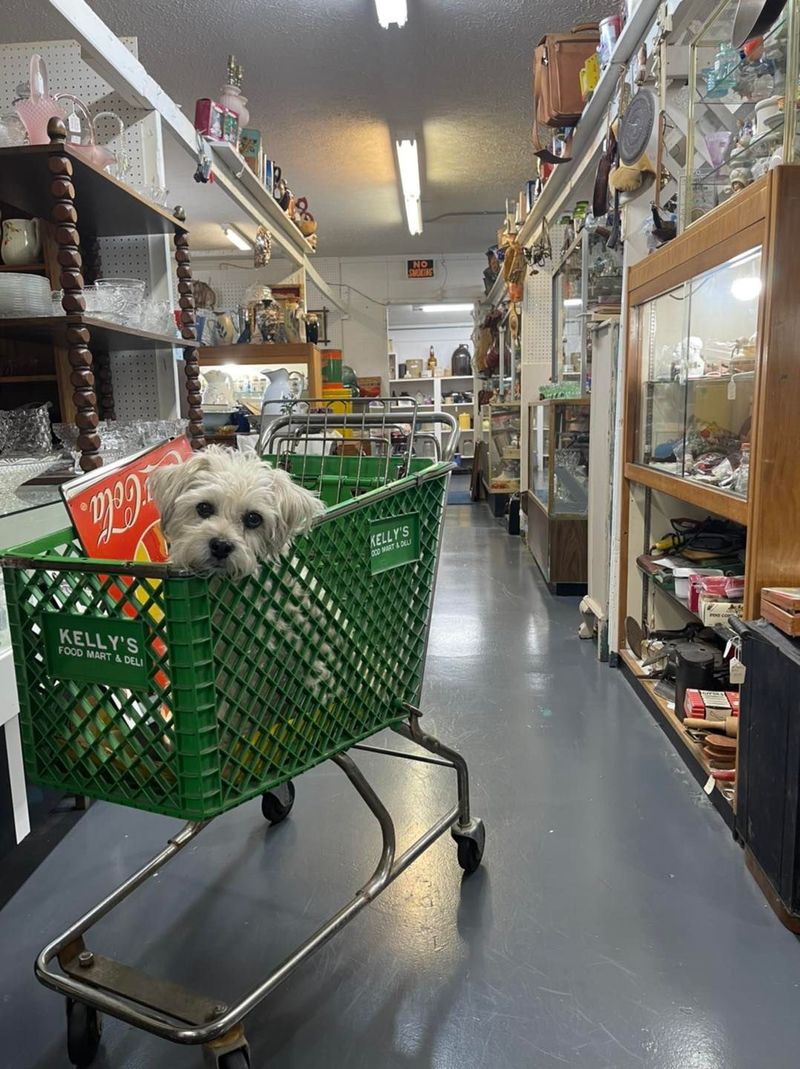
Vendor malls work differently from single-owner antique shops. Dozens of sellers rent space, and each booth reflects one person’s taste.
One corner might hold pressed glass and lace doilies. Two steps later, you are staring at cast iron skillets and rusted farm tools.
That mix keeps your eyes moving. Boredom never gets a chance.
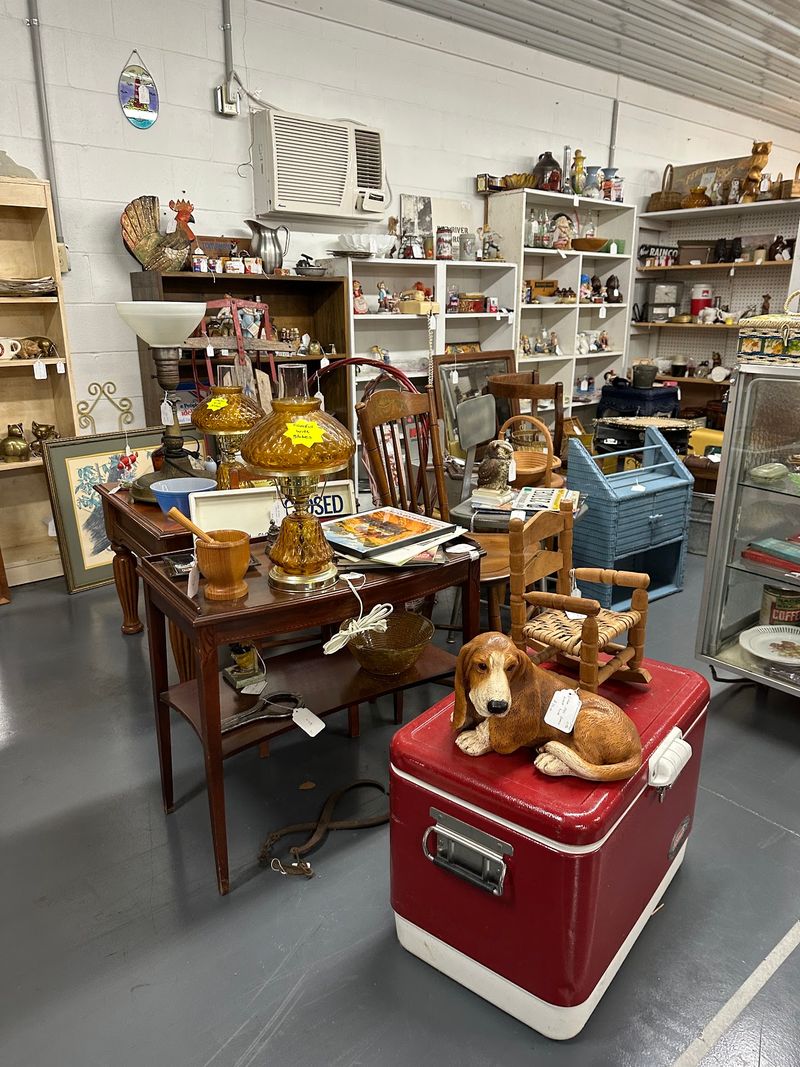
Some booths are arranged like tiny living rooms, with lamps switched on and chairs staged. Others pile goods high and let you dig.
Diggers usually win. The best finds hide behind something less interesting.
Prices vary from booth to booth because each vendor sets their own. That means a similar item can cost different amounts in different aisles.
Walk the whole place before you commit. Comparing is half the strategy.
Tags often list a booth number, which helps at checkout. Snap a photo if you want to remember where something sat.
Vendors rotate stock regularly, so return visits rarely feel repetitive. Regulars swear the inventory shifts every few weeks.
Give yourself at least ninety minutes. Anything less and you will leave wondering what you missed.
Glassware That Catches The Light Just Right
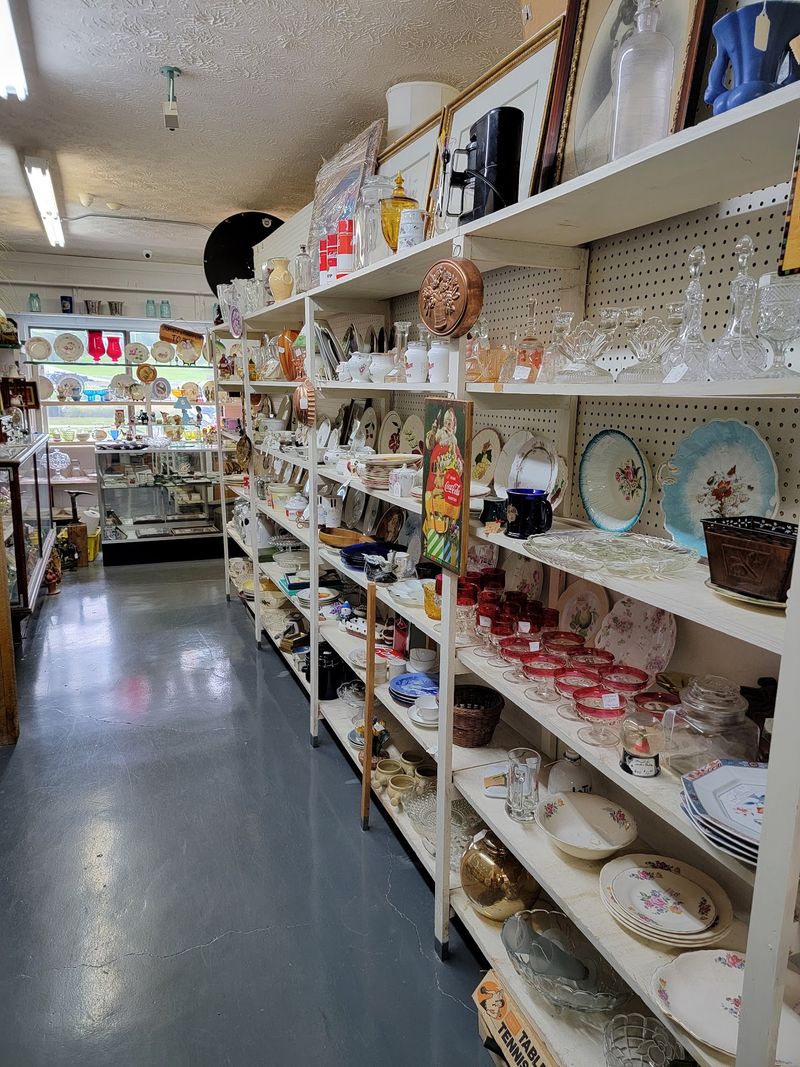
Glass shelves do something magical when light hits them. Rows of colored tumblers and bowls glow like stained windows.
Depression glass shows up often in Kentucky malls. The pink and green pieces are especially easy to spot.
Milk glass sits nearby, solid white and heavier than expected. It photographs beautifully on a kitchen shelf.
Carnival glass has that oily rainbow shimmer. Tilt it and the colors shift.
Ask before handling anything fragile if the case is locked. Vendors or the front desk can usually help.
Check rims and bases with your fingertip. Tiny chips are common and affect value.
Mismatched sets can be a bargain. Nobody at your table will notice if the water glasses differ slightly.
Old canning jars turn up frequently too. Blue Ball jars have a following for good reason.
Wrap purchases carefully for the drive. A towel in the trunk beats hoping for the best.
Pyrex bowls with printed patterns disappear fast here. Serious collectors arrive early on weekends.
If you only browse one category, make it glass. The prices often surprise people in the best way.
Furniture With Actual Miles On It
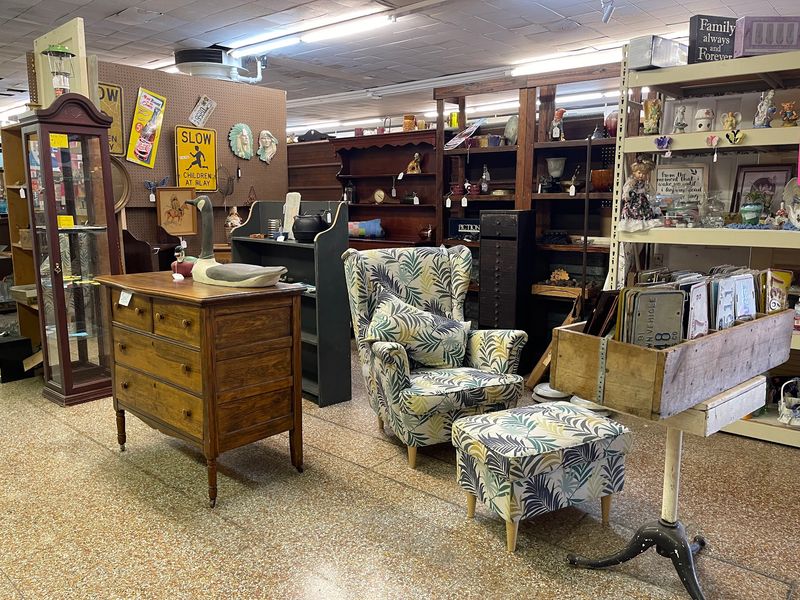
Old furniture has weight that new furniture never learns. Lift one drawer from a solid oak dresser and you understand immediately.
Pie safes with punched tin panels turn up in Kentucky malls regularly. Farm kitchens used them long before refrigerators existed.
Spindle chairs, drop leaf tables, and painted cupboards fill the bigger booths. Some show layers of old paint worth keeping.
Dovetail joints are the detail to look for. Interlocking wedges mean careful hand construction.
Pull every drawer out and check the sides. Machine-cut joints suggest a later date.
Measure your space before you fall in love. A hutch that fits the booth may not fit your hallway.
Bring a tape measure and a truck if you are serious. Furniture rarely rides home in a sedan.
Ask about delivery or holding options at the counter. Some vendors will work with you.
Minor scratches are not flaws. They are proof the piece was used by real families.
Wobbly legs can usually be tightened with glue and clamps. Cracked veneer is a bigger project.
Country furniture at country prices is the whole appeal. City shops charge double for less character.
Old Signs, Tins, And Advertising Worth Framing
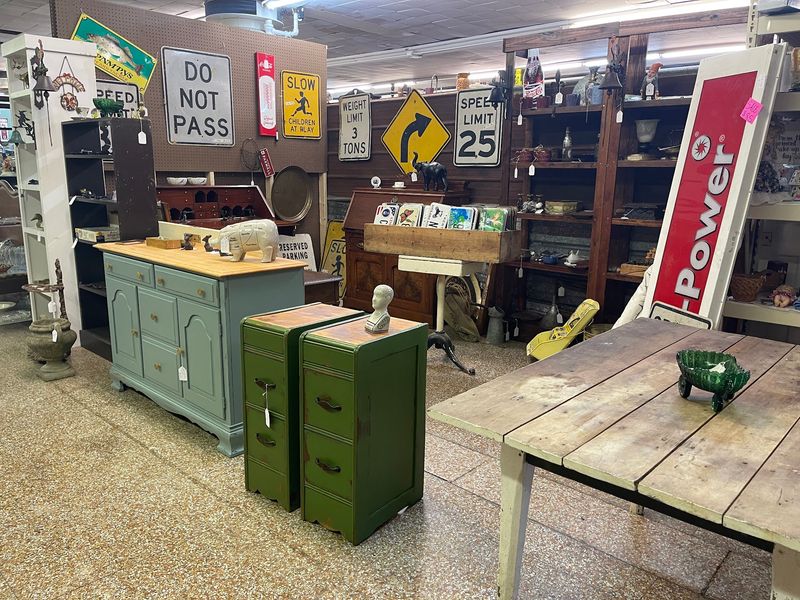
Advertising from decades past had real artistry. Bright colors, bold letters, and painted mascots still grab attention.
Metal signs hang high on the walls here, well above browsing height. Look up or you will walk right past them.
Feed and seed tins from Kentucky farms show up now and then. Local names make them extra collectible.
Soda signs, hardware store thermometers, and old license plates round out the category. Some are dented, which honestly adds to the look.
Reproductions exist, so inspect the back. Genuine age shows in rust patterns and mounting holes.
Ask the desk staff if you are unsure. Honest answers are the norm in vendor malls.
One good sign can anchor an entire room at home. Garages, kitchens, and workshops all benefit.
Smaller tins cost far less than large signs. They still deliver plenty of vintage charm.
Old advertising thermometers actually work sometimes. That small surprise makes them fun.
Groups of three hung together look intentional. Collectors call it building a wall.
Start small if you are new to this. One tin turns into six faster than you expect.
Paper, Books, And Postcards Nobody Threw Away
Paper survives longer than people assume. Boxes of postcards and letters wait in booths for someone curious enough to flip through.
Old hardcover books stack in uneven towers. Titles range from farm manuals to children’s readers.
Postcards from Kentucky towns are a quiet favorite. Some carry handwriting from a century ago.
Sheet music covers make excellent cheap art. Frame one and it looks intentional on any wall.
Vintage photographs turn up in shoeboxes. Strangers’ faces, but the clothing and cars tell stories.
Old maps and county atlases show roads that no longer exist. Locals love spotting family land.
Handle paper with dry hands and gentle fingers. Creases do not undo themselves.
Prices in this category run low, often a dollar or two. That makes it a great starting point for kids.
Bring a folder or envelope if you plan to buy several. Loose paper crumples in a bag.
Magazines from past decades are entertaining just for the ads. The prices printed inside will make you laugh.
Set aside real time for the paper booths. They reward slow browsing more than anything else here.
Tools, Crocks, And Honest Farm Stuff
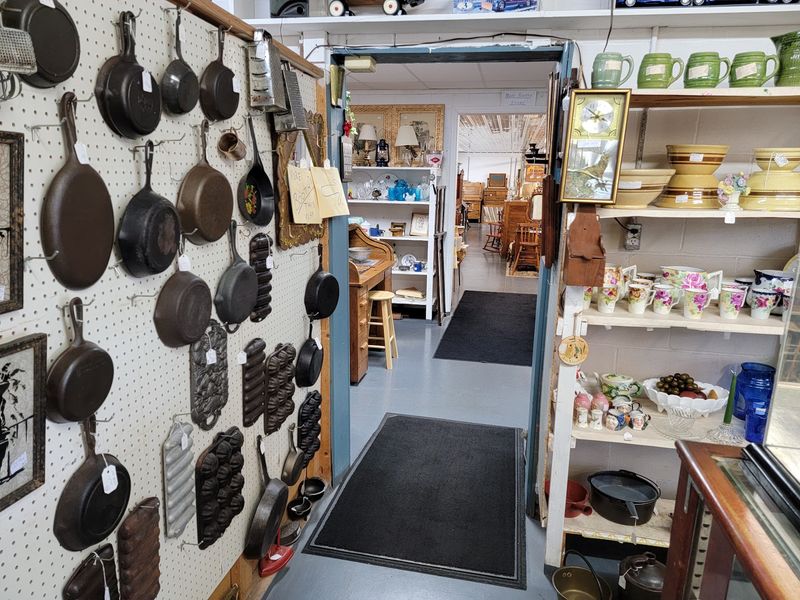
Kentucky farm history sits on these shelves in solid form. Hand planes, wrenches, and scythe blades line up like a museum with price tags.
Stoneware crocks are the standouts. Heavy, gray, and stamped with numbers marking gallon capacity.
Enamelware pots and coffee pots show chips along the rims. Collectors call that character, and they are right.
Wooden yardsticks from local businesses cost almost nothing. They lean nicely in a corner or hang flat.
Egg baskets, milk cans, and butter churns appear regularly. Farmhouse decorators buy these fast.
Check crocks for hairline cracks by tapping gently. A clear ring means solid, a dull thud means trouble.
Older hand tools often still work perfectly. A sharpened plane outperforms plenty of new ones.
Rust does not mean ruined. Steel wool and oil bring a lot of pieces back.
Cast iron cookware hides in these booths too. Look for smooth cooking surfaces and no warping.
Ask vendors about a piece’s history if they are around. Many know exactly which farm it came from.
This section explains why the drive matters. City shops rarely stock the real working stuff.
Planning The Back Road Trip Right
Getting there is genuinely part of the experience. Paint Lick Road rolls past pastures, fences, and barns that lean just slightly.
Berea sits close by, making an easy pairing for the day. Richmond and Lancaster are short drives as well.
Check hours before you leave home. Rural shops sometimes adjust schedules seasonally.
Weekends bring more shoppers and more energy. Weekdays offer quieter aisles and easier parking.
Wear layers you can shed. Big buildings full of stuff hold temperature unevenly.
Leave trunk space open before you go. Optimism about restraint rarely survives the first aisle.
Bring a friend with a different eye. They will spot things you walk right past.
Set a loose budget and a rough time limit. Both tend to stretch anyway.
Grab food in Berea or Lancaster afterward. Antique hunting builds a real appetite.
Fill your tank before heading out on the back roads. Stations thin out quickly past town.
Come back in a few months and the inventory will have turned over. That is exactly why people keep returning.