The Curious Backstory Behind This Mountaintop County Park In Pennsylvania
Back in 1876, a small-town photographer built a wooden tower roughly 75 to 80 feet tall on a windy mountaintop. Neighbors doubted it would last a month.
Then a fierce storm flattened every tree around it, and the tower stood untouched. Some folks credited the spirits of a legendary chief said to have prayed on that very summit.
I love a story that refuses to behave.
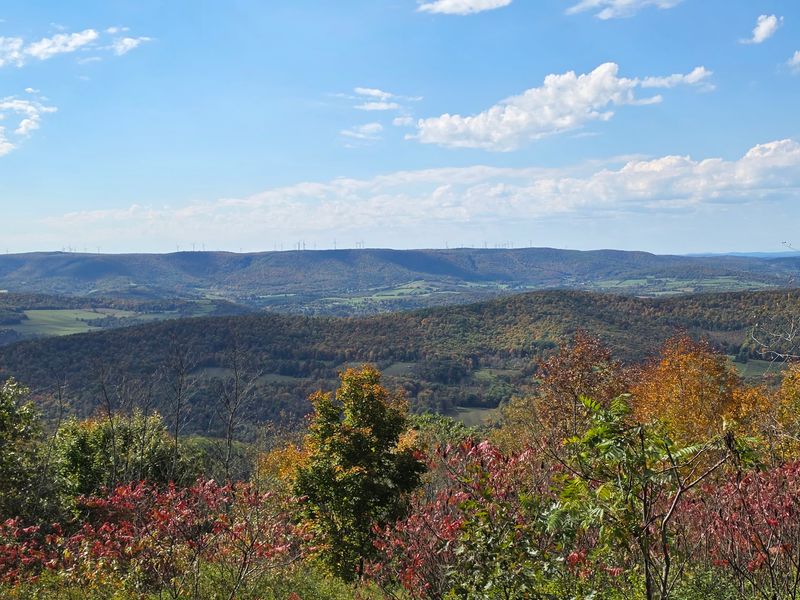
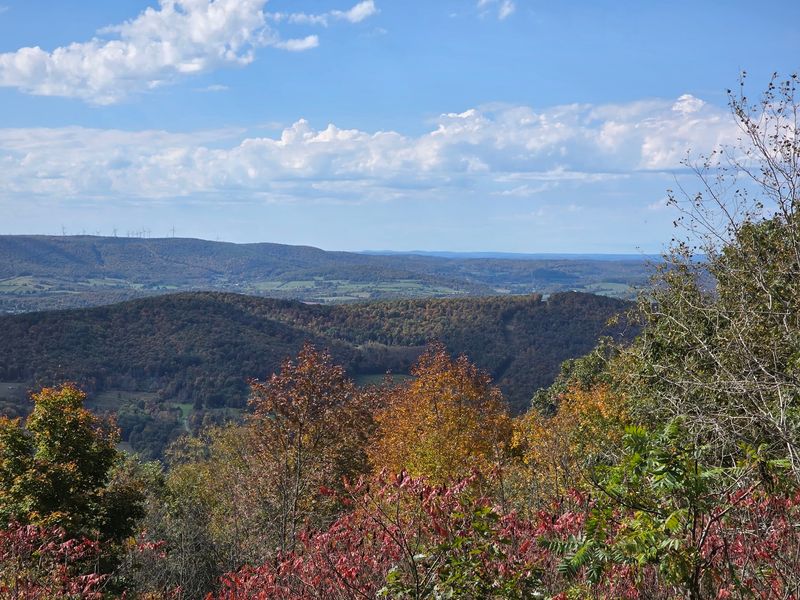
The tower is long gone now, but the summit is still open to anyone willing to drive up. It’s a county park in northern Pennsylvania with picnic pavilions, quiet trails, and views stretching west toward distant ridges.
I can’t imagine a better place to eat a sandwich.
A hunting trip, a carved pine tree, a summer resort, and a stubborn tower all shaped this hilltop. So how did one mountain collect so many good stories?
A Mountaintop Park Sitting Halfway Between Two Towns
Mt. Pisgah County Park sits at the very top of Mt.
Pisgah in Springfield Township, Bradford County. You’ll find it almost exactly halfway between Troy and Towanda, close to U.S.
Route 6.
That location is the whole point. The park doesn’t hide in a valley or hug a lakeshore, because it claims the summit itself.
Bradford County runs the place, and it covers roughly 600 acres of woods, clearings, and lookout spots. That’s plenty of room for a picnic, a ramble, or a long stare at the horizon.
Northern Pennsylvania has no shortage of hills, but few come with this much backstory attached. Hunters, a photographer, resort guests, and county commissioners have all left their mark here.
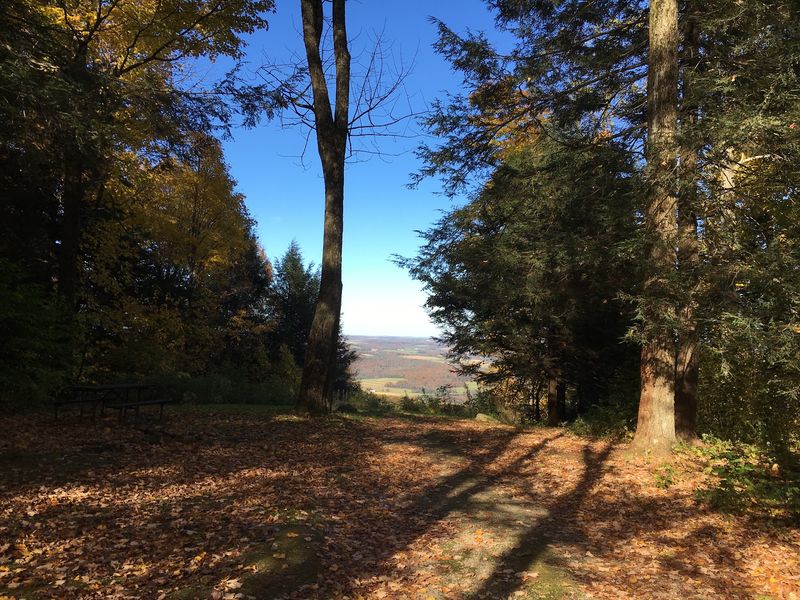
Don’t expect a busy theme park with snack stands. The appeal is simpler: open air, shaded tables, walking paths, and some of the widest views in this corner of the state.
Think of the drive as part of the experience. The road climbs steadily, and the reward waits at the top like a prize at the end of a scavenger hunt.
Before you go, though, the story behind the name deserves a few minutes. It starts with three hunters and a pocketknife.
Three Hunters, A Spring, And A Carved Norway Pine
In the fall of 1817, John Dobbins, Myron Ballard, and Elam Kendall went hunting on this mountain. Near the apex, they stumbled onto a clear spring.
Dobbins apparently felt the moment called for something grand. He reportedly carved the word Pisgah into a Norway pine standing nearby.
According to the story, he also announced, From Pisgah’s top, I view the promised land. Not bad for an improvised speech in the middle of a hunting trip.
The name points back to the biblical Mount Pisgah, where Moses viewed the promised land from a high summit. Dobbins clearly knew his scripture and had a flair for drama.
Plenty of mountains got their names from surveyors or landowners. This one got its name from a hunter’s sudden burst of poetry beside a spring.
I like that the origin feels so human. Someone climbed up, caught his breath, looked out, and decided the view needed a proper title.
The pine tree is not something you can visit today. Still, standing at the summit makes the quote feel a lot less exaggerated than you might expect.
Those rolling valleys below really do look like a promise of something good.
The Salisbury Family And A Mountain Split Five Ways
Fourteen years after the carving, the mountain changed hands in a big way. In 1831, John Salisbury of Phelps, New York, bought about 400 acres, including Mt.
Pisgah.
That was a hefty chunk of rugged hillside. Salisbury later divided the land among his five children.
Picture the family conversation over who got which slice. Somebody had to end up with the summit, and that turned out to matter a great deal.
His daughter Mary received the northeast section of the property. That section happened to include Mt.
Pisgah itself.
On paper, it was just an inheritance of steep ground and trees. In practice, it set the stage for the mountain’s most famous chapter.
Mary married Moses Gustin, a photographer from Troy, Pennsylvania. A man who made a living capturing images now had access to one of the best views around.
You can probably guess where this is heading. A photographer with a mountaintop rarely leaves it alone for long.
Family land stories can sound dry, but this one works like a plot twist. Without that particular split, the summit might have stayed a quiet patch of forest.
An 1876 Observation Tower Built By A Photographer
Moses Gustin looked at that summit and saw possibility. In 1876, he built a wooden observation tower there, roughly 75 to 80 feet tall.
For a photographer, that’s basically the dream setup. Why settle for the view from the ground when you can climb above the treetops?
The payoff was supposedly huge. On a clear day, it was said you could spot Elk Mountain near Scranton and Cayuga Lake near Ithaca, New York.
That’s a serious claim for a structure made of wood. It also tells you how much the summit stands out from the surrounding countryside.
The year matters too. In 1876, the country was celebrating its centennial, and grand gestures were very much in style.
Gustin’s tower turned a family property into a destination. People now had a reason to make the climb beyond hunting or curiosity.
Of course, a tall wooden tower on an exposed peak invites skepticism. Wind on a mountaintop does not care about anyone’s ambitions.
Neighbors had opinions about whether this thing would stay upright. What happened next became the mountain’s favorite legend.
The Storm That Couldn’t Topple Gustin’s Tower
Locals doubted the tower could survive the mountain’s strong winds. Honestly, who could blame them?
About a month after it was finished, a severe storm tore across the summit. It leveled the surrounding trees, yet the tower came through without damage.
Now that’s a comeback story. The skeptics suddenly had a lot less to say.
Some residents had an explanation that went beyond carpentry. They credited the spirits of Chief Wetona, a great warrior believed to have visited the mountain to pray.
Whether you read it as legend, coincidence, or solid craftsmanship, the tale stuck. It gave the summit a layer of mystery that still clings to it.
I believe that’s part of why the story travels so well. A sturdy tower is nice, but a protected tower is unforgettable folklore.
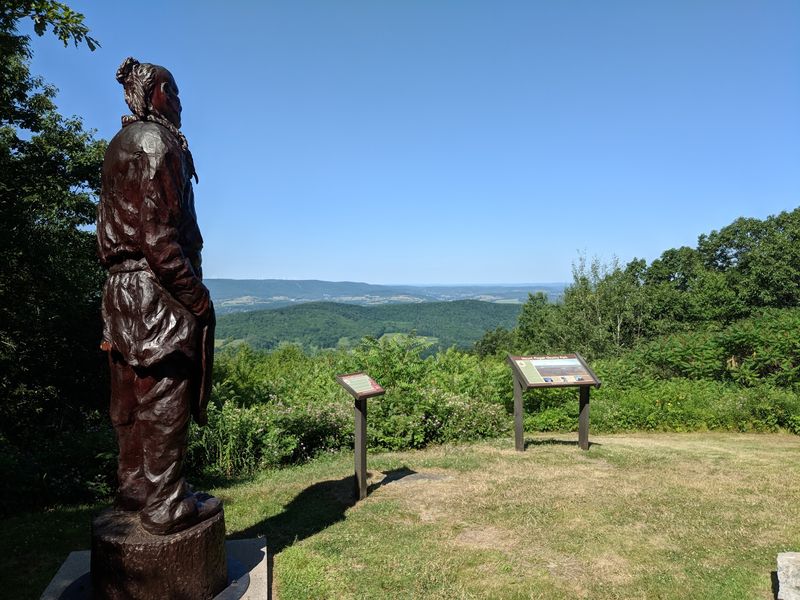
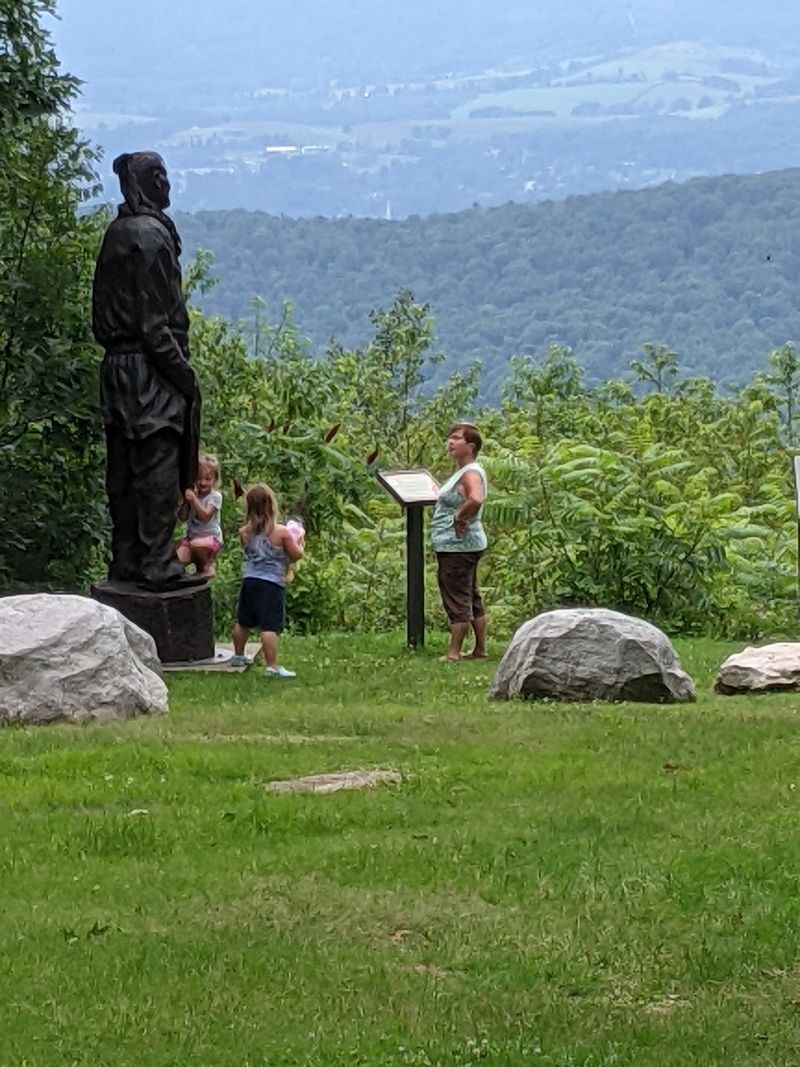
The park keeps this history alive through informational signage at its vistas. Reading those panels while the breeze picks up adds a fun little shiver to the visit.
Stand up there on a gusty afternoon, and you’ll understand why people doubted the tower. You’ll also understand why they started believing something special watched over it.
Summer Crowds From As Far As Chicago
Here’s a detail that surprises plenty of people. During the late 19th century, Mt.
Pisgah was a popular summer resort.
Visitors came from eastern cities, and some traveled all the way from Chicago. That’s a long trip for a mountain in rural Bradford County.
The draw wasn’t only the tower. A mountaintop hotel welcomed guests, offering a cool escape from hot city summers.
Back then, fresh mountain air was a big selling point. Families with the means often headed for high ground when summer heat settled over the cities.
So the quiet summit you visit today once hosted a lively seasonal scene. It’s fun to stand among the picnic tables and imagine hotel guests strolling the same ridge.
Nothing lasts forever on an exposed peak, though. Around 1918, harsh weather had worn the old tower down.
It was closed for safety reasons and eventually taken down. The resort era faded, and the summit grew quiet again.
That quiet would last for decades. Then the county stepped in with a very different plan for the mountain.
How Bradford County Claimed The Summit In 1965
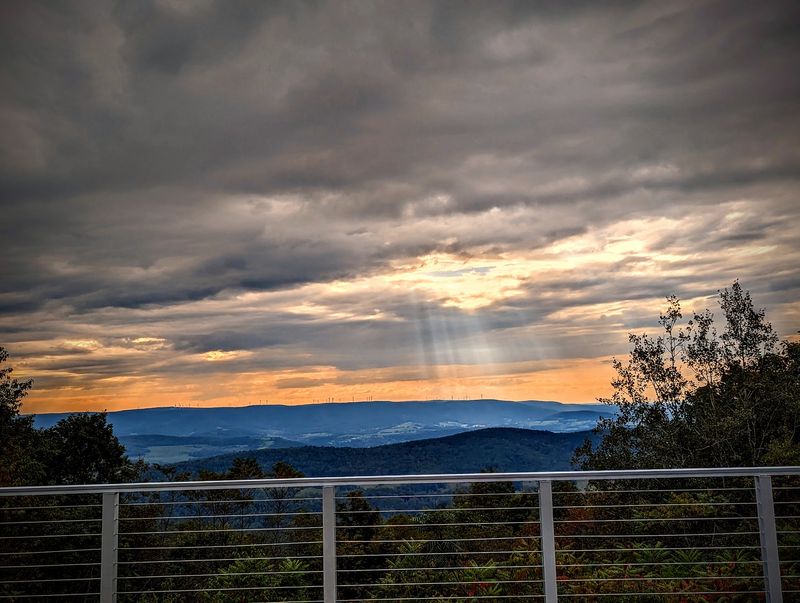
In 1965, the Bradford County Commissioners purchased the land that now makes up the park. A former resort summit became public ground.
That decision turned a private story into a shared one. Anyone could now drive up and enjoy the views the Salisbury and Gustin families once controlled.
Today Mt. Pisgah County Park covers roughly 600 acres.
That’s much bigger than the original 400 acres John Salisbury bought in 1831.
The county kept things refreshingly simple. Instead of rebuilding a hotel, it focused on vistas, picnic spots, and trails.
Honestly, that restraint is a big part of the charm here. The mountain does the heavy lifting, and nobody tries to compete with it.
Through the years, the park has also become a spot for family gatherings and even weddings. It’s easy to see why a summit view makes a good backdrop for big moments.
Pennsylvania has plenty of county parks, but few started as a frontier hunting ground and a Victorian resort. This one carries all those chapters in a single hilltop.
Not a bad legacy for a decision made in a commissioners’ meeting.
Westward Views That Reach Toward Armenia Mountain
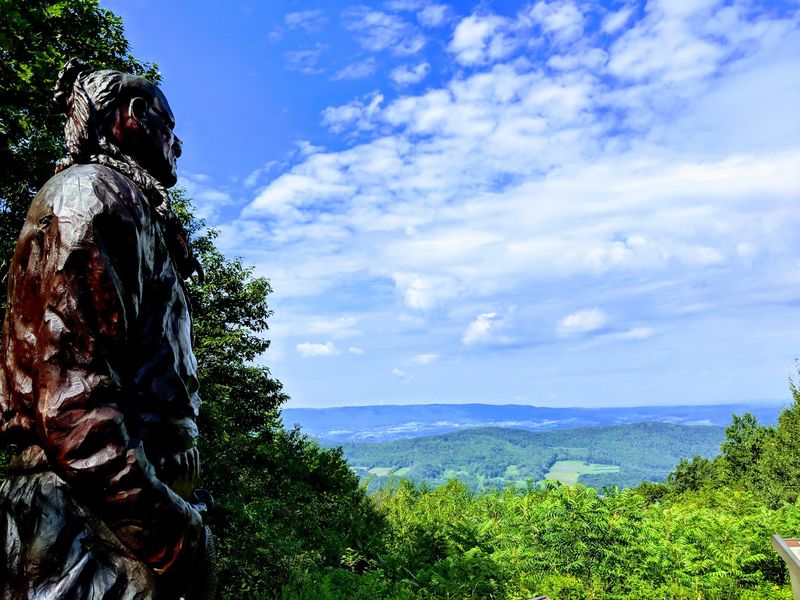
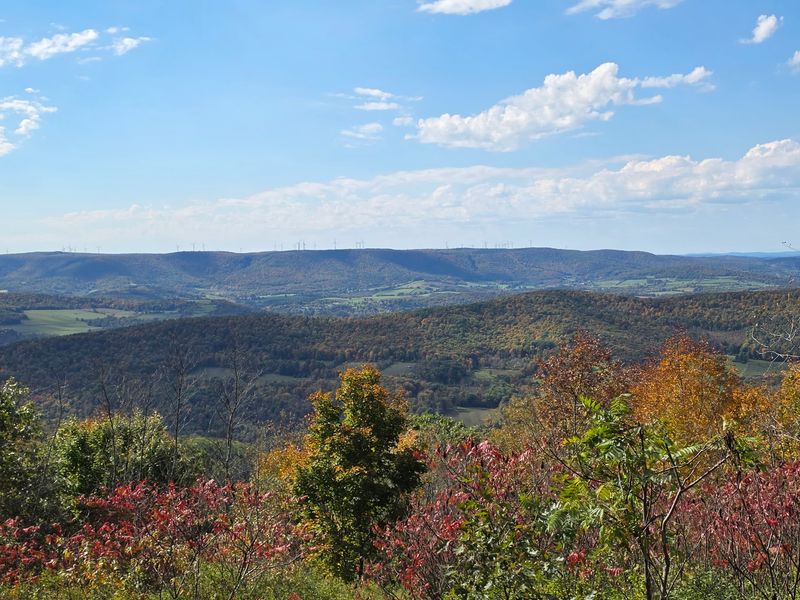
Views are the headline act at Mt. Pisgah County Park.
Most of the scenery stretches to the west, and it rarely disappoints.
On a clear day, Armenia Mountain may show up on the horizon. You might also spot mountains over in Tioga County.
Below, the countryside rolls out in farms, woods, and valleys. It’s the kind of scene that makes you stop talking mid-sentence.
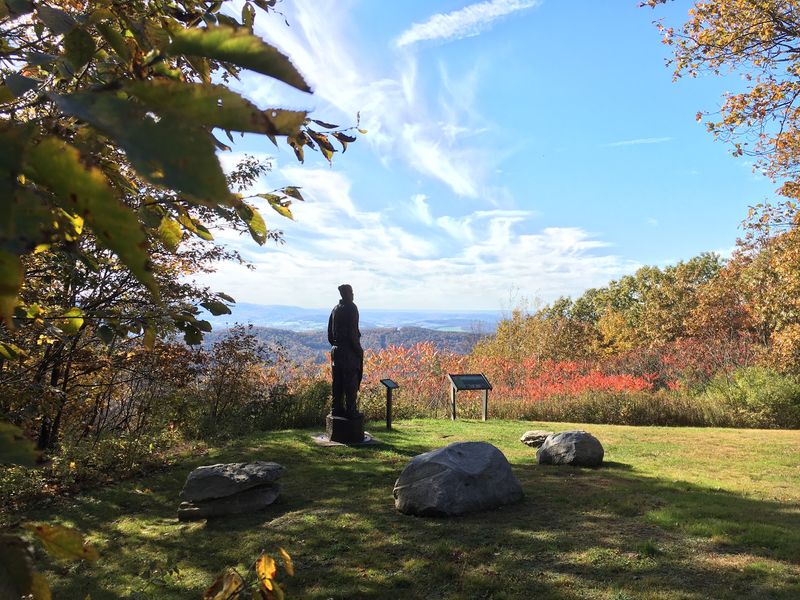
Several vistas are spread around the park instead of one single overlook. Each comes with informational signage, so you can learn while you look.
That signage connects the present to the past nicely. You get the same view that inspired Dobbins and Gustin, plus the story behind it.
Weather plays a big role up here. Haze can soften the distant ridges, while crisp days sharpen everything into focus.
Bring a camera, even if you’re no photographer. Moses Gustin would probably approve.
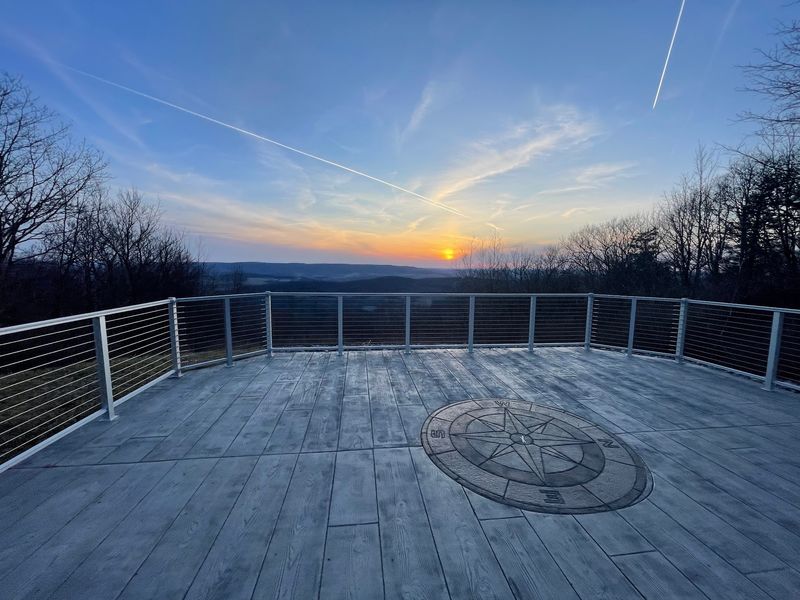
Sunset seekers should keep an eye on the clock. The park follows dawn-to-dusk hours, so plan your lingering wisely.
Quiet Trails Through A Wild Mountaintop
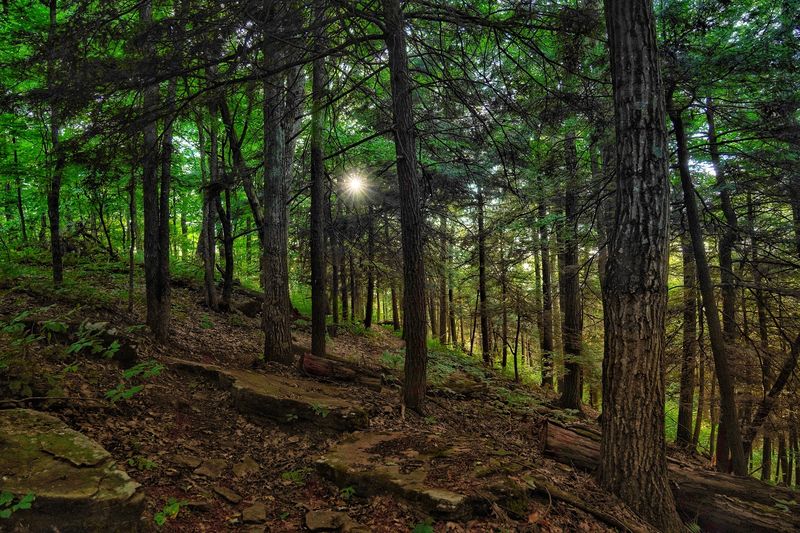
Hiking trails wind through the park’s woods and clearings. They give you a reason to stay after the first look at the view.
Wildlife is abundant in this secluded setting. Keep your eyes open and your voice low, and the woods may reward you.
Dogs are welcome too. That makes the trails a solid pick for anyone whose best hiking buddy has four legs.
Mountain ground can stay damp after rain, so sturdy shoes are a smart choice. Bug spray can help during the warmer stretch of the season.
The trail system suits easygoing walkers as well as curious explorers. You can wander for a short loop or spend a longer stretch under the trees.
Nature photographers may find plenty to focus on. Mushrooms, wildflowers, and shifting light can turn a simple walk into a slow treasure hunt.
Please follow leave-no-trace habits while you’re out there. Pack out what you bring in, and keep the summit looking good for the next visitor.
After all, the mountain has been welcoming people since 1817. It deserves good manners.
Pavilions, Picnic Tables, And A Few Rustic Realities
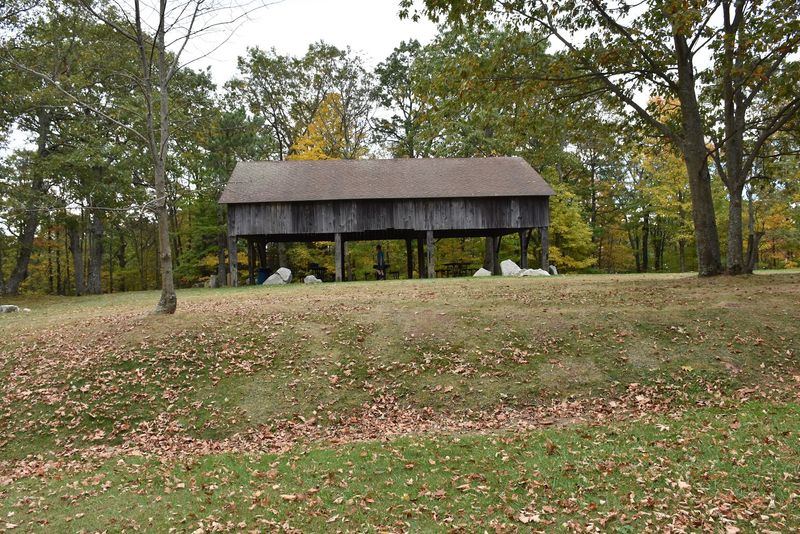
Lunch with a view sounds better than lunch at a desk, right? Mt.
Pisgah County Park makes that easy with two pavilions and numerous picnic areas.
Families can spread out, and groups can gather under cover. It’s an affordable way to turn a scenic drive into a full outing.
Now for the practical part. Restrooms here are composting toilets, and the park has no running water.
That means you should bring your own water, plus hand sanitizer. A cooler with drinks and snacks is a very good idea.
Think of it as rustic, not rough. The setup fits the park’s simple, nature-first personality.
Retirees looking for a calm afternoon will feel right at home. So will parents who want the kids outside and away from screens for a while.
Pavilion use for parties or special events may require planning with the county. It’s smart to check ahead if you’re hoping to host a gathering.
Pack a tablecloth, grab some sandwiches, and let the scenery handle the decorations.
Finding Your Way Up Wilcox Drive
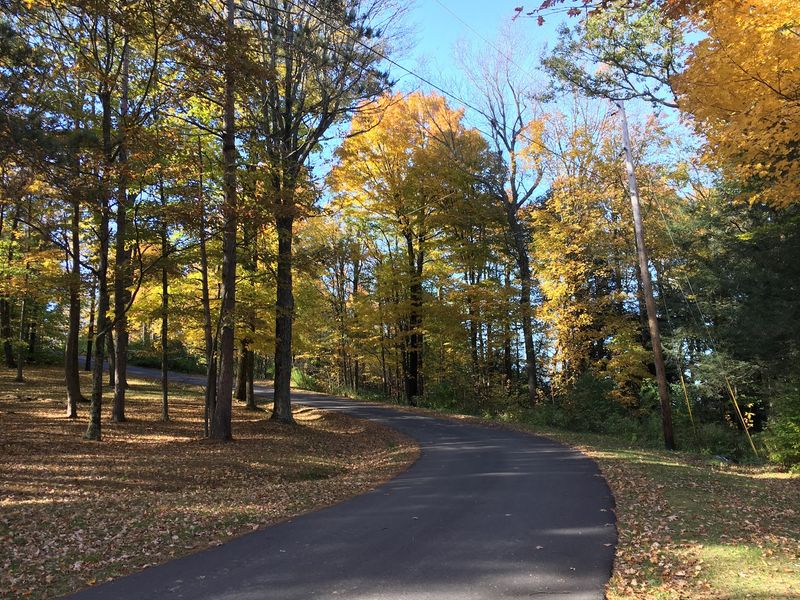
Getting there takes a few turns, so don’t trust luck alone. Start on U.S.
Route 6 and turn onto Peters Road.
Follow Peters Road to the end, then turn left onto Pisgah Road. Next, turn right onto Wilcox Drive and follow the park signs to the top.
The park’s address is 2181 Wilcox Dr, Troy, PA 16947. Plug it in, but keep an eye on those signs too.
One mix-up catches plenty of folks. Mt.
Pisgah County Park is separate from Mount Pisgah State Park, though the two sit next to each other.
The state park lies at the base of the mountain along Mill Creek. It covers 1,302 acres and includes Stephen Foster Lake, plus camping, boating, fishing, and a pool.
The county park, meanwhile, holds the summit. Its focus is vistas and hiking, with far fewer amenities.
Knowing the difference can save you a confusing detour. If you want the views and the tower story, head for the top.
Day-trippers from across Pennsylvania can easily pair both parks in one outing. Lake time below, summit views above.
When To Go And Why The Summit Earns A Spot On Your Calendar
Timing matters on this mountain. The park operates seasonally, and for 2026 it’s open from May 9 through October 11.
Hours run from dawn to dusk during that window. Schedules can shift, so check ahead before making the drive.
Camping is not permitted at the county park. If you want to stay overnight, the neighboring state park is the place to look.
Spring brings fresh green to the slopes, while early fall can paint the valleys in warm colors. Either season makes those westward views even more rewarding.
So who will love it most? History fans, picnickers, dog owners, quiet hikers, and anyone who enjoys a good legend will all find something here.
Thrill seekers wanting rides and snack bars may feel a little underwhelmed. Everyone else gets fresh air, big skies, and a story that keeps unfolding.
I like that a carved pine, a stubborn tower, and a resort era all trace back to one summit. Few picnic spots in Pennsylvania come with that kind of résumé.
Bring water, bring curiosity, and save some time for the view. Dobbins wasn’t wrong about that promised land.