The Dreamy Victorian Mansion In Connecticut That Feels Like A Storybook Hiding In Plain Sight
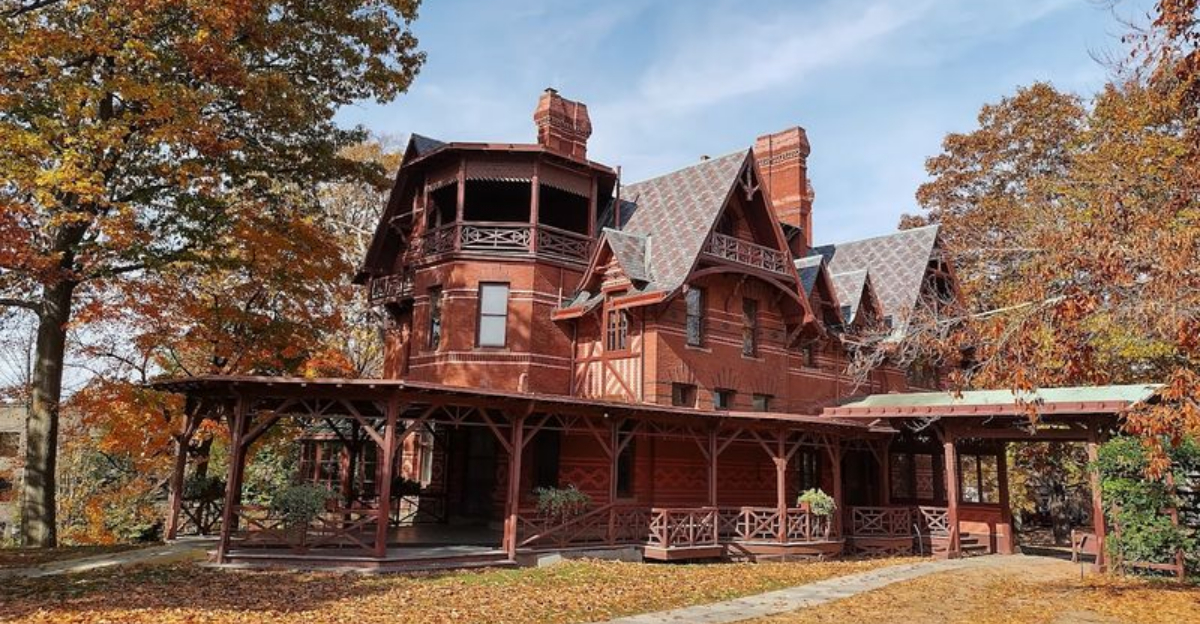
Some buildings just have a story written all over them before you even get through the door and this Victorian mansion is one of the most compelling examples of that anywhere in the state.
The exterior alone stops people mid stride and the interior delivers on every bit of that first impression without any disappointment whatsoever.
Most people who live nearby have walked past this place without ever truly stopping to appreciate what is actually standing right there in front of them.
Dreamy and storybook in the most genuine way possible, this Victorian Connecticut mansion hiding in plain sight is the kind of discovery that completely reframes how you think about everything around it.
The history here is fascinating and the craftsmanship is the kind that makes you slow down and look properly rather than just passing through. A visit here has a way of staying with you long after you have headed home and makes you want to come back with everyone you know.
1. A Bold Victorian Exterior Full Of Personality
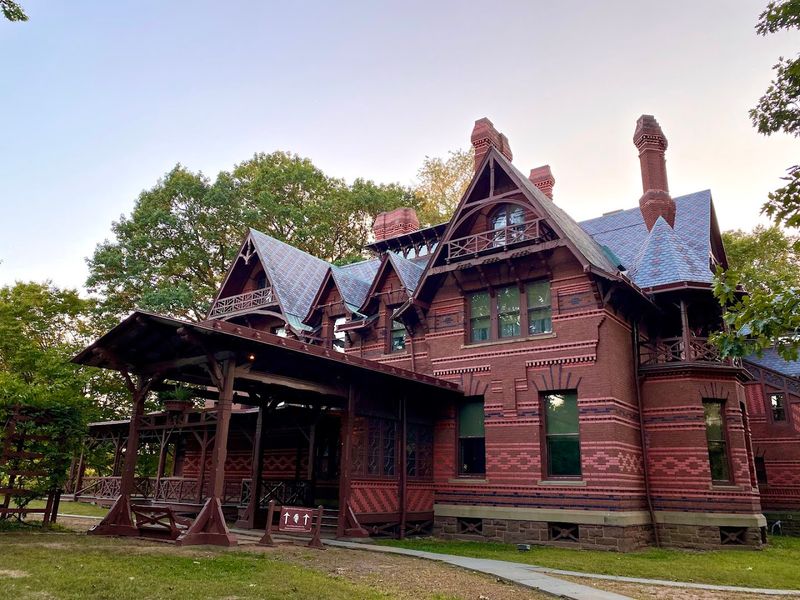
A city street does not always prepare visitors for a house this bold, which is why the first glimpse can feel so memorable.
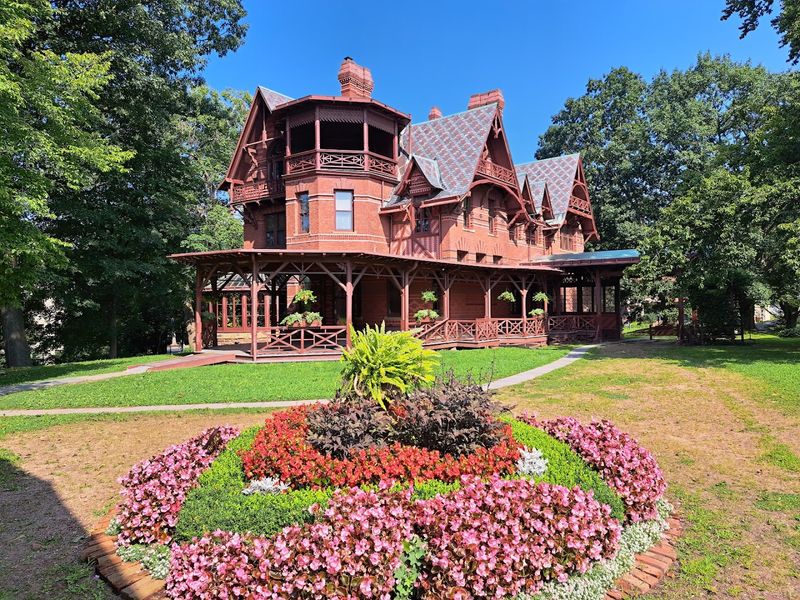
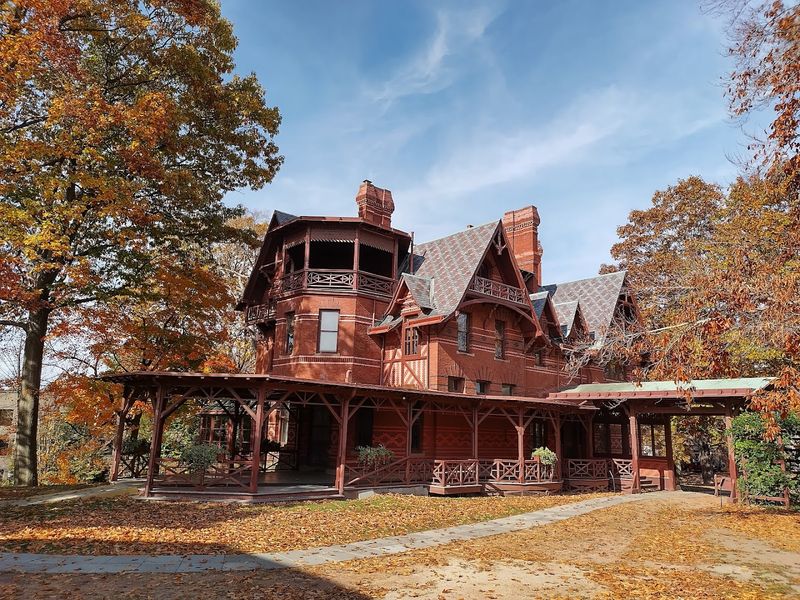
The Mark Twain House brings sharp rooflines, patterned brickwork, unexpected windows, carved trim, and dramatic chimney stacks together in a way that feels playful, theatrical, and completely original.
The home can be found at 351 Farmington Ave. in Hartford, where its exterior stands apart from the surrounding neighborhood with ease. Rather than blending quietly into the block, the design seems to enjoy every unusual angle and decorative flourish.
Even before a tour begins, the outside gives visitors plenty to study.
Biographer Justin Kaplan famously described the house as part steamboat, part medieval fortress, and part cuckoo clock, and the comparison still fits. The building has movement, height, ornament, and a sense of humor, all wrapped into one unforgettable Victorian landmark.
Designed by Edward Tuckerman Potter, the house is often described as Picturesque Gothic or Victorian Gothic with Stick Style influence. It reflects the architectural tastes of the 1870s, but with far more personality than a typical grand home of the era.
First-time visitors often pause outside for several minutes, and with this much detail in view, that reaction feels completely natural.
2. An Entry Hall Rich With Artistic Detail
The entry hall sets the tone immediately, with elaborate stenciling across the walls and ceiling, carved woodwork framing every surface, and a color palette that feels bold even by today’s standards.
The decorative work was completed by Associated Artists, the firm connected to Louis Comfort Tiffany, and the craftsmanship is visible in every detail.
The grand hall draws the eye upward and outward simultaneously, creating a sense of arrival that feels theatrical without being overdone. Natural light filters in through the windows and catches the texture of the walls, shifting the mood depending on the time of day.
Arriving earlier in the morning tends to offer softer lighting throughout the interior spaces, which can make the decorative details easier to appreciate.
Photography is not permitted inside the house, which means visitors tend to slow down and actually look rather than rush through. That restriction ends up working in favor of the experience, encouraging a kind of attentive presence that is harder to achieve when a camera is involved.
The entry hall alone rewards that kind of careful attention.
3. A Grand Library With Lived-In Warmth
Among the most striking rooms in the entire mansion, the library carries a weight and warmth that feels immediately noticeable. A massive oak mantelpiece, reportedly sourced from a Scottish castle, dominates one wall and gives the room an almost ceremonial quality.
Bookshelves line the surrounding walls, and the original furnishings help visitors understand how the space was actually used rather than simply preserved behind velvet ropes.
The room speaks to a particular kind of domestic seriousness, a place where reading and thinking were treated as central activities rather than leisure afterthoughts. The scale of the mantelpiece is genuinely impressive up close, and the carved details reward a slow, careful look.
Guides typically spend meaningful time in this room explaining the family’s relationship with literature and the household’s intellectual atmosphere.
For visitors who appreciate architecture and interior design, the library tends to be a highlight of the tour. The combination of grand scale and personal detail gives it a character that differs from more formal historic house museums where rooms feel staged rather than lived in.
There is something grounding about standing in a space where the furniture, the shelving, and the fireplace all feel like they belong to the same coherent vision of how a home should feel.
4. Twain’s Private Retreat And Creative Workspace
High on the third floor, the billiard room reveals a more private side of life inside the Mark Twain House. This was Twain’s office, study, and personal retreat, set far above the busier family spaces below.
The placement makes immediate sense for a writer who needed distance, quiet, and enough room for both concentration and play.
Wood-paneled walls, period furnishings, and the large billiard table give the room a warmer, more lived-in feeling than the formal spaces downstairs. It is easy to imagine the room shifting from work to recreation, with manuscripts, conversation, and games all sharing the same familiar surroundings.
Guided tours often give this room special attention because of its connection to Twain’s writing habits and creative life.
The billiard table anchors the space, but the room’s real appeal comes from knowing that some of the most lasting American literature of the nineteenth century took shape in this private corner of the house.
A weekday morning tour may offer a calmer pace, leaving more room for questions and quiet observation. Rooms like this reward a little extra attention, since the details make Twain feel less like a distant literary figure and more like a person shaping stories in a favorite upstairs retreat.
5. A Light-Filled Conservatory And Garden Views
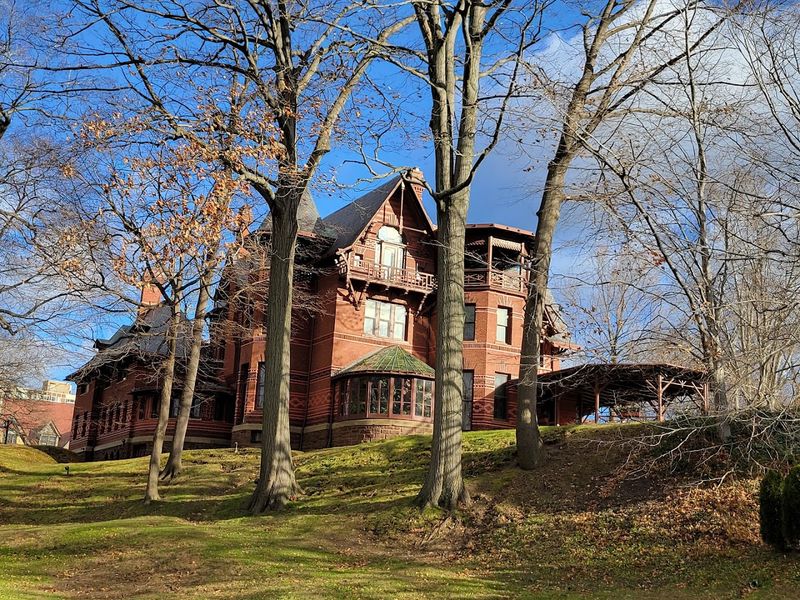
Natural light plays a significant role in how the mansion feels during a visit, and nowhere is that more apparent than in the glass conservatory.
Connected to the main living areas, the conservatory offers a softer, garden-adjacent atmosphere that contrasts with the darker, more richly decorated rooms elsewhere in the house.
The structure lets in daylight from multiple angles, creating a brightness that feels almost unexpected given how enclosed the rest of the interior tends to feel.
Victorian households that could afford them often incorporated conservatories as transitional spaces between the built interior and the natural world outside. In this house, the conservatory adds a breath of lightness to an otherwise deeply layered decorative scheme.
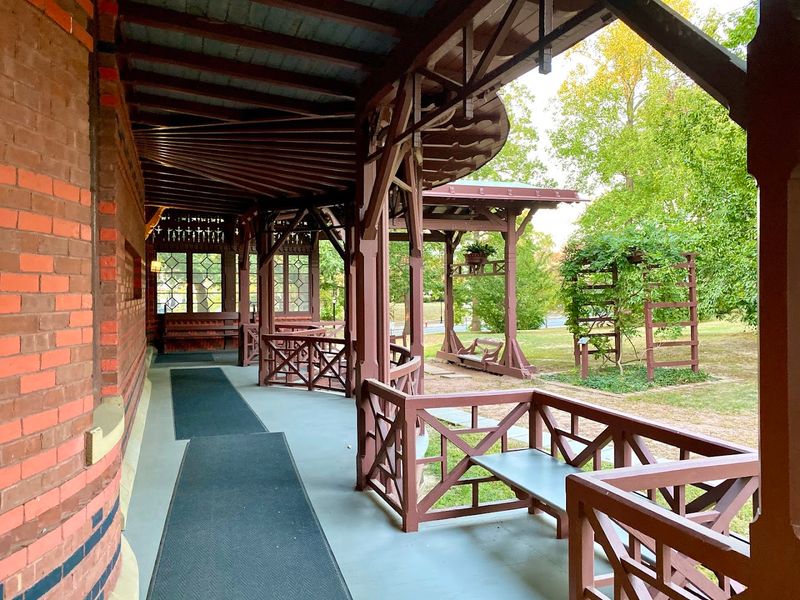
The space connects to the broader grounds of the property, which are well maintained and free to explore without a tour ticket.
Visitors who arrive with extra time before or after their scheduled tour often find the grounds worth a slow walk. The paths around the property are relatively easy to navigate, though comfortable footwear is always a practical choice for uneven or gravel-covered outdoor surfaces.
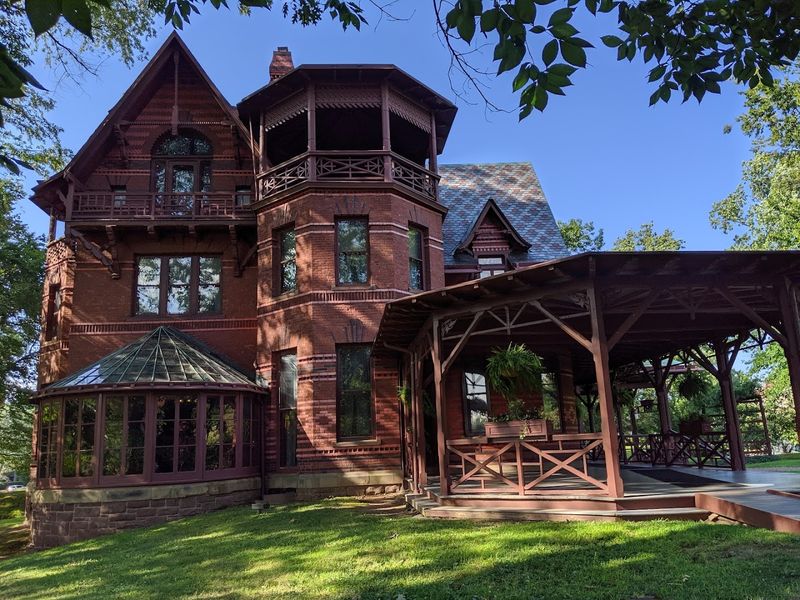
The exterior of the house looks different from various angles on the grounds, and taking a few minutes to circle the building can reveal architectural details that are easy to miss from the front entrance alone.
6. Museum Exhibits Beyond The House Tour
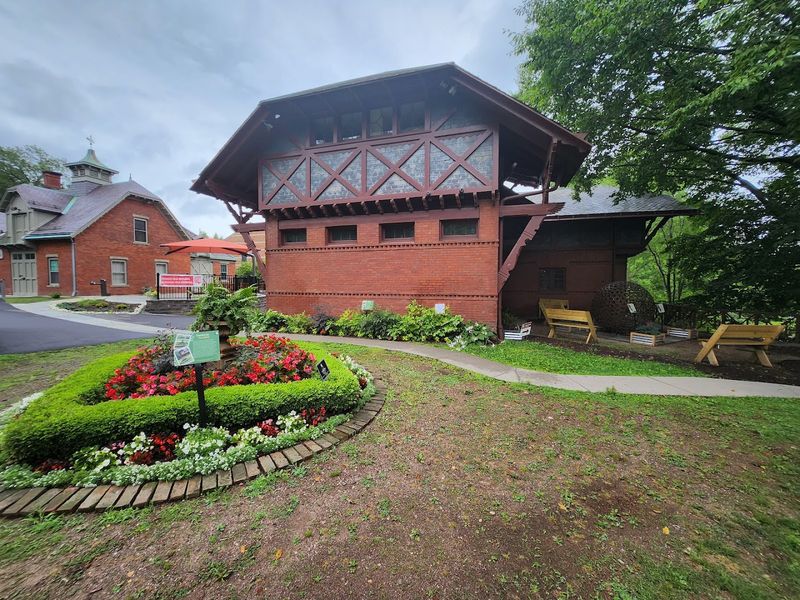
Beyond the house itself, the museum building on the property houses approximately 50,000 artifacts that span the full arc of Twain’s life and career.
Manuscripts, photographs, family furnishings, and examples of Tiffany glass are all part of the collection, and the exhibits are organized in a way that makes them accessible to visitors with varying levels of familiarity with the author’s work.
Children who may not have read the books yet can still engage with the visual and historical material on display.
The museum portion of the campus does not require a house tour ticket to enter, which gives families the flexibility to explore the exhibits at their own pace before or after a guided tour.
Exhibits tend to contextualize Twain’s writing within the broader social and historical landscape of the late nineteenth century, which adds depth to the experience for older visitors and curious younger ones alike.
The gift shop, also located in the museum building, carries a well-curated mix of books, novelty items, and educational materials that reflect the institution’s focus on literary history. Parking is available on site and is free, which removes one logistical concern for families planning a visit.
Tickets for the house tours can be purchased in advance online, and booking ahead is generally recommended to secure a preferred time slot.
7. Quiet Grounds Around A World-Class Historic Home
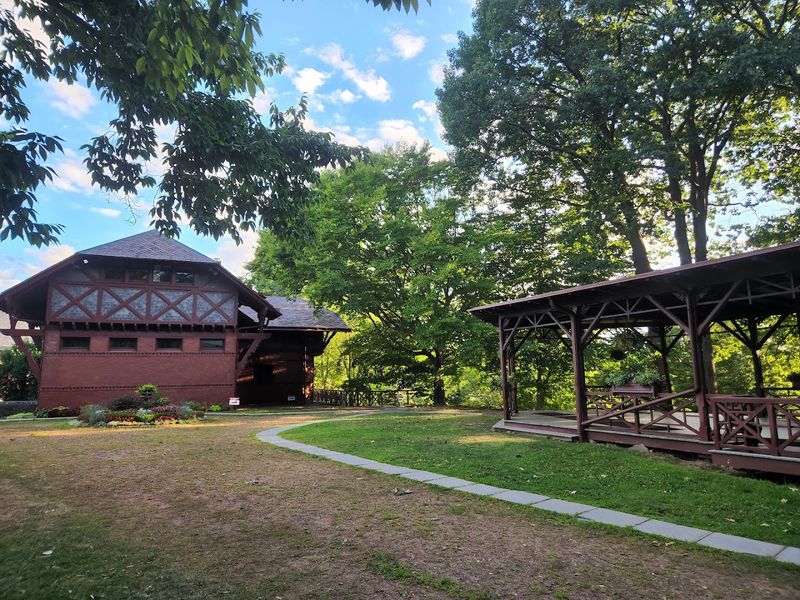
The grounds surrounding the mansion offer a quieter counterpart to the detailed interior experience, and many visitors find that spending time outside before or after the tour adds something valuable to the overall visit.
The property is well maintained, with open lawn areas that give a clear view of the house from a comfortable distance.
Seeing the full exterior from the grounds helps put the architectural scale into perspective in a way that standing directly in front of the entrance does not.
Admission to the grounds and museum building is free, which makes the property accessible even for visitors who are not planning a full house tour on a given day. Locals sometimes use the grounds for a brief outdoor stop, particularly during warmer months when the setting feels especially pleasant.
The campus sits in a residential neighborhood on Farmington Avenue, and the contrast between the surrounding streets and the Victorian grandeur of the house itself is part of what gives the location its particular charm.
The mansion has been recognized by National Geographic as one of the ten best historic homes in the world, a distinction that reflects both the quality of the restoration and the cultural significance of the site.
For visitors planning a day in Hartford, combining a house tour with time on the grounds tends to create a well-rounded experience that does not feel rushed.
8. Guided Tours That Bring The House To Life
Guided tours are the only way to see the interior of the house, and the format tends to work better than it might sound for visitors who prefer exploring independently.
Groups are kept relatively small, which allows guides to answer questions and adjust the pacing based on what the group finds most interesting.
Tours typically run about an hour and cover all major areas of the house across multiple floors, so comfortable footwear is worth considering in advance.
Two main tour options are generally available: a standard guided tour and a Living History tour where a performer portrays a character connected to the household. The Living History format costs slightly more but offers a distinctly different kind of engagement with the material.
Both options have received consistently positive feedback from visitors, and the choice often comes down to personal preference for how immersive an experience feels appropriate.
The house opens daily at 9:30 AM and closes at 5:30 PM, making it a manageable addition to a broader Hartford itinerary without requiring an early start.
Folding chairs are placed in rooms throughout the house for visitors who need to rest during the tour, which reflects a thoughtful approach to accessibility.
Booking tickets online in advance is strongly recommended, especially for weekend visits or for those hoping to secure a specific tour type.