The Enormous Bookstore In California That Takes Nearly All Day To Explore
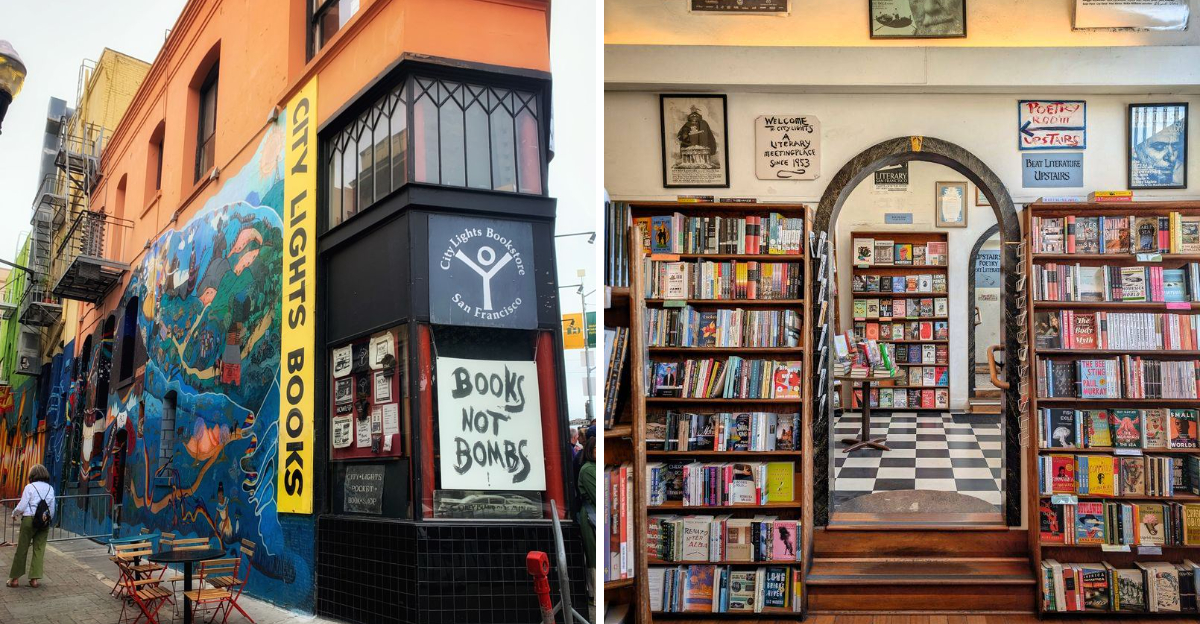
Book lovers know the feeling the second they step into a truly great indie bookstore. The outside noise fades, the scent of paper takes over, and suddenly you are not in a rush anymore.
But in California, one bookstore turns that quiet magic into something far bigger.
Walking into City Lights Booksellers & Publishers in San Francisco feels less like shopping and more like stepping into a living piece of literary history.
Shelves stretch higher than expected. Narrow staircases pull you toward hidden floors. Every corner feels packed with discoveries you did not know you were looking for.
Visitors often arrive thinking they will browse for an hour. That plan rarely lasts.
What starts as casual wandering turns into hours spent flipping through poetry, underground classics, radical literature, and thought provoking titles that shaped generations of writers.
The atmosphere feels electric yet intimate, the kind of place where inspiration seems to hang in the air.
You walk in curious. You walk out inspired, already thinking about the next time you will return to this California bookstore.
1. A Building With Beat Generation Roots
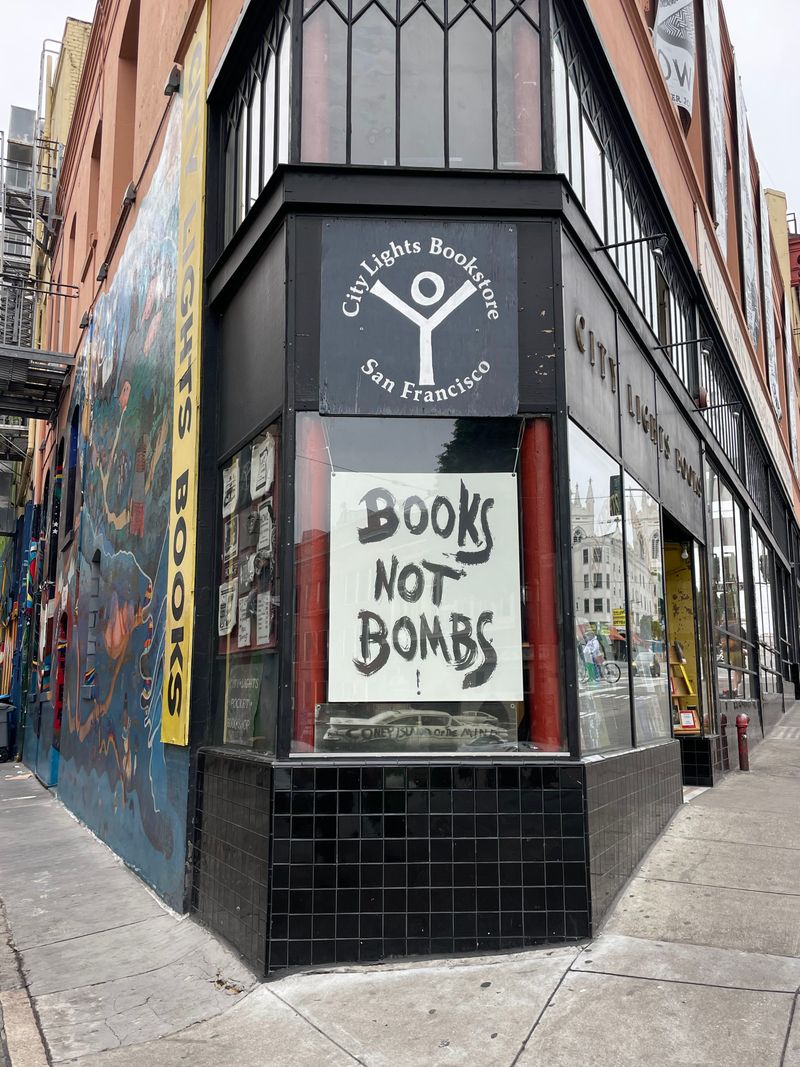
Stepping up to the corner of Columbus Avenue and Broadway, visitors encounter a triangular building that immediately stands out from its neighbors.
The structure was designed by architect Oliver Everett in 1907, long before it became home to one of America’s most famous bookstores.
The unusual shape came from the way streets intersect in North Beach, creating a wedge-shaped lot that Everett transformed into something memorable. City Lights Booksellers occupies the building at 261 Columbus Avenue in San Francisco.
The bookstore moved into this space in 1953, when Lawrence Ferlinghetti and Peter D. Martin decided to create a place where literature and ideas could flourish without censorship.
The timing proved significant, as the Beat Generation was just beginning to take shape in San Francisco’s cafes and apartments.
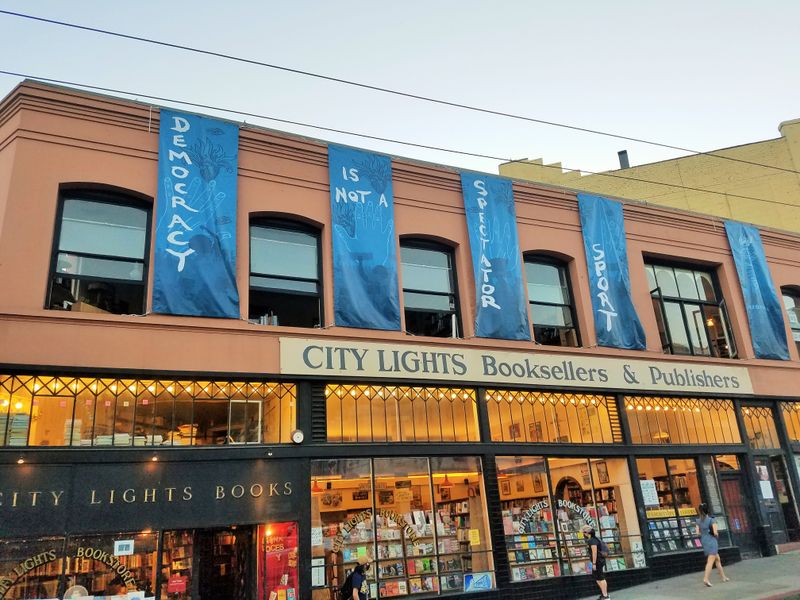
The building’s exterior remains relatively unchanged from its early days, with large windows that let natural light pour into the ground floor.
The triangular footprint means the interior spaces narrow as you move deeper into each floor, creating intimate alcoves perfect for browsing.
The architecture itself has become part of the bookstore’s identity, photographed thousands of times by visitors who appreciate both its literary significance and its distinctive design.
2. Three Floors Packed With Literary Treasures
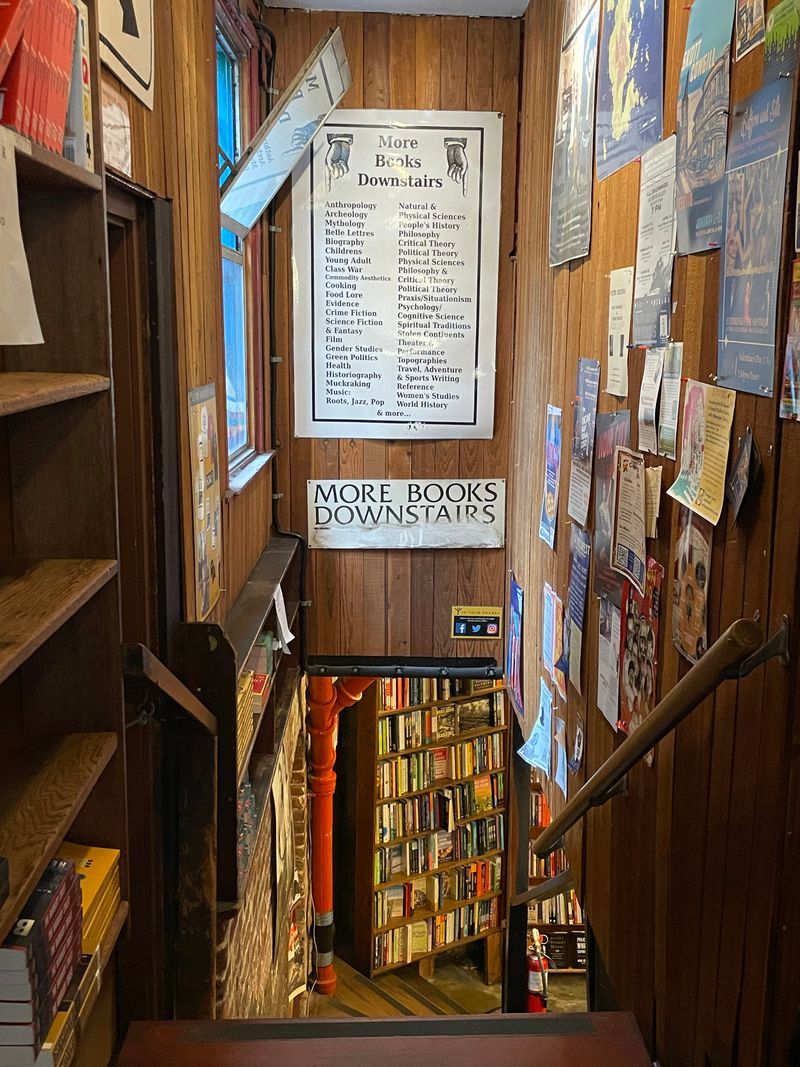
Most visitors don’t realize the bookstore extends upward until they spot the narrow staircase leading to the second floor. City Lights uses every inch of its vertical space, spreading its collection across three distinct levels.
Each floor has its own character and focus, though the boundaries between genres remain somewhat fluid, encouraging unexpected discoveries.
The ground floor welcomes browsers with new releases, staff recommendations, and sections devoted to current events and social issues.
Large windows along Columbus Avenue provide natural light that changes throughout the day, casting different shadows across the shelves.
The cash register sits near the entrance, but staff members rarely hover, giving visitors space to explore at their own pace.
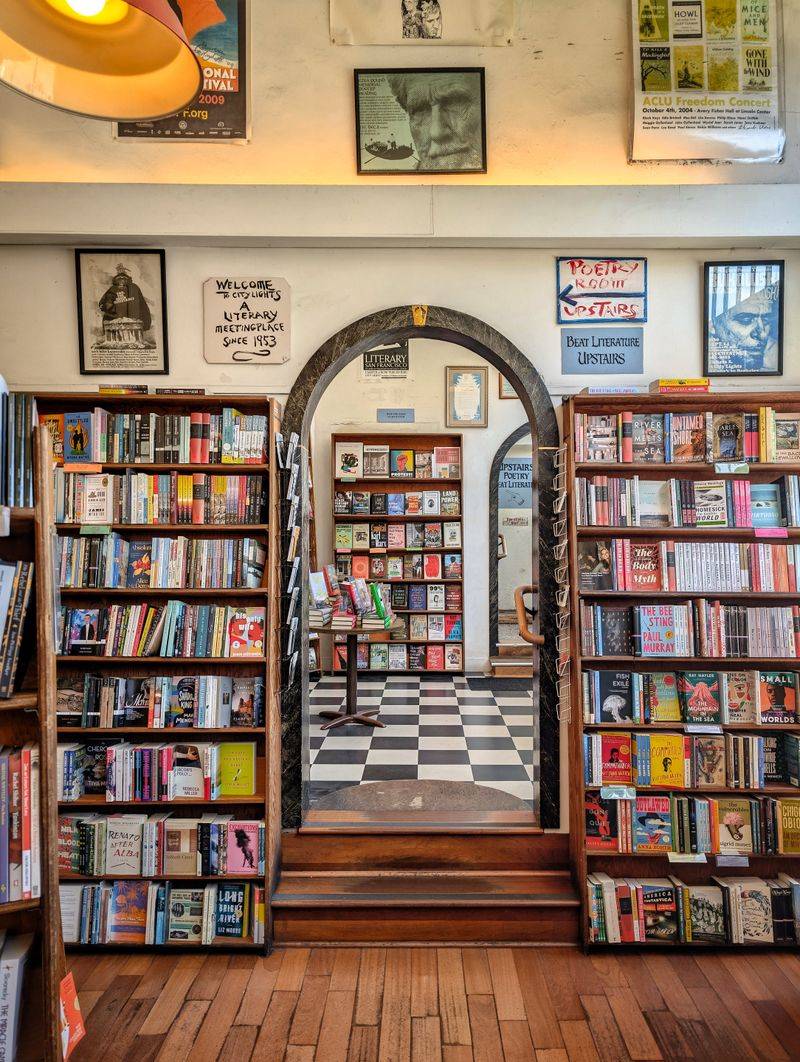
Climbing the stairs to the second floor reveals the famous poetry room, a space that feels almost sacred to literature lovers. The third floor houses sections on philosophy, history, and various academic subjects.
The narrow staircases between floors mean traffic flows slowly during busy periods, but most visitors don’t mind the pace.
The vertical layout contributes to the sense that exploring City Lights takes time, as each floor offers enough material to occupy an hour or more of browsing.
3. The Poetry Room That Became A Sanctuary
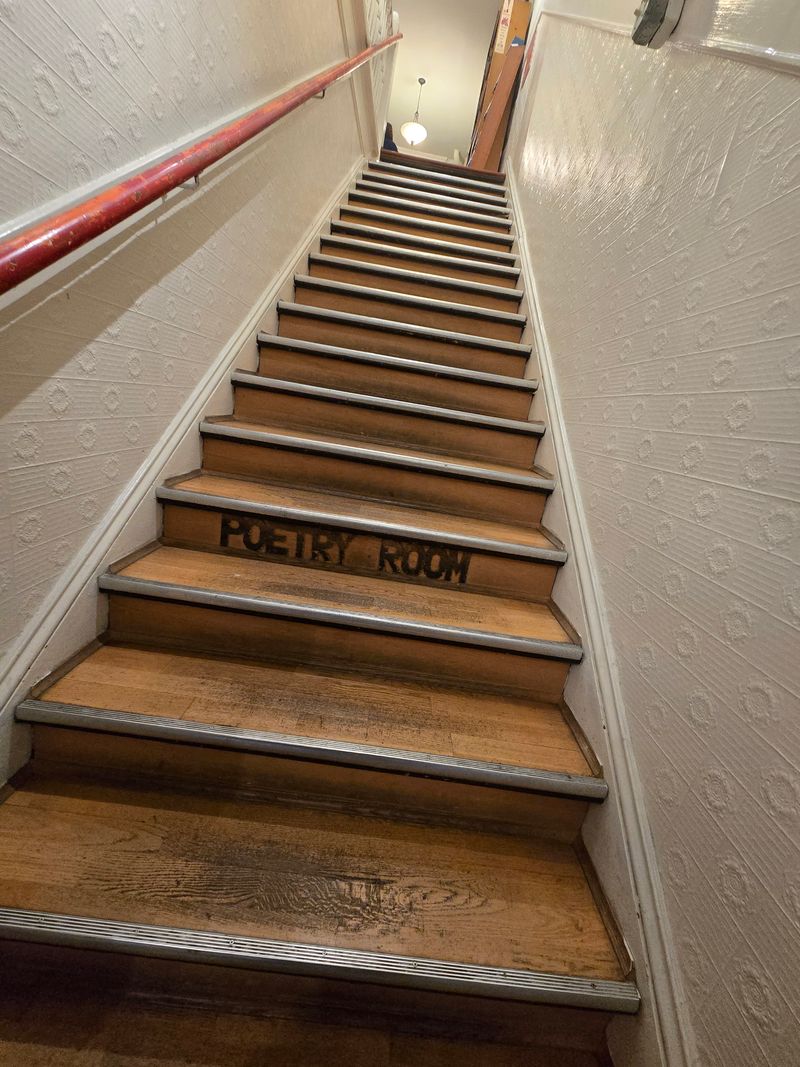
Reaching the second floor brings visitors into a space specifically dedicated to poetry, a genre that many bookstores relegate to a single shelf.
Here, poetry takes center stage, with floor-to-ceiling shelves holding collections from every era and style. The room feels quieter than the rest of the store, partly because fewer people venture upstairs and partly because something about being surrounded by verse encourages hushed voices.
Lawrence Ferlinghetti’s background as a poet influenced the decision to give poetry such prominent space.
The Beat Generation writers who gathered at City Lights in the 1950s and 1960s wrote primarily poetry and experimental prose, making this room a tribute to that heritage.
Visitors find works by Allen Ginsberg, Jack Kerouac, and Ferlinghetti himself, alongside contemporary poets and international voices.
The poetry room includes a few chairs where readers can sit and sample books before deciding whether to purchase. Natural light from windows filters in, though the space feels more enclosed than the ground floor.
Serious poetry enthusiasts sometimes spend their entire visit on this floor, discovering new voices or revisiting old favorites.
The collection spans classical forms, modern free verse, slam poetry, and experimental works that blur the line between poetry and visual art.
4. A Landmark Obscenity Trial That Changed Publishing
During 1957, Lawrence Ferlinghetti made a decision that would define both City Lights and American literary freedom for decades.
He published Allen Ginsberg’s poem “Howl” through the bookstore’s publishing arm, knowing the work’s explicit language and themes might cause controversy.
Customs officials seized copies being shipped from the printer in England, and San Francisco police arrested Ferlinghetti for publishing obscene material. The trial that followed became a watershed moment for free speech in America.
Literary experts testified that “Howl” possessed serious artistic merit, arguing that challenging content didn’t automatically make something obscene.
The judge ultimately ruled in Ferlinghetti’s favor, establishing legal precedent that protected publishers from censorship based solely on controversial content.
The verdict allowed countless other experimental and boundary-pushing works to reach readers in subsequent decades.
City Lights still displays information about the trial, recognizing how that moment shaped the bookstore’s identity.
The case attracted international attention, transforming a small San Francisco bookstore into a symbol of literary resistance.
Visitors interested in censorship history or Beat Generation culture often ask staff about the trial, and the bookstore maintains a selection of books examining that period.
The legacy continues influencing how City Lights curates its collection, always favoring challenging voices over safe commercial choices.
5. Daily Hours That Accommodate Serious Browsing
Many independent bookstores keep limited hours, closing by early evening or staying shut on certain weekdays.
City Lights takes a different approach, opening at 10:00 AM and remaining accessible until 10:00 PM Sunday through Thursday, with somewhat shorter hours on Fridays and Saturdays (10:00 AM to 8:00 PM).
The extended schedule reflects an understanding that book lovers don’t always browse on a convenient timetable, and that some visitors need evening hours after work or dinner.
The twelve-hour daily window gives travelers and locals alike flexibility in planning their visits. Morning hours tend to be quieter, with serious readers and local regulars browsing before the tourist crowds arrive.
Afternoons see the heaviest traffic, especially during weekends when visitors combine their bookstore trip with exploring North Beach.
Evening hours after 7:00 PM often bring a different crowd, sometimes including people attending nearby literary events or simply wanting a peaceful place to browse after dinner.
Staying open until 10:00 PM requires dedicated staff and reflects a commitment to serving the community beyond typical retail hours.
The later hours particularly benefit visitors who underestimate how long they’ll want to spend exploring the three floors.
Someone who arrives at 6:00 PM still has four hours to browse, enough time to thoroughly explore each level and perhaps attend an author event if one is scheduled.
6. Official Recognition As A San Francisco Landmark
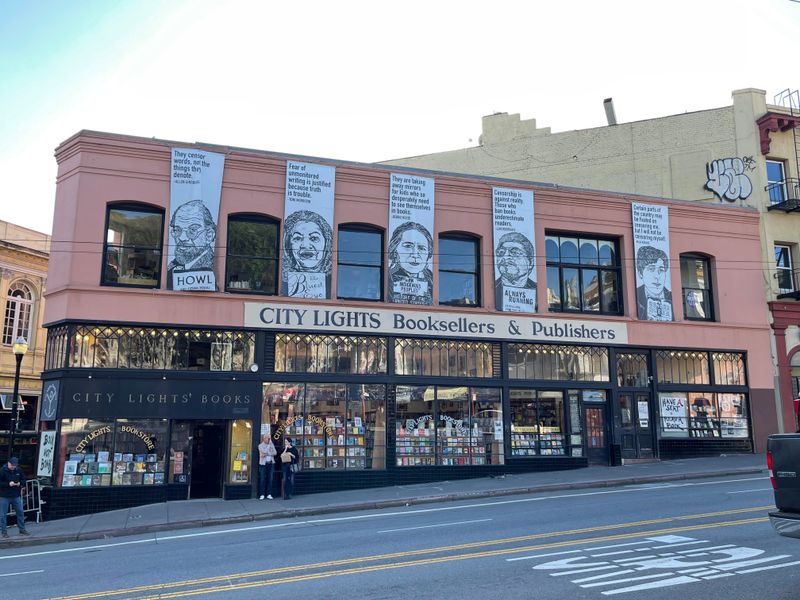
Recognition from the San Francisco Board of Supervisors came in 2001, when City Lights received official designation as a city landmark.
The honor acknowledged the bookstore’s role in shaping San Francisco’s cultural identity over nearly five decades.
Not many retail establishments receive such recognition, making the designation particularly meaningful for a business that might otherwise be seen as simply another store.
Landmark status doesn’t come with financial benefits or special protections for the business itself, but it does formally recognize the building’s cultural and historical significance.
The designation acknowledged City Lights as more than a commercial enterprise, instead recognizing it as an institution that helped define San Francisco’s character as a haven for artists, writers, and free thinkers.
The Board of Supervisors cited the bookstore’s role in the Beat Generation movement and its ongoing contribution to literary culture.
For visitors, the landmark status adds context to their experience, signaling that they’re not just entering any bookstore but a place with recognized historical importance.
The designation helps protect the building from certain types of alterations, though City Lights remains a working bookstore rather than a museum.
Staff members occasionally mention the landmark status when discussing the store’s history, and the recognition appears in various guidebooks and travel resources about San Francisco.
7. Community Support During 2020 Challenges
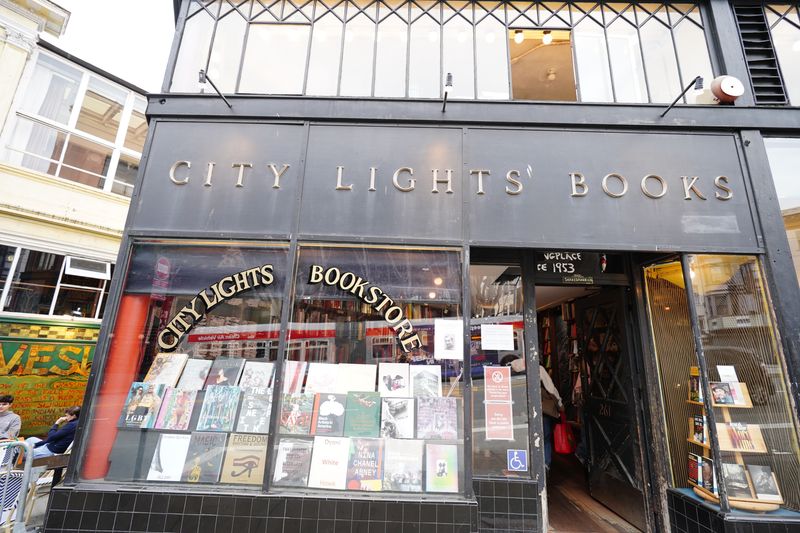
When the shutdowns forced City Lights to close its doors in 2020, the bookstore faced an uncertain future.
Like many independent retailers, it lost its primary revenue stream while still carrying expenses for rent, utilities, and maintaining its inventory.
The situation looked particularly dire for a bookstore that relied on foot traffic from both locals and the steady stream of tourists visiting North Beach.
Rather than quietly accept potential closure, City Lights reached out to its community, launching a fundraising campaign to help bridge the financial gap.
The response exceeded expectations, with supporters contributing more than five hundred thousand dollars to keep the bookstore operational.
Donations came from longtime customers, fellow writers, literary organizations, and people across the country who recognized City Lights as a national treasure worth preserving.
The successful fundraising demonstrated how deeply people valued the bookstore beyond its commercial function.
Contributors weren’t just saving a place to buy books but preserving a cultural institution with decades of history.
City Lights reopened once restrictions allowed, using the donated funds to support staff and operations during the recovery period.
The experience strengthened bonds between the bookstore and its community, proving that independent bookstores survive not just on sales but on the goodwill they’ve built over years of service.
8. Jack Kerouac Alley And The Vesuvio Connection
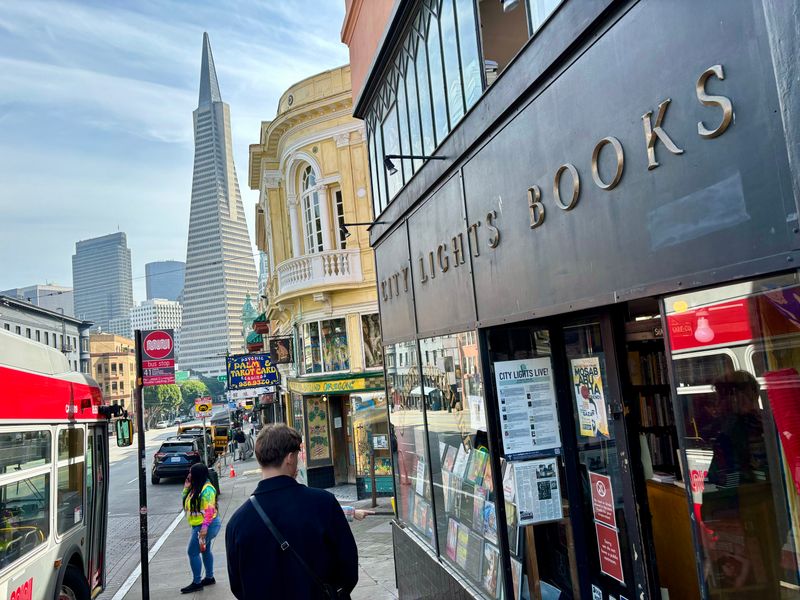
Stepping out the side entrance of City Lights brings visitors into Jack Kerouac Alley, a narrow pedestrian passage connecting Columbus Avenue to Grant Avenue.
The alley received its name in honor of the Beat Generation writer who spent considerable time in North Beach during the 1950s.
Before its transformation into a pedestrian space, the alley was just another unremarkable passage between buildings, used primarily for deliveries and trash collection.
The alley now features literary quotes embedded in the pavement, turning the walkway into an outdoor gallery of words.
Visitors often pause to photograph the quotes or simply read them while walking between the two streets.
The transformation reflects San Francisco’s recognition of its Beat Generation heritage and the ongoing effort to preserve that cultural memory in physical spaces.
Vesuvio Cafe sits directly across the alley from City Lights, a historic bar that served as a gathering place for writers and artists during the same era.
The proximity wasn’t coincidental, as the cafe and bookstore formed a natural circuit for the literary community. Writers would browse books at City Lights, then head to Vesuvio to discuss their finds over drinks.
The alley connecting them has become a pilgrimage site for Beat Generation enthusiasts, who often visit both establishments in a single afternoon.
9. Beyond Books: Literary Merchandise And Mementos
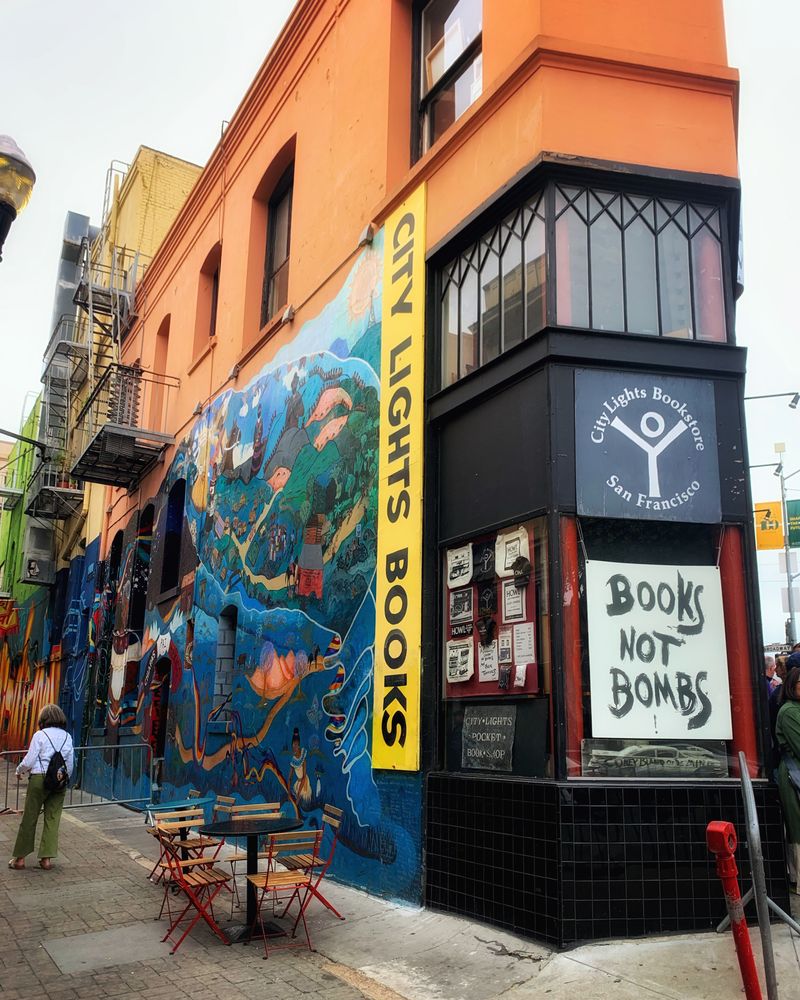
While books dominate the space, City Lights also offers various items that allow visitors to take home a piece of the bookstore’s legacy.
Tote bags bearing the City Lights logo have become popular among both tourists and locals, serving as both practical carriers and statements of literary affiliation.
The bags appear throughout San Francisco and beyond, acting as mobile advertisements for the bookstore and the values it represents.
T-shirts featuring City Lights branding or Beat Generation imagery provide another way for visitors to commemorate their trip.
The merchandise doesn’t overwhelm the space the way it might in a more commercial establishment, instead occupying a modest area near the register.
Prices remain reasonable, reflecting the bookstore’s independent status and community focus rather than maximizing profit from branded items.
Postcards, posters, and other small items round out the merchandise selection, many featuring quotes from famous Beat Generation writers or images of the bookstore itself.
The items appeal particularly to visitors who want a tangible memory of their visit beyond the books they purchase.
Some longtime customers collect these items over multiple visits, building a personal archive of City Lights memorabilia.
The merchandise serves a practical purpose too, providing additional revenue that helps support the bookstore’s operations and its commitment to remaining independent.
10. A Living Legacy That Continues Inspiring Generations
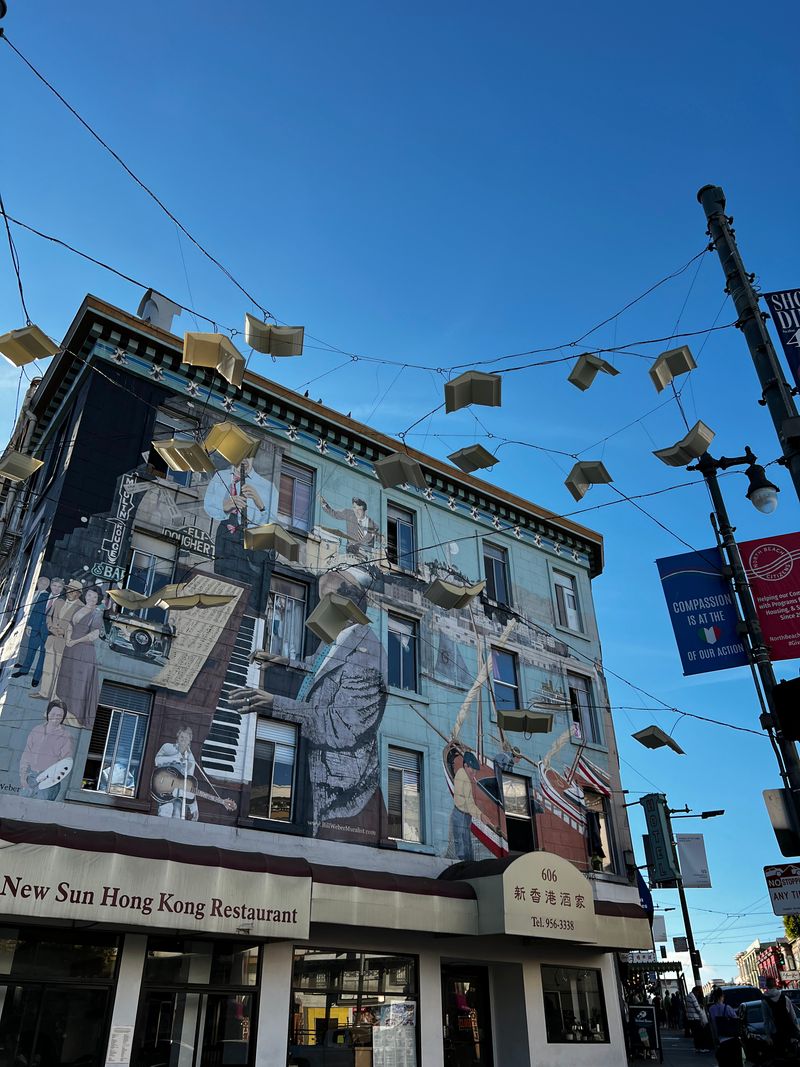
Seven decades after its founding, City Lights continues operating much as it did in the 1950s, though the literary landscape has changed dramatically.
The bookstore survived the rise of chain retailers in the 1990s, the growth of online shopping in the 2000s, and the pandemic challenges of 2020.
Each threat could have ended the store, yet City Lights persists, supported by a community that recognizes its irreplaceable value.
New generations discover the bookstore through different paths than their predecessors. Some arrive after reading about the Beat Generation in school, curious to see where that movement flourished.
Others stumble upon City Lights while exploring North Beach, drawn in by the distinctive building or recommendations from guidebooks.
Younger visitors often express surprise that such a place still exists, accustomed to more modern retail environments with bright lighting and wide aisles.
The bookstore’s influence extends beyond its physical space through its publishing arm, which continues releasing works by emerging and established writers.
City Lights Books has published hundreds of titles since that first controversial edition of “Howl,” maintaining a focus on poetry, progressive politics, and voices that might struggle to find mainstream publishers.
The combination of retail and publishing keeps City Lights relevant, ensuring it remains a working part of literary culture rather than simply a historical artifact.