The Enormous Flea Market In Connecticut Where Deals Are Almost Too Good To Be True
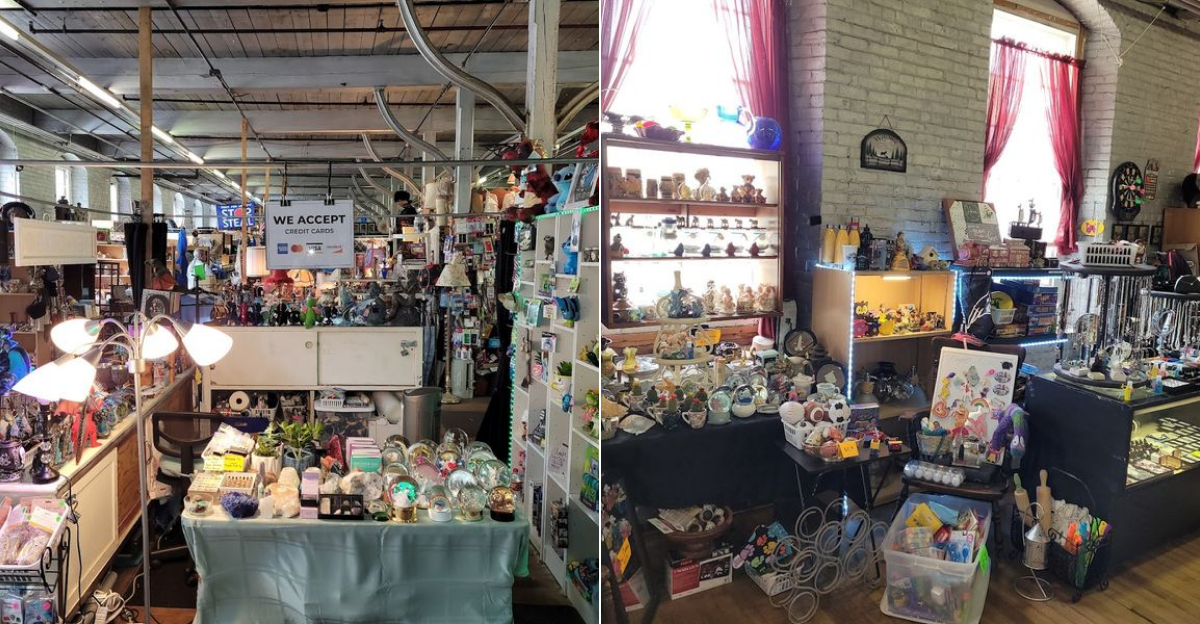
Some weekends just need a destination that delivers something unexpected and this place has built an entire reputation around doing exactly that.
Vendors spread out across more space than you can realistically cover in one visit and prices that make you do a double take before you pick something up just to make sure you read the tag correctly.
The kind of market where you show up looking for one thing and leave with something completely different that somehow feels like the better outcome.
The enormous flea market in Connecticut that deal hunters have been quietly circling back to for years delivers finds that make the whole experience feel like a proper hunt. Every section has something different going on and the variety keeps things interesting from start to finish.
Get there early because the best stuff never lasts past mid morning and experienced regulars are already well aware of that.
1. A Giant Mill-Turned-Market In Jewett City
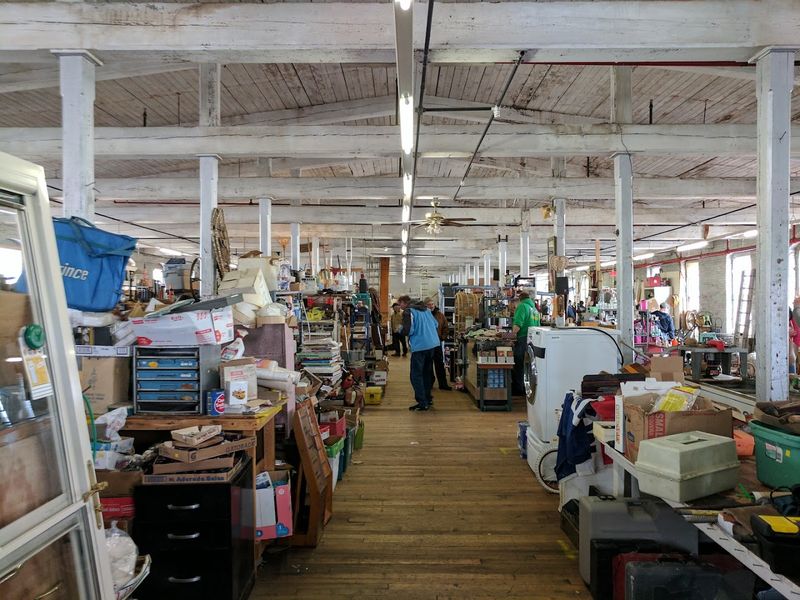
Some flea markets are all about the hunt, but this one adds a whole extra layer before you even reach the first vendor table. College Mart Flea Market fills a converted mill building with the kind of character you cannot fake: worn wooden floors, high ceilings, and old factory bones that make the whole place feel more like an adventure than a quick shopping stop.
It has that slightly gritty, old-school charm that makes you want to slow down and see what each booth is hiding.
The size is part of the fun. Shoppers who expect a modest Sunday market usually realize pretty quickly that one casual lap will not cut it.
With two full floors of vendors, the mix can shift from antiques and collectibles to records, tools, home goods, oddball finds, and conversation-starting pieces within just a few steps.
Early visits are the smart move, especially if you want vendors fully set up and ready to chat. Since the market only runs on Sundays from 9 AM to 4 PM, it is worth planning your treasure hunt ahead of time.
You’ll find it at 2 Wedgewood Dr, Jewett City, CT 06351, with plenty of parking around the building. Give yourself time, because this is the kind of place that rewards one more look.
2. Sundays Bring Out The Best Treasure Hunting
Sundays at College Mart have a rhythm all their own. The market opens at 9 AM and runs until 4 PM, and the energy shifts noticeably as the morning moves into the afternoon.
Getting there closer to opening tends to be the smarter move because some outdoor vendors start packing up around 1 PM, which means the full selection is really only available during the earlier hours.
The crowd on a typical Sunday includes collectors, casual browsers, and people hunting for practical household finds. There is a relaxed pace to the whole experience that makes it easy to spend several hours without feeling rushed.
Vendors are generally approachable and willing to talk about what they have, and asking questions often leads to discovering more inventory stored behind or beneath the tables.
Summer Sundays bring added energy because more vendors set up outside, expanding the market beyond the building itself. Winter visits are a different but equally worthwhile experience, with the indoor space staying warm and a smaller but dedicated group of vendors holding down their spots.
No matter the season, Sunday mornings at this market tend to offer something worth finding for almost anyone who shows up with a little patience.
3. Two Floors Make This Place Feel Endless
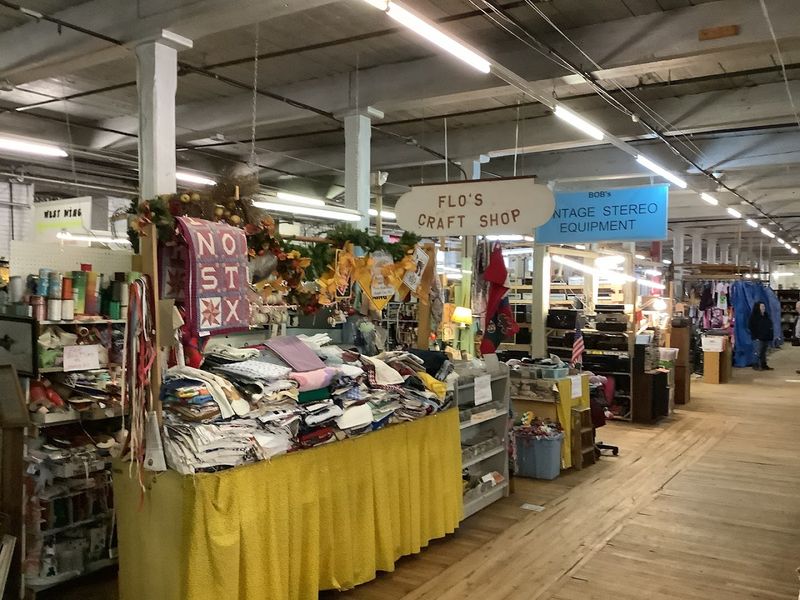
The building opens up into a maze of vendor booths spread across two full floors, and the layout is dense enough that it takes real time to work through everything. Narrow paths wind between tables stacked high with goods, and every turn tends to reveal another corner that was easy to miss.
The upper floor has its own character compared to the lower level. Some vendors specialize in specific categories while others mix everything together in ways that reward slow and careful browsing.
The aged floors and open rafters overhead give the whole space a raw, unhurried feel that suits the kind of shopping happening inside it.
First-time visitors are consistently caught off guard by how much is packed into the building. Giving the visit at least two to three hours is a reasonable starting point, though many people find they could easily stay longer.
The market does not have air conditioning, so summer visits call for light clothing and some patience with the heat. Windows and doors are typically kept open for airflow, which helps on milder days.
4. Antiques Sit Beside Records, Tools, And Oddities
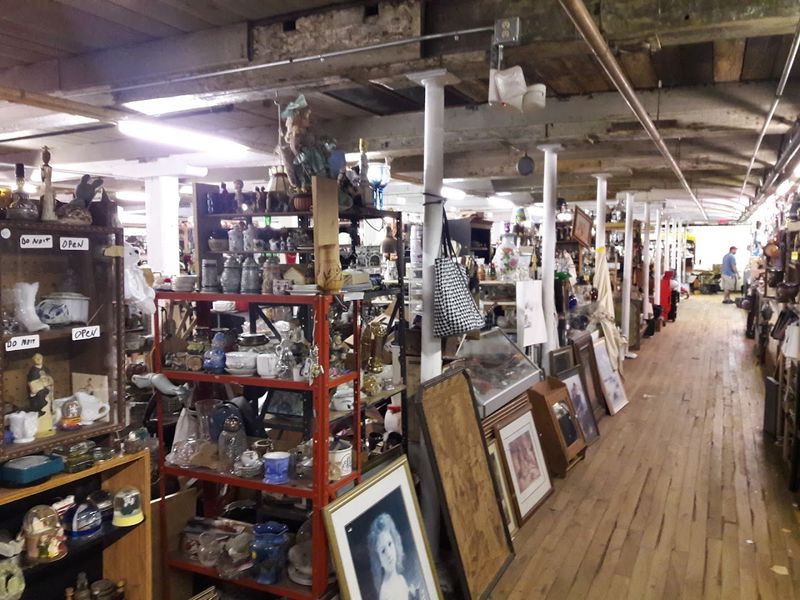
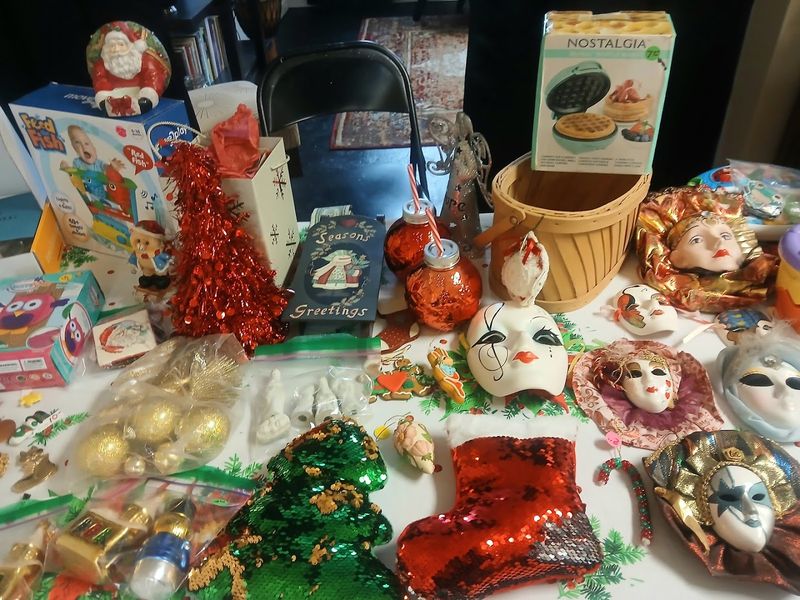
The range of merchandise at College Mart is one of the things that keeps people coming back. On any given Sunday, a shopper might pass a table of vintage vinyl records, then stop at a booth stacked with old hand tools, then find themselves staring at a collection of oddities that are genuinely hard to categorize.
The mix is unpredictable in a way that feels true to what a flea market should be.
Antique furniture, old signage, railroad and aviation parts, books, vintage toys, baseball cards, medical posters, and household repair pieces all show up regularly among the vendors. Some booths are tightly organized and easy to browse, while others require a bit of digging to uncover what is actually there.
Both types have their own appeal depending on what kind of shopper you are.
Vendors tend to have deep knowledge about their specific inventory, and asking about a particular item often leads to a longer and more interesting conversation than expected. For collectors with a niche interest, it is worth describing what you are looking for even if you do not see it on display.
Other vendors in the building may carry exactly what is being sought, and regulars are often willing to point shoppers in the right direction.
5. The Fun Is Never Knowing What You Will Find
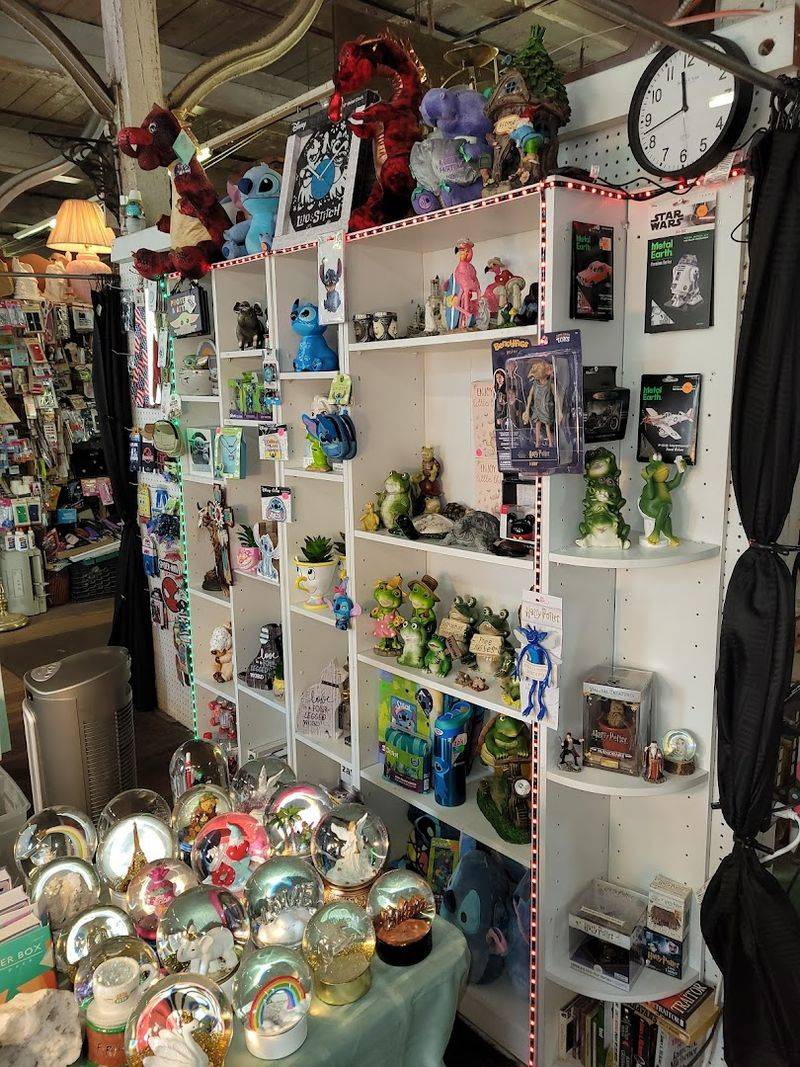
Part of what makes a flea market genuinely enjoyable is the complete unpredictability of the experience. At College Mart, no two visits feel exactly the same because the vendor mix shifts, new items rotate in, and the outdoor section changes more frequently than the indoor booths.
That sense of not knowing what will turn up next is a real draw for people who find satisfaction in the hunt itself.
Some items that show up at this market are genuinely rare finds sold at prices that feel surprisingly fair. Old tools in working condition, vintage collectibles priced well below what they might fetch elsewhere, and household pieces that solve a specific repair problem all turn up with some regularity.
The experience rewards shoppers who are willing to slow down and look carefully rather than moving quickly through the space.
Even visitors who come without a specific item in mind tend to leave with something. The variety across vendors is wide enough that casual browsers find things they did not know they wanted until they saw them.
That kind of spontaneous discovery is harder to replicate online and is a big part of why physical flea markets like this one continue to attract steady crowds week after week.
6. Cash Helps When A Deal Is Too Good To Skip
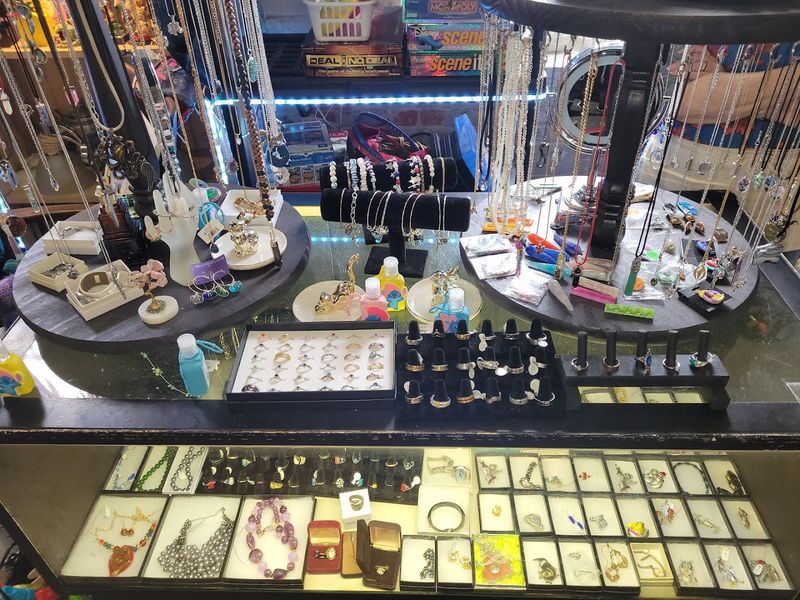
Bringing cash to College Mart is genuinely important and not just a casual suggestion. Many vendors at this market operate on a cash-only basis, and while some may accept digital payment options, that is not consistent across all booths.
ATMs are available on site, but they have been known to run out of cash by early afternoon on busy Sundays, which can be frustrating when a deal presents itself and there is no way to pay for it.
Having a range of smaller bills makes the transaction process smoother, especially when negotiating on price. Some vendors are open to offers on certain items, and having exact change or small denominations can make those conversations easier and faster.
Not every vendor negotiates, but asking politely is generally accepted as part of the flea market culture.
Planning the budget before arriving is a practical step that helps avoid the disappointment of finding something great and not being able to buy it. The deals at this market can genuinely be very good, particularly on items that might cost significantly more through antique dealers or online resellers.
7. Rainy Days Still Work For Indoor Bargain Browsing
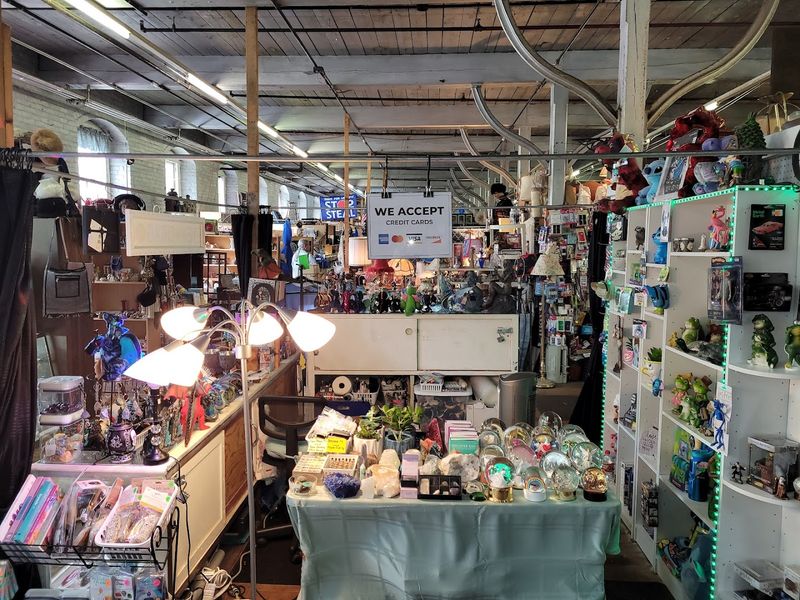
Bad weather does not have to mean a cancelled trip to College Mart. The bulk of the market operates indoors across two floors of the old mill building, which means rain has very little effect on the core shopping experience.
The outdoor vendors may be fewer or absent on wet days, but the indoor section remains fully active and worth the visit on its own.
Rainy Sundays can actually offer a quieter and more relaxed browsing experience compared to the busier warm-weather visits. Fewer people tend to show up when the forecast is poor, which means more space at the tables and more time to actually talk with vendors without feeling like others are waiting behind you.
For detail-oriented shoppers, that kind of unhurried pace can make a real difference.
The indoor environment has its own sensory texture that feels fitting for a slow, rainy morning. The old building holds warmth well in cooler months, and the smell of aged wood and vintage goods adds to the atmosphere in a way that feels authentic rather than staged.
8. Eastern Connecticut Pickers Know This Spot Well
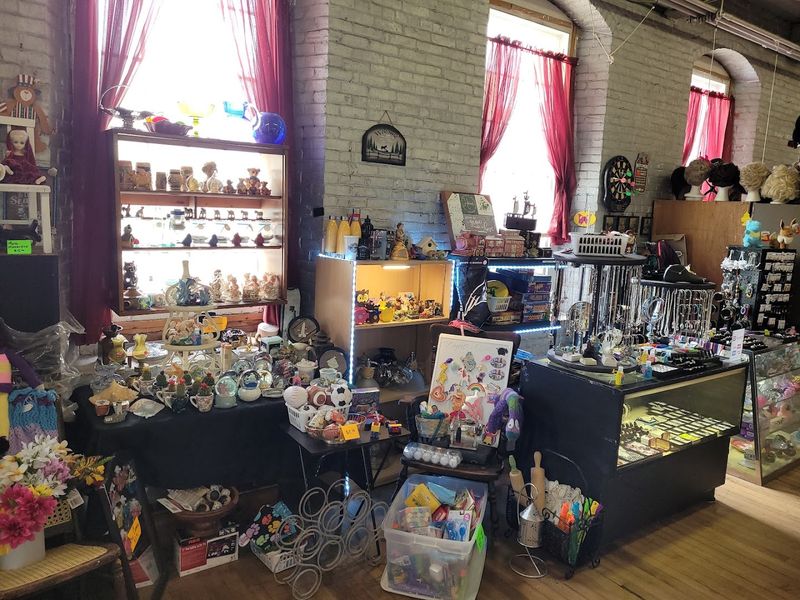
Among the antique-picking community in eastern Connecticut, College Mart carries a reputation that has built up over many years of consistent operation. Regular visitors return week after week not just because of what they find but because of the familiarity that comes with knowing the vendors, understanding the layout, and having a sense of which booths tend to carry what.
That kind of accumulated knowledge turns a simple Sunday outing into something more efficient and rewarding over time.
The market draws pickers who are serious about their craft alongside casual shoppers who come for the atmosphere as much as the merchandise. Both groups tend to coexist comfortably, and the vendors are generally accustomed to a wide range of customer types.
Some booth holders have been selling at College Mart for years, which means their inventory reflects a deep and specialized collection rather than a random assortment of items.
For anyone new to picking or antiquing, this market serves as a solid introduction to what the hobby actually involves. The variety of goods, the range of prices, and the accessibility of knowledgeable vendors create a learning environment that is hard to find elsewhere.
9. Every Corner Has One More Table To Check
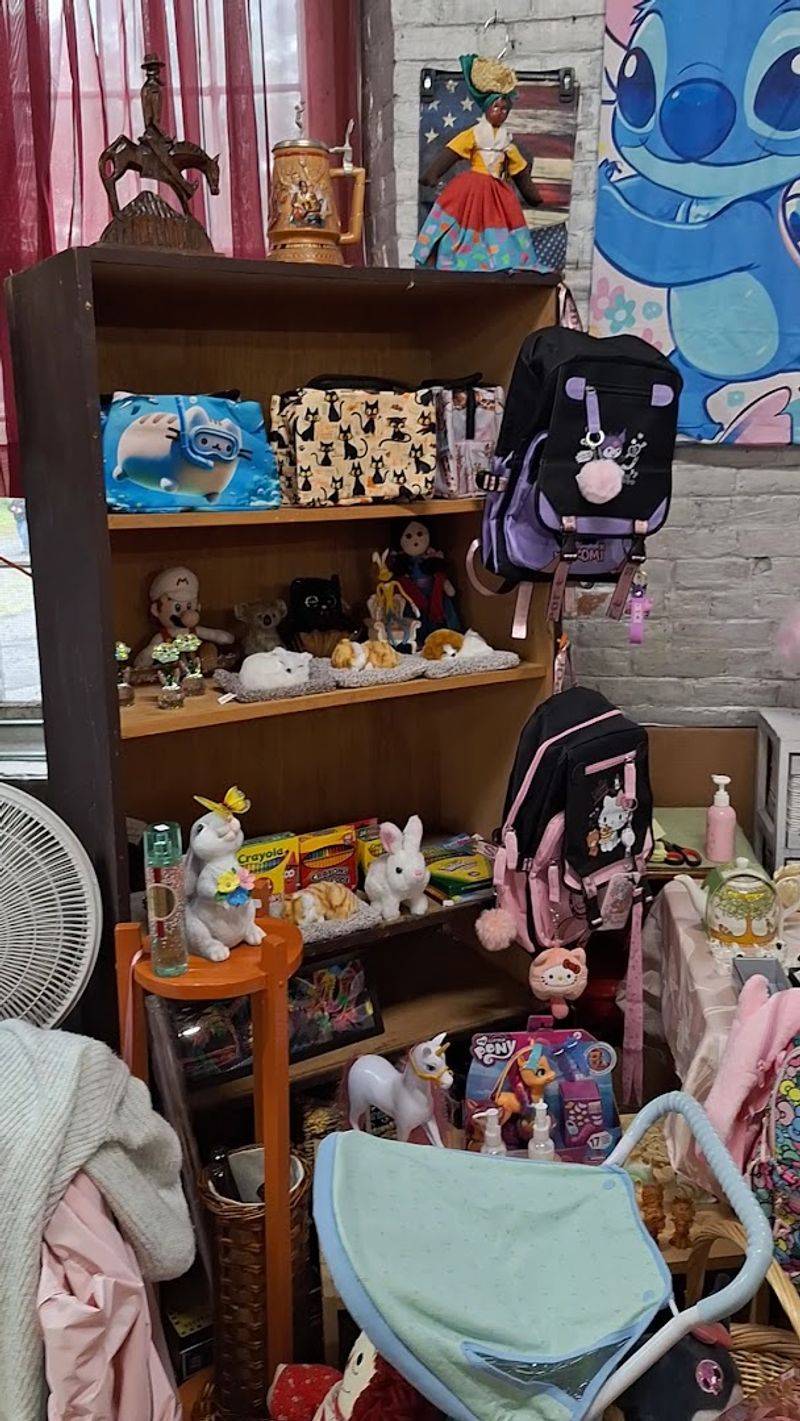
One of the most consistent things said about College Mart is that the space feels larger than expected no matter how many times someone has visited. The layout of the old mill building creates a browsing experience where finishing feels almost impossible, because rounding one corner tends to reveal another row of tables that was not visible from the previous spot.
That quality keeps the visit feeling fresh even for people who come regularly.
Vendors fill the available space in ways that are sometimes organized and sometimes wonderfully chaotic, and both approaches have their appeal. A neatly arranged booth makes it easy to assess what is there quickly, while a more densely packed table rewards the shopper who is willing to lift, shift, and dig.
Some of the best finds at any flea market are the ones buried beneath something else entirely.
Pacing matters at a place like this. Moving too quickly through the space means missing things that only reveal themselves on a second or slower pass.
Many regular visitors develop a personal route through the building that helps them cover the space efficiently without skipping sections.