The Florida Restaurant That Turned Polynesian Culture Into An Unforgettable Night Out
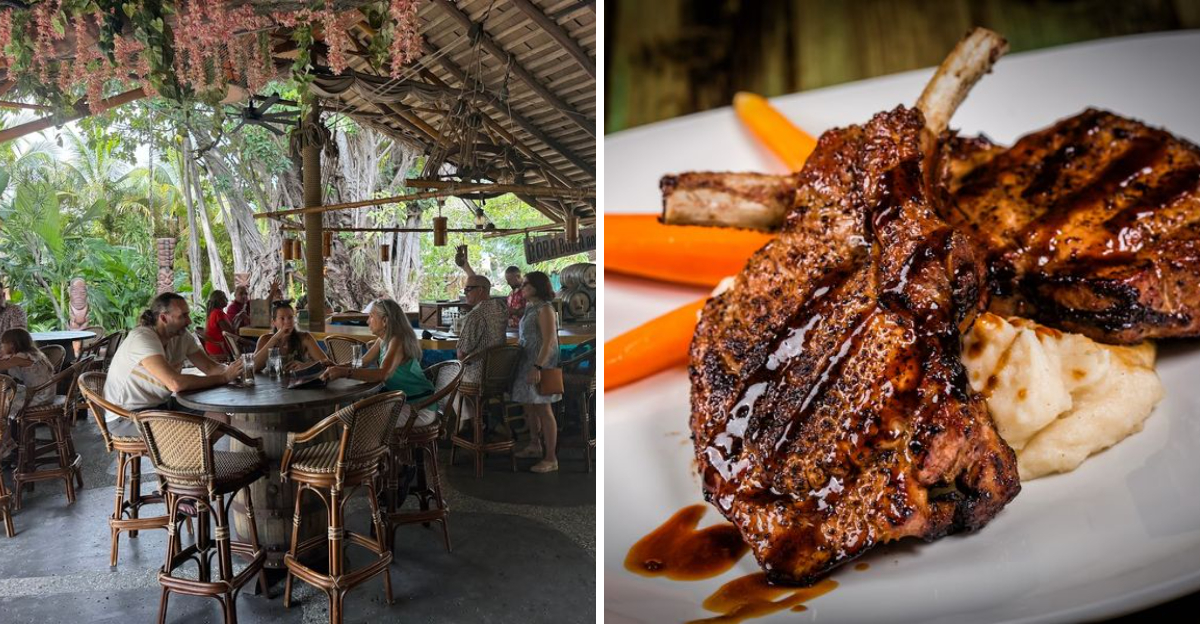
Florida has a restaurant that has been transporting people to a completely different world since before most of its current regulars were born.
The fact that it is still doing it this well is either a miracle or a masterclass in getting something exactly right and refusing to mess with it.
Polynesian culture deserves more than a novelty menu and some tiki torches, and this place understood that long before it became fashionable to care about such things.
The food is serious, the atmosphere is immersive in a way that no amount of interior design budget alone can manufacture.
The whole evening has a rhythm to it that makes you lose track of time in the most pleasant way possible.
People celebrate birthdays here, anniversaries, and first dates that turn into decades, and that kind of loyalty does not happen by accident.
Some restaurants feed you, and this one genuinely takes you somewhere.
A Legend On Federal Highway
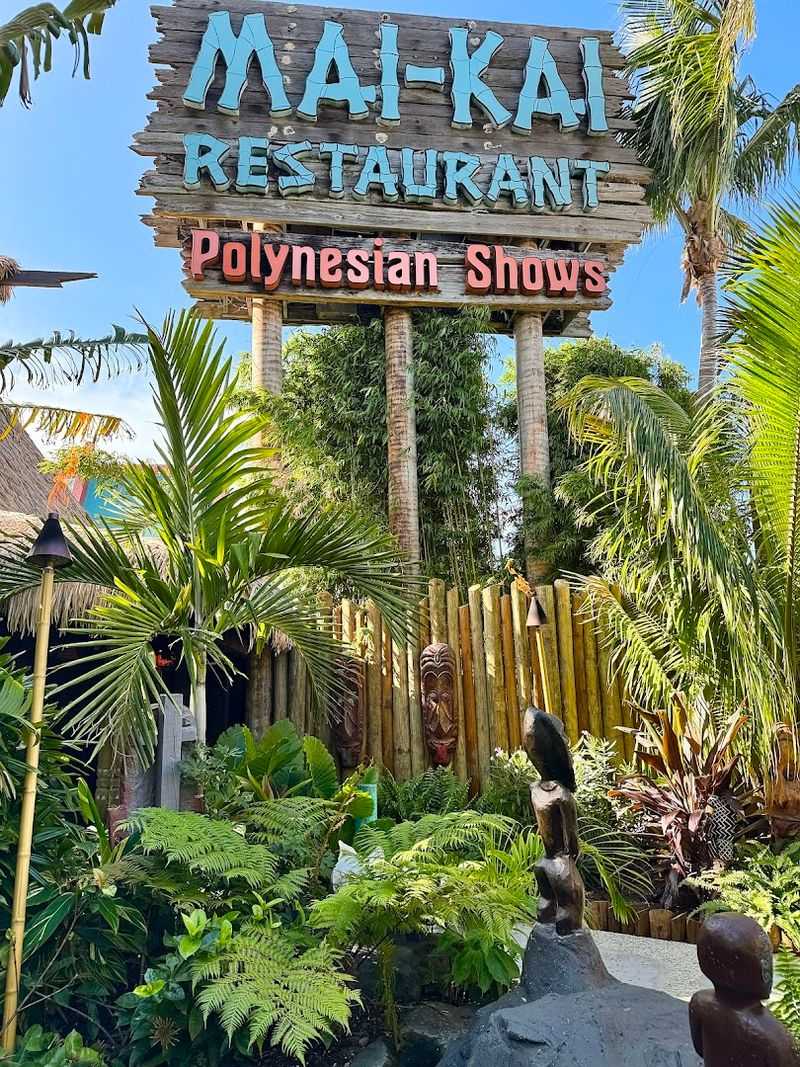
MAI-KAI Restaurant and Polynesian Show has been standing since 1956, and the place carries that history with serious confidence.
From the outside, the architecture grabs you immediately. Towering tikis, carved wood details, and dense tropical landscaping make the building look like it was airlifted from another continent entirely.
Fort Lauderdale has no shortage of places to eat, but very few of them feel like an event before you even open the front door. MAI-KAI manages that rare trick effortlessly.
The design was intentional from day one, built to transport guests somewhere far removed from the everyday.
The founders, Bob and Jack Thornton, opened the restaurant with a clear vision: create a full sensory experience rooted in Polynesian culture. That vision never faded.
Decades later, the commitment to authenticity still shapes every corner of the space. Walking up to the entrance already feels like the evening has officially begun.
Find it at 3599 N Federal Hwy, Fort Lauderdale, Florida.
The Polynesian Show That Delivers
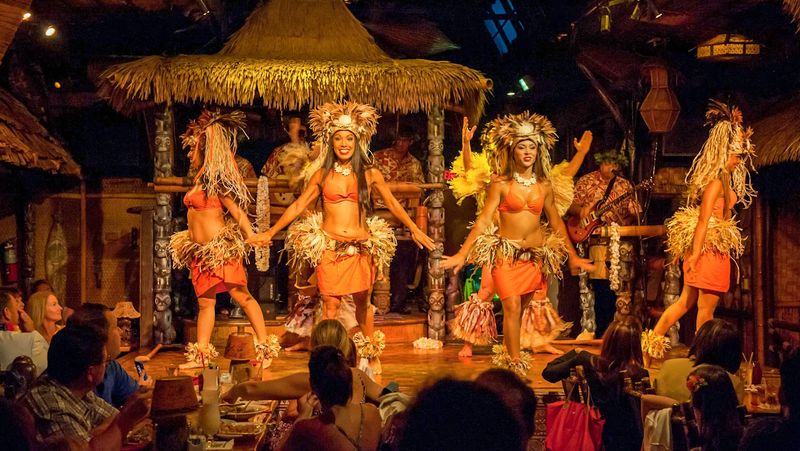
Most dinner shows make you feel like the entertainment is an afterthought bolted onto a mediocre meal.
The Polynesian show at MAI-KAI is the opposite of that.
It is a full-scale production with dancers, fire performers, and live music rooted in actual Pacific Island traditions, not a watered-down tourist version.
The performers train seriously. The choreography reflects the distinct styles of Hawaii, Tahiti, Samoa, and other island cultures rather than blending everything into one generic tropical blur.
That specificity is what separates this show from anything else you will find in South Florida.
Sitting in that dining room while the lights shift and the drums start, the energy in the room changes completely. People who came in talking loudly suddenly go quiet.
The performances command attention without demanding it. Fire acts get gasps from first-timers and return visitors alike, because the skill on display is genuinely impressive.
If you have ever written off dinner shows as cheesy, this one will make you reconsider that position in about ten minutes flat.
Food That Takes The Menu Seriously
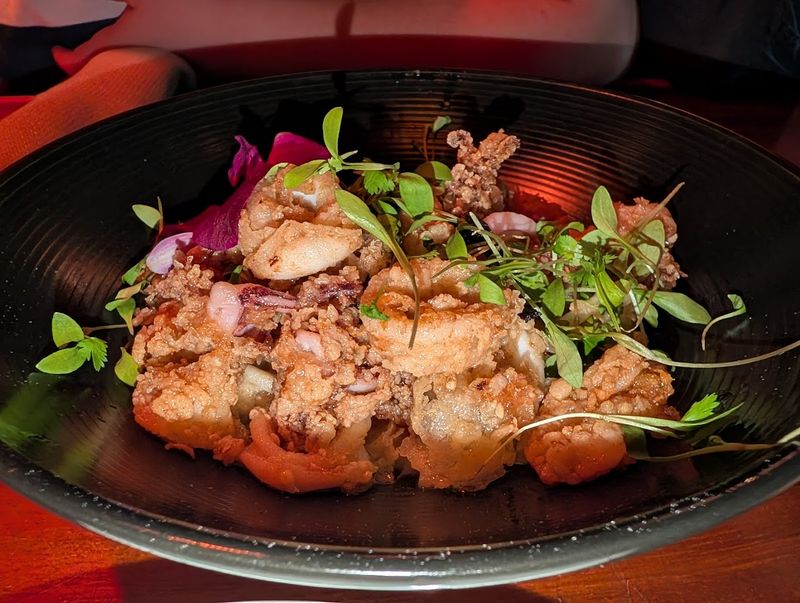
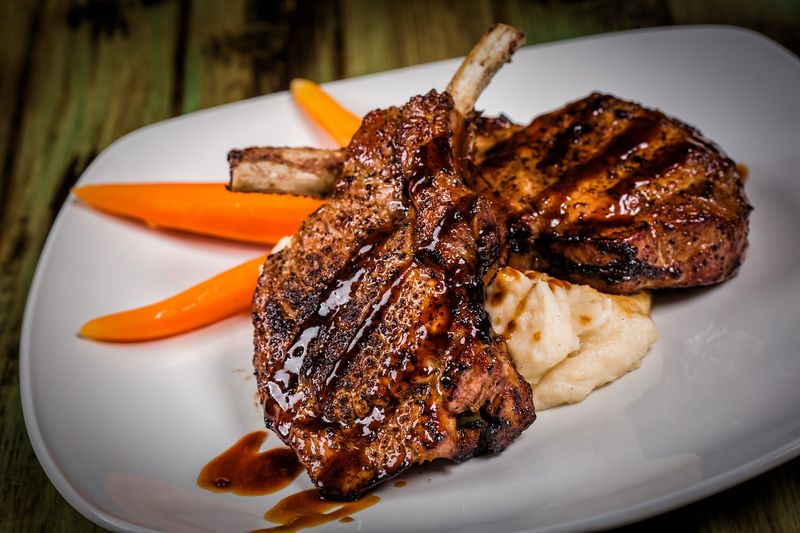
The menu at MAI-KAI is not a prop. It reads like a document written by people who actually care about flavor, not just theme.
Dishes draw from Chinese, Cantonese, and Pacific Island cooking traditions, and the kitchen handles each one with real technique. The egg rolls alone have a following that spans generations.
Regulars come back specifically for the roasted duck, the shrimp dishes, and the crispy sides that have stayed consistent across decades.
That consistency is harder to maintain than most people realize, especially when a restaurant is also running a major live show in the same building every night.
Portion sizes are generous without being overwhelming. The presentation leans into the tropical aesthetic without sacrificing the actual quality of what lands on your plate.
First-time visitors often arrive expecting the food to play second fiddle to the entertainment, and then end up surprised by how much they want to order from the menu a second time.
The food earns its place at this table completely on its own merit.
The Interior Design Deserves Its Own Conversation
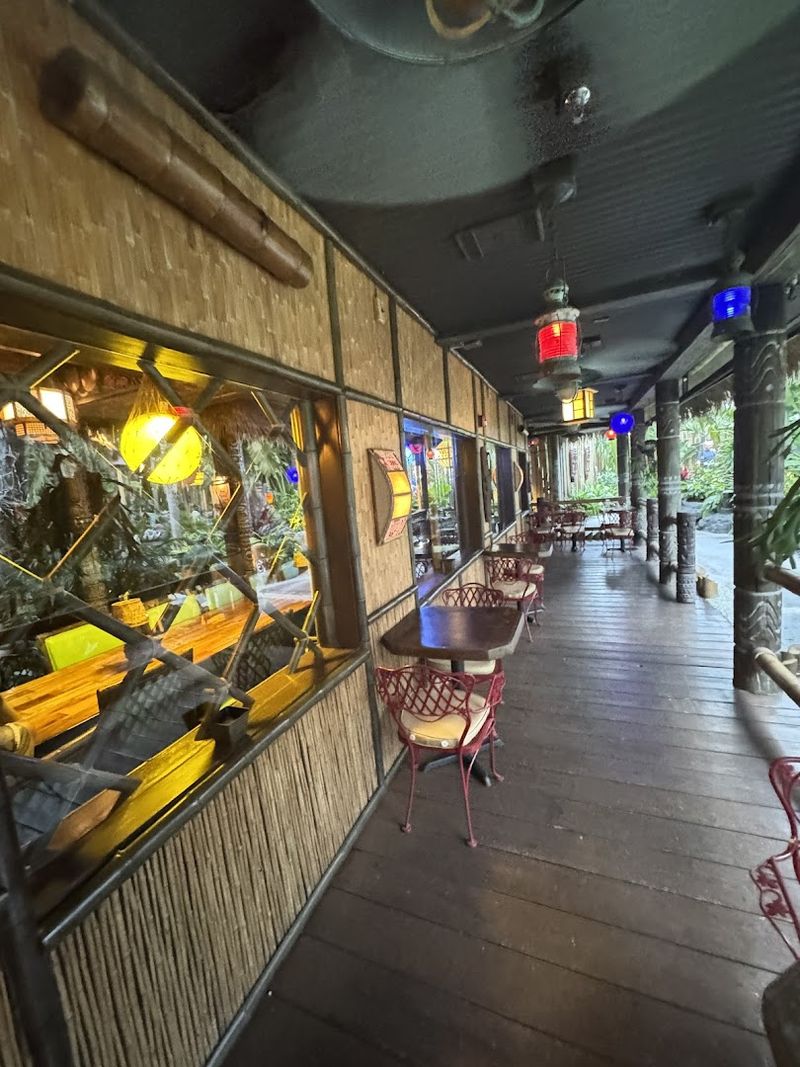
Stepping inside MAI-KAI feels like the designers were given an unlimited budget and a deep respect for Pacific Island aesthetics.
Every room has carved tiki figures, bamboo accents, woven textures, and lighting designed to make the entire space feel warm and immersive without tipping into overwhelming.
The decor is not random. Much of it was sourced from actual Pacific Island artists and craftspeople, and the attention to regional detail shows.
Different areas of the restaurant reflect different island cultures, which rewards curious guests who take time to look around rather than just staring at their plates.
There are multiple dining rooms, each with its own character. Some feel more intimate, others open up toward the main stage.
Families, couples, and large groups all find spots that work for them.
The sheer scale of the interior is impressive on first visit, and the layered details keep revealing themselves the longer you spend there.
It is the kind of room that makes you want to slow down your evening just to take more of it in.
Why Families Keep Coming Back For Generations
There is something specific about a place that works for grandparents, parents, and kids all at the same time without compromising for any of them.
MAI-KAI has operated in that sweet spot for decades. Families who visited in the 1970s have brought their own children, who are now bringing their children.
That cycle of return visits is not an accident.
Kids are captivated by the carvings, the fire performances, and the sheer visual drama of the room. Adults appreciate the food quality and the cultural depth behind the show.
Grandparents get the nostalgia of a place that has stayed true to itself while the world around it changed completely.
The staff handles large groups without making anyone feel rushed or forgotten. Pacing matters in a restaurant running live entertainment, and MAI-KAI manages the rhythm of a full evening well.
Birthdays, anniversaries, graduation dinners, and first dates all feel appropriate here.
The restaurant has a flexible energy that adjusts to whatever the occasion calls for, which is genuinely rare for a venue this specific in its identity.
The Cultural Respect Woven Into Every Detail
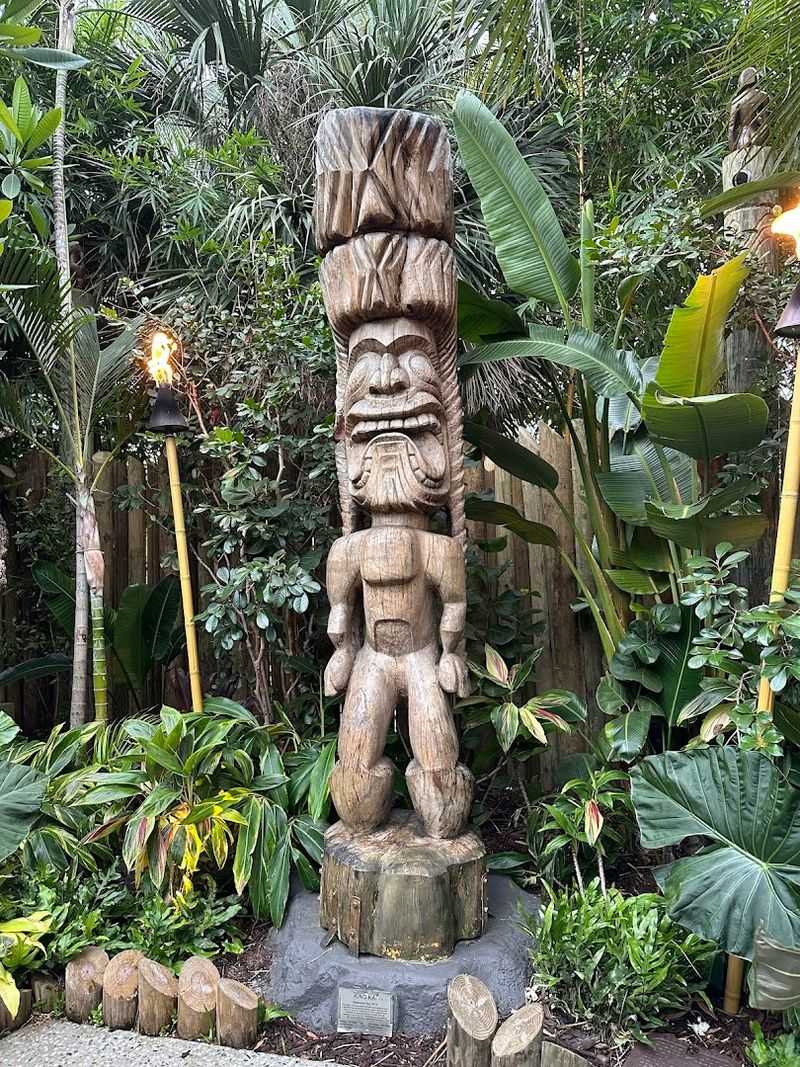
One of the things that separates MAI-KAI from novelty-themed restaurants is the genuine effort to represent Polynesian cultures accurately rather than just decoratively.
The show does not flatten all Pacific Island traditions into one vague tropical category. Each segment reflects a specific island culture with distinct music, movement, and costume traditions.
That level of care was built into the restaurant from the beginning. The founders traveled to the Pacific Islands to research the food, the art, and the performance traditions before opening.
That foundational research is visible in the details decades later. The tikis are not generic.
The music is not background noise. The costumes are constructed with intention.
Guests who know nothing about Polynesian culture leave with a genuine curiosity to learn more. That is the mark of cultural presentation done right.
It opens doors instead of closing them.
For a place that has been operating since 1956, that ongoing commitment to accuracy is worth noting and worth appreciating.
The History Behind The Address
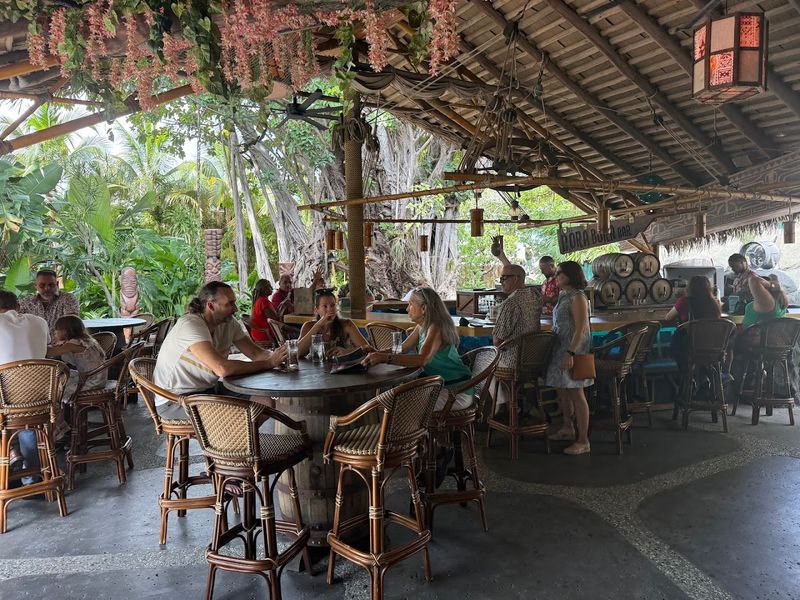
The address has meant the same thing to Fort Lauderdale locals for nearly seventy years.
MAI-KAI opened in 1956 during an era when Polynesian-themed restaurants were part of a broader American fascination with Pacific Island culture following World War II.
Most of those restaurants are long gone. This one survived.
The survival was not passive. The Thornton family and later ownership groups actively maintained the property, updated the show, and preserved the original design elements that gave the restaurant its identity.
Surviving seven decades in the restaurant industry requires constant reinvention alongside consistent quality, and MAI-KAI has managed both.
The building itself is considered a cultural landmark in South Florida. Preservation efforts have kept the original architecture intact while allowing the restaurant to modernize its operations.
Local historians and architecture enthusiasts visit just to study the space. For most guests, though, the history is something they feel rather than study.
The place has a weight to it, a sense that a lot of meaningful evenings have happened inside these walls, and that yours is simply the next one in a very long line.
Why This Night Out Is Worth Planning Around
Some restaurants are fine for a Tuesday. MAI-KAI is the kind of place you put on the calendar and actually look forward to.
The combination of a full dinner, a live cultural performance, and an immersive environment means the evening has a natural arc. You arrive, you settle in, and the night builds toward something.
Reservations are strongly recommended, especially on weekends and during peak travel seasons in South Florida.
The restaurant fills up because word of mouth has never really stopped working in its favor. People who go tell other people.
That cycle has been running since the 1950s without a single paid advertisement doing the heavy lifting.
The price point reflects the full experience rather than just the meal, which is worth keeping in mind when budgeting for the evening. You are not just paying for food.
You are paying for a production, a setting, and a memory that tends to stick. Most guests who go for the first time immediately start thinking about who they want to bring back next time.
That instinct to share the experience is probably the best review a restaurant can ever receive.