The Forgotten California Gold Rush Town That Still Feels Frozen In The 1800s
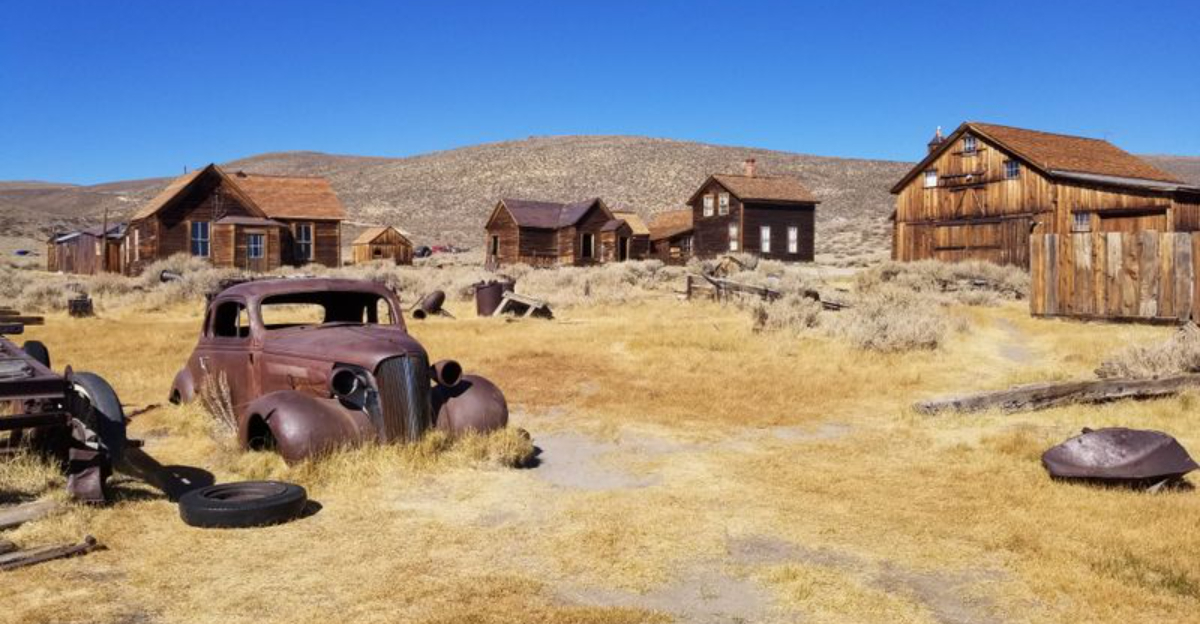
High in the remote hills of eastern California, a town sits perfectly still, caught in a moment that never moved forward.
Bodie was once a roaring gold rush city filled with miners, merchants, and more than a few troublemakers, but now it stands silent, its wooden buildings weathered by wind and time.
Walking through Bodie feels like stepping through a doorway into the past, where dust-covered saloons, abandoned homes, and old storefronts tell stories of fortune, hardship, and the wild spirit of the nineteenth century.
Here are ten fascinating facts about this forgotten California gold rush town that remains frozen in history.
Gold Was Discovered By A Man Who Never Saw The Riches
William S. Bodey stumbled upon gold in 1859, setting off a chain of events that would create one of California’s most legendary boomtowns.
Bodey never lived to enjoy the wealth his discovery would bring, as he tragically died in a blizzard that same winter while trying to return to the site.
His companions honored his memory by naming the camp after him, though the spelling shifted from “Bodey” to “Bodie” to help people pronounce it correctly.
For years, the area remained a modest mining camp with only a handful of prospectors working the claims.
It wasn’t until 1876, when rich gold veins were uncovered, that Bodie truly exploded into life.
The irony of Bodey’s fate became part of local legend – the man who found the gold never saw a single nugget of profit, yet his name would echo through history attached to a town that symbolized both fortune and loss.
A Tiny Camp Became A City Of 10,000 Almost Overnight
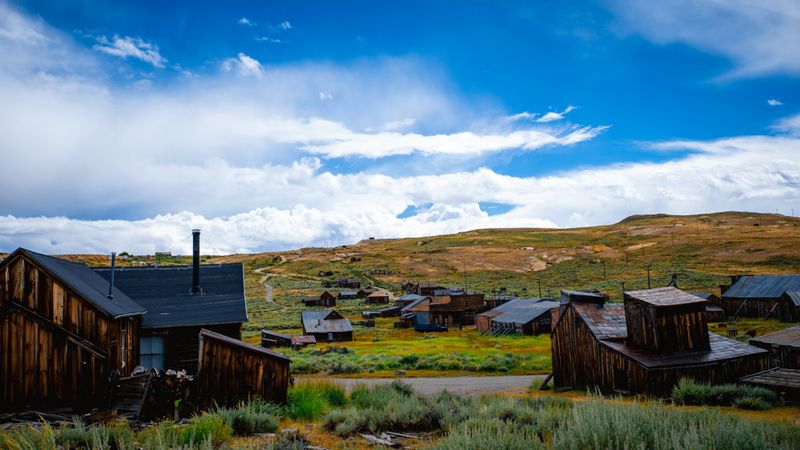
When word spread in 1876 that incredibly rich gold deposits had been found, Bodie transformed at a dizzying pace.
What had been a sleepy camp with a few dozen souls became a thriving city of roughly 10,000 residents by 1879.
Around 2,000 buildings sprang up almost overnight, lining streets that stretched over a mile through the high desert landscape.
Tents and shacks gave way to hotels, banks, schools, and churches as families arrived hoping to strike it rich.
The sound of hammers and saws filled the air constantly as carpenters struggled to keep up with demand for new structures.
Bodie’s main street became a dense corridor of one and two-story wooden buildings packed tightly together, creating a vibrant urban center in one of California’s most remote corners.
The rapid growth was typical of gold rush towns, but Bodie’s scale and speed were remarkable even by those wild standards.
Sixty-Five Saloons Kept The Town Rowdy Day And Night
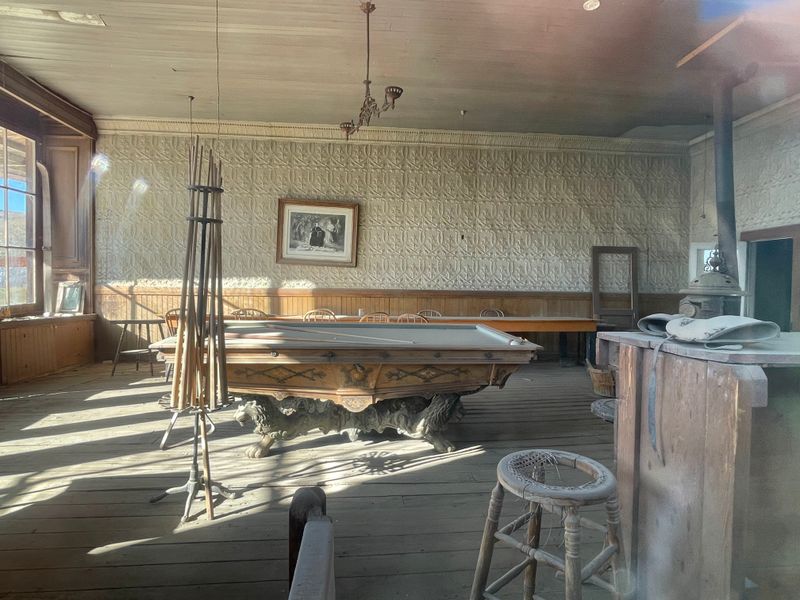
At its peak, Bodie boasted an astonishing 65 saloons serving a population that loved to drink, gamble, and blow off steam after long days in the mines.
These weren’t quiet taverns – they were loud, smoky establishments where miners played cards, danced with women from the red-light district, and occasionally settled disputes with fists or firearms.
Saloons operated around the clock, catering to miners coming off different shifts at all hours.
Piano music, laughter, and the clink of glasses mixed with the occasional crash of breaking furniture when tempers flared.
Many saloons doubled as gambling halls where fortunes changed hands as quickly as they were earned in the mines.
The sheer number of drinking establishments reflected both the town’s prosperity and its rough character.
Bodie’s saloon culture became legendary throughout California, contributing to the town’s reputation as one of the wildest places in the West.
Bodie Earned A Fearsome Reputation For Violence And Crime
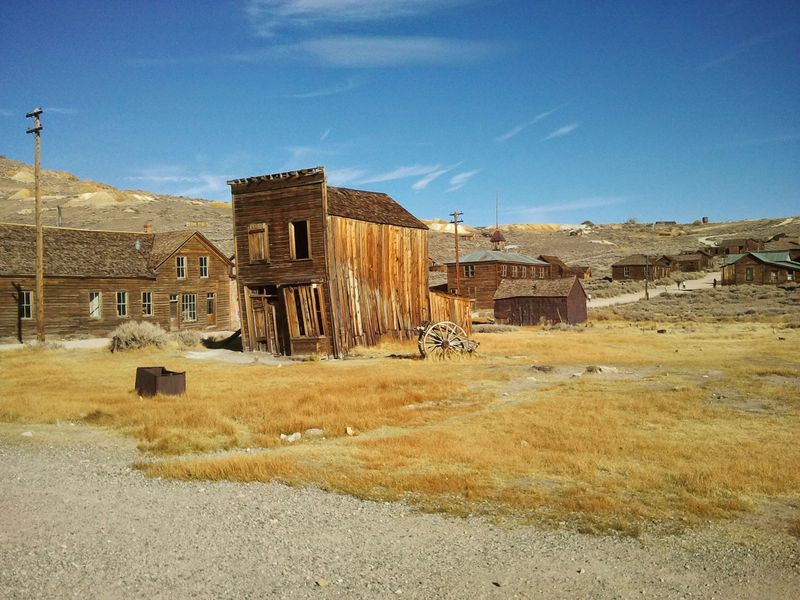
Reverend F.M. Warrington wasn’t exaggerating much when he called Bodie in 1881 “a sea of sin, lashed by the tempests of lust and passion.”
Gunfights erupted regularly on the streets, and robberies were so common that residents learned to sleep lightly.
The town’s remote location and rapid growth meant law enforcement struggled to maintain order among thousands of rough miners, gamblers, and drifters.
Street brawls broke out frequently, often fueled by whiskey and disputes over mining claims or card games.
Newspapers from the era documented a shocking number of murders, with some estimates suggesting a killing occurred almost daily during Bodie’s wildest years.
The phrase “Bad Man from Bodie” became shorthand throughout California for someone particularly dangerous or unpredictable.
Despite four volunteer fire companies and attempts at civic organization, Bodie’s lawless reputation persisted throughout its boom years.
A Thriving Chinese Community Built Their Own District
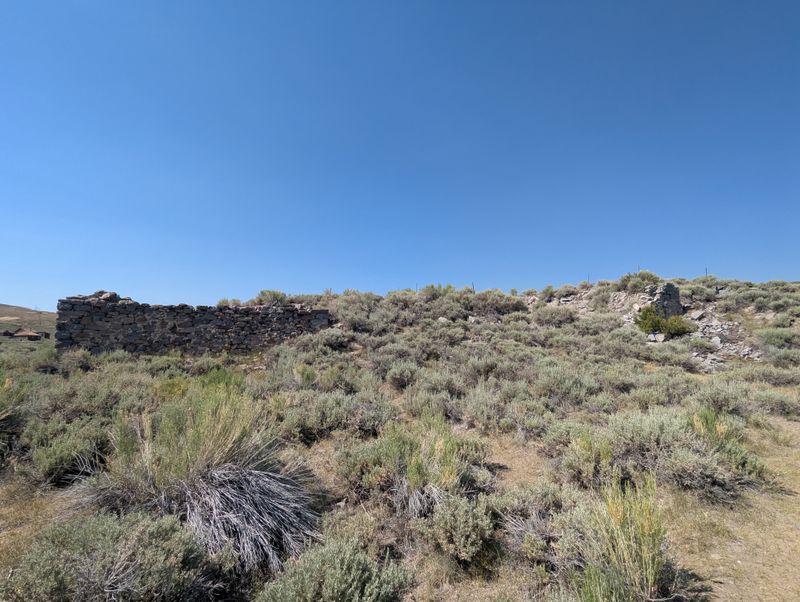
Along King Street, Chinese immigrants established a vibrant community that became essential to Bodie’s economy and daily life.
Their district included general stores, laundries, boarding houses, gambling halls, saloons, and even a Taoist temple where residents could worship.
Chinese merchants sold fresh vegetables they grew in the harsh climate, made charcoal for heating and cooking, and helped build the Bodie Railway.
Despite facing discrimination and restrictive laws common in that era, the Chinese community thrived through hard work and business savvy.
Their laundries were particularly valued, as miners needed constant cleaning services for their work clothes.
The gambling halls and restaurants they operated attracted customers from all backgrounds, creating rare spaces of cultural exchange in the segregated town.
Today, remnants of Chinatown stand among Bodie’s preserved buildings, telling an important story often overlooked in Old West history.
Two Catastrophic Fires Nearly Erased The Town
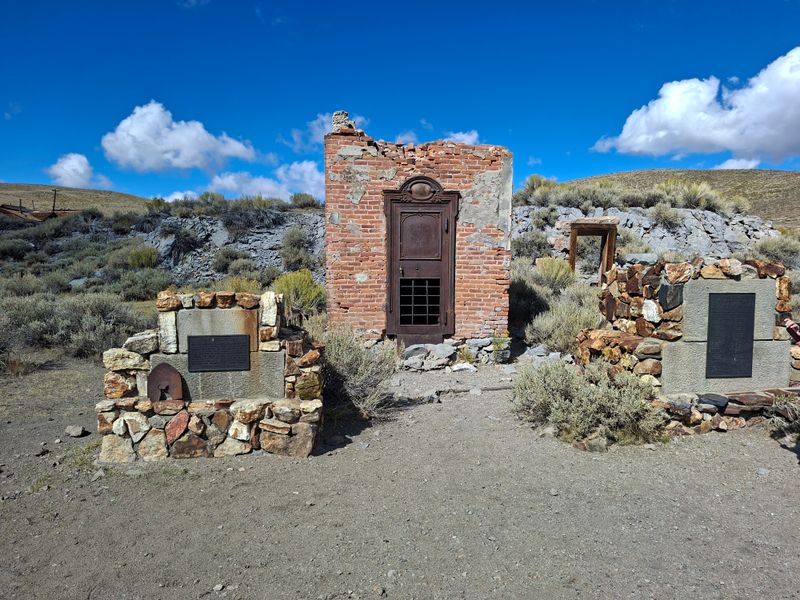
Fire was always a terrifying threat in towns built entirely of dry wood, and Bodie suffered two devastating blazes that changed its fate forever.
The first major fire swept through in 1892, destroying a significant portion of the business district and dozens of homes.
The town rebuilt, but never quite regained its former glory as mining operations had already begun to decline.
Then in 1932, another catastrophic fire consumed all but 10 percent of what remained, leaving only about 110 buildings standing.
The 1932 fire essentially sealed Bodie’s fate as a ghost town, as there was no longer enough economic activity to justify rebuilding.
Volunteer fire companies had tried their best, but the remote location, harsh winds, and wooden construction made firefighting nearly impossible once flames took hold.
Those two fires transformed Bodie from a declining town into the haunting preserved ghost town visitors see today.
Mining Operations Stopped Completely During World War II
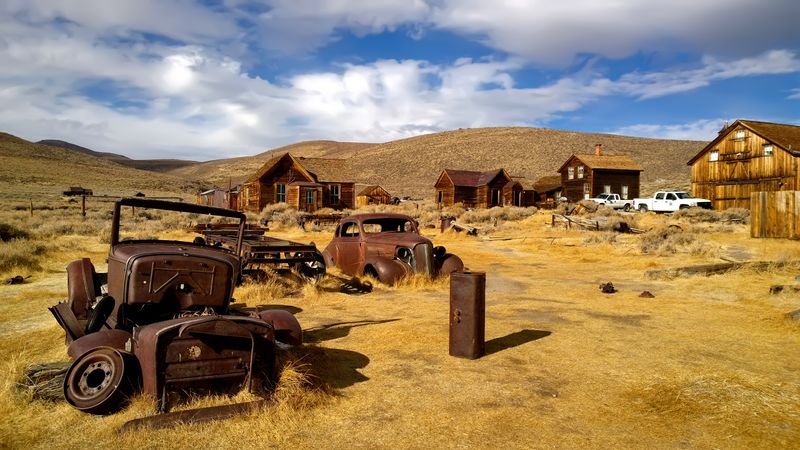
By the early 1900s, the easy gold had been extracted, and Bodie’s population steadily dwindled as miners moved on to more promising claims.
Small-scale mining continued through the decades, keeping a handful of residents in town and maintaining some economic activity.
Everything changed in 1942 when the U.S. government ordered the suspension of gold mining operations nationwide to redirect resources toward the World War II effort.
War Production Board Order L-208 effectively shut down all non-essential gold mining, which meant Bodie’s last mine closed its doors.
Without mining, there was simply no reason for people to stay in such a remote, harsh location.
The few remaining families packed up and left, abandoning homes with furniture, dishes, and personal belongings still inside.
This sudden abandonment is partly why Bodie remains so well-preserved – people left expecting to return someday, but most never did.
The Town Is Preserved In Arrested Decay

When Bodie became a State Historic Park in 1962 and was designated a National Historic Landmark, officials faced an unusual preservation challenge.
Rather than restore buildings to look brand new, they chose a philosophy called “arrested decay,” which means maintaining structures exactly as they are without improvement or further deterioration.
Park workers stabilize roofs and foundations to prevent collapse, but they don’t repaint walls or replace weathered wood with new materials.
This approach preserves the authentic atmosphere of abandonment that makes Bodie so haunting and historically valuable.
Visitors see peeling paint, sagging porches, and sun-bleached wood that tell the true story of time’s passage.
Inside the buildings, furnishings, goods, and personal items remain where they were left decades ago, covered in dust but otherwise untouched.
This careful balance between preservation and authenticity makes Bodie one of the most genuine ghost town experiences in America.
About 110 Original Buildings Still Stand Today

Of the roughly 2,000 structures that once filled Bodie during its peak years, approximately 110 buildings remain standing today.
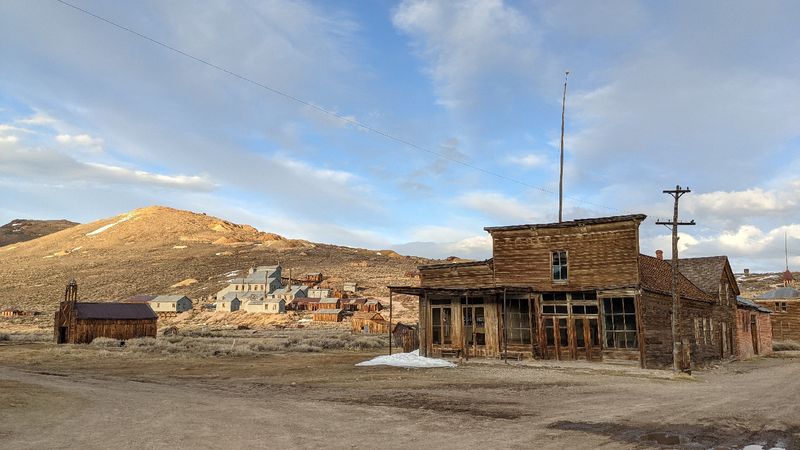
These survivors include homes, stores, a church, a schoolhouse, a firehouse, and several saloons, creating a remarkably complete picture of 1880s frontier life.
Walking through Bodie means peering through dusty windows into authentic interiors where tables are still set, shelves still hold goods, and beds still have blankets.
The Methodist church stands with its steeple intact, while the schoolhouse contains desks and books as if students just left for recess.
A general store displays canned goods, tools, and household items on shelves that haven’t been restocked in over 80 years.
Each building offers a glimpse into different aspects of daily life – from wealthy mine owners’ comfortable homes to modest miners’ cabins.
This collection of structures makes Bodie one of the most authentic and complete ghost towns anywhere in the American West.
Visiting Bodie Means Braving Remote Roads And Harsh Weather
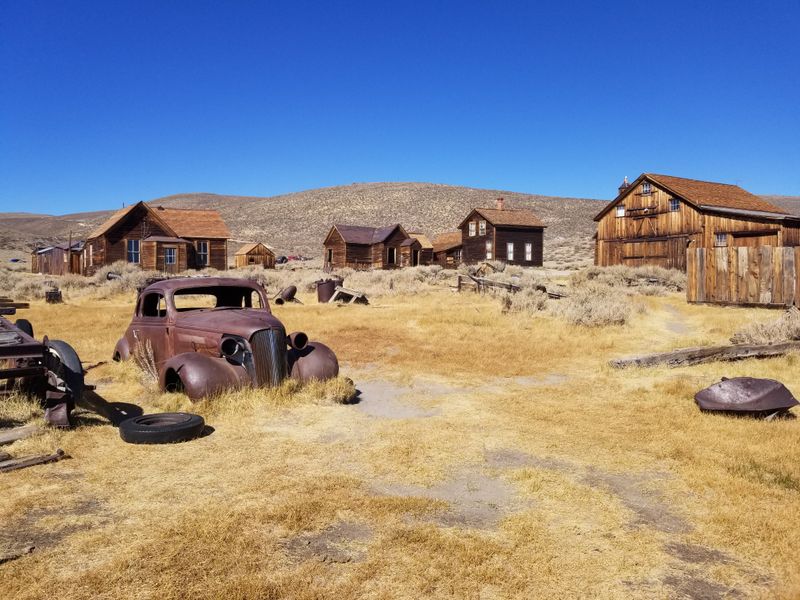
Bodie sits at 8,379 feet elevation in the remote eastern Sierra Nevada, accessible only by a rough dirt road that can be challenging even in good weather.
The park is located at Bodie, California, and the final three miles to reach the ghost town require driving on an unpaved road that becomes impassable during winter storms and spring mud season.
Summer visitors should prepare for intense sun, thin air, and sudden afternoon thunderstorms, while those brave enough to visit in shoulder seasons may encounter snow and ice.
The remote location means no food, gas, or services are available, so visitors must bring everything they need.
Cell phone service is nonexistent, adding to the feeling of stepping back in time.
Despite these challenges, Bodie remains open year-round when weather permits, offering guided tours, a museum, and self-guided exploration of the preserved buildings.
The difficult journey actually enhances the experience, ensuring Bodie never feels like a crowded tourist trap.