The Fort In Nebraska Where Soldiers Laid Adobe Walls In 1863 That Visitors Still Walk Past Today
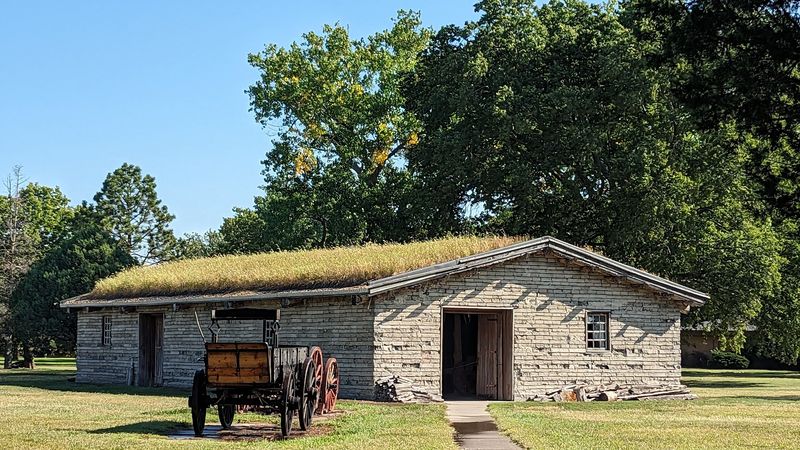
Soldiers once lived in buildings made of dirt, grass and sun-dried mud, and early travelers nicknamed the place the mud fort. I love that nickname.
It sounds like an insult, yet those humble walls helped steady thousands of wagons rolling west.
The post sat right where several big overland trails squeezed together along the Platte River. Pony Express riders even swapped horses here for a short but famous stretch of time.
I can’t imagine how welcome that first glimpse of soldiers, a store and a post office must have felt.
Today the outpost is a quiet Nebraska park with a rebuilt stockade and a sod-and-adobe blacksmith shop. You can stroll past marked foundations and stand on the same ground those weary families crossed.
So how did a fort built from mud earn such a big place in the story of the West?
A Mud Fort On The Platte That Still Draws A Crowd Of Curious Road-Trippers
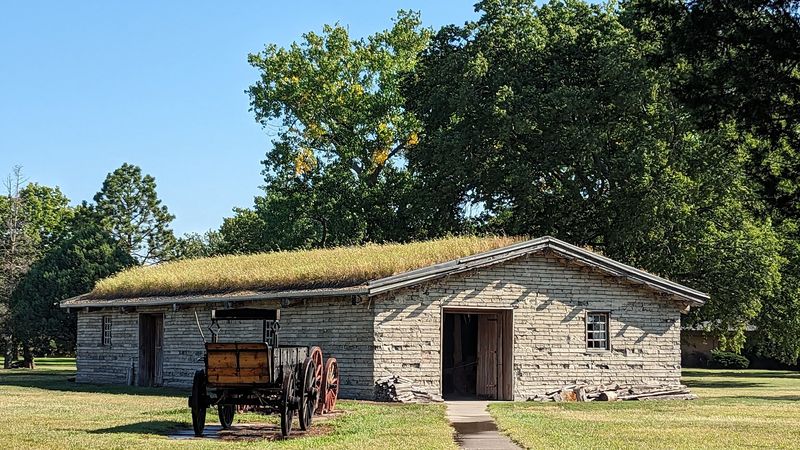
Long before interstates and gas stations, travelers on the plains needed one thing badly: a safe place to stop. Fort Kearny State Historical Park preserves the site of that stop, a U.S.
Army post founded in 1848 near the Platte River.
The Army built it to protect the growing flood of traffic heading west. Wagons bound for Oregon, California and Utah all funneled through this stretch of Nebraska.
Today the park is run by the Nebraska Game and Parks Commission. It sits just southeast of Kearney, close enough for an easy afternoon detour.
What you’ll find is a mix of rebuilt structures, marked foundations and a visitor center packed with trail-era objects. The original buildings are long gone, but their outlines still guide your walk.
That gap between then and now is the whole appeal. You’re not looking at a picture in a textbook, you’re standing on the parade ground itself.
I like how simple and open the grounds feel. Nothing here shouts for attention, which makes the history land a little harder.
It’s a place that rewards anyone willing to slow down and read the land.
Why Travelers Called It The Mud Fort
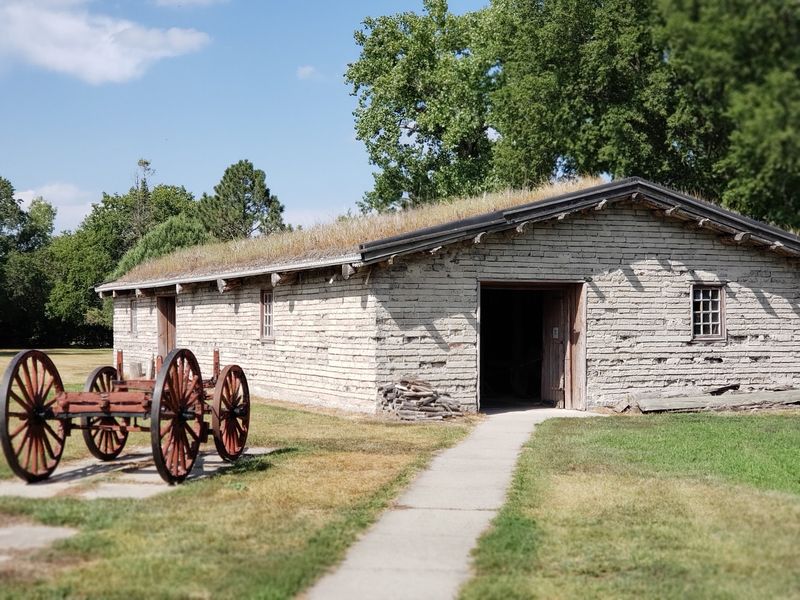
Trees were scarce on this part of the prairie, so soldiers built with what lay under their boots. Sod bricks and adobe made from mud shaped many of the early buildings at the post.
Some emigrants expected a grand fortress and found something far humbler. The nickname of mud houses stuck around for good reason.
Still, those earthen walls did their job. Sod held in warmth during bitter plains winters and stayed cooler during scorching summers.
That practical choice tells you a lot about frontier life. People solved problems with dirt, grass, water and plenty of stubborn patience.
The fort changed over its years of service, adding and replacing structures as needs shifted. Yet its earthy beginnings remain the most memorable part of the story.
Fort Kearny State Historical Park now showcases reconstructed sod and adobe work so you can see the method up close. Run your eyes along those walls and the word mud starts sounding less like a joke and more like a compliment.
Honestly, who knew dirt could carry this much Nebraska history?
Where The Big Western Trails Squeezed Into One Busy Road
Picture a highway with no lanes, no signs and thousands of oxen. That was the Great Platte River Road, and Fort Kearny sat right on it.
The Oregon, California and Mormon trails all merged along the river valley here. That made the post a natural checkpoint for an enormous stream of families.
Travelers could buy supplies, fix broken wagons and get livestock shod before pushing on. After weeks on the trail, those repairs weren’t a luxury.
Mail mattered just as much. The post office let emigrants send word to relatives back east, a thin but precious lifeline.
The visitor center even highlights Mormon pioneers who crossed with handcarts. Their story adds a powerful human layer to the trail traffic.
Many people with pioneer roots treat sites like this with deep reverence. It makes sense when you consider how many family stories passed through this one patch of Nebraska ground.
Stand on the grounds for a minute and the scale sinks in. A huge share of westward travel rolled within sight of this spot.
Pony Express Riders Once Swapped Horses Here
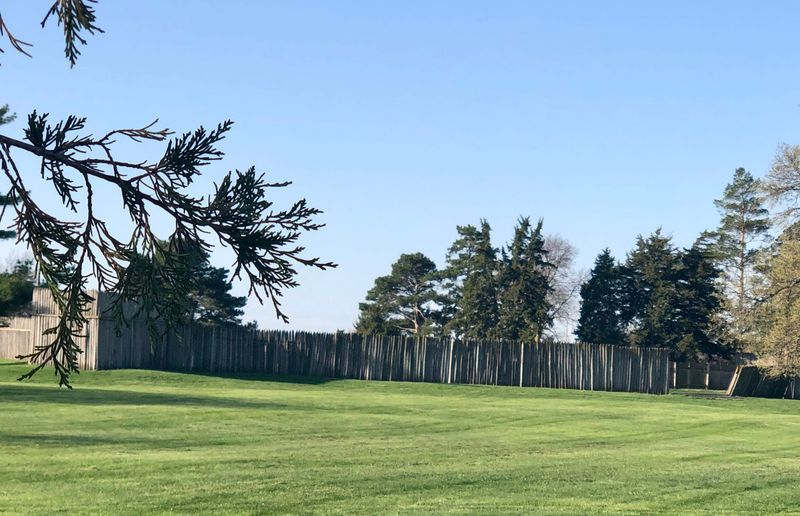
Here’s a fun one for trivia night. Fort Kearny served as a home station for the Pony Express from 1860 to 1861.
That famous mail service lasted only about a year and a half. Even so, it grabbed the national imagination and has never let go.
Riders raced across the plains in relays, trading tired horses for fresh ones at stations along the route. A home station was a bigger stop where riders could rest between runs.
Knowing riders rested here gives the grounds a fresh jolt of energy. That quiet lawn once heard pounding hooves and hurried hand-offs.
The Pony Express connection pairs nicely with the fort’s post office role. Mail was clearly the beating heart of this place, whether it came by wagon or by saddle.
Kids especially tend to perk up at this part of the story. Speedy horses and daring young riders beat a dusty date chart every time.
So when you walk the paths at Fort Kearny State Historical Park, keep that picture handy. Somebody was always in a hurry around here.
Your Visit Should Start Inside The Interpretive Center
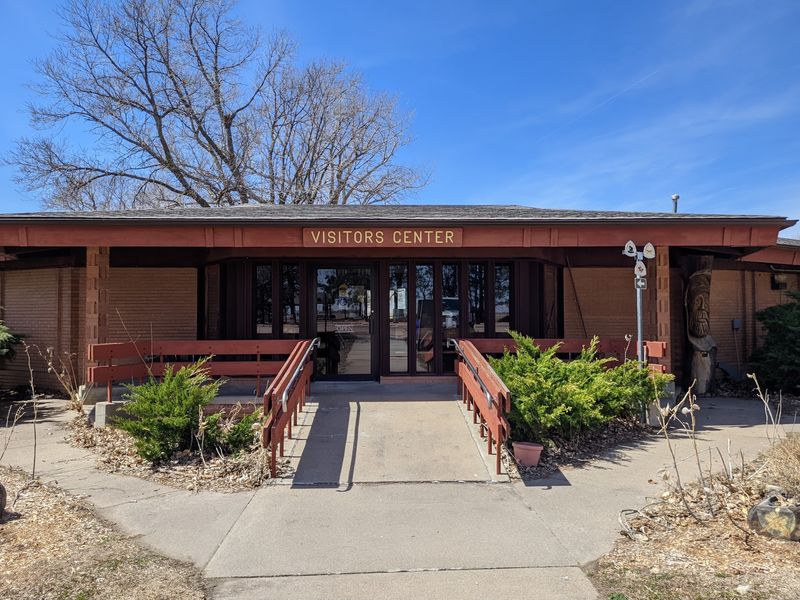
Start indoors, even on a gorgeous day. The interpretive center sets up everything you’re about to see outside.
Exhibits include trail-era artifacts and historical documents tied to the fort and the people who passed through. The space is modest, but it holds plenty if you take time to look closely.
An 18-minute video gives a solid overview of the fort’s history. It’s well worth the seat, since outdoor signs can only tell part of the story.
Watching first makes the walk afterward far more meaningful. Those foundation markers suddenly turn into barracks, offices and storehouses in your mind.
There’s also a gift shop with trail-themed browsing. Staff at the center are known for being friendly and happy to share what they know.
The center doubles as an information stop for sandhill crane season too. That’s a handy bonus if your trip lands during spring migration.
Think of this building as the trailhead for the whole experience. A few minutes inside can turn a casual stroll into a genuine history lesson you’ll actually remember.
The Blacksmith Shop With Walls Held Together By Sod
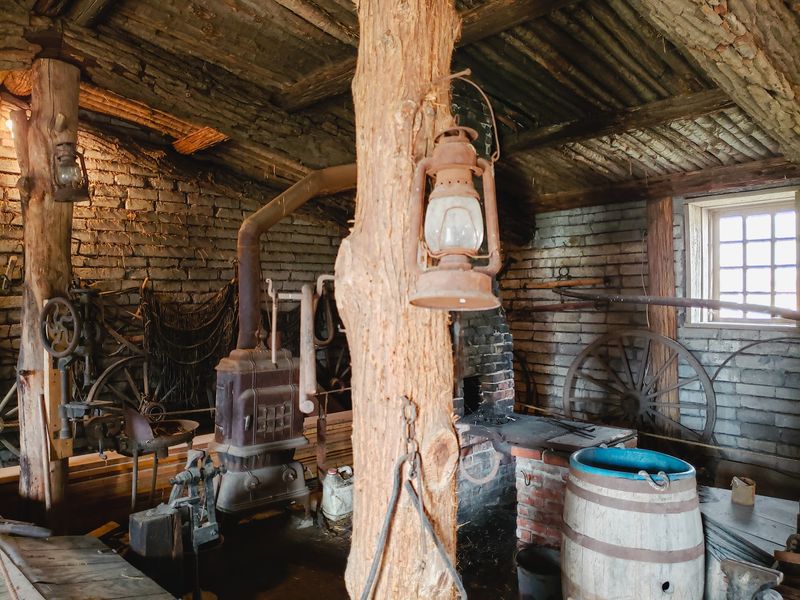
If one building steals the show, it’s the blacksmith shop. This reconstructed workshop is easily the most talked-about stop on the grounds.
Its walls use sod between bricks, echoing the earthy building style of the original post. Seeing that material up close makes the mud fort nickname feel very real.
Inside, period equipment shows just how heavy frontier work could be. The sheer size of the tools surprises plenty of first-time visitors.
Blacksmiths were essential on the trail. Wagon wheels, iron fittings and horseshoes all needed constant repair after hundreds of rough miles.
There’s a practical perk too. Thick sod keeps the interior cooler than the outdoors, so it offers a little relief on a hot Nebraska afternoon.
Lighting inside can be dim, so give your eyes a moment to adjust. Patience pays off when the shapes of old tools come into focus.
Fort Kearny State Historical Park leans on this building to show how resourceful the frontier truly was. Dirt, fire and iron kept an entire migration moving.
A Rebuilt Stockade With A Tower On Every Corner
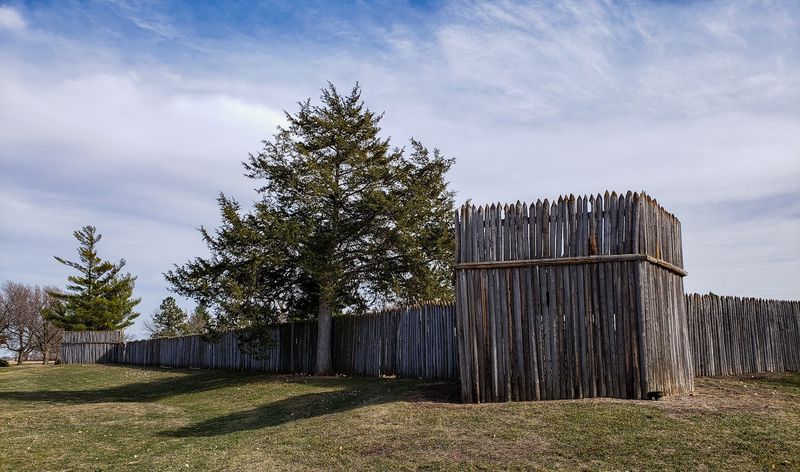
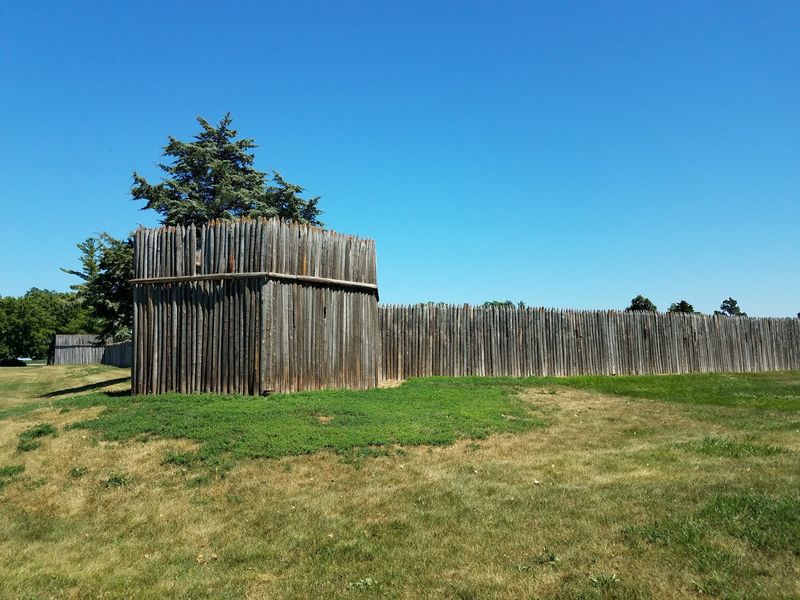
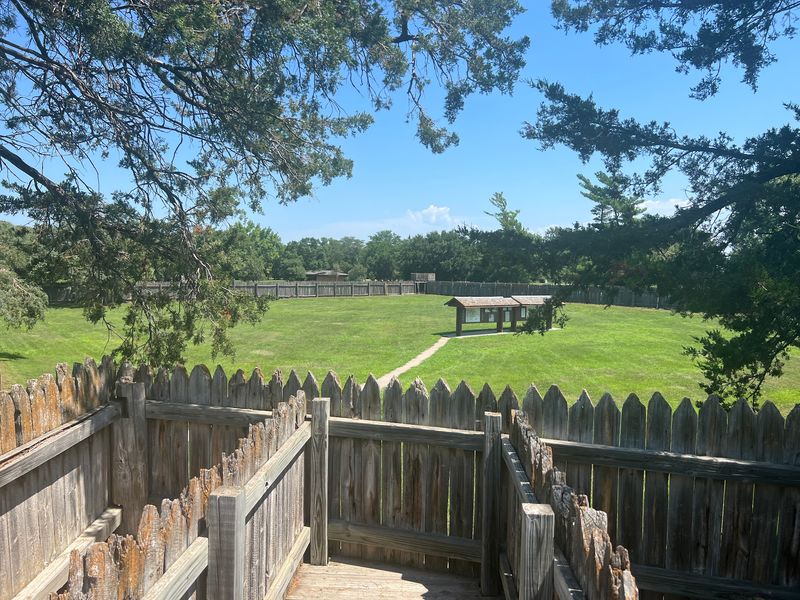
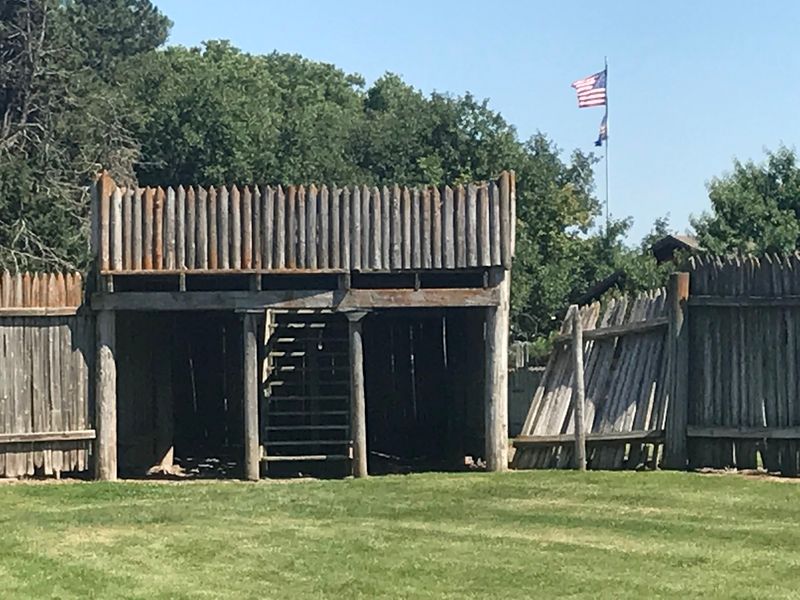
Wooden walls and corner towers give the grounds their most fort-like silhouette. The reconstructed stockade is the shape most people recognize from photos.
During the mid-1860s, a tense period on the plains, the post added extra fortifications. The reconstruction nods to that later chapter of the fort’s life.
Don’t expect a packed movie-set village inside. The stockade is mostly walls and guard towers rather than a cluster of furnished buildings.
That openness actually works in its favor. You can take in the layout quickly and picture soldiers keeping watch over the river valley.
Some of the timber shows its age, which honestly fits a frontier post. Weathered wood on a windy prairie tells its own kind of story.
Families with younger kids will find room to roam here. Towers and walls spark imaginations in a way plaques rarely manage.
Snap a photo from the parade ground for the classic view. With wide sky overhead and log walls in front, it’s a scene that feels unmistakably like old Nebraska.
Old Foundations Mark The Walking Path Around The Parade Ground
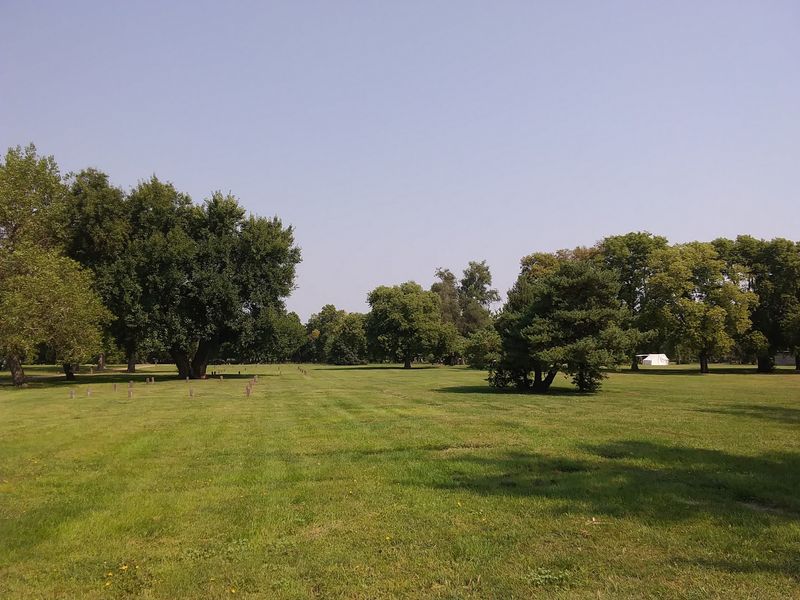
Half the fun happens at ground level. A walking path loops past marked foundations where original fort buildings once stood.
Info boards along the route explain what each footprint used to be. Some signs have weathered over time, so the indoor video becomes extra helpful here.
The huge central lawn is the real surprise. It’s a big, open stretch that lets you sense how the post was laid out around its parade ground.
Trees ring parts of the grounds and add welcome shade. On a warm day, that shade feels like a small gift from the past.
Road-trip families will appreciate the space to stretch legs. Kids can burn off energy while adults read about the people who lived here.
Walking slowly makes the most sense. Each outline invites you to fill in the missing walls with your imagination.
This is the part of Fort Kearny State Historical Park where the title promise comes true. You really are walking past the traces of a frontier post that has stood in memory for more than 175 years.
Cannon Fire Booms Across The Grounds On Big Holiday Weekends
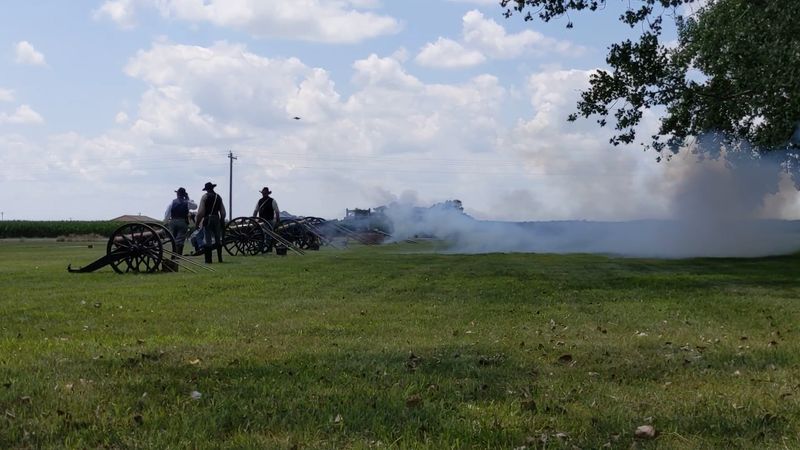
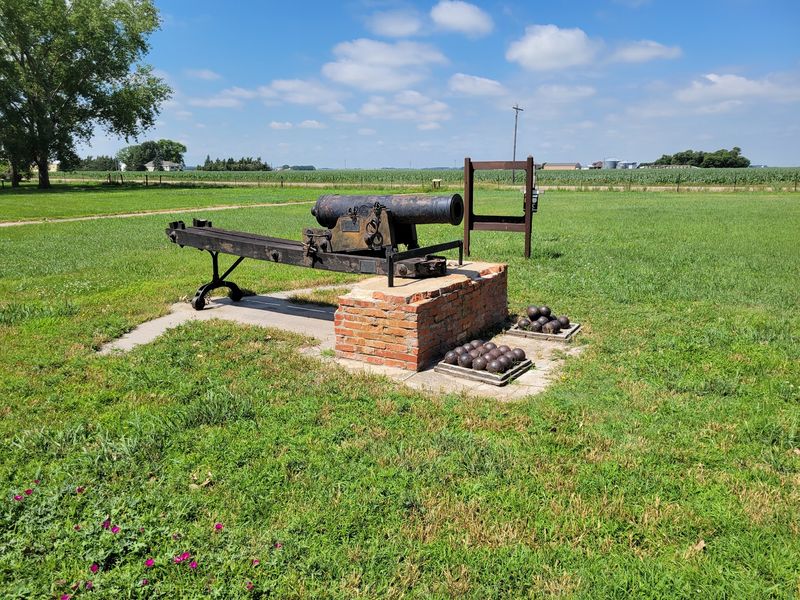
Few sounds wake up a quiet afternoon like a cannon. The park has hosted cannon firing demonstrations on holiday weekends such as Memorial Day, the Fourth of July and Veterans Day.
Volunteer artillery crews have appeared in period uniforms for these events. They’ve paired the firing with explanations of how the guns worked and why they mattered.
Schedules can change from year to year. Checking with the park before you go is the smart move if the cannon is your main reason to visit.
Even on regular days, historic cannons are on display around the site. They make a striking backdrop for photos and spark plenty of questions from kids.
Living history like this turns old facts into something you can feel in your chest. The boom lingers long after the smoke drifts off.
Families planning a holiday road trip might find this the perfect timing. Pairing a picnic with a demonstration makes for a memorable Nebraska day.
Just maybe warn the dog first.
Sandhill Crane Season Gives History Buffs A Second Reason To Come
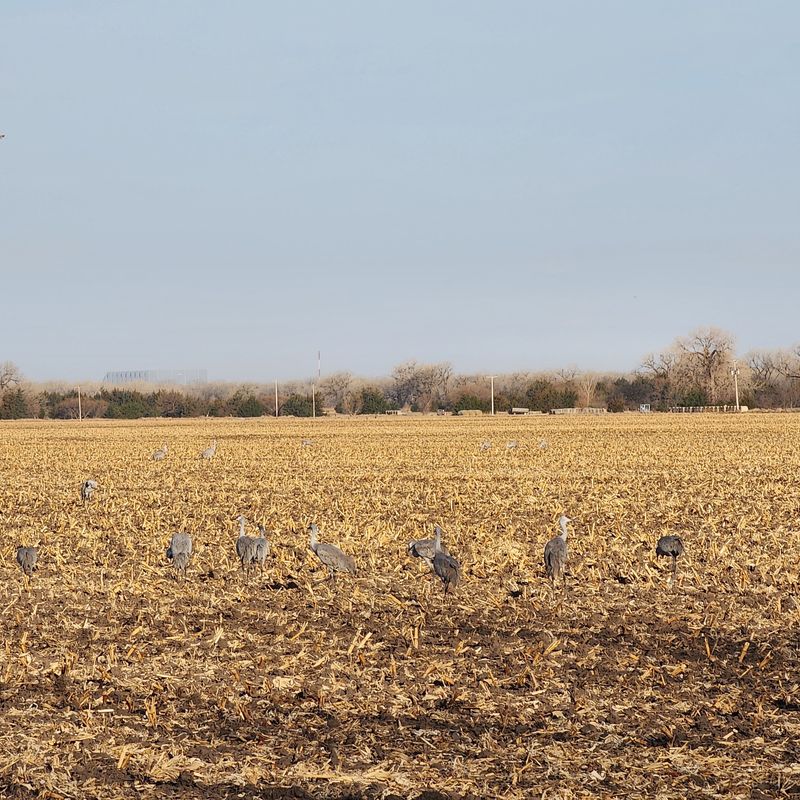
Every spring, the Platte River near Kearney fills with sandhill cranes. It’s one of the great wildlife shows in Nebraska, and the fort sits right in the neighborhood.
The interpretive center serves as a helpful information stop for crane watchers. That makes it a smart first stop before heading out to look for birds.
Early spring is the time to circle on your calendar. Thousands of cranes gather on the river, and their calls carry across the valley.
Pairing birds with history makes a satisfying day trip. You get pioneer stories in the morning and a natural spectacle as the light shifts.
Bring binoculars and dress for chilly plains weather. Spring mornings along the river can feel much colder than the forecast suggests.
It’s a little poetic, really. Emigrants once traveled this same river valley, and cranes have been following it far longer than any wagon.
Fort Kearny State Historical Park becomes a handy anchor point during migration season. History buffs and bird lovers rarely get to share a parking lot this happily.
Campfires, Fishing And A Trail Across The Platte Next Door
History is only half the menu around here. The separate Fort Kearny State Recreation Area sits nearby and offers plenty of outdoor fun.
Camping, fishing, hiking, swimming and no-wake boating are all on the list. Picnic tables make it easy to turn a quick stop into a lazy afternoon.
A paved hike-bike trail begins at the recreation area. It crosses both channels of the Platte River and opens up wide views of the valley.
Along the trail, a covered viewing spot offers a pleasant place for birdwatching. It’s especially handy during crane season.
Keep in mind that the campground and the historical park are different locations. Mixing them up is an easy mistake, so plan your route with both in mind.
Campers often hop over to tour the fort during their stay. That combo turns a weekend into a little lesson wrapped in fresh air.
Cell service can be spotty out here. Some folks would call that a bonus, especially with the river right there.
Know The Permit Rules And Directions Before You Roll Out
Getting there is refreshingly simple. Fort Kearny State Historical Park sits at 1020 V Rd, Kearney, NE 68847, a short drive southeast of town.
Like other Nebraska state parks, it requires a park entry permit for your vehicle. If you already carry an annual permit, you’re set.
The museum and visitor center may also have a separate admission fee. Checking with Nebraska Game and Parks before you go saves any surprises at the door.
The grounds are open during daytime hours. Arrive with time to spare, since the visitor center closes in the afternoon and the video deserves your attention.
Amenities are fairly basic, so pack water and snacks. A picnic on that big lawn makes the outing feel complete.
The park is also a stop on the Nebraska Passport program in some years. Passport fans may want to see whether it’s on the current list.
Plan an afternoon and you’ll have plenty of time. It’s an easy, affordable outing for families, retirees and anyone curious about trail history.
Worth The Detour, Especially With A Few More Stops Nearby
Fort Kearny closed in 1871, and its buildings were taken down as settlers moved in. For decades, the site’s story lived mostly in memory.
In the 1920s, the Fort Kearny Memorial Association acquired 40 acres of the original grounds. Then in 1959, the land became a State Historical Park.
That preservation is why you can stand here today. Without those early efforts, this chapter of Nebraska history might be just a roadside marker.
The park suits history fans, pioneer descendants and families who want a calm, open place to explore. Thrill seekers might want to add a few neighbors to the itinerary.
Luckily, the area makes that easy. The Archway near Kearney, Harold Warp Pioneer Village in Minden and the Stuhr Museum in Grand Island can round out a full trail-themed tour.
I believe the fort works best as a slow, thoughtful stop. It asks for imagination rather than flashy exhibits.
Bring that imagination along, and the mud fort delivers. Those old outlines on the prairie still have plenty to say.