The Georgia Beach Town That Locals Say Is Becoming Too Overdeveloped
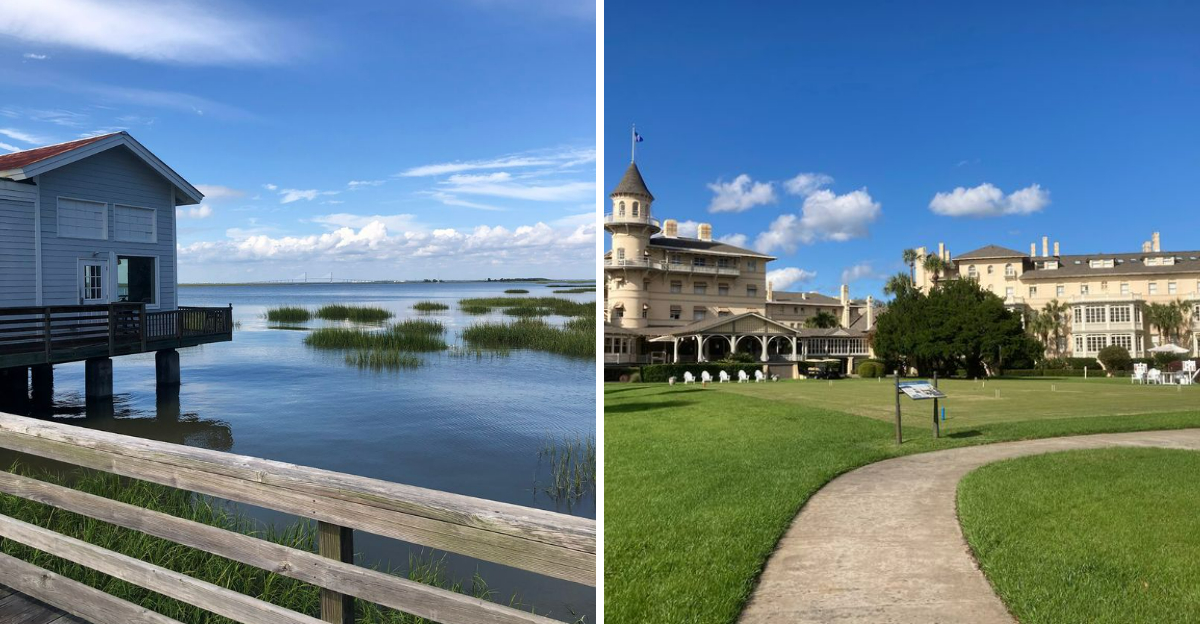
I remember the first time I visited, years ago, before any of this started. The beach was quiet then.
Just sand, marsh grass, and the sound of waves doing their thing undisturbed. This time I crossed the same bridge and felt something shift immediately.
The air still smelled like salt, but the skyline looked wrong somehow. Construction cranes stood where dunes used to be.
Locals I talked to did not hide their frustration. One woman told me she barely recognizes her own neighborhood anymore.
Georgia has plenty of coastal towns that grew slowly and carefully. This one did not.
What used to feel like a secret escape now feels like a warning sign for what happens when growth moves faster than anyone can control.
The $300 Million Makeover That Transformed Jekyll Island
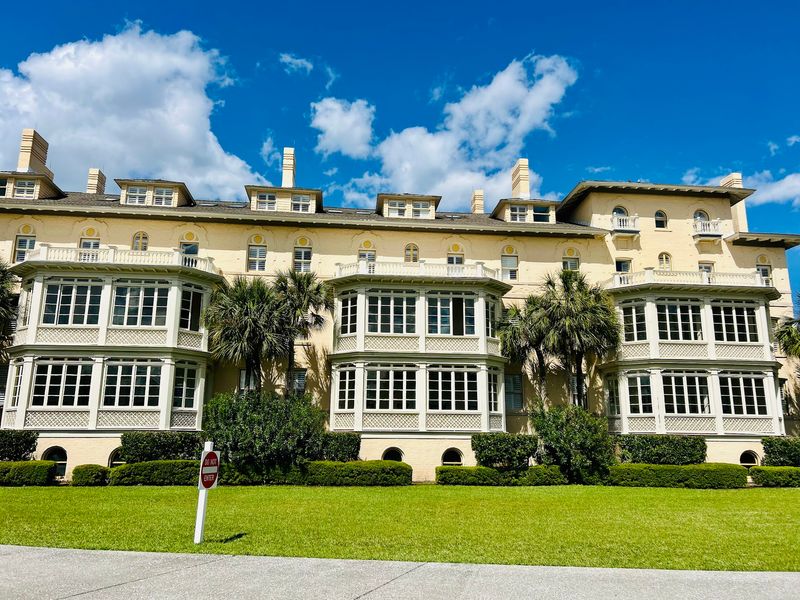
Money changes things fast. Over the past decade, Jekyll Island pulled in more than $300 million in private and public funding for what planners called a revitalization initiative.
New oceanfront hotels went up. Retail spaces appeared.
A 128,000-square-foot convention center was built right on the beach. That facility is now the only oceanfront convention center on the East Coast south of New Jersey.
For some, that sounds like progress. For others, it sounds like the beginning of something harder to reverse.
The island once felt spacious and calm. Now, certain stretches feel more like a resort corridor than a coastal refuge.
The gap between what the island was and what it is becoming grows wider each year.
Visitors who came ten years ago barely recognize parts of the shoreline today. That kind of change does not happen quietly.
It happens one approved project at a time, each one reasonable on paper, each one chipping away at something harder to rebuild than a hotel.
A 1971 Law That Tried To Hold The Line
Georgia lawmakers saw this coming back in 1971. A law was passed requiring that roughly two-thirds of Jekyll Island remain undeveloped forever.
Sand, marsh, scrub pines, live oaks – all of it protected.
That felt like a firm promise. Then 2014 arrived and the rules shifted.
The revised law capped new development of primitive land at 78 acres, with 20 of those acres open to commercial or residential use.
Critics argue that the change cracked the door open wider than intended. The original law had a clear spirit.
The revised version introduced wiggle room that developers and planners have used creatively.
What makes it trickier is that the new rules restrict acreage but say nothing about density. You can rebuild on the same footprint and make it twice as tall, twice as large.
That loophole has not gone unnoticed. Conservation groups have pointed to it repeatedly as the island adds capacity without technically breaking the rules on paper.
Laws built to protect places need teeth. Without them, the protection becomes more symbolic than real.
New Hotels Keep Coming And The Numbers Are Staggering
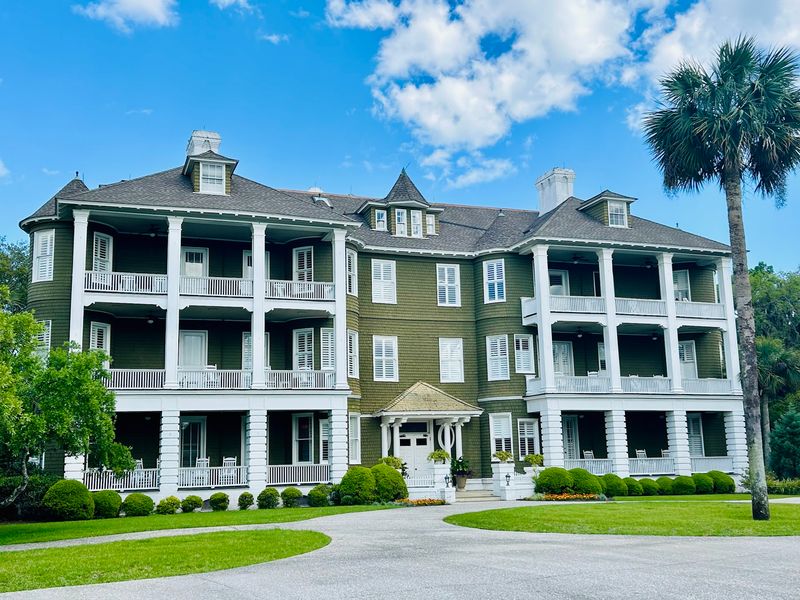
The construction pipeline on this island is not slowing down. Current plans include a boutique hotel near the golf course area with up to 125 rooms.
The Beachview Club Hotel is also planned for expansion, potentially growing from 38 rooms to 98.
Add a new parking lot across the street from that hotel, plus proposals for an assisted living facility and a small retail and restaurant complex. Collectively, these projects could push the island’s hotel capacity up by more than 13 percent.
That number sounds modest until you picture it against the backdrop of a barrier island. More rooms mean more cars, more noise, more pressure on roads and beaches that were not built for resort-level traffic.
The island’s roads are narrow. The beaches are not expanding.
The wildlife does not get a vote. Every new room added to this place is a calculation about how much the island can absorb before it loses what made people want to come here in the first place.
At Jekyll Island, GA 31527, the tension between growth and preservation plays out in real time, visible to anyone paying attention.
Driftwood Beach Still Earns Every Compliment
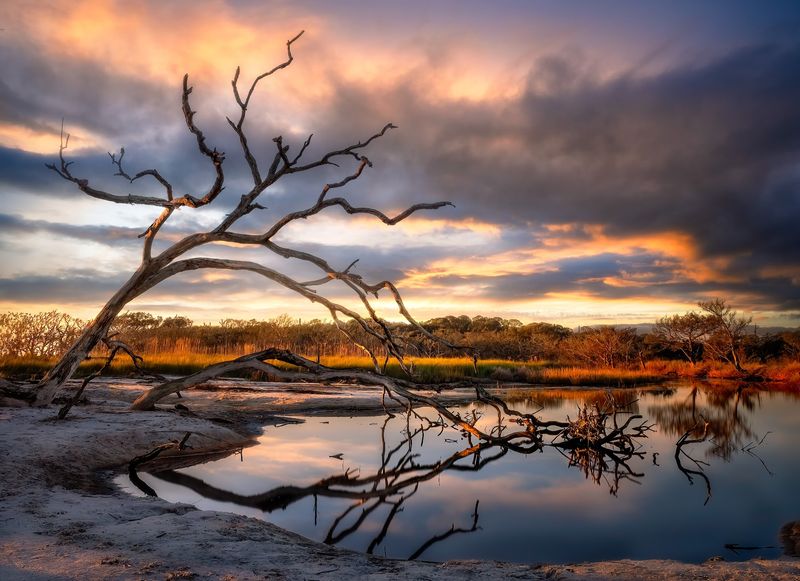
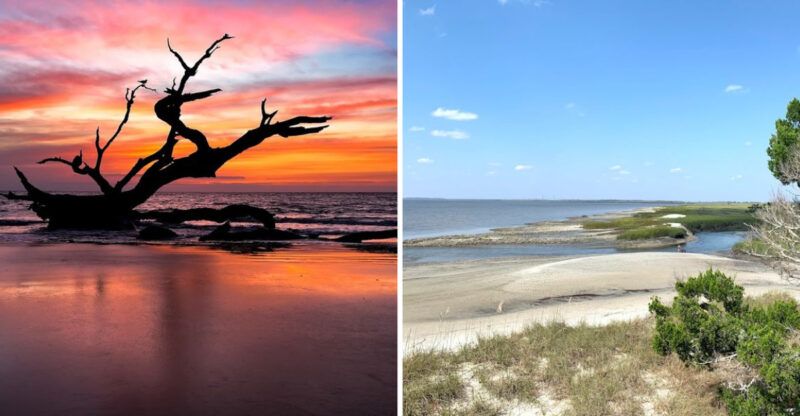
Not everything on this island is a cause for concern. Driftwood Beach stops people cold the first time they see it.
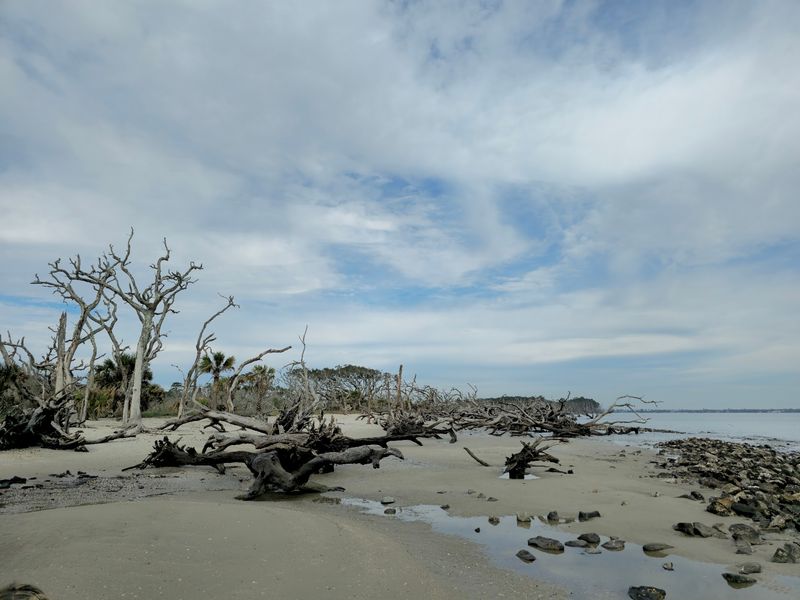
Bleached, skeletal trees lie scattered across the sand like something from a dream.
The beach sits at the northern tip of the island. Erosion over many decades has pulled the shoreline inland, leaving behind the ghostly remains of a maritime forest.
The effect is genuinely unlike anything else on the Georgia coast.
Photographers come here at sunrise and stay past sunset. Families wander through the driftwood formations like they are exploring ruins.
The place has a quiet drama that does not need a sign or a guided tour to appreciate.
It is also free to access once you have paid the $10 per car entry fee to reach the island. That fee is modest for what you get in return.
Clean restrooms, maintained paths, and one of the most visually striking beaches in the American Southeast.
Whatever else changes on this island, this stretch of shoreline remains its most honest self. It does not perform for visitors.
It simply exists, and that is more than enough.
Residential Development Is Also Reshaping Parts Of The Island
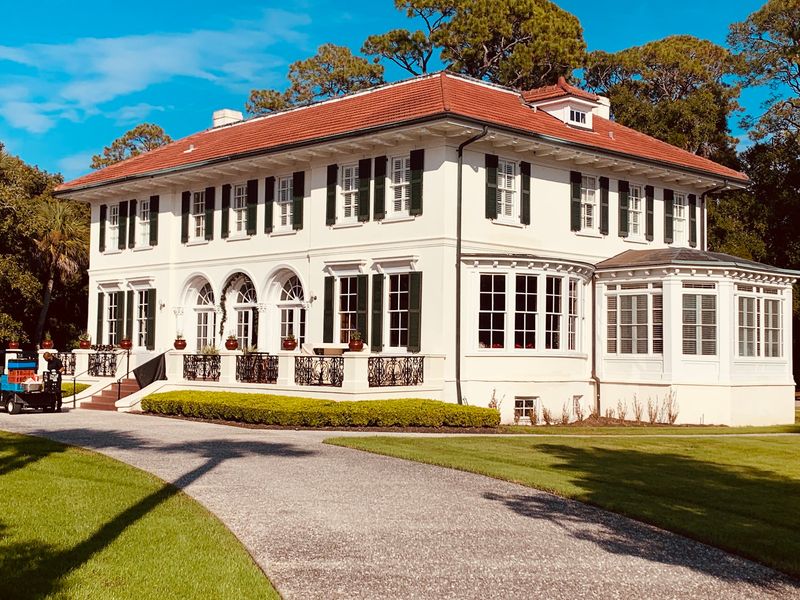
Hotels grab the headlines, but housing is quietly reshaping this island too. New residential development has also taken place on previously developed land.
Critics say increasing residential density adds another layer to the island’s broader growth debate.
The rules technically allow this. Redeveloped land has no explicit density cap, meaning existing footprints can support far more structure than they once did.
Critics call this approach build back bigger, and the phrase fits.
More residents mean more year-round demand on infrastructure. Roads, water, waste management, and beach access all feel the pressure.
A barrier island has physical limits that do not bend because a permit was approved.
What surprises many visitors is how residential parts of the island feel. There are neighborhoods here now, not just vacation rentals and hotel blocks.
The island’s identity is shifting from a public natural retreat to something more layered and contested.
None of this happened by accident. Each approval was deliberate.
Each project was reviewed.
The Bird Watchers Have Good Reason To Worry
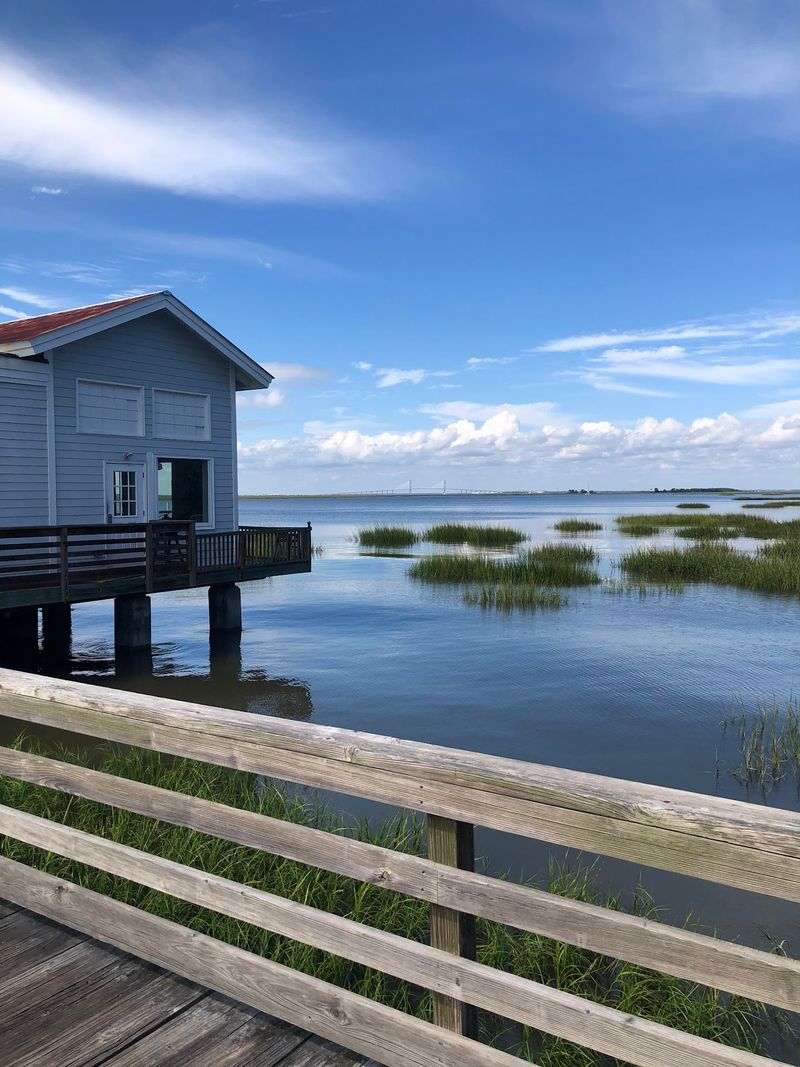
The amphitheater pond on Jekyll Island is not just a pretty feature. It is a recognized birding site and part of Georgia’s Colonial Birding Trail.
The island sits along the Atlantic Migratory Flyway, making it a critical stopover for dozens of species each year.
Now a proposed golf hotel sits uncomfortably close to that pond. Conservation groups like the Coastal Georgia Audubon Society have flagged the proximity as a serious environmental concern.
Migratory birds need quiet, stable habitat. Construction noise and increased foot traffic are not neutral forces.
More than 2,000 signatures were gathered on petitions urging the Jekyll Island Authority to slow down and reconsider. That kind of organized response does not happen over minor inconveniences.
People who have watched birds here for years are alarmed by what they see changing.
Bird watching brings a specific kind of visitor to this island. Patient, observant, deeply invested in the natural environment.
Losing that habitat quality would not just harm wildlife. It would change the character of the visitor experience in ways that are difficult to reverse.
Changes to habitat can affect how migratory birds use important stopover sites along their routes.
The Jekyll Island Authority’s Own Report Said It Best
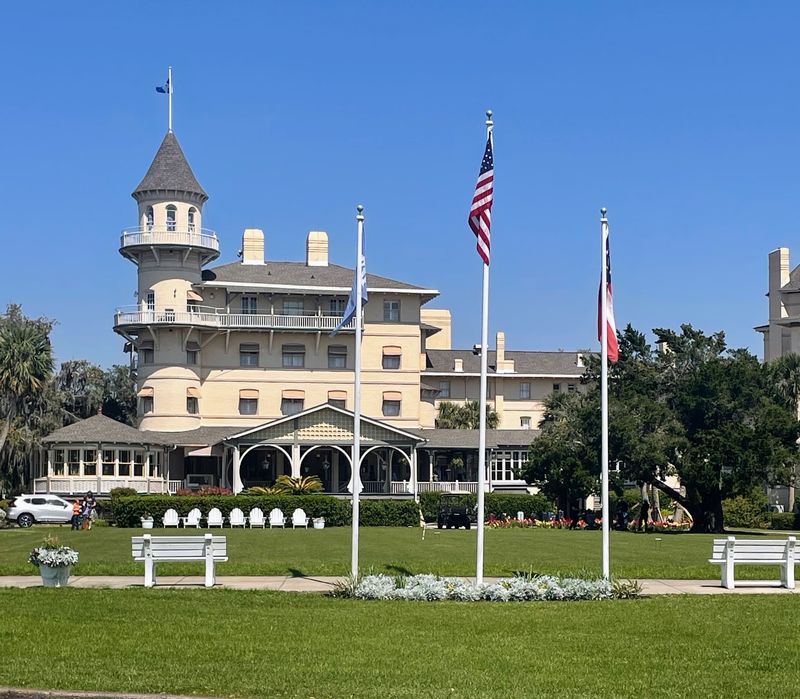
Sometimes the most revealing criticism comes from inside. A 2023 strategic plan report produced by the Jekyll Island Authority itself included a striking warning about the island’s future direction.
The report noted that visitors come specifically for the island’s unique natural and undeveloped character. It cautioned against this spot becoming a disappointing destination similar to kitschy tourist traps or heavily developed resort communities.
Instead, the report suggested the island should aim to resemble undeveloped barrier islands rich in culture, history, and nature.
That is a remarkable thing for a planning authority to write while simultaneously approving new hotels and residential expansions. The tension between those two positions is not subtle.
Conservation advocates have pointed to that report as evidence that even the island’s managers understand the risk they are taking. Conservation advocates argue that future development decisions should carefully reflect the concerns identified in the authority’s own planning documents.
The authority maintains that revenue from development funds conservation efforts like reforestation, shoreline rehabilitation, and invasive species removal. A new greenhouse propagates native plants.
Those are genuine efforts.
The Bike Trails And Walking Paths Are Still Worth Every Step
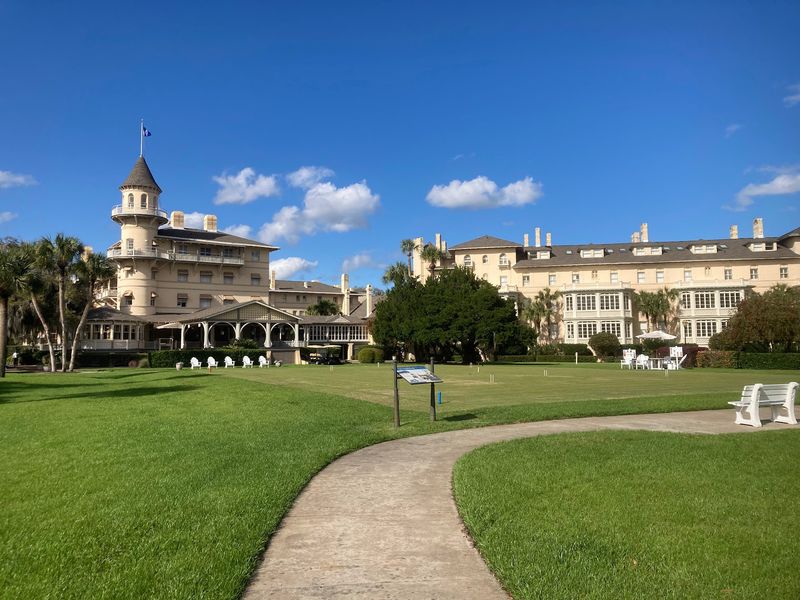
Forget the controversy for a moment and just ride. The bike trails on this island are genuinely excellent.
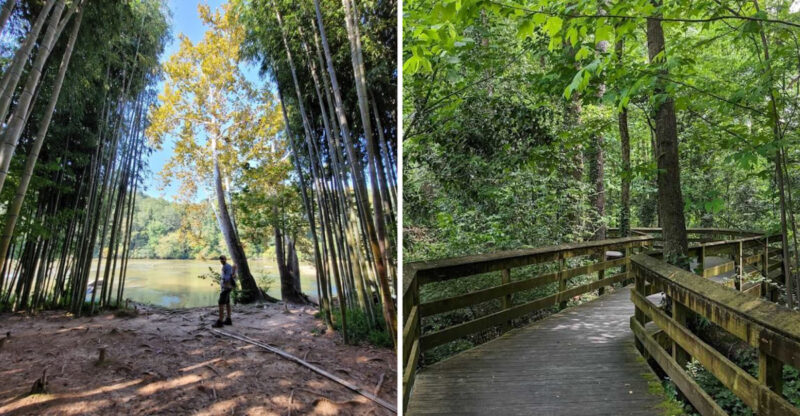
Paved paths wind through maritime forest, past salt marsh, and along the beach for miles without a single traffic light.
You can circle most of the island by bike in a few hours. Rentals are available near the beach village, and the paths are wide enough for families with young kids.
The canopy of live oaks draped in Spanish moss makes even a slow ride feel cinematic.
Walking trails offer a slower pace and closer contact with the landscape. Early morning walks near the marsh reveal egrets, herons, and the occasional deer moving through the grass.
The island rewards people who move quietly and look carefully.
These trails represent the best version of what this place can be. Low-impact, accessible, and deeply connected to the natural environment.
They do not require a reservation or a room key. They are simply there, open to anyone who shows up.
Whatever else this island becomes in the years ahead, those paths through the oaks remain its most democratic offering. No upgrade required, no renovation planned, just the trail and the trees.