The Gorgeous Coastal Town In Oregon That You’ve Probably Never Visited

You can name Cannon Beach. You have seen Haystack Rock in photos a hundred times.
Now try to name a coastal town south of Bandon. That pause is exactly why this article exists.
There is a place on the southern Oregon coast where the boats do not float. They sit on trailers on the dock, and a crane lowers each one into the ocean and hauls it back out again.
Only two ports in the country work this way. Close to thirty fishing boats still run out of here.
About eleven hundred people live in town. They support roughly eight art galleries, which is a ratio worth sitting with.
Ten miles north stands the oldest lighthouse in Oregon. Just south rises the tallest mountain on the coastline.
Nobody built this place for tourists, and that shows in the best way. You will not fight for parking.
A Town At The Edge Of The Map

Port Orford does not brag, yet it quietly holds a national record.
The city stands as the westernmost incorporated city in the contiguous United States. Mountains, forest, and open ocean all meet in one small place.
You will find it halfway between Bandon and Gold Beach on Highway 101. The drive alone delivers seascapes that make you slow down.
Around 1,150 people lived here at the 2020 census. That small number explains the unhurried pace you notice right away.
The name traces back to George Vancouver, who named nearby Cape Blanco for the Earl of Orford. He called the earl a much-respected friend.
Panoramic viewpoints appear from town streets, not only from remote trailheads. That mix of convenience and wildness is rare on this coast.
Nights here stay famously dark, which makes the stars ridiculous in the best way. The climate is mild, so shoulder seasons feel comfortable.
Locals call it an artistic fishing town, and both halves of that phrase hold up. You get working boats and gallery walls within the same few blocks.
Pack layers, a camera, and low expectations about crowds. Port Orford rewards visitors who arrive curious and leave slowly.
Where Fishing Boats Ride The Crane

Watching a fishing boat fly through the air sounds unlikely until you see this harbor. Port Orford runs one of only two dolly docks in the country.
Instead of floating in a marina, boats get lifted by huge cranes. They rest on custom-made trailers parked right on the dock.
The reason is simple geography, since the open ocean offers no protected bay here. Boats leave the water each day and wait on wheels.
Nearly thirty commercial vessels work out of this port. Many are family-run and committed to sustainable fishing practices.
Mornings are the best time to catch the lifting routine. Bring a coffee, stand clear of the working area, and simply watch.
Photographers love the scene because nothing about it looks staged. Cables strain, gulls complain, and the boat swings over the dock.
Signs near the dock explain the system for first-time visitors. Reading them makes the whole operation click into place.
Kids tend to be mesmerized, and honestly, the adults are too. Few harbors on the West Coast offer a show like this.
Respect the crew and their space, since this is a workplace first. Ask questions when someone looks free, not mid-lift.
The catch lands steps away, which shortens the trip from ocean to plate. Freshness here is not a marketing line.
Ocean Views Right In The Middle Of Town

Most towns hide their best view behind a long drive. Battle Rock Park puts it steps from Highway 101.
The park sits in the heart of town, with a wide beach below. Short trails drop from the parking area straight to the sand.
Sea stacks rise out of the surf like scattered stone towers. Sunset light turns them into perfect silhouettes.
The park takes its name from an event in the town’s early history. Interpretive signs share the background for anyone curious.
The visitor center shares this spot, so information is easy to grab. Restrooms and parking make it a simple first stop.
Waves south of the park form some of the region’s better surf breaks. Surfers, paddleboarders, and kayakers all use this stretch.
Walk north and the beach opens toward the harbor. Walk south and you get quieter sand with fewer footprints.
Storm watching draws visitors in winter, when swells slam the rocks. Stay well back from the waterline and skip the slick rocks.
Whale spouts appear offshore during migration seasons. Binoculars turn a nice view into a memorable one.
Photographers often show up before dawn for fog and color. Bring a jacket even on sunny days, because coastal wind arrives fast.
Trails, Sea Vistas, And A Lifeboat Station

Some viewpoints require a permit, a boat, or a punishing hike. Port Orford Heads State Park just asks for comfortable shoes.
Trails loop through the headland with ocean on nearly every side. Benches appear right where your legs start complaining.
The old Lifeboat Station Museum sits at the top of the bluff. Exhibits cover the crews who once launched rescues from this cliff.
A steep set of stairs once carried those crews down toward the water. Looking at that drop makes their work feel very real.
Trail names like Cove, Headland, and Tower keep navigation simple. Signs mark the junctions clearly, so getting lost takes effort.
Wildflowers bring color in spring, and fog gives the place a hushed mood. Both versions are worth the trip.
Whale watching from the headland can be excellent in winter and spring. Pick a clear morning and scan the horizon patiently.
Photos rarely capture how far you can see from the point. The Pacific just keeps going, blue on blue.
Families do well here because the loops stay short. You can see plenty without committing a full day.
Dress warm, since wind on the point cuts through thin layers. The parking area is small but usually manageable.
Oregon’s Oldest Lighthouse Stands Just North

A lighthouse that has watched the Pacific since 1870 deserves your attention. Cape Blanco State Park holds Oregon’s oldest standing lighthouse.
The park sits a short drive north of town, just off Highway 101. The road out to the cape feels like leaving the century behind.
More than eight miles of trails wander toward beaches and the Sixes River. Bluff paths deliver views in both directions.
Wind here is legendary, and the bent grass proves the point every day. Hold your hat and lean into it.
The historic Hughes House stands within the park, built by an early ranching family. Tours show how they lived on this exposed coast.
Camping and cabins make an overnight easy for anyone who plans ahead. Waking up near the cape beats any alarm clock.
Beach access below the bluff rewards a short descent. Driftwood piles up in shapes no artist would plan.
The cape got its name from early Spanish sailors who noted the pale cliffs. That name stuck for centuries.
Sunsets stretch wide here because nothing blocks the horizon. Arrive early and claim a spot on the bluff.
Check the lighthouse tour season before you go, since access varies by month. The grounds stay scenic regardless.
Pockets Full Of Agates And Glass Floats

Treasure hunting sounds like a kid’s game until your pockets get heavy. Agate Beach sits behind a quiet residential stretch of Port Orford.
The beach earned its name honestly, since agates show up in the gravel. Jasper turns up too, in deep reds and burnt oranges.
Glass floats occasionally wash in, along with driftwood shaped by the surf. Low tide after a storm gives you the best odds.
Look for translucent stones that glow when held toward the light. Wet gravel makes spotting them far easier than dry sand.
A small mesh bag beats a plastic one, since sand drains right out. Rubber boots keep the hunt comfortable.
Morning light works better than midday glare for catching color. Cloudy days are surprisingly good as well.
Access takes a little navigating through neighborhood streets. Ask at the visitor center if the route confuses you.
Watch the tide chart before you head down. Sneaker waves are a genuine hazard along the southern coast.
Leave the shoreline as you found it and take only small keepsakes. Local rules protect the beach for the next visitor.
Kids sort their finds for hours on the tailgate afterward. Adults quietly do exactly the same thing.
Galleries And Painted Fire Hydrants

A town of roughly 1,100 people supporting eleven galleries sounds like a typo. Port Orford makes the math work anyway.
Studios and galleries display abstract paintings, blown glass, and modern sculpture. The range is far wider than the population suggests.
The Hawthorne Gallery shows an eclectic mix of local and regional artists. Its indoor and outdoor pieces both pull people in.
Public art spills onto the streets, including colorful mosaic tile installations. Whimsical painted fire hydrants add a wink to the sidewalks.
The Port Orford to Bandon Art Trail links pieces across the wider region. Following it turns a drive into a scavenger hunt.
The Port Orford Arts Council backs cultural events throughout the year. Check what is scheduled before you arrive.
Artists here often point to the light and the isolation as inspiration. Both are in generous supply.
Browsing costs nothing, and gallery owners tend to be welcoming. Ask about materials and you may get a long, good answer.
Bookshops and small gift shops round out an afternoon downtown. Everything sits within a walkable few blocks.
Buying a small piece supports someone working two miles from the ocean. Rainy days make galleries the obvious plan, and the coast supplies plenty.
Dinner That Comes Straight Off The Boat

Meeting the person who caught your dinner is not a normal restaurant feature. In Port Orford, it happens right by the dock.
The Port Orford Seafood Market Co-Op sells its daily catch straight off the pier. Albacore tuna and rockfish are regulars on the counter.
Port Orford Sustainable Seafood runs a community-supported fishery model. Visitors and members both benefit from that very short supply chain.
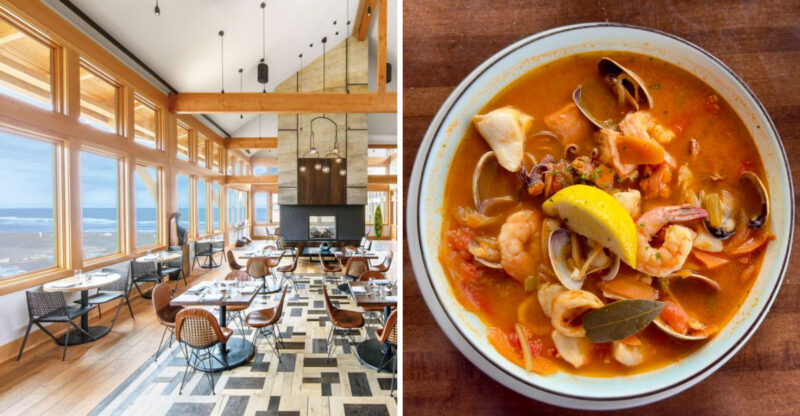
Their on-site kitchen, The Galley, turns the catch into simple, honest plates. The menu lists options like savory black cod miso bowls.
Rockfish tacos show up too, and they disappear fast. Order, grab a seat, and watch the boats.
Prices reflect a real working fishery, not a tourist markup. You taste the difference immediately.
The town is a key stop on the Wild Rivers Coast Food Trail. That trail connects small producers along the southern coast.
Availability shifts with the season and the weather. Flexibility is part of eating this close to the source.
Buy fish to take home if you packed a cooler. Ask staff how to keep it cold for the drive.
Picnic tables near the water beat any dining room view. Between the food, the galleries, and those dark skies, most visitors plan a return.