The Hidden Connecticut Nature Center Where The Turtle Exhibit Is Only The Beginning
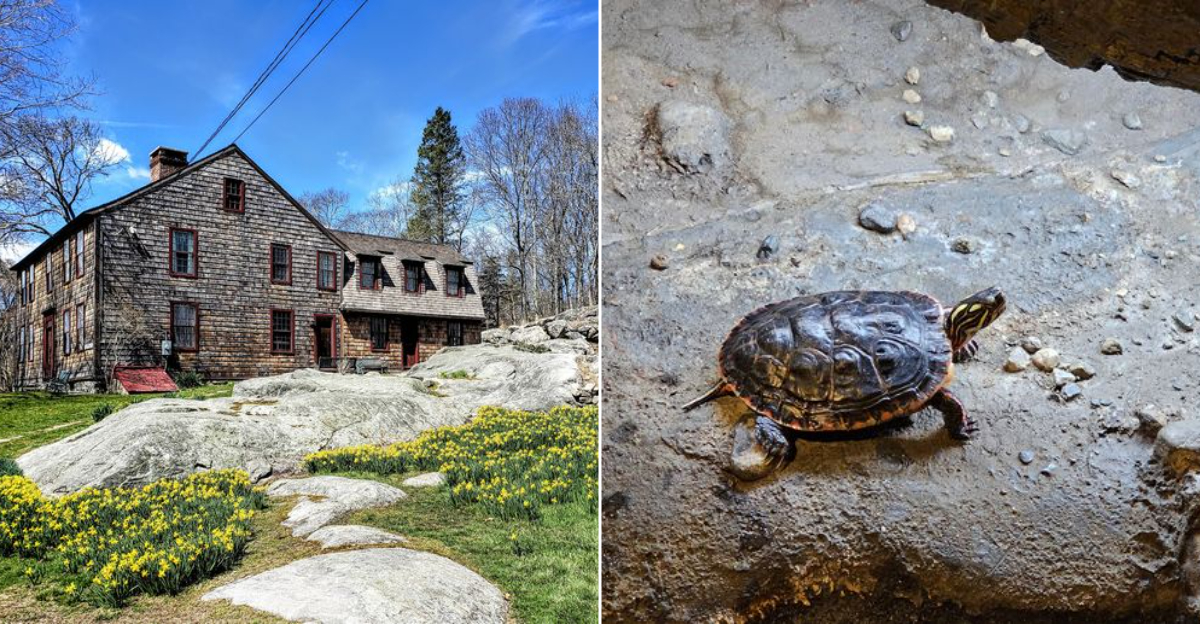
Turtles have a quiet way of stealing attention once you stop long enough to watch them.
One moment feels like a quick look through the glass. The next turns into a full conversation about shells, tiny movements, and which turtle seems the most curious.
A hidden Connecticut nature center makes that first encounter feel like the beginning of a much bigger visit.
The indoor exhibits give families an easy place to start, especially when kids want to see local wildlife up close. Then the day naturally stretches beyond the museum.
Outdoor paths lead into the surrounding habitats, where the experience feels less like a scheduled attraction and more like following curiosity wherever it goes.
There is no need to rush from one thing to the next. The best part is letting everyone notice something different.
You may arrive thinking the turtles will be the main event.
By the time you leave, they may only be the reason you started exploring.
1. Resident Turtles Inside The Natural History Museum
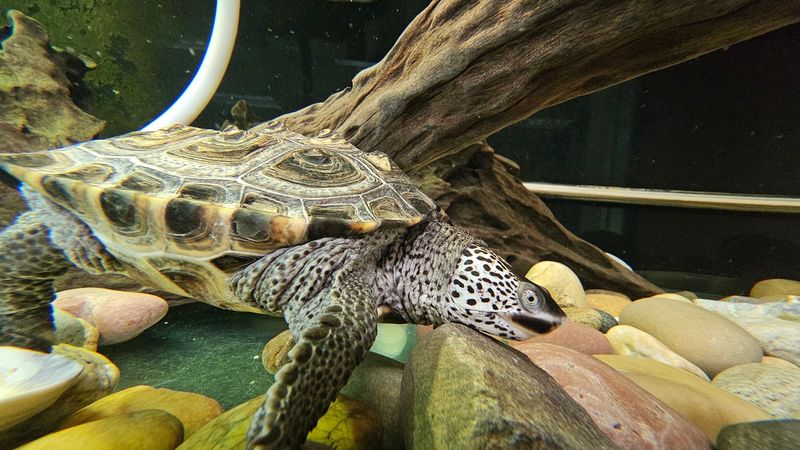
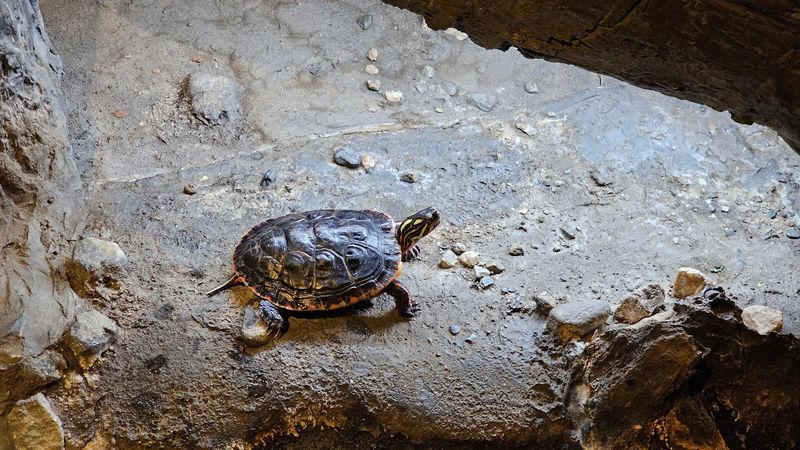
Resident turtles are part of the live-animal experience inside Denison Pequotsepos Nature Center’s Natural History Museum in Mystic.
The museum features live exhibits of native turtles alongside other wildlife found in the region, giving visitors a close look at animals they might otherwise only glimpse outdoors.
The center also cares for turtles through its licensed wildlife rehabilitation and education work. Its goal is to return healthy animals to suitable habitat whenever possible.
Animals that cannot be released may remain in its care as Animal Ambassadors, helping educators teach visitors about native species and conservation.
One currently featured ambassador is Jazzy, a Northern Diamondback Terrapin that arrived from another rehabilitation facility in 2021. The center’s animal-care program has also worked with several other native turtle species over the years, each with different habitat, diet, and care needs.
That variety gives the exhibit more purpose than simply displaying animals. Visitors can see how Connecticut’s turtles differ in appearance and lifestyle while learning why healthy wetlands, forests, and coastal habitats matter to their survival.
For younger visitors, the turtles offer an approachable introduction to local wildlife and a reason to look more closely at the animals living throughout southern New England every day.
2. Wildlife Encounters Far Beyond One Exhibit
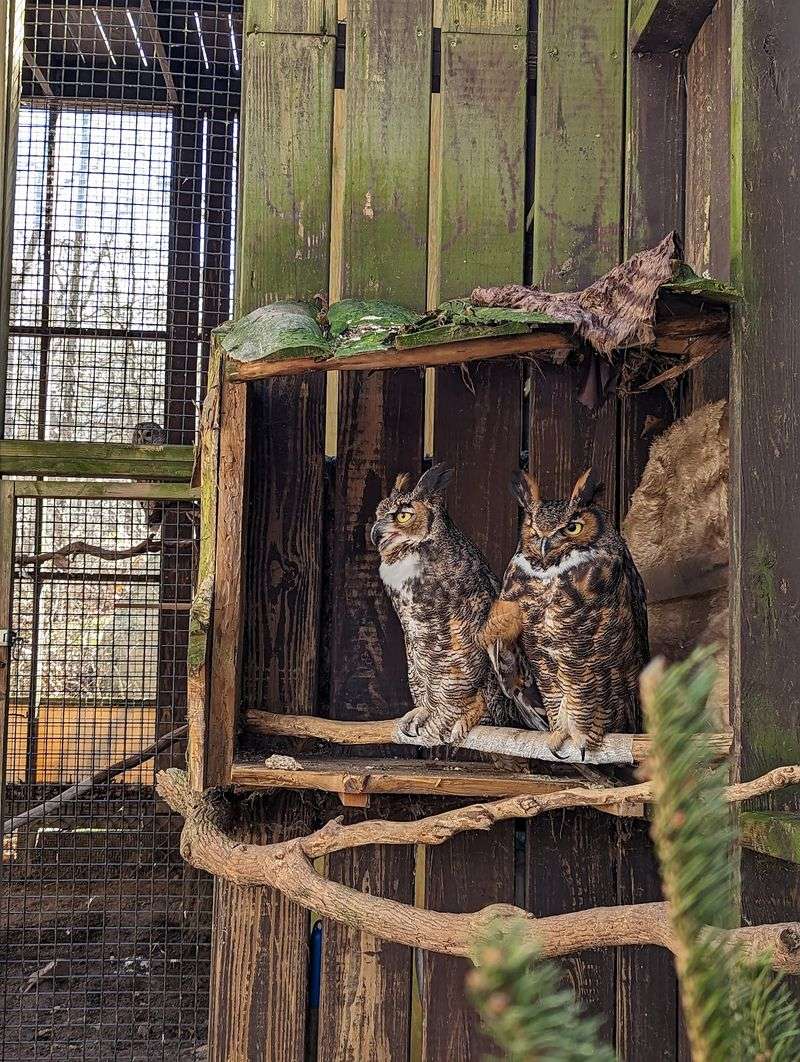
Past the live tanks, the museum opens into displays built around the habitats of southeastern Connecticut: forest, wetland, and meadow.
Instead of one big centerpiece, the space works like a series of small discoveries, some interactive and some traditional, arranged so that each corner offers a different reason to slow down.
Life Under a Log is a favorite for anyone who has ever flipped over a rotting branch out of curiosity. It magnifies the hidden world of centipedes, ants, and mushrooms until the small stuff looks appropriately dramatic.
Kids tend to press right up to it, then head outside determined to find their own log to investigate.
Night in the Meadow takes a different approach, using an intimate theater setting to recreate the sounds and movement of fireflies and other creatures that get busy after sunset.
Short, atmospheric, and popular with younger visitors, it gives a sense of what the surrounding land does when nobody is watching.
Bird lovers should look for the classroom exhibit holding more than 200 antique mounted specimens, a remarkable reference collection for learning local species at close range.
Nearby cases focus on eggs, nests, and skulls, the kind of details field guides describe but rarely let you study inch by inch.
3. Owls And Hawks Among The Live Exhibits
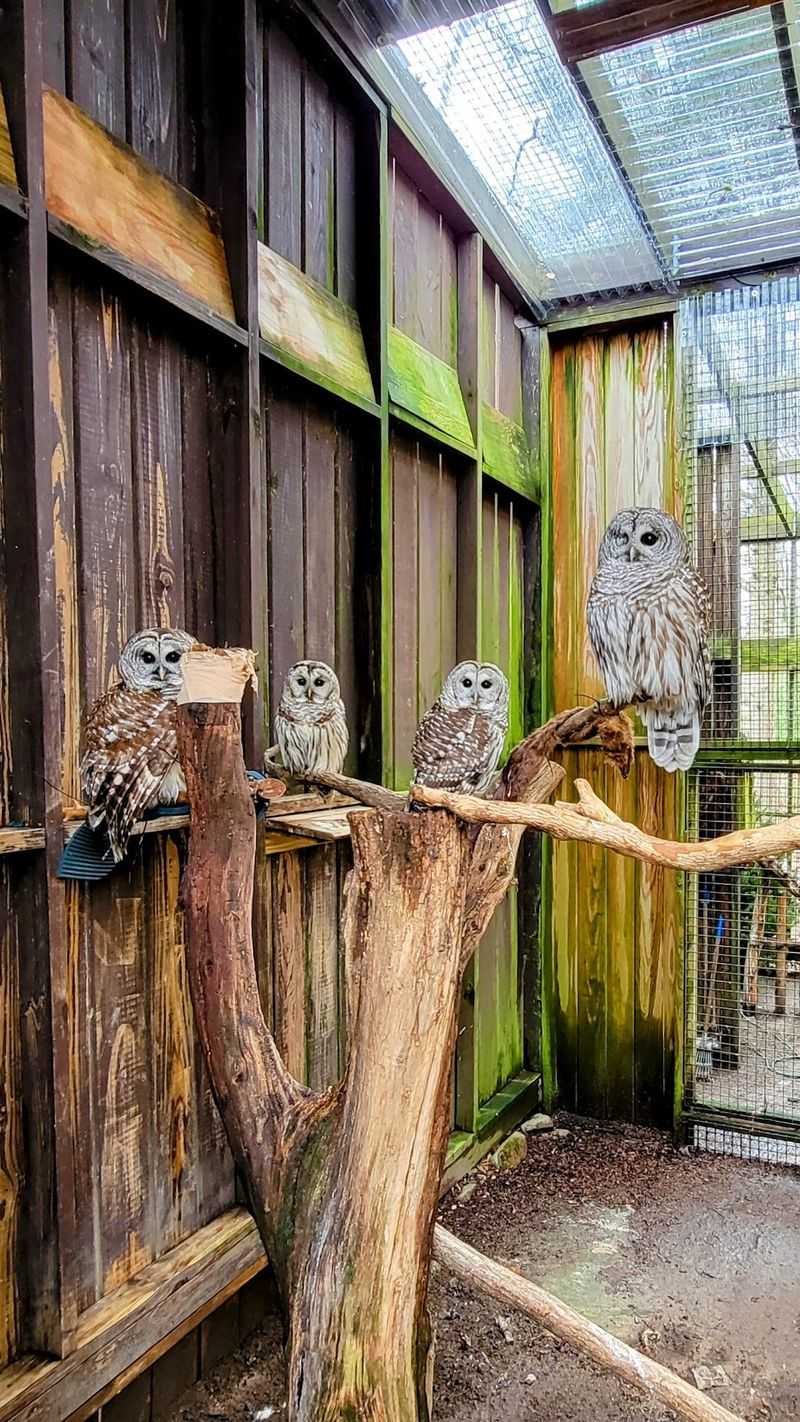
Outside the main building, a series of flight enclosures holds some of the most memorable residents on the property. Hawks and owls native to southern New England live here, and standing a few feet from a Great Horned Owl has a way of rearranging your sense of scale.
The lineup has included Barred Owls, Eastern Screech Owls, Red-Tailed Hawks, Broad-Winged Hawks, American Kestrels, and Peregrine Falcons, though which birds are on view can shift over time.
Each arrived through the center’s rehabilitation work, and injuries mean they cannot safely return to the wild.
Their new role is described as Animal Ambassador, which means they help teach in programs for school groups, camps, and visitors. Watching a screech owl blink from a perch teaches more about camouflage than any poster could.
Programs built around these birds turn a quiet look through mesh into a lesson people remember for years.
Warm months are lively out here, with birds more active and the surrounding trees full of wild songbirds calling back. Visitors frequently mention how close the enclosures feel and how carefully the birds appear to be looked after.
Bring a camera with a decent zoom, move slowly, and keep voices low so the raptors stay comfortable.
4. Wildlife Rescue Behind The Visitor Experience
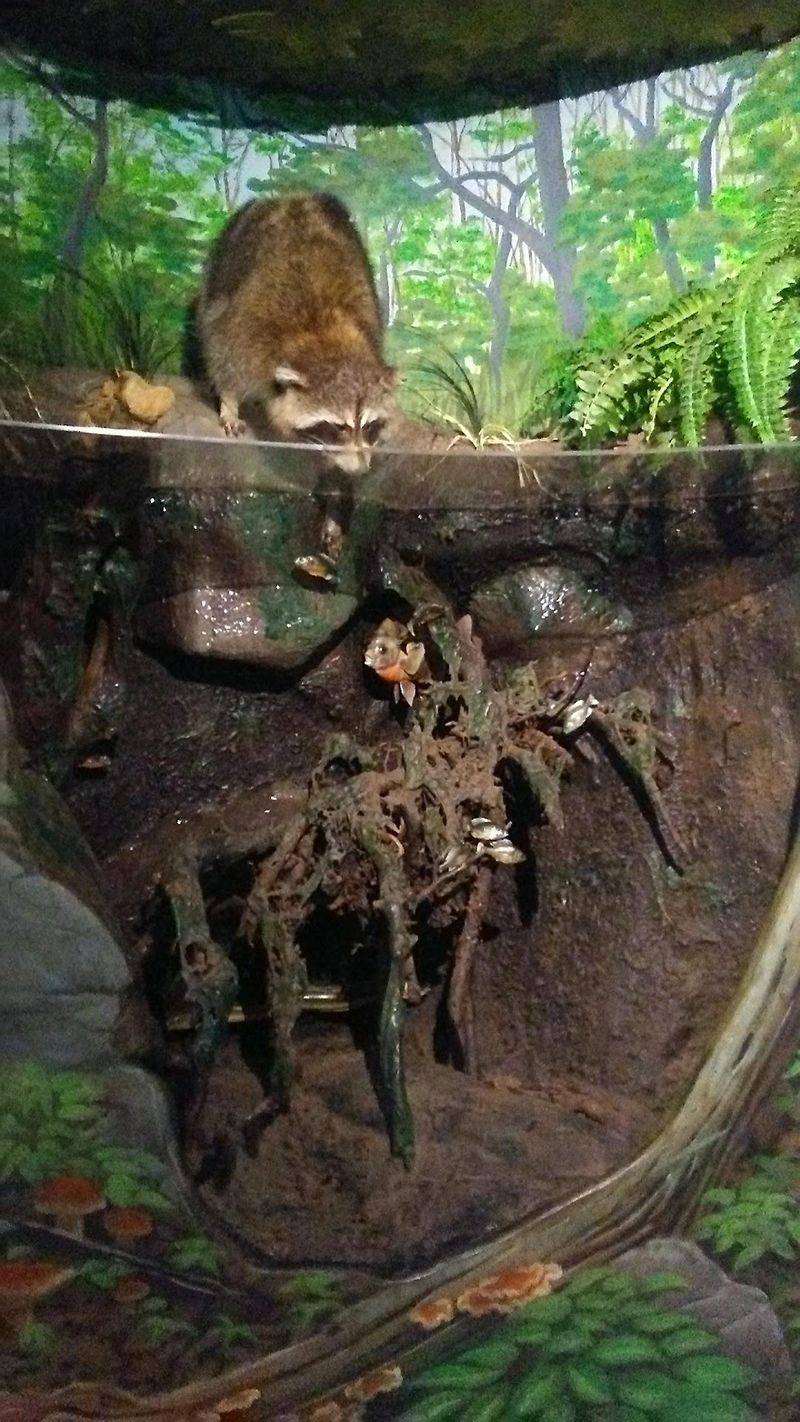
Behind the exhibits and trails runs a quieter operation: the center is a federally licensed wildlife rehabilitation and education facility. Injured native animals arrive throughout the year, receive care, and, whenever possible, go back out into suitable habitat once they are strong again.
Release is always the preferred ending. When an injury rules that out, the animal may stay on as an Animal Ambassador, joining programs where it helps people understand a species they would rarely see this closely.
Ambassadors often become the animals visitors remember longest, giving programs a weight that photographs and slideshows cannot match.
Rehabilitation work here centers on birds of prey and songbirds, with small mammals accepted when space and resources allow.
Because the buildings and grounds are open to the public, rabies vector species such as raccoons, skunks, foxes, and woodchucks cannot be taken in, though staff will help point callers toward other certified rehabilitators in their network.
Knowing this changes the feel of a visit. Admission fees, memberships, and donations help fund the care that happens out of sight, so a casual afternoon of looking at turtles quietly supports something larger.
If you ever find an injured bird nearby, calling ahead is the sensible first step rather than transporting it on a hopeful guess.
5. More Than Ten Miles Of Connected Trails
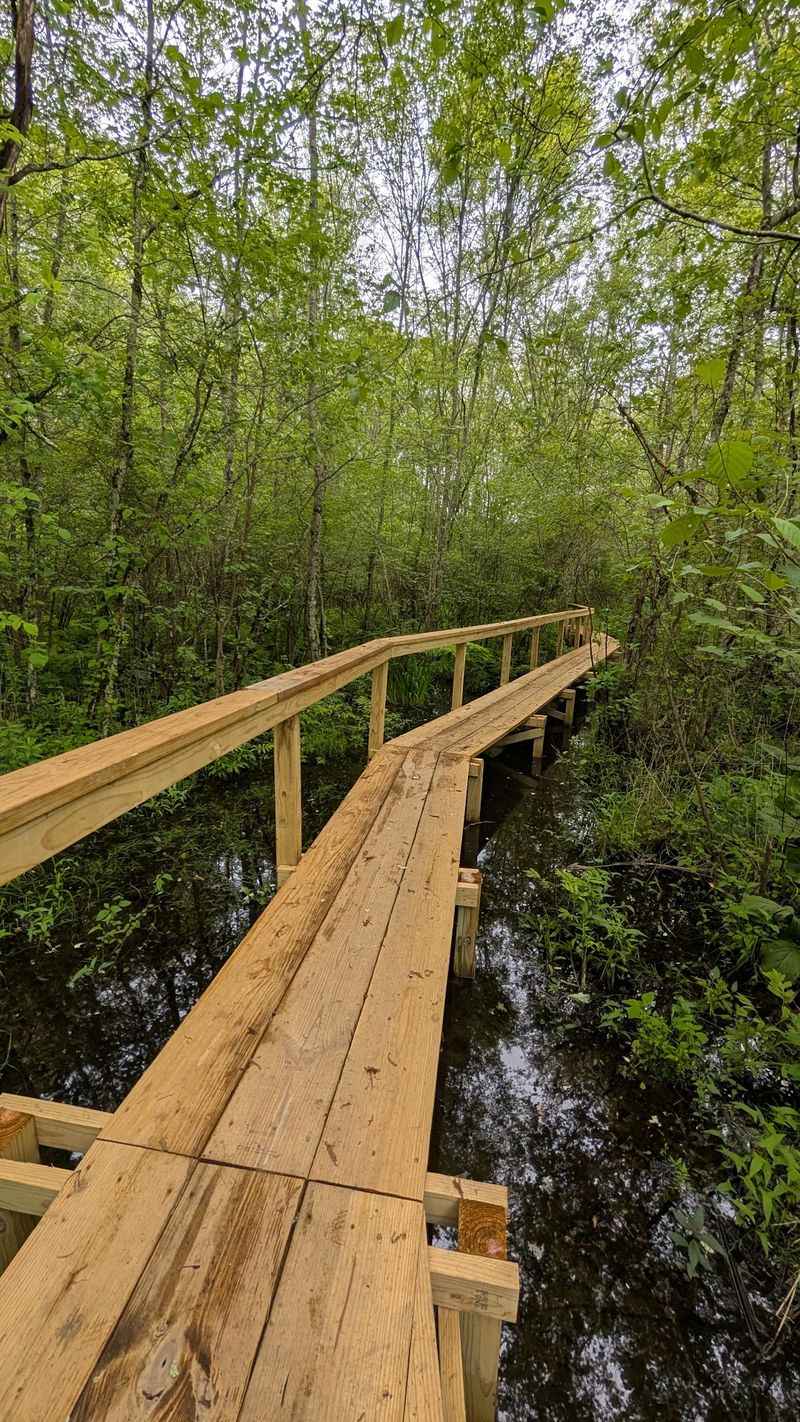
More than ten miles of marked trails link the main property with Coogan Farm, and they are free to walk from dawn until dusk, every day of the year. The routes wander through woodland, wetland, and meadow, past ponds, small streams, and glacial erratics left behind by retreating ice.
Boardwalks carry walkers over the soggiest wetland stretches, which keeps boots dry and puts you unusually close to frog chorus territory. Some sections roll along gentle grades while others turn rooty and uneven, so sturdy shoes beat sandals on damp days.
Birders have plenty of reason to visit. More than 175 species have been recorded across the sanctuary, with 69 known to nest, including three kinds of owls.
The pond loop tends to be the easiest introduction, and early morning walks in spring bring the loudest soundtrack, with songbirds filling the canopy.
A nice touch: themed backpacks can be borrowed at the front desk, stocked for insect hunting, birding, or general forest exploring. Leashed dogs are welcome on the Coogan Farm trails, but not on the paths ringing the nature center building, where the resident ambassador animals live.
Pack insect repellent in summer and check for ticks afterward.
6. Coogan Farm Across The Greenway
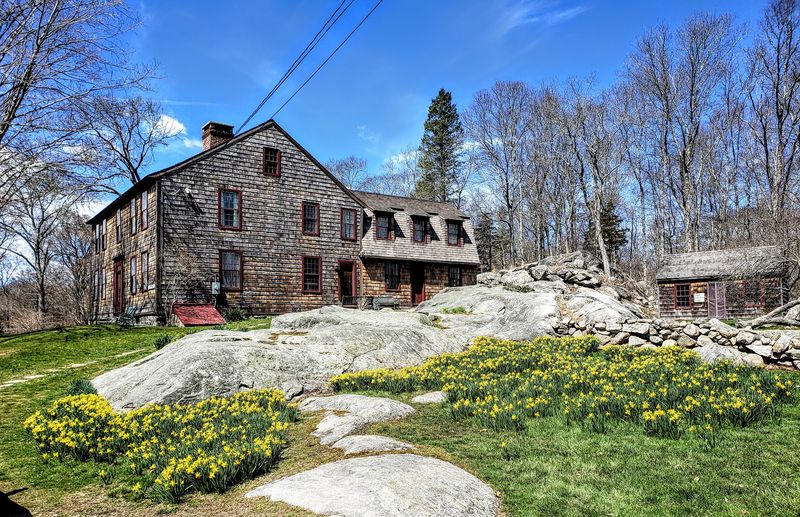
Across the greenway sits Coogan Farm, a 45-acre historic property preserved for wildlife and recreation. The nature center acquired it in 2013 in partnership with the Trust for Public Land, creating a protected corridor that ties the farm directly to the main campus.
The landscape feels different from the woods next door. Winding paths cross open meadows and hedgerows, and a restored pear and apple orchard hints at how people worked this ground long before it became public space.
Interpretive material fills in the historical and cultural story of the land.
One project deserves special mention. The Giving Garden grows fresh produce that is donated to help feed people facing food insecurity in New London County.
Walking past rows of vegetables destined for local tables adds an unexpected layer to a nature outing. Conservation runs deep here too.
A U.S. Fish and Wildlife Service easement permanently protects habitat for the New England cottontail, and the property’s position along the Atlantic Flyway makes it a rewarding spot for birdwatching during migration.
Trails open at dawn and close at dusk with no admission charge, and the historic farmhouse holds offices, a teaching kitchen, and a welcome center.
7. Pequotsepos Road On Mystic’s Quieter Side, With Roots In 1946
Mystic is known for its busy downtown, drawbridge traffic, and waterfront crowds, so the calm along Pequotsepos Road comes as a pleasant surprise.
Roughly 350 acres of protected woodland, wetland, and meadow surround the center at 109 Pequotsepos Road, Mystic, CT 06355, only a short drive from the harbor bustle.
The story starts earlier than most visitors expect.
Land was left to the Denison Society in 1930, a garden club member proposed a bird sanctuary in 1943, and the Pequot-sepos Wildlife Sanctuary was formally incorporated in 1946, with early programs, a trailside museum, and a trading post in a barn.
Community fundraising brought the present nature center into being in 1972, and education has stayed central ever since.
Year-round offerings include summer camps, guided hikes, birding outings, and ecology classes, plus a nature-based preschool, indoor and outdoor classrooms, and programs aligned with Next Generation Science standards.
Doors are open seven days a week for most of the year, generally from mid-morning through late afternoon, with a slightly earlier start on Saturdays and closures on a handful of major holidays. Checking current hours before driving over is smart, especially in shoulder seasons.
Admission is modest, and reduced or free options exist so cost is not a barrier.