The 1,335-Foot Hill In Wisconsin That Turns Into A Sea Of Color Every Fall
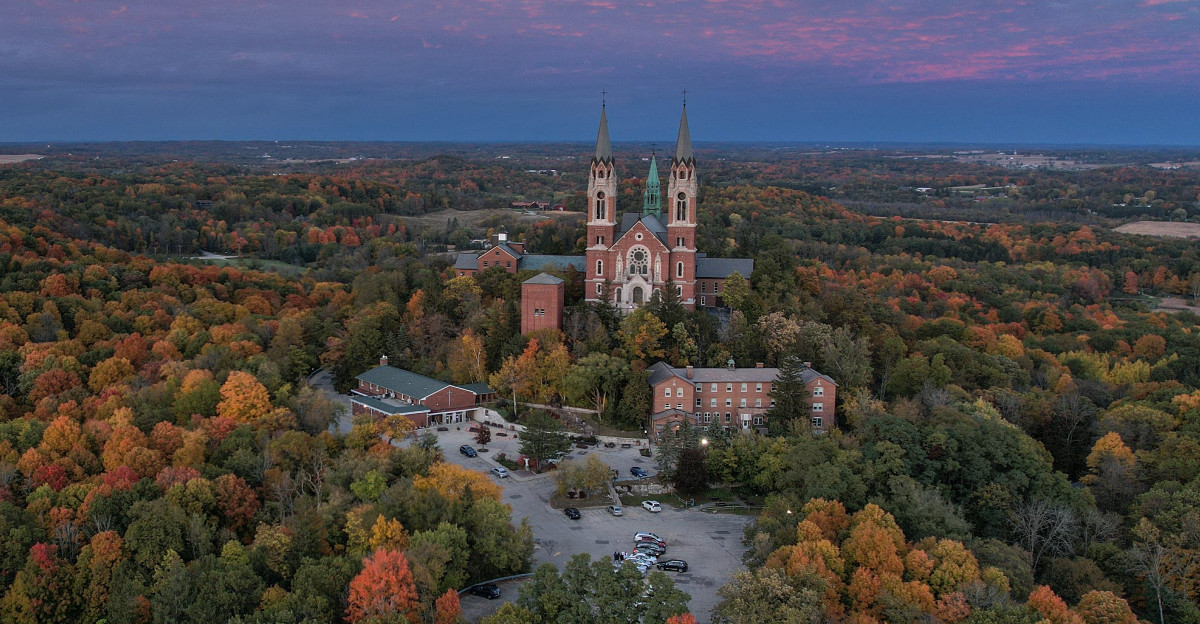
Every curve up this Wisconsin hill seems to turn the color dial a little higher.
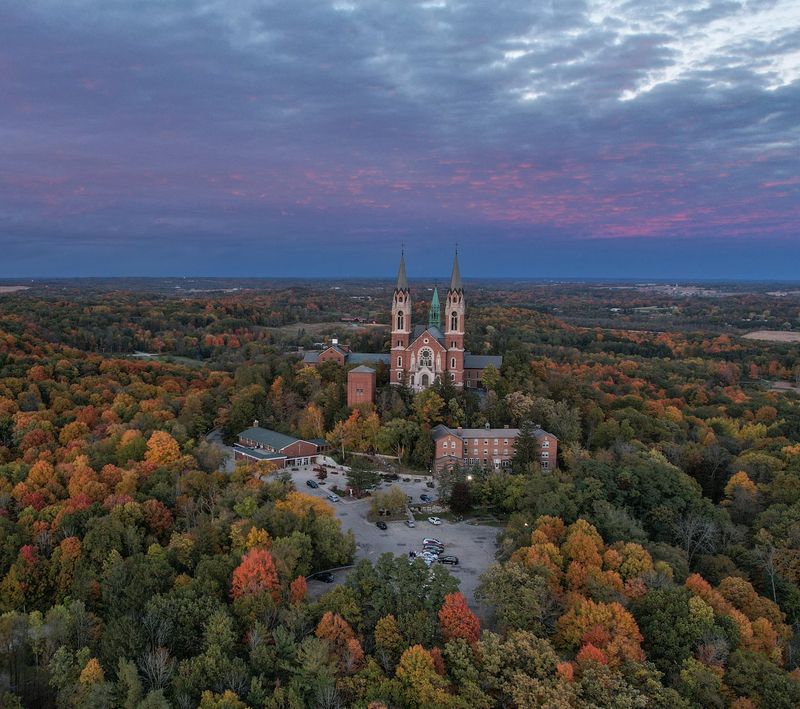
Red maples glow beside orange leaves, golden treetops spread across the Kettle Moraine, and dramatic stone spires rise above the whole scene.
Then the view from the top makes the drive feel like a warm-up!
A scenic tower extends the panorama even farther, while woodland trails let visitors experience the color at a quieter pace.
The basilica adds stained glass and striking architecture to an already dramatic setting.
Does autumn really need to show off this much? Apparently Wisconsin thinks it does, and nobody is complaining.
A Hill With Deep Roots
Long before any spires appeared, this hill already carried layers of local tradition.
Early accounts connect the area with Potawatomi and Menominee oral traditions about a Black Robe missionary who prayed on a prominent hill and raised a cross.
In the mid-1800s, a hermit named François Soubrio drew fresh attention to the hill.
He reportedly found an old French diary and map dated 1676. The pages described a cone-shaped mountain in Wisconsin.
According to the tradition recorded in Holy Hill’s history, the writer built a simple stone altar and raised a cross.
The writer also dedicated the spot to the Virgin Mary. The account later became associated with Jesuit missionary activity in the region during the late 1600s.
Irish settlers also embraced the hill as a place of prayer. They were the first to call it Holy Hill. Their nickname stuck around for good.
In 1863, the name became official at the dedication of a small log chapel. The Archdiocese of Milwaukee took ownership of the land in 1876. Construction of a larger shrine followed a few years later.
You can find Holy Hill – Basilica and National Shrine of Mary Help of Christians at 1525 Carmel Rd in Hubertus.
A Castle Built For Prayer
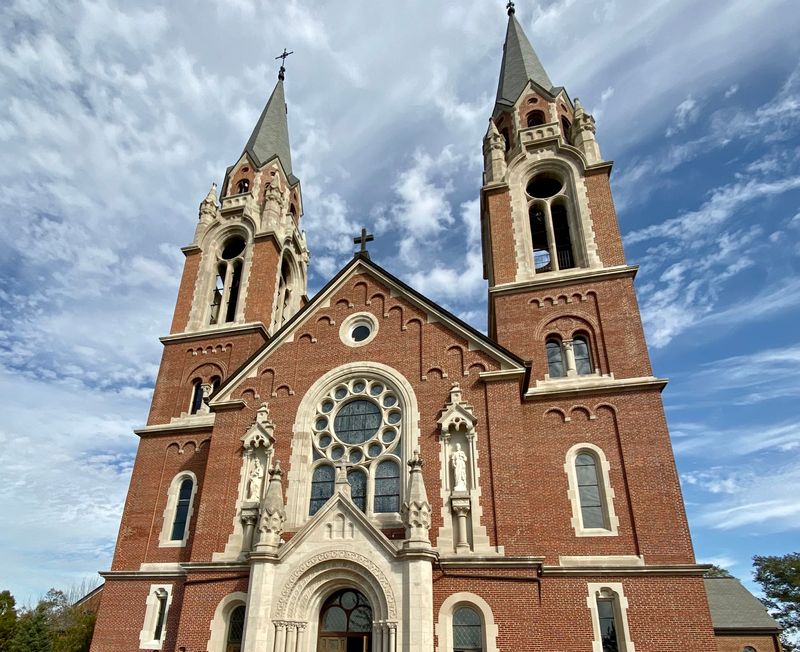
Twin towers poke into the sky like something out of a storybook. From a distance, the silhouette can feel almost European.
The cornerstone for the current basilica was placed in 1926, and construction continued for several years.
The church was completed and consecrated in 1931. Its neo-Romanesque style borrows ideas from churches of the 11th and 12th centuries. Heavy masonry gives it a sturdy, fortress-like look.
Up close, rounded arches, stonework, and balanced proportions reinforce the Romanesque design.
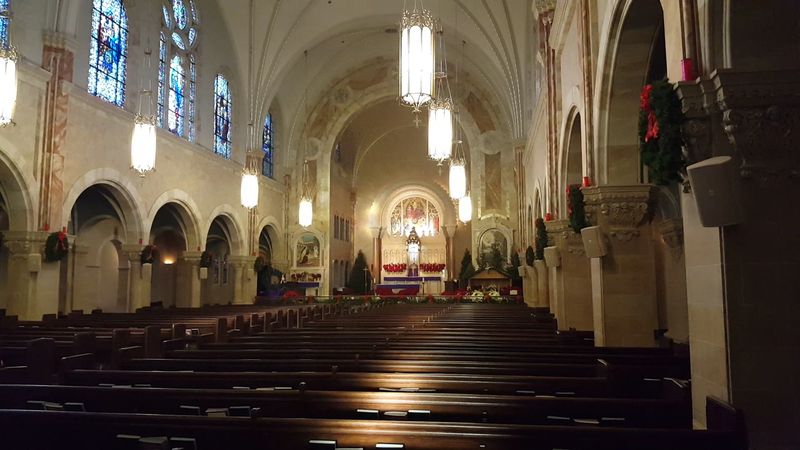
Inside, the mood shifts from mighty to peaceful. Stained glass windows scatter colored light across the floor. Gold accents glimmer along the nave above the pews.
A major interior renewal in the 1980s cleaned and repainted both the upper and lower churches.
Gold leaf and warm neutral tones refreshed the sanctuary while preserving its Romanesque character. Decorative work from that project remains part of the interior today.
The stained glass, hand-carved oak pews, terrazzo floor, and hand-wrought metalwork all deserve attention.
Climbing 178 Steps Skyward
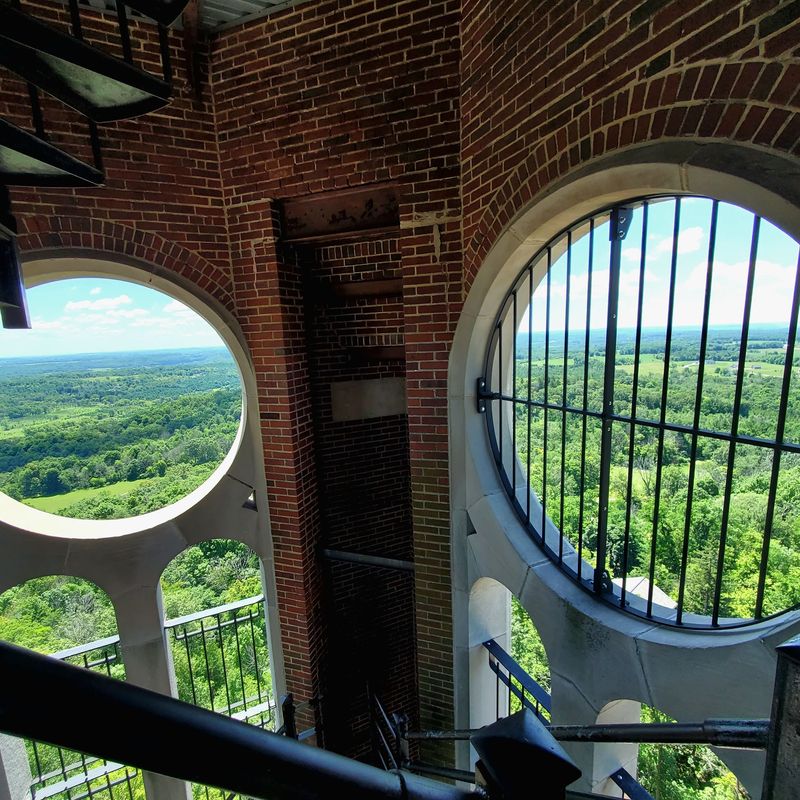
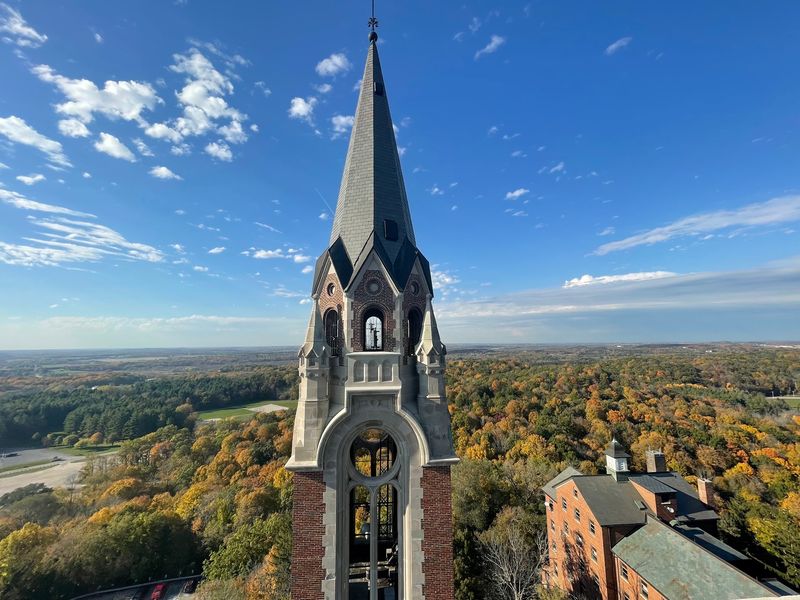
The scenic tower rewards visitors who are ready for a long stair climb. The route includes 178 steps, while the tower stretches 192 feet from its base to the tip of the spire.
The stairs wind upward in narrow turns. Some sections feel steep, so a steady pace and the handrail help. Upper levels are open to outside conditions, which means wind and chill are possible.
The reward is a huge view of the Kettle Moraine countryside. Glaciers shaped these rolling hills thousands of years ago. On clear days, the Milwaukee skyline can appear on the far horizon.
Here is a key planning fact. The tower opens seasonally from May 1 through October 31, weather permitting. Rain, high winds, fog, frost, wet stairs, and other unsafe conditions can temporarily close it.
October is one of the busiest seasons at Holy Hill. Visitors may need extra time around the tower on popular fall weekends. Because the stairway is narrow, moving carefully helps everyone share the route.
A light jacket can make the upper levels more comfortable on cool days.
When The Leaves Light Up
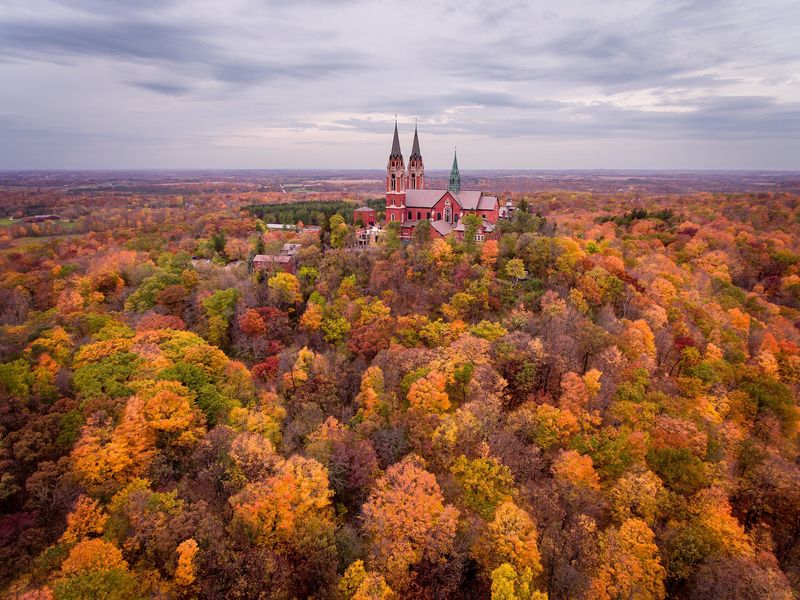
Fall is the season when this hill steals the show in Wisconsin. Holy Hill rises about 1,335 feet above sea level on a glacial landform known as a moulin kame.
Hardwood forests circle the summit on every side. Each autumn, they burst into reds, oranges, yellows, and deeper seasonal tones. The color sweeps across the hills in every direction.
Mid- to late October often brings the strongest color in this part of the state.
Nature sets its own schedule, though, so timing can shift each year. Current fall color reports are more reliable than choosing the same weekend every season.
The drive itself is half the fun. Curving roads pass through wooded Kettle Moraine terrain on the way up. The approach becomes especially scenic once the surrounding canopy begins to turn.
Roughly half a million people visit Holy Hill in a typical year. October is particularly popular for sightseeing and hiking. Busy fall weekends can bring heavier traffic around the grounds and tower.
Photographers can frame the basilica with bright branches while the elevated setting opens long views across the countryside.
Trails Through Quiet Woods
Beyond the main buildings, the wooded grounds become noticeably quieter. Birds chatter, leaves crunch, and the basilica slips out of sight.
The grounds cover about 435 acres of forest and open space.
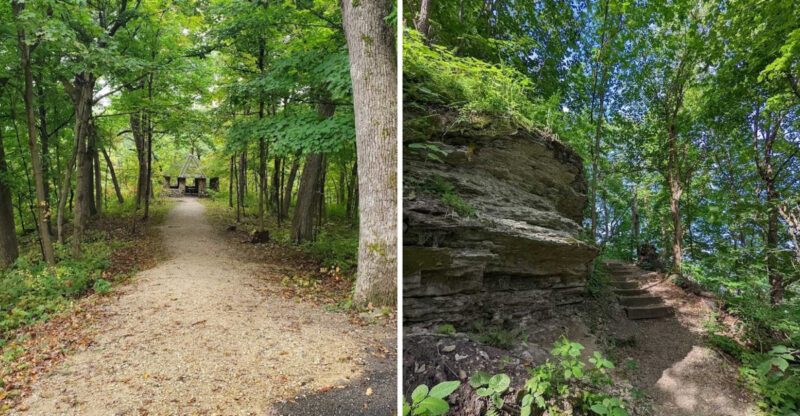
Paths connect the shrine complex with devotional areas, picnic spaces, and wooded sections. The trails offer a useful change of pace after the tower climb.
One standout route is a segment of the famous Ice Age National Scenic Trail. The Holy Hill Segment runs through hilly, wooded terrain, and a connector from the lower parking area reaches the main trail.
The terrain includes slopes, roots, boardwalk sections, and uneven ground. Even a shorter walk shows off the rolling glacial landscape.
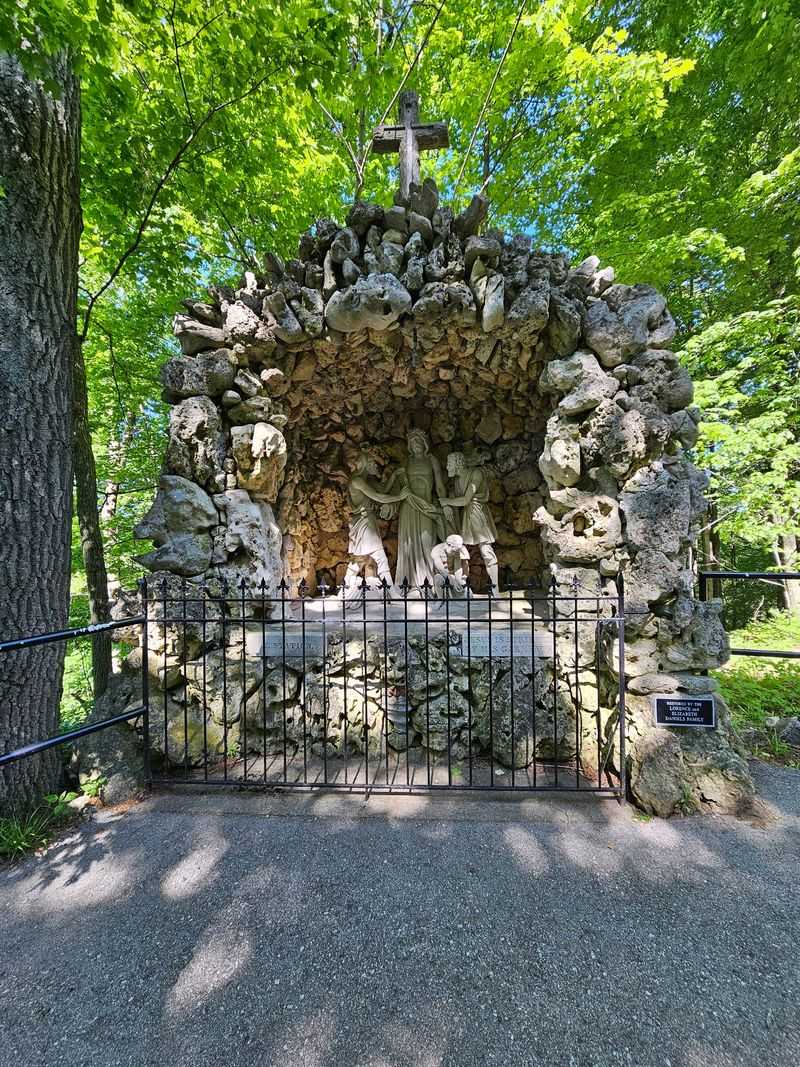
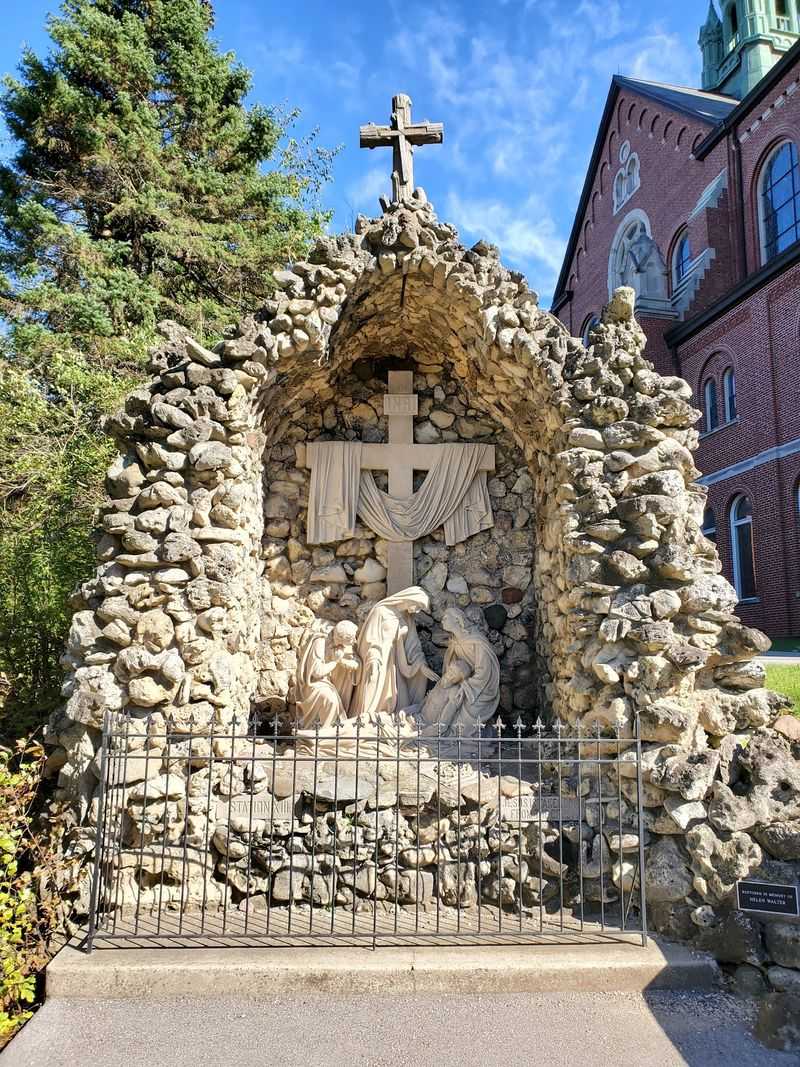
The outdoor Stations of the Cross follow a separate route through the grounds. Nearly life-size stone figures mark the stations along the way. The route ends near the lower church.
A designated picnic area sits near the first station. Sturdy shoes make sense on the wooded routes, and water is useful when combining the trails with the hilltop attractions.
A Shrine With Special Honors
Pilgrims have been climbing this hill for generations, and the reasons run deep. Since 1906, the Discalced Carmelite Friars have cared for the shrine.
Peace, beauty, and prayer shape the visitor experience. Roughly half a million pilgrims and sightseers come in a typical year.
Some attend worship, while others visit for architecture, hiking, or quiet reflection.
The shrine carries some impressive titles. In 1903, Pope Leo XIII granted it the Portiuncula privilege. The designation carries specific devotional significance within Catholic tradition.
Another honor arrived in 2006. Pope Benedict XVI raised the shrine to a minor basilica. Its full name became Holy Hill – Basilica and National Shrine of Mary Help of Christians.
The Shrine Chapel holds a historic Marian statue brought to the hill in the nineteenth century. Marble, bronze work, and stained glass make the chapel one of the most detailed interior spaces.
Visitors from many backgrounds also come to admire the architecture and landscape.
Masses, Bells, And Retreats
Bells, prayers, and soft music shape the daily rhythm on the hilltop. Worship happens here every day of the week.
Daily Masses are offered Monday through Saturday. On weekends, there is a Saturday Vigil Mass and several Sunday Masses. A Spanish-language Mass is also part of the Sunday schedule.
Confession times run on a regular schedule. Adoration and rosary prayers also fill the calendar. Blessings are available at scheduled times as well.
The stone interior gives voices and music a noticeable echo. Visitors should remain respectful during services and prayer times. Planning around the published service schedule helps keep a sightseeing visit from interrupting worship.
Holy Hill also offers day and overnight retreats. Overnight lodging is available in the New Guest House and the Old Monastery Inn. The older retreat buildings involve stairs and are not suitable for every mobility need.
A shorter daytime visit can still combine the basilica, tower, and grounds without feeling rushed.
Smart Tips For Your Visit
A little planning turns a good trip into a great one. Fall weekends can be busy, so allowing extra time makes the day easier.
The basilica opens daily from 6 AM to 5 PM, while the grounds remain open later. The scenic tower operates only from May through October and can close when weather makes the stairs unsafe.
An elevator inside the gift store building provides access to the church level. The elevators were installed specifically to make the hilltop shrine easier to reach without using the long exterior stairways.
The on-site café serves soups, sandwiches, salads, baked goods, tea, and coffee drinks. The gift shop sells religious items, books, cards, and keepsakes.
The café and gift shop follow different operating schedules, so meal breaks work best when planned around their daytime hours. Both sit below the basilica near the main visitor approach.
Remember that this is an active place of worship. Dogs must stay leashed on the grounds and cannot enter buildings or the basilica platform. Drones are not allowed anywhere on the property.
For the best timing, current Wisconsin foliage reports are more useful than relying on a fixed peak-color date every year.