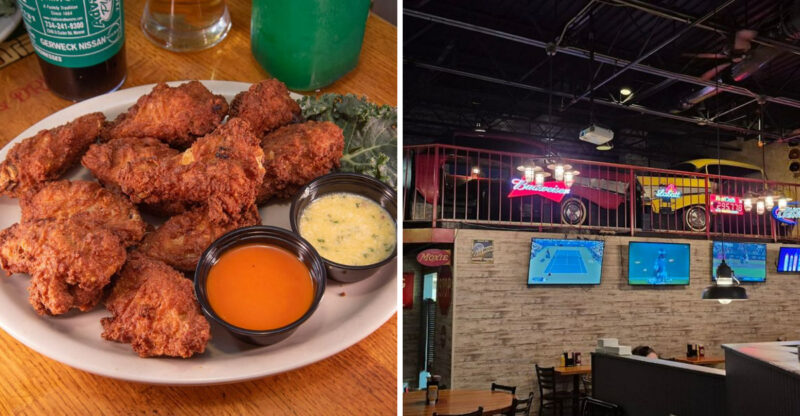
The Historic Michigan Bakery That’s Been A German Tradition For Generations
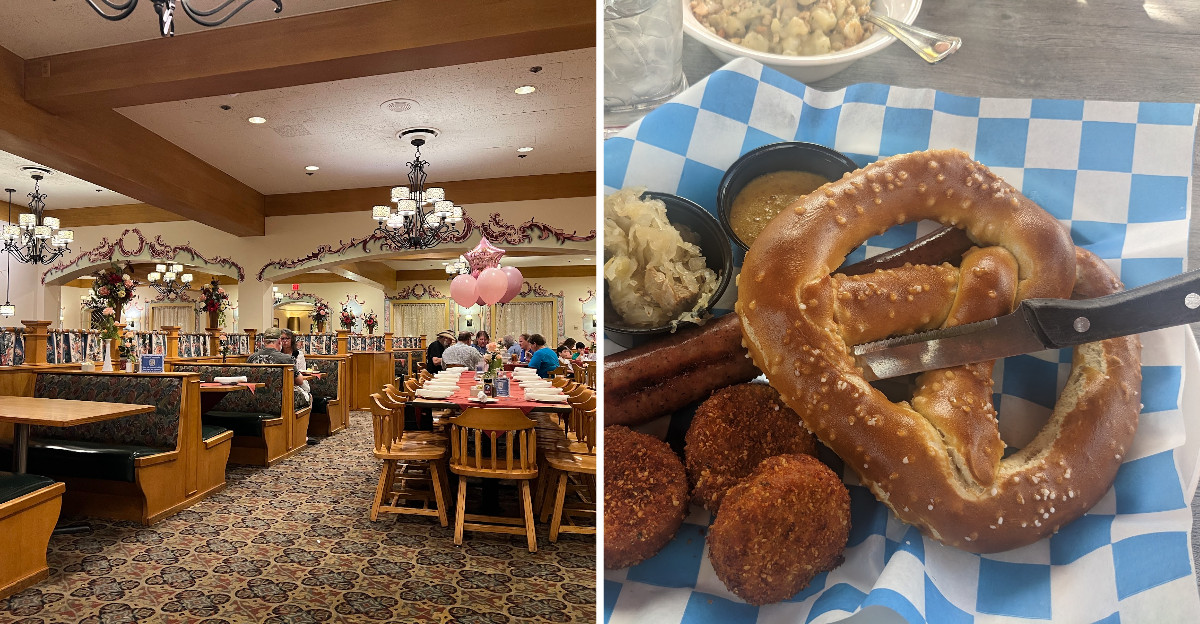
The smell of warm pretzels hits first. Then you notice the strudel, the cookies, the cakes.
Suddenly breakfast has become a much bigger commitment!
One historic Michigan bakery keeps generations of German tradition alive beneath a storybook Bavarian setting.
The charm is not only in the recipes. It is in the whole feeling of the place, where old family history and fresh pastry somehow fit together perfectly.
You can even try making a pretzel yourself. How fun is that?
By the time you leave, the bag in your hand may be heavier than planned, and absolutely nobody will regret it.
A Castle Built On Flour
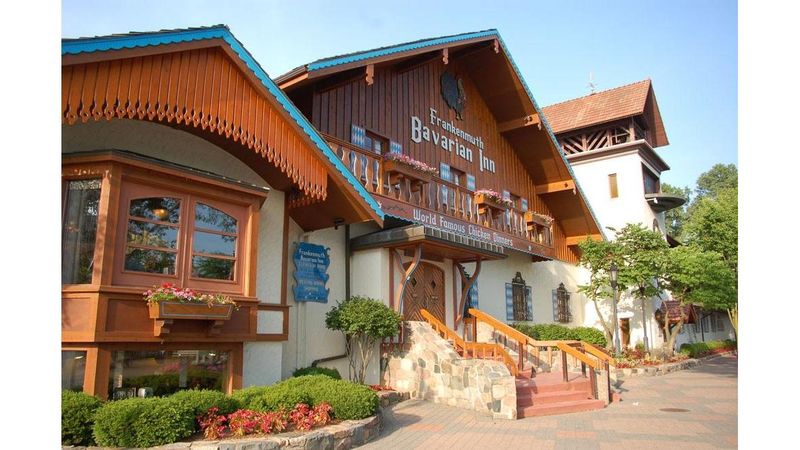
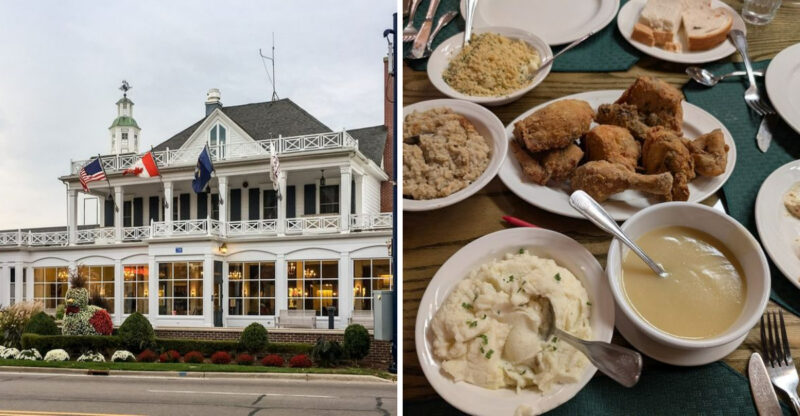
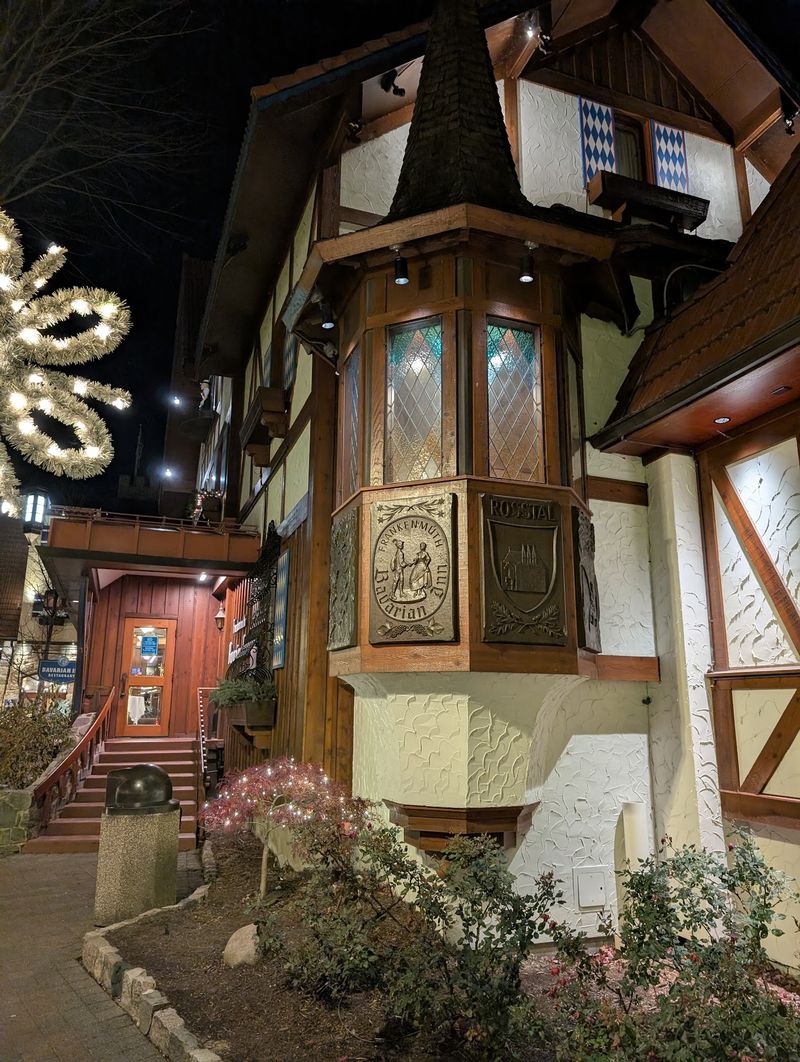
Some buildings hold rooms, but this one holds a whole storybook. The Bavarian Inn Restaurant towers over Main Street with painted walls and flower boxes that pop with color.
My first glance at the place made me grin like a kid on a field trip. It honestly looks like it rolled off a German postcard and landed in Michigan.
Downstairs sits the real treasure for sweet tooth hunters. The Castle Shop Bakery lives on the lower level, inside a cozy area called the Castle Shops.
Cobblestone paths wind past little storefronts, and the lighting has a soft, fairytale glow. Footsteps echo a little on the stones, which somehow adds to the fun.
Here is a handy tip for planning your day. The bakery opens at 9 a.m. all year, while the dining rooms upstairs open later in the morning.
That means you can grab breakfast pastries before the lunch crowd even wakes up. Smart travelers call that a head start; I call it a strudel strategy.
Some castles guard gold, but this one guards something far tastier: warm bread.
Roots Reaching Back To 1888
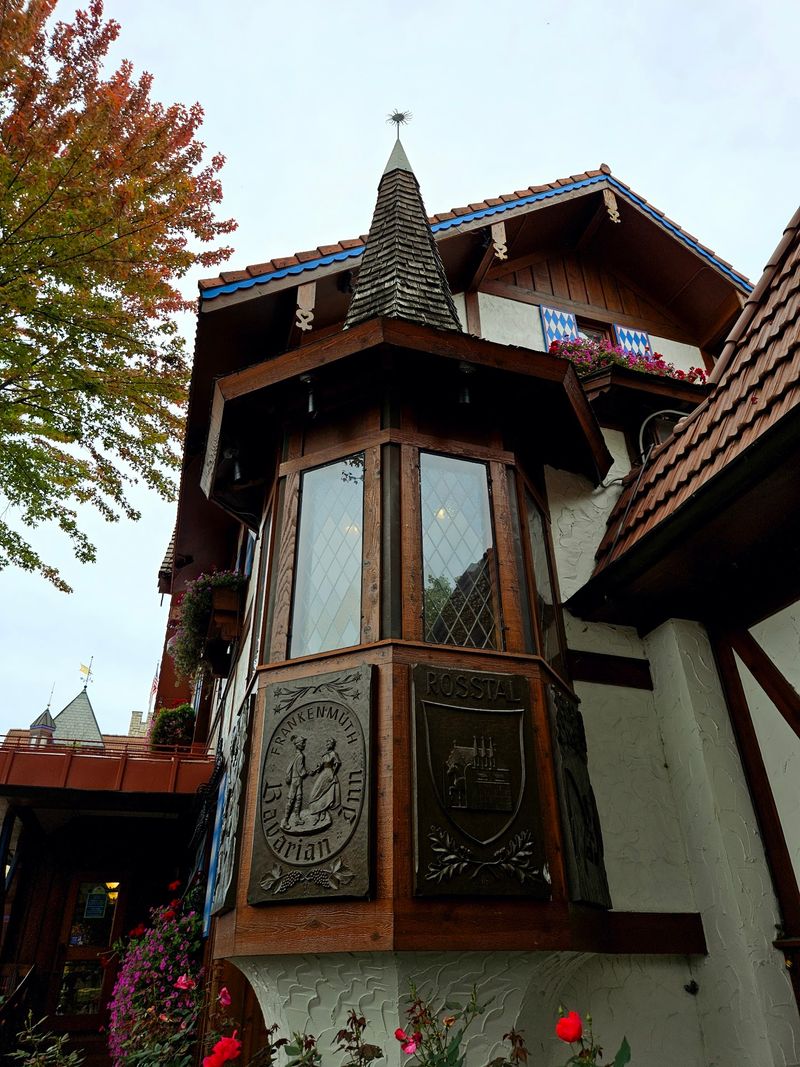
History buffs have plenty to work with here. The business traces its roots to 1888, when the Union House Hotel opened in Frankenmuth and later became Fischer’s Hotel.
The Fischer family operated the business for several generations and helped establish the family-style chicken dinner tradition that remains closely associated with Frankenmuth.
A different local family purchased Fischer’s Hotel in 1950. The new managers modernized the kitchen, expanded the operation, and gradually reshaped the property into the Bavarian Inn Restaurant known today.
One of those managers had first worked at Fischer’s as a waitress in 1937. She later developed many recipes used by the restaurant and spent decades teaching kitchen staff how to prepare them.
That culinary influence still appears in signature bakery items, including the stollen recipe associated with her home baking.
The business remains family-operated, with a fourth generation involved in current management.
The bakery should not be confused with an 1888 bake shop. Its stronger historical connection comes from the restaurant’s long family food tradition and the recipes carried forward through the kitchen.
How Frankenmuth Got Its Bavarian Look
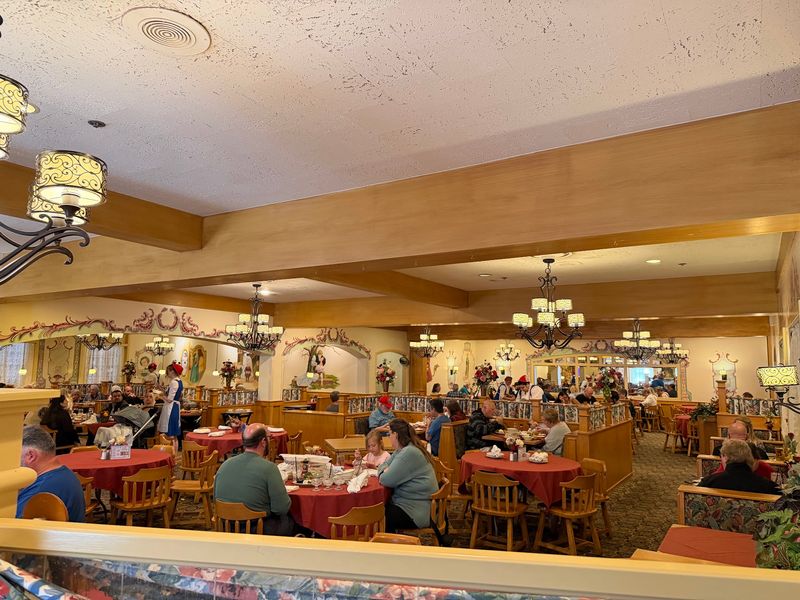
Not every remodeling project helps shape the look of an entire town.
By the late 1950s, the restaurant was going through a difficult period, and the family considered what direction the business should take next.
Instead of scaling back, the property expanded. In 1959, Fischer’s Hotel was remodeled with Bavarian-style architecture and renamed the Bavarian Inn.
Stucco, carved wood, flower boxes, German-inspired dishes, and traditional-style staff clothing helped establish the new identity.
A weeklong celebration accompanied the 1959 reopening. That event became the beginning of the Frankenmuth Bavarian Festival.
The influence eventually stretched beyond a single building. Local businesses were encouraged to adopt similar Bavarian styling, helping create the architectural character now associated with downtown Frankenmuth.
The town’s German roots go back much further. Frankenmuth was founded in 1845 by settlers from the Franconian region of Bavaria, and its name is commonly translated as courage of the Franconians.
Today, the Bavarian Inn fits into a townscape built around that heritage rather than standing as an isolated theme.
Stollen Steals The Show
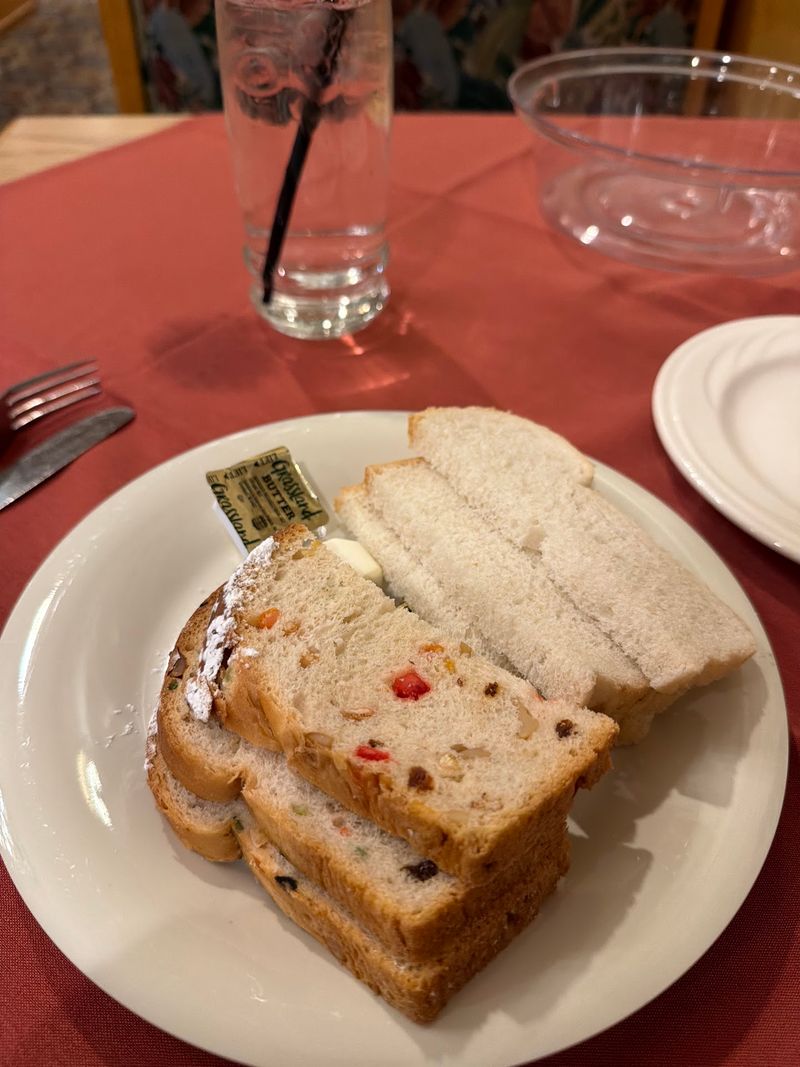
Stollen is one of the bakery’s signature products and one of its clearest links to German baking tradition.
The sweet bread is traditionally associated with the Christmas season in Germany, but the Castle Shop Bakery offers its version throughout the year.
The dough is filled with dried and candied pineapple, cherries, raisins, cashews, spices, and hand-ground citrus zest.
The recipe comes from the family’s longtime kitchen tradition and is still made in the style used at home by one of the restaurant’s most influential cooks.
Stollen is available plain or with icing, and it can be eaten as-is or toasted with a little butter.
It also appears as one of the breads served with the restaurant’s family-style meals upstairs, alongside house-made white bread.
That connection makes it easy to try the bread during a meal and then pick up a loaf from the bakery afterward.
The year-round availability is especially useful for visitors who associate stollen only with the holidays. Here, it has become part of the regular bakery lineup rather than a short seasonal appearance.
Pastry Cases Full Of Temptation
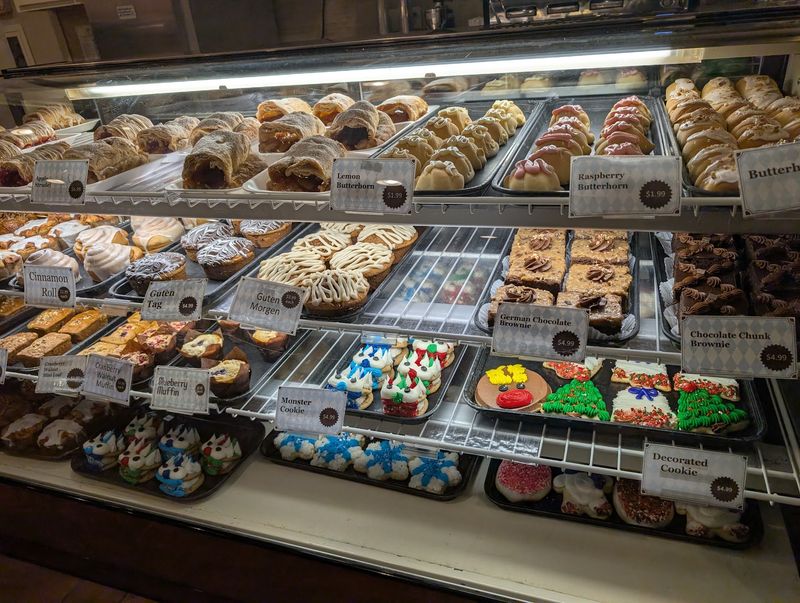
Decision making gets tougher once the bakery cases come into view.
The current selection reaches well beyond stollen.
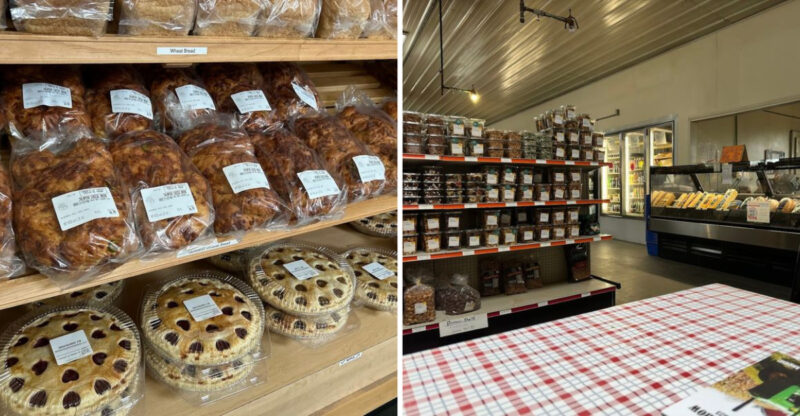
Apple and cherry strudel remain prominent choices, along with butterhorns, turnovers, cinnamon rolls, cakes, brownies, cookies, muffins, and several kinds of pie.
Bread takes up plenty of space too. Cheese Crusty Bread combines mozzarella and Parmesan inside an artisan-style loaf, while Cheese and Onion Cobblestone Bread mixes cheddar and onion through hand-cut pieces of dough.
Cinnamon Crunch Bread adds a sweeter option with cinnamon, sugar, and icing. Other specialty loaves appear online and in the bakery’s broader assortment.
The bakery also makes small-batch jams in fruit combinations that can change with the season.
Many products are made from scratch, and the online bakery notes that its baked goods are prepared without added preservatives.
A balanced order can easily include something sweet for later and a savory loaf for another meal.
Because the assortment is broad and availability can change, the display case on one visit does not have to look exactly like the next.
Bakers Who Work The Night Shift
While most of Frankenmuth is quiet, this Michigan bakery crew is already working.
The Castle Shop Bakery has an overnight production schedule designed to put fresh baked goods into the cases by morning.
That routine covers breads, pastries, and specialty items made for both the bakery and the larger Bavarian Inn food operation.
The work is less visible than the finished displays, but it is a major part of how the bakery functions. Mixing, shaping, baking, cooling, and stocking happen before many visitors arrive.
The overnight schedule also helps explain why the bakery can open earlier than the restaurant dining rooms.
Arriving near the 9 a.m. opening gives visitors an early look at the day’s selection, although individual products can vary by production schedule and demand.
Busy weekends and major Frankenmuth events can bring heavier traffic, so anyone looking for a specific item can order ahead.
The fresh-baking routine is one of the strongest links between the modern Castle Shop Bakery and the older kitchen tradition behind the Bavarian Inn.
Roll Your Own Pretzel
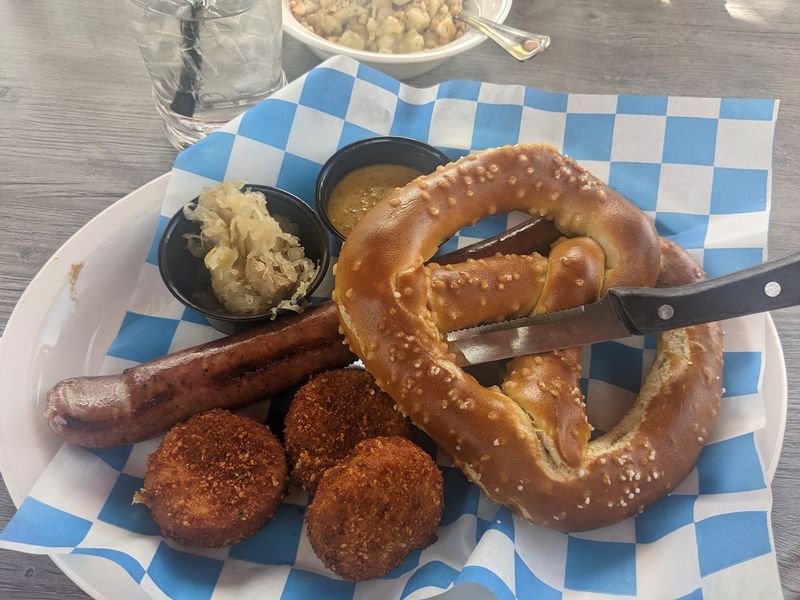
Pretzel rolling is still part of the Bavarian Inn experience, but it requires more planning than a casual walk-in visit.
The current Pretzel Rolling Experience is offered to groups of 20 or more and requires advance reservations.
During the session, members of the restaurant team demonstrate the traditional pretzel-rolling method before participants shape their own dough.
The process begins by stretching the dough into a rope and forming the familiar crossed pretzel shape.
Once the shaping is finished, the pretzels are baked and returned to the group warm from the oven.
The full experience lasts about an hour and works particularly well for organized groups looking for a hands-on activity connected to Frankenmuth’s German food traditions.
It is not currently a general daily class for individual visitors, which is an important distinction when planning a trip.
The activity adds something the bakery counter alone cannot provide: a chance to see how a familiar German-style food takes shape before it reaches the oven.
Sweet Shops Beyond The Bakery
This Michigan bakery is only one part of the lower-level Castle Shops.
The current shopping area includes a Candy Corner, a Chocolate Shop, a Doll and Toy Shop, a Royal Gift Shop, and a souvenir-focused shop alongside the bakery.
Candy displays range from nostalgic favorites to newer sweets, while the Chocolate Shop focuses on house-made chocolates and other confections.
The Doll and Toy Shop carries toys, books, dress-up items, and hands-on children’s options. The Royal Gift Shop adds collectibles, accessories, seasonal pieces, and home items.
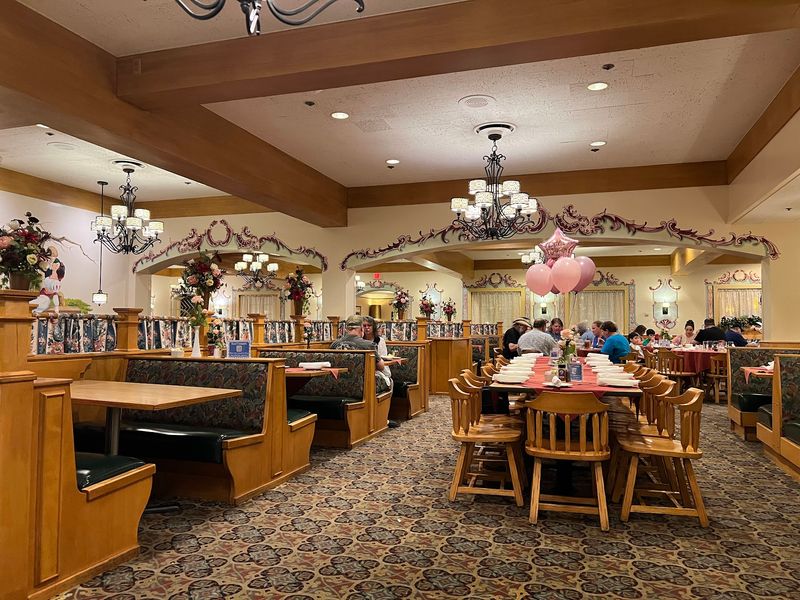
Visitors looking for a fuller meal can head upstairs to the Bavarian Inn Restaurant. Family-style chicken dinners remain the best-known tradition, while the current menu also includes German dishes such as schnitzel and sauerbraten.
The Michigan restaurant and bakery share more than a building. Fresh breads from the bakery are incorporated into meals upstairs, and several signature items can be taken home afterward.
The Castle Shops sit at 713 S Main St in Frankenmuth, placing the bakery directly within the town’s Bavarian-themed center.
What began as an 1888 hotel has changed many times, but the food tradition continues to connect the historic restaurant upstairs with the busy bakery below.