The Kentucky Mansion That Will Make You Feel Like You’ve Traveled Back To Downton Abbey
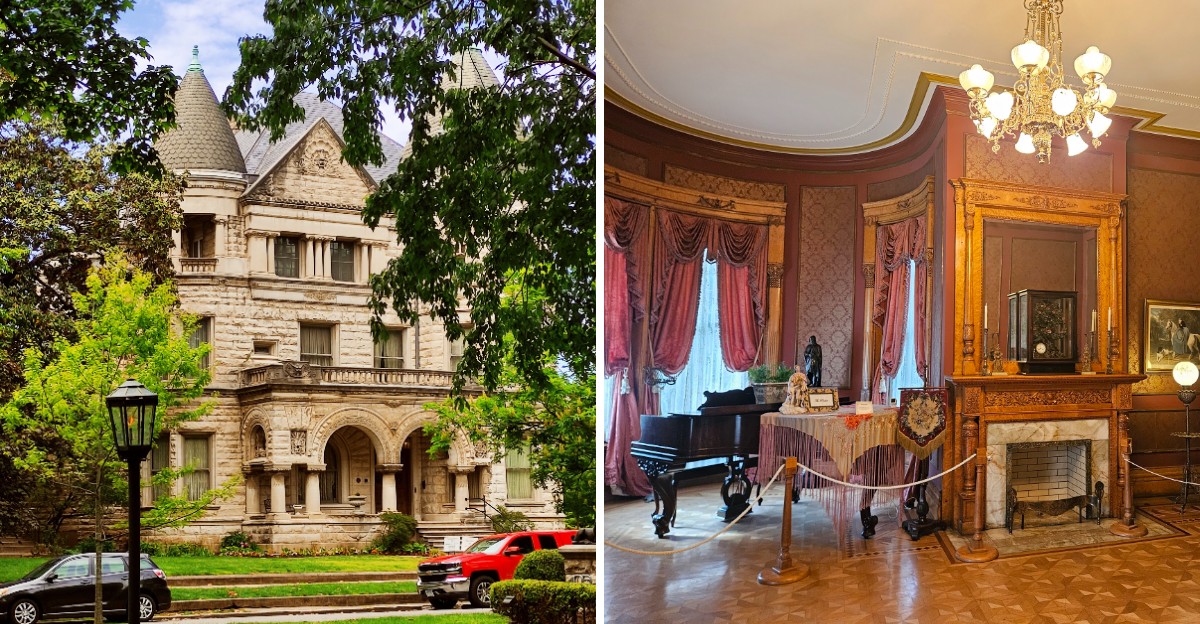
You do not need a plane ticket to England to live out your Downton Abbey daydreams. You just need a quick trip to Kentucky.
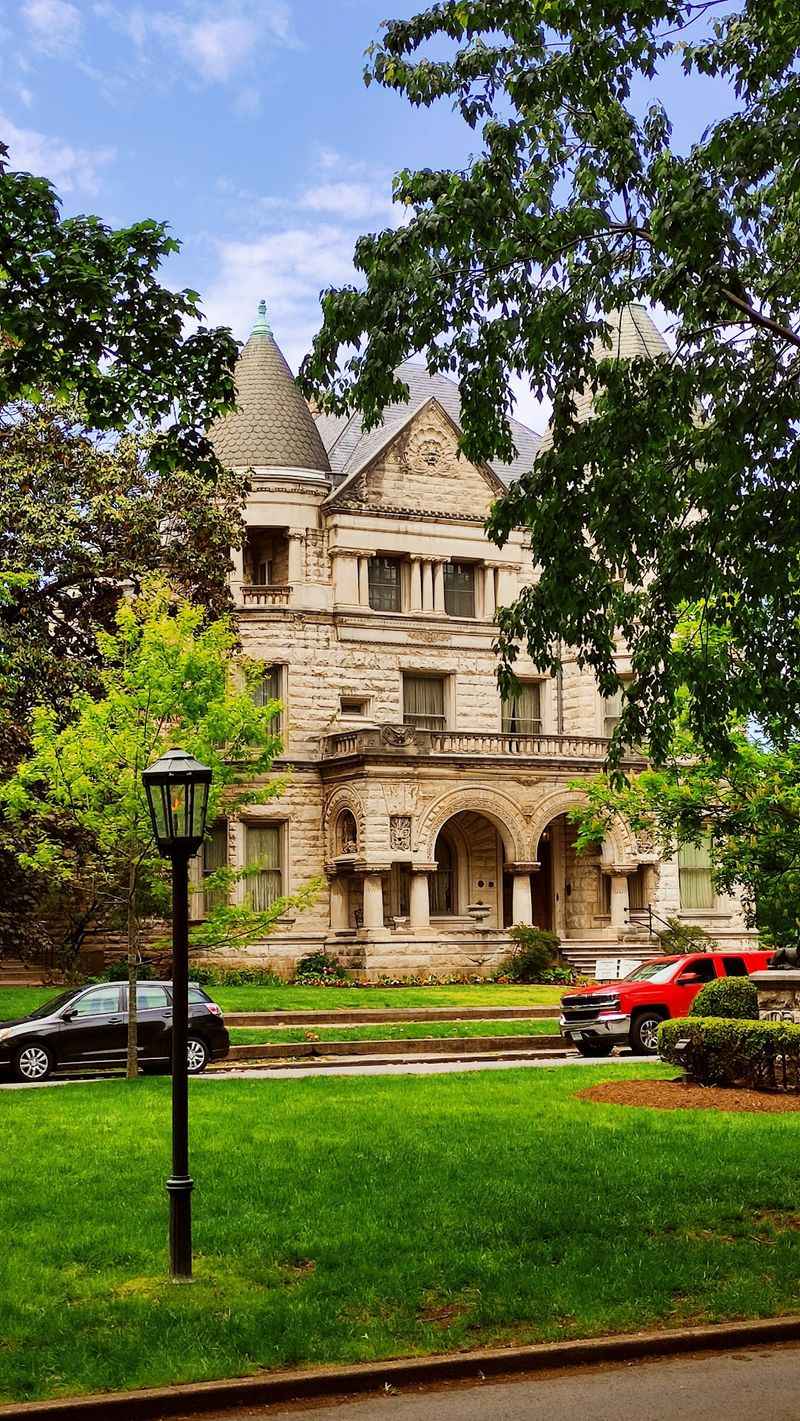
On a leafy courtyard street, a stone mansion rises like it was built for a period drama. Its massive arches and carved limestone look straight out of a storybook.
Inside, the home has been restored to the early 1900s, the same era as your favorite show. You will find gleaming parquet floors, glowing stained glass, and woodwork crafted from seven kinds of hardwood.
The grand staircase begs you to make a dramatic entrance.
The best part is that the story does not stop with the wealthy families upstairs. A special exhibit also shares the lives of the servants who kept the household running.
So channel your inner Lady Mary and book a tour. Just try not to ring for the butler when you get thirsty.
A Castle Hiding In Plain Sight
Most homes have a front door, but this one has a turret and a serious attitude.
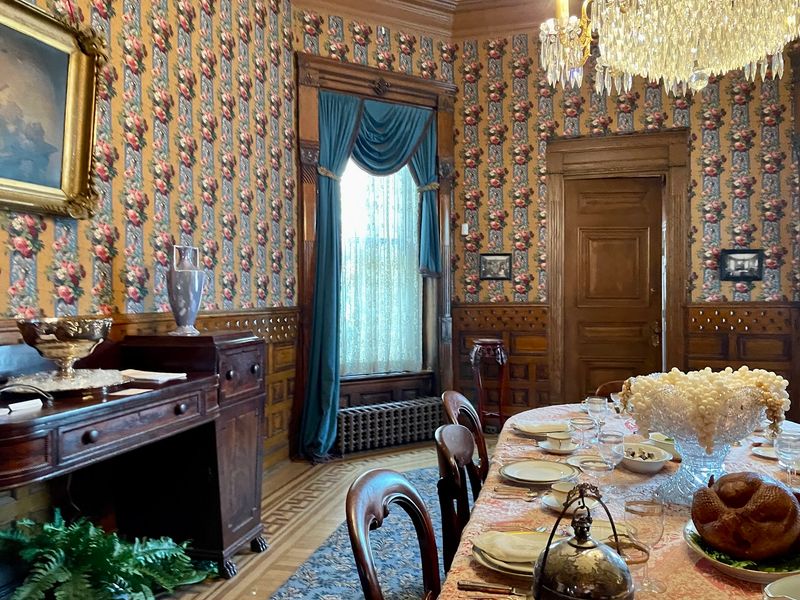
Locals call it Conrad’s Castle, and one look explains why. The Conrad-Caldwell House Museum is built from huge, rough blocks of Bedford limestone.
Here is a fun detail to spot. The stone blocks get smaller in bands as they climb toward the roof.
That trick makes the house look even taller and grander. It is clever design that still works more than a century later.
A six-sided corner turret rises above it all with a pointed cone roof. It looks ready for a princess, or at least a very dramatic butler.
The style is called Richardsonian Romanesque. Think thick stone, heavy round arches, and a fortress feel that says nobody is moving this house.
Before you head inside, take a slow walk around the outside. The front and sides are not matching, which keeps your eyes busy in a fun way.
Wide wrap-around porches and sturdy stone piers frame the entrance. Bring a camera, because every angle seems to show off something new.
Give yourself a few minutes out front. The view sets the mood for everything waiting behind those walls.
The Conrad-Caldwell House Museum sits proudly at 1402 St James Ct, Louisville, Kentucky.
Gargoyles, Swags, And Stone Secrets
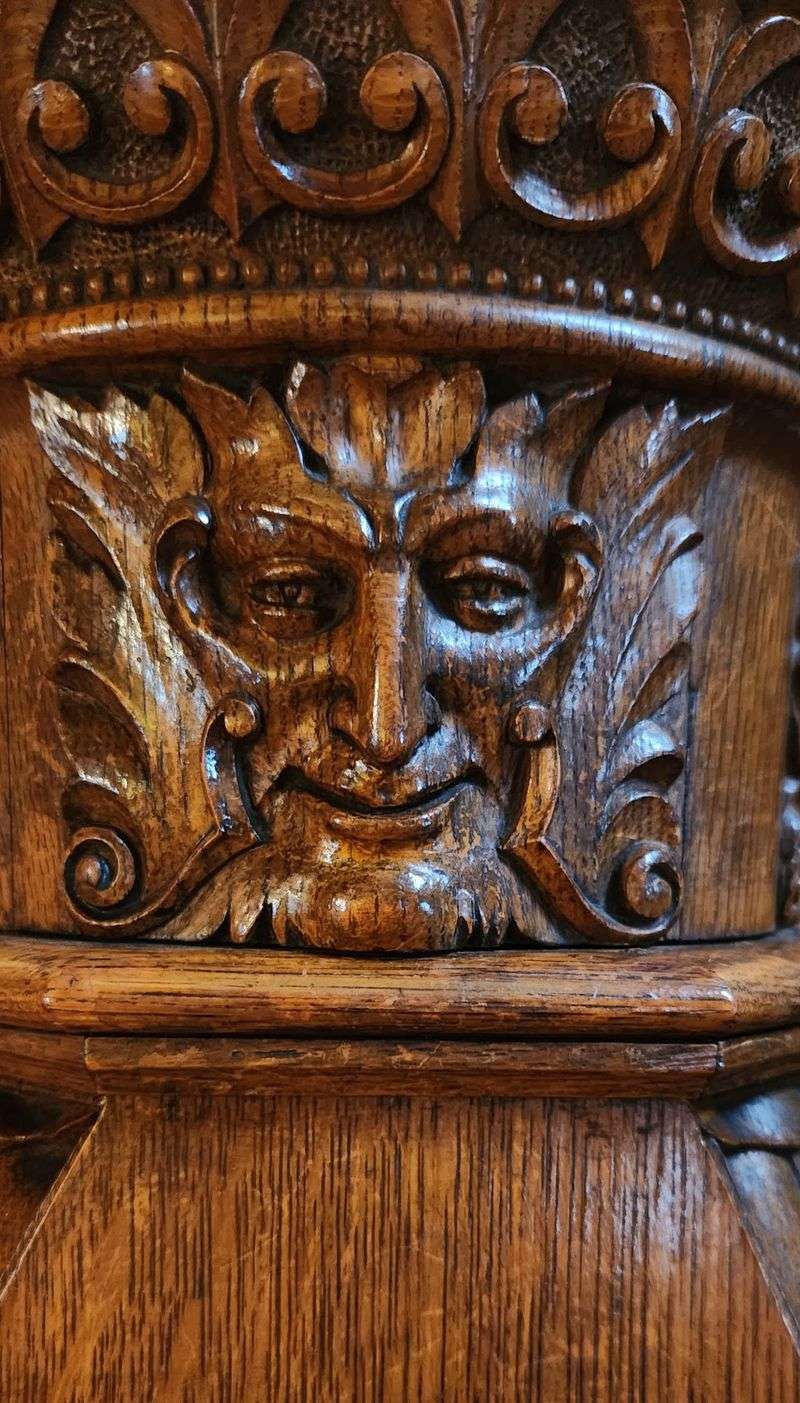
Look up, because the walls are telling stories in stone. Carvers covered this mansion with details that reward anyone who slows down.
You will find Celtic twining patterns curling across the surfaces. They look like stone ribbons that someone tied in knots just for fun.
Decorative swags hang in carved loops, like frozen fabric. Then there are fleur-de-lis symbols, a nod that fits nicely with a French owner.
Theophilus Conrad came to America from France. He made his fortune in the tannery business, and he clearly liked to show it.
And yes, there are gargoyles. These grumpy little faces stare down like they are judging your outfit.
Kids usually love hunting for them. Turn it into a game and see who spots the most carvings first.
The house was designed by the Louisville firm of C. J.
Clarke and Arthur Loomis. Their skill shows in how the carvings blend with the rough stone.
Nothing feels random or tacked on. Each piece adds to the castle mood without shouting over the rest.
A pair of binoculars is not a silly idea here. Some of the best carvings sit high up, close to the roofline.
Woodwork That Steals The Whole Show
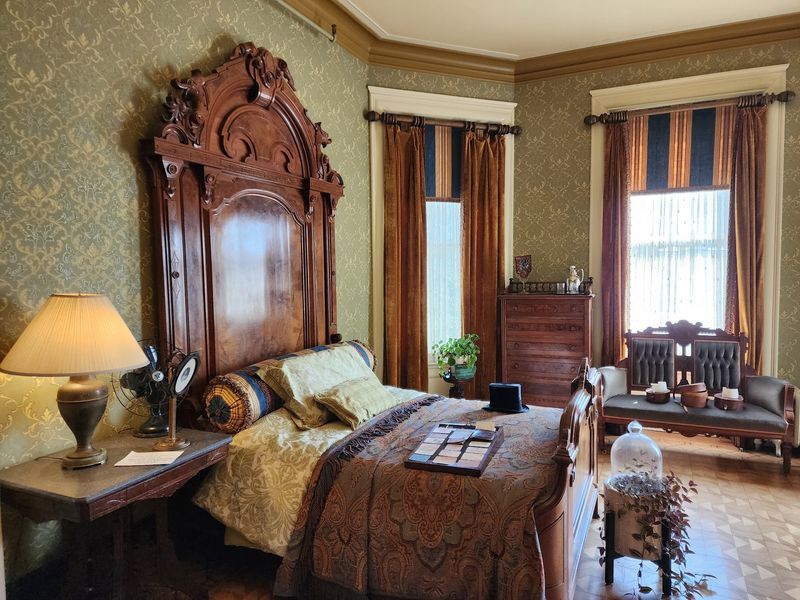
Forget the furniture for a second, because the walls deserve applause. Inside, rich carved wood wraps nearly every room like a warm hug.
Builders used seven kinds of hardwood in this home. Cherry, oak, and bird’s-eye maple are part of the lineup.
Bird’s-eye maple has tiny swirls that look like little eyes. Once you notice them, you will start seeing them everywhere.
Most of the original millwork is still in place. That is rare for a house that has lived so many lives.
Run your eyes along the coffered wainscoting. The boxy panels give the lower walls a deep, polished look.
Grand arched doorways connect the rooms. Cherry and oak pocket doors slide between the parlor and dining room, a neat trick for its time.
Visitors often say the woodwork is the biggest wow of the tour. It is easy to see why after just one room.
The hand carving feels personal and patient. Someone spent long hours making each curve just right.
Here is a tip worth keeping. Stand in a doorway and look both ways, since the craftsmanship flows from room to room like one big story.
Floors So Fancy You Might Tiptoe
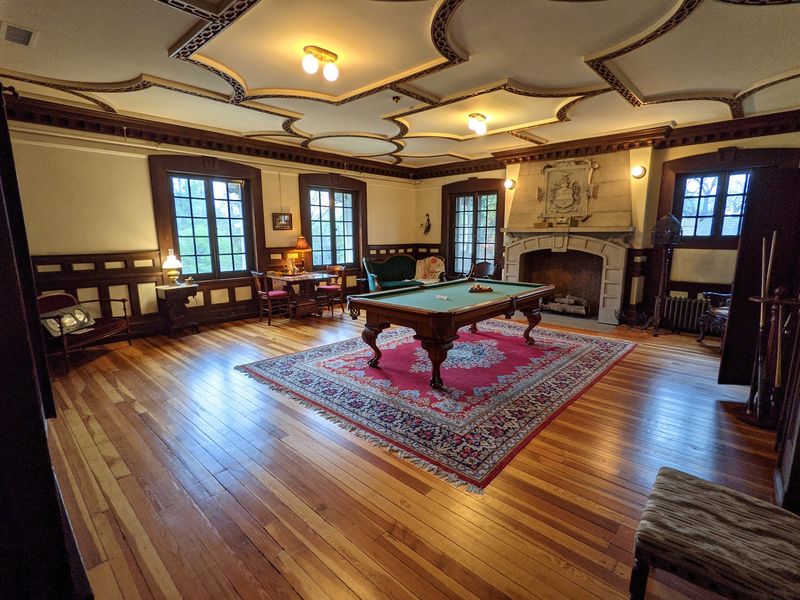
Your shoes have never felt so underdressed. The parquet floors here rank among the finest in the country.
Parquet means small pieces of wood fitted together into patterns. Think of it as a puzzle that you get to walk on.
In the parlor, the border design is the real showoff. Its pattern seems to pop up in 3D, which fools your eyes in the best way.
Guests often stop and stare at the floor longer than the paintings. Do not feel silly if you do the same.
Different wood colors make the shapes stand out. Light and dark pieces work together like a quiet magic trick.
Remember that these floors date back to the 1890s. Families, guests, and years of footsteps have crossed them.
Somehow they still look ready for a formal party. That says a lot about the care put into this place.
So try this on your visit. Look down every time you enter a new room, and compare the borders.
Each floor has its own personality. Spotting the changes makes the tour feel like a treasure hunt under your feet.
The Grand Staircase And Glowing Glass
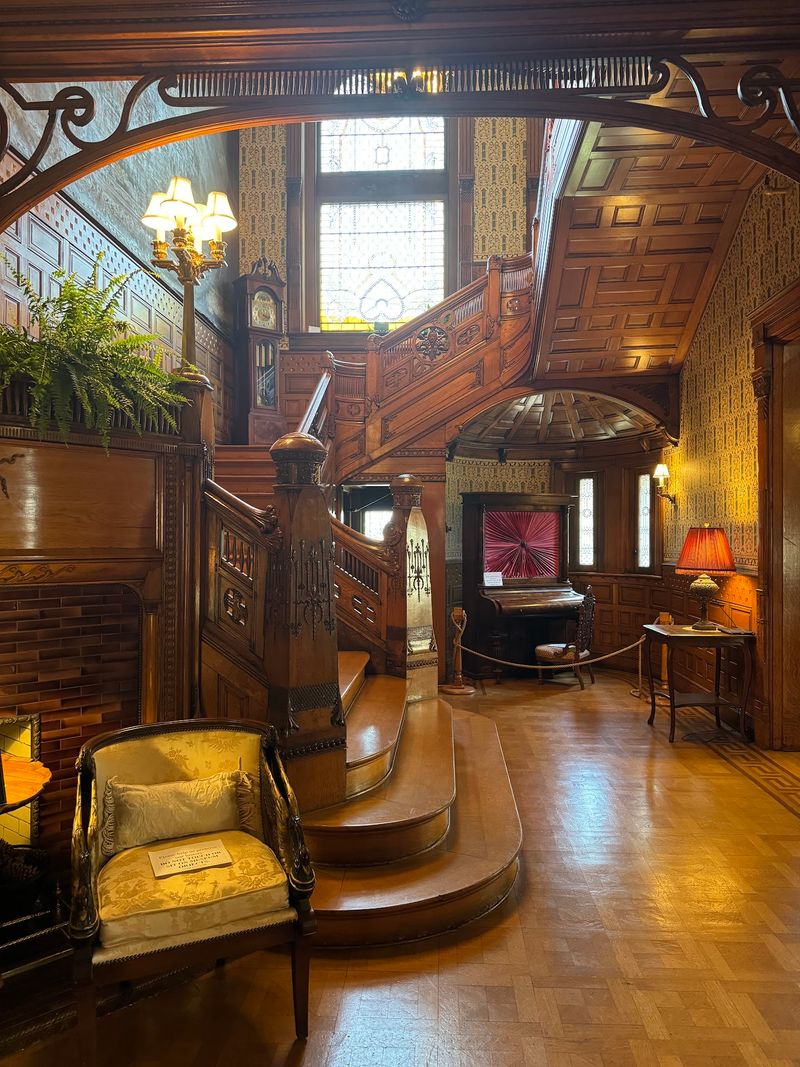
Every period drama needs a dramatic entrance, and this staircase is ready for its close-up. It stands in the main hall as the star of the first floor.
Rich hand-carved wood climbs upward in graceful turns. You can almost picture a lady in a long gown floating down for dinner.
Light helps set the scene. Stained glass windows with pale geometric designs let soft color drift into the hallways.
The glass is not loud or flashy. Instead, it gives the space a calm glow that changes as the day moves along.
Many visitors call the staircase their favorite part of the tour. It mixes skill and beauty in one sweeping shape.
The stairs also lead you upward to the bedrooms. From there, the house keeps revealing more surprises.
Want a better photo? Stand back near the entrance and let the steps and windows share the frame.
Morning or early afternoon light tends to make the glass shine nicely. Patience pays off here, so wait for a quiet moment.
Hold the railing and imagine the Caldwell kids racing down. Some things never change, even in a castle.
Gadgets That Wowed The 1890s
Indoor plumbing may not thrill you today, but in 1895 it was basically a superpower. This house was built with the newest tech of its time.
Electric lighting was part of the plan from the start. Many original light fixtures still hang in the rooms.
Picture friends visiting from homes lit by lamps and candles. Flipping on a light here must have felt like a magic show.
Interior plumbing was another big deal. Fancy families loved showing off comforts most people could only dream about.
The museum is restored to the Edwardian Era, from about 1900 to 1910. That is the same period fans of Downton Abbey know well.
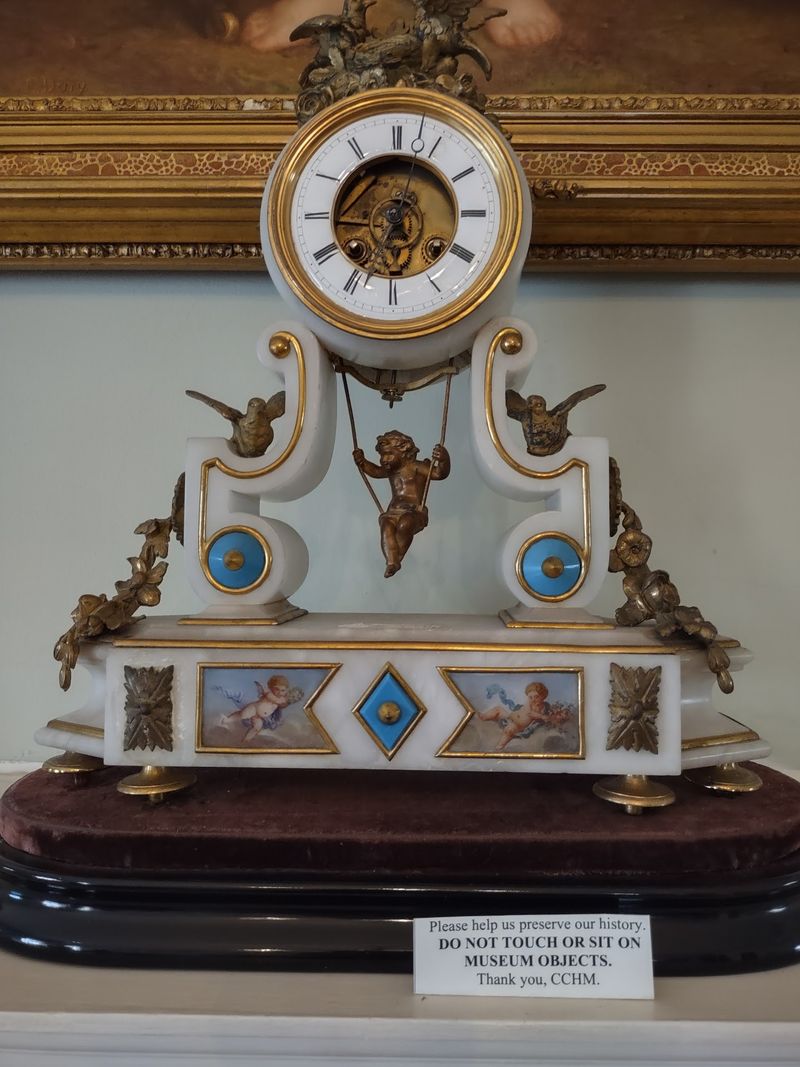
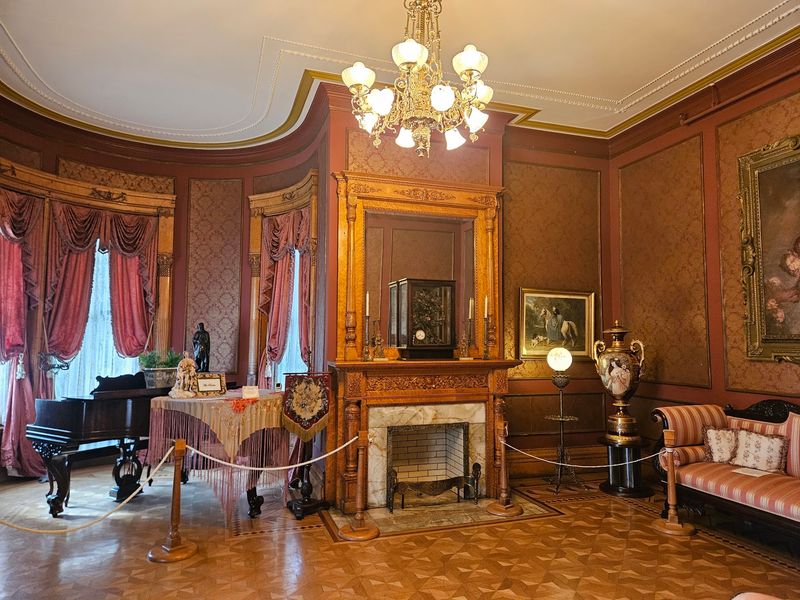
Rooms are filled with period pieces. Many are original items from the Conrad and Caldwell families.
Look for small touches too. Tiny everyday objects, like cookie dishes, help the rooms feel lived in.
Some rooms include photos that show how they once looked. Compare them with what stands in front of you.
It feels like the family just stepped out for a stroll. You half expect someone to ring a bell and ask for tea.
Family Stories From A Real Caldwell
Few house tours come with a family member, but this one often does. A great-granddaughter of the Caldwells has been known to guide guests.
William Caldwell bought the house after Conrad passed in 1905. He ran a successful company making wooden and steel tanks.
The Caldwells lived here longer than anyone else. Their memories still fill the rooms, and family stories bring them to life.
Guests love hearing personal tales about who slept where. It turns old rooms into real homes with real people.
The house has had a busy life. In 1947, the Presbyterian Church used it as a home for older women.
Then in 1987, the St. James Court Association bought it. Volunteers and supporters helped restore it into the museum you see now.
Guided tours run about an hour, sometimes longer with questions. Self-guided visits are also an option if you are short on time.
Ask questions freely. The guides seem to enjoy curious visitors, and the answers often add fun details.
Do not miss the third-floor billiards room. Mr. Caldwell clearly knew how to enjoy a quiet evening at home.
Holiday Sparkle And A Charming Neighborhood
Timing your visit can turn a great day into a story you tell for years. The house changes its outfit with the seasons.
At Christmas, rooms fill with festive decorations. Garland and holiday touches make the carved wood look even warmer.
Fall brings special lamplit and candlelight tours. Families say the guides keep even busy kids interested.
Little ones get perks too. There has been a crafts room upstairs that young visitors enjoy.
Step outside and the fun keeps going. The mansion sits in Old Louisville, home to the largest collection of Victorian homes in the country.
Right out front, a small park holds a fountain and a lion statue. It is a lovely spot for a photo or a short break.
Parking is on nearby side streets, so give yourself extra time. A slow stroll around the block is part of the joy anyway.
Start at the gift shop next door, where tickets and brochures wait. Part of your purchase helps keep the house looking its best.
The museum holds strong ratings from happy guests. After one visit, you will likely understand why people keep coming back.