The Kentucky Market Where You Can Find Sucuk, Manti And Turkish Sweets You Cannot Get Anywhere Else Nearby
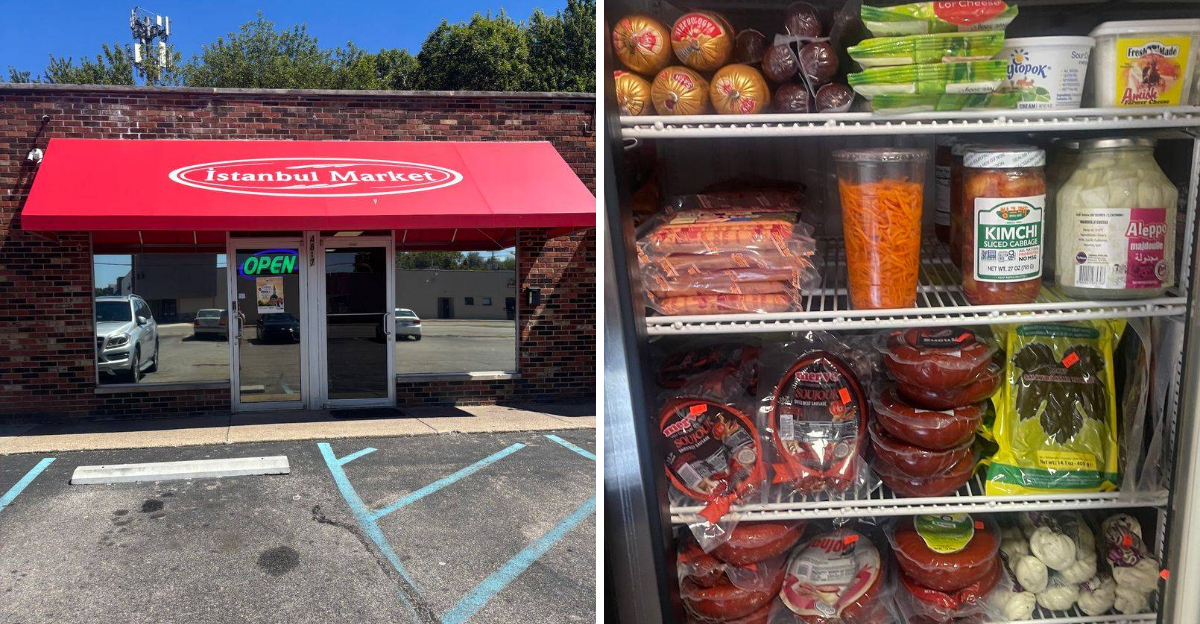
You know that craving that arrives uninvited and refuses to leave? It is usually for something smoky and garlicky, sliced thin enough to curl in a hot pan.
In Kentucky, you might assume that craving requires a plane ticket. It does not.
There is a small market here where the freezer holds dumplings the size of your pinky nail. They are meant to be drowned in garlicky yogurt and buttered red pepper.
Down another aisle, the sweets are stacked like they are daring you to pick just one. The lineup runs to pistachio, syrup, shredded pastry, and enough stickiness to require napkins.
Most of the labels are in a language you cannot read yet. That is half the fun of the trip.
Someone behind the counter will gladly tell you what to do with all of it. You will leave with three planned items and six unplanned ones.
Sucuk, The Spiced Sausage That Wakes Up Breakfast
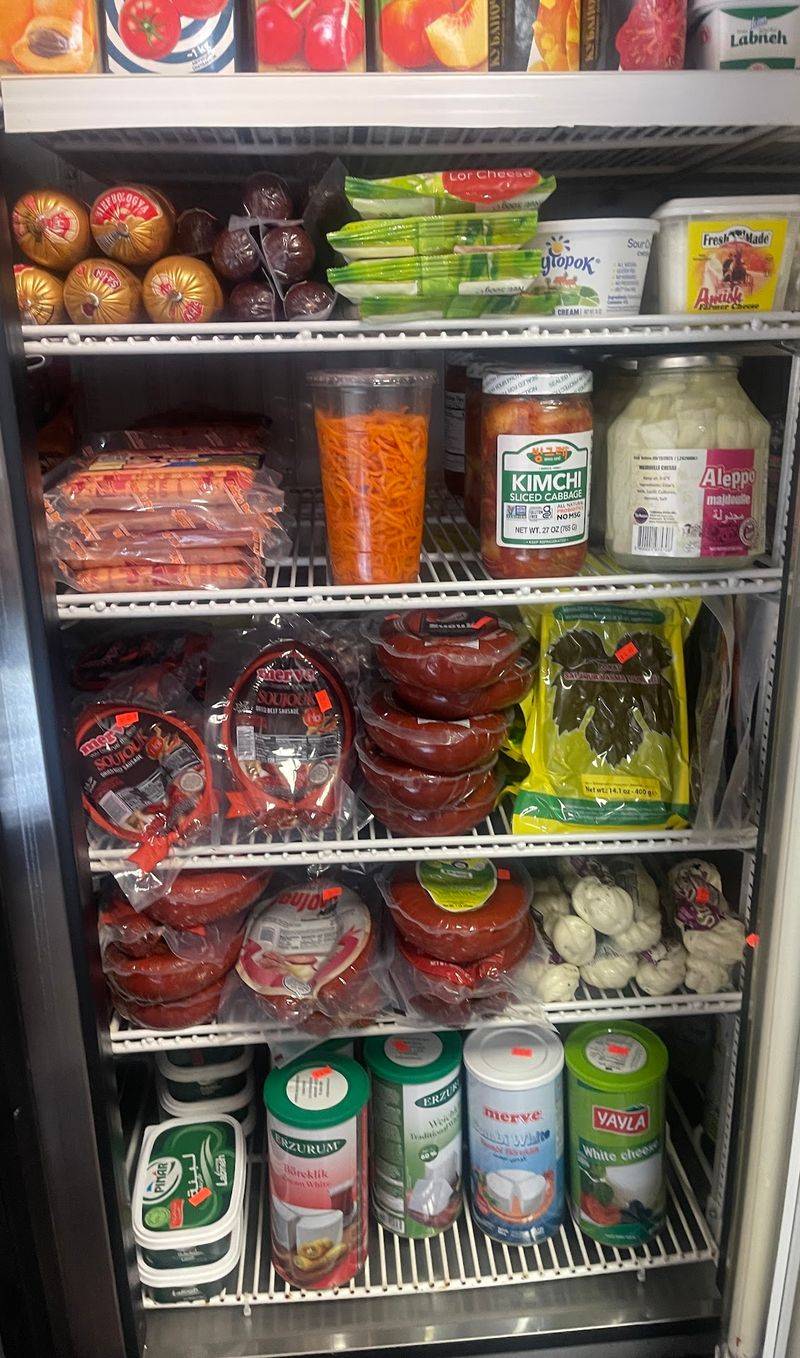
Istanbul Market keeps the kind of sausage that changes how you think about breakfast. Sucuk is a dry, garlicky beef sausage packed with cumin, paprika, and a little heat.
The color alone gets your attention. Deep red, firm, coiled into rings behind the cooler glass.
Cooking it is almost too easy. Slice it thin and drop it in a dry skillet over medium heat.
No oil needed. The sausage releases its own rich fat within a minute or two.
Once the edges curl and crisp, crack two eggs right into the pan. That combination has a name in Turkey: sucuklu yumurta.
Serve it in the skillet with bread for scooping. Regulars will tell you that is the correct way.
Sucuk also works sliced cold into sandwiches or baked on top of flatbread. Some shoppers chop it into lentil soup for extra depth.
Ask which brand runs spicier if heat matters to you. Staff can usually point you toward milder options.
Store the unopened rings in the fridge and freeze what you cannot finish. A little goes far, since the flavor is concentrated and bold.
You will find it at 4817 S Watterson Trail, Louisville, Kentucky.
Frozen Manti, Tiny Dumplings With A Big Payoff
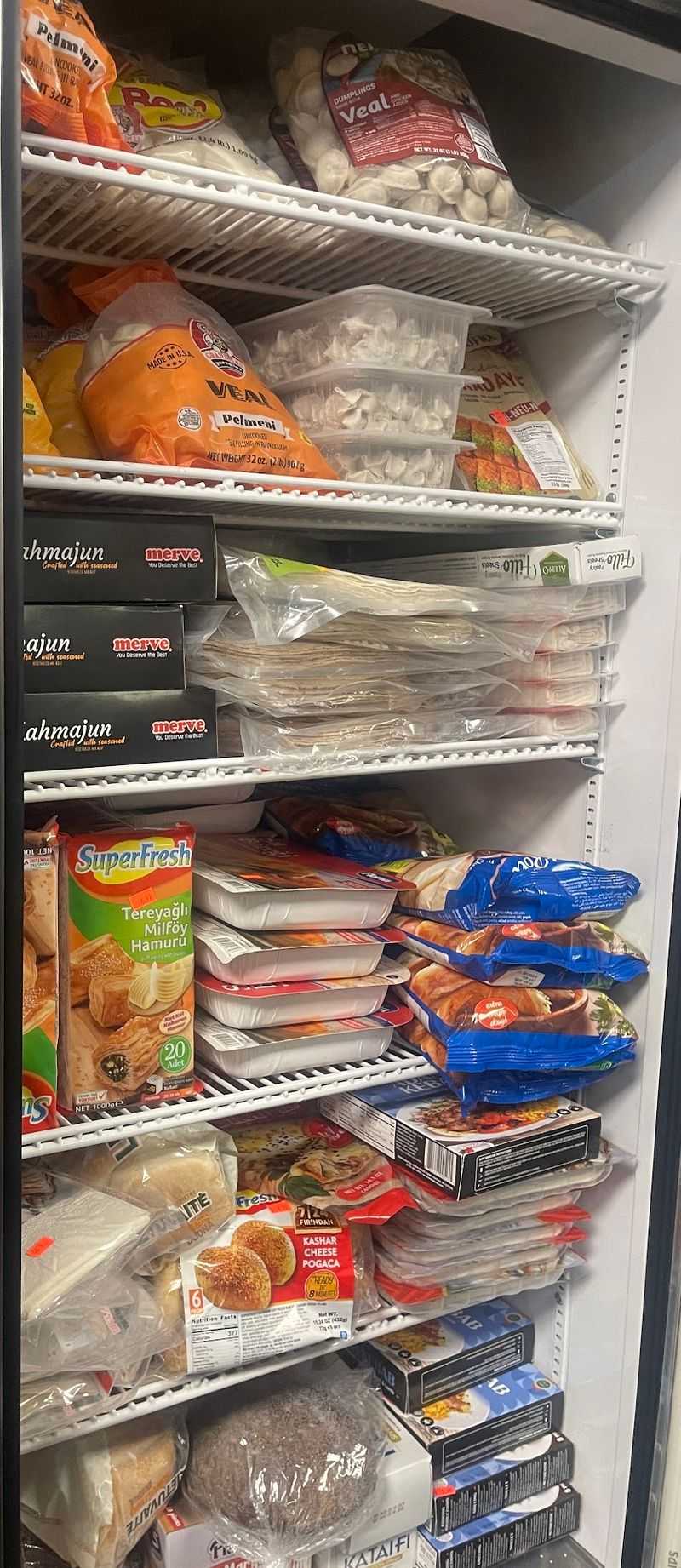
Picture dumplings so small that forty of them fit on a spoon. Manti are hand-folded pockets of seasoned ground beef, and making them from scratch takes serious patience.
The freezer case here saves you that afternoon. Bags come ready to boil, which is a genuine gift on a weeknight.
Cooking takes about ten minutes in salted water. Drain them gently so the little parcels stay intact.
The topping is where manti becomes unforgettable. Plain yogurt gets stirred with crushed garlic and a pinch of salt.
Spoon that over the hot dumplings. Then melt butter with red pepper flakes and dried mint, and pour it across the top.
The contrast is the whole point. Cool tangy yogurt, warm spiced butter, tender pasta underneath.
Fun bit of history: manti traveled the old trade routes and shows up in many cuisines under different names. The Turkish version is famous for being the smallest.
Buy an extra bag if you have room in the freezer. They keep well and cook straight from frozen.
Serve with a simple cucumber salad on the side. Nothing else is required, and honestly nothing else is wanted.
Baklava And The Sweet Counter Situation
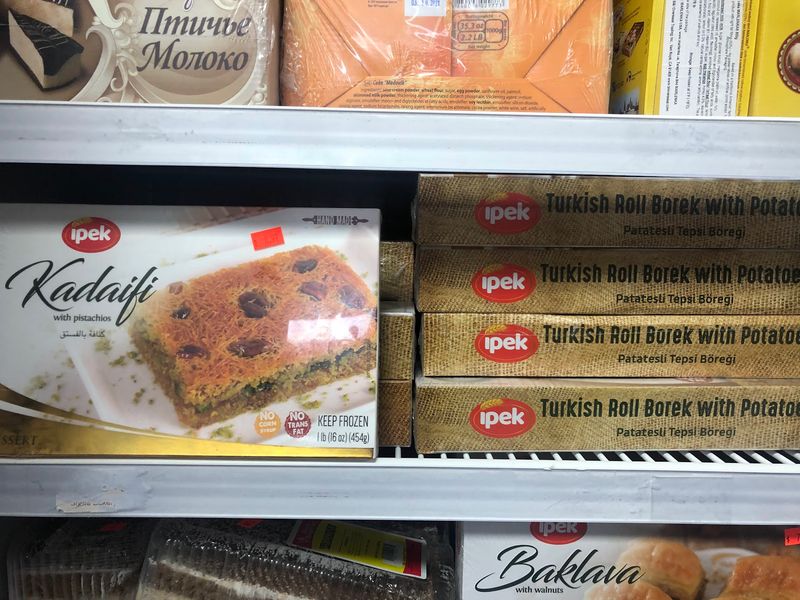
Sugar has a way of finding you in this store. Trays of baklava sit stacked with layers you can count if you get close enough.
Filo sheets, chopped nuts, butter, syrup. Simple list, difficult execution.
Pistachio baklava tends to disappear fastest. The green filling looks bright against the golden pastry, and the flavor is buttery rather than cloying.
Walnut versions run a little earthier. Both are worth a small box.
Look for other shapes too. Sobiyet holds a cream filling, while burma comes rolled into logs and sliced.
Portion control is your problem, not theirs. Two pieces with strong coffee is the traditional approach.
Turkish delight, called lokum, usually shares the shelf. Rose, lemon, and pistachio squares come dusted in powdered sugar.
Halva is another one to try. The sesame kind crumbles like fudge made of tahini, and it keeps for weeks.
Bring a box to a dinner party and watch it vanish before dessert is officially announced. People who claim they do not like sweets will take three.
Store baklava at room temperature, not the fridge. Cold turns that crisp pastry sad and chewy.
Cheeses You Will Not Spot At The Chain Store
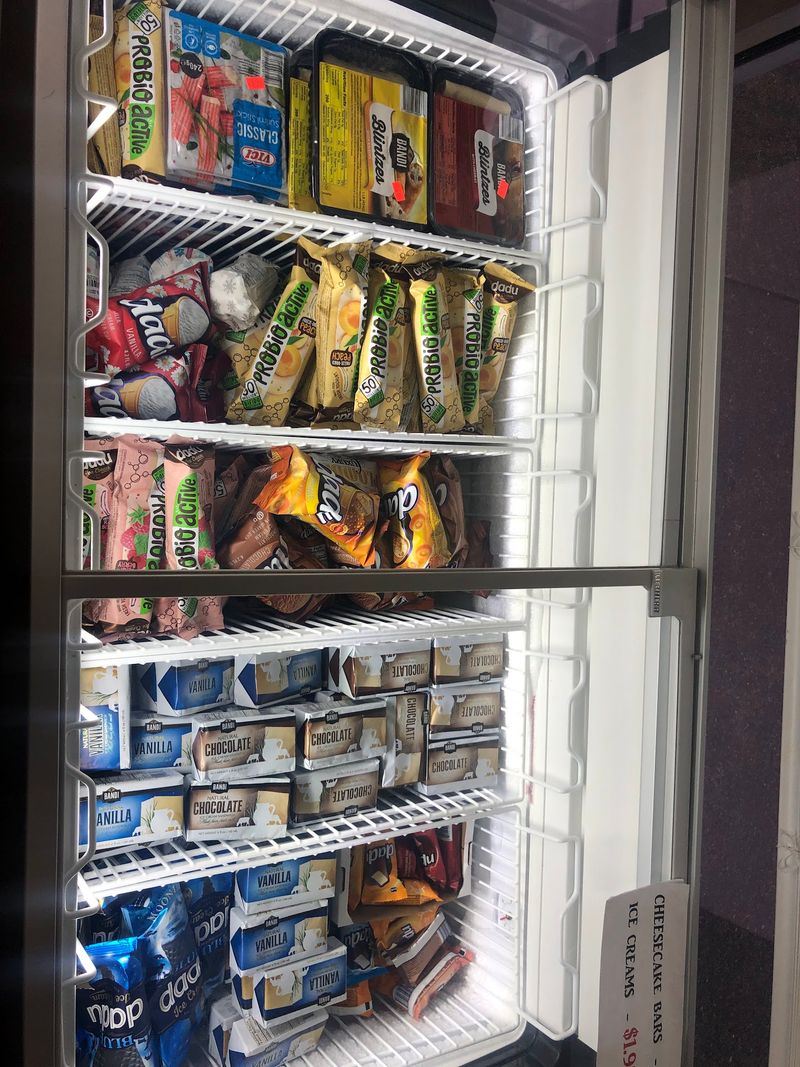
The cooler section rewards slow shoppers. Turkish breakfast depends on cheese, and this is where you stock up.
Beyaz peynir is the white brined cheese that anchors the morning table. Salty, crumbly, and excellent with tomatoes and olives.
Kashar is the mellower cousin. Semi-hard, yellow, and made for melting into toasted sandwiches.
If you have never tried braided cheese, start there. Orgu peyniri pulls apart in strings like string cheese with better manners.
Some versions come with black seeds pressed into the braid. Those add a faint nutty bite.
Rinse very salty cheese in cool water for a few minutes before serving. That small step softens the edge without losing character.
Feta from Greece and Bulgaria often shares the same shelf. Comparing them side by side makes a fun weekend project.
Pair any of these with fresh bread, cucumber slices, and a boiled egg. That plate is a real Turkish breakfast, not a shortcut version.
Prices tend to be reasonable compared with specialty grocery chains. Buying a full block instead of pre-sliced saves more.
Wrap opened cheese tightly and use within a couple of weeks for the best texture.
Tea, Coffee, And The Gear To Do It Right
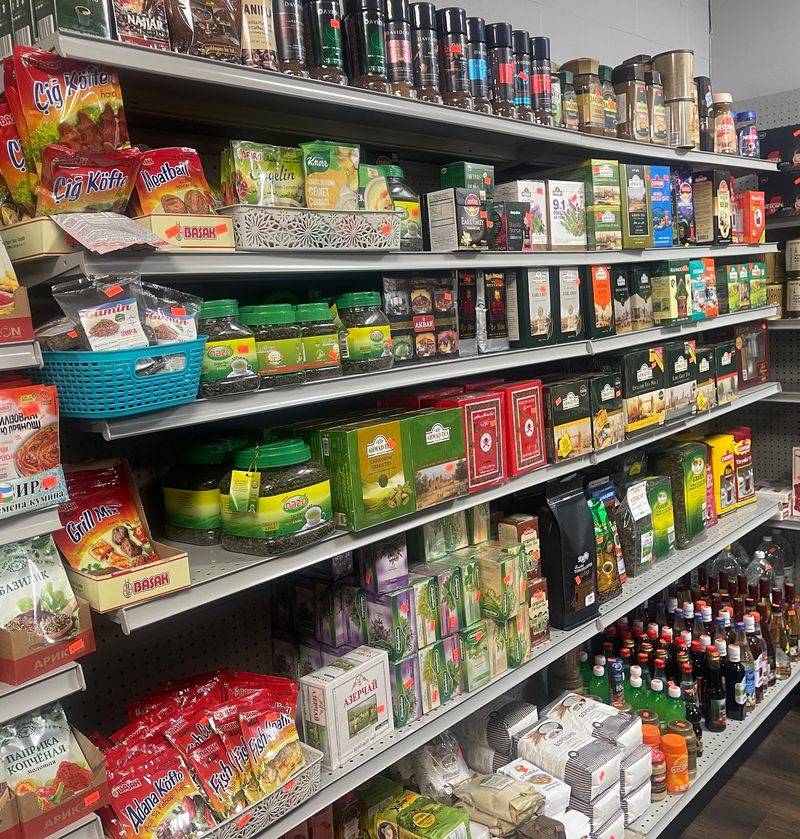
Caffeine culture here runs deep and takes equipment. Turkish tea is brewed in a stacked double pot called a caydanlik.
Water boils below while strong tea steeps above. You mix the two in the glass to your preferred strength.
Those tulip-shaped glasses are not just decoration. The narrow waist keeps the top cool enough to hold.
Loose black tea from Rize on the Black Sea coast is the classic choice. Boxes stack along the shelves in familiar red packaging.
Turkish coffee is a different ritual entirely. Ground finer than espresso, it cooks slowly in a small copper pot called a cezve.
You never filter it. The grounds settle at the bottom of the tiny cup.
Sweetness is decided before brewing, not after. Ask for sade if you want none and orta for medium.
Sahlep shows up in cold months, thick and warm with cinnamon on top. Powdered mixes make it easy at home.
Buying tea and coffee at a market like this usually beats online prices. Freshness is better too, since stock moves quickly.
Grab a small set of glasses while you are there. Guests always ask about them.
Bread, Pide, And Simit Worth The Trip
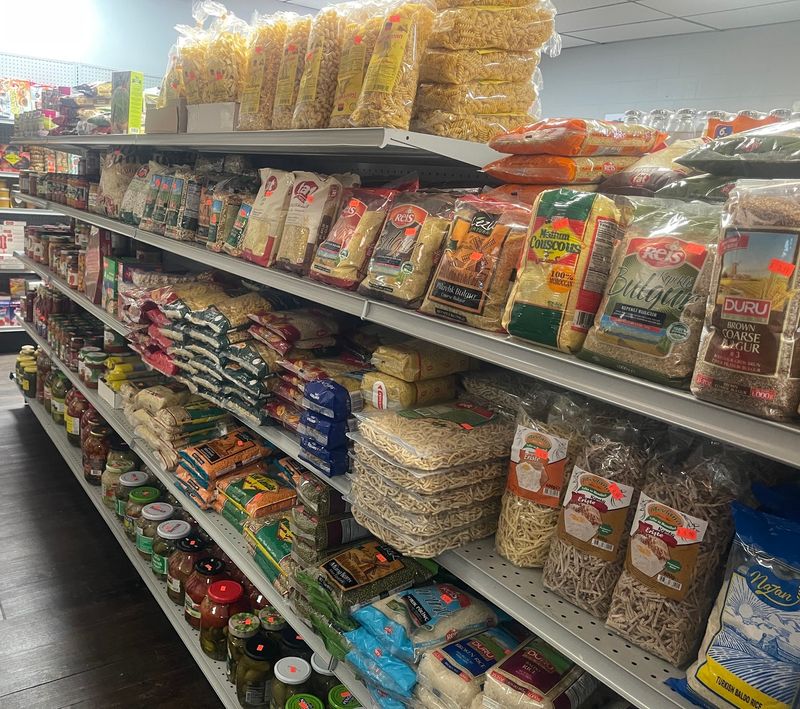
Bread is not a side dish in Turkish cooking. It is the utensil, the plate, and half the meal.
Simit is the sesame-crusted ring that street vendors sell by the hundreds in Istanbul. Chewy inside, crackly outside, and best torn by hand.
Pide flatbread comes soft and slightly puffed. It is the standard bread for scooping stews and soaking up sauce.
Lavash sheets roll around grilled meat without tearing. Keep a pack in the freezer for fast wraps.
Borek is the layered pastry filled with cheese, spinach, or ground beef, and frozen versions bake up flaky in under half an hour. Call ahead if you want it, since stock on prepared items rotates.
Warm any of these in the oven, not the microwave. A few minutes at 350 brings back the crust.
Simit dipped in tea is a genuine breakfast in Turkey. Add a wedge of white cheese and you have the full picture.
Bread here often sells out on weekends. Morning trips give you better odds.
Freeze what you cannot eat within two days. Wrap tightly and reheat straight from frozen.
The price per piece usually surprises people used to bakery cafes downtown. Bread stays inexpensive, as it should.
Spices, Pepper Paste, And Pantry Power-Ups
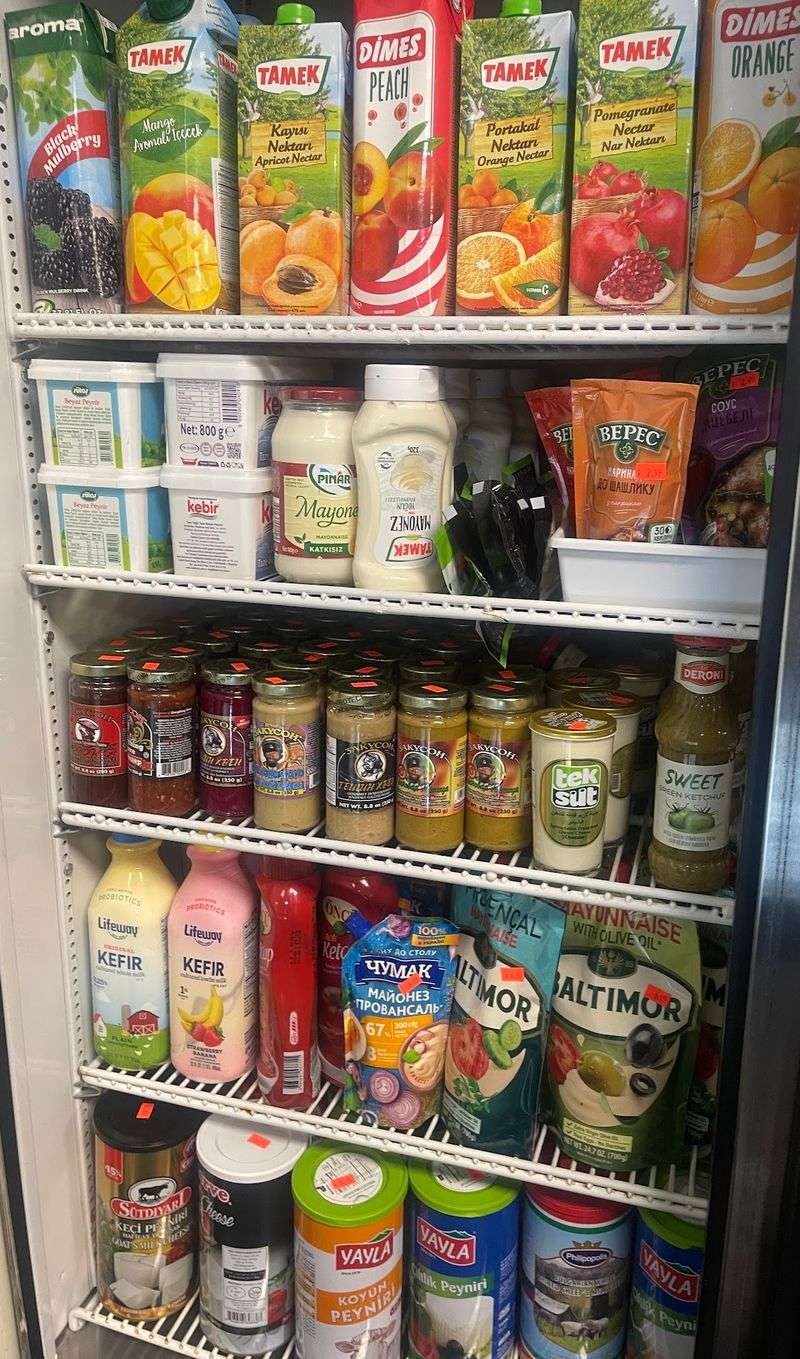
A single jar can upgrade your whole cooking routine. Biber salcasi, Turkish red pepper paste, is the one to grab first.
It comes sweet or hot, thick as tomato paste, and adds smoky depth to soups. Stir a spoonful into rice, stew, or ground beef.
Pul biber flakes are next on the list. They bring warmth and a mild fruity note rather than sharp burn.
Sumac is the deep red powder with a lemony tang. Sprinkle it over sliced onions and you have the classic kebab side salad.
Pomegranate molasses deserves a spot too. A drizzle over salad with olive oil beats most bottled dressings.
Dried mint shows up in almost everything. Turkish cooks use it more than fresh mint in hot dishes.
You will also spot bulgur in several grinds. Fine bulgur makes kisir, a bright salad with parsley and pepper paste.
Bags of dried beans, lentils, and rice fill the lower shelves at good prices. Buying here beats specialty aisle markups.
Read labels for import origin if you care about authenticity. Many products come straight from Turkish producers.
Start with three items, not fifteen. Your pantry will thank you.
How To Shop Like A Regular
Small markets run on rhythm, and learning it makes every visit better. Bring a list, then abandon half of it.
The best finds are usually things you did not plan on. That jar with the unfamiliar label is often the winner.
Ask questions at the counter. Staff can explain what a product is and how it is usually cooked.
Reviewers frequently mention how helpful the people behind the register are. Take advantage of that.
Check the freezer twice. Manti, borek, and other prepared items hide behind the front rows.
Prices on imported goods here typically undercut big grocery chains. Nuts, dried fruit, and olives are especially good value.
The store keeps the same hours seven days a week, which makes an unhurried midweek stop easy to plan.
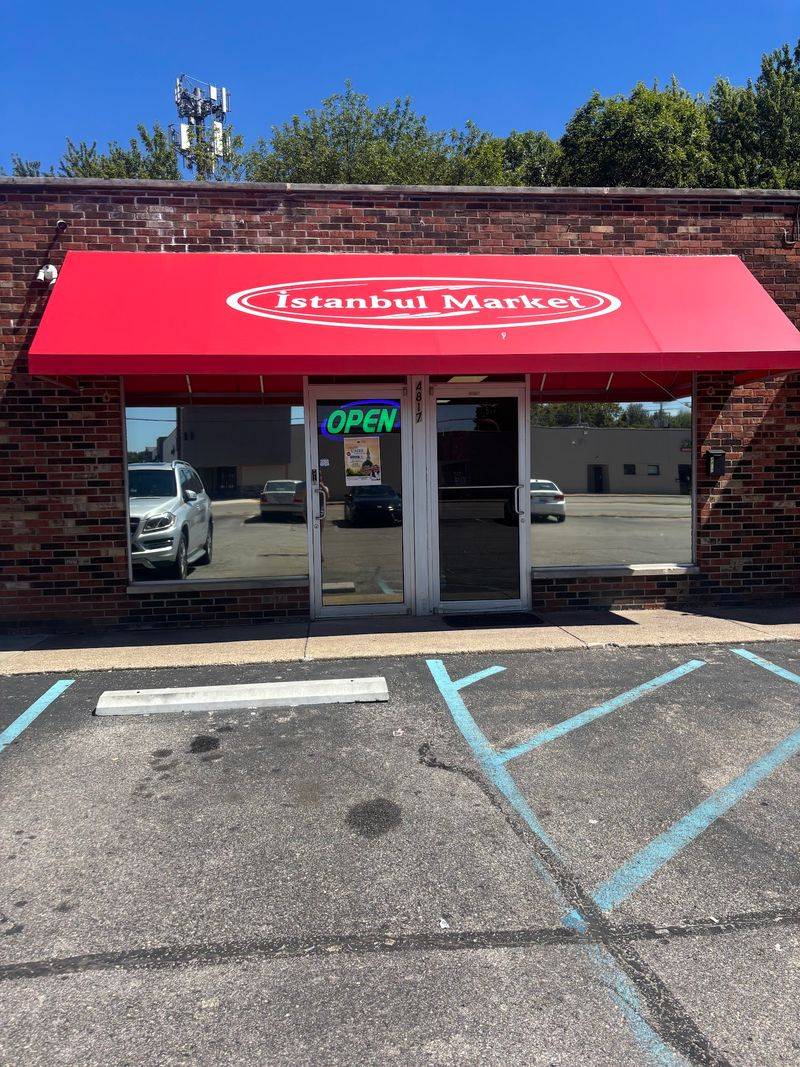
The store sits along South Watterson Trail near Bardstown Road, on the southeast side of Louisville, Kentucky. It is a short drive from the Watterson Expressway.
Give yourself twenty extra minutes. You will spend them reading labels, and it will be worth it.