The Largest Harvest Festival In New England Returns To This Connecticut Town In September
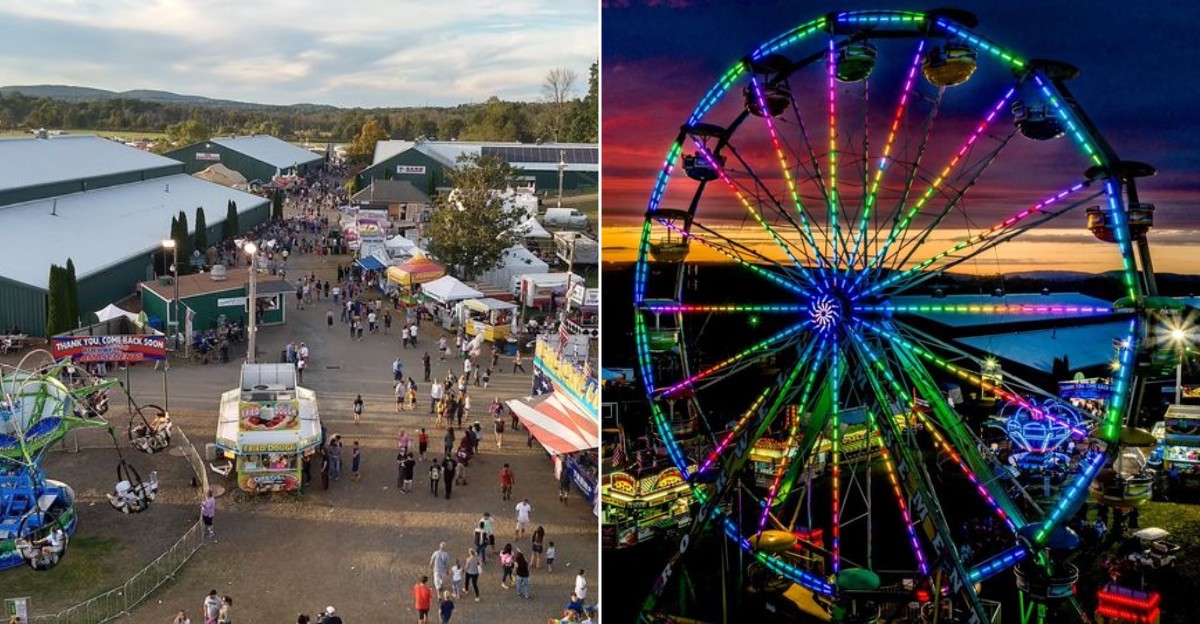
Connecticut gets one of its biggest September traditions back when the fairgrounds fill with that unmistakable mix of autumn energy and hometown excitement.
The event has been drawing crowds for generations, and the return always feels like a proper marker that fall has arrived.
You can spend hours wandering without needing a strict plan because the atmosphere keeps changing as the day goes on.
Agricultural traditions remain a huge part of the identity, while live entertainment and fairground favorites give the weekend plenty of extra buzz.
By evening, the whole place feels different under the lights. It is big, busy, and very easy to make a full day out of.
The 2026 celebration runs late in September, giving visitors several days to fit it in without rushing.
This is the sort of fair that turns a simple afternoon outing into a full seasonal tradition, especially once the cooler air and glowing midway start working their magic.
1. Four Days Turn A Small Town Into Fair Central
It gets big fast. For four days each September, Durham, Connecticut, changes as crowds pour into a fair built on community effort.
In good weather, attendance can climb past 200,000, an extraordinary number for such a small town.
What makes the scale even more impressive is who keeps everything moving. The Durham Fair is 100 percent volunteer run, with unpaid helpers handling work across the grounds before and during the event.
That local involvement gives the weekend a warmer, more personal feel than its size might suggest.
Crowds vary throughout the four-day run, so arriving earlier can make exploring easier. Animal barns draw steady attention, while agricultural exhibits keep the fair’s original character front and center.
The atmosphere stays strongly family focused, with plenty happening beyond the larger entertainment areas.
Parking requires some planning. Visitors use designated offsite lots, then ride school-bus shuttles to the fairgrounds because general visitor parking is not available directly on site.
Those buses can become full during busy periods.
The best approach is simple: leave extra time and wander at your own pace. With so much spread across the grounds, rushing makes it easier to miss the community details that give the Durham Fair its personality.
2. Rolling Farmland Sets The Scene For The Celebration
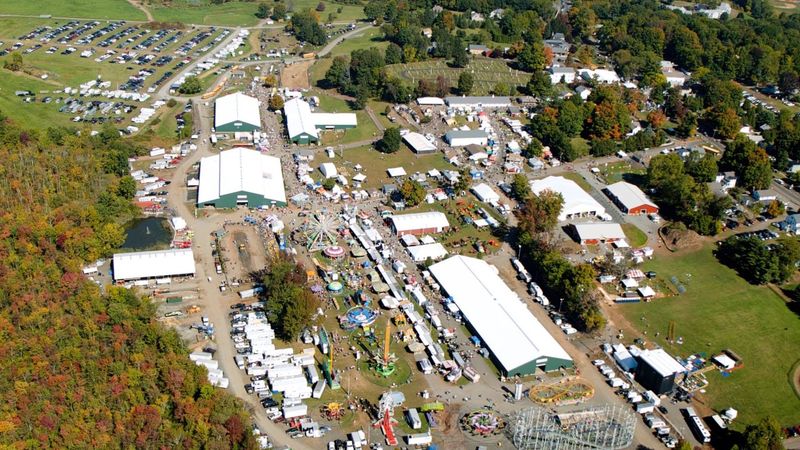
The hills set the mood. Durham Fair spreads beyond the town green, turning the slopes into part of the experience.
That rolling setting gives the event a rural feel before you even reach the busiest sections.
What began entirely on the green now extends across more than 45 acres of neighboring land. Permanent fair buildings sit throughout the grounds, while activity areas climb and dip with the terrain.
Comfortable shoes are a smart choice because some stretches involve noticeable uphill walking.
A free courtesy shuttle circles the fairgrounds during operating hours when weather and ground conditions allow. Kiddie Land sits near the South Green side, so families may want to keep that section in mind while planning their route.
Warm afternoons can make the open parts of the grounds feel bright, making a shaded break welcome during a long visit. The changing elevations also create some of the best views across the fair.
The Durham Fairgrounds are at 24 Town House Road, Durham, CT 06422. From higher spots, the tents and activity below blend into the surrounding countryside.
That backdrop is a big part of the charm, giving the fair a setting that feels closely tied to Durham’s agricultural roots.
3. The Tradition Started With One Day In 1916
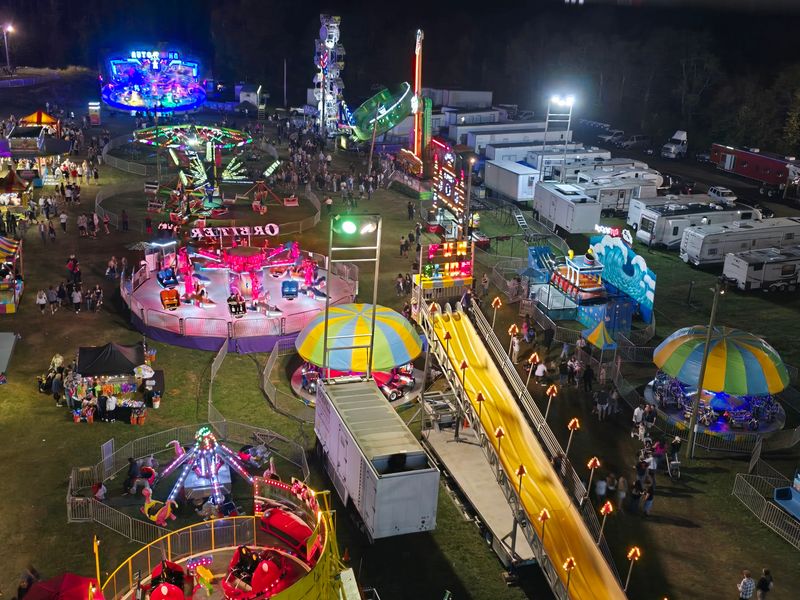
It started simply. In 1916, Durham residents voted to hold a fair, creating a tradition that would grow far beyond its one-day beginning.
Admission was just 25 cents for adults and 10 cents for children ages five through fourteen.
The first fair paid less than $300 in prize money. Today, that figure has climbed above $90,000, showing just how much the event has expanded while keeping agriculture at its center.
Growth happened gradually. The fair ran for one day through 1921, expanded to two days from 1922 through 1950, and became a three-day event in 1951.
Thursday evening was added in 2010, creating the four-day schedule visitors know today.
Even with that growth, the original spirit remains easy to spot. Exhibitors still bring animals and homegrown produce to compete for ribbons, while neighbors gather around traditions that have been part of Durham for generations.
That long history gives the fair a different kind of energy. Every September adds another chapter to a story that began more than a century ago, yet the event still feels closely tied to the community that created it.
Modern crowds may be much larger, but the fair’s agricultural roots remain clearly visible across the grounds.
4. More Than 45 Acres Now Fill With Fair Fun
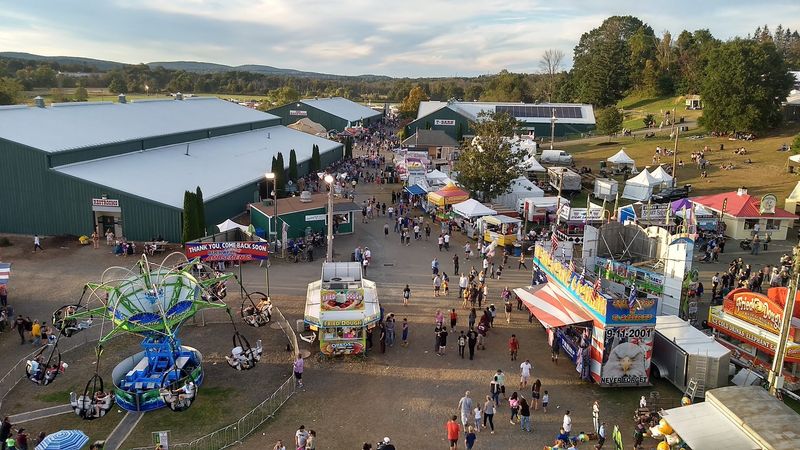
Forty-five acres is a lot of ground to cover, and the fair uses nearly every foot of it. The carnival midway alone, with its rides and game booths, could occupy an afternoon.
Beyond the midway sit competitive exhibits, craft tents, commercial vendors, and food stands in serious numbers. Crafts and vendors come up constantly when visitors describe what they enjoyed most.
The Motorized Events Ring is where things get loud in the best way. Demolition derbies, tractor pulls, and monster truck rallies all take their turn there across the weekend.
A practical tip that regular fairgoers share: the permanent outbuildings often house local nonprofit food operations, and prices there tend to be gentler than at the midway trailers.
Fair food covers the full range, from fried dough to regional favorites like steamed cheeseburgers. Portions are generous and the variety is wide enough that picky eaters rarely go hungry.
Bring a reusable water bottle rather than sealed bottles, and consider buying admission in advance to skip the gate line.
If the derby or a truck event is on your list, arriving early for a good seat is smart. Folding chairs help at outdoor events with hillside seating.
5. Giant Pumpkins Bring Serious Bragging Rights
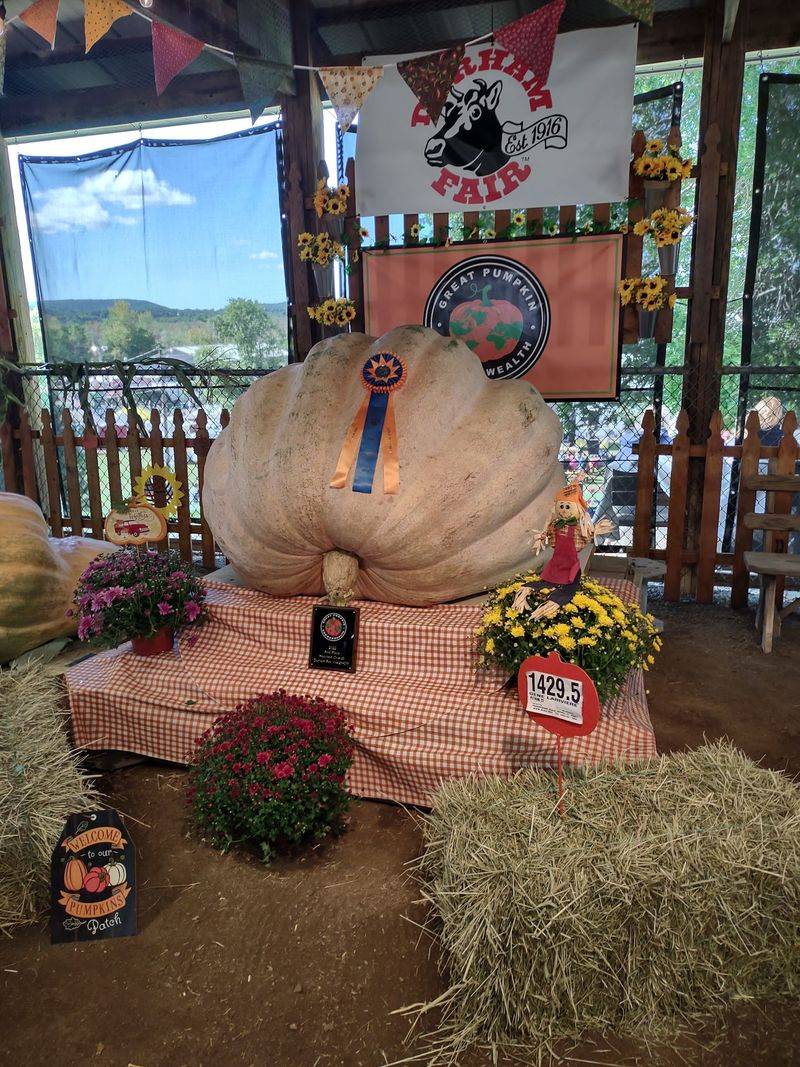
Two thousand, one hundred and eighty-one pounds. That was the new fair record set by a pumpkin at the 2025 Durham Fair, and photos rarely do that kind of size justice.
The display is called the Garden of the Giants, and pumpkins are only part of the show. Giant squash, oversized tomatoes, long gourds, bushel gourds, enormous watermelons, and towering sunflowers all compete for attention.
Growers take this seriously. The official weigh-off happens on the Tuesday before the fair opens, with entries delivered between 2 PM and 5 PM.
Exhibitors have to be present during the weigh-in for their entry to qualify for prizes, which keeps the event social as well as competitive. Growers swap seed stories and technique tips while the scale does its work.
For visitors, the exhibit is a guaranteed crowd-pleaser and one of the easiest stops to enjoy with kids. Little ones tend to stare, then immediately ask how something gets that big.
Answer: months of careful watering, feeding, and fussing over a single vine.
Photograph the giants early in the day if you want a clear shot. By afternoon, there is usually a friendly crowd gathered around them.
6. Farm Exhibits Keep Its Agricultural Roots Strong
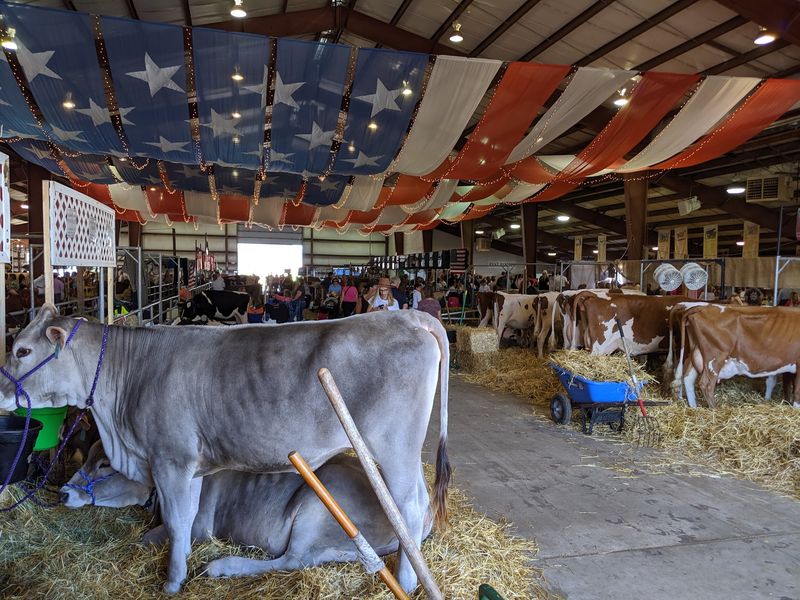
The barns steal the show. At the Durham Fair, animals have a way of slowing people down, especially once the llamas start drawing a crowd with their calm expressions.
Livestock exhibits spread across several areas and cover everything from cattle to smaller farm animals. Rabbits are another favorite, with hundreds competing during the fair.
More than 12,000 entries appear across the fair’s exhibits each year, so the agricultural side stays busy throughout the weekend.
Plant Science adds a bright change of scenery. Carefully grown produce shares the spotlight with floral displays, giving visitors another look at the skills behind local agriculture.
The Farm Museum shifts the mood again. Blacksmith demonstrations continue throughout the weekend, while antique pulley-driven equipment comes to life several times each day.
Nearby, the Discovery Center offers ongoing educational exhibits designed to make learning feel hands-on and approachable.
Young exhibitors receive plenty of attention too. More than 2,000 entries created by children as young as three fill the Youth Exhibits building.
Give this section time. A slower wander through the barns and exhibit spaces reveals much of the community spirit that keeps the Durham Fair rooted in its agricultural beginnings.
7. Four Stages Pack The Weekend With Entertainment
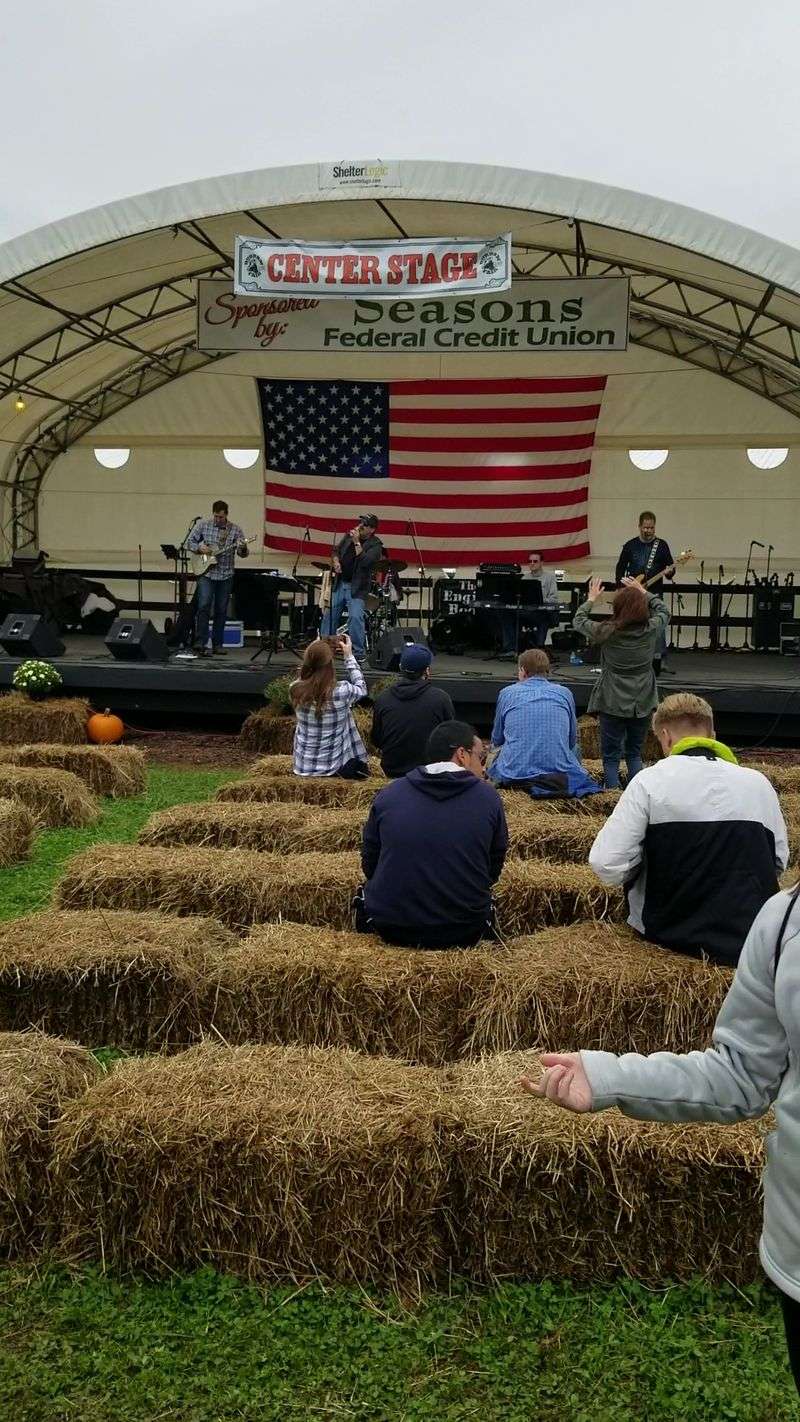
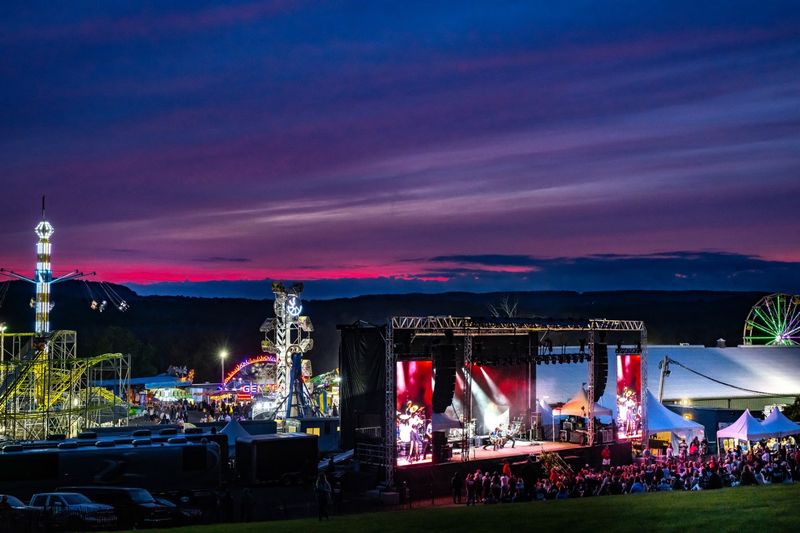
Music runs almost nonstop across four separate stages: the Main Stage, Center Stage, Green Stage, and Sunflower Stage. That spread means you can wander from a local band to a national act without leaving the grounds.
The Main Stage is where the headliners land. For 2026, Queen Nation is scheduled for Friday, September 25 at 7:30 PM, with Tyler Hubbard taking the stage Saturday, September 26 at 7:30 PM.
Past years have brought a mix of country and rock names, and Saturday night consistently draws the largest gathering of the weekend.
Seating at the Main Stage is largely hillside grass, so a blanket or low chair is a genuinely useful thing to carry. Getting there well before showtime makes for a far more comfortable evening.
The smaller stages have their own charm, hosting live bands and performances all weekend with room to breathe. They are a pleasant place to sit with food and let a set play out.
Animal pulling contests round out the entertainment schedule, drawing steady crowds of their own.
Check the daily lineup when you arrive and build your route around one or two must-see performances rather than trying to catch everything.
8. September 24 Brings The Tradition Back Again
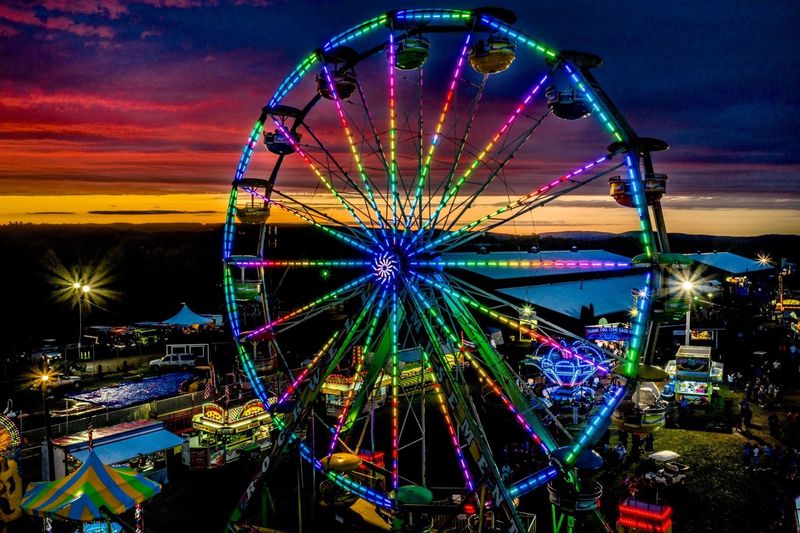
The fair weekend arrives with plenty to plan. Durham Fair returns September 24 through 27, 2026, opening Thursday from 4 PM to 10 PM before settling into longer daytime hours.
Friday and Saturday run from 9 AM to 10 PM, while Sunday ends at 6 PM. Admission also changes by day.
Thursday tickets cost $10, while adult admission Friday through Sunday is $20. Children 11 and under enter free, and advance online tickets are available for $15 through September 24.
Sunday brings an extra reason to visit. September 27 is Military Appreciation Day, when U.S. active military members and veterans receive free admission.
Parking happens away from the fairgrounds, with school-bus shuttles carrying visitors between designated lots and the entrance. Because those buses can fill quickly, leaving extra time makes arrivals and departures easier.
The Durham Fairgrounds are at 24 Townhouse Road, Durham, CT 06422. Buying admission ahead can also make the start of the day feel smoother.
With a little planning, the four-day celebration is easy to enjoy at a relaxed pace, leaving more time for the exhibits and traditions that have kept Durham returning each September for generations instead of spending the visit thinking about schedules and logistics.