The Little-Known Attraction In Michigan That’s Absolutely Worth The Trip
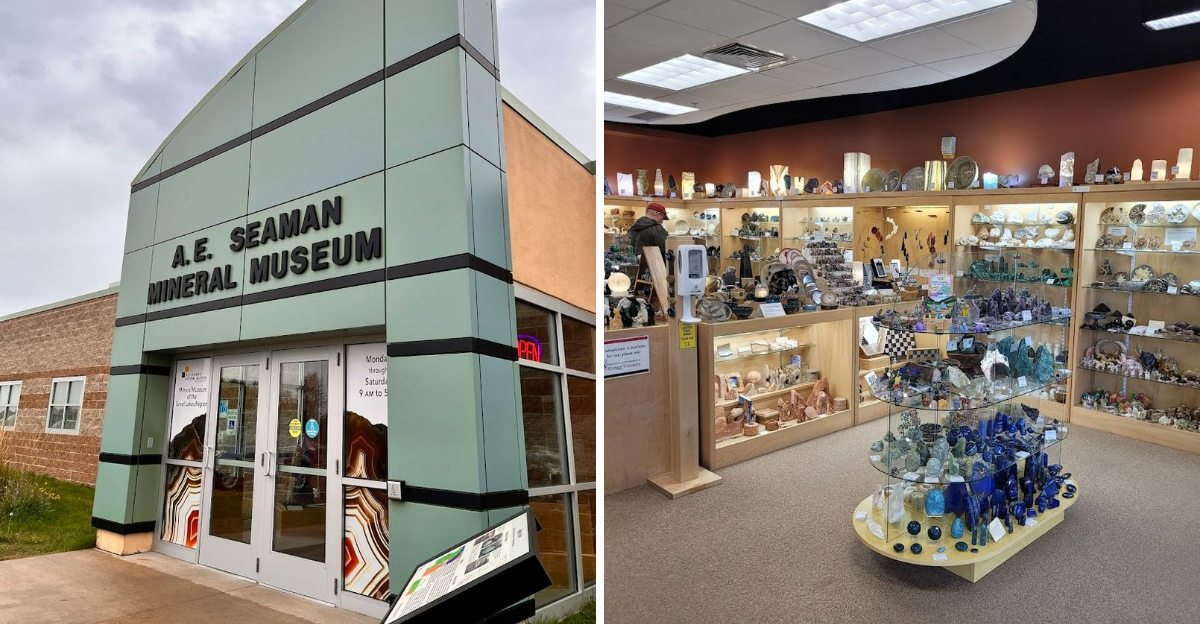
Not every museum announces itself. Some sit quietly in unexpected corners of a state, waiting for the right kind of curious person to find them.
Michigan has one of those places, and most people drive right past it without ever knowing what they are missing. Inside, the walls tell a story that stretches back millions of years.
Crystals catch the light in colors you did not know existed in nature. Gemstones the size of your fist sit behind glass looking like something out of a fantasy novel.
The collection is serious, the space is beautiful, and the experience is the kind that makes you want to call someone the moment you leave. Michigan rarely gets credit for surprises like this one.
It absolutely should. If you have never considered yourself a gem person, this place might change your mind before you reach the second display case.
A Collection That Rivals The Smithsonian
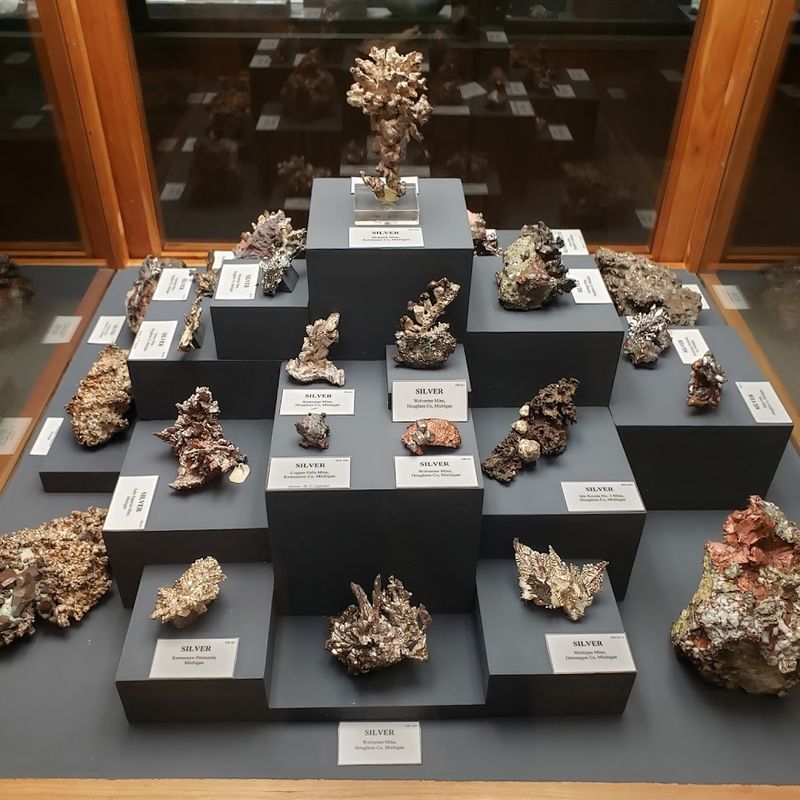
Nobody warns you that a university museum could stop you cold. The moment you pass the entrance, you are surrounded by roughly 40,000 mineral specimens from across the globe.
That number is not a typo. Forty thousand.
The sheer variety makes your head spin in the best possible way.
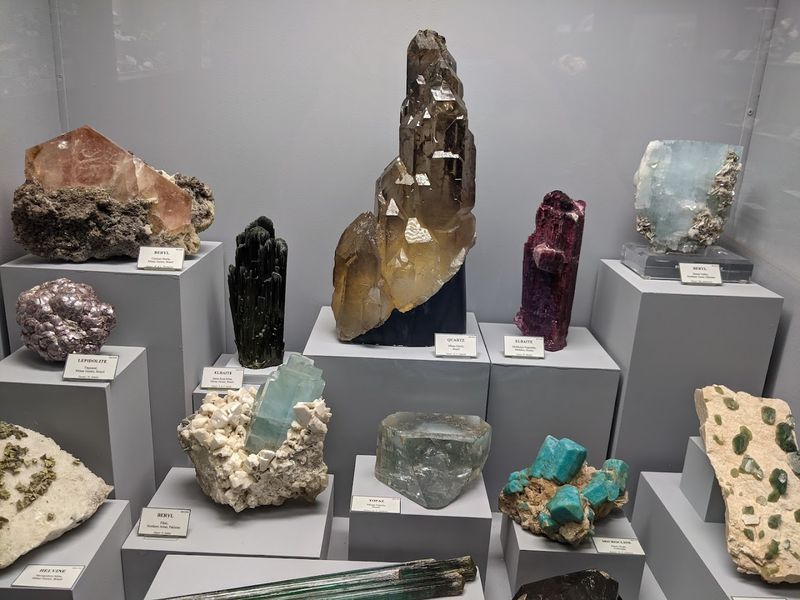
From rare crystals found deep underground to polished stones that look almost too perfect to be real, every display case holds something new. The collection spans continents and centuries.
Since 2015, the museum also incorporated the University of Michigan mineral collection, making it even more impressive. Two major collections under one roof is a serious deal.
Visitors frequently compare the experience to larger institutions in major cities. The quality here genuinely competes with national-level museums, which feels almost unbelievable given the remote setting.
You can find the A.E. Seaman Mineral Museum at 1404 Sharon Ave, Houghton, MI 49931, right on the Michigan Technological University campus.
Plan your visit around a full morning or afternoon, because rushing through this place would be a genuine shame.
The 19-Ton Copper Slab That Breaks Records
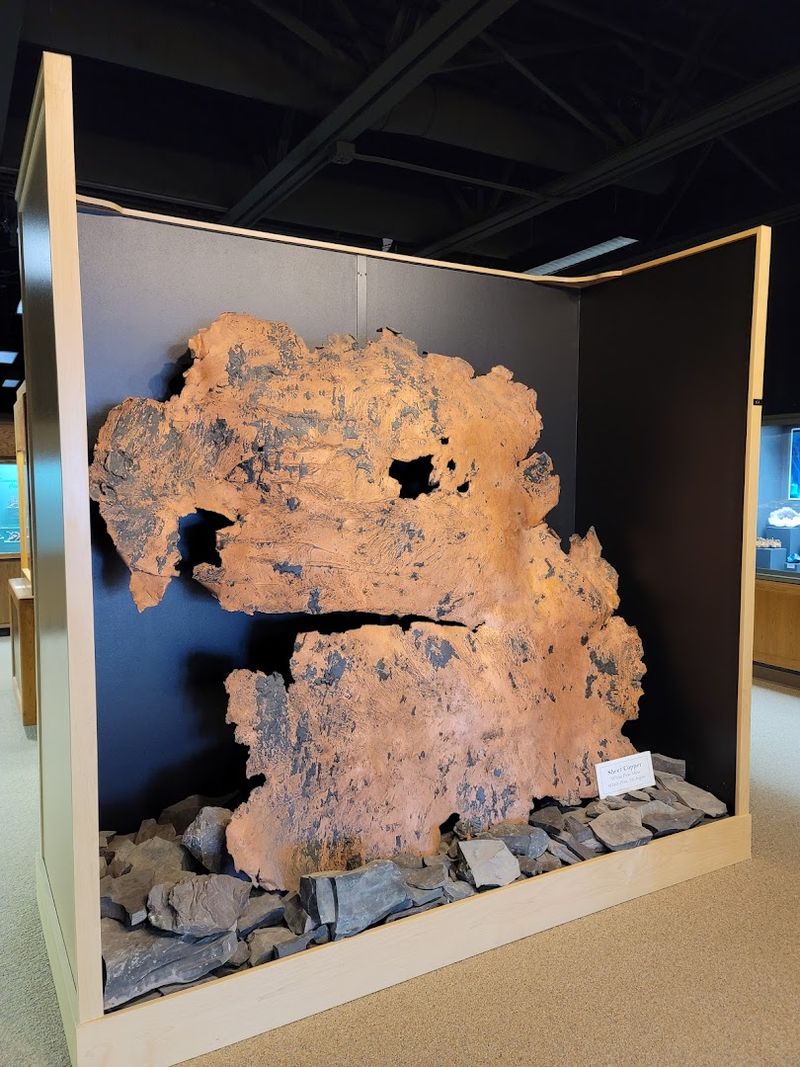
Standing next to something that weighs 19 tons puts your own existence in perspective. This enormous native copper slab holds a Guinness World Record, and it earned that title honestly.
Pulled from the bottom of Lake Superior, this ancient piece of copper is displayed in the outdoor Copper Pavilion. It sits there like a geological celebrity, completely unbothered by the attention.
The Copper Pavilion opens from early May through mid to late October, so timing your visit matters. Arriving in summer gives you the best chance to see it up close in good weather.
Raw copper from Michigan’s Keweenaw Peninsula has a long and fascinating history. Native peoples used it for tools and trade long before European explorers ever arrived in the region.
Seeing this massive slab connects you to that deep timeline in a very physical way. You are not just reading about history here, you are standing right next to it.
The outdoor display is free to view during open season and requires no extra ticket. It is one of those moments that photographs poorly but stays with you for a long time afterward.
The Fluorescent Mineral Room Is Pure Magic
Imagine walking into a dark room and watching rocks explode into neon colors. That is exactly what happens in the fluorescent mineral exhibit, and it never gets old.
Under black light, ordinary-looking stones transform into vivid shades of orange, green, pink, and blue. The effect is genuinely jaw-dropping, even for adults who think they are too cool to be impressed by rocks.
A synchronized video presentation guides visitors through the display, lighting different sections at timed intervals. It feels more like a light show than a science lesson, which is exactly the right balance.
This spot is recognized as one of the best fluorescent mineral exhibits in the entire United States. That is a bold claim, but after seeing it firsthand, it is hard to argue.
Kids absolutely love this room, and honestly, so does everyone else. There is something almost childlike about watching a plain gray rock suddenly glow like a traffic cone.
The science behind fluorescence is explained clearly on the exhibit labels. You leave understanding why certain minerals react to ultraviolet light, and that knowledge makes the visual experience even more satisfying.
Michigan Minerals Get Their Own Spotlight
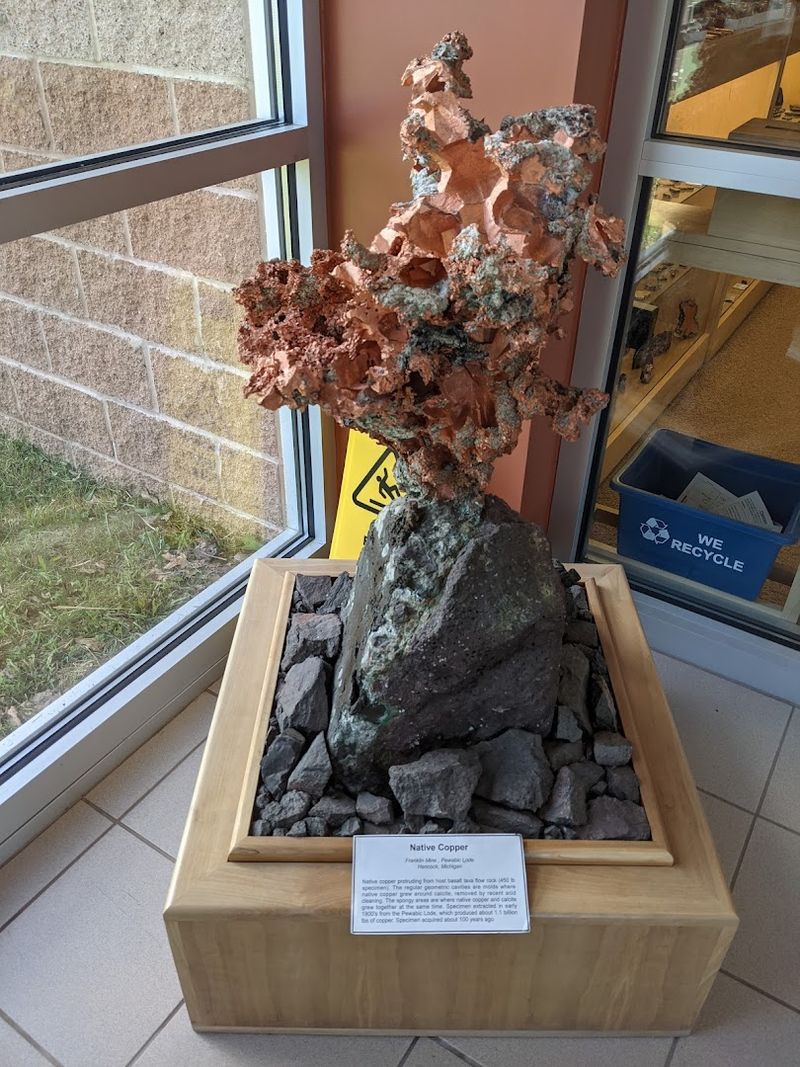
This state has a mineral story unlike almost anywhere else in North America. This museum makes sure that story gets told with the respect it deserves.
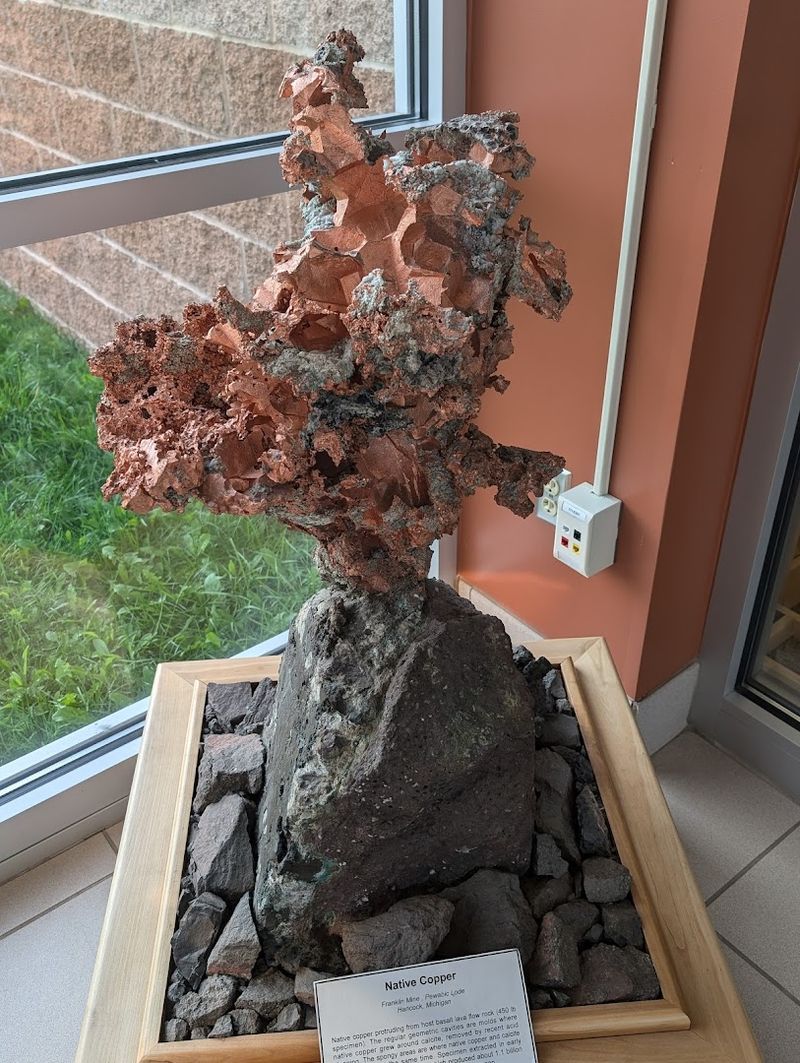
The collection of native minerals here is considered the best in the world. That includes native copper, silver, and copper-silver combinations that formed naturally in the Keweenaw region millions of years ago.
Some specimens on display were collected 100 to 200 years ago by early geologists and mining pioneers. Douglass Houghton, the state’s first geologist and the city’s namesake, personally gathered some of these historic pieces.
Holding that historical context in mind while looking at the specimens adds a whole extra layer. These are not just pretty rocks, they are physical records of the state’s scientific and industrial past.
The Keweenaw Copper District produced more copper than almost anywhere else on Earth during the 1800s. Understanding that legacy makes the copper specimens feel genuinely significant rather than just decorative.
Each exhibit label is well-written and easy to understand, even if geology is new to you. You do not need a science degree to appreciate what is being shown, just a little curiosity and a willingness to slow down.
A History That Started Before Michigan Was Even A State
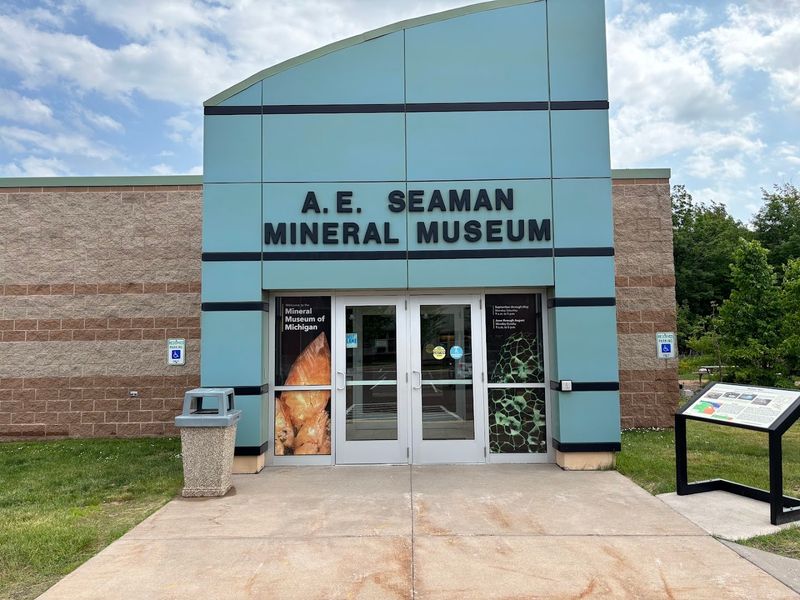
Most museums have a founding story, but this one goes back to 1885, which is pretty remarkable. The mineral collection was actually mandated by the same legislation that created Michigan Technological University.
Back then, the school was called the Michigan College of Mines. It made sense that a mining school would want a serious rock collection, and that early logic led to something extraordinary.
By 1902, the collection had grown enough to be organized into a proper museum. The institution was officially named after professor Arthur Edmund Seaman in 1932, honoring his work as curator from 1928 to 1937.
Seaman spent years building and organizing the collection into something academically respected. His dedication shaped what this museum became, and his name on the building is a well-earned tribute.
The current building, Thomas D. Shaffner Hall, opened in 2011.
It is a modern, well-designed space that handles a massive collection without feeling cluttered or overwhelming.
Walking through the exhibits, you feel the weight of over a century of collecting and curating. That kind of institutional history gives the place a gravitas that newer museums simply cannot manufacture no matter how hard they try.
Admission Prices That Won’t Make You Wince

Finding a world-class experience at a budget-friendly price feels almost suspicious these days. Somehow, this place manages to pull it off without cutting any corners on quality.
Adult admission is just nine dollars, which is a genuinely fair price for what you get. Seniors, young adults, and juniors pay even less, and children eight and under get in completely free.
The museum also participates in programs like MUSEUMS for ALL and the Michigan Activity Pass, expanding access for families of all income levels. That kind of inclusivity matters and sets a good example.
Here is the best part: your ticket is valid for two full days. If you cannot absorb everything in one visit, you can come back the next day without paying again.
For a thorough visit where you read all the exhibit labels and explore every room, plan on two to three hours minimum. Some people stretch it across both days, which honestly sounds like a perfect way to spend a Michigan weekend.
Free parking sits right next to the building, and the facility is fully handicap accessible with an onsite wheelchair available. Practical details like that make a real difference when planning a family outing.
The Gift Shop Deserves Its Own Fan Club
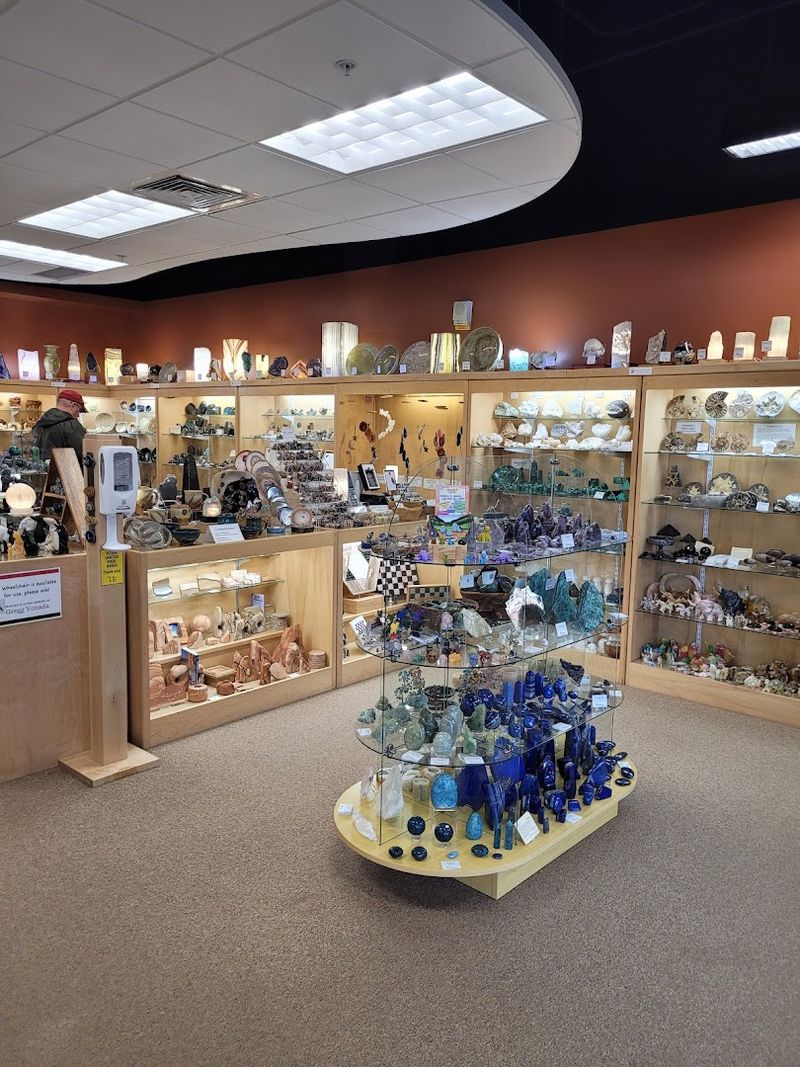
Some gift shops feel like an afterthought, stocked with magnets and keychains that have nothing to do with the museum. This one is a completely different experience.
Shelves hold raw mineral specimens, polished stones, handmade jewelry, and gifts inspired by the collection you just spent hours admiring. The prices are genuinely reasonable, which is a pleasant shock after many museum shop experiences.
Raw copper pieces are a standout item, given the region’s deep connection to copper mining. You can take home a real piece of Keweenaw geological history for far less than you might expect.
The variety covers collectors, casual shoppers, and kids all at once. Whether you want a scientific reference book or a sparkly piece of amethyst for your desk, the shop has you covered.
One tip worth sharing: do not rush through the gift shop on your way out. Budget at least fifteen to twenty minutes, because the selection rewards a slow, careful browse.
Shipping is available for larger purchases, which solves the classic problem of falling in love with something too big to carry home. That practical option turns a wish into a real possibility without any regret on the drive home.
The Collection Goes Far Beyond Gemstones
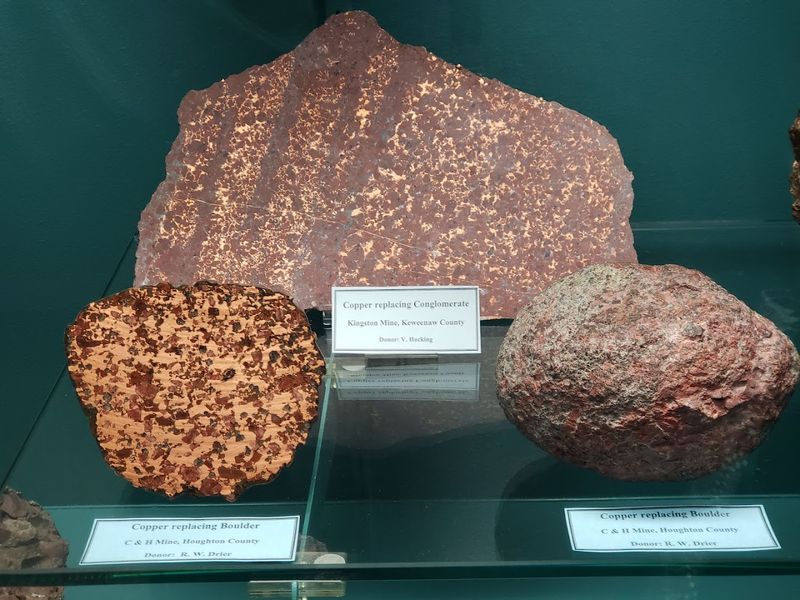
Just when you think you have figured out what kind of museum this is, you turn a corner and find meteorites. Real ones, from space, sitting calmly in a display case like they belong there.
The fossil exhibits add another layer of prehistoric wonder to an already rich collection. Minerals, fossils, and meteorites together create a timeline that stretches from the formation of the solar system to the present day.
Each exhibit section introduces something genuinely different from the last. The layout keeps you curious and moving forward rather than feeling like you are seeing the same thing repeated in slightly different formats.
Educational labels throughout the museum explain how minerals form, why they look the way they do, and how they connect to everyday life. The writing is clear and approachable, never talking down to visitors.
The museum is physically larger than it appears from the outside, which is a consistent surprise for first-time visitors. You think you have seen most of it, and then another room opens up with something completely unexpected inside.
That sense of discovery is what makes repeat visits worthwhile. Even on a second or third trip, there is always something you missed or something new to appreciate from a different angle.
Why The Remote Location Is Actually The Point
Getting somewhere that takes effort makes the arrival feel earned. The Upper Peninsula of Michigan is not on the way to anywhere, and that is precisely what makes finding this place so satisfying.
Houghton sits on the Keweenaw Peninsula, surrounded by forests, lakes, and a landscape shaped by glaciers and ancient volcanic activity. The geology outside the museum mirrors what is displayed inside, which adds a wonderful coherence to the whole trip.
The drive through the Upper Peninsula is scenic and peaceful in a way that few American road trips can match. Arriving at a world-class museum at the end of that drive feels like a genuine reward.
The museum is open year-round, Monday through Saturday from 9 AM to 5 PM, with extended Sunday hours during June through August.
Summer visits benefit from the outdoor Copper Pavilion being open, adding the Guinness record copper slab to an already full experience. Winter visits have a quieter, more intimate feel that has its own appeal.
This is the kind of place that reminds you why road trips exist. Not every great experience needs to be in a major city, and this museum proves that point better than most.