The Little-Known Florida Automobile Museum That Deserves More Attention
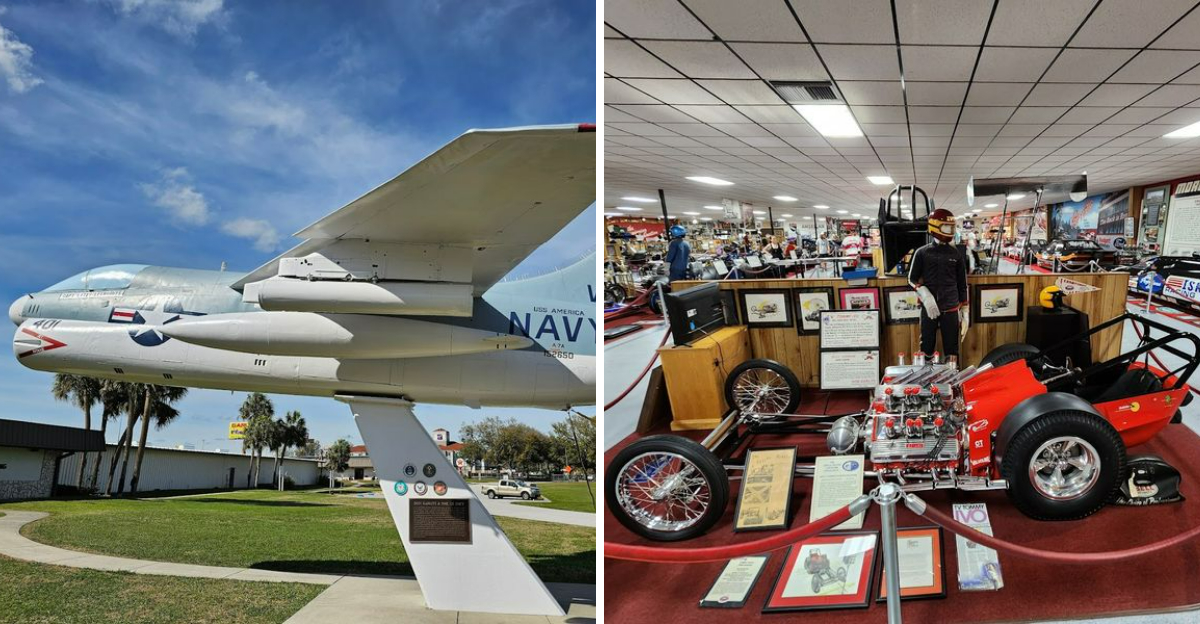
I have a weakness for places that smell like old engine oil and history. Museums with velvet ropes bore me.
Give me a building full of machines that actually raced, crashed, and won. I found exactly that on a quiet stretch of Florida highway, and I still cannot believe how few people know it exists.
The parking lot was nearly empty. The collection inside deserved a line around the block.
Gleaming chrome, legendary race cars, and stories at every turn that pull you in for hours. I planned a thirty-minute stop and stayed until closing.
Florida loves to promote its beaches and theme parks, but this spot proves the state hides treasures in unexpected corners. Car lover or not, this museum will win you over.
Allow me to make the case for your next detour.
The Swamp Rat Dragsters That Rewrote Racing History
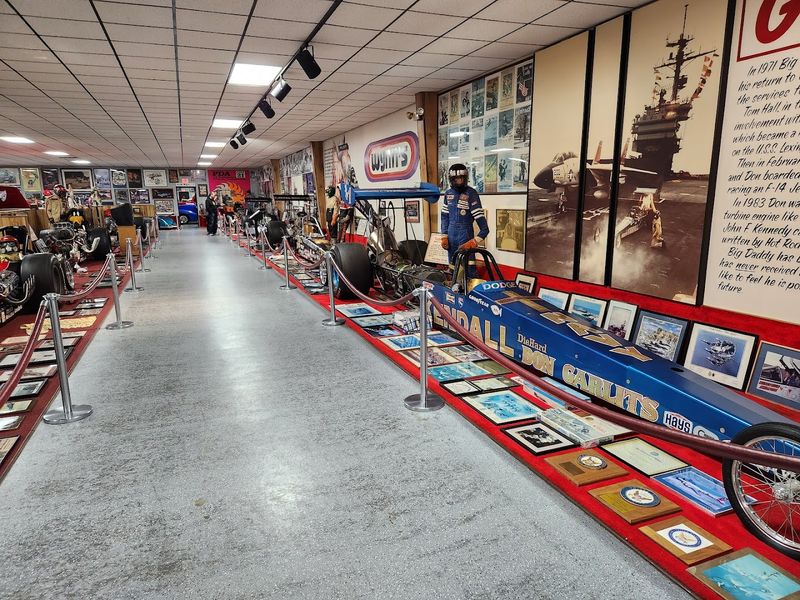
Few machines in American motorsport carry the same weight as the Swamp Rat series. These dragsters were not just fast cars.
They were rolling proof that one man could reshape an entire sport.
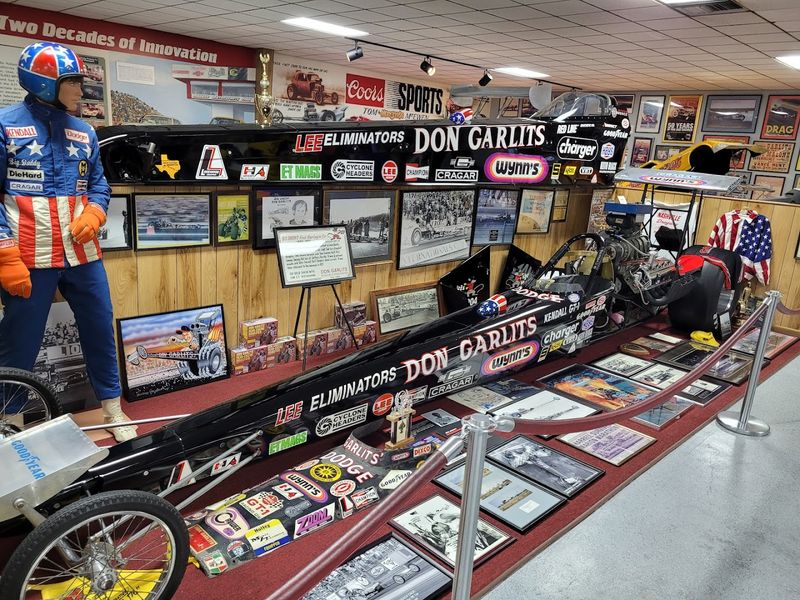
Don “Big Daddy” Garlits built and drove these machines across decades of competition. The original Swamp Rat I sits proudly in the museum, the very car that set his first world record.
That alone is worth the price of admission.
Swamp Rat 14 is the real showstopper. After a serious accident in 1970, Garlits redesigned his dragster with the engine behind the driver instead of in front.
That rear-engine layout helped reshape Top Fuel design and became the dominant standard in the years that followed.
Standing next to these cars, you feel the weight of what they represent. Each rivet and weld tells a story about speed, nerve, and engineering courage.
The museum at 13700 SW 16th Ave, Ocala, Florida displays nearly the entire Swamp Rat series. You can trace the design evolution from one car to the next.
It is a hands-on history lesson that no textbook could replicate.
Two Buildings Packed With Automotive Treasures
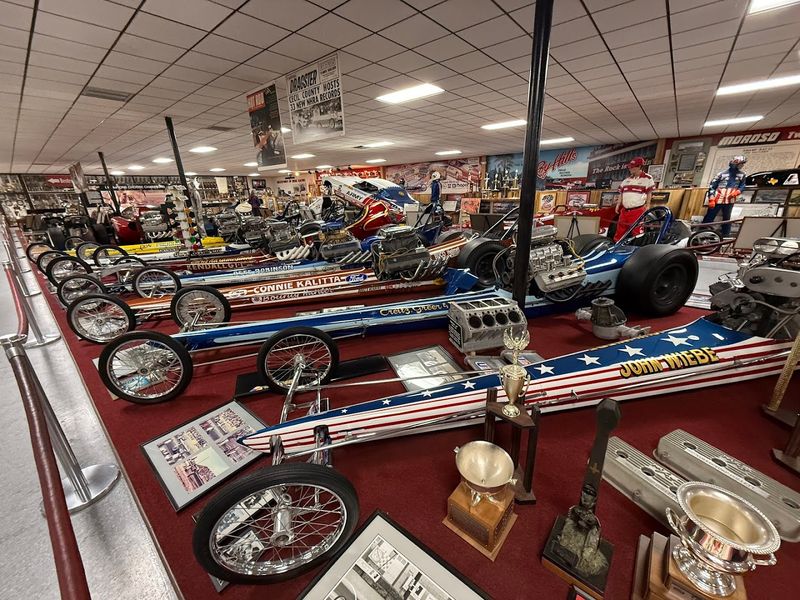
Most people expect one building and one collection. This museum gives you two completely different worlds under one visit.
That alone makes it an unusual stop along Interstate 75.
The Drag Race Building houses approximately 90 historic racing vehicles. Dragsters, funny cars, and fuel altereds fill the space with a kind of roaring visual energy, even in silence.
Every car has a story attached to a plaque on the wall.
The Antique Car Building holds about 50 classic American automobiles. Stepping inside feels like crossing into a different era entirely.
Chrome bumpers gleam, paint shines, and the craftsmanship of a gone age is impossible to ignore.
Plan to spend at least two hours here, though four is more realistic. Serious car fans often lose track of time completely.
Each building rewards slow, careful attention rather than a quick walk-through. The staff keeps both spaces immaculate.
Not a speck of dust sits on the black cars, which is a detail that genuinely impresses. Together, the two buildings create a complete picture of American automotive culture from street to strip.
Speed Records Frozen In Steel And Rubber
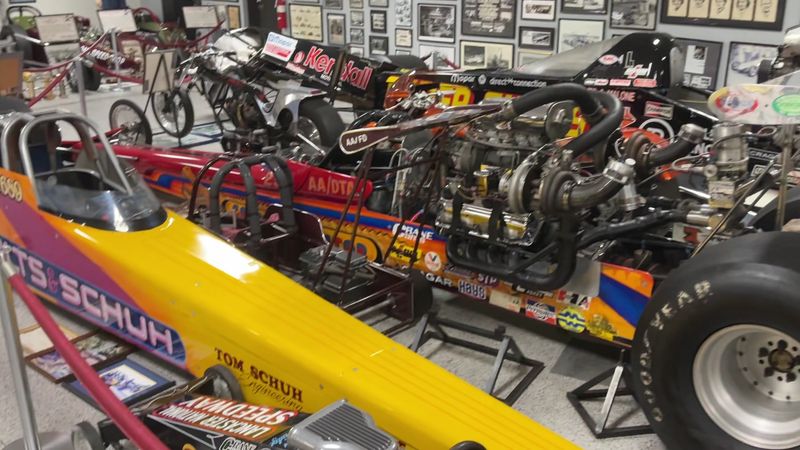
Breaking 200 miles per hour in a quarter mile was once considered nearly impossible. Garlits did it first.
Then he broke 250 mph. Then 270 mph.
Several of the cars tied to Garlits’ record-setting career are displayed here, giving visitors a close look at the machines that pushed drag racing forward.
There is something genuinely electric about standing next to a car that once moved faster than almost anything on a public road. You can see the tires, the cockpit, the fuel lines.
History feels very close.
These are not replicas or recreations. They are the actual machines driven at those record-breaking moments.
That level of authenticity is rare in any museum, anywhere. Most institutions display copies.
This one displays the originals.
The detail on each car rewards close inspection. Handmade components, custom fabrication, and clever engineering solutions are visible everywhere.
You start to understand that drag racing was as much about problem-solving as raw horsepower. Each speed barrier required a different mechanical answer.
Garlits found those answers faster than anyone else. Seeing the progression laid out car by car makes the achievement feel even more remarkable.
It is history you can almost reach out and touch.
The International Drag Racing Hall Of Fame Lives Here
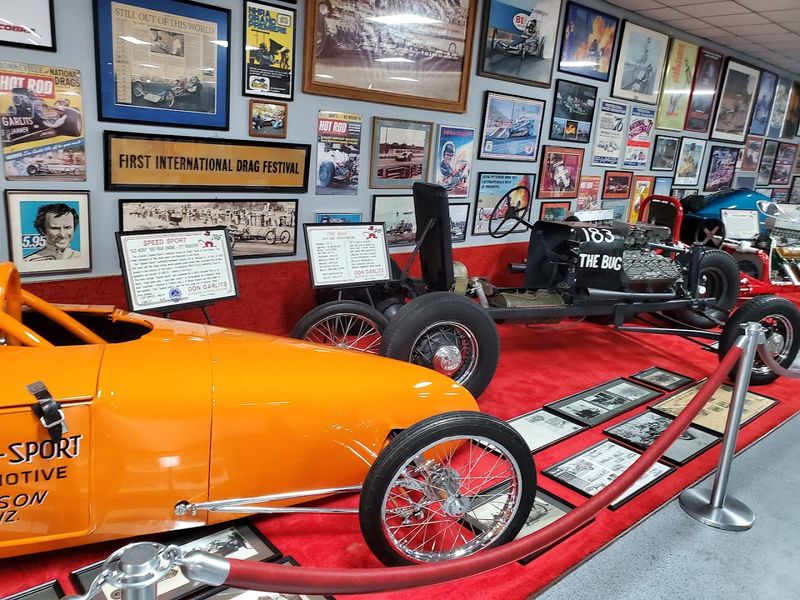
Not every sport has a hall of fame worth visiting in person. Drag racing has one, and it lives inside this museum.
The International Drag Racing Hall of Fame honors the people who built the sport from the ground up.
Inductees are selected each year by a committee of veteran racing and performance industry figures. The process is serious and deliberate.
Names on these walls earned their place through decades of contribution.
Walking through the hall, you encounter stories of drivers, builders, promoters, and innovators. Some names are familiar.
Others are less famous but equally important. The display does a fine job of explaining why each person mattered.
It adds real depth to a museum visit that might otherwise focus only on the cars. Understanding who built the culture around drag racing changes how you look at the machinery on the floor.
The hall also gives younger visitors a starting point for research. Every plaque is a doorway into a bigger story.
For anyone curious about how a fringe sport became a major American pastime, this section answers a lot of questions in a surprisingly compact space.
The Personal Collection That Brings A Legend To Life
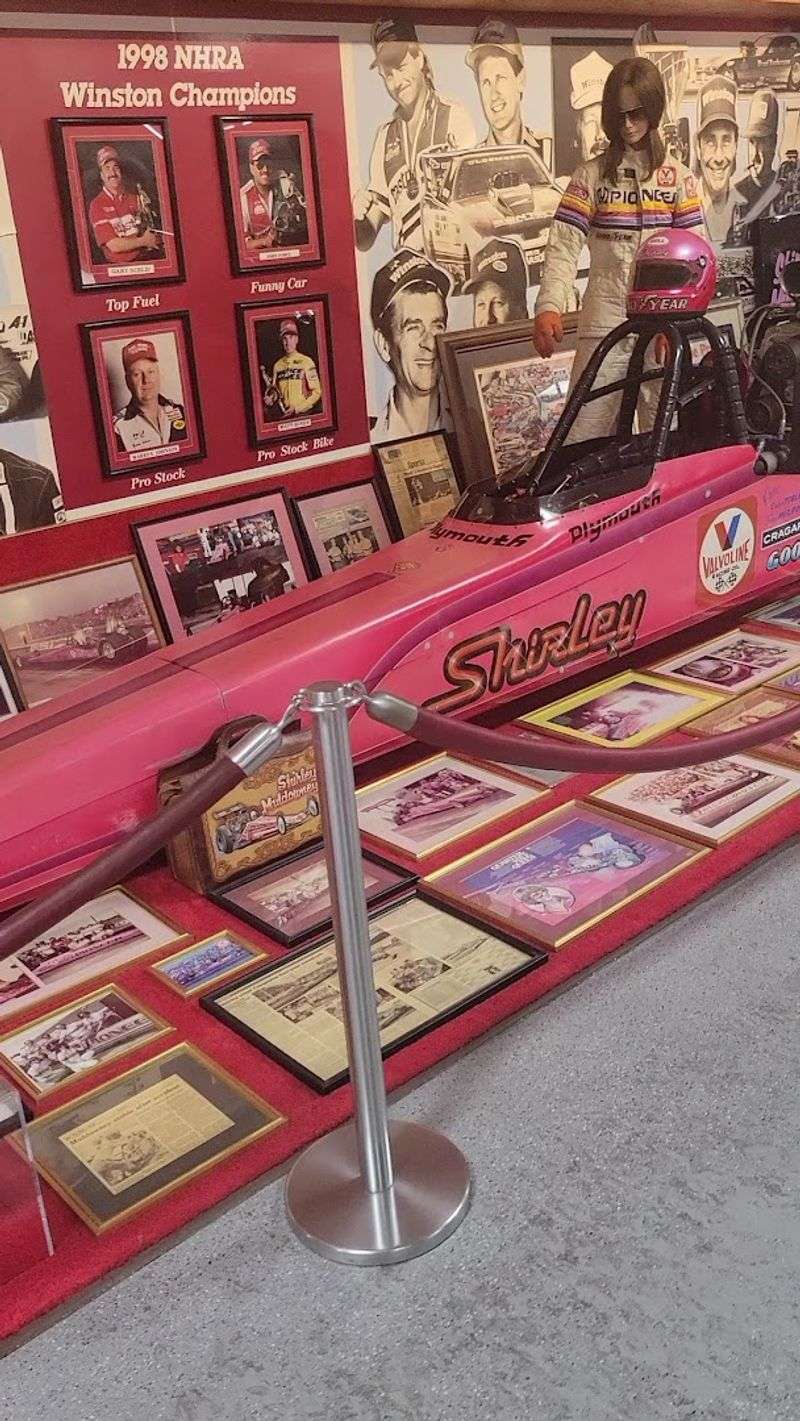
Cars get most of the attention, but the personal artifacts in this museum hit differently. Worn fire suits hang behind glass.
Trophies line the shelves. Photographs capture moments of triumph that no digital archive quite replaces.
These items belonged to real people in real moments of pressure and victory. A racing glove worn at 250 miles per hour carries a different energy than a glove in a store.
You feel the history in the material itself.
Garlits kept meticulous records and preserved items that most racers would have discarded. That personal dedication to history is what makes this collection feel complete rather than curated for show.
Nothing here feels staged or manufactured for tourist appeal.
The photographs deserve extra time. Black-and-white images from early drag racing events show pit crews, makeshift tracks, and cars that look almost primitive compared to the machines nearby.
The contrast is striking. You get a clear sense of how much the sport evolved in a single generation.
For anyone who grew up watching drag racing on television, this section of the museum is especially resonant. It brings back memories that feel both personal and collective.
Dean Moon’s Mooneyes And The Icons Beyond Garlits
Big Daddy built this museum, but he filled it with more than his own story. Some of drag racing’s most iconic machines from other legends also call this place home.
That generosity of vision sets this collection apart.
The Mooneyes gas dragster and the Moonbeam sports car, both connected to Dean Moon, are among the standout pieces. Moon was a pioneer in the performance parts industry and a beloved figure in early drag racing culture.
Seeing his cars here feels like a proper tribute.
The “Little Red Wagon” Wheelstander is another crowd favorite. It is the kind of vehicle that makes you do a double take.
Front wheels lifted, rear wheels spinning, it captures the wild showmanship that made drag racing events unforgettable in their heyday.
Each outside contribution adds texture to the larger story. Drag racing was never just one person’s achievement.
It was a community of obsessed builders and drivers pushing limits together. The museum reflects that truth honestly.
Rather than centering everything on one name, it builds a portrait of an entire era. That approach makes the collection feel broad, generous, and more historically complete than you might expect from a private institution.
Cacklefests And Events That Bring The Cars Back To Life
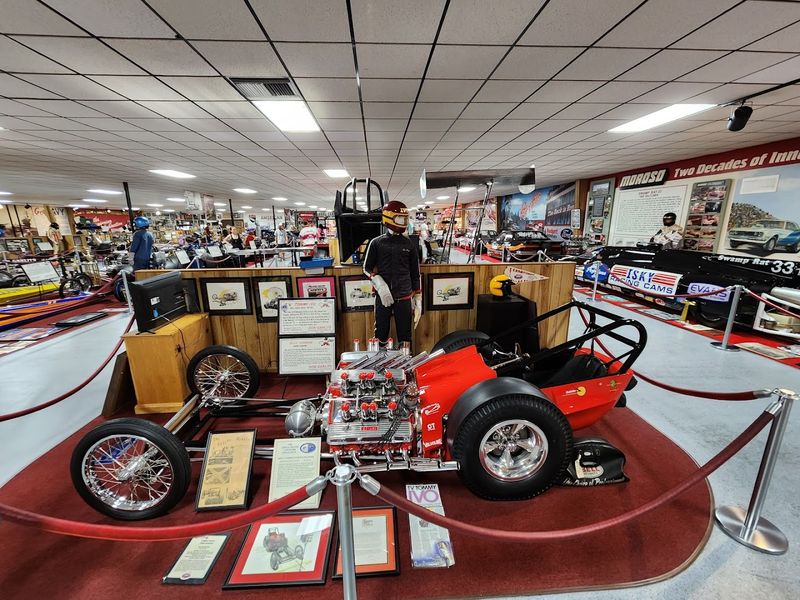
Some museums let you look. This one occasionally lets you hear, smell, and feel.
Cacklefests are events where historic dragsters are actually started up, producing the thunderous crackle that gave them their name. It is genuinely startling the first time.
The sound of an unsilenced nitromethane engine at idle is something no video can prepare you for. Your chest vibrates.
The air smells sharp and chemical. For a few seconds, decades collapse and you are standing at a 1960s drag strip.
Mopar swap meets also take place at the museum periodically. Car culture fans travel significant distances to attend these events.
The parking lot fills with muscle cars, trucks, and trailers carrying parts that enthusiasts have been searching for years.
Events like these transform the museum from a static collection into a living piece of automotive culture. They attract first-time visitors who might not otherwise stop, and they bring back regulars who want a new experience each visit.
Checking the museum website at garlits.com before your trip is a smart move. Timing your visit around a Cacklefest or a special show turns a great afternoon into an extraordinary one.
Plan ahead and you will not regret it.
A Collection That Earns Every Bit Of Praise
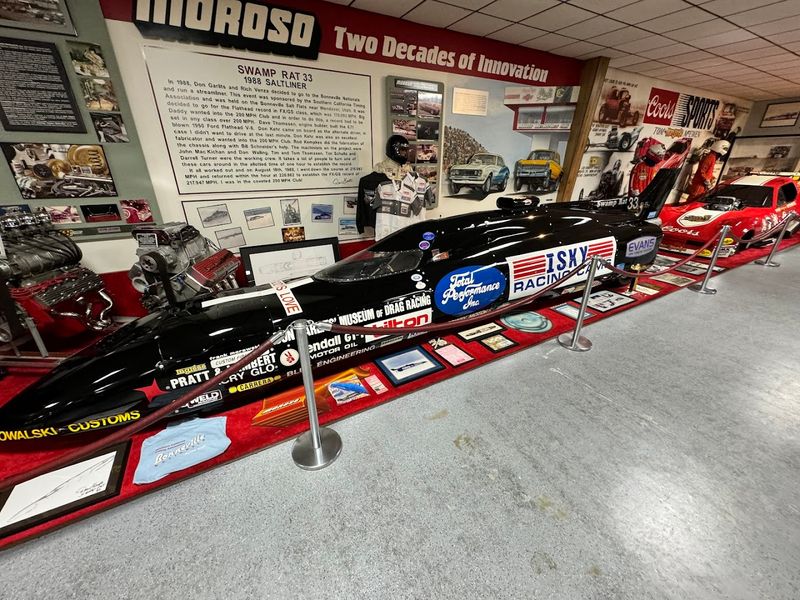
A reputation this strong does not happen by accident. It reflects consistent quality, genuine care, and a collection that keeps delivering on its promise.
This museum earns every bit of the praise it receives.
Visitors range from lifelong drag racing fans to people who had no prior interest in the sport at all. Both groups tend to leave impressed.
That crossover appeal is a sign of a truly well-assembled collection.
The museum opens daily at 9 AM and closes at 5 PM. It is closed on major holidays like Thanksgiving and Christmas.
Standard admission covers both the Drag Race Building and the Antique Car Building, which makes the ticket feel like excellent value.
Cleanliness is a recurring theme among people who visit. The cars are maintained with obvious pride.
Even the darkest paint finishes show no dust, which is a detail that speaks to how seriously the staff takes their work. For a museum of this size and density, that level of upkeep is impressive.
First-time visitors often say they could have stayed twice as long. Repeat visitors say they always find something new.
Both reactions tell you something important about what this place gets right.
Big Daddy’s Garage Sits Right Next Door
Very few museums have their founder living nearby and still personally connected to the place he built. That is exactly the situation at this Ocala institution.
Garlits sometimes greets visitors, signs autographs, and shares stories that no exhibit panel could ever replicate.
Private tours with Garlits himself are available for a fee. Hearing him describe the design decisions behind Swamp Rat 14, in his own words, while standing next to the actual car, is the kind of experience that stays with you for years.
It is living history in the most literal sense.
Even without a personal appearance, his presence shapes the entire museum. Every label, every layout choice, every car selected for display reflects his vision and his memory.
The result is a collection with a clear point of view rather than a generic assembly of impressive objects.
The museum sits just off Interstate 75, making it an easy stop whether you are passing through or making a dedicated trip. For anyone traveling through this part of the state, skipping this stop would be a genuine loss.
It is the kind of place that earns a second visit before you have even left the parking lot.