The Long Island Harbor Where New York Locals Dig Fresh Clams At Low Tide

Nobody told me clamming was this addictive. You wade into the shallows, dig your toes into the wet sand, and feel something hard shift beneath your foot.
Pull it up, rinse it off, and just like that, dinner is decided. New York has a way of overwhelming you with its pace, but this beach operates on a completely different clock.
The tide sets the schedule here. The water is cold, the air is clean, and the only competition is the guy next to you with a bucket and a grin.
New York surprises you like this sometimes. You expect concrete and noise, and instead you get salt air, soft sand, and a meal you caught yourself.
No reservation required. Just low tide, bare feet, and a little patience.
Why Low Tide Is Your Best Friend Here
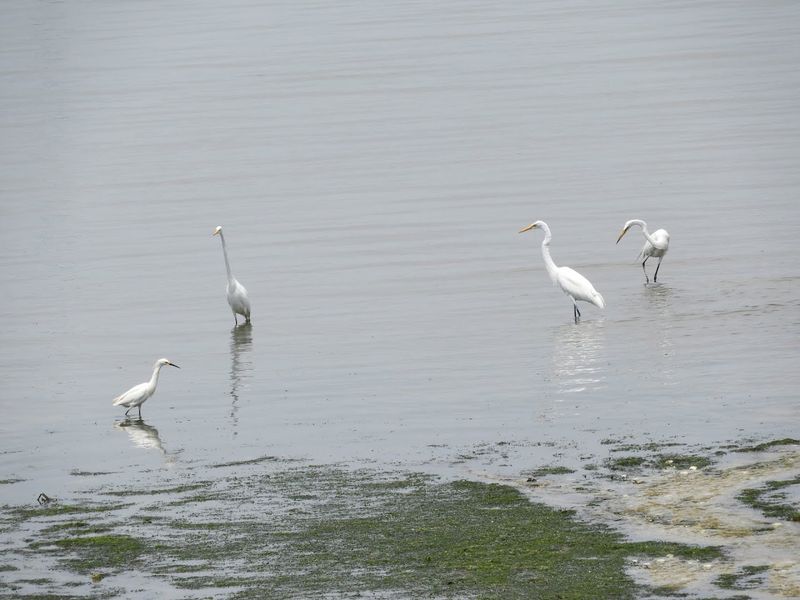
The tide pulls back and suddenly the whole harbor floor is yours to explore. Vast tidal flats stretch out like a sandy invitation you did not expect to receive.
That two-hour window around low tide is where the magic happens. The hour before and the hour after low tide expose the most ground and give you the best shot at a solid haul.
Hard clams sit just beneath the surface, waiting patiently in the shallow muck. You can feel them with your feet before you even reach for a rake.
The calm, protected waters of Oyster Bay Harbor make this spot ideal for beginners and seasoned clammers alike. There is no strong current pulling you off balance or rough surf to fight.
Checking a tide chart the night before is the smartest move you can make. Plan your trip around low tide and you will have the best chance of finding clams where harvesting is currently allowed.
Oyster Bay Harbor, located at Oyster Bay, NY on Long Island’s North Shore, is the place locals have been counting on for generations.
Getting Your Permit Before You Hit The Water

Nobody wants to get turned away at the water’s edge over a piece of paper. Getting your permit sorted ahead of time is the move that separates smart clammers from frustrated ones.
The Town of Oyster Bay requires a personal recreational shellfishing permit for anyone harvesting shellfish in the harbor. You can pick one up at the Town Clerk’s office before your trip.
Only residents of the Town of Oyster Bay are eligible to apply. You will need to be at least 14 years old and bring proof of residency when you apply.
Senior residents aged 60 and over can get a permanent ID card for a one-time fee, which is a genuinely great deal. It pays for itself after just one or two visits to the flats.
The process is straightforward and does not take long. Walk in, show your documents, and walk out ready to clam legally and confidently.
Skipping the permit is never worth the risk. The rules exist to protect the shellfish population and keep this resource available for future generations of New Yorkers.
The Tools That Actually Get The Job Done
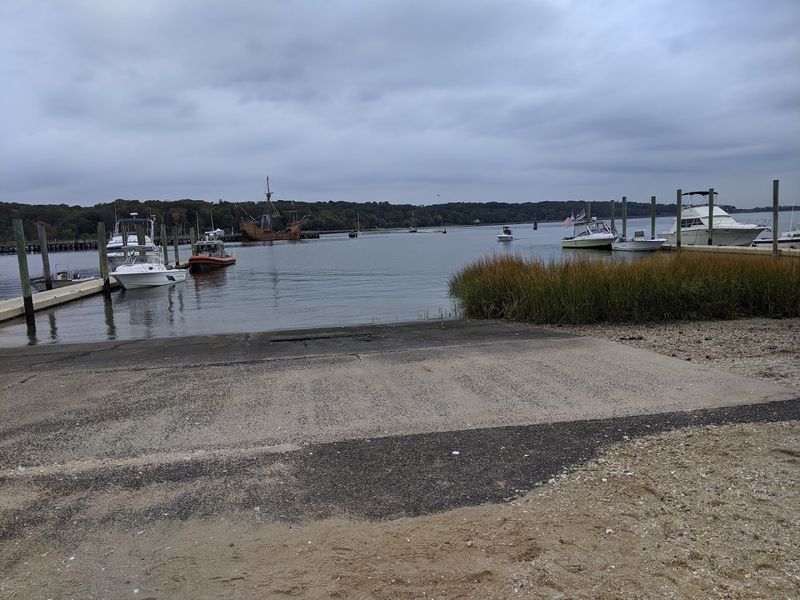
Forget fancy gear. The right tool for clamming in this harbor is refreshingly simple and easy to carry down to the water.
Hard clams can be harvested using hand-operated tongs or rakes. There is one specific rule to know: the teeth on your rake must be spaced at least one inch apart.
That spacing requirement is not random. It is designed to let undersized clams slip through and stay in the water where they belong.
Oysters and mussels play by slightly different rules. You can harvest those by hand, or with tongs and rakes, as long as no power tools are involved.
A good pair of water shoes will protect your feet from sharp shells and rocky patches on the flats. Bring a bucket with a handle and you are basically set for a full afternoon out there.
Many experienced clammers also bring a small ruler or gauge to check clam size on the spot. Hard clams must measure at least one inch thick across the hinge or they go right back in the water alive.
What’s Actually Living Beneath That Sand

Not all clams are created equal, and the harbor makes sure you know the difference pretty quickly. Two names you will hear constantly out here are littlenecks and cherrystones.
Both are varieties of hard clams, also called quahogs. The main difference is size.
Littlenecks are smaller and sweeter, while cherrystones are larger and meatier.
Soft shell clams, also called steamers, can also be found in the harbor flats. They sit a little deeper in the mud and require a bit more patience to locate.
Eastern oysters and blue mussels are also part of the mix. Bay scallops round out the list of shellfish species you might legally bring home from a single outing.
Bank mussels and ribbed mussels are additional options for those who want variety in their bucket. Each species has its own flavor profile and its own best cooking method.
Coming home with a mix of shellfish from one afternoon on the flats feels genuinely rewarding. You did not buy it, you found it, and that makes dinner taste completely different.
How Much You Are Allowed To Take Home
More is not always better, especially when rules are in place to protect a shared resource. Knowing your limits before you go keeps things fair and keeps the flats productive.
Personal permit holders can harvest up to one-quarter of a standard measure bushel of shellfish per day. That is the per-person daily limit for personal or family use.
There is also a combined daily cap to be aware of. The total harvest of clams, blue mussels, and oysters together cannot exceed one full bushel per day.
These limits exist for a good reason. Oyster Bay Harbor has seen intensive conservation efforts over the years to rebuild and maintain healthy shellfish populations.
The Town of Oyster Bay and organizations like Friends of the Bay actively run seeding programs to restore shellfish in the harbor. Designated sanctuary areas exist where harvesting is completely off-limits to support those efforts.
Respecting the daily limits is how you make sure this tradition stays alive for the next generation of New Yorkers. Take what you need, leave the rest, and the harbor will keep giving back.
Checking The Map Before You Wade In

Not every patch of water in the harbor is fair game, and that is something worth knowing before you roll up your pants and step in. Certified harvest zones are the only places where shellfishing is legally permitted.
The New York State Department of Environmental Conservation, known as the NYSDEC, designates which areas are open and which are closed to shellfish harvesting. An interactive map on their website shows you exactly where you can and cannot go.
Areas can be closed seasonally or temporarily depending on water quality testing results. Checking the map the day before your trip is not optional, it is essential.
Harvesting from uncertified waters is both illegal and genuinely risky from a health standpoint. Shellfish filter large amounts of water and can carry contaminants if the surrounding water is not clean.
The NYSDEC map is user-friendly and updated regularly. Bookmark it on your phone so you can pull it up quickly before any trip to the flats.
A little homework before you go means you will spend your time clam-hunting rather than second-guessing whether you are in the right spot.
The Size Rule That Protects The Future Of The Flats

There is a rule out here that sounds simple but carries a lot of weight. Any hard clam you pull up must be at least one inch thick measured across the hinge.
If a clam does not meet that minimum size, it goes back in the water immediately and alive. No exceptions, no debating, no keeping it just because it was a pain to dig up.
That one-inch rule is what allows young clams to grow to reproductive age before they are removed from the population. It is a smart, science-backed conservation measure.
Many first-time clammers are surprised by how quickly they develop an eye for size. After a few minutes on the flats, your hands start to know the difference without needing a gauge.
Bringing a small measuring tool in your bucket is still a good idea, especially if you are new to this. It takes the guesswork out and keeps you confident in what you are keeping.
Every undersized clam you return to the sand is a future littleneck or cherrystone. Think of it as investing in your next trip out here.
What The Temporary Moratorium Means For Visitors

Conservation sometimes means pressing pause, even when the flats look full of promise. A temporary moratorium was put in place starting October 1, 2024, covering 1,850 acres of Oyster Bay Harbor.
The purpose of the moratorium was to allow scientists to collect data on shellfish populations and overall ecosystem health. It was not a permanent closure but a carefully planned research window.
These kinds of scientific assessments help managers make better decisions about harvest limits and sanctuary zones going forward. The data collected directly shapes the rules that protect the harbor for years ahead.
Before planning any trip to this spot, checking the current status of open harvesting areas is absolutely critical. Rules and boundaries can shift based on the latest scientific findings.
The NYSDEC interactive map remains the most reliable source for real-time information on certified and closed areas. Cross-referencing that with Town of Oyster Bay announcements gives you the most complete picture.
Moratoriums like this one are a sign that the system is working. Protecting the resource today means the flats stay productive for every New Yorker who shows up with a bucket and a plan.
Bringing Home Dinner And What To Do With It
Getting home with a bucket of fresh clams is one of the better feelings a Saturday afternoon can offer. The hard part is done and now the fun part begins.
Littlenecks are best enjoyed raw on the half shell or lightly steamed. Their natural brininess needs very little help from a kitchen.
Cherrystones are meatier and hold up well in chowder, pasta, or stuffed clam recipes. Their size makes them satisfying to work with and even more satisfying to eat.
Soft shell clams, the steamers, are almost always cooked in a pot with a bit of water until the shells open. Dipping them in warm broth is a classic move that never gets old.
Blue mussels cook quickly and pair beautifully with garlic, olive oil, and crusty bread. A simple preparation lets the fresh harbor flavor do all the talking.
Rinsing your clams thoroughly before cooking is important. Soaking them in cold salted water for about 20 minutes helps them purge any remaining sand or grit from inside the shell.
Sitting down to a meal you harvested yourself from the harbor that morning is something worth doing at least once. It changes how you think about food and where it comes from.