The Magical Restaurant In California That’s Straight Out Of A Guillermo Del Toro Movie
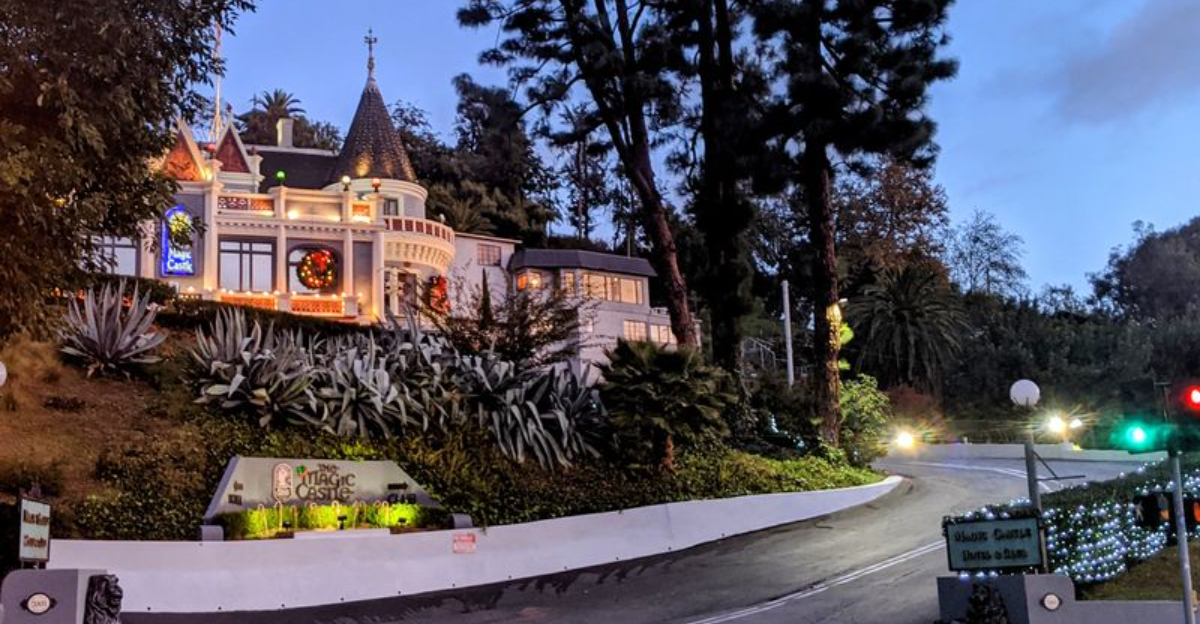
Getting inside isn’t as simple as buying a ticket – the experience begins long before you reach the front door, with invitations, reservations, and a sense that you’re stepping into somewhere most people never see.
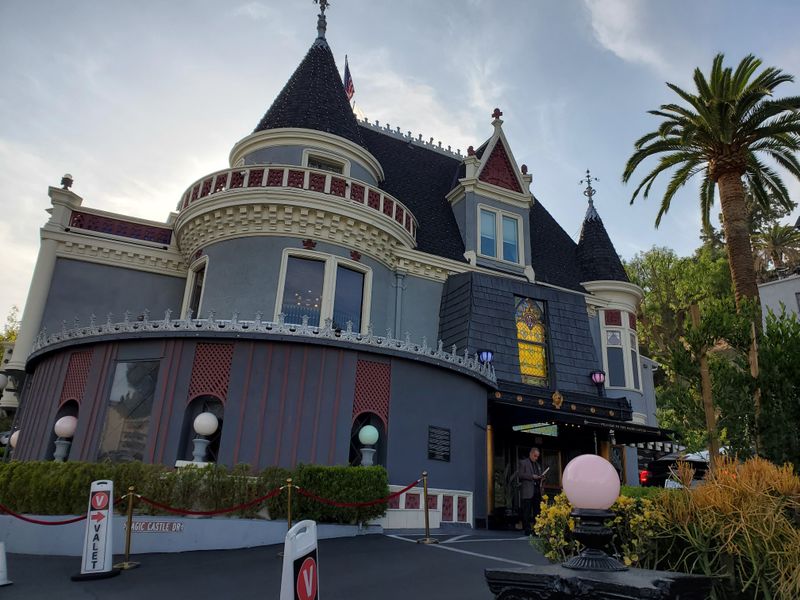
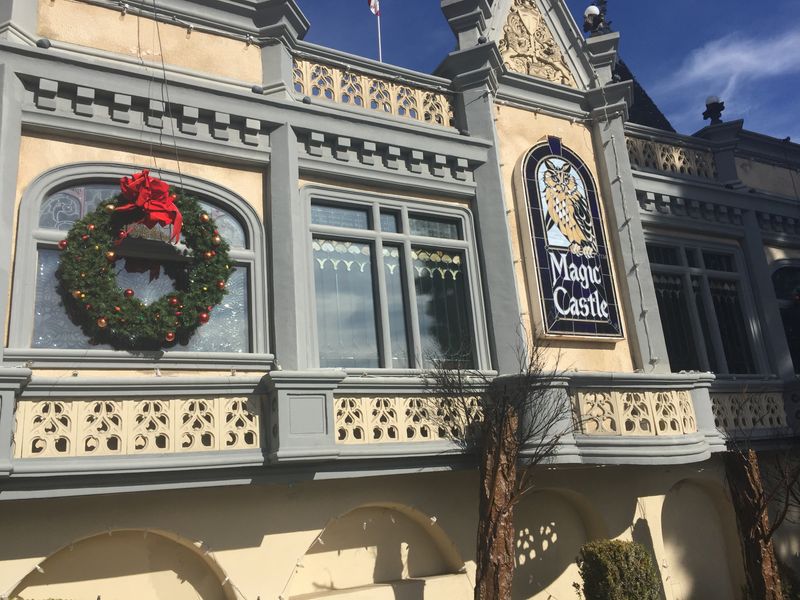
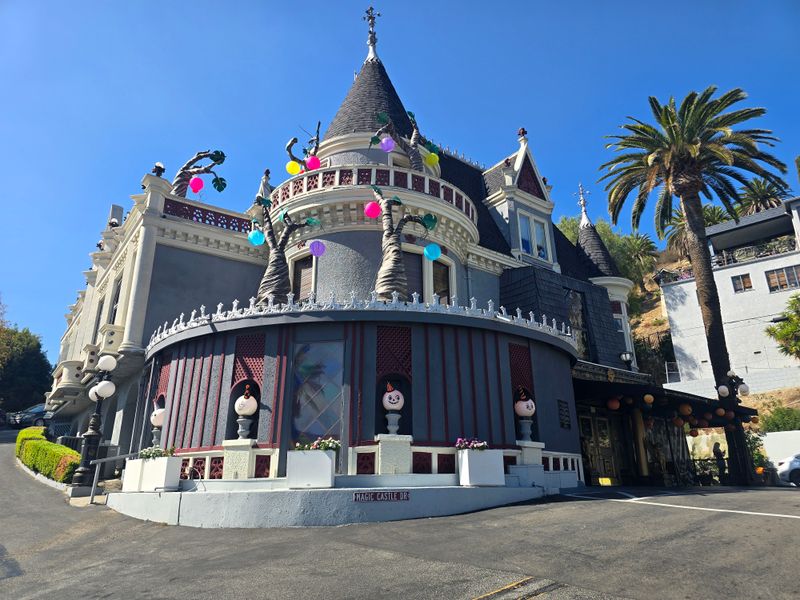
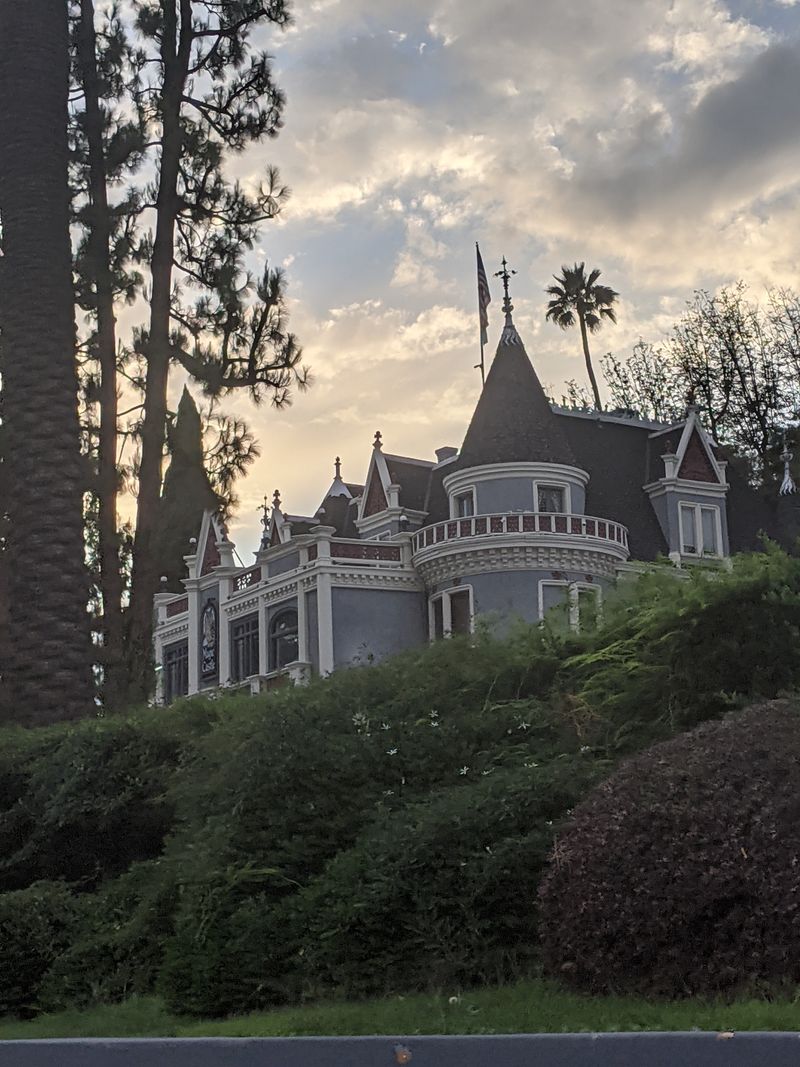
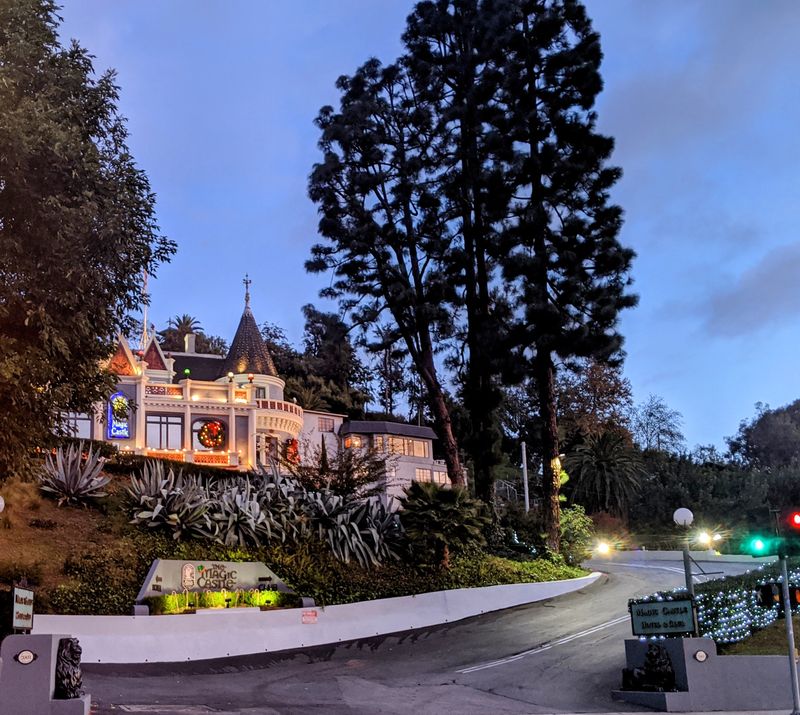
Perched on a hillside above Hollywood, The Magic Castle looks like a Victorian mansion frozen in time.
Turrets. Iron gates. Flickering lanterns. The kind of building that already feels mysterious before you even step inside.
Then the door opens – and reality quietly steps aside. Hidden rooms. Velvet curtains. Candlelit corridors where magicians appear inches from your table and do the impossible without explanation.
Cards vanish. Rings reappear. Minds get read. You stop trying to figure it out and just let yourself be amazed.
The castle feels alive at night. A ghost named Irma plays piano on request. Portraits seem to watch you pass.
Staircases lead to intimate theaters where sleight-of-hand happens so close you can hear the shuffle of the deck.
California has plenty of glamorous places, but few feel this secretive – like you’ve slipped into a private world where fantasy and reality blur for a few unforgettable hours. Strict dress codes keep the atmosphere timeless.
Invitations are rare. And that exclusivity only makes the night feel more surreal. You don’t leave talking about one trick. You leave wondering how any of it was possible.
1. A Château Built For Banking Royalty
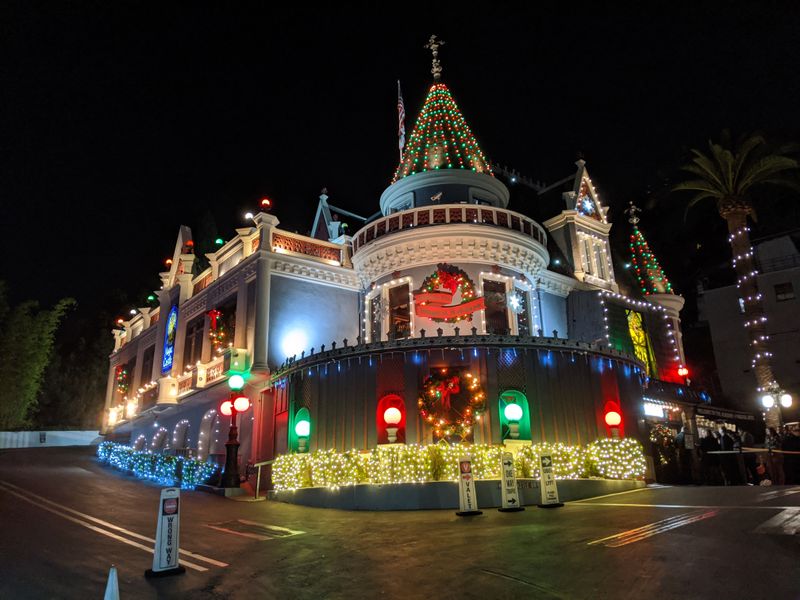
Rollin B. Lane commissioned this remarkable structure in 1909 as his private residence. The banker and philanthropist chose the châteauesque style popular among wealthy Americans during that era.
Architects designed the building with turrets, ornate stonework, and dramatic rooflines that immediately set it apart from neighboring properties.
The mansion sits at 7001 Franklin Avenue in Hollywood and commands attention from everyone who passes by.
Original construction featured luxurious materials and craftsmanship that wealthy families demanded during the early twentieth century.
Lane’s vision created a home that felt more European castle than California residence. Decades passed before the building found its magical purpose.
Brothers Bill and Milt Larsen recognized the structure’s potential in the early 1960s. They understood that the Gothic architecture and mysterious atmosphere made it perfect for housing their vision of a magician’s clubhouse.
The transformation from private home to performance venue required extensive renovations. Workers carefully preserved the building’s historic character while adding theaters and dining spaces.
Today the structure stands as both architectural treasure and entertainment destination, protected as a Los Angeles Historic-Cultural Monument since 1989.
2. Members-Only Access Creates Exclusivity
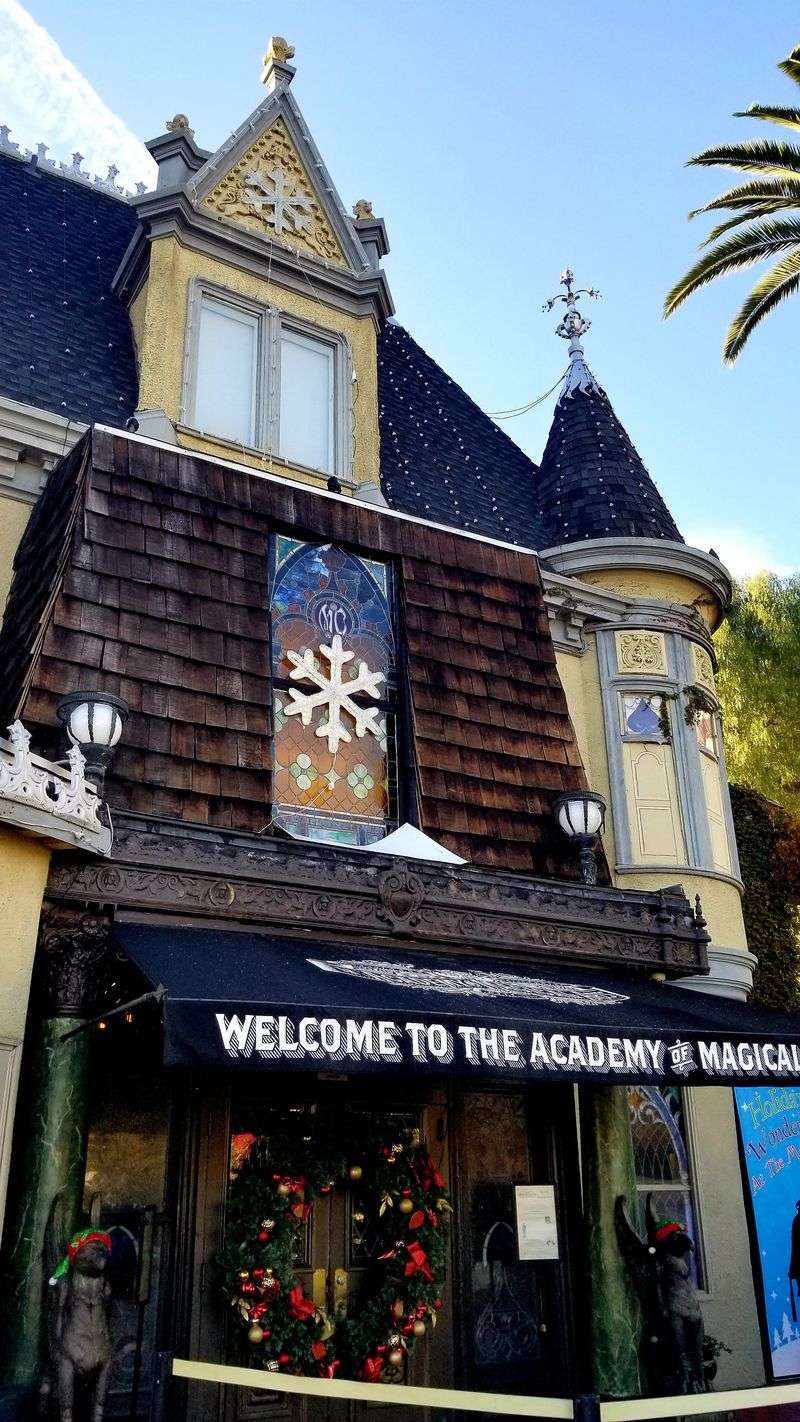
Getting through the front doors requires more than just showing up with cash. The Magic Castle operates as a strictly private club where membership comes with significant requirements.
Prospective members must audition their magical skills before a committee and receive sponsorship from existing members.
Guest access follows equally rigid rules that maintain the venue’s exclusive atmosphere. Current members may invite guests but must accompany them throughout the evening.
No one enters without proper credentials, creating an environment that feels genuinely special rather than commercially accessible.
The dress code enforces formality that has become rare in modern Los Angeles. Men must wear jackets and ties or full evening wear without exception.
Women need cocktail dresses, evening gowns, or formal pantsuits to gain entry. Casual clothing remains completely prohibited regardless of who attempts to enter.
This exclusivity serves multiple purposes beyond simple elitism. Limited access keeps crowds manageable and ensures that audiences appreciate the performances.
The formal atmosphere also honors magic’s theatrical traditions and creates an environment where performers and guests share mutual respect.
Many visitors report that the strict requirements actually enhance their experience by separating this venue from everyday entertainment options.
3. Multiple Theaters Showcase Different Magic Styles
The building contains several distinct performance spaces rather than one main theater. Each venue offers a different type of magical experience and accommodates varying audience sizes.
The Close-Up Gallery features intimate performances where magicians work inches from spectators’ faces.
Performers in this space manipulate cards, coins, and small objects with precision that defies explanation. Audiences sit close enough to watch every movement yet still cannot detect the methods.
The intimate setting creates tension and amazement that larger theaters cannot replicate. The Parlour of Prestidigitation presents slightly larger illusions in a mid-sized theater.
Magicians here work with more elaborate props and staging while maintaining personal connection with audiences.
The space feels like a Victorian drawing room where wealthy families might have entertained guests with parlor tricks.
The Palace of Mystery serves as the main showroom for grand illusions. This theater accommodates the largest audiences and features full stage productions. Performers here make objects vanish, people levitate, and impossibilities seem routine.
Each venue operates simultaneously throughout the evening, allowing guests to move between different styles of magic and discover which performances resonate most strongly with them.
4. Irma The Invisible Pianist Entertains Nightly
One resident performer never takes a bow or reveals her face. Irma has played the grand piano in the music room since the venue’s earliest days.
Guests request songs by speaking to the empty piano bench, and Irma responds by playing their selections. The invisible pianist has become one of the Castle’s most beloved features.
She interacts with guests through music, sometimes playing jokes or refusing requests in humorous ways. Her personality shines through her musical choices and the timing of her responses.
Technical explanations exist for how Irma performs, but revealing them would violate the venue’s spirit.
What matters is the experience of standing beside a piano that plays itself while responding to conversation.
Children and adults alike find themselves charmed by this gentle haunting. Irma represents the Castle’s commitment to maintaining wonder in an age of explanations.
No signs explain the mechanism or break the illusion. Staff members speak about Irma as though she were a living colleague.
This dedication to preserving mystery extends throughout the entire building and creates an environment where guests willingly suspend disbelief.
The piano continues playing night after night, welcoming visitors with melodies that seem to come from nowhere and everywhere simultaneously.
5. Houdini Séance Room Honors The Legend
Harry Houdini famously debunked fraudulent mediums during his lifetime. He promised that if communication with the dead proved possible, he would send a message from beyond.
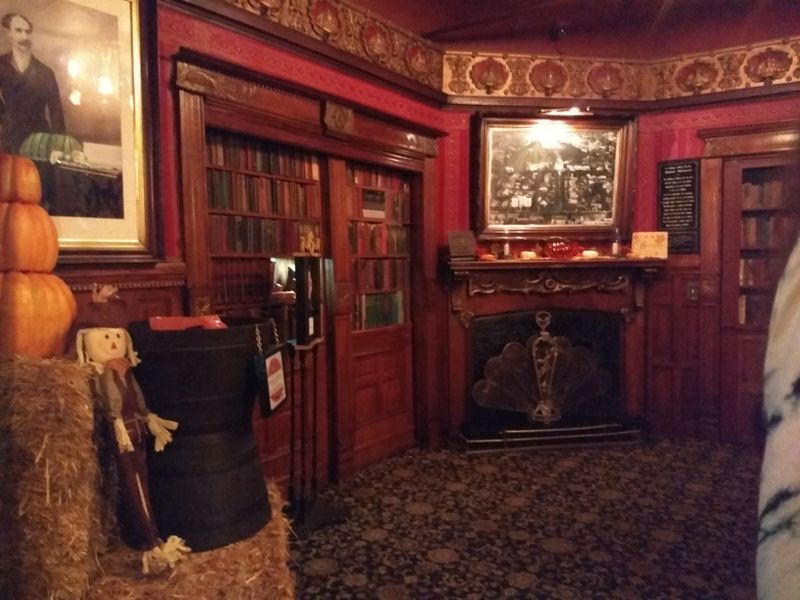
The Magic Castle honors this legacy with a dedicated séance room. The space recreates Victorian-era spiritualism with authentic period details.
Heavy curtains, candlelight, and antique furniture set the mood for supernatural encounters. A portrait of Houdini watches over proceedings, adding weight to the experience.
Séances conducted here follow traditional formats from the early twentieth century. A medium leads participants through rituals designed to contact spirits.
Whether anything supernatural occurs remains subject to interpretation, but the theatrical presentation proves consistently impressive.
The room serves as both tribute and entertainment. Houdini spent years exposing fake mediums who exploited grieving families.
Creating a séance room in his honor might seem contradictory, but it actually celebrates his complex relationship with spiritualism. He desperately wanted to believe while simultaneously demanding proof that never came.
The experience allows modern audiences to explore that same tension between hope and skepticism.
Participants leave questioning what they witnessed while appreciating the historical context surrounding Victorian spiritualism and Houdini’s crusade against its fraudulent practitioners.
6. Historic Library Houses Magical Knowledge
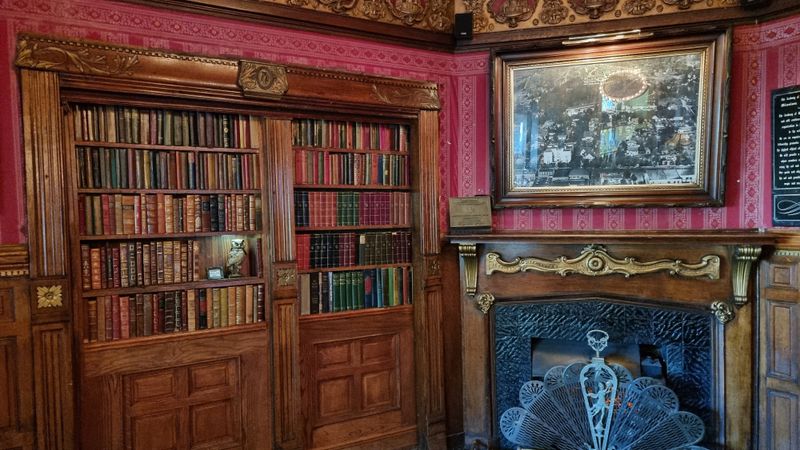
The lower level contains a research library accessible only to members. This collection includes thousands of books, videos, and historical documents related to magic.
Some volumes date back to 1584, making them among the oldest magic texts in private hands. First editions of foundational magic texts line the shelves alongside modern instructional materials.
The collection documents how magical techniques evolved over centuries. Researchers can trace specific tricks from their earliest published descriptions through countless variations.
Video archives preserve performances by legendary magicians who have passed away. These recordings capture not just tricks but also performance styles and audience interactions.
Future generations of magicians study these materials to understand their art’s history. The library represents serious commitment to preserving magical knowledge.
Many magic secrets remain closely guarded within the professional community. Creating a central repository ensures that techniques do not disappear when individual magicians retire or die.
Members treat the library with reverence, understanding that they access resources unavailable anywhere else.
The quiet study space contrasts sharply with the performance venues upstairs, reminding visitors that magic combines entertainment with scholarship.
Serious practitioners spend hours researching techniques and history, ensuring that their performances connect to centuries of tradition.
7. Celebrity Magicians Grace The Stage
The venue has hosted performances by some of entertainment’s biggest names. Orson Welles performed magic here between film projects.
Johnny Carson, himself an accomplished amateur magician, frequently visited and occasionally performed. Steve Martin honed his comedy-magic act on these stages before achieving mainstream fame.
Neil Patrick Harris serves as one of the club’s most prominent modern advocates. The actor and accomplished magician regularly performs and brings celebrity friends. His enthusiasm has introduced new generations to the venue’s charms.
These celebrity connections benefit both performers and audiences. Established stars enjoy performing for knowledgeable audiences who appreciate technical skill.
Audience members never know which famous face might appear for an impromptu performance. The venue’s reputation attracts magic’s elite from around the world. International performers consider appearances here career highlights.
The Academy of Magical Arts maintains high performance standards, ensuring that every show meets professional expectations.
This quality control creates an environment where even casual magic fans witness world-class performances. The combination of celebrity sightings and exceptional magic creates evenings that feel truly special.
Guests leave having experienced performances that would command high ticket prices elsewhere, all included in the price of dinner and drinks.
8. Dining And Bars Create Complete Evening
The Castle provides full restaurant service alongside its magical performances. The dining room serves classic American cuisine in an elegant setting.
Guests must make reservations well in advance, as seating remains limited and demand stays consistently high.
Multiple bars scattered throughout the building offer distinct atmospheres. Each has its own personality and regular clientele.
Some feel intimate and conversation-focused, while others encourage mingling between strangers who share interest in magic.
The combination of dining and entertainment creates a complete evening rather than just a show. Guests arrive for dinner, then move between performance spaces and bars throughout the night.
This structure encourages a leisurely pace that allows the magical atmosphere to fully develop. Menu offerings focus on satisfying rather than experimental cuisine.
The kitchen understands that food serves as backdrop to the main attraction. Portions prove generous, and service maintains the formal tone established by the dress code.
Timing between courses allows guests to catch different performances without rushing. The bars serve as gathering spots where magicians and guests interact informally between shows.
These conversations often prove as memorable as the formal performances, as professional magicians share insights and demonstrate impromptu tricks.
The entire operation functions as integrated experience rather than separate dining and entertainment components.
9. Historic-Cultural Monument Status Protects Legacy
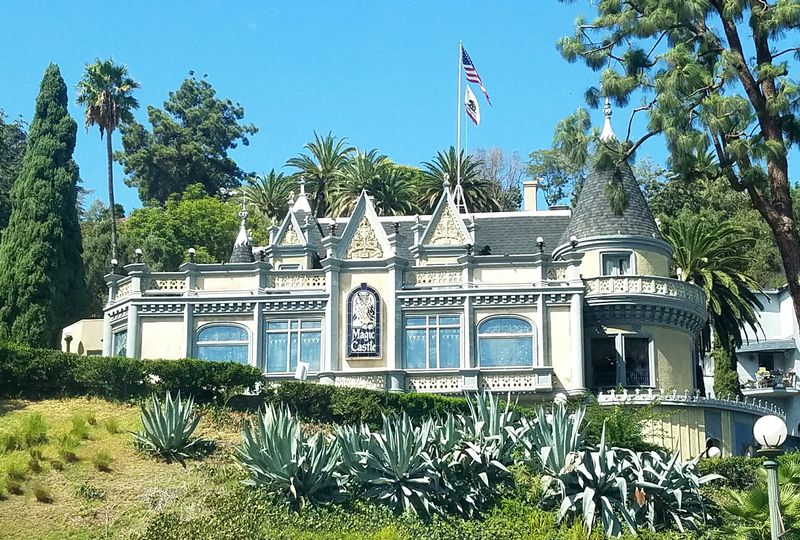
Los Angeles officially recognized the building as Historic-Cultural Monument in 1989. This designation provides legal protection against demolition or inappropriate alterations.
The status acknowledges the venue’s importance to the city’s cultural heritage. Protection extends beyond the building’s architecture to its use.
The designation recognizes that the Castle’s function as magical headquarters contributes to its historic significance.
Preserving both structure and purpose ensures that future generations can experience what current visitors enjoy.
The monument status came after years of advocacy by magic community members. They argued that the venue represented unique cultural institution worthy of preservation.
City officials agreed that the combination of historic architecture and ongoing cultural use merited protection.
This recognition places the Castle among Los Angeles’s most valued cultural resources. The designation includes buildings ranging from movie palaces to residential masterpieces.
Being included in this company validates the magic community’s contributions to the city’s cultural landscape.
The protected status also provides reassurance to members and guests that the venue will continue operating despite pressure from real estate development.
Hollywood constantly changes, but this particular building will remain dedicated to magic regardless of surrounding development.
The monument designation essentially guarantees that the Castle will continue enchanting visitors for generations to come.
10. Strict Dress Code Maintains Formal Atmosphere
The dress code enforcement remains absolute and non-negotiable. Men must wear suits or tuxedos with dress shoes. Ties are mandatory, and jackets must stay on throughout the evening.
Women need cocktail dresses, evening gowns, or dressy pantsuits with appropriate footwear. Casual clothing of any type results in denied entry without exception.
Jeans, sneakers, and casual shirts remain prohibited even for celebrity guests. The staff enforces these rules consistently, understanding that exceptions would undermine the entire system.
This formality serves multiple purposes beyond creating elegant atmosphere. The dress code signals that guests are entering special environment worthy of effort.
Putting on formal attire becomes part of the ritual that separates this experience from everyday life. Many first-time visitors initially resist the strict requirements.
Modern Los Angeles tends toward casual dress in most situations. However, most guests ultimately appreciate how the formal atmosphere enhances their experience.
The dress code creates equality among attendees, as everyone must meet the same standards regardless of fame or wealth. It also shows respect for the performers who spend years perfecting their craft.
The formality transforms a simple night out into an occasion worth remembering, photographing, and discussing long after the evening ends.