The Massachusetts Museum That Makes You Fall In Love With Contemporary Art All Over Again
I will be honest with you. Contemporary art and I have had a complicated relationship.
I have stood in front of things in galleries that made me feel like I was missing something fundamental about either the artwork or myself.
I nodded thoughtfully at pieces I did not understand, and left more than a few museums feeling vaguely confused and slightly underdressed.
This place fixed all of that, on a grey afternoon in Massachusetts when I walked in with low expectations and walked out genuinely converted.
What the ICA does differently is difficult to explain until you experience it, which is exactly what they want.
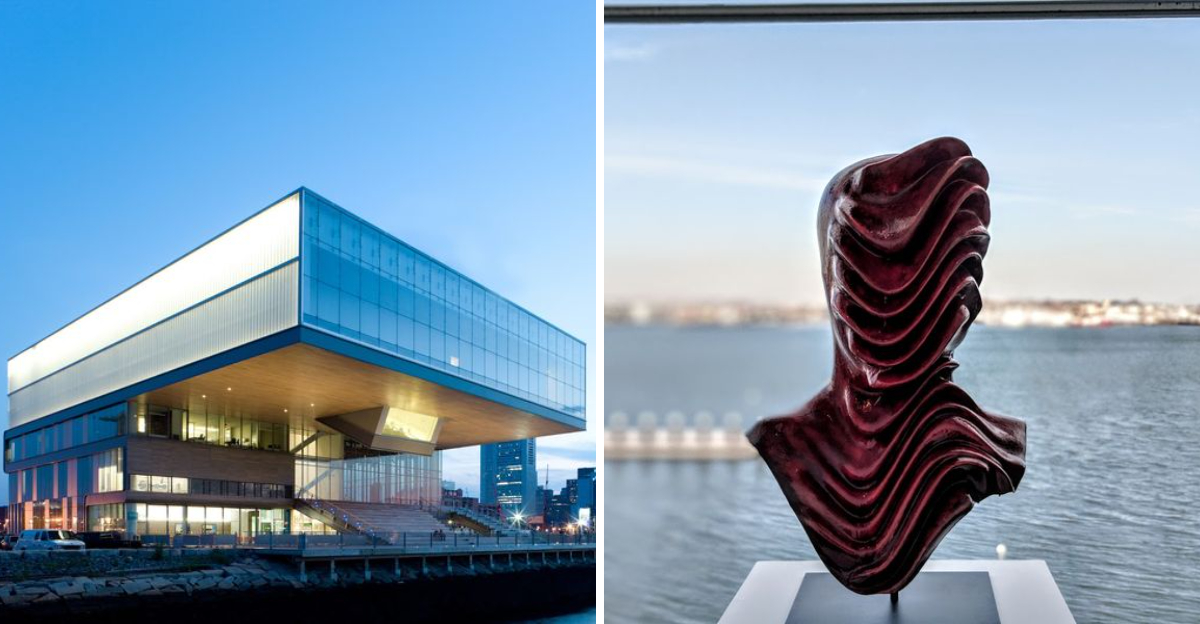
The building alone stops you before you even get to the art, all glass and steel cantilevered over Boston Harbor like it has something to prove and the confidence to prove it.
Then the collection gets you, and somewhere around the second or third gallery you stop trying to understand everything and just start feeling it.
That is when contemporary art finally makes sense.
A Building That Is Art
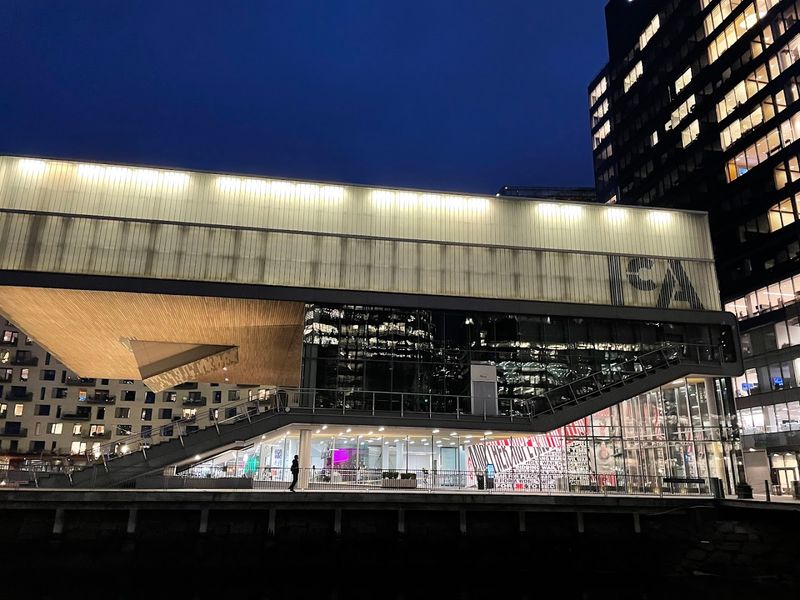
The Institute of Contemporary Art does not ease you in gently. The building itself is a statement.
Designed by Diller Scofidio and Renfro, it cantilevers dramatically over Boston Harbor, with a glass facade that reflects the water below and the sky above in equal measure.
Architects describe it as a building that performs. That sounds like marketing speak until you actually stand in front of it and feel the weight of the upper floors hovering over you.
It is genuinely disorienting in the best way.
The structure opened in 2006 and immediately changed the conversation about what a museum could look like. It sits right on the Harborwalk, so you get stunning waterfront views before you even buy a ticket.
First impressions here are not subtle. They are architectural, deliberate, and surprisingly emotional for a building made mostly of glass and steel.
The Permanent Collection Will Rearrange Your Priorities
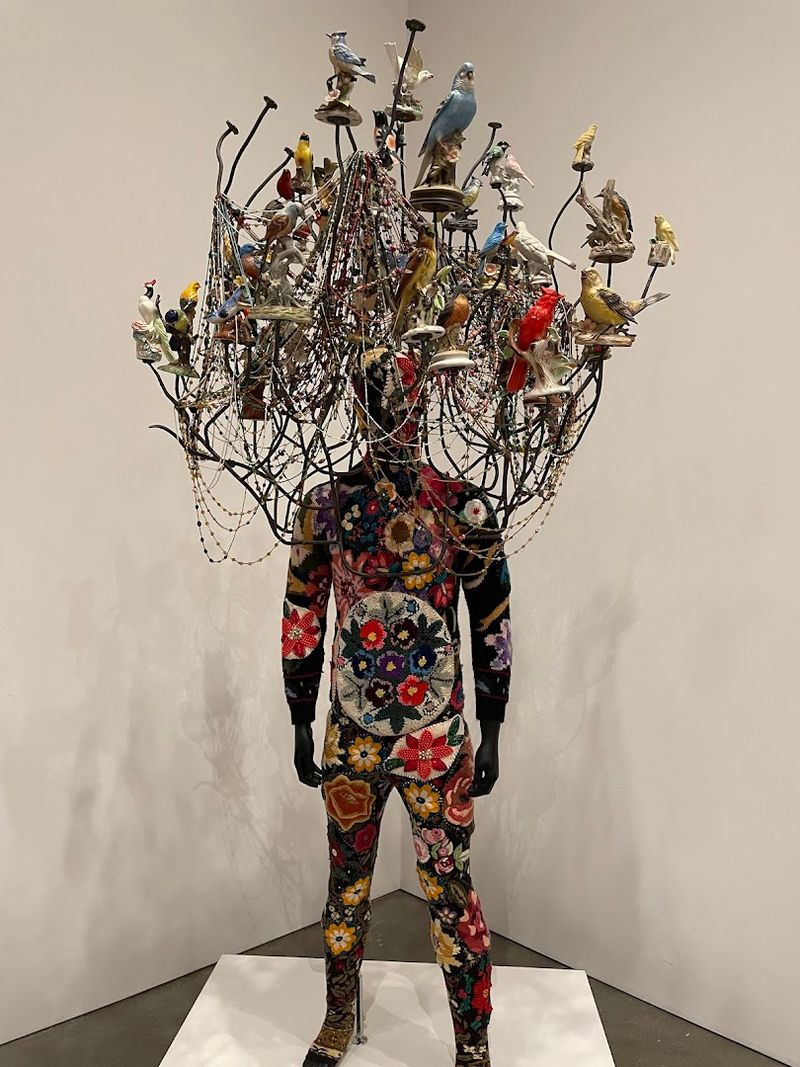
Most museum permanent collections feel like homework. The ICA Boston, located at 25 Harbor Shore Dr, Boston, Massachusetts, flips that completely.
The collection focuses on work from 2000 onward, which means everything feels urgent and alive rather than historically preserved.
Artists like Kara Walker, Tara Donovan, and Cornelia Parker have work here that stops people mid-step. You will see visitors literally pause, back up, and stare.
That reaction is not accidental.
The curation is tight, intentional, and emotionally intelligent.
What makes the permanent collection especially compelling is how it changes. The ICA rotates works regularly, so repeat visitors always discover something new.
There is no sense that you have seen everything there is to see.
The galleries are also thoughtfully designed with natural light from the harbor-facing windows filtering into certain rooms.
That light shifts throughout the day, which means a painting you saw at noon looks completely different at three in the afternoon. It sounds small.
It is not small.
It is the kind of detail that separates a good museum from one you actually remember years later.
Temporary Exhibitions That Take Risks

Playing it safe is not really the ICA’s style.
The temporary exhibitions here have a reputation for being genuinely provocative, not in a shocking-for-shock’s-sake way, but in a way that makes you reconsider something you thought you already understood.
Past exhibitions have explored identity, technology, memory, and the environment through mediums that range from traditional painting to video installation to sculpture you can walk through.
The programming team clearly enjoys surprising people.
One thing that sets these shows apart is the scale. The ICA has serious square footage dedicated to temporary work, so artists are not cramped into a corner.
They get room to build something ambitious.
That breathing room shows up in the finished experience.
If you are someone who usually skips contemporary art because it feels inaccessible or confusing, a well-curated temporary show at the ICA is the antidote. The wall text is written for humans, not art historians.
The layout guides you through the work in a way that feels conversational. You leave with opinions, which is exactly the point.
The View From The Mediatheque Is Genuinely Unfair
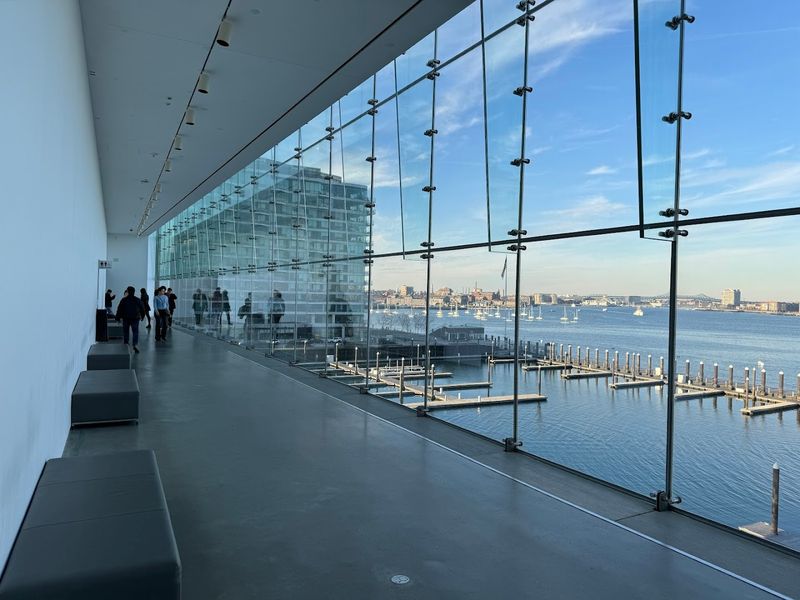
There is a free public space inside the ICA called the Mediatheque, and it is one of the best-kept secrets on Boston Harbor. Floor-to-ceiling windows face the water directly.
The seating is comfortable.
The vibe is calm and completely unhurried.
You do not need a museum ticket to access the Mediatheque. That detail matters.
It means anyone can walk in off the Harborwalk and spend an hour looking out at the harbor without spending a dollar.
The ICA seems genuinely committed to being accessible, and this space proves it.
The Mediatheque also contains an archive of artist interviews, documentaries, and audio resources related to the collection.
So if you just saw a piece upstairs that confused or moved you, you can come down here and hear the artist explain their thinking in their own words. That layer of context changes everything.
On a clear day, the light that comes through those windows is the kind that makes you want to sit quietly for a while.
Boston Harbor does not always cooperate with the weather, but when it does, the Mediatheque feels almost unreasonably beautiful.
Family Programming That Does Not Condescend To Kids
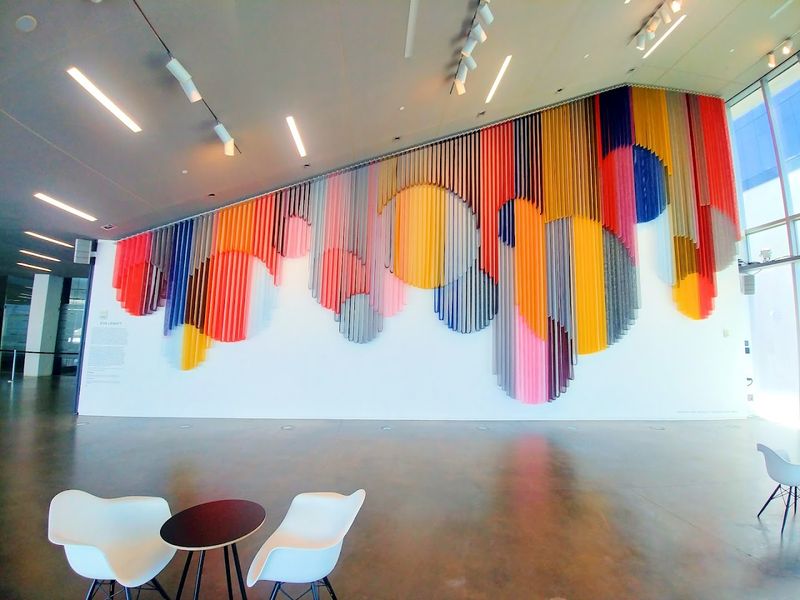
Bringing kids to a contemporary art museum sounds like a gamble. At the ICA, it actually works.
The museum runs a robust family program that treats younger visitors like real participants rather than problems to be managed.
Studio activities are designed to connect directly to the exhibitions on view. So if there is a show exploring color and texture, the family studio will have hands-on projects built around those same ideas.
Kids leave having made something, which means they also leave having thought about something.
The ICA offers free admission for visitors 17 and under, every single day. That policy is not a promotion.
It is a permanent commitment. Families do not have to plan around a specific discount day or check a calendar.
They just show up.
Teen programs go even further, with workshops led by working artists and opportunities to create original work that gets displayed in the museum.
For a teenager who might feel like art is not for people like them, that kind of inclusion is genuinely powerful.
The ICA seems to understand that the audience for contemporary art has to be built, and they are clearly investing in building it.
Thursday Nights Change The Energy Completely
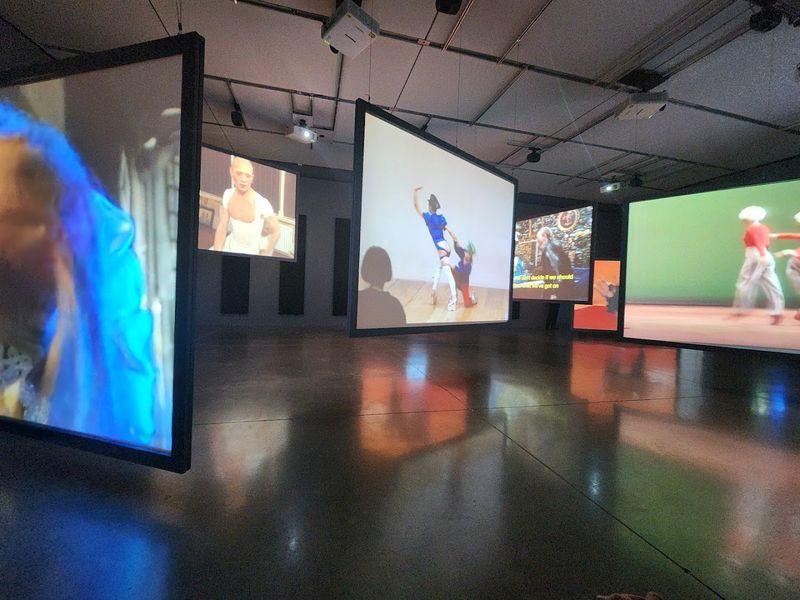
Thursday evenings at the ICA operate on a completely different frequency than a standard weekend afternoon visit.
The museum stays open late, the atmosphere loosens up, and the crowd skews younger and more social without losing the thoughtful energy that makes the place worth visiting.
Programming on Thursday nights often includes live music, artist talks, or special curator-led tours.
The combination of art and live performance in that space, with the harbor glowing outside, is something that is genuinely hard to replicate anywhere else in Boston.
Admission on Thursday evenings is free for visitors under 25, which makes it a natural gathering spot for college students and young professionals who might not otherwise prioritize a museum visit.
The ICA has clearly thought carefully about who shows up and why.
Even if there is no special event scheduled, the late evening light on the harbor is reason enough to time a visit for a Thursday. The building looks different at dusk.
The water catches color in a way that the daytime crowds rarely get to see. It is a simple pleasure, but it is a real one.
The Harborwalk Connection Makes It Part Of Something Bigger
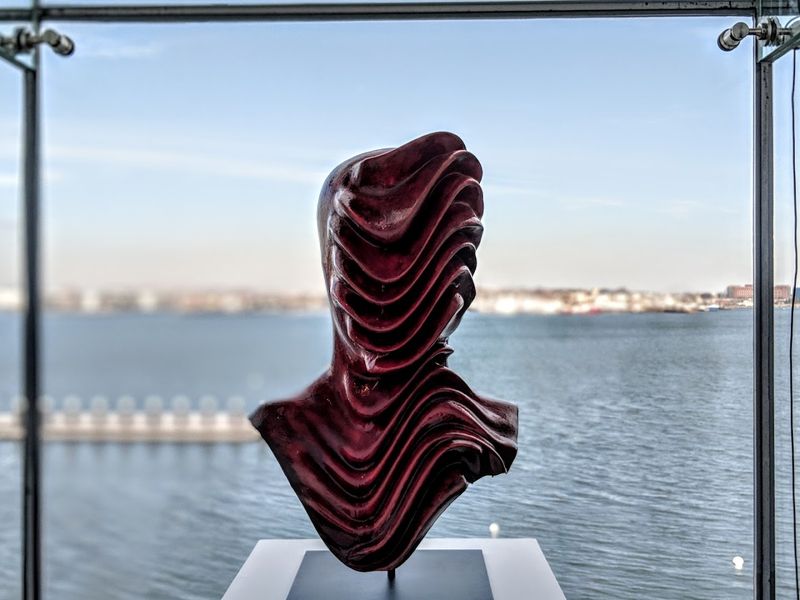
The ICA does not sit apart from its neighborhood. It connects directly to the Boston Harborwalk, the public waterfront path that runs along the edge of the harbor through multiple neighborhoods.
That connection makes a visit feel like part of a larger urban experience rather than a detour.
The Seaport District has developed significantly over the past decade, and the ICA was part of that transformation from the beginning.
Its arrival in 2006 signaled that this part of Boston was becoming a serious destination, not just a place you passed through on the way somewhere else.
Visiting the museum along the Harborwalk on a clear morning is its own small pleasure.
You pass water taxis, public art installations, and stretches of open harbor that feel genuinely expansive compared to the rest of downtown Boston. The approach matters.
After a visit, continuing along the Harborwalk in either direction extends the experience naturally.
The ICA does not feel like a destination you arrive at and then retreat from. It feels like an anchor point in a neighborhood that rewards slow, curious exploration.
That quality is rarer than it sounds.
Why This Museum Earns A Second Visit Before You Have Even Left
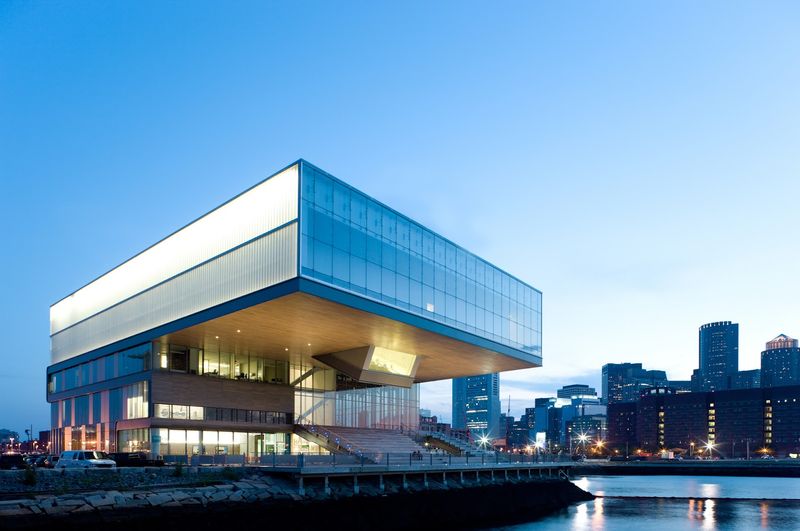
The strange thing about the ICA is that you start planning your return visit while you are still inside. That does not happen at every museum.
Usually you leave satisfied and think about going back sometime.
Here, the timeline feels more urgent than that.
Part of it is the rotating collection. Part of it is the programming calendar, which is dense enough that there is almost always something new happening within a few weeks of your last visit.
The museum does not coast on its reputation or its building. It keeps generating reasons to come back.
Getting there is straightforward whether you are driving, taking the Silver Line, or arriving by water taxi from Long Wharf. The Silver Line stop at Courthouse Station puts you less than a ten-minute walk away.
There is no logistical excuse to put it off.
What lingers most after a visit is not a specific artwork or a particular view, though both are memorable.
It is the feeling that contemporary art was made for you, not just for people who already know all the right vocabulary. That feeling is the ICA’s real achievement, and it is worth coming back for.