The Massive Flea Market In California Where You Can Eat, Shop, And Browse For Hours
A weekend plan gets better when food and treasure hunting share the same address.
First comes the smell of something hot. Then the tables start pulling you in. One row turns into five. A quick browse suddenly needs more time.
California turns a simple flea market trip into a snack-fueled treasure hunt. Bargain hunting feels easier when snacks are close.
Shoppers can dig through clothes, toys, tools, home goods, and unexpected finds without the whole trip feeling rushed.
A place like this turns browsing into a full afternoon. You can eat first. You can shop first. Either way, leaving empty-handed starts to feel like the least likely outcome.
Weekend-Only Market Energy
There is something about a market that only opens on weekends that makes it feel more special than a regular store.
The National City Swap Meet runs every Saturday and Sunday from 7 a.m. to 3 p.m., giving it a rhythm that feels more like an event than a routine errand.
That limited schedule creates a sense of energy that everyday shopping centers rarely match.
Because the hours are set and the days are fixed, the crowd tends to arrive with purpose.
Vendors set up early, food stalls get going, and the whole space fills with a kind of lively hum that builds as the morning moves along.
The weekend-only format also means the selection can shift from week to week depending on who shows up to sell.
Planning a visit around those hours is straightforward since the schedule stays consistent throughout the year.
Arriving before 10 a.m. tends to give browsers the widest selection before the most popular spots start running low.
Longtime South Bay Staple
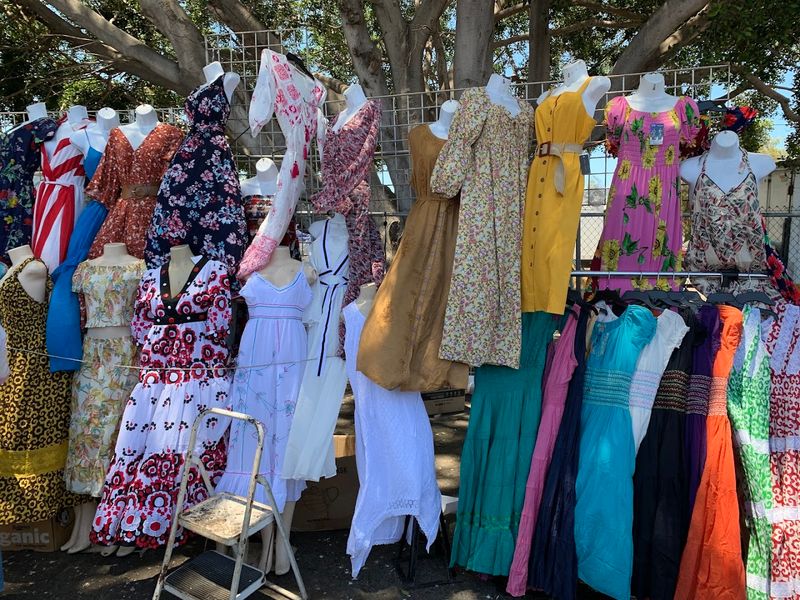
A market that has been running since 1962 carries a kind of credibility that newer pop-up events simply cannot replicate.
The National City Swap Meet has been part of the South Bay community for decades, which means generations of local families have walked its rows looking for deals, fabric, food, and weekend entertainment.
Long-running markets like this one develop a loyal base of both vendors and shoppers who return regularly.
Some sellers have occupied the same general area for years, building a familiarity that makes the whole experience feel more personal than a standard retail trip.
Regulars often know where to find the fabric section, which food stall serves the best tacos, and when the best time to arrive really is.
The swap meet has had decades to settle into a format that works, which means the layout, the vendor mix, and the overall atmosphere tend to feel organized despite the casual outdoor setting.
Easy-To-Find National City Location
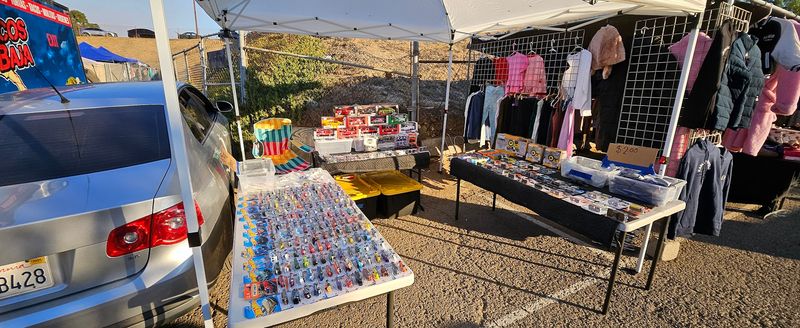
Location matters a lot when deciding whether a weekend outing is worth the effort, and the National City Swap Meet sits in a straightforward spot within San Diego County’s South Bay area.
The Pavilion Building at 3200 D Ave, National City, CA 91950 serves as the market’s home base, and the address is easy to plug into any navigation app for a no-hassle arrival.
Getting there from most parts of the greater San Diego region tends to be a manageable drive.
Sitting within the city of National City means the swap meet benefits from being close to major roads without being buried in a hard-to-reach area.
For visitors coming from nearby neighborhoods or even from further north in the county, the route is generally direct.
Once on site, the layout is open enough that getting oriented does not take long.
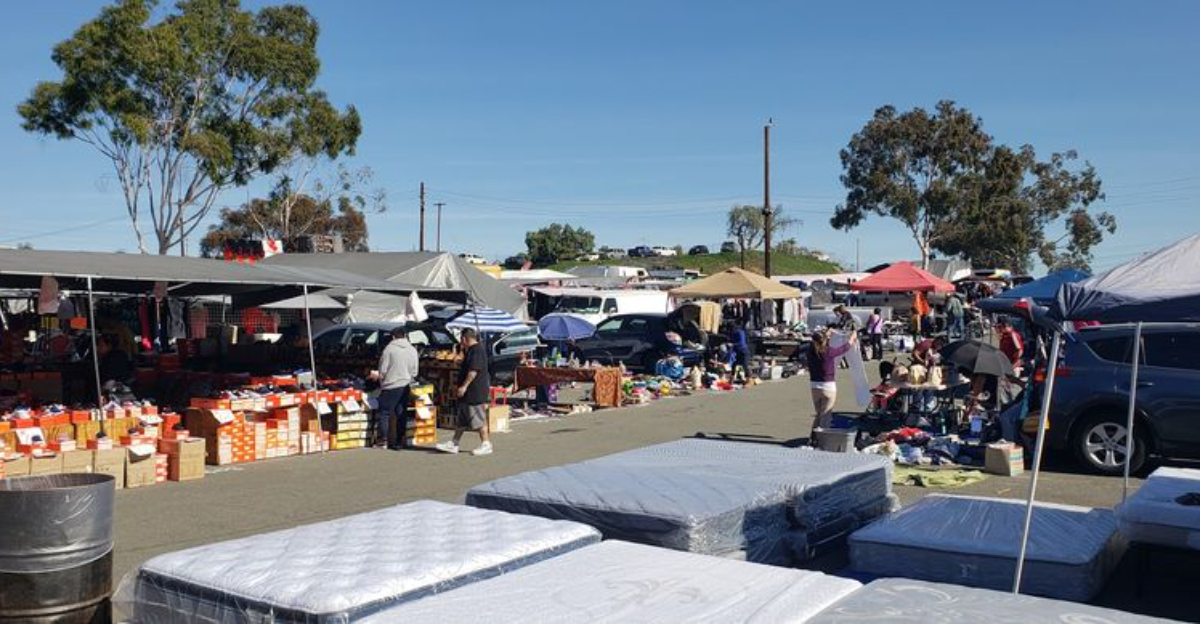
Vendors spread out across an outdoor lot, and the general flow of foot traffic tends to guide new visitors naturally through the space.
Cheap Admission That Makes Browsing Feel Low-Stakes
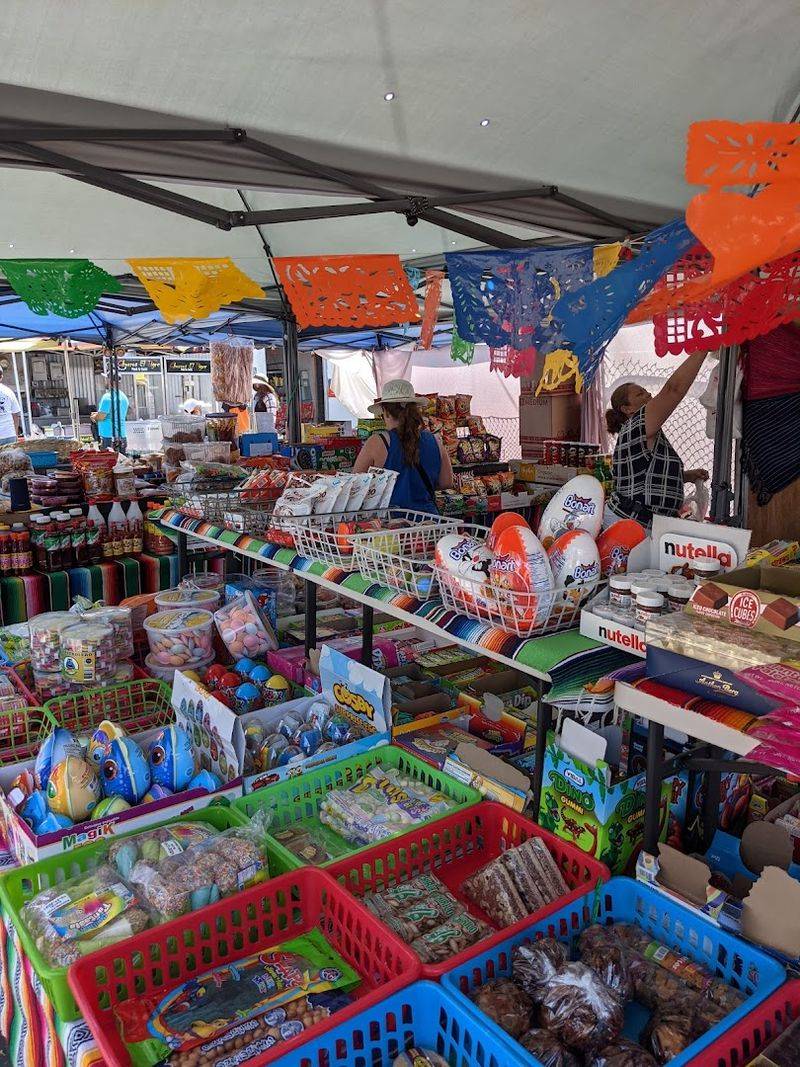
Paying just one dollar to enter a market where hours of browsing are possible is the kind of deal that makes a weekend outing feel genuinely worthwhile.
Admission to the National City Swap Meet is listed at one dollar per adult, cash only, with children under twelve entering free when accompanied by a paying adult.
That pricing structure removes the pressure that sometimes comes with paying a higher entry fee at other markets or events.
When the cost of getting in is that low, the whole experience shifts.
Shoppers tend to feel more relaxed about spending time in sections that may not have exactly what they are looking for, simply because the entry cost was not a big commitment.
Browsing becomes more enjoyable when there is no mental math happening about whether the admission price was worth it.
Bringing cash is essential since the admission is cash only, and having small bills on hand makes the entry process quick and easy.
Food That Earns Its Place In The Title
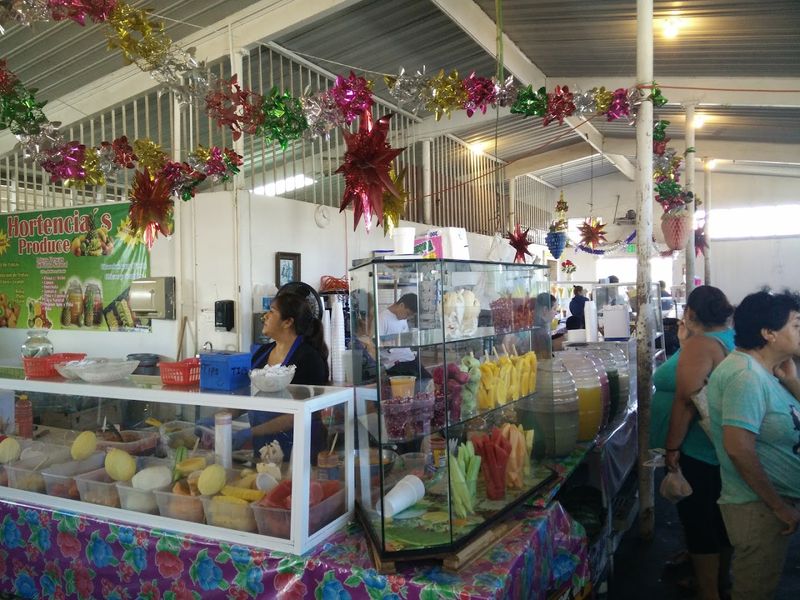
The word “eat” in the title is not just filler, and the food options at the National City Swap Meet back that up in a satisfying way.
Visitors can find Mexican-style street food including tacos, carne asada tortas, churros, chopped fruit, and other quick bites spread across the market.
An on-site restaurant has been a fixture for years, serving Mexican-style fast food and operating only during swap meet hours on weekends.
Food at a flea market tends to be part of the experience rather than just a practical stop, and that holds true here.
The smells of grilled meat and fresh-cut fruit mix into the general atmosphere of the market, making the whole visit feel more festive and complete.
Grabbing a bite mid-browse is easy since food options are woven into the layout rather than tucked away in a single corner.
Pupusas made fresh to order have been noted among the available options, adding a bit of variety beyond the standard taco truck fare.
Plenty Of Shopping Variety Across Every Row

Walking through the rows at the National City Swap Meet means encountering a mix of merchandise that is hard to predict from one visit to the next.
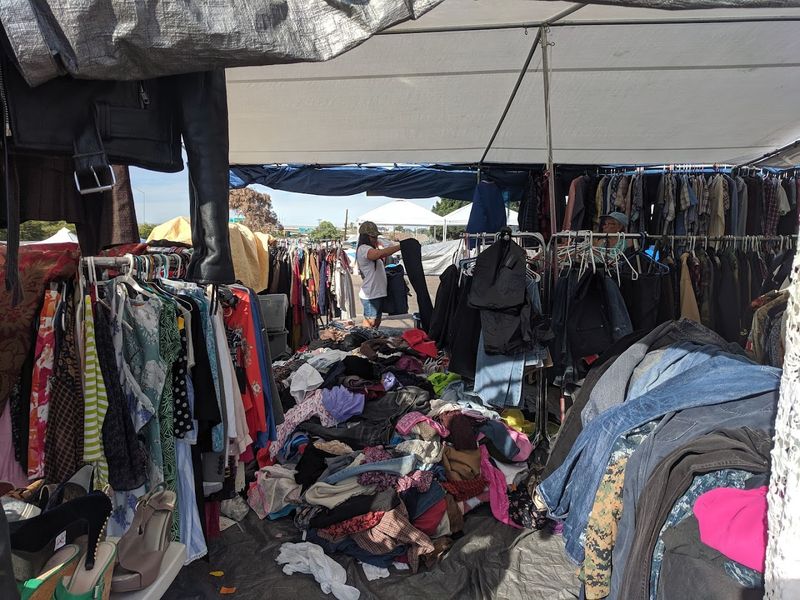
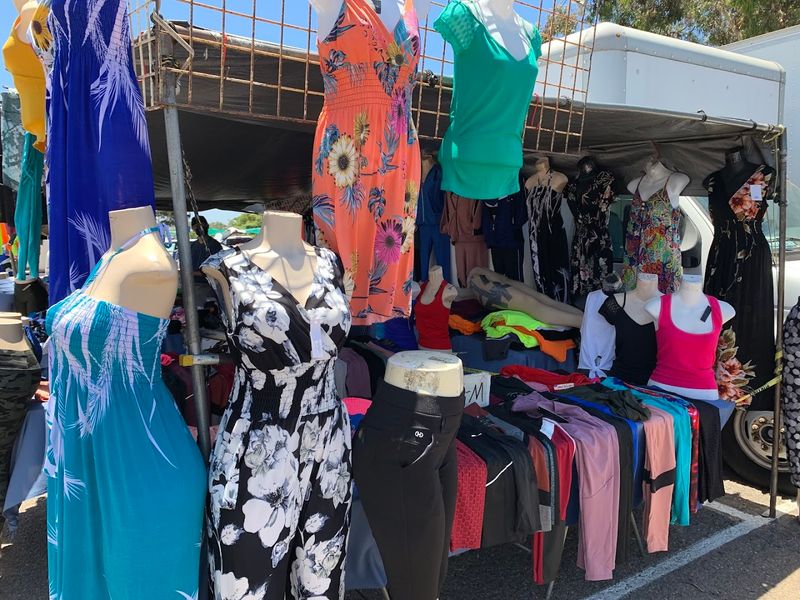
Clothing racks, stacks of footwear, handbags, household appliances, tools, toys, vintage pieces, handmade crafts, and general second-hand goods all share space across the outdoor vendor layout.
Because vendors rotate and the mix shifts week to week, regular visitors often describe the experience as a kind of treasure hunt.
Something that was not there last weekend might turn up the next time around, which gives the market a sense of freshness that fixed retail stores cannot easily replicate.
Clothing for adults and children, home goods, and tools tend to show up consistently across the vendor rows.
Keeping an open mind and allowing time to walk the full layout without rushing tends to reward patience with finds that feel genuinely worthwhile rather than just convenient.
Strong Fabric-Finding Appeal For Sewers And Crafters
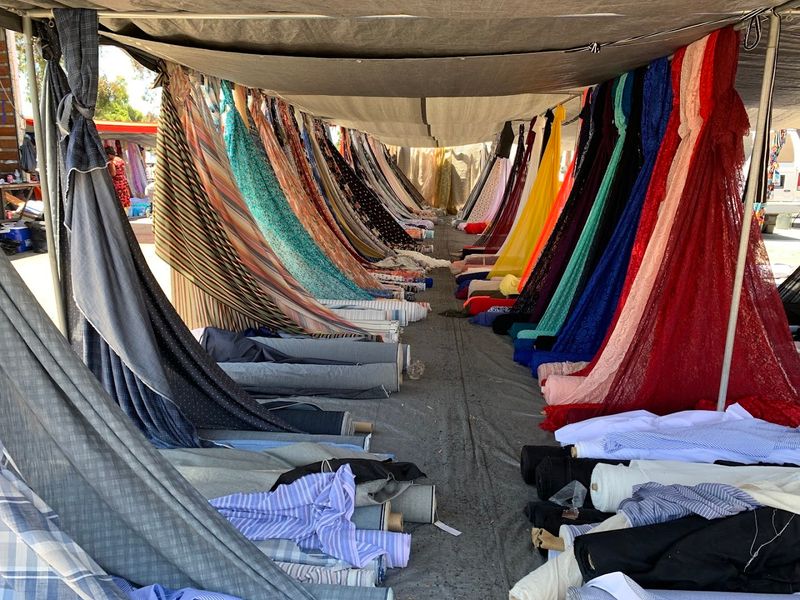
Among all the things the National City Swap Meet is known for, its fabric selection stands out as a genuinely specific draw.
Rolls of fabric at notably low prices have made the market a go-to destination for sewers, crafters, and anyone working on textile-based projects in the San Diego area.
Much of the fabric available is said to come down from the garment district in Los Angeles, which helps explain the quality and variety on offer.
Prices for fabric at the swap meet can be remarkably low compared to traditional fabric stores, with multiple yards sometimes available for just a few dollars.
The selection tends to include knit fabrics, swimwear materials, double-brushed polyester, and other specialty textiles that crafters often need in larger quantities.
The presentation is casual, with fabric often piled or rolled loosely, so being comfortable with a bit of digging tends to pay off.
Bringing a rough measurement of how many yards are needed for a project helps avoid either buying too little or walking away from a good deal unnecessarily.
Free Parking For A Hassle-Free Visit
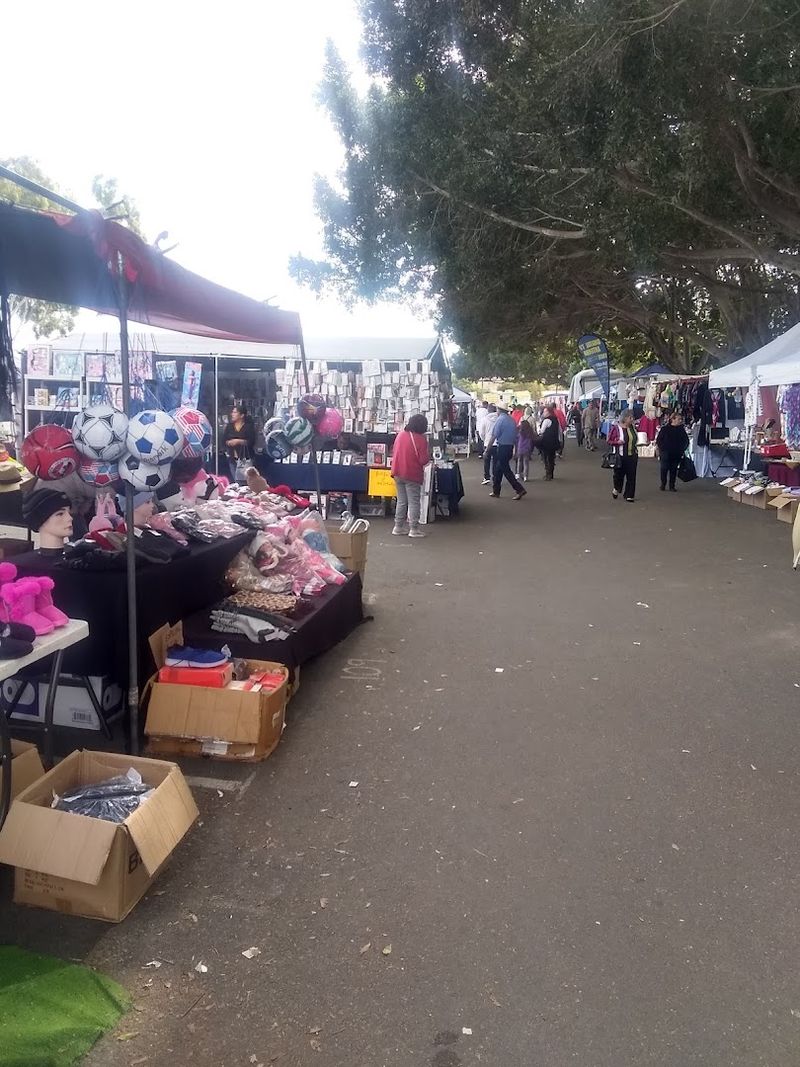
Free parking at any busy weekend destination is worth mentioning because it removes one of the most common friction points of a day out.
At the National City Swap Meet, parking is available at no charge, which makes a real difference especially when visitors might be leaving with bags of clothing, rolls of fabric, or bulky household finds that would be awkward to carry far.
The parking area can get busy as the morning progresses and more visitors arrive, so getting there closer to the 7 a.m. opening time tends to make finding a spot easier.
The lot is described as large enough to accommodate the weekend crowd, though the layout has been noted as a little tricky to navigate on first arrival.
For families with strollers, older visitors, or anyone carrying items, the free parking also means vehicles can be parked reasonably close to the market entrance without a long walk involved.
That practical convenience adds up over the course of a morning spent moving between vendor rows and food stalls across the open-air space.
Best Visited Early For The Widest Selection
Timing a visit to the National City Swap Meet can make a noticeable difference in what is available to browse and buy.
Vendors begin arriving and setting up during the 7 a.m. hour, and the market officially opens to shoppers at that same time.
Getting there in the first hour or two tends to mean encountering the fullest spread of merchandise before popular items get picked through by earlier arrivals.
On Saturdays especially, the early morning window is described as the prime time for selection.
Sunday mornings can see a slower start from both vendors and shoppers, with the crowd often building more noticeably after mid-morning as the day gets going.
Either way, arriving before 9 a.m. tends to put visitors in a good position to see the most complete version of what the market has to offer that day.
Wearing comfortable shoes is a practical detail worth thinking about since the layout is entirely outdoors and involves a fair amount of walking across an open lot.
Bargain-Hunting Potential Later In The Day
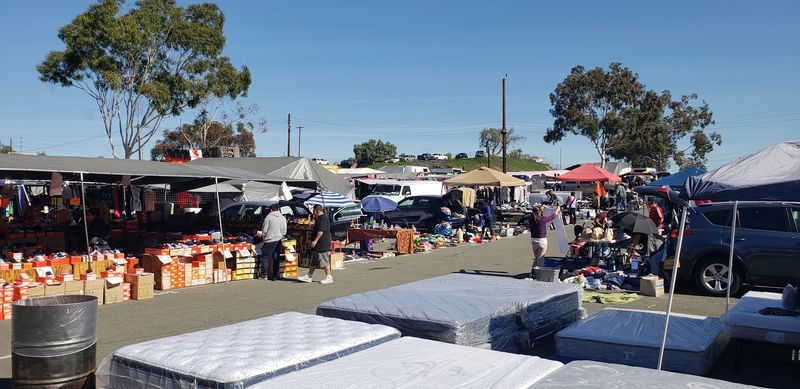
While arriving early gives the best shot at selection, showing up later in the morning carries its own set of advantages for a certain kind of shopper.
As the 3 p.m. closing time approaches, some vendors begin thinking about packing up and may be more open to negotiating on price rather than hauling unsold items back home.
That shift in mindset can create real opportunities for patient bargain hunters who do not mind a slightly thinner selection in exchange for more flexible pricing.
Bargaining is a generally accepted part of the swap meet culture, and approaching it with a polite and relaxed attitude tends to go over much better than aggressive haggling.
A simple and friendly ask about the best price on an item is usually all it takes to open a conversation.
Not every vendor will budge, but many will, especially later in the morning when the crowd has thinned and motivation to sell has increased.
Seller-Friendly Layout With A Rotating Vendor Mix
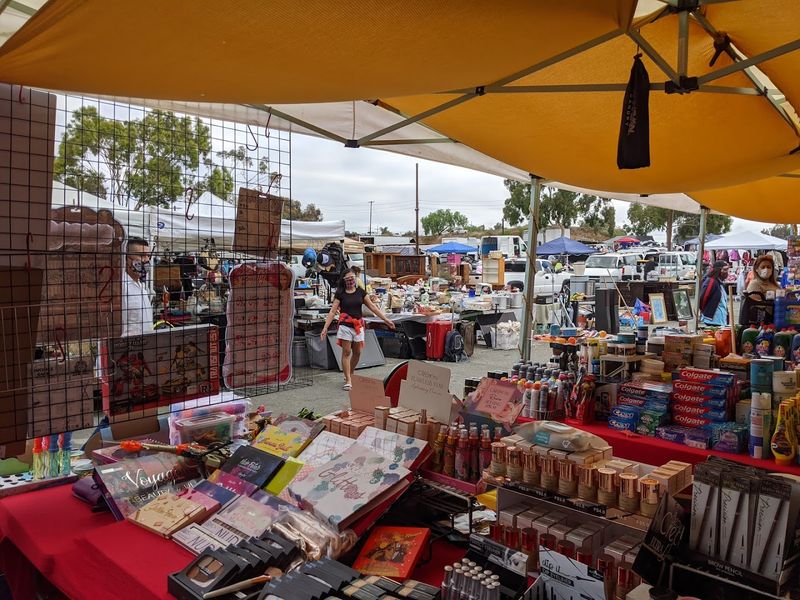
Part of what keeps the National City Swap Meet feeling fresh from week to week is the way its vendor system works.
Sellers can arrive during the opening hour and purchase a space directly at the front gate, which means the vendor lineup is not entirely fixed.
That open-access setup allows for a rotating mix of sellers that keeps the merchandise variety unpredictable in the best possible way for regular visitors.
The setup process is relatively straightforward for vendors, which tends to attract a wide range of sellers from casual individuals clearing out household items to more established resellers with organized displays.
That mix is part of what gives the swap meet its classic feel, somewhere between a large garage sale and a small outdoor market with a consistent identity built over decades.
It also means that popular or unique finds are not guaranteed to be there on a return visit, which adds a gentle sense of urgency to the browsing experience.