The Massive German Festival Hiding In The California Mountains Starts Soon
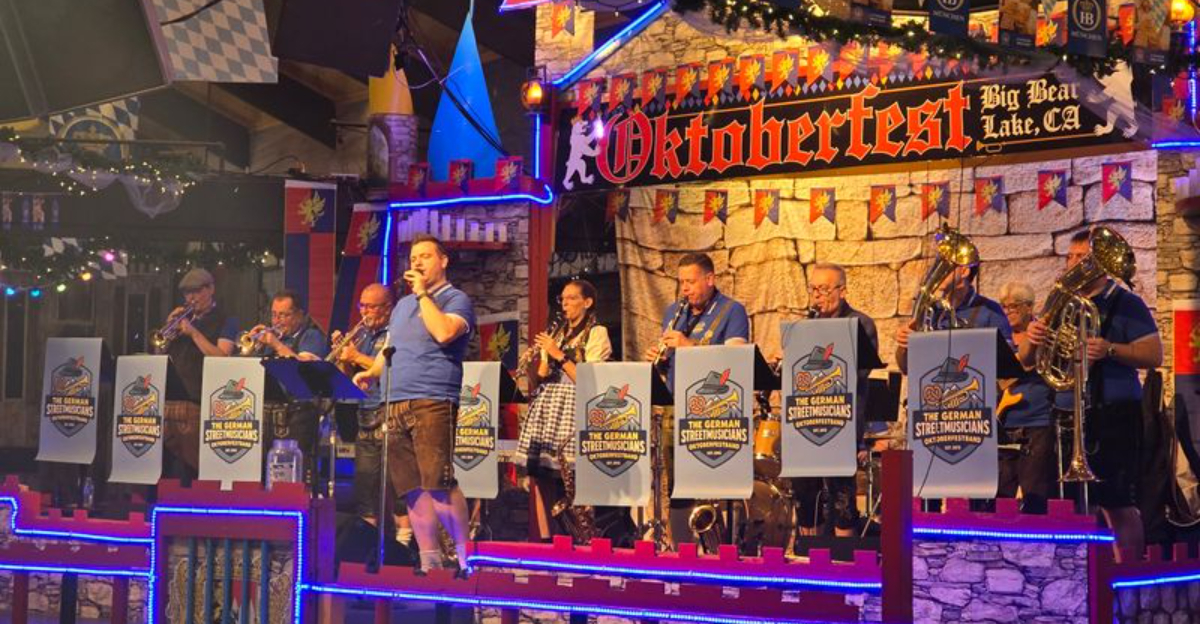
September in the mountains is about to get considerably louder.
Soon, the quiet alpine backdrop will collide with German music, dancing, traditional food, colorful costumes, and crowds ready to turn an ordinary fall weekend into something far more festive.
It is the kind of scene that feels almost imported from another continent.
California’s mountain country might seem like an unlikely place for a massive German celebration, which only makes the whole thing more fun.
The festivities stretch beyond a single afternoon, giving visitors plenty of opportunities to catch the atmosphere as the season unfolds.
Come hungry, wear something festive if the mood strikes, and expect considerably more energy than the surrounding pine-covered slopes might suggest.
Summer may barely be finished. Up here, the fall party is already getting started.
Mark September 12 For Opening Day In The Mountains
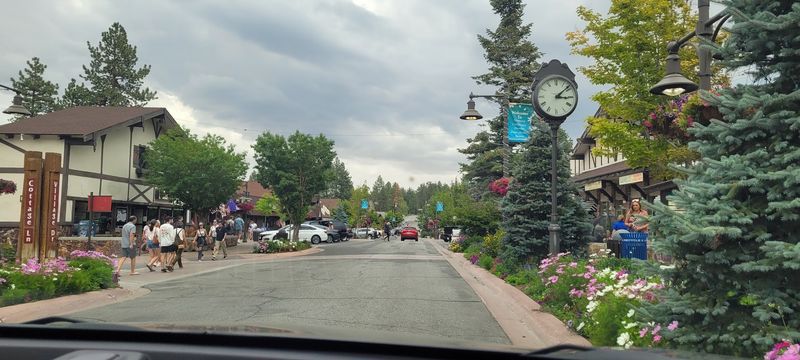
Opening day lands on Saturday, September 12, and it sets the tone for everything that follows.
The 2026 season runs on select dates all the way through November 8, which works out to roughly nine or ten weekends of celebrating.
That long stretch is genuinely useful for planning, because a busy September schedule does not mean missing out entirely.
Early-season weekends often feel a little softer in temperature and slightly lighter in crowd size than the deep October dates.
Later weekends tend to draw the biggest turnout, especially once fall weather settles in and the mountain air turns crisp.
Visitors come from across Southern California and beyond, so the festival has become a real anchor of the regional fall calendar.
Anyone hoping for a calmer first visit may want to aim for one of the opening weekends rather than the peak stretch near Halloween.
Checking the official schedule before booking a room matters, since not every weekend date is identical and hours can differ between Saturday and Sunday sessions.
Driving up the mountain takes time, so building in a buffer for winding roads is smart.
Because the season spans two months, repeat visits are realistic for anyone within a few hours of the valley. Many guests treat one weekend as a scouting trip and return later with a bigger group.
Discover How A German Family Tradition Grew Into A 56-Year Celebration
Back in 1969, German immigrants Hans and Erika Bandows moved from New York City to California and purchased the Wawona Lodge, now known as Wolf Creek Lodge.
Leaning into a German theme felt natural to them, and hosting a small annual mini-Oktoberfest followed soon after. That modest idea has now stretched across more than five decades.
The 2026 season marks the 56th annual Big Bear Lake Oktoberfest, which puts it among the longest-running celebrations of its kind in California.
Longevity like that shapes the atmosphere in ways a brand-new event cannot copy. Traditions have had time to settle, and the old-world touches feel lived-in rather than staged.
Guests who attended as children have brought their own kids back, and the sense of continuity shows up in the crowd itself.
Understanding the backstory adds something to the visit, especially while standing in a hall listening to a polka band.
The festival grew organically out of a family business rather than being built as a large commercial attraction from day one.
Knowing that helps explain why so much of the programming stays rooted in genuine Bavarian customs instead of chasing novelty.
Fun detail worth remembering: the whole thing traces back to a hotel purchase and a theme, not a marketing plan.
Step Inside A Festival Surrounded By Big Bear’s Mountain Scenery
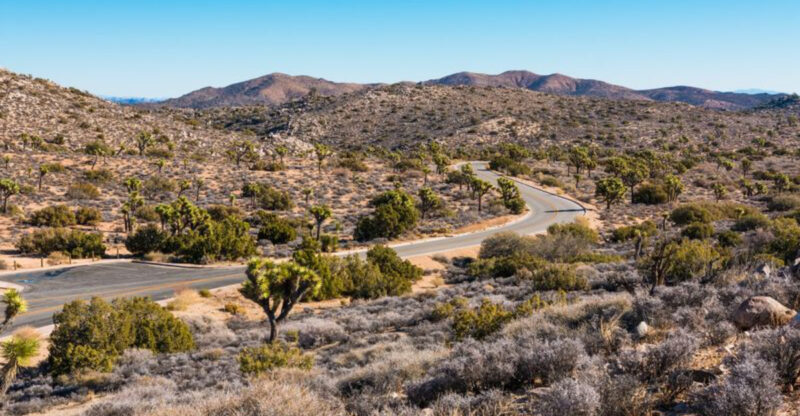
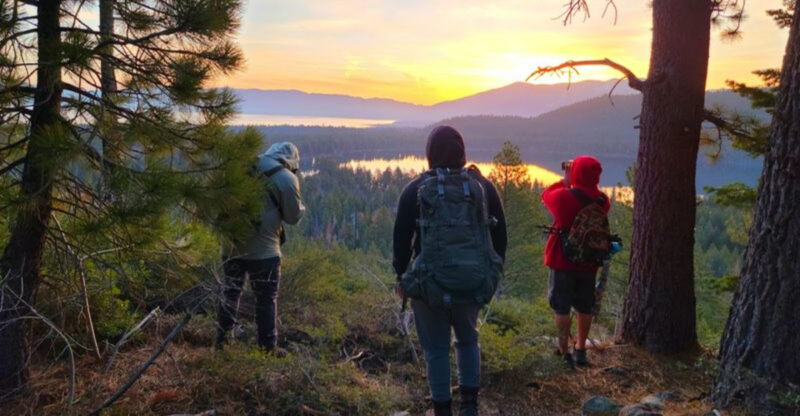
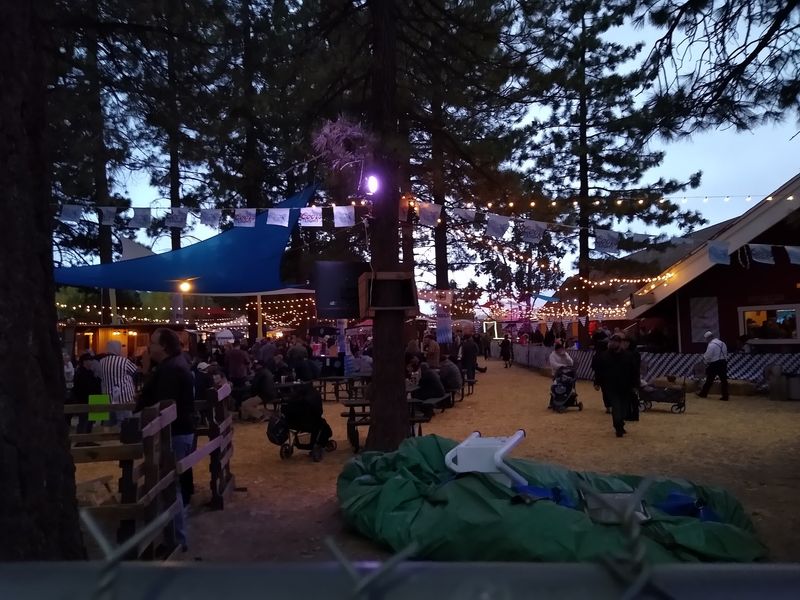
Few festival settings come with towering pines and a mountain lake just down the road.
The Convention Center at Big Bear Lake hosts the main Oktoberfest festivities at 42900 Big Bear Boulevard, Big Bear Lake, CA 92315.
Street View imagery is available for the address, which helps first-time visitors recognize the entrance before arriving.
Sitting at an elevation of 6,752 feet, the town has a genuinely alpine feel that no city fairground can match.
Autumn air up here runs cool and dry, and layers are a practical choice even on sunny afternoons. Evenings cool off quickly once the sun drops behind the ridgelines.
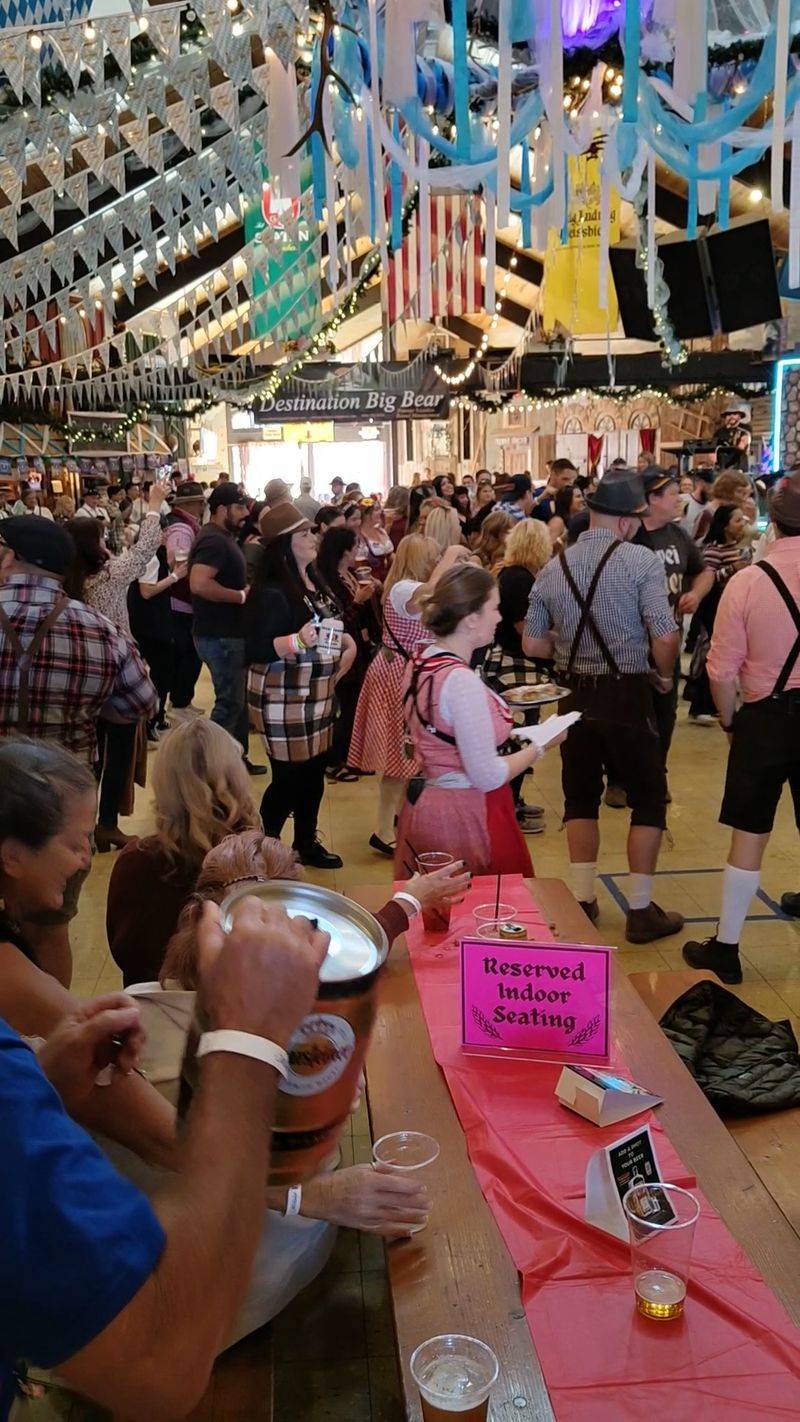
Inside the halls, the sound carries in a big way, with music, cheering, and long tables full of conversation blending together.
Stepping outside for a few minutes gives ears a break and offers views of the surrounding forest.
The contrast between the loud indoor energy and the quiet pine-scented air outdoors is part of what makes the day memorable.
Walking distances on the grounds stay manageable, and the layout keeps food, music, and games fairly close together.
Catch Live Bands Coming Directly From Germany
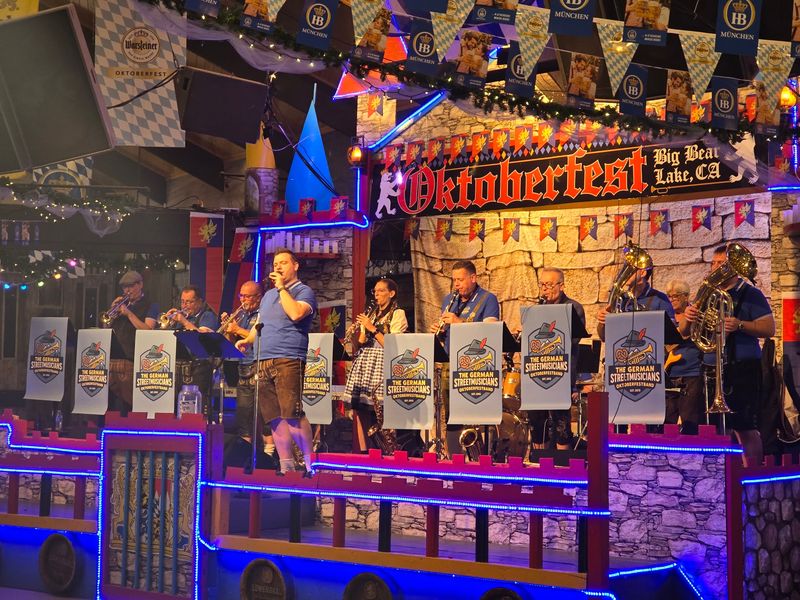
Music is the heartbeat of the whole event, and the 2026 schedule mixes U.S.-based acts with the Alpin Bavarian Band and Frankenrebellen Express, which are specifically billed as coming direct from Germany.
The Ladyhosen Band and Die Sauerkrauts are among the acts scheduled to appear during the season.
Sets usually start with high-energy polka and traditional German folk tunes.
As the day rolls on, the playlists often widen into classic rock and pop covers, which pulls even reluctant listeners onto the dance floor.
The shift in tempo gives the afternoon a natural arc rather than one long stretch of the same thing. Audience participation is expected rather than optional, and the Chicken Dance shows up more than once.
Standing near the stage means loud, direct sound, so families with small children often choose seating farther back. Earplugs are a reasonable thing to tuck into a bag, especially for sensitive ears.
Arriving early gives a better shot at a table with a clear view of the musicians.
Watching a brass section work through a polka number while hundreds of people clap along is the kind of thing that sticks with people long after the drive home.
Come Hungry For Bratwurst, Giant Pretzels And Warm Apple Strudel
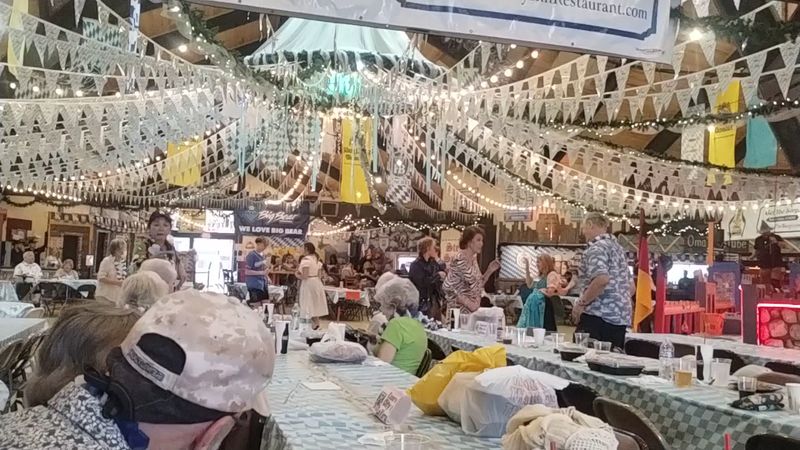
Skip lunch before the drive up, because the menu here rewards an empty stomach.
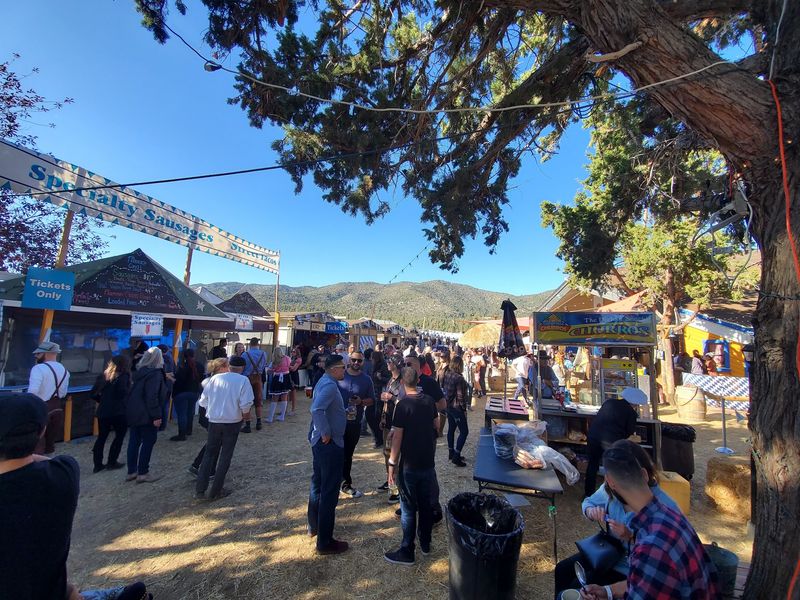
Sizzling bratwurst, knockwurst, and kielbasa anchor the savory side, often served alongside home-style sauerkraut and Bavarian dumplings.
The sausages come off the grill hot, and the smell drifts through the halls well before reaching the counter.
Colossal pretzels are a fixture, and they are big enough to share across a table.
Hearty soup made with cheese rounds out the comfort-food lineup on chilly afternoons. Portions lean generous, so ordering a couple of items for a group often works better than one plate per person.
Dessert deserves its own plan, and warm German apple strudel is the item people talk about. Served with vanilla sauce, it arrives soft, warm, and just sweet enough after a salty meal.
Recipes here follow genuine Bavarian traditions, and the care in preparation shows up in the details.
Lines tend to build right around midday and again in the early evening, so eating slightly off-schedule saves waiting time.
Bringing cash can speed things along at some counters.
Sitting down with a full plate at a long communal table is part of the fun, since strangers become tablemates quickly.
Watch The Famous Log-Sawing And Stein-Holding Competitions
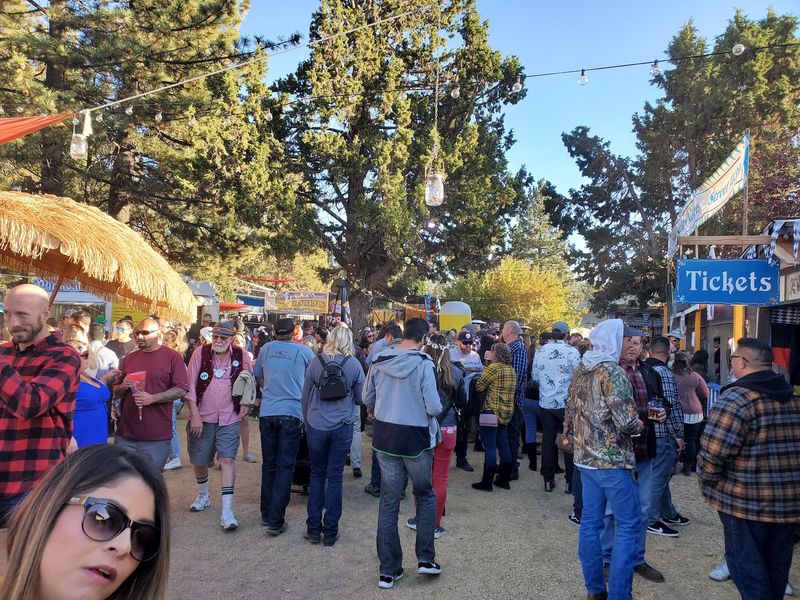
Nothing gets a crowd louder than two people wrestling a crosscut saw through a log. Log-sawing contests put teamwork and coordination on full display, and the cheering section does most of the work.
Timing matters more than raw strength, which is why unlikely teams sometimes win.
Stein-holding, known as Masskrugstemmen, tests how long a competitor can keep a full stein steady with one arm extended straight out. Arms start shaking faster than most people expect.
The event looks simple from the sidelines and feels brutal after about ninety seconds.
Other contests keep things playful, including safe slam races that use non-alcoholic drinks and a Queen Stein Carrying Contest.
Kids get their own version too, with kiddy mug holding matches that draw plenty of laughs and encouragement.
Watching from a spot near the stage gives the best view, though arriving a few minutes early helps.
Anyone thinking about competing should check the day’s schedule on arrival, since sign-ups often fill quickly. Comfortable shoes and a willingness to look silly go a long way.
Spectators who prefer to stay seated still get a full show, because the announcers keep the energy going between rounds.
Save Sunday For Family Fun And Free Admission For Kids
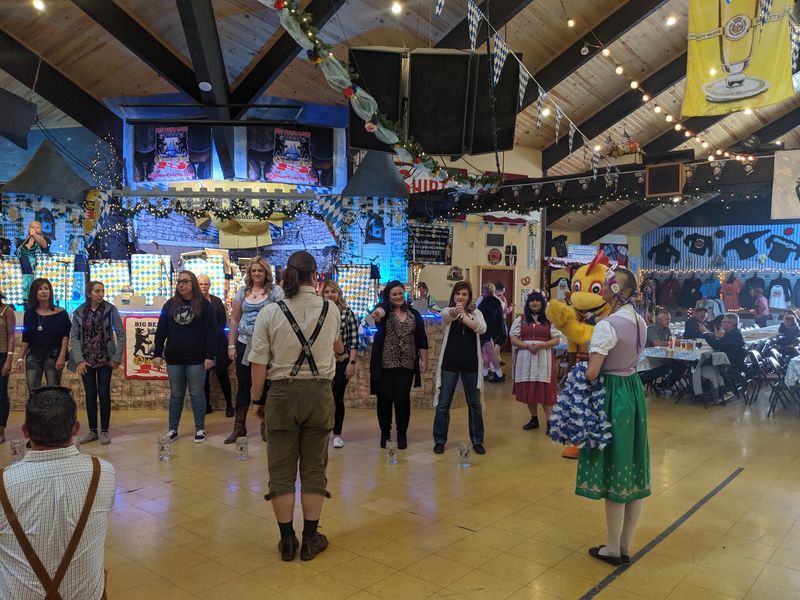
Families get their own designated day, and it changes the whole feel of a visit. Sundays run as Family Fun Days, with free admission for children ages 3 to 12.
That single detail makes a mountain weekend far easier on a household budget.
The 2026 Munich Midway and Kid’s Zone include a mechanical bull, game booths, arts and crafts, and bounce houses during weekend sessions.
Parents can rotate between the play zone and the food counters without covering much ground.
Atmosphere on Sundays runs calmer and more relaxed compared with the packed Saturday sessions. Noise levels drop a little, seating opens up more easily, and the pace feels less rushed.
Strollers and small children generally fare better in that setting.
Sunday admission prices also tend to be lower than Saturday rates, which is worth factoring into the plan.
Arriving shortly after doors open gives families the best shot at a good table and shorter lines at the activity stations.
Packing a light jacket for each kid makes sense, since indoor halls and outdoor areas feel noticeably different in temperature.
Plan Ahead For Tickets, Busy Saturdays And The Free Trolley
A little planning turns a hectic day into a smooth one. Buying tickets in advance is advisable, especially for Saturdays, because 2026 Saturday admission is sold in designated entry-time slots.
Saturday admission usually costs more than Sunday, so the day chosen affects both price and pace.
October Saturdays draw the largest crowds and carry the most energy, which suits some visitors perfectly and overwhelms others.
Arriving before noon on a Saturday improves the odds of easier parking and a decent table. Waiting until late afternoon on a peak weekend generally means standing more than sitting.
Transportation gets easier in the evening thanks to a complimentary Big Bear Trolley that runs to and from the Convention Center on festival nights from 6:00 p.m. to 10:30 p.m.
The trolley connects to more than 30 stops across Big Bear Valley, and route maps are posted at MountainTransit.org for planning. Using it removes the hassle of moving a car after dark on mountain roads.
Booking lodging early matters too, because fall weekends fill up fast in the valley.
Checking the official festival schedule for exact dates, hours, and current pricing before leaving home prevents surprises at the gate.