The Most Adorable North Carolina Villages You Have To Visit This Year
Small-town charm meets mountain magic in ways that make the heart skip a beat. North Carolina villages pack more character into a few blocks than most cities manage in entire districts.
From coastal hideaways where fishing boats bob in harbors to mountain retreats where mist clings to ridgelines, these tiny treasures offer something far more valuable than tourist attractions, they offer genuine connection. Each village tells its own story through historic buildings, local shops run by families who’ve been there for generations, and streets where strangers still wave hello.
North Carolina knows how to do adorable right. The villages scattered across this state blend natural beauty with authentic hospitality in ways that feel both timeless and refreshing.
Whether craving fresh seafood by the water, mountain air that clears the mind, or main streets lined with galleries and cafes, these fifteen spots deliver experiences that linger long after the visit ends.
1. Calabash
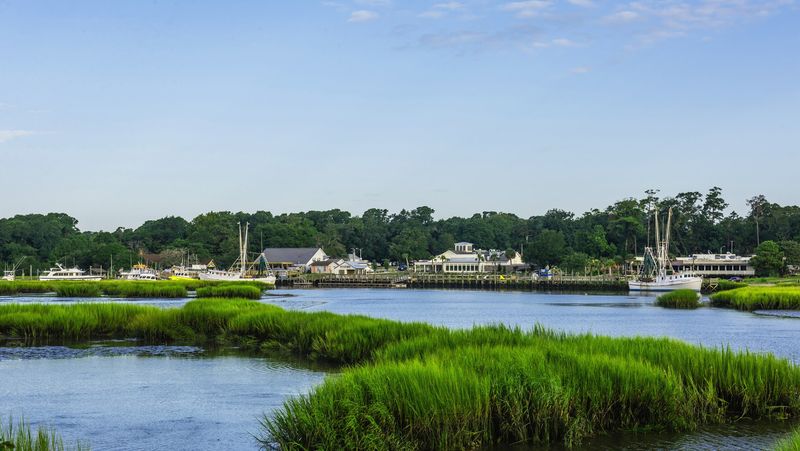
Fishing boats line the docks where the smell of fresh catch drifts through the air. Calabash earned its reputation as the seafood capital of the world, and one bite of the famous lightly battered fried fish explains why.
This tiny village along the coast serves up platters that have turned casual dinner stops into family traditions spanning decades.
Restaurants cluster near the waterfront where shrimp boats unload their daily hauls. The preparation style here, delicate breading that lets the seafood flavor shine, has been copied across the country but never quite duplicated.
Portions arrive generous enough to share, though most people prefer keeping their plates to themselves.
Walking the marina after a meal offers views of the Intracoastal Waterway and glimpses of pelicans diving for their own dinner. The village stays relaxed even during peak season, with locals chatting on porches and sunset casting golden light across the water.
Gift shops sell nautical trinkets and local artwork, perfect for remembering a place where simplicity tastes this good.
2. Saxapahaw
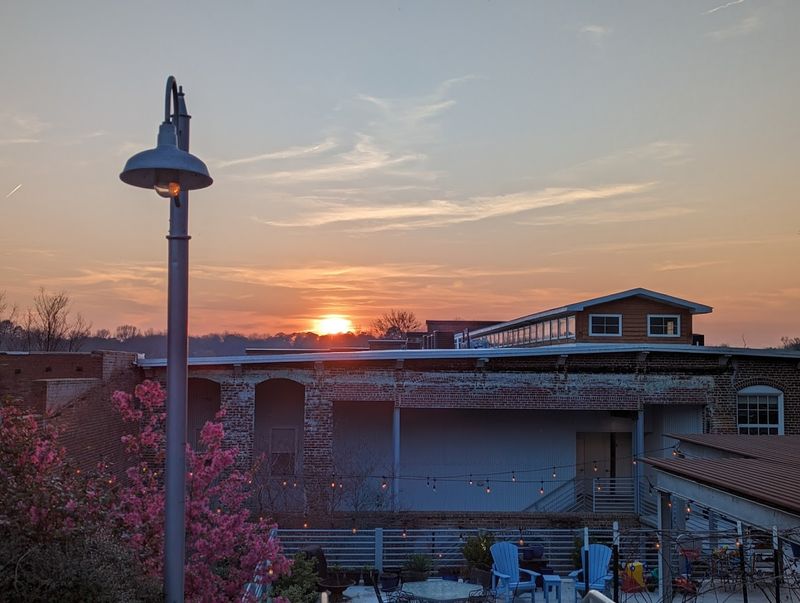
Old mill buildings got new life when artists and entrepreneurs transformed this riverside spot into something unexpectedly vibrant. Saxapahaw sits along the Haw River where paddle boarders glide past and trails wind through woods that feel miles from anywhere.
The renovated mill now houses a performance space, brewery, and restaurant that draws crowds from surrounding towns.
Live music fills weekend nights with sounds ranging from folk to indie rock. The brewery pours craft beers while the restaurant focuses on seasonal ingredients sourced from nearby farms.
Outdoor seating overlooks the river where the sound of water tumbling over rocks provides natural ambiance.
Hiking trails connect to the river, offering peaceful escapes between meals and shows. The village maintains a creative energy without feeling pretentious, locals gather at the general store for coffee and conversation, and kids play in the grass while parents relax with friends.
This community proves that revitalization doesn’t require losing authenticity, just people willing to invest in what makes a place special.
3. Duck
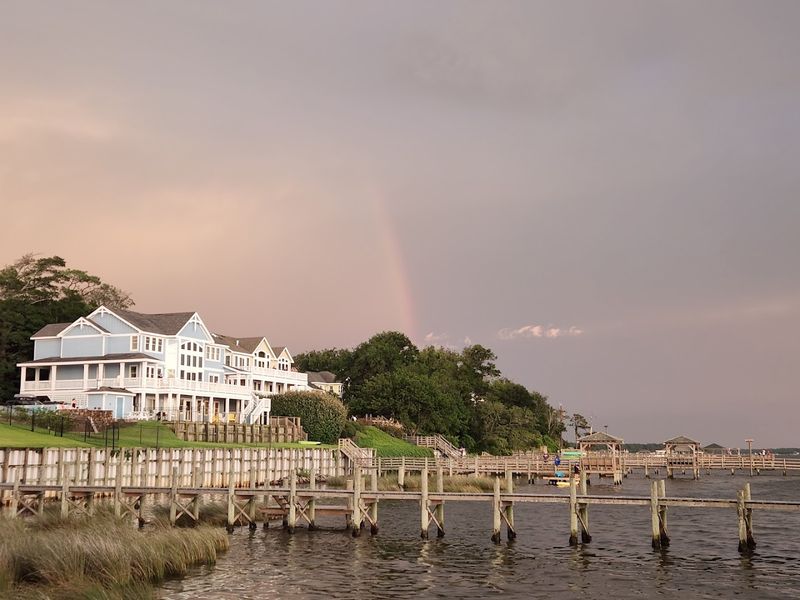
Boardwalks stretch along the sound where shops and restaurants face west toward spectacular sunsets. Duck manages to feel both upscale and unpretentious, a beach town that grew carefully instead of wildly.
The village sits on a narrow strip of land between ocean and sound, giving visitors easy access to both water experiences.
Boutiques sell coastal-inspired clothing and home goods without the usual tacky tourist fare. Restaurants serve fresh seafood with creative preparations, and outdoor patios fill with diners enjoying gentle breezes off the water.
The town park features a boardwalk perfect for evening strolls when the heat of the day fades.
Beach access points dot the oceanside where dunes rise high and sea oats sway in constant wind. The maritime forest provides shade for walking and biking trails that connect different parts of the village.
Unlike some Outer Banks destinations that feel overrun, Duck maintains a quieter pace where families can actually relax. Parking takes patience during summer, but the reward of experiencing this well-preserved coastal gem makes the effort worthwhile.
4. Brevard
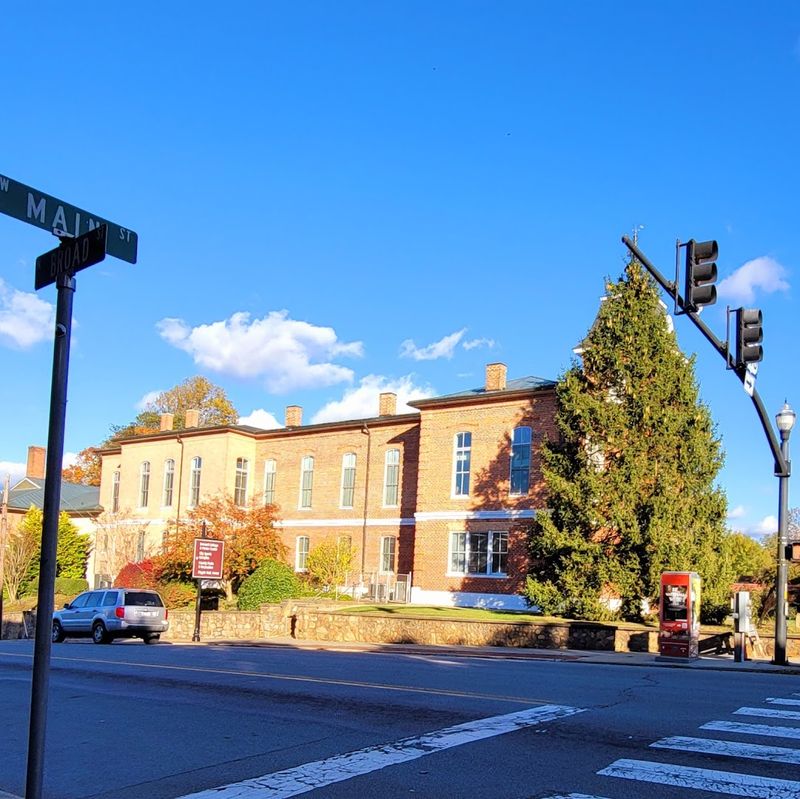
White squirrels dart across tree branches and lawns throughout this mountain town where waterfalls outnumber stoplights. Brevard sits at the entrance to Pisgah National Forest, where over 250 waterfalls cascade through gorges and glens.
The village itself wraps around a charming downtown filled with galleries, outdoor outfitters, and cafes that fuel hikers before dawn adventures.
Music fills the air during summer when the prestigious music festival brings classical performances to mountain venues. The white squirrel population, a genetic variation found in only a few places worldwide, has become a beloved symbol, with visitors delighting in spotting these unusual creatures.
Downtown shops cater to both outdoor enthusiasts and art lovers, creating an interesting mix of technical gear and handcrafted pottery.
Trails leading to waterfalls range from easy walks to challenging scrambles over rocks and roots. Looking Glass Rock rises in the distance, its granite face gleaming after rain.
The village manages to stay welcoming despite its growing popularity, with locals maintaining the friendly mountain culture that makes visitors feel like temporary neighbors rather than tourists passing through.
5. Edenton
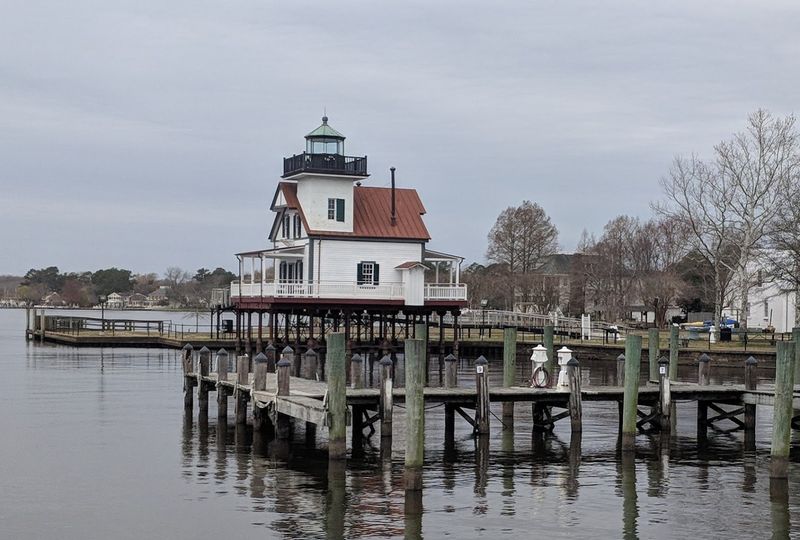
Colonial architecture lines streets where history isn’t just preserved but still lived in daily. Edenton claims status as one of the oldest towns in the state, and walking the waterfront district feels like stepping back centuries.
The 1767 Chowan County Courthouse still stands, and homes from the 1700s remain private residences rather than just museum pieces.
The harbor along Albemarle Sound provides peaceful views where sailboats drift past and pelicans perch on pilings. Downtown shops occupy historic buildings where original heart pine floors creak underfoot.
Tea rooms and cafes serve lunch in dining rooms with fireplaces and vintage charm, while local guides offer walking tours that bring centuries of stories to life.
The village moves at a pace that allows for front porch sitting and afternoon strolls. Gardens bloom behind iron fences, and live oaks draped with Spanish moss shade brick sidewalks.
Museums detail everything from colonial rebellion to maritime history, but simply wandering the residential streets provides plenty of beauty and interest. Edenton proves that some places become more valuable as they age rather than less.
6. Banner Elk
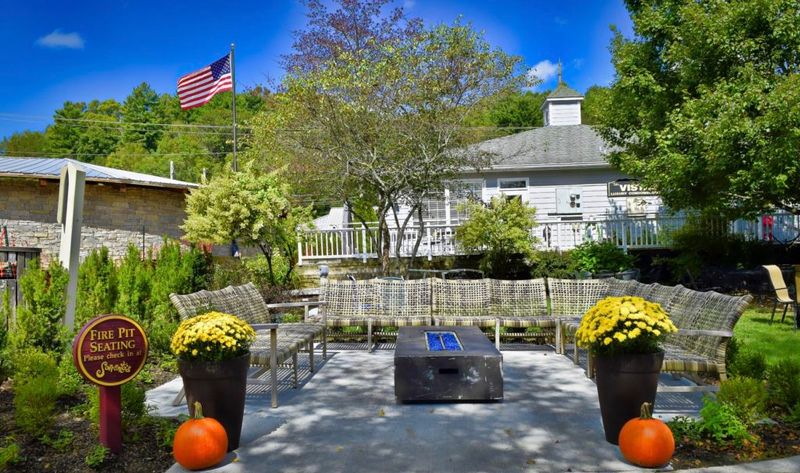
Ski slopes rise above this high-country village where elevation brings cooler temperatures and mountain views in every direction. Banner Elk sits at over 3,700 feet where winter snow transforms the landscape into a winter sports playground.
Two ski resorts bookend the village, but the charm extends well beyond the slopes into a downtown filled with shops, galleries, and restaurants.
Summer brings hikers and mountain bikers to trails that wind through forests and meadows bursting with wildflowers. The village hosts art festivals and outdoor concerts that draw crowds without overwhelming the small-town feel.
Local restaurants serve everything from barbecue to fine dining, with many featuring outdoor seating that takes advantage of the mountain air.
Fall foliage peaks here earlier than lower elevations, painting the surrounding peaks in brilliant reds and golds. The first alpine coaster in the state offers thrills year-round, twisting down the mountainside with views that make the ride even more memorable.
Banner Elk manages to be both a destination for outdoor adventure and a place where simply sitting on a bench watching clouds roll over peaks feels like enough.
7. Beaufort
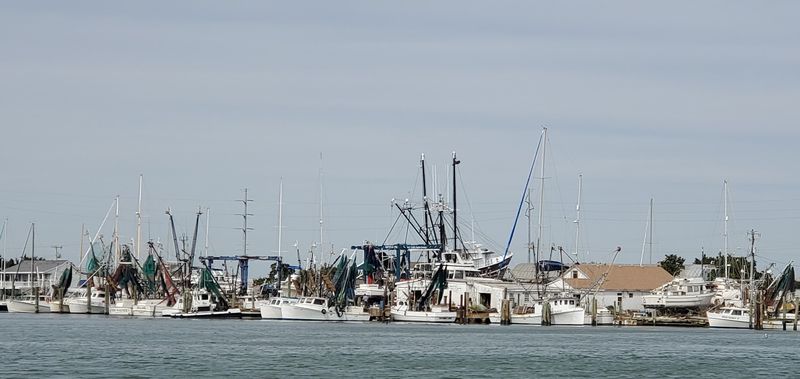
Wooden docks stretch into the harbor where wild horses from nearby islands sometimes swim ashore. Beaufort dates back to 1709, making it one of the oldest towns along the coast, and the historic district preserves that heritage with care.
Front Street runs parallel to the water where shops and restaurants occupy buildings that have weathered centuries of storms and history.
The North Carolina Maritime Museum anchors the downtown, offering exhibits on everything from pirates to commercial fishing. Boat tours depart regularly for trips to see wild horses on Shackleford Banks or explore the remnants of Blackbeard’s ship.
The village maintains an authentic fishing community feel even as tourism has grown, with working boats still tied up alongside pleasure craft.
Walking the residential streets reveals homes with plaques detailing their construction dates and original owners. Porches face the street where rocking chairs invite lingering conversations, and gardens overflow with roses and hydrangeas.
Seafood restaurants serve catches brought in that morning, prepared simply to let the freshness speak for itself. Beaufort balances its role as tourist destination and working waterfront with grace rarely found in coastal towns.
8. Hillsborough
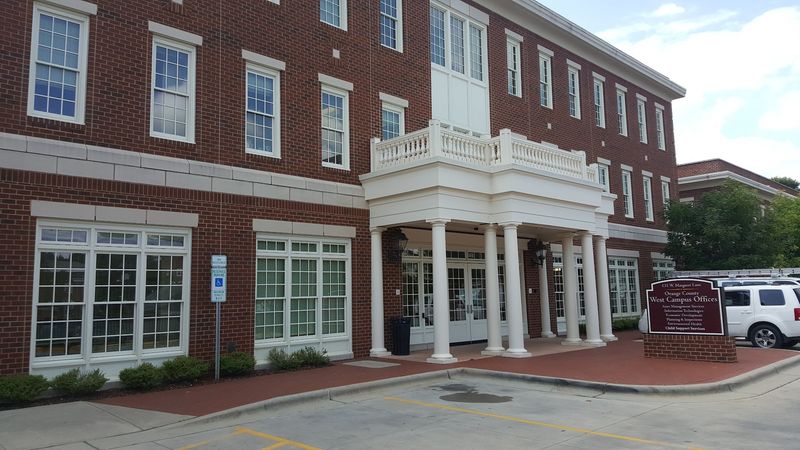
Antebellum homes stand behind white picket fences along streets shaded by ancient oaks. Hillsborough played roles in both the Revolutionary and Civil Wars, and the downtown historic district tells those stories through preserved buildings and markers.
The village sits in the rolling Piedmont where farms still operate just beyond the town limits.
Downtown shops mix antiques with contemporary boutiques, and restaurants range from casual cafes to upscale dining rooms. The farmer’s market draws crowds on summer mornings when local growers bring produce picked at dawn.
Art galleries showcase regional artists, and the historic courthouse stands as a centerpiece of civic architecture.
The Riverwalk follows the Eno River through woods and past rocky outcrops where locals walk dogs and watch for herons. Several historic sites offer tours, including a home that hosted Revolutionary War councils.
The village maintains a thriving arts scene with regular concerts and theater productions. Hillsborough feels like a place where history isn’t just remembered but integrated into daily life, where the past informs the present without overwhelming it or turning everything into a museum display.
9. Saluda
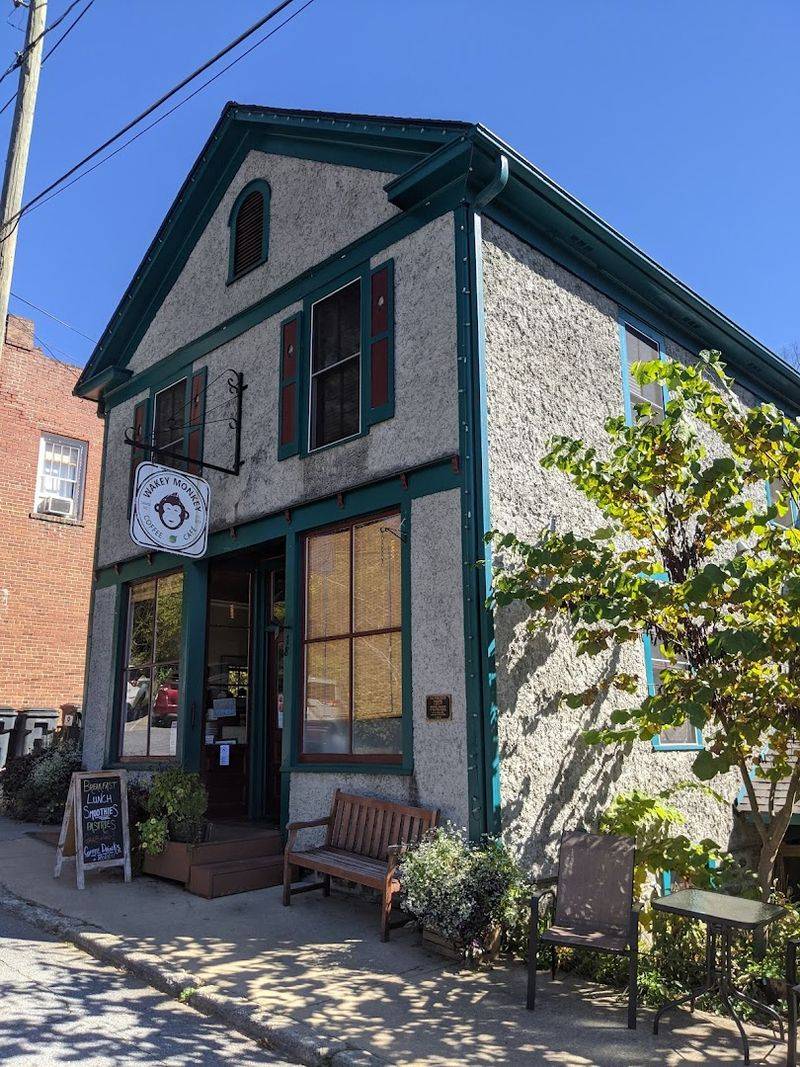
Train tracks run through the center of this mountain village built where the steepest mainline railroad grade in the country challenged engineers and locomotives. Saluda sits at 2,097 feet where temperatures stay comfortable even in summer and fall colors arrive early.
The main street slopes noticeably, lined with shops selling antiques, artwork, and mountain crafts.
Hiking trails lead to waterfalls and scenic overlooks within minutes of downtown. The historic train depot now serves as a gathering place for events and community functions.
Restaurants occupy old buildings with creaky floors and tin ceilings, serving comfort food that tastes even better after a morning on the trails.
The village attracts artists and craftspeople who appreciate the slower pace and natural inspiration. Galleries display everything from traditional quilts to contemporary sculpture.
Small inns and bed-and-breakfasts offer lodging in historic homes where front porches provide perfect spots for morning coffee. Saluda doesn’t try to be anything other than what it is, a genuine mountain village where people still know their neighbors and visitors get treated like friends who just haven’t been around in a while.
10. Hot Springs
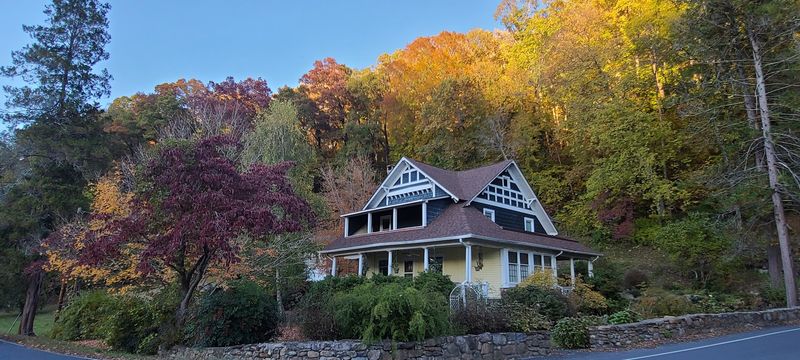
Natural hot springs bubble up where the French Broad River cuts through mountain valleys. Hot Springs earned its name honestly, and the spa that harnesses those geothermal waters remains the main draw for visitors seeking relaxation.
The Appalachian Trail runs directly down the main street, making this one of the few places where thru-hikers can resupply without leaving the trail.
The village spreads along the river where rafting companies launch trips ranging from gentle floats to whitewater adventures. Historic buildings house cafes, outfitters, and small shops catering to both hikers and tourists.
The outdoor hot tubs overlook the river where the combination of warm mineral water and mountain air creates an experience that soothes both body and mind.
Hiking trails branch off from town into surrounding national forest land. The village maintains a welcoming attitude toward the steady stream of thru-hikers who pass through between Georgia and Maine.
Local restaurants understand that hikers arrive hungry, serving generous portions at reasonable prices. Hot Springs combines natural resources with mountain hospitality in ways that feel authentic rather than manufactured for tourist consumption.
11. Swansboro
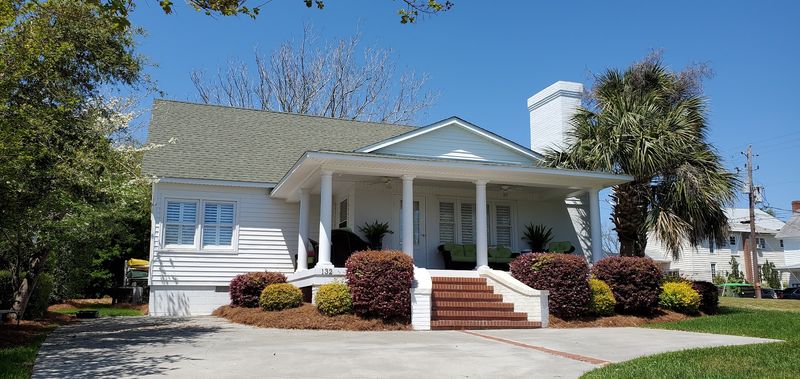
A wooden swing bridge connects this waterfront village to the wider world, opening regularly to let boats pass through. Swansboro hugs the White Oak River where the water stays calm enough for kayaking and stand-up paddleboarding.
The historic downtown runs just a few blocks but packs in seafood restaurants, ice cream shops, and boutiques selling coastal-inspired goods.
Fishing remains a way of life here with boats departing before dawn and returning with catches sold at local markets. The waterfront park provides benches and green space where families gather for picnics and kids feed ducks.
Several annual festivals celebrate everything from mullet to pirates, drawing crowds that fill the streets with music and laughter.
The village earned the nickname
12. Davidson

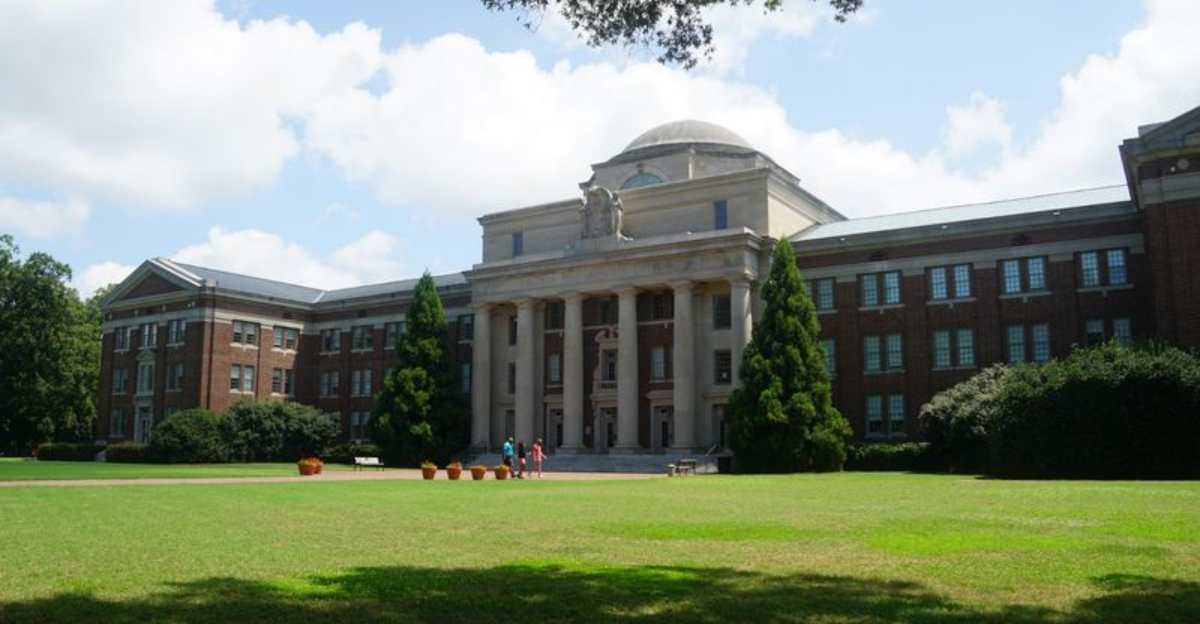
Red brick buildings and tree-lined streets give this college village a New England feel despite its southern location. Davidson College anchors the community where students and townspeople mix in coffee shops and restaurants along the compact main street.
The village maintains strict architectural standards that keep chain stores out and local character in.
Walking and biking dominate transportation with sidewalks connecting neighborhoods to downtown and campus. Shops sell books, clothing, and gifts without the usual college town kitsch.
Restaurants range from casual cafes to white-tablecloth dining, with outdoor seating filling quickly when weather cooperates.
Lake Norman sits just minutes away where public access points offer boating and fishing opportunities. The village green hosts concerts and events throughout the year, creating gathering spaces that strengthen community bonds.
Davidson manages to be both a college town and a family-friendly village where professors and locals shop at the same farmer’s market and kids play in the same parks. The combination of academic energy and small-town values creates an atmosphere that feels both intellectually stimulating and genuinely welcoming to visitors passing through.
13. Fearrington Village
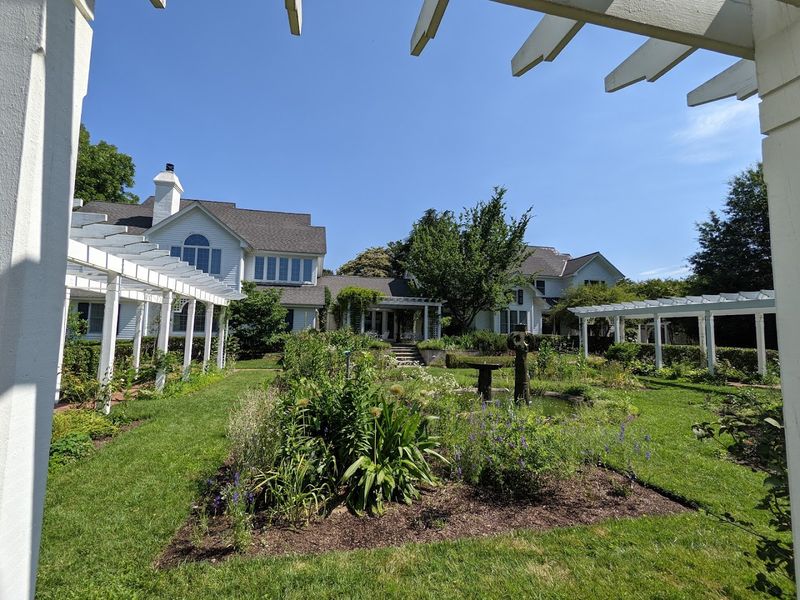
Belted Galloway cows graze in pastures where a farm was transformed into a planned village that feels like an English countryside escape. Fearrington Village sits in the rolling Piedmont where garden paths wind between shops, restaurants, and residential areas designed to look like they’ve been there for generations.
The distinctive black and white banded cows have become village mascots, photographed constantly by visitors charmed by their unusual appearance.
The village center clusters shops selling antiques, home goods, and gourmet foods around a central green. A renowned restaurant occupies the old farmhouse, serving refined cuisine in elegant dining rooms.
The inn offers luxurious accommodations in buildings designed to evoke historic charm despite being relatively new construction.
Walking paths connect different areas of the village where careful landscaping creates the impression of an established English hamlet. A bookshop draws readers to author events and readings.
The village market sells prepared foods and specialty groceries. Fearrington proves that planned communities can achieve genuine charm when developers invest in quality design and authentic materials rather than cutting corners and maximizing density at the expense of character.
14. Mount Gilead

The old courthouse anchors a town square where time seems to have paused somewhere around 1950. Mount Gilead sits in the Uwharrie region, where ancient mountains worn down to hills provide outdoor recreation just beyond town limits.
The village maintains a rural character where farming still matters, and people gather at local diners for breakfast conversations that stretch into midmorning.
Downtown shops occupy buildings with original tin ceilings and wooden floors. Antique stores offer treasures accumulated from generations of local families.
The town park features a gazebo and walking paths where residents exercise, and children play on equipment shaded by mature trees.
Uwharrie National Forest begins just outside town, where trails wind through woods and around lakes. The village hosts seasonal festivals that bring the community together for parades and celebrations.
Mount Gilead doesn’t pretend to be anything it isn’t, no boutique shops or trendy restaurants here, just an authentic small town where people still leave doors unlocked, and kids ride bikes until streetlights come on, a slice of rural life that feels increasingly rare across the changing South.
15. Louisburg
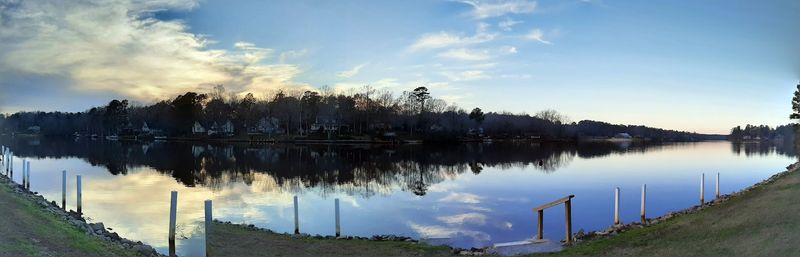
Victorian homes line streets where front porches still serve as gathering places for evening conversations. Louisburg dates back to colonial times when it served as a county seat, and that governmental role continues today with the courthouse dominating the town square.
The village has preserved much of its historic architecture while adapting to modern needs without sacrificing character.
Downtown shops mix practical businesses with antique stores and cafes. The local theater hosts performances and movie screenings in a building that has entertained generations.
Several historic sites offer glimpses into the past, including homes and churches that have stood for over two centuries.
The village maintains active parks where sports leagues and community events bring families together. Local restaurants serve traditional southern cooking in dining rooms where waitresses know regular customers by name.
Louisburg represents small-town life at its most genuine, where neighbors help neighbors and community connections still matter more than convenience or anonymity. The village doesn’t chase trends or try to become something it isn’t, instead focusing on maintaining the qualities that make small-town living appealing to those who value relationships over rush.