The 10 Most Unique Places In Virginia That Should Be On Your Must-Visit List
Somewhere in Virginia, an organ plays songs by tapping on cave stalactites.
I’ve always thought great places needed a big view. Give me a mountain overlook and I’m happy.
Then I learned about a theater where folks once paid for tickets with vegetables.
There’s also a wildlife refuge where wild ponies wander the beach. My love of overlooks clearly doesn’t cover the whole story.
The real fun is how these spots mix science, history, and pure oddness.
One stop takes you underground, and another puts you beside a real space shuttle.
Somehow, a big view feels like the least surprising thing on the list. Which strange surprise would you chase first?
1. Luray Caverns
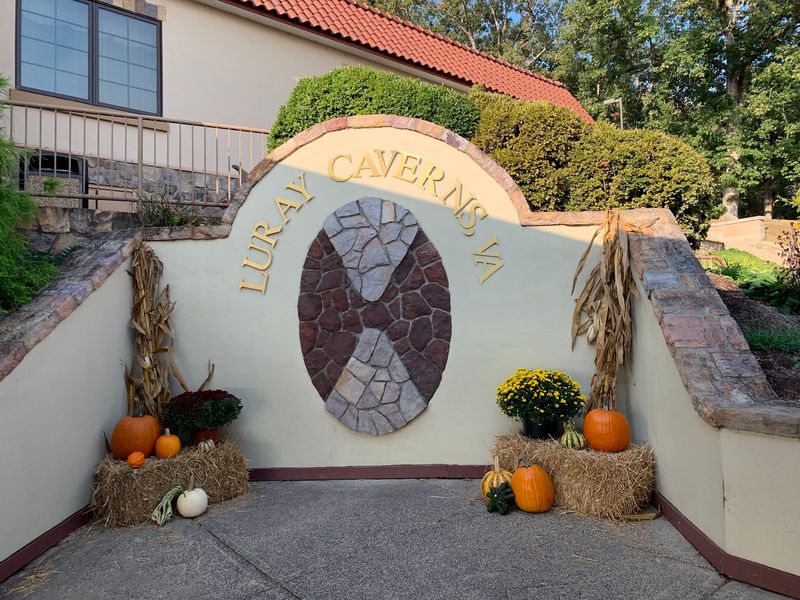
Most organs live in churches, but one in Luray uses an entire cave as its pipes. The Great Stalacpipe Organ taps ancient stalactites with rubber-tipped mallets to play actual songs.
Invented by Leland Sprinkle in the 1950s, the instrument uses formations spread across more than three acres. Its notes make the surrounding chambers part of the performance, which is a pretty wonderful use of geology.
That musical oddity is only one stop on a 1.25-mile underground route. Paved walkways pass enormous chambers, delicate rock curtains, and columns formed over countless generations.
In Giant’s Hall, a towering stone column reaches 47 feet. Then comes Dream Lake, a shallow pool so still it looks like a mirror. Its reflection can make the ceiling formations seem to extend deep beneath your feet.
The self-guided walk takes a little over an hour. Inside temperatures stay near 54 degrees, so comfortable shoes and a light layer are sensible.
Above ground, your visit can continue at the Car & Carriage Caravan Museum, Toy Town Junction, and Shenandoah Heritage Village. A garden maze and ropes course offer additional activities.
Luray Caverns welcomes visitors every day at 101 Cave Hill Rd., Luray. Winter hours vary between weekdays and weekends.
Few places combine music and rock formations this beautifully. Even the most enthusiastic mountain-overlook fan might forget to look for the sky.
2. Natural Bridge State Park
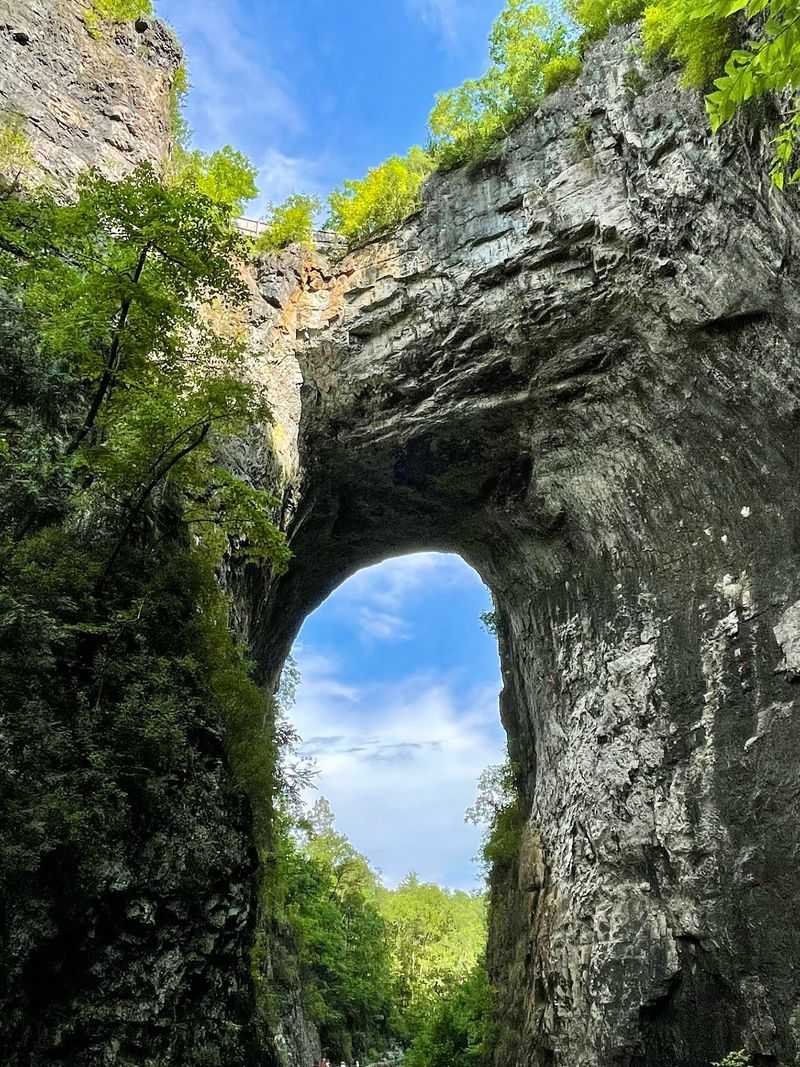
A 215-foot stone arch sounds like movie scenery, yet this one carries a real highway over its top. Route 11 crosses the bridge while you stand far below.
The natural limestone span stretches about 90 feet across Cedar Creek’s gorge in Rockbridge County. Moving water gradually shaped the surrounding landscape, leaving an extraordinary formation that gave the county its name.
Thomas Jefferson purchased the property in 1774. Today it’s the centerpiece of a state park established in 2016, with trails and exhibits that explore its geology and history.
Getting down to the bridge usually involves 137 steps from the visitor center. Once you’re beside Cedar Creek, the trail passes beneath the arch and continues toward the 50-foot Lace Falls. The full outing is about two miles round trip.
An electric access shuttle provides another route to the lower trail area for visitors who need assistance. Check its availability before traveling, especially if stairs are challenging.
There’s also a children’s discovery area and additional hiking trails for anyone wanting to explore longer.
On selected evenings from April through October, the arch is illuminated as part of a longstanding special-event tradition. The park also holds International Dark Sky Park recognition.
The visitor center is at 6477 S. Lee Hwy., Natural Bridge. Whether you’re looking up in daylight or enjoying a special evening program, the scale is astonishing.
3. Chincoteague National Wildlife Refuge
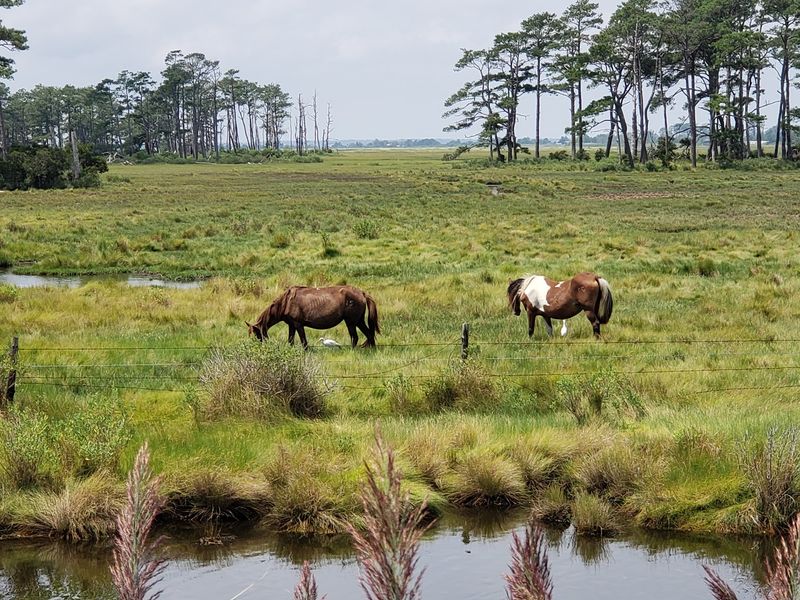
Wild ponies on the beach sound like a storybook, but the Eastern Shore makes the idea feel real. Chincoteague National Wildlife Refuge protects beaches, forests, and marshes where the famous ponies graze.
Book lovers may know the herd from the classic novel Misty of Chincoteague. The animals are managed by the Chincoteague Volunteer Fire Company and are often seen across the marshland on Assateague Island.
Bring binoculars rather than expecting an up-close meeting. The Woodland Trail has a pony-viewing overlook, and their location can change throughout the day.
Birds deserve just as much attention. More than 275 species have been recorded in the refuge, with seasonal visits from shorebirds, waterfowl, and eagles. The landscape changes dramatically between seasons.
A red-and-white lighthouse rises above the maritime forest. Completed in 1867, Assateague Lighthouse offers scheduled climbing opportunities, including selected Saturdays through November 21, 2026.
The refuge has approximately fifteen miles of trails for walking and designated cycling. The nearby recreational beach is undergoing a relocation project in 2026, so follow signs to the available shoreline access.
For navigation, use 8231 Beach Rd., Chincoteague. Hours change with the seasons; from November into mid-March, refuge access runs from 6 a.m. to 6 p.m.
Leave pets at home, as they aren’t permitted in the refuge. Come for the ponies, then stay for the remarkable coastal wildlife.
4. Dinosaur Land
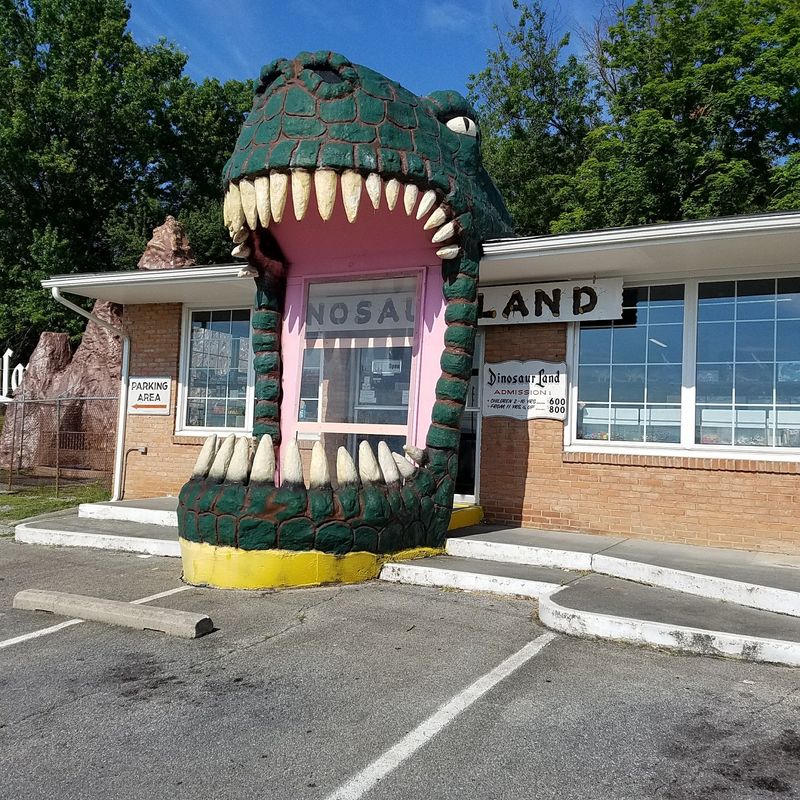
Somewhere in White Post, a herd of giant dinosaurs has been waiting for your family photo. More than fifty oversized dinosaurs and other creatures fill the grounds at this old-fashioned roadside stop.
Dinosaur Land has been a family-run attraction since the 1960s. Instead of screens and complicated rides, you’ll follow an outdoor path past enormous prehistoric figures and playful surprises.
Their exaggerated features and colorful paint are part of the throwback charm.
And it isn’t strictly a dinosaur collection. Keep an eye out for King Kong and a huge purple octopus among the displays. It’s exactly the sort of unexpected combination that makes a roadside attraction memorable.
Signs introduce the creatures and their names, turning the walk into an informal lesson for younger explorers. You might finally learn to pronounce Pachycephalosaurus without stumbling. Your kids will probably beat you to it, though.
The gift shop carries dinosaur toys, fossils, and other souvenirs for anyone determined to bring a prehistoric friend home.
You’ll find this quirky Virginia attraction at 3848 Stonewall Jackson Hwy., White Post.
During the autumn 2026 season, hours generally run 9:30 a.m. to 5 p.m., with Thursdays closed between early October and late December. Last entry is an hour before closing.
Expect a leisurely outdoor stroll rather than an all-day theme park. For a family road trip, that’s part of the fun.
5. The Poe Museum
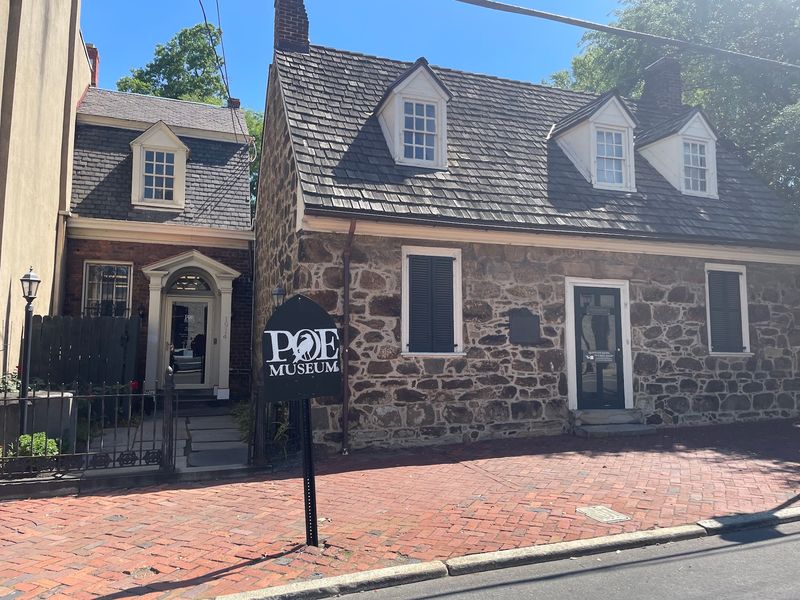
Edgar Allan Poe wrote some of the spookiest stories around, and Richmond is where he grew up. The Poe Museum honors that link inside the oldest surviving residence in the city.
The Old Stone House dates to the eighteenth century. Poe never lived in that particular building, but the surrounding neighborhood formed part of his childhood Richmond, making it a fitting setting for the collection.
Founded in 1922, the museum holds an extraordinary assortment of manuscripts, letters, personal belongings, and objects connected with the writer. Poe’s childhood bed and pocket watch are among the memorable pieces.
The property also includes the Poe Shrine and Enchanted Garden, inspired by his poetry. Resident museum cats sometimes wander the grounds, adding a little character to the quiet courtyard.
You can explore three exhibit buildings at your own pace using a complimentary audio tour. Young visitors can try interactive scavenger hunts, while literary enthusiasts can spend longer studying the manuscripts.
The museum is at 1914 E. Main St., Richmond, in the city’s historic Shockoe Bottom area. Its regular hours are Tuesday through Saturday, 10 a.m. to 5 p.m., and Sunday from 11 a.m. to 5 p.m.
The garden’s brick paths and historic architecture are lovely to explore between galleries.
Even without knowing every poem, it’s easy to appreciate how much creativity grew from Poe’s connection with Richmond.
6. Barter Theatre
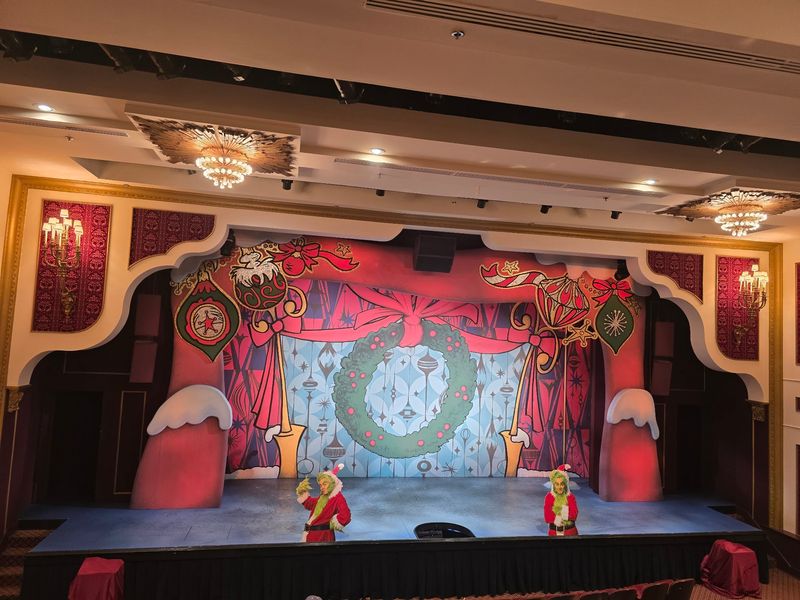
Back in 1933, you could pay for a play with vegetables instead of cash. Barter Theatre earned its name by exchanging tickets for farm produce during the Great Depression.
The arrangement helped feed the actors while making live performances accessible to families. At its earliest shows, most patrons arrived with farm goods rather than ordinary ticket money.
Founder Robert Porterfield turned that practical idea into a professional theater that remains an important part of Abingdon’s cultural life. Today Barter is the State Theatre of Virginia, presenting plays and musicals through a resident company.
Even the auditorium has a surprising history. Some of its furnishings were brought from New York City’s former Empire Theatre, and lighting equipment associated with Thomas Edison’s work once served the stage.
The theater’s performances range from lighthearted comedies to familiar musicals and seasonal family shows. Multiple productions can appear across its stages during the year, giving visitors different reasons to return.
Its main Gilliam Stage is at 127 W. Main St., Abingdon. The smaller Smith Theatre offers another intimate venue nearby.
The historic downtown adds restaurants, shops, and attractive sidewalks for a pre-show wander. Check the production calendar when planning, since the box office schedule and curtain times depend on the performances.
Few places can turn a basket of vegetables into an enduring theatrical tradition. The idea is still delightful nearly a century later.
7. Frontier Culture Museum
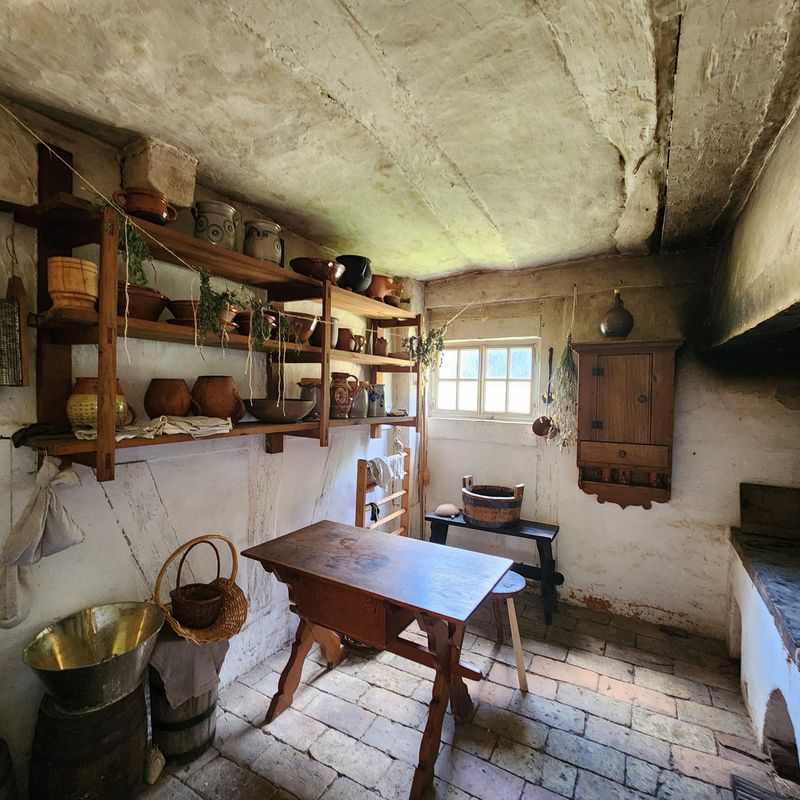
Where else can you visit farms from several countries without a passport? At the Frontier Culture Museum, historic homesteads show how communities lived before and after migration to the Shenandoah Valley.
This open-air museum in Staunton has eleven permanent exhibits.
The older-world section recreates rural settings associated with England, Ireland, Germany, and West Africa in the seventeenth and eighteenth centuries.
Across the grounds, American exhibits explore Indigenous Eastern Woodlands traditions and changing farm life in the Valley of Virginia. Placing these stories side by side reveals the many cultural influences that shaped the region.
Costumed interpreters demonstrate daily work when programs are scheduled. Farming, food preparation, blacksmithing, and traditional crafts help explain how households managed ordinary tasks without modern equipment.
You’ll see buildings, gardens, agricultural tools, and heritage farm animals as you move between exhibits. The landscape itself makes the outing appealing, with open fields and rural scenery surrounding the structures.
The museum is at 1290 Richmond Ave., Staunton. It generally opens daily from 9 a.m. to 5 p.m., with a handful of holiday closures.
Allow time for walking, since the exhibits are spread over a broad outdoor property. Comfortable shoes and weather-appropriate clothing matter more than rushing through a checklist.
The experience offers an engaging look at how different traditions met and changed across generations. It’s history you can explore at your own pace.
8. Steven F. Udvar-Hazy Center
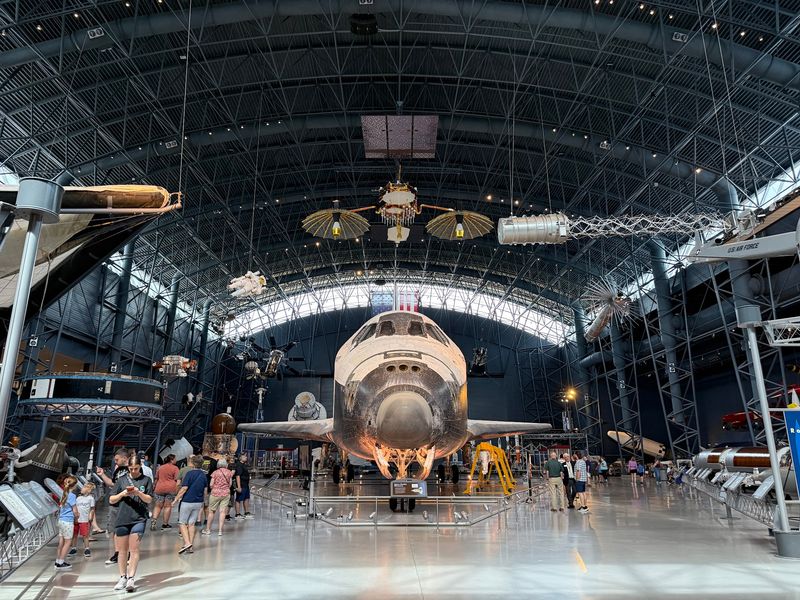
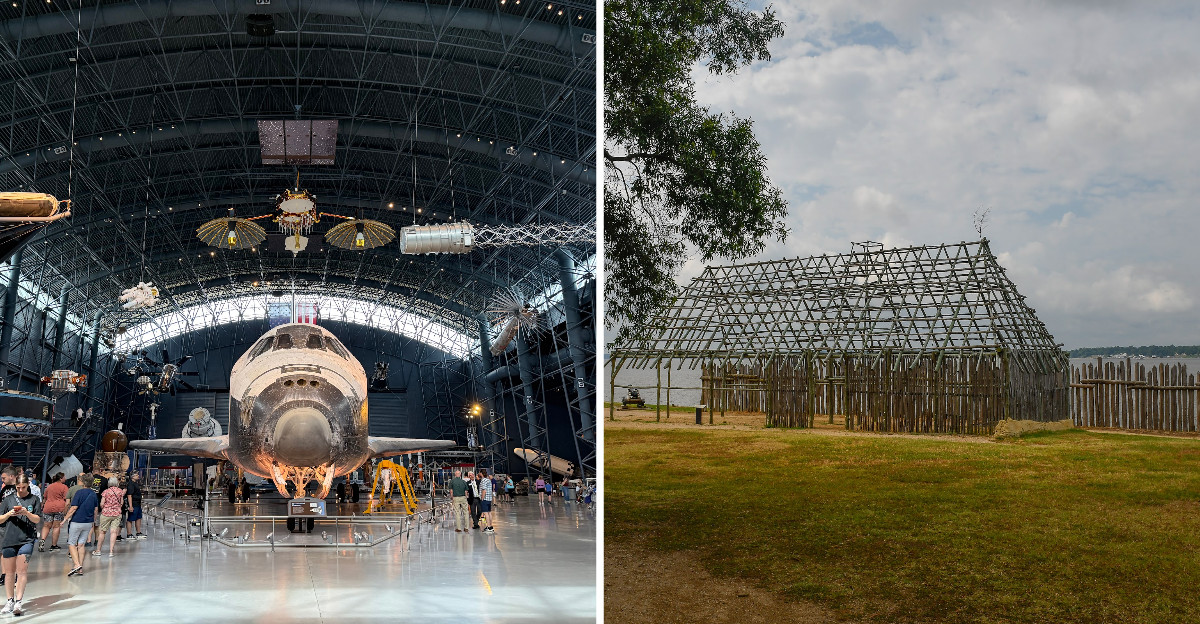
A real space shuttle parked inside a hangar near Dulles sounds unreal, yet there it is. Space Shuttle Discovery anchors a massive aviation collection here.
The Steven F. Udvar-Hazy Center is the Smithsonian’s companion to the National Air and Space Museum in Washington, D.C. Its enormous hangars hold aircraft and spacecraft that could never fit comfortably in an ordinary gallery.
Look up and you’ll spot the Lockheed SR-71 Blackbird, famous for flying at extraordinary speeds. The supersonic Concorde, early aircraft, and a variety of helicopters and experimental machines add more surprises.
Discovery sits in the space hangar, allowing visitors to appreciate the size of an actual shuttle from close range. The museum also preserves smaller objects connected with exploration beyond Earth.
One of the best extra stops is the Mary Baker Engen Restoration Hangar. From a viewing area, you can watch specialists working to preserve historic aircraft and spacecraft.
Then head to the observation tower for views of airplanes approaching and leaving Dulles International Airport. Tower access generally runs from late morning into the afternoon.
The center is at 14390 Air and Space Museum Pkwy., Chantilly. It opens daily from 10 a.m. to 5:30 p.m., except for a major winter holiday.
Admission to the museum is free, although parking is separately managed. Bring comfortable shoes because the enormous exhibition space easily fills several hours.
9. Historic Jamestowne
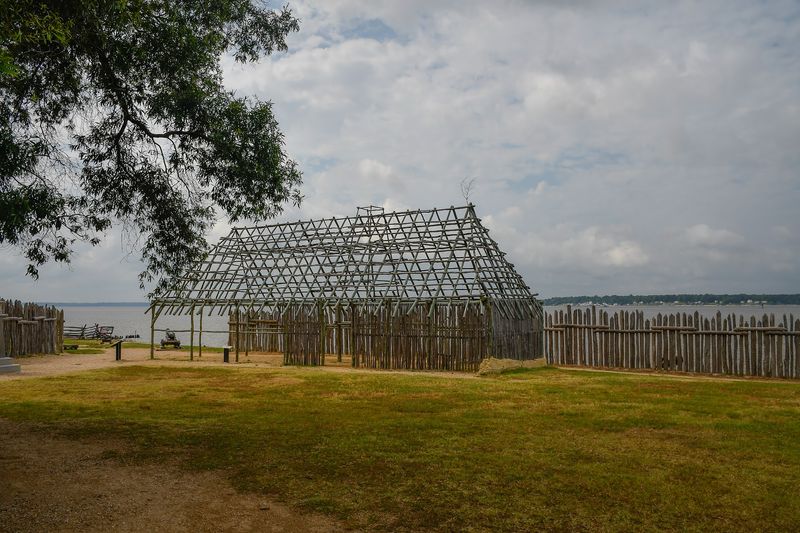
America’s English colonial story has an important starting point on this riverbank, where settlers established Jamestown in 1607.
Historic Jamestowne preserves the site of the first permanent English settlement in North America.
Archaeology still happens on these grounds. Researchers uncover evidence of the original James Fort and the people connected with the settlement.
The Voorhees Archaearium holds more than 4,000 artifacts, including tools, household objects, and other discoveries that bring the early community into focus.
The museum stands near the actual excavation area, making the connection especially immediate.
Outside, marked pathways lead toward the fort site, the seventeenth-century church tower, monuments, and views of the James River. Guided archaeology walks add detail about the discoveries beneath the ground.
It’s also a place to learn about the Powhatan communities who lived in the region long before the English arrived. Their history is essential to understanding this part of the Chesapeake.
The nearby 1608 Glasshouse demonstrates traditional glassmaking techniques, with a separate workshop area near the entrance road.
For your route, use 1368 Colonial Pkwy., Jamestown. The entrance gate generally opens at 8:45 a.m. and closes at 4:30 p.m.; exhibits maintain their own schedules.
The riverside café is undergoing renovation, so bring refreshments. An afternoon here feels less like a conventional museum visit and more like watching history emerge from the earth.
10. Mabry Mill
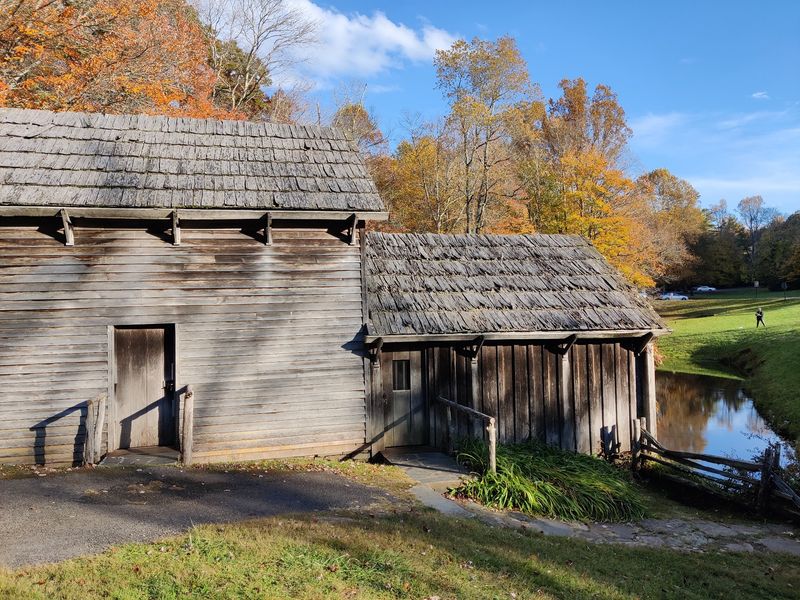
Grab your camera, because this old mill practically poses for you. Mabry Mill sits along the Blue Ridge Parkway with a restored water wheel that still turns when conditions allow.
The mill stands near Milepost 176.2, surrounded by trees, a reflecting pond, and traditional mountain buildings. It’s one of the Parkway’s most recognizable scenes, especially when autumn color surrounds the wooden structure.
Ed Mabry built the mill in stages between 1903 and 1914, creating a place where neighbors could bring grain to be ground. A blacksmith shop and sawmill also formed part of the working property.
A short walking route connects the buildings, with exhibits explaining the tools and traditions of rural Appalachian life. Matthews Cabin, a historic log home relocated from nearby, offers another glimpse of how earlier mountain households lived.
Seasonal cultural programs have included blacksmithing, spinning, weaving, music, and guided mill visits. Their schedules change through the year, and many events concluded in early November for the 2026 season.
The restaurant and gift shop beside the mill are undergoing renovations, with a reopening planned for spring 2027. The historic outdoor site remains the central attraction.
In southern Virginia, follow the Blue Ridge Parkway toward Meadows of Dan, and find the Milepost 176.2 turnoff. Check seasonal Parkway road conditions before traveling.
The wheel, pond, and mountain setting make a wonderful stop in any season.