The Mysterious Abandoned Town In Florida That Few People Dare To Explore
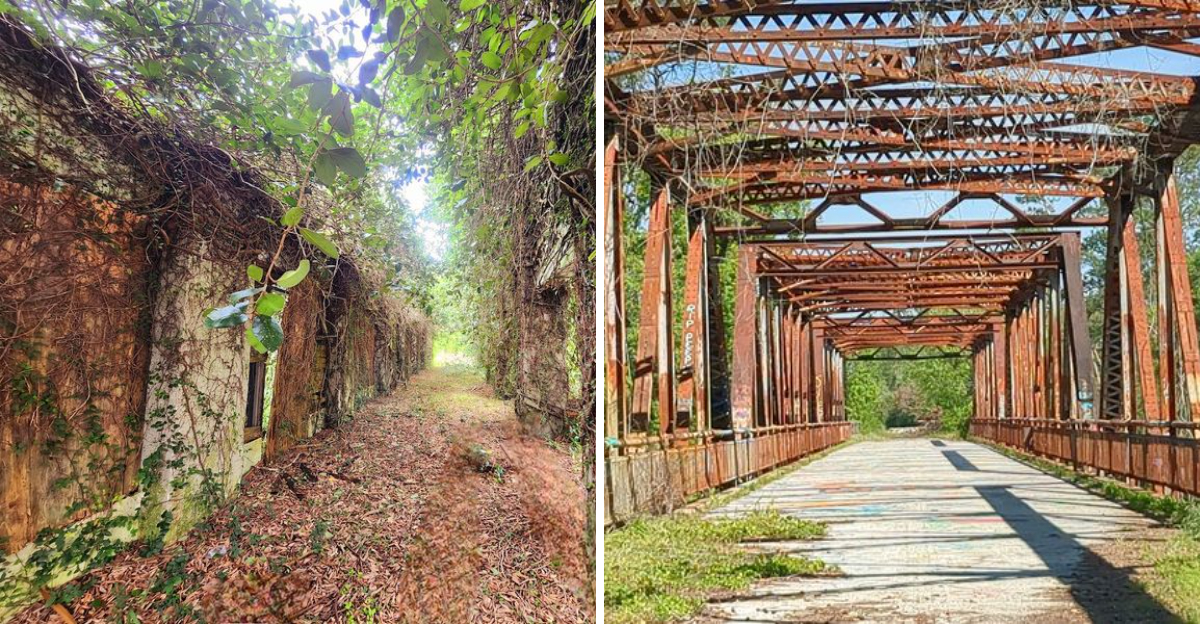
Some places refuse to stay forgotten, no matter how aggressively the forest tries to reclaim them.
I found this one almost by accident, following a back road that seemed designed to discourage visitors, and what waited at the end of it stopped me completely in my tracks.
A ghost town, sitting quietly in the Florida heat, its crumbling walls and vine-covered streets holding onto stories that nobody bothered to write down before everyone left.
Florida has a reputation for sunshine and theme parks, but underneath all of that, it hides a genuinely strange and complicated history.
Abandoned towns, forgotten communities, and vanished lives are tucked into corners of the state that most tourists never see and most locals never mention.
This place is one of those corners.
It is eerie, fascinating, and oddly beautiful in the way that only truly forgotten things can be. You are going to want to see it for yourself.
The Ghost Town That Time Forgot
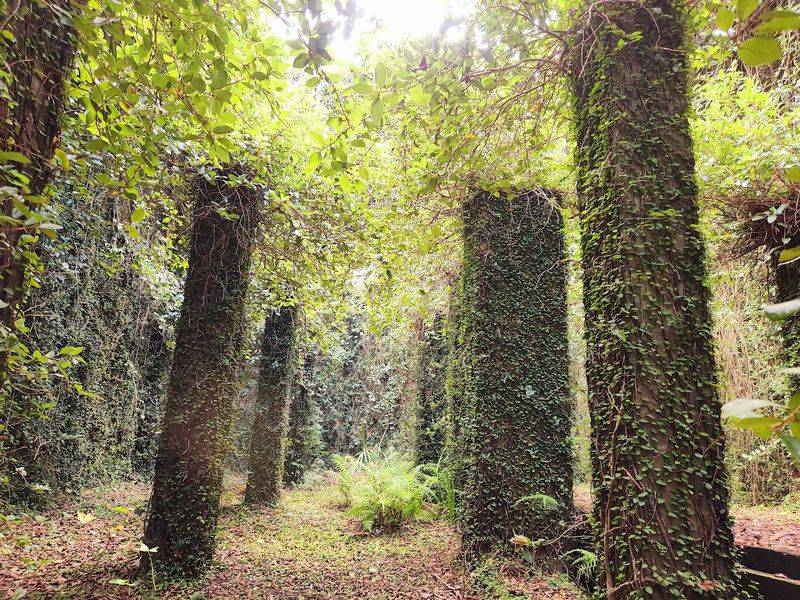
Ellaville, Florida sits along the Suwannee River like a rumor you half-believe until you see it yourself.
Located near the intersection of U.S. Highway 90 and the Suwannee River in Madison County, this place was once a booming mill town that put food on tables across the region.
Now it is mostly swallowed by palmetto scrub and river vines.
Founded in the 1800s, Ellaville grew up fast around a massive steam-powered sawmill that processed timber around the clock.
At its peak, the town had a post office, a hotel, and hundreds of residents who built real lives here. Then the timber ran out, and so did the people.
Standing at the edge of what used to be the main street, you feel the weight of something real. The silence is not empty.
It hums with old industry and forgotten ambition.
Visiting Ellaville feels less like tourism and more like accidentally reading someone else’s diary.
That uncomfortable feeling of trespassing on history is exactly what makes this place so completely unforgettable.
The Sawmill Legacy
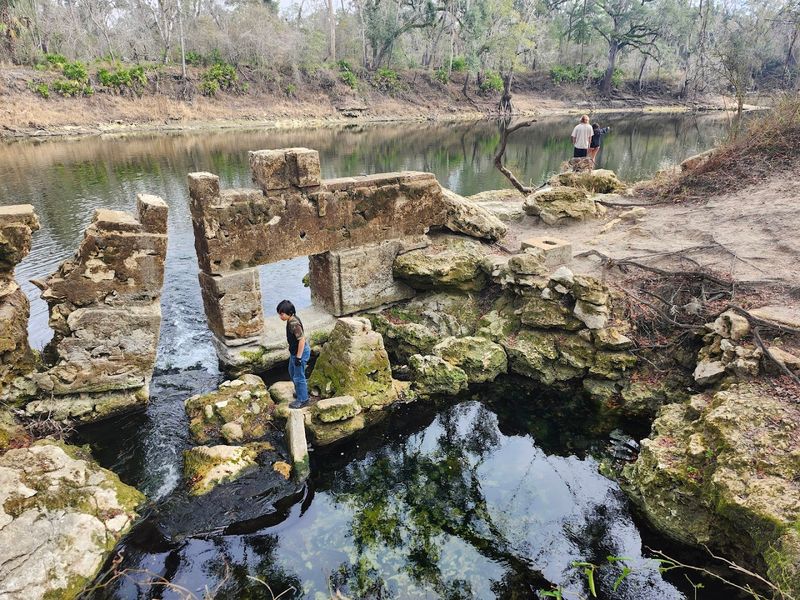
Nobody builds a town in the middle of Florida wilderness without a very good reason, and for Ellaville, that reason was lumber.
The sawmill operation here was one of the largest in the entire state during the late 1800s. Massive longleaf pines that had stood for centuries were processed into planks that built homes across the South.
The mill ran on steam power and human determination in equal measure. Workers came from surrounding counties, drawn by steady wages and the promise of stable work.
The operation ran day and night during peak seasons, and the noise must have carried for miles across the flat Florida landscape.
When you walk the site today, you can still find fragments of the brick foundation poking through the soil like old teeth.
The river nearby still moves with the same indifference it always has, carrying water that once powered the whole enterprise.
There is something quietly humbling about standing where so much industry once roared and finding nothing but birdsong and rustling palmettos.
The mill is gone, but the land remembers exactly what happened here.
The Suwannee River Connection
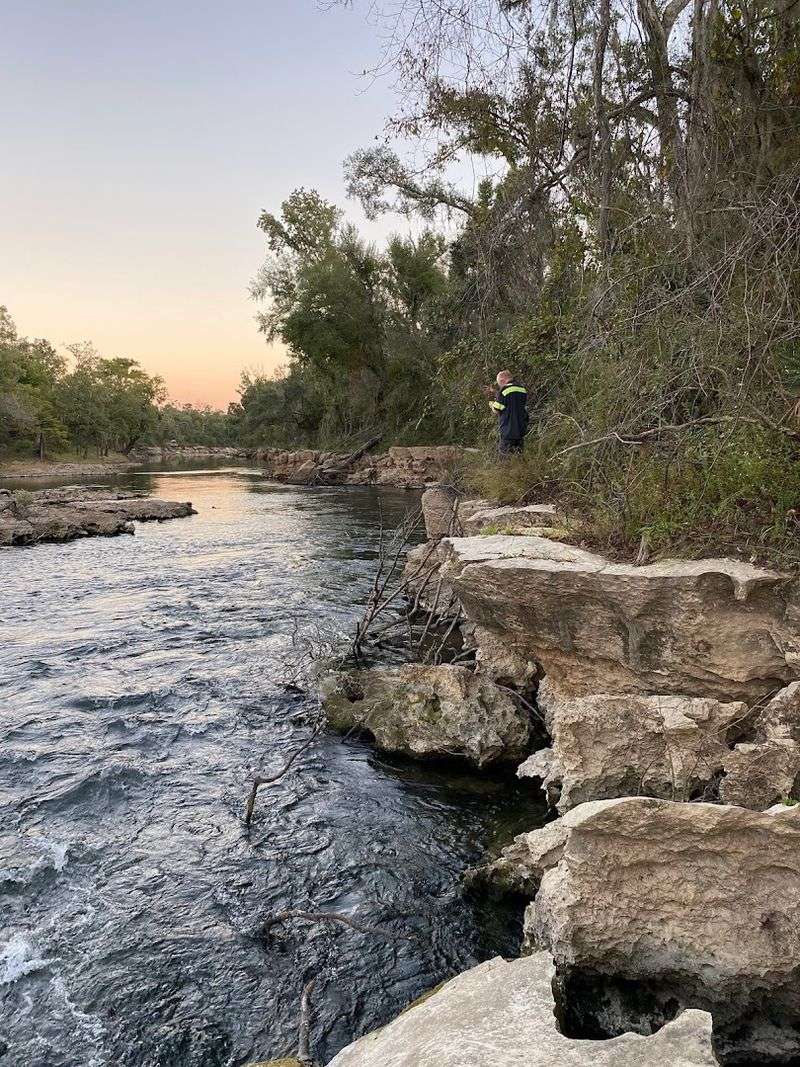
The Suwannee River made Ellaville possible, and the Suwannee River outlasted it without blinking. The river served as the town’s highway, power source, and identity all at once.
Timber floated downstream to markets, supplies arrived by boat, and the whole economy ran on moving water.
The Suwannee is one of those rivers that earns its reputation honestly. The water runs dark with tannins from decaying vegetation, giving it a mysterious tea-colored depth that feels ancient.
Cypress trees line the banks with their knobby roots breaking the surface like something from a storybook. Paddling this stretch today, you pass the ghosts of a working waterfront that no longer exists.
Stephen Foster immortalized this river in song long before most Americans had ever seen it, which adds a strange layer of fame to a waterway that remains genuinely wild.
The river did not mourn Ellaville when it left. It just kept flowing south, indifferent and beautiful.
That contrast between the river’s permanence and the town’s disappearance is the quiet drama that makes this location feel so philosophically loaded for anyone paying attention.
What The Post Office Left Behind
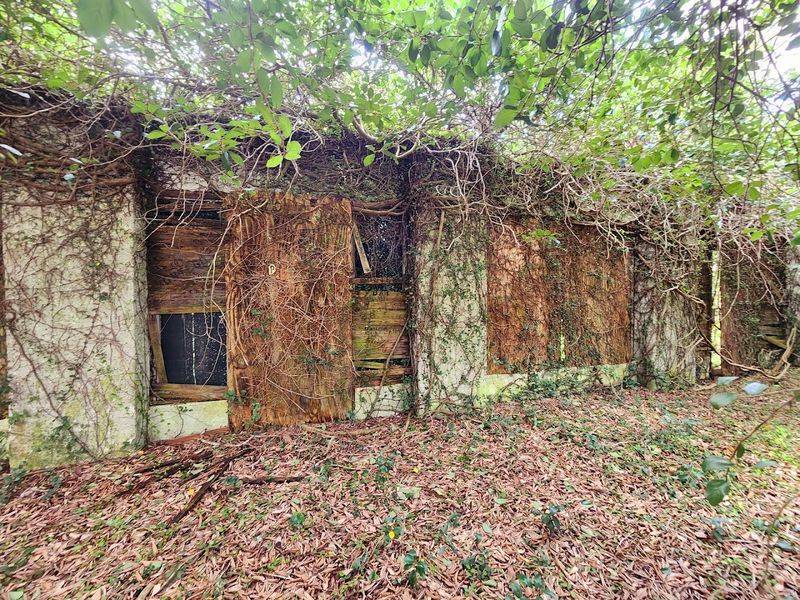
Every real town has a post office, and Ellaville was no different.
The post office here operated as the social hub of the community, the place where news arrived, letters were sent, and neighbors ran into each other with genuine purpose.
Losing a post office is often the first sign that a town has given up.
Ellaville’s post office closed in 1942, which is actually much later than most people expect given how thoroughly the place had already faded. That date tells you something interesting.
People held on here longer than the physical evidence suggests.
A community existed in some form for decades after the mill stopped running, which speaks to the stubbornness of people who build their lives somewhere and refuse to let go easily.
The building itself is long gone, but knowing it stood here changes how you read the landscape. You start imagining a postmaster sorting letters while sunlight came through a single dusty window.
You picture handwritten envelopes addressed to people whose names no longer appear anywhere. History does that to you in places like Ellaville.
It makes the invisible feel almost touchable, which is either wonderful or deeply unsettling depending on your mood.
The Old Railroad Grade
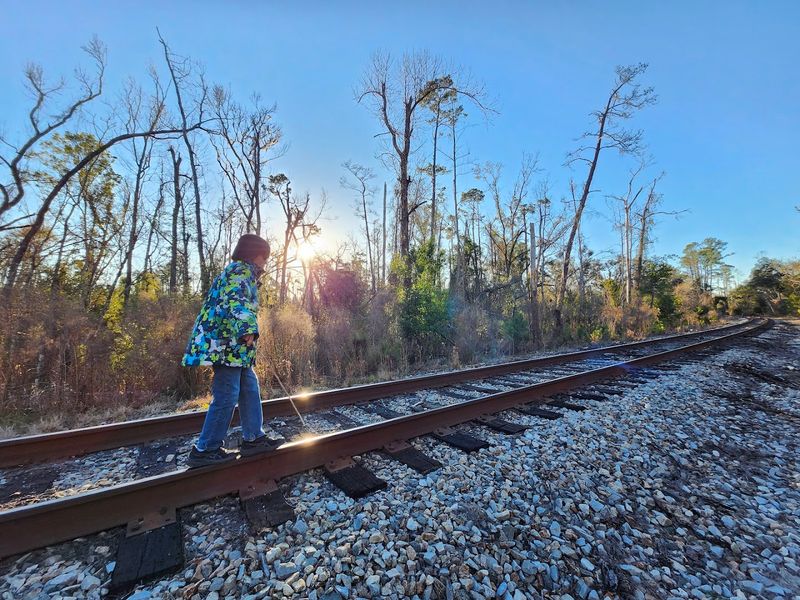
Railroads built the American South and then quietly abandoned large portions of it, and Ellaville knows that story from both ends.
A rail line once connected this town to the wider world, making it possible to ship lumber faster than the river alone could manage.
When the line was rerouted and eventually pulled up entirely, Ellaville lost its last serious argument for survival.
You can still trace the old railroad grade if you know what to look for. A subtle rise in the ground, a straight line through otherwise random vegetation, a gap in the tree canopy that follows an unnaturally direct path.
These are the fingerprints of infrastructure that has been removed but not erased. The land holds the memory even when the steel is gone.
Walking that old grade feels like reading a sentence with the important words removed. You understand the structure but miss the meaning.
Railroads in the 1800s were the internet of their day, connecting isolated communities to markets, ideas, and each other. Ellaville had that connection, lost it, and never recovered.
The grade is a quiet monument to how fragile prosperity can be when it depends on a single line of steel running through the woods.
The Nearby Suwannee River State Park
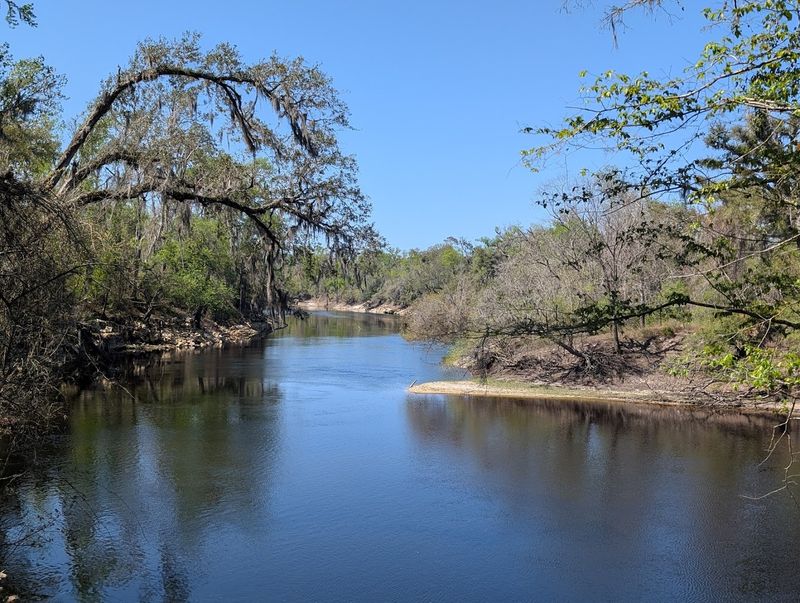
Good news for anyone who wants to experience the Ellaville area without getting scratched up by palmetto bushes: Suwannee River State Park sits right next door and makes the whole adventure significantly more accessible.
The park preserves a stretch of river landscape that gives you genuine context for what this region looked like when Ellaville was alive and thriving.
The park features hiking trails, river access for kayaking, and some genuinely beautiful views of the confluence where the Suwannee and Withlacoochee rivers meet.
That confluence was strategically important during the Civil War era, and earthwork fortifications from that period are still visible along the trails. History stacks up fast in this corner of Florida.
Rangers at the park are usually happy to talk about Ellaville’s history if you ask the right questions. They know the land better than most, and their perspective adds texture to what you see.
The park also provides a safe and legal staging point for exploring the general area, which matters since some of the surrounding land is privately owned.
Going through the park first is just smart planning that also happens to reward you with excellent scenery.
The Architecture That Almost Survived
Most ghost towns in Florida did not survive long enough to leave dramatic ruins behind.
The combination of humidity, tropical storms, and aggressive vegetation tends to reduce wooden structures to mulch within a generation.
Ellaville is no exception, but the fragments that remain tell a surprisingly complete story if you look carefully.
Brick foundations and scattered masonry are the most durable evidence of what stood here. The mill buildings used substantial construction because the operation required it.
You do not build a steam-powered industrial facility out of pine boards and hope for the best.
The permanence of those building materials is exactly why pieces of the story survived at all.
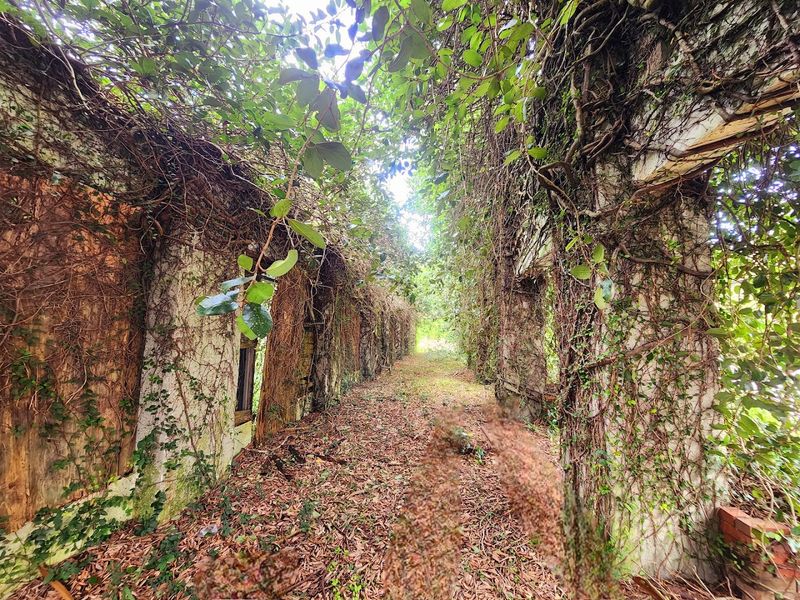
One of the more striking details is how the vegetation has incorporated the ruins rather than simply covering them. Tree roots wrap around old bricks.
Vines trace the outline of walls that no longer stand.
The result is something that looks almost deliberately artistic, like a collaboration between human construction and natural reclamation.
You get the sense that the forest is not destroying Ellaville so much as filing it away for safekeeping. That reframing makes the ruins feel less melancholy and more like a patient archive.
Why This Town Is Worth The Trip
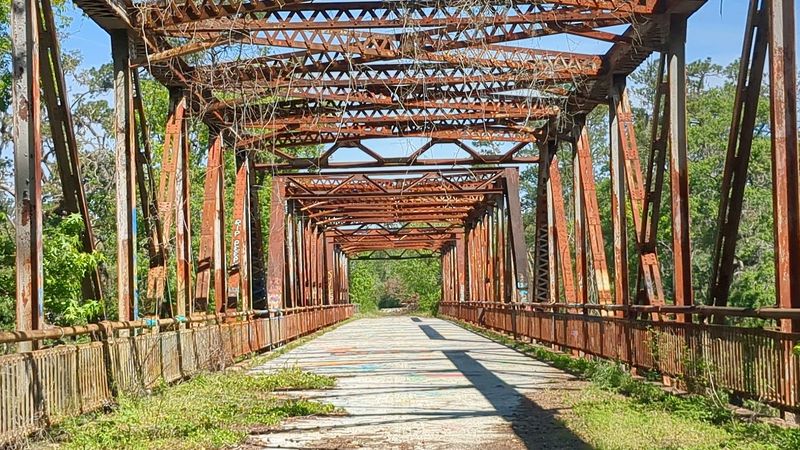
Florida gets a lot of attention for its beaches, theme parks, and retiree communities, which means places like Ellaville exist in almost complete obscurity for most visitors. That obscurity is the whole point.
Showing up somewhere that has not been curated for tourists forces you to do your own thinking, and that is a genuinely refreshing experience.
The drive to Ellaville takes you through rural North Florida, which looks nothing like the state most people imagine.
Oak canopies arch over two-lane roads, farmland stretches to the horizon, and the pace of life drops noticeably the further you get from any interstate.
That context matters because it helps you understand how a town like Ellaville could exist at all in this landscape.
Bring water, wear closed-toe shoes, and go in the cooler months between October and March when the heat and insects are manageable. Tell someone where you are going because cell service is inconsistent.
None of that is a complaint. It is just the honest preparation that makes the experience work.
Ellaville rewards people who show up ready to pay attention, and it has absolutely no interest in making things easy for anyone who does not.