The Nation’s Oldest Songbird Sanctuary Is Hidden Right Here In Connecticut
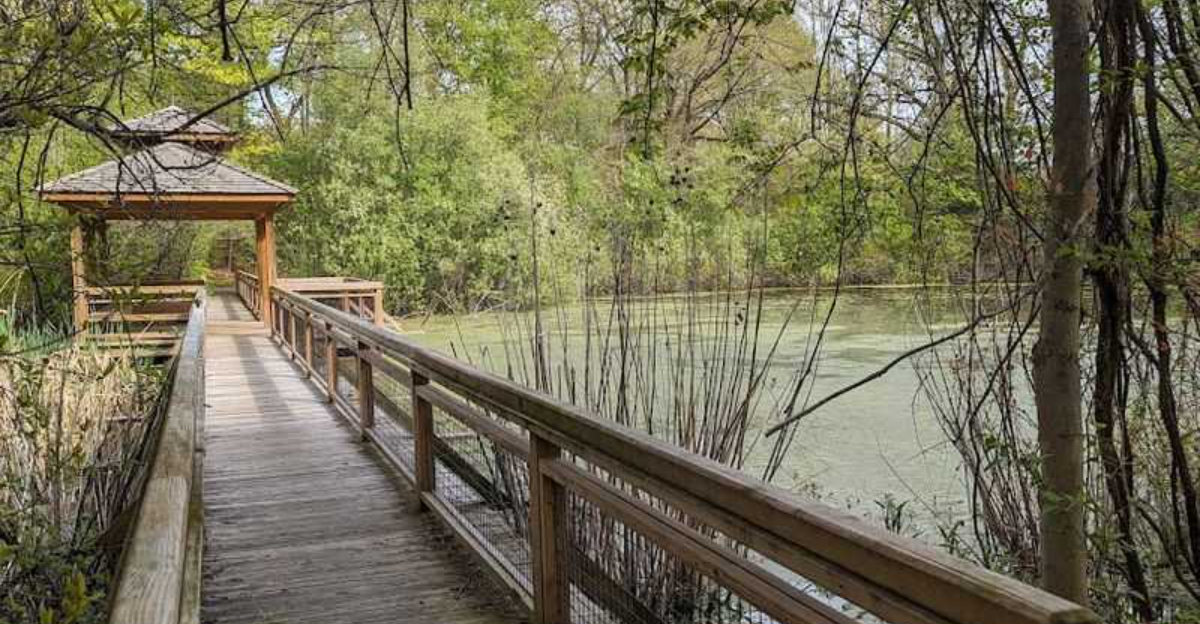
Birdsong has a funny way of making the outside world disappear, and this little refuge has been doing that for generations. Connecticut holds the nation’s oldest private songbird sanctuary, where more than a century of conservation still feels wonderfully alive.
It began in 1914 with a bold idea: create a safe place where wild birds could rest and thrive. That mission still shapes every corner.
A short trail winds past leafy habitat and a quiet pond, while migrating warblers bring extra excitement each spring.
The museum adds another layer without giving away the whole story. Inside, old photographs and natural history displays connect today’s visitors with the woman who started it all.
There is real science happening here too, thanks to a federally licensed bird-banding station that has tracked thousands of birds. It feels peaceful, but never sleepy.
Every rustle could mean another tiny visitor has arrived, and that possibility is half the fun.
1. Mabel Osgood Wright’s Big Idea
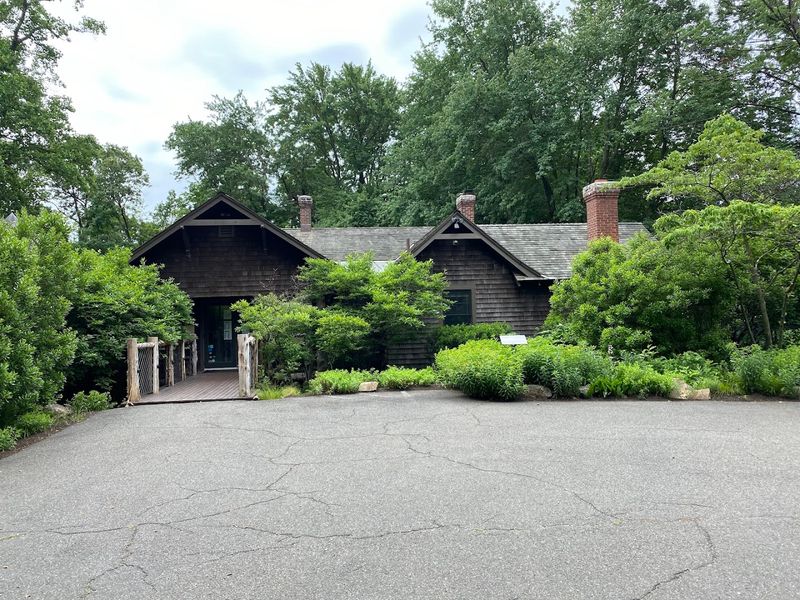
A love of birds shaped Mabel Osgood Wright’s life long before conservation became a familiar public cause. Through writing, photography, education, and advocacy, she encouraged ordinary readers to notice wildlife and understand why protecting it mattered.
Her influential 1895 book, *Birdcraft*, blended practical identification guidance with vivid observations of bird behavior. It reached a wide audience and helped strengthen interest in birdwatching during a period when many species faced growing pressure.
Three years later, Wright joined other Fairfield women in founding the Connecticut Audubon Society, promoting both environmental education and protective legislation.
In 1914, she created Birdcraft Museum and Sanctuary, now recognized as one of the nation’s earliest private songbird sanctuaries. The name honored the book that had become closely tied to her work.
Wright believed lasting conservation depended on giving children and adults direct, meaningful contact with nature.
That vision continues across the sanctuary today. Short trails, a pond, native habitat, museum exhibits, and educational programs invite visitors to slow down, observe closely, and develop the deep curiosity that guided Wright’s groundbreaking work more than a century ago.
2. A Sanctuary Dating Back To 1914
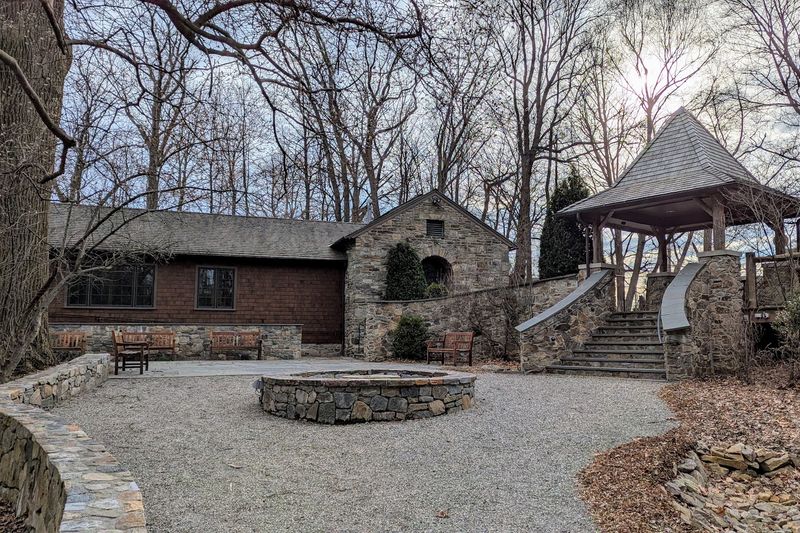
Birdcraft Sanctuary grew from a bold conservation idea at a time when private refuges for songbirds were almost unheard of.
Established in 1914 by Mabel Osgood Wright, it became one of the earliest sanctuaries of its kind in the United States and helped give the young bird protection movement a permanent home.
The property was made possible through the generosity of Annie Burr Jennings, who provided land to the Connecticut Audubon Society. Wright then shaped the sanctuary as a refuge, teaching center, and public space where people could learn to observe birds more closely.
Its creation came during an era when wild bird populations faced heavy pressure from feather hunting and shrinking habitat.
More than a century later, Birdcraft still reflects that original purpose. The grounds protect habitat, especially during spring and fall migration, while trails, a pond, museum exhibits, and educational programs encourage visitors to build a connection with the natural world.
That continuity gives the sanctuary unusual significance. It remains both a historic landmark and an active conservation site, carrying forward the belief that informed, curious communities are essential to protecting birds and the places they depend on.
3. Five Acres Made For Songbirds
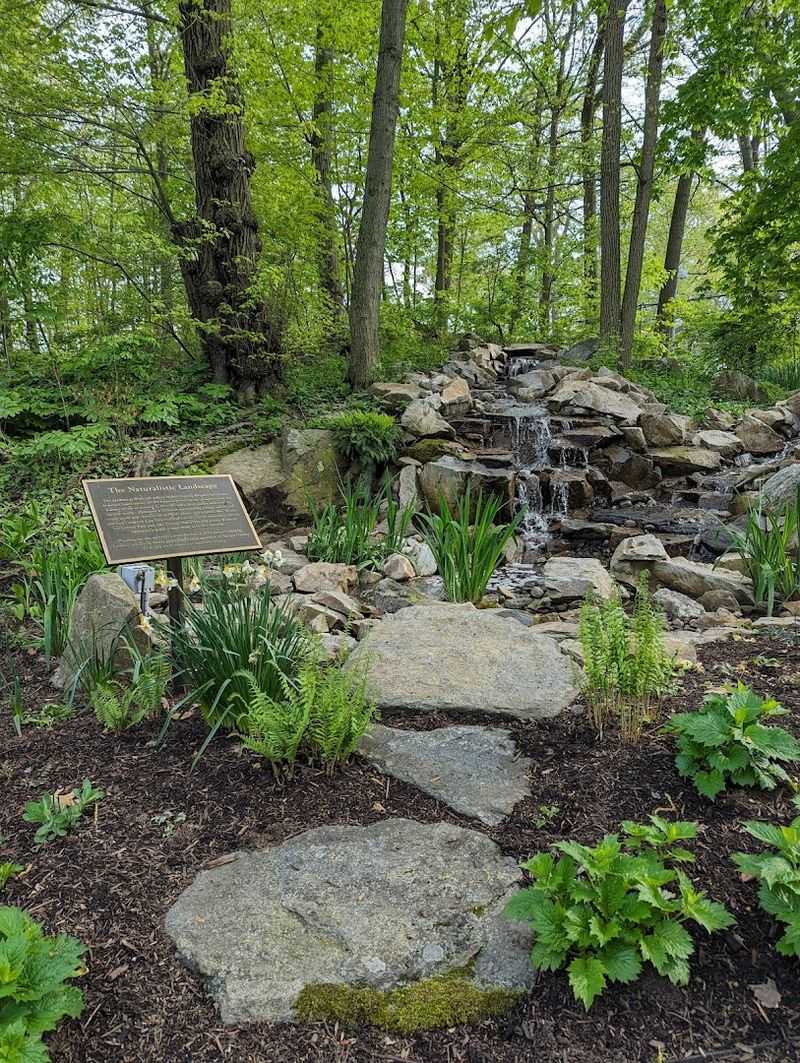
Compact but carefully designed, the Birdcraft Sanctuary covers roughly five to six acres of protected land in a fully developed Fairfield neighborhood. What makes this small footprint remarkable is how much ecological variety it manages to pack into such a limited space.
Hardwood forest, dense thickets, and a shallow pond create a layered habitat that attracts a genuinely wide range of bird species throughout the year.
The entire property was planted and shaped with birds in mind, from the types of shrubs and trees selected to the placement of the pond and feeding areas.
That intentional design philosophy traces directly back to Mabel Osgood Wright, who understood that birds needed food, shelter, and water in close proximity to thrive.
Every corner of the property reflects that practical thinking.
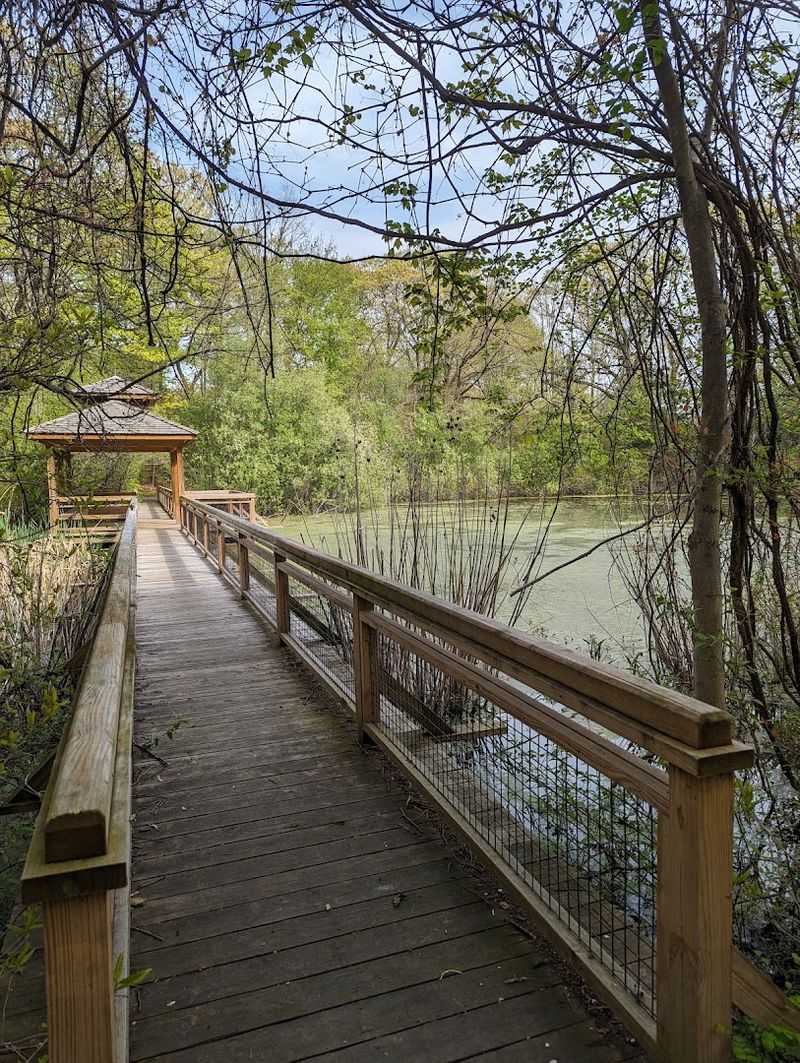
A short loop trail winds through the sanctuary and includes a boardwalk that crosses over the pond, giving visitors an up-close look at the water habitat without disturbing the wildlife.
The trail is easy enough for young children and comfortable for older visitors, making it accessible to a broad range of people.
Even a single slow loop tends to turn up more birds than most visitors expect to find.
4. A Historic Landmark Near Downtown
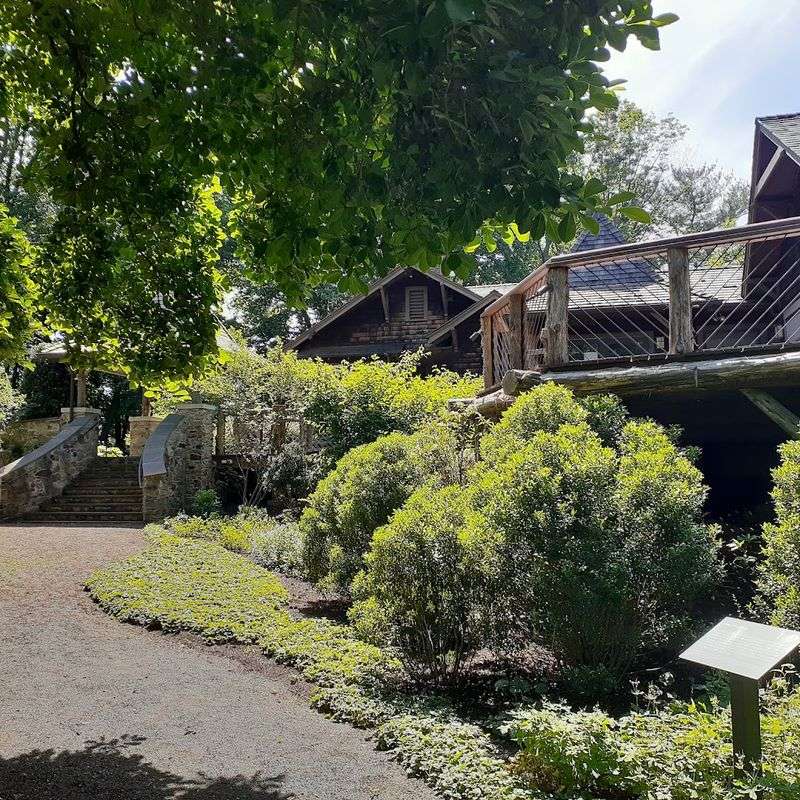
Historic importance does not always arrive with grand architecture. Birdcraft Museum and Sanctuary has a modest appearance, yet its influence on American conservation reaches far beyond its six-acre grounds.
Created by Mabel Osgood Wright in 1914, the property became an early model for protecting songbirds while teaching the public about nature.
Recognition followed decades later when Birdcraft joined the National Register of Historic Places in 1982 and received National Historic Landmark designation on April 19, 1993.
That status honors its exceptional role in the country’s conservation history.
Its setting makes the story even more striking. Trails, gardens, a pond, and bird habitat remain close to downtown Fairfield, where traffic and trains are part of the surrounding rhythm.
Rather than weakening the experience, that contrast highlights how valuable a century-old refuge can be within a developed community.
Visitors can reach Birdcraft at 314 Unquowa Road in Fairfield, only a few blocks from the Fairfield train station. The easy access makes this nationally important site practical to visit without a car.
Its quiet paths and unassuming museum show that meaningful conservation can thrive beside everyday life, preserving both wildlife habitat and a remarkable chapter of history for generations of curious local visitors.
5. Inside The Birdcraft Museum
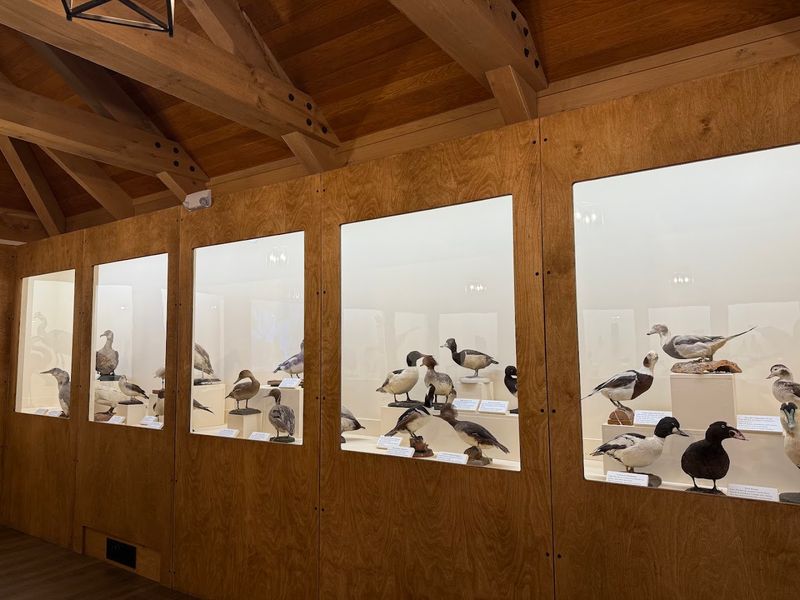
Birdcraft Museum offers the charm of a well-used field guide brought to life, with exhibits that introduce visitors to birds found across the sanctuary and surrounding region.
Mounted specimens, interpretive displays, and educational panels explain local species, their behavior, and the habitats they depend on.
The atmosphere remains calm and approachable, making it easy to explore without feeling rushed or overwhelmed.
Families can use scavenger hunt materials to turn the exhibits into an interactive search, while coloring pages and hands-on activities give younger visitors additional ways to stay engaged.
The museum’s manageable size also works well for children who may lose interest in larger institutions.
Current public hours are Thursday, Saturday, and Sunday from 10:00 a.m. to 3:00 p.m., with free admission. The sanctuary trails are open from dawn to dusk throughout the year.
Guests can pair time indoors with a quiet walk outside. Because schedules may shift for programs, holidays, or special events, checking the latest posted information before visiting is sensible.
Its strength comes from simplicity. Rather than packing the rooms with dense material, Birdcraft encourages curiosity, close observation, and an unhurried connection with the birdlife that inspired the sanctuary’s creation more than a century ago today.
6. Where Bird Banding Still Happens

Bird banding is one of the oldest and most reliable methods researchers use to track bird populations, migration patterns, and survival rates over time.
At the Birdcraft Sanctuary, this practice has a long history, connecting the site to a broader network of scientific work being done across the country and into Central and South America where many of these birds spend their winters.
The process involves carefully catching birds using fine nets, recording their species, age, weight, and wing measurements, and then attaching a tiny numbered aluminum band to one leg before releasing them unharmed.
If a banded bird is later caught or found elsewhere, the data collected can reveal remarkable details about how far individual birds travel and how long they live.
For visitors, bird banding events offer a rare chance to see wild birds up close in a way that is both scientifically meaningful and genuinely moving. Watching a small warbler held gently in someone’s hand before being released back into the canopy tends to leave a lasting impression.
The Connecticut Audubon Society’s continued support of banding programs at sites like Birdcraft keeps the sanctuary connected to real, ongoing conservation science rather than simply being a passive green space.
7. More Than 150 Species Spotted Here
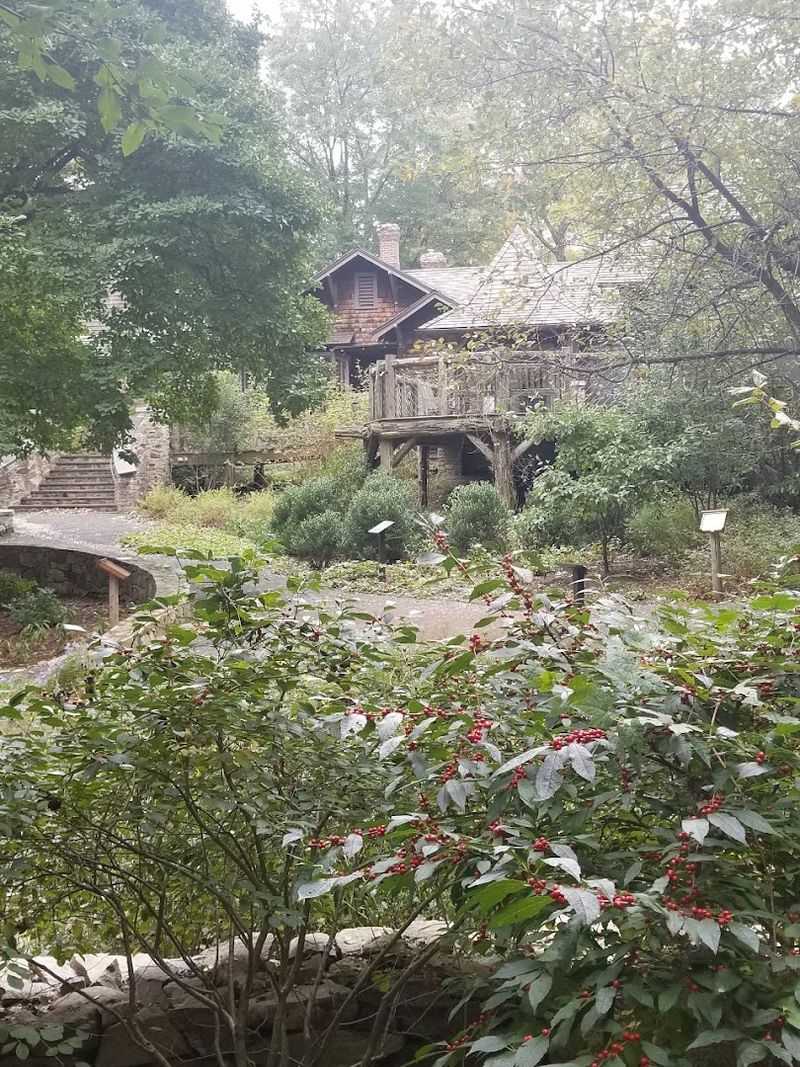
For a property that measures only a handful of acres, the species count at Birdcraft is genuinely impressive.
More than 150 bird species have been recorded on the grounds over the years, a number that reflects both the quality of the habitat and the sanctuary’s position along an active migratory corridor on the Connecticut coast.
Warblers, thrushes, sparrows, finches, and a rotating cast of less common visitors have all been documented here. The variety shifts with the seasons, meaning that a visit in April can look completely different from one in September or January.
Regular birders who know the site well often return multiple times a year specifically because the bird life changes so dramatically between seasons.
Even casual visitors with no birding background tend to notice more than they expect. The combination of dense cover, open water, and a relatively undisturbed environment draws birds in close enough to observe without needing binoculars, though a pair certainly helps.
Bringing a simple field guide or downloading a bird identification app before visiting adds a layer of engagement that can turn a short stroll into a surprisingly absorbing afternoon for adults and kids alike.
8. Spring And Fall Bring The Most Action
Seasonal changes can completely reshape a visit to Birdcraft Sanctuary. Spring brings the liveliest burst of activity, especially from late April through May, when warblers, vireos, flycatchers, thrushes, and other migrants pause in this small patch of habitat.
The concentration can be remarkable, and the sanctuary has recorded every warbler species that regularly appears in the state.
Fall migration unfolds more gradually, often stretching from late August into October. Southbound songbirds, sparrows, and other travelers pass through over a broader period, making repeat visits rewarding.
Early mornings usually offer the best chance to hear calls, spot movement in the canopy, and enjoy cooler, quieter trails.
The slower seasons still have plenty to offer. Chickadees, nuthatches, woodpeckers, cardinals, and other familiar residents keep the grounds active during summer and winter, while changing foliage and bare branches create different viewing conditions.
Museum hours currently run Thursday, Saturday, and Sunday from 10:00 a.m. to 3:00 p.m., while the trails remain open daily from dawn to dusk.
Arriving early during migration season gives visitors time to explore outside before pairing the birdwatching with exhibits inside nearby at an easy, unhurried pace.
Each season reveals a different side of this compact but surprisingly rich sanctuary.
9. A Quiet Trail Locals Keep Coming Back To
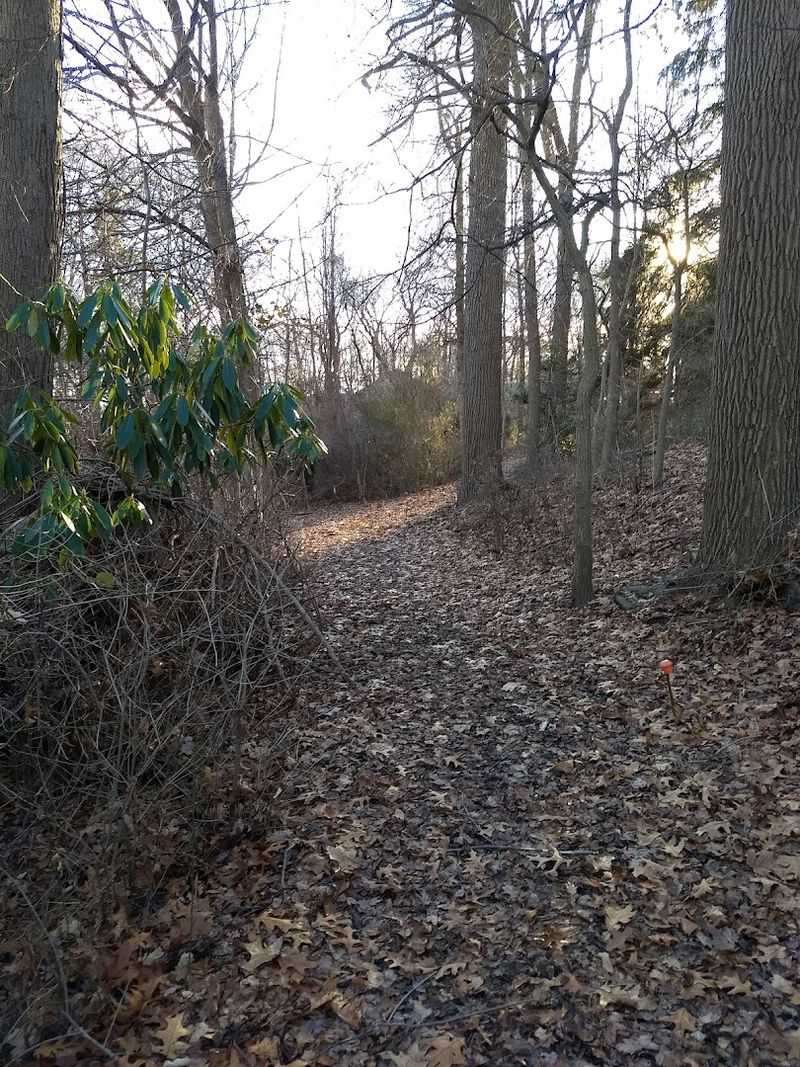
A short trail can offer a surprisingly complete nature break, especially when every turn reveals another detail worth noticing. Birdcraft Sanctuary’s loop circles the property through woodland and around a pond, with a boardwalk that creates an easy place to pause and watch the water.
Visitors often slow their pace here, listening for birds, scanning branches, or waiting for movement near the shoreline. Herons, wood ducks, turtles, chipmunks, and other wildlife may appear, while changing light and seasonal foliage give repeat walks a different character.
The nearby roads never feel far away, yet the trees and pond soften the surrounding activity and create a welcome sense of separation.
The trail is compact enough for a brief visit, but birdwatchers and photographers can easily spend much longer exploring. Its manageable length also makes the sanctuary approachable for families and people looking for a gentle outdoor outing rather than a demanding hike.
Admission is free, and the trails remain open from dawn to dusk throughout the year. Donations support the Connecticut Audubon Society’s conservation and education work.
With easy access from downtown Fairfield and the train station, Birdcraft offers a convenient escape that continues to reward both newcomers and devoted regulars alike.